


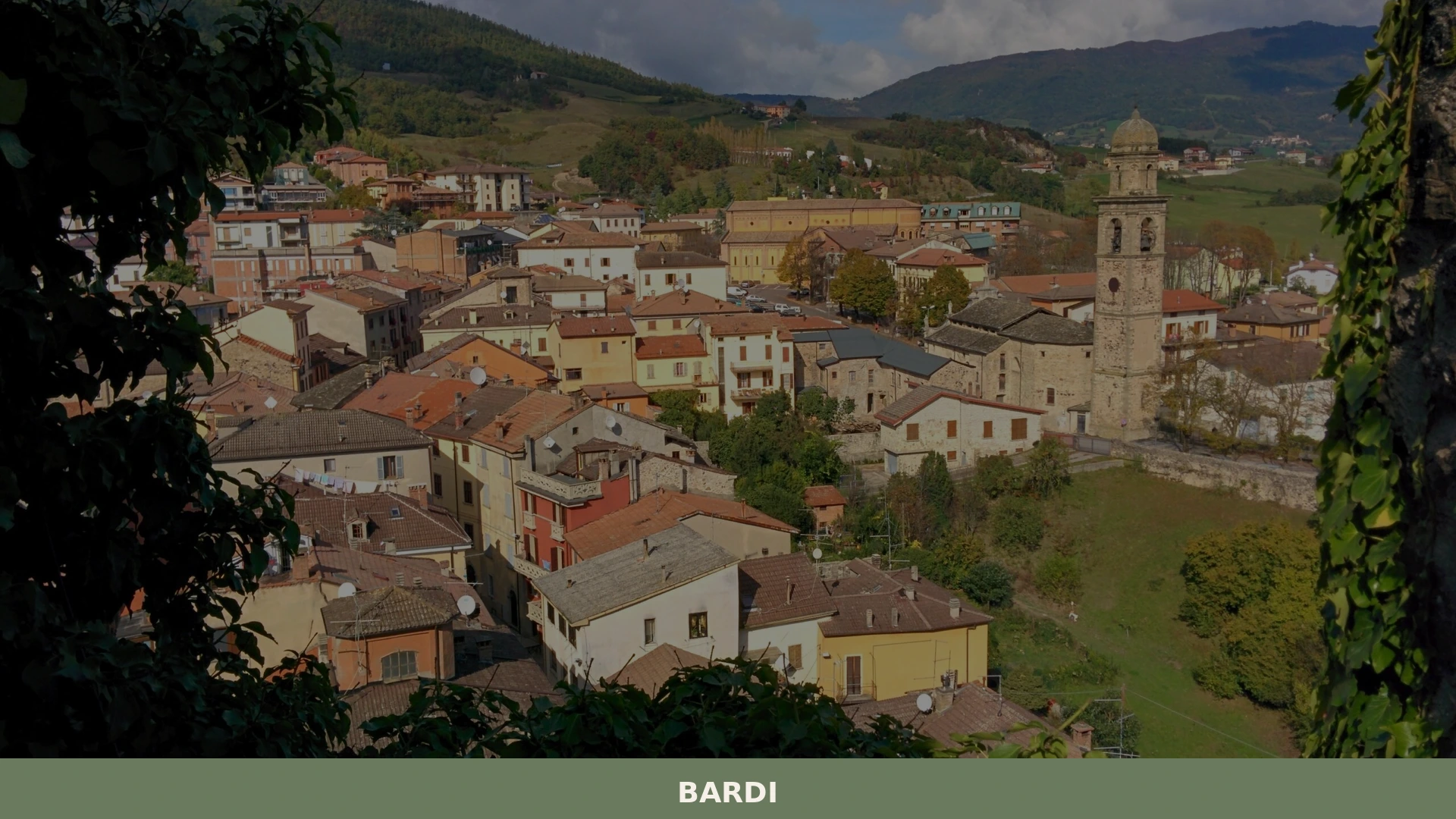
Bardi
 Mountain
What to see in Bardi, Italy: Explore the Landi Castle and its 13th-century Oratory at 625 m altitude. Discover this mountain village in Emilia-Romagna.
Discover Bardi
Dominating the upper Ceno valley, the village of Bardi stands majestically atop a spur of red jasper, where the Ceno and Noveglia rivers converge. This strategic location has shaped its history, with fortifications rising from the rock to oversee the surrounding landscape for centuries.
The imposing Landi Castle, a testament to medieval engineering, remains the village’s most prominent landmark, visible from various points in the valley.
For those planning a trip and wondering what to see in Bardi, the village offers a compelling blend of historical architecture and natural beauty.
Located at an altitude of 625 m (2,051 ft) above sea level, Bardi provides visitors with insights into its past through structures like the formidable Landi Castle and the Oratory of Santa Maria delle Grazie, which houses an early work by Parmigianino. The village provides a focal point for exploring the mountain environment of the Province of Parma.
History of Bardi
The origins of Bardi are steeped in both legend and verifiable history, tracing back to an early medieval presence. According to local lore, the town’s name is derived from “Bardus” or “Barrio,” supposedly the last elephant of Hannibal’s army, which is said to have perished here during the march to Rome. Historically, the name is linked to the Lombard nobility who established their presence in Bardi around 600 AD, laying the groundwork for its future development.
By the year 1000, the Bishop of Piacenza had taken up residence in the settlement, underscoring its growing importance in the region.
The Landi family of Piacenza acquired Bardi in 1257, initiating a period of control that would span four centuries and profoundly influence the village’s trajectory.
Despite their strong hold, the castle was stormed in 1269 by an army led by Alberto Fontana, leading to its occupation by the commune of Piacenza until 1307. Emperor Henry VII then reinstated Umbertino II Landi as its lord, re-establishing the family’s authority. A significant military event occurred nearby on November 29, 1321, when Galeazzo I Visconti of Milan secured a notable victory over the Guelphs, further shaping the regional power dynamics. The Landi were formally declared independent by Gian Galeazzo Visconti in 1381 and achieved complete autonomy by 1415.
The 16th and 17th centuries saw Federico and his daughter Polissena Bardi undertaking significant renewals of the castle, transforming it while also establishing a college of notaries that continued to operate until 1805. However, this era of local autonomy concluded in 1682 when Polissena’s son, Dario, ceded Bardi to Ranuccio II Farnese, the Duke of Parma and Piacenza.
From this point, Bardi followed the broader history of the Duchy until the unification of Italy.
In more recent history, the late 19th and 20th centuries witnessed a notable emigration of the local population to countries like France, Switzerland, Belgium, and particularly Wales, where they had a significant impact on Welsh life. During World War II, the area experienced intense clashes between German forces and partisans, culminating in the village being bombed by 12 Stukas on July 17, 1944.
What to see in Bardi, Emilia-Romagna: top attractions
Castello dei Landi
Perched dramatically on a spur of red jasper, the Castello dei Landi is the defining feature of Bardi, commanding views over the confluence of the Ceno and Noveglia rivers. This formidable fortress became the seat of the Landi family in 1257, who then shaped its development for over 400 years. Significant renovations were undertaken in the 16th and 17th centuries by Federico and Polissena Bardi, enhancing its defensive capabilities and residential areas. Visitors can explore the ramparts, courtyards, and interior spaces, gaining insight into medieval military architecture and the lives of its former lords.
The castle’s enduring presence reflects centuries of strategic importance in the upper Ceno valley.
Oratory of Santa Maria delle Grazie
The Oratory of Santa Maria delle Grazie, a structure dating back to the 13th century, offers a glimpse into Bardi’s religious and artistic heritage.
Located within the village, this historic oratory is particularly renowned for housing the Bardi Altarpiece. Created in 1521 by the Mannerist painter Parmigianino, this early work by the acclaimed artist represents a significant cultural treasure within the small community. The altarpiece provides a compelling reason to visit, allowing appreciation of a master’s skill in a serene, historical setting. The oratory stands as a quiet witness to centuries of devotion and artistic patronage in Bardi.
Parish Church of San Giovanni Battista
The Parish Church of San Giovanni Battista, constructed in the 16th century, serves as the spiritual heart of Bardi and is dedicated to the village’s patron saint. This church reflects the architectural styles prevalent during its construction period, offering a serene space for reflection and worship. As the central parish church, it has been a focal point for community life and religious ceremonies for hundreds of years.
Visitors can observe its historical structure and interior, which have witnessed generations of local residents celebrating their faith. The church continues to play an active role in Bardi, especially during the patron saint’s feast day.
Frazione Gravago di Bardi
A short distance from the main village, the frazione (hamlet) of Gravago di Bardi holds its own historical significance, notably featuring a castle that dates back to the 8th century.
This ancient stronghold was also under the ownership of the influential Landi family, underscoring their extensive reach and power throughout the region. The presence of such an early medieval fortification in Gravago highlights the long-standing strategic importance of the broader Bardi area. Exploring this hamlet provides an opportunity to see another layer of the region’s historical landscape, offering a different perspective on the defensive structures that once dotted the Ceno valley.
The castle, though perhaps less grand than its Bardi counterpart, offers a tangible link to a distant past.
The Mechanical Bear
For a more contemporary and quirky attraction in Bardi, visitors often seek out The Mechanical Bear, situated on Via Provinciale. This unusual sculpture has become a local point of interest, particularly known for a unique tradition. Many people make it a point to have their photo taken whilst astride the bear every time they visit Bardi. It is said that this ritual brings good fortune and virility, although these claims remain unproven.
This modern landmark offers a lighthearted contrast to the village’s ancient fortresses and religious sites, providing a memorable and distinctive photo opportunity for those exploring what to see in Bardi.
Local food and typical products of Bardi
Situated at 625 m (2,051 ft) above sea level in the mountainous Province of Parma, Bardi’s culinary identity is shaped by its geographical context.
The region’s gastronomic traditions typically feature hearty meals, drawing from the produce of the surrounding valleys and the practices of mountain farming. While specific local dishes unique to Bardi were not detailed in the provided historical records, the broader Emilia-Romagna region is celebrated for its rich and diverse cuisine, known for its robust flavors and high-quality ingredients.
Visitors to the area would commonly encounter ingredients such as locally sourced cured meats, a variety of cheeses produced from sheep and cow’s milk, and dishes incorporating seasonal vegetables and wild game from the surrounding Apennine foothills. These ingredients form the backbone of a culinary heritage that values traditional preparation methods.
The absence of specific mentions of Bardi’s unique certified products or food festivals in the available sources means that general regional culinary characteristics apply, emphasizing the fresh, local ingredients typical of this part of Corte Brugnatella and other mountain villages.
Festivals, events and traditions of Bardi
The primary annual celebration in Bardi revolves around its patron saint, San Giovanni Battista (Saint John the Baptist), whose feast day is observed on June 24.
This significant religious and community event typically involves various forms of worship, including masses and processions that wind through the village streets. The day often culminates in gatherings that bring residents and visitors together to celebrate this important tradition, reflecting centuries of local devotion and cultural practice.
While many Italian villages host a variety of seasonal events and fairs throughout the year, the provided sources did not detail other specific festivals, markets, or annual traditions unique to Bardi beyond the patron saint’s day. Therefore, visitors primarily interested in local cultural events should plan their trip to coincide with the feast of San Giovanni Battista to experience a traditional celebration in this mountain setting.
When to visit Bardi, Italy and how to get there
Determining the best time to visit Emilia-Romagna and Bardi largely depends on the activities planned, though generally, late spring through early autumn offers the most pleasant conditions.
From May to September, the weather is typically mild to warm, making it ideal for exploring the Landi Castle, hiking in the surrounding Ceno valley, and enjoying the village’s outdoor attractions.
Given its altitude of 625 m (2,051 ft), Bardi experiences cooler temperatures than the plains, providing a refreshing escape during the summer months. The patron saint’s feast on June 24 offers a unique cultural highlight for those visiting in early summer.
For those wondering how to get to Bardi, the village is most accessible by car, given its location in the Apennine mountains. It lies approximately 50 km (31 mi) southwest of Parma, and about 130 km (81 mi) west of Bologna, making it a feasible day trip from either major city in Emilia-Romagna. While there are no direct train connections to Bardi, travelers can reach Parma or Bologna by rail, then rent a car for the scenic drive into the valley.
The journey from Parma typically takes just over an hour, navigating winding mountain roads that offer expansive views of the landscape.
For international visitors flying into Italy, the nearest major airports are Bologna Guglielmo Marconi Airport (BLQ) or Milan Linate Airport (LIN), both requiring onward travel by car.
Visitors planning their journey can consult the official Comune di Bardi website for local information. It is advisable for international visitors to carry some Euros cash, as smaller shops and establishments in mountain villages may have limited card payment options. Additionally, while major tourist areas in Italy often have English speakers, proficiency may be limited in smaller, more secluded communities like Bardi, so a basic phrasebook can be useful.
For those interested in exploring more of Emilia-Romagna’s diverse offerings, a visit to Bardi can be complemented by trips to other historical towns in the region. Traveling towards Parma, one might consider exploring Anzola dell’Emilia, a municipality that shares the rich agricultural and historical context of the wider Emilian plain. These connections allow visitors to appreciate the varied landscapes and traditions of this Italian region.
Nearby Villages near Bardi
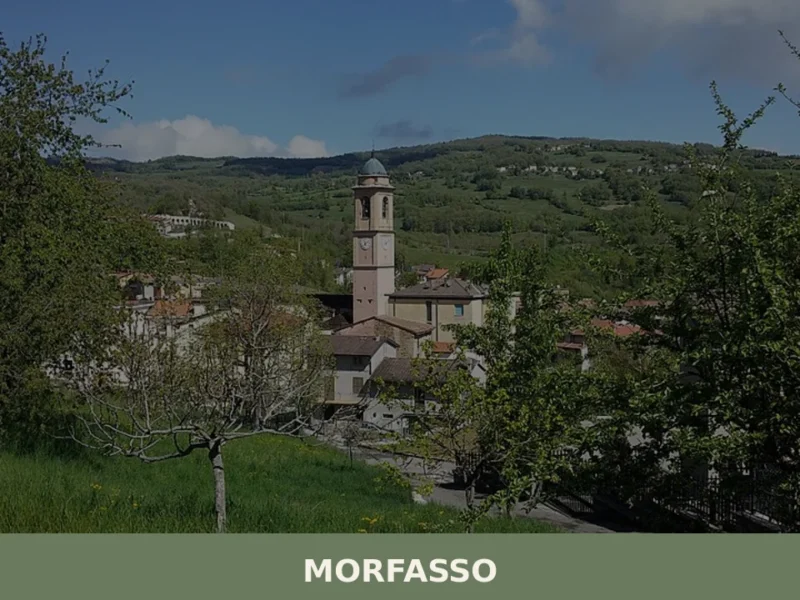
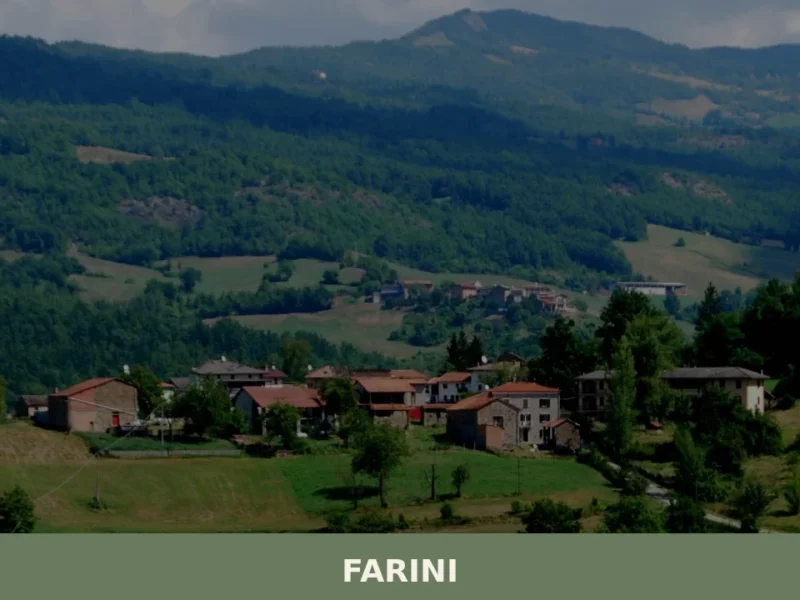
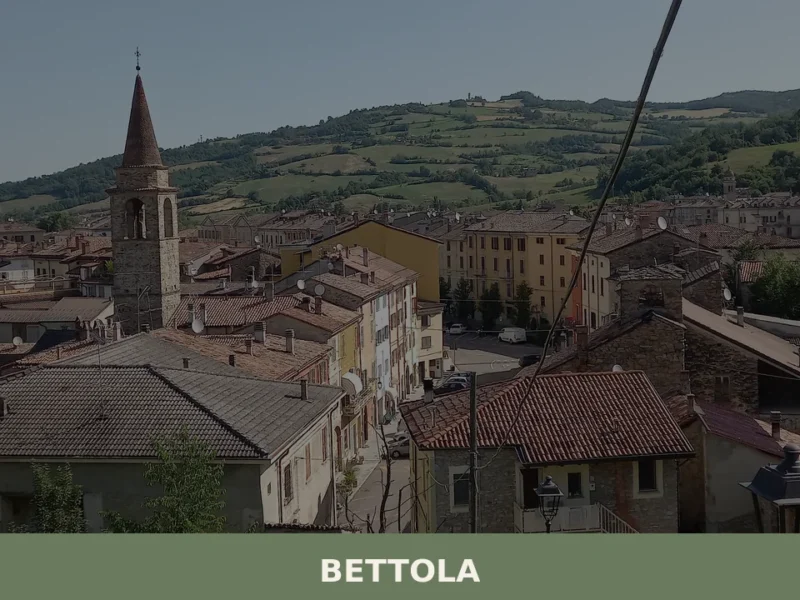
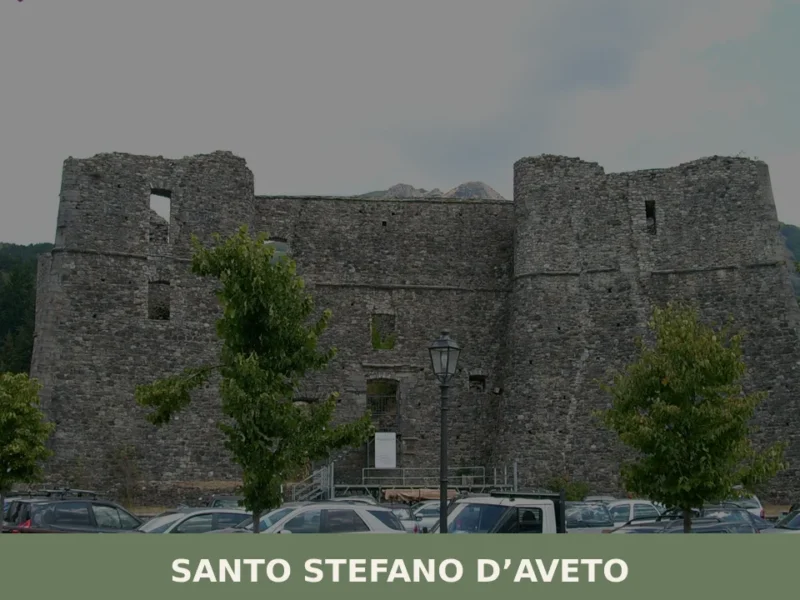
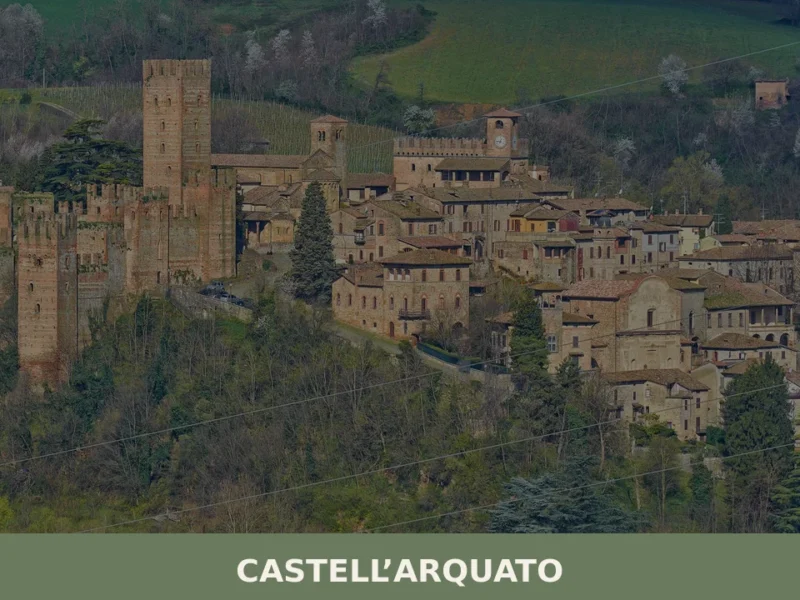
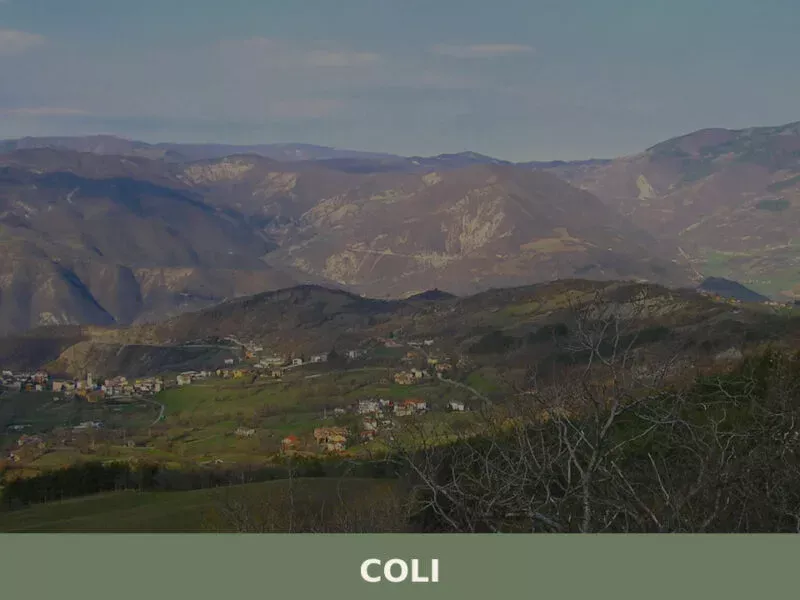
Nearby villages we are mapping:
- Ferriere Emilia-Romagna 📍 18.6 km Coming soon
In Emilia-Romagna More villages to discover
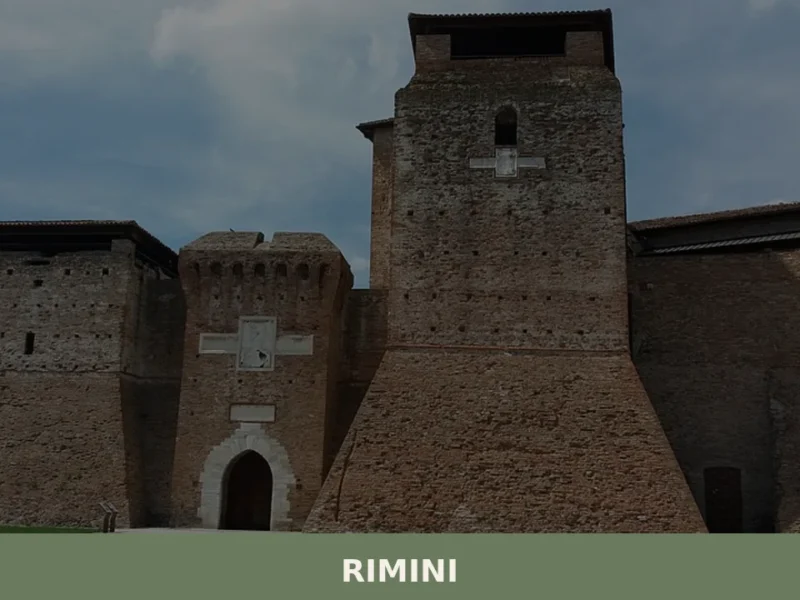
Rimini
 Sea
Sea
What to see in Rimini: 149,211 residents, Arch of Augustus, Tempio Malatestiano, Fellini Museum. Plan your visit with our complete guide to Roman history and local food.
Calestano
 Hills
Hills
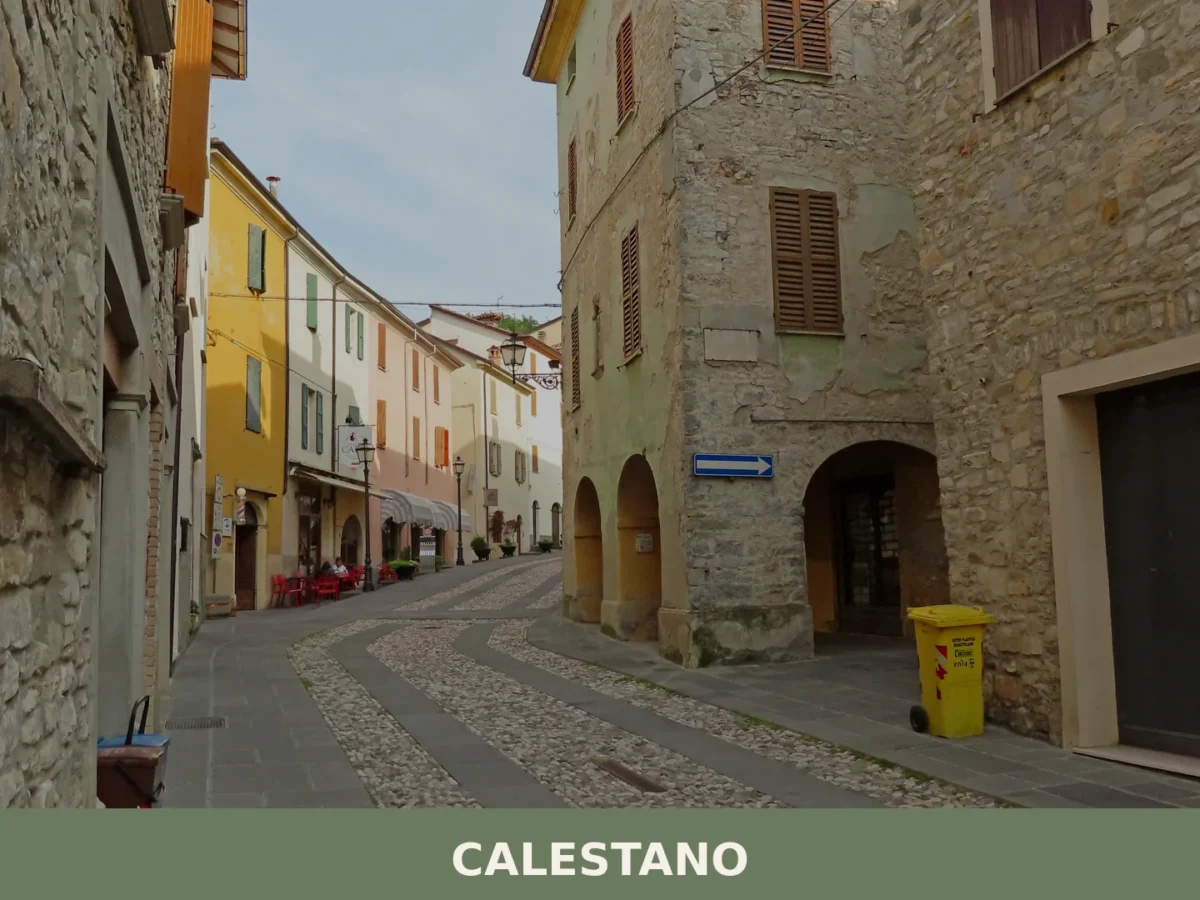
Calestano is a hill municipality in the Baganza valley, province of Parma, with over seven thousand years of human history, five medieval castles and striking natural formations in the Parma Apennines
Carpaneto Piacentino
 Plains
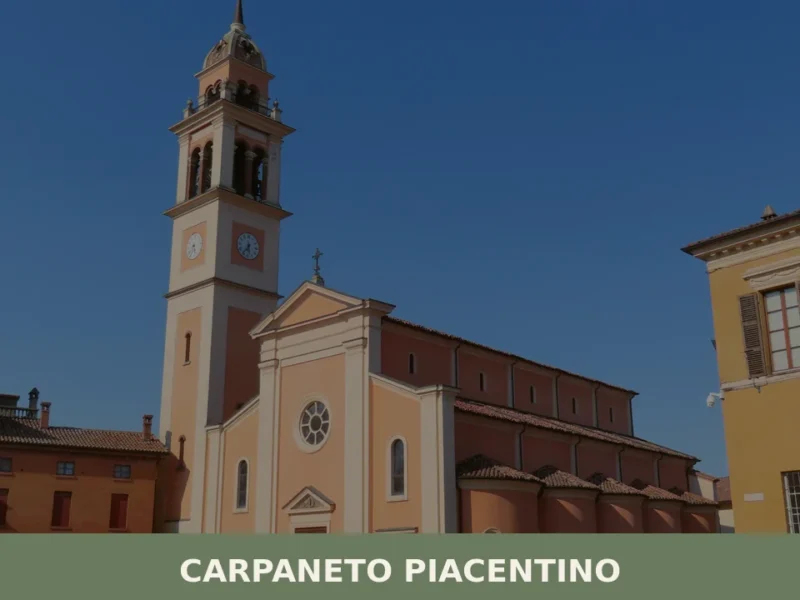
What to see in Carpaneto Piacentino: 7,598 residents, 114 m altitude, Saints Fermo & Rustico festival on 9 Aug, DOP cured meats. Plan your visit now.
Fiumalbo
Mountain
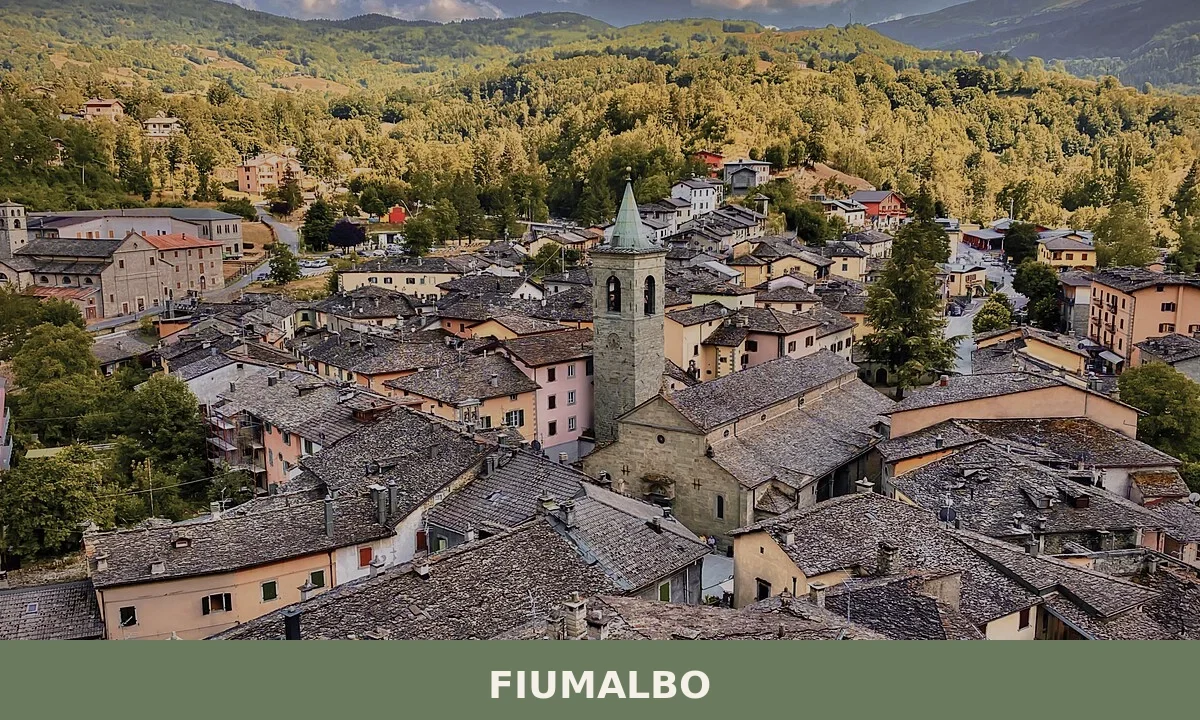
Fiumalbo is a historic mountain comune at 938 metres in the province of Modena, where a documented past stretching back to 1038 meets living traditions including a celebrated living Nativity and a wea
Lizzano in Belvedere
Mountain
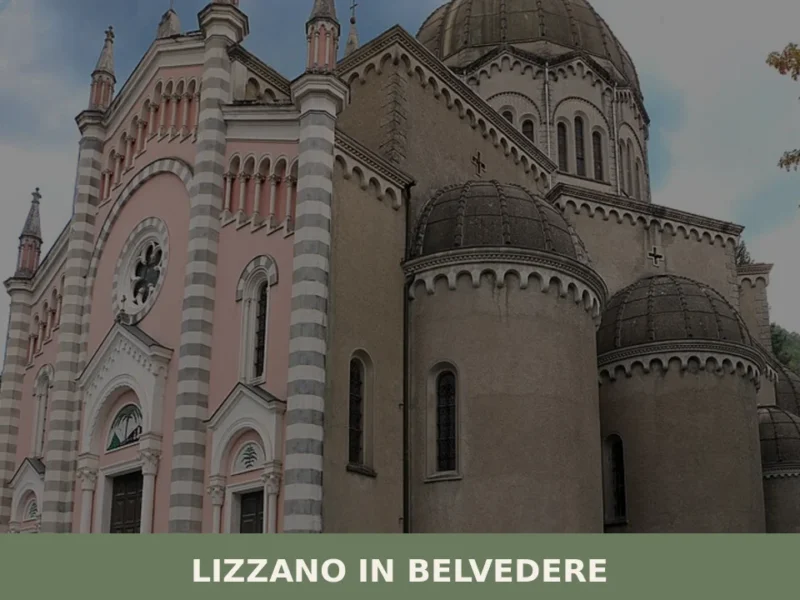
Every year, on 17 August, the procession in honour of Saint Mamante winds its way up the streets of Lizzano in Belvedere to the parish church, following a ritual that has been repeated since at least the 15th century. This municipality of 2,314 inhabitants, situated at 640 metres above sea level on the Bolognese Apennines, […]
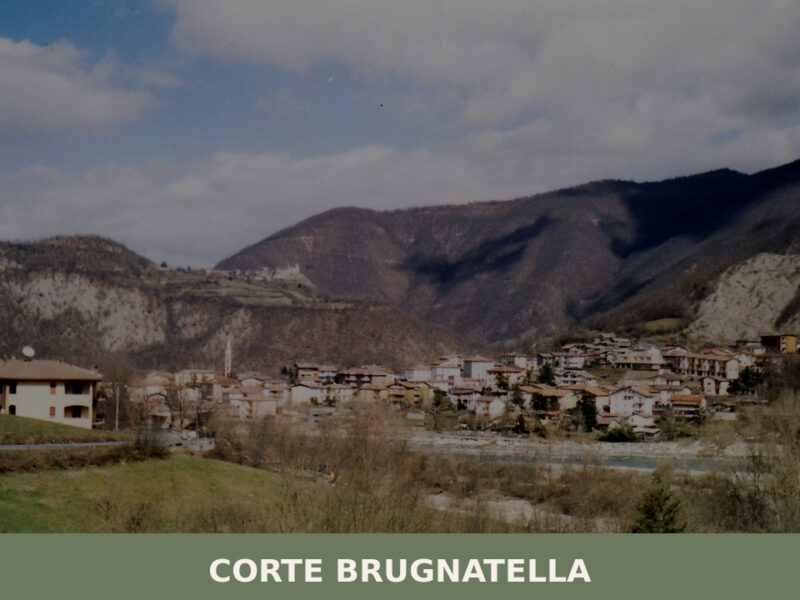
Corte Brugnatella
Hills
Corte Brugnatella scatters its stone hamlets above the Trebbia River in the Piacenza Apennines. A guide to its medieval settlements, river gorge, and mountain food.
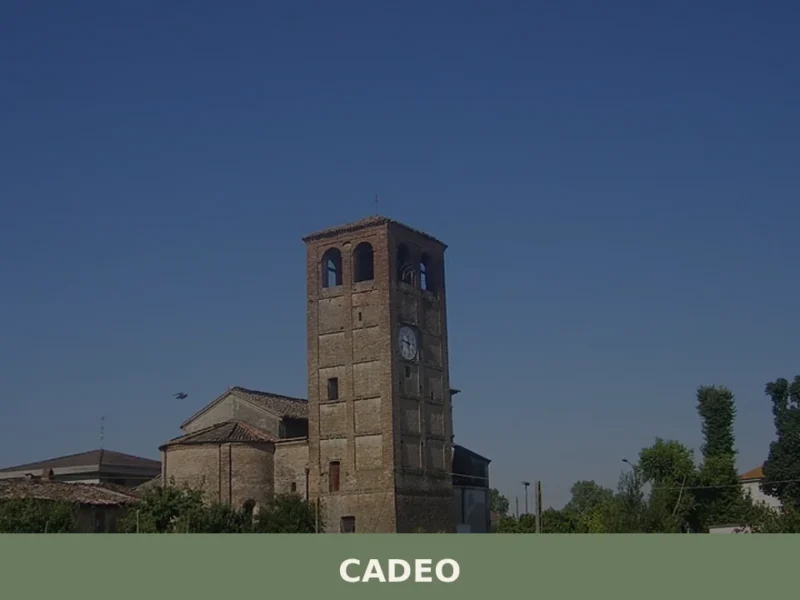
Cadeo
Plains
What to see in Cadeo: a Piacenza plain town at 65m with 6,035 residents. Discover Romanesque churches, historic villas and DOP cured meats. Plan your visit.
Alfonsine
Plains
What to see in Alfonsine? Discover the top 5 attractions of the village in Emilia-Romagna. From the house museum to nature trails, plan your visit now!
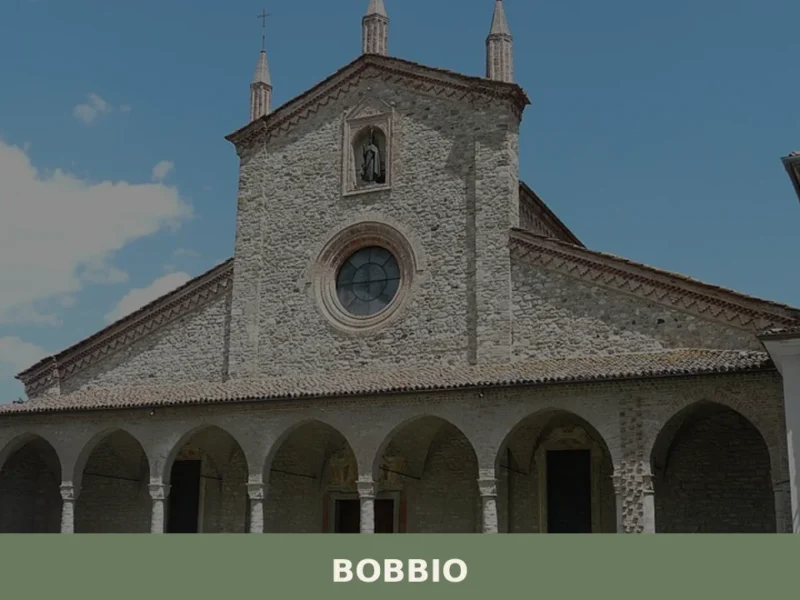
Bobbio
Hills
What to see in Bobbio: a town of 3,710 at 272 m in the Trebbia valley, with a 614 AD abbey, the medieval Ponte Gobbo and a hilltop castle. Plan your visit now.
Carpineti
Hills
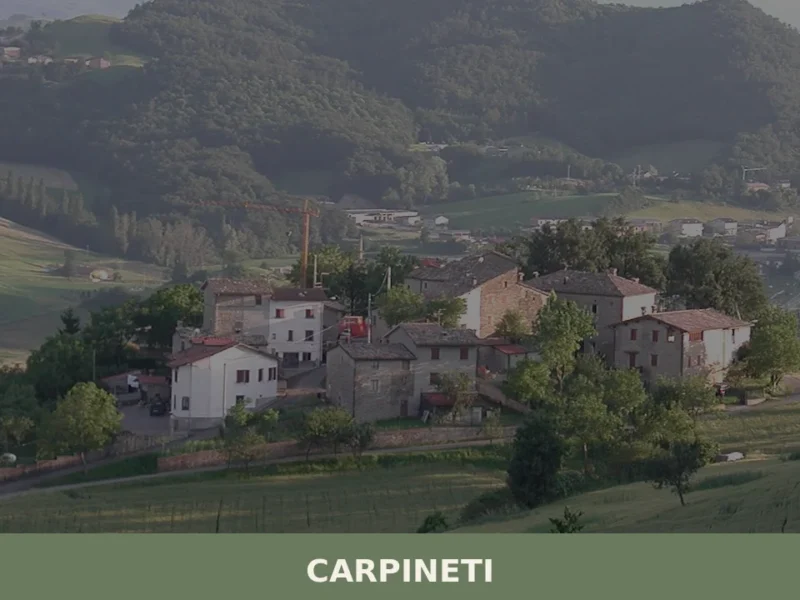
What to see in Carpineti: from the Rocca dei Canossa to the traditional flavors of the Apennines. Find out how to get there and plan your visit.


🏡 Know Bardi better than we do?
If you’re a local or have been there, your knowledge matters: add what’s missing or fix a detail on this page.