


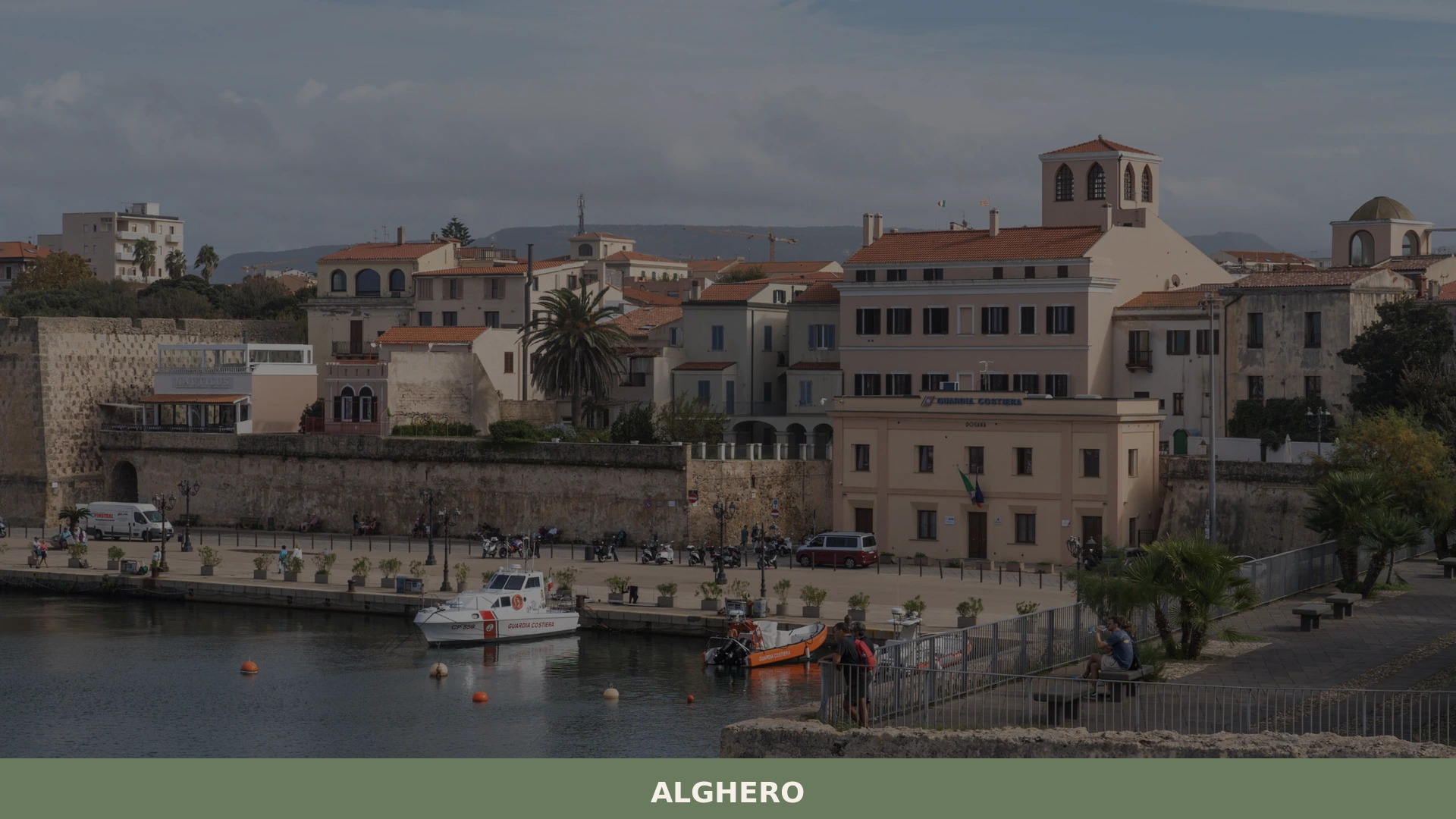
Alghero
 Sea
Sea
What to see in Alghero: from the Aragonese walls to the Neptune’s Grotto, discover the 5 top attractions. Read the full guide to plan your visit.
Discover Alghero
Red coral branches dry in the windows of workshops along the old port, their colour somewhere between rust and blood. The medieval ramparts that enclose the historic centre were built under Ferdinand the Catholic in the 16th century and still stand intact along the seafront, seven towers and three forts distributed across walls that the Genoese first raised as early as the 13th century.
At low tide, the Posidonia oceanica meadows that gave the city its name — from the medieval Latin Aleguerium, meaning stagnation of algae — are visible just below the surface of the bay.
Knowing what to see in Alghero is easier once you understand its scale: a city of 41,765 inhabitants in the Metropolitan City of Sassari, on the northwestern coast of Sardinia, Italy, with a concentrated historic centre that can be covered on foot in a single morning.
Visitors to Alghero find Catalan Gothic architecture, a protected marine area at Capo Caccia, Nuragic archaeological sites dating to around 1,500 BC, and a coral craft tradition that has shaped the local economy for centuries. The Alghero highlights span geology, archaeology, medieval urban fabric and a living minority language — Algherese Catalan — that 24.1% of the population still speak as a mother tongue.
History of Alghero
Settlement in the area of modern Alghero begins long before any written record.
The Ozieri culture was present in the 4th millennium BC, as documented by the Necropolis of Anghelu Ruju. By around 1,500 BC, Nuragic civilisation had established itself across the territory. Phoenician traders arrived by the 8th century BC; the metalworking settlement of Sant’Imbenia, with its mixed Phoenician and Nuragic population, conducted trade with Etruscan communities on the Italian mainland. These are not isolated finds but stratified layers of occupation that the city’s archaeological sites continue to expose.
The fortified port of Alghero as a recognisable urban form dates to between 1102 and 1112, when the Genoese Doria family received permission to build the first historical nucleus on an empty stretch of coast in the Judicate of Torres. The Dorias held the city for centuries, with a brief Pisan interruption between 1283 and 1284.
In 1354, the Crown of Aragon under Peter IV (r. 1336–1387) conquered Alghero and initiated a systematic programme of Catalan colonisation, sending families from Valencia, Majorca, Catalonia and Aragon. The original population was partly expelled, some sent as slaves to the Iberian Peninsula and Majorca.
In the early 16th century, the city received papal recognition as a bishopric and the honorific status of ciutat de l’Alguer, King’s City. Ferdinand the Catholic ordered the construction of most of the current rampart system during the same period. In October 1541, Emperor Charles V lodged in Palazzo D’Albis, a visit recorded in the building’s history. The Spanish Habsburgs ruled until 1702, followed in 1720 by the Piedmont-based House of Savoy, whose administration began an Italianisation policy. A famine in 1821 triggered a popular revolt that was violently suppressed. By the end of the 19th century, the city had been de-militarised.
The 20th century brought two significant disruptions. During the Fascist era, surrounding marshes were reclaimed and the suburbs of Fertilia and Santa Maria La Palma were founded. In 1943, Allied bombing caused heavy damage to the historic centre. Malaria, long endemic in the countryside, was finally eradicated in the 1950s.
Since then, tourism has grown steadily, alongside a cultural revival linked to the Algherese Catalan language: since 1997, Catalan has held official recognition, and artists such as singer Franca Masu continue to produce original work in the language.
The city is also a university centre — the third in Sardinia after Cagliari and Sassari — hosting the Architecture and Design department of the Università degli Studi di Sassari.
What to see in Alghero, Sardegna: top attractions
The Medieval Ramparts and Towers
The sandstone walls that enclose the historic centre on the seaward side follow a perimeter first established in the 13th century under Genoese direction. The Catalans restored and expanded the defensive system after 1354, and Ferdinand the Catholic ordered the construction of the majority of the current structure in the 16th century.
Walking the full circuit, visitors count seven towers and three forts, each positioned to cover a specific arc of the bay.
The Torre di Sulis and Torre di San Giovanni are among the most photographed structures. The promenade along the top of the walls, known locally as i baluardi, offers direct sight lines across the gulf and down into the old port. Go in the early morning before the sea breeze picks up and the light is sharp enough to read the stone clearly.
Alghero Cathedral — Cattedrale di Santa Maria Immacolata
Construction of the cathedral began in 1570 and the building was opened for worship in 1593, but it was not consecrated until 1730 — a process that took 160 years and produced a structure in at least three distinct architectural languages. The five chapels of the presbytery and the base of the bell tower are original Catalan Gothic.
The nave and two aisles follow a late Renaissance scheme.
A Neo-Classical narthex was added to the façade in the 20th century, making it the most immediately visible and the most historically recent element. The cathedral is the seat of the Roman Catholic Diocese of Alghero-Bosa. Stand in the presbytery and look upward: the transition between the Gothic vaulting of the chapels and the Renaissance proportions of the nave is visible in the stonework itself, without any interpretive panel required.
Neptune’s Grotto — Grotta di Nettuno
The cave opens at sea level at the base of the Capo Caccia promontory, accessible either by boat from Alghero’s port or by descending the 654 steps of the Escala del Cabirol — the goat’s staircase — carved into the cliff face. Neptune’s Grotto was discovered in the 19th century and subsequently mapped and made accessible to visitors. The interior contains stalactite and stalagmite formations, a salt lake, and chambers extending well into the limestone headland.
The boat crossing from the port covers approximately 13 km (8 mi) one way.
The staircase descent is not suitable for those with limited mobility, and the sea access route can be suspended during rough weather between October and April. The grotto falls within the Area Marina Protetta Capo Caccia – Isola Piana, a protected marine zone established to conserve the coastal and underwater environment of the promontory.
Nuraghe Palmavera and the Anghelu Ruju Necropolis
Two of the most significant prehistoric sites in the Alghero area lie within easy reach of the city centre. Nuraghe Palmavera is a well-preserved Nuragic complex from around 1,500 BC, open to visitors and situated a short distance from the coast road.
The Necropolis of Anghelu Ruju, associated with the Ozieri culture of the 4th millennium BC, consists of a series of rock-cut tombs known as domus de janas — fairy houses — carved directly into the limestone.
Both sites sit in the broader archaeological territory that also includes the Santu Pedru hill and the Villa Romana of Santa Imbenia. For those interested in what to see in Alghero beyond the medieval walls, these sites extend the timeline of the city backwards by several thousand years. Access to both is by road, with on-site information panels in Italian and English.
The Church of San Francesco and Palazzo D’Albis
The Church of San Francesco dates in its original form to 1360 and was substantially rebuilt in the late 16th century. Original Catalan Gothic elements survive above the high altar, in the presbytery chapels and in the San Sacramento Chapel. The bell tower, a compact and well-proportioned structure, dates from the first half of the 16th century.
A few metres away, Palazzo D’Albis is one of the most legible examples of Aragonese civic architecture in the city.
Built in the 16th century, it served in October 1541 as the lodging of Emperor Charles V during his presence in Alghero. The exterior loggia and the stone detailing of the window frames follow the Aragonese decorative vocabulary introduced by the colonists after 1354. Both buildings stand within the walkable historic centre and are best seen in the same circuit as the cathedral.
Local food and typical products of Alghero
The cuisine of Alghero reflects the dual inheritance that defines the city’s identity: Catalan techniques and ingredients introduced after the 14th-century colonisation, overlaid on a Sardinian culinary base rooted in the island’s pastoral and maritime economy.
The result is not a fusion in any modern promotional sense but a practical accumulation of two distinct sets of knowledge applied to the same local ingredients — seafood from the bay, lobster from the rocky coastline, wild herbs from the Nurra plain, and the hard sheep’s milk cheeses common across the island.
The most celebrated dish of Alghero is aragosta alla catalana, Catalan-style spiny lobster, served cold with tomatoes and onions in a preparation that derives directly from the culinary traditions the colonists brought from the Iberian Peninsula in the 14th and 15th centuries.
Fresh lobster, caught from the waters around Capo Caccia, is boiled, then combined with sliced raw onion, ripe tomatoes, olive oil, salt and lemon — a dish where the quality of the raw material is the only technique. Fregola con arselle combines the small, toasted semolina pellets typical of Sardinian pasta tradition with clams from the bay, cooked in a tomato and white wine broth. Bottarga — cured grey mullet roe — is produced locally and grated over pasta or served in thin slices with oil and lemon.
The coral of Alghero occupies a category of its own: it is not edible but it is the territory’s most documented and economically significant product.
The red coral (Corallium rubrum) harvested from the waters off Alghero is recognised for its density, compression and the depth of its ruby colour. It gives the stretch of coastline its commercial name — the Riviera del Corallo — and appears in the city’s coat of arms and flag. Coral workshops in the historic centre produce jewellery and decorative objects, and the craft has been central to the local economy for several centuries.
Shops selling finished coral pieces are concentrated around the port and in the main streets of the old town.
The hamlet of Santa Maria La Palma, within Alghero’s municipal territory, is home to the Cantina Sociale winery, which produces wines from the Nurra plain. Vermentino di Sardegna and Cannonau are among the varieties available directly from the cantina.
The surrounding agricultural area also supplies the olive oil and vegetables that form the base of the local table.
Festivals, events and traditions of Alghero
Alghero’s cultural calendar is shaped by its double identity as a Sardinian city with a sustained Catalan linguistic and cultural tradition. The Algherese Catalan language has seen a documented revival in the performing arts, with singer Franca Masu among the figures who compose and perform original work in Algherese. The Rally di Sardegna has historically been associated with the Alghero area, as has the Scala Piccada motor racing event, both reflecting the territory’s role in Sardinian motorsport.
These events bring visitors from across the island and from the Italian mainland.
The Catalan connection generates its own calendar of events, with cultural exchanges between Alghero and Barcelona maintained through civic and artistic initiatives. The city’s inhabitants refer to Alghero informally as Barceloneta — little Barcelona — a term in active use rather than historical nostalgia. Eduardo Toda y Güell’s 1888 book Un poble català d’Itàlia: l’Alguer is credited with reviving formal connections between Catalonia and the city in the modern era. Religious observances follow the Catholic calendar of the Diocese of Alghero-Bosa, with the cathedral as the focal point for the major liturgical feasts of the year.
When to visit Alghero, Italy and how to get there
The climate at Alghero is Mediterranean, with mild winters and warm summers moderated by sea breezes.
Negative Celsius temperatures occur only a few days per year. The best time to visit for those primarily interested in the coastline and beaches — Maria Pia, Le Bombarde, Mugoni, Lazzaretto and Cala Dragunara among them — is between June and September, when sea temperatures are suitable for swimming and the boat services to Neptune’s Grotto run reliably. May and October are practical months for visiting the archaeological sites and the historic centre without the summer concentration of visitors. Winter allows access to the old town with no crowds, though some boat services are suspended and sea conditions can close the Escala del Cabirol staircase at Capo Caccia.
Getting to Alghero is straightforward by air. The Alghero-Fertilia “Riviera del Corallo” Airport is located 10 km (6.2 mi) from the city centre, near the hamlet of Fertilia, and operates national and international flights.
An hourly bus service connects the airport to the city centre. For those arriving by road, Alghero is reached via the Strada Statale 291 della Nurra from Sassari, which is approximately 35 km (21.7 mi) to the northeast.
From the city of Sassari, which functions as the provincial capital and the main regional hub, the drive takes around 35 to 40 minutes. Train services to Alghero depart from Sassari and are operated by Azienda Regionale Sarda Trasporti, with the Alghero station located in the Pietraia neighbourhood. Ferry connections to Sardinia from the Italian mainland use Porto Torres, 30 km (18.6 mi) north of Alghero, with services linking Porto Torres to Genoa, Barcelona and Civitavecchia. International visitors should be aware that English is not widely spoken in smaller shops and local markets; carrying euros in cash is advisable, as card acceptance is not universal outside the main tourist areas.
Where to stay near Alghero
Accommodation options within and around Alghero range from hotels in the historic centre to agriturismi — farm stays — in the Nurra plain and the Porto Conte area. The hamlet of Maristella-Porto Conte, within the municipal territory, sits adjacent to the Parco Regionale di Porto Conte and offers proximity to the protected coastal area.
Santa Maria La Palma provides a rural base within easy driving distance of the city.
The historic centre itself concentrates B&Bs and small hotels within the medieval walls, most within walking distance of the port, the cathedral and the main beach access points.
Visitors looking to extend their time in the area might consider a day trip toward the village of Ardara, in the Sassari interior, which retains a Romanesque church of documented historical importance and offers a different register of Sardinian architecture from the Catalan Gothic dominant in Alghero. Those interested in the broader rural landscape of the Sassari province can also reach the village of Banari, a small community set in the agricultural interior that contrasts with the coastal character of Alghero.
Frequently asked questions about Alghero
What is the best time to visit Alghero?
The ideal time to visit Alghero is during the shoulder seasons, from April to June and September to October. The weather is pleasantly warm, perfect for exploring the historic centre and archaeological sites, with fewer crowds than in peak summer. July and August offer hot weather, ideal for enjoying the beaches and sea, though it's also the busiest period. Note that sea access to Neptune's Grotto can be suspended due to rough weather between October and April. Don't miss the festive atmosphere around September 29th for the feast of San Michele Arcangelo, the city's patron saint.
What are the historical origins of Alghero?
Alghero boasts a rich and complex history, beginning with prehistoric settlements like the Ozieri culture (4th millennium BC) and Nuragic civilization (1,500 BC). Its urban form emerged between 1102-1112, founded by the Genoese Doria family. A pivotal moment was the 1354 conquest by the Crown of Aragon, which initiated a systematic Catalan colonisation, profoundly shaping the city's architecture, culture, and language. Subsequent Spanish Habsburg and House of Savoy rule further contributed to its layered identity, visible in its medieval ramparts and Catalan Gothic elements.
What to see in Alghero? Main monuments and landmarks
Alghero offers a wealth of attractions. Begin with a walk along the Medieval Ramparts and Towers, a 16th-century defensive system offering panoramic sea views. Explore the Alghero Cathedral, showcasing Catalan Gothic, Renaissance, and Neo-Classical styles. Don't miss Neptune's Grotto, a stunning sea cave accessible by boat from the port or by descending the 654 steps of the Escala del Cabirol (check accessibility for limited mobility). Venture outside the centre to the ancient Nuraghe Palmavera and the Anghelu Ruju Necropolis for a journey back in time. Within the historic core, the Church of San Francesco and Palazzo D'Albis are also noteworthy.
What are the main natural or scenic attractions of Alghero?
Alghero's natural beauty is captivating, centered around the Capo Caccia promontory. This area is home to the Area Marina Protetta Capo Caccia – Isola Piana, a protected marine zone ideal for nature lovers. Neptune's Grotto, located at the base of Capo Caccia, is a must-see natural wonder with its impressive stalactite and stalagmite formations and salt lake. At low tide, the Posidonia oceanica meadows are visible just below the bay's surface. The promenade along the city's medieval ramparts, 'i baluardi', offers spectacular views across the gulf, especially at sunrise.
Where to take the best photos in Alghero?
For iconic photos, head to the Medieval Ramparts, particularly the promenade known as 'i baluardi'. Early morning light enhances the stone details and offers stunning views of the gulf and old port before the sea breeze picks up. The Capo Caccia promontory provides dramatic coastal backdrops, especially from the viewpoint at the top of the Escala del Cabirol. Inside Neptune's Grotto, the unique rock formations and salt lake offer striking photographic opportunities. The narrow, atmospheric streets of the historic centre, with their Catalan Gothic architecture and coral workshops, also provide charming photo subjects.
Are there museums, churches or historic buildings to visit in Alghero?
Yes, Alghero is rich in historical and architectural sites. The Alghero Cathedral (Cattedrale di Santa Maria Immacolata) is a must-visit, displaying a blend of Catalan Gothic, Renaissance, and Neo-Classical styles. The Church of San Francesco, with its original 14th-century elements and elegant bell tower, is another significant religious building. For civic architecture, Palazzo D'Albis, where Emperor Charles V lodged in 1541, showcases Aragonese design. The Medieval Ramparts and Towers themselves are monumental historic structures to explore. Additionally, the Nuraghe Palmavera and Anghelu Ruju Necropolis offer insights into prehistoric times.
What can you do in Alghero? Activities and experiences
Alghero offers diverse activities. Explore the historic centre on foot, walking the medieval ramparts and discovering Catalan Gothic architecture. Take a boat trip to Neptune's Grotto or descend the scenic Escala del Cabirol. Delve into history at the prehistoric Nuraghe Palmavera and Anghelu Ruju Necropolis. Experience the unique Algherese Catalan culture, still a living language, and explore the coral craft tradition in the old port's workshops. Indulge in the local cuisine, especially the famous 'aragosta alla catalana', and enjoy fresh seafood from the bay. The protected marine area at Capo Caccia is perfect for diving or snorkeling.
Who is Alghero suitable for? Families, couples, hikers, solo travelers?
Alghero is a versatile destination appealing to a wide range of visitors. Families will appreciate the walkable historic centre, nearby beaches, and the adventurous trip to Neptune's Grotto. Couples will find the medieval ramparts at sunset and the charming old town incredibly romantic. History and culture enthusiasts will be captivated by the Catalan heritage, Nuragic sites, and the city's layered past. Nature lovers can explore the Capo Caccia promontory and the protected marine area. Solo travelers will find it easy to navigate and immerse themselves in the city's unique atmosphere, enjoying its blend of history, culture, and natural beauty.
What to eat in Alghero? Local products and specialties
Alghero's cuisine is a delightful blend of Sardinian ingredients and Catalan culinary traditions. The most celebrated dish is 'aragosta alla catalana', a succulent spiny lobster served cold with fresh tomatoes and onions, reflecting its Iberian heritage. Seafood is a staple, with fresh catches from the bay forming the basis of many dishes. Look for local wild herbs from the Nurra plain and robust sheep's milk cheeses, common across Sardinia. While not food, Alghero is also famous for its precious red coral, crafted into beautiful jewellery, making it a unique local product to admire.
📷 Photo Gallery — Alghero
Nearby Villages near Alghero
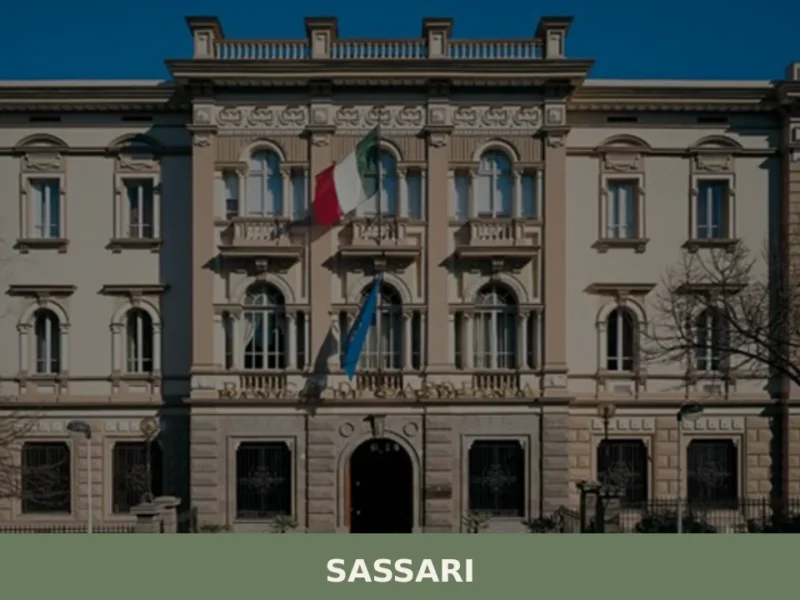
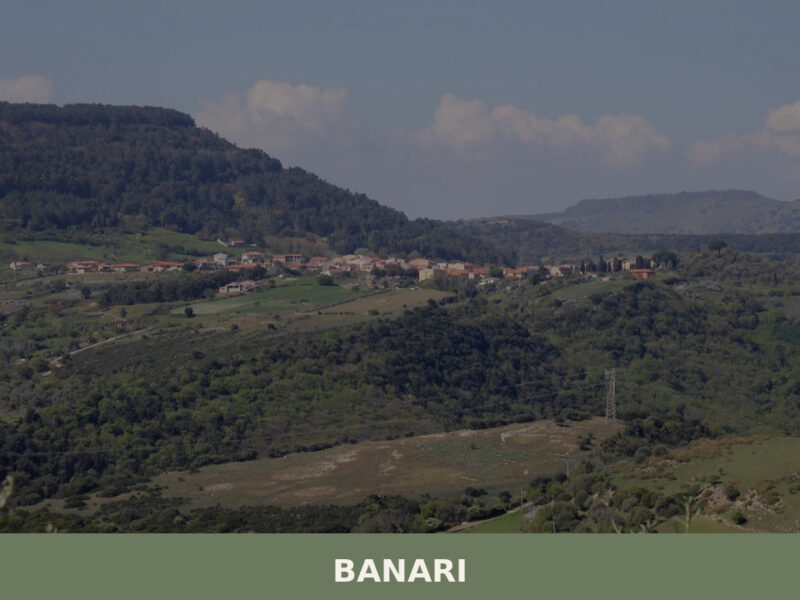
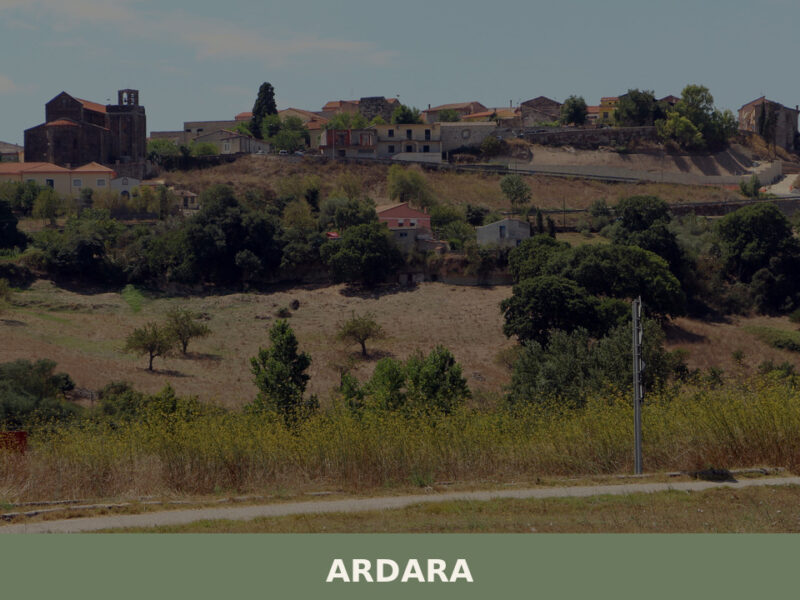
In Sardinia More villages to discover
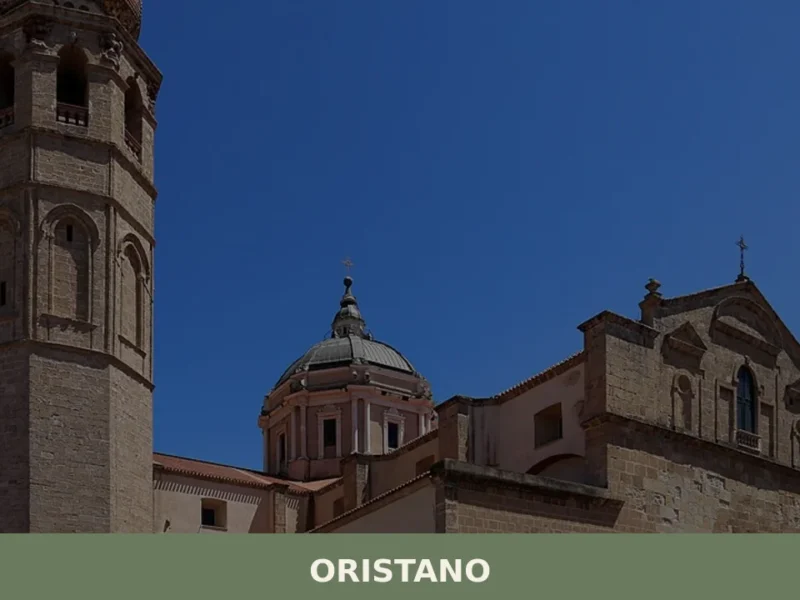
Oristano
Sea
What to see in Oristano: 31,095 inhabitants, medieval Giudicato history, the Sartiglia festival and Cabras bottarga. Discover towers, museums and the cathedral. Plan your visit now.
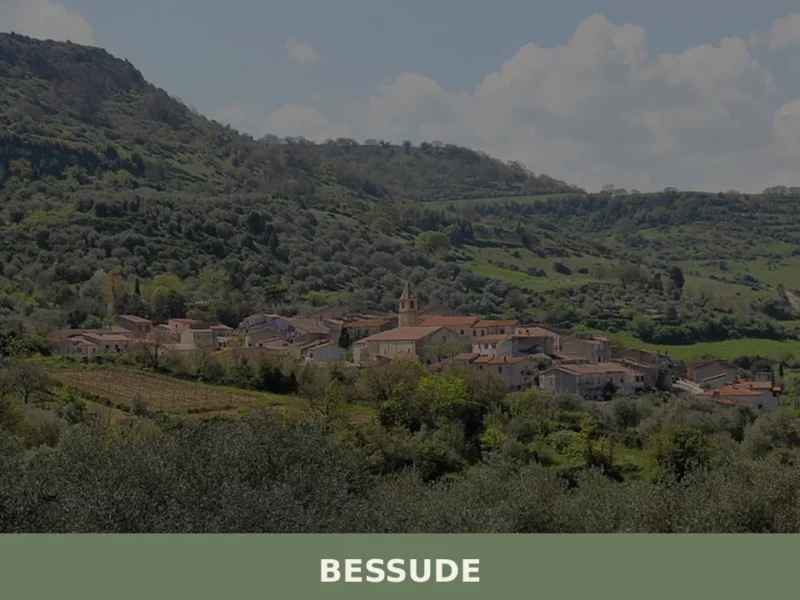
Bessude
 Hills
Hills
At 447 meters above sea level, with a population of 383 inhabitants as of 2023, Bessude is a small town in Logudoro-Meilogu, in the province of Sassari, whose existence is documented at least since 1341 in the Rationes Decimarum Sardiniae. The village, known for its hilly location and the Nuragic remnants that surround its territory, […]
Bonnanaro
Hills
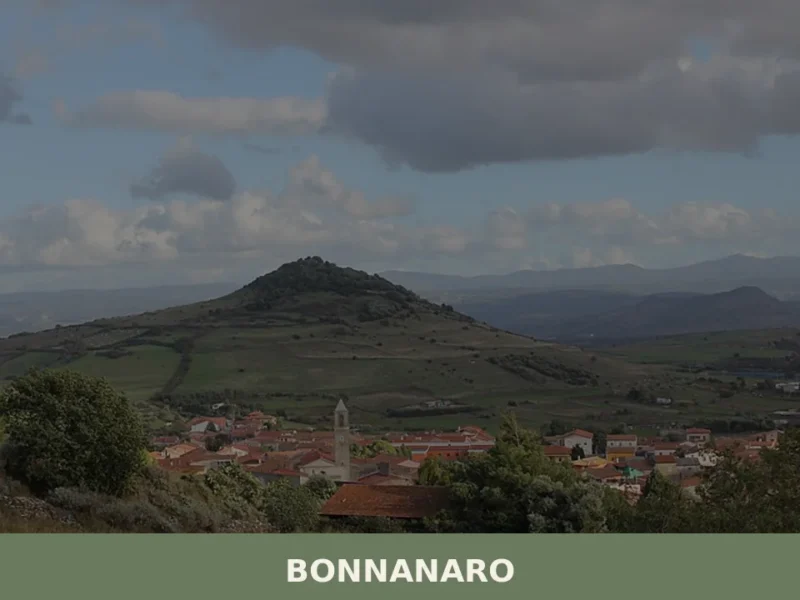
In 1388, when representatives of the Sardinian villages signed the peace treaty with the Crown of Aragon, among the signatories was the village of Bonnanaro, an agricultural centre already known for the fertility of its volcanic soils on the slopes of Monte Pelao. Today this village of 921 inhabitants, situated at 405 metres above sea […]
Tempio Pausania
Hills
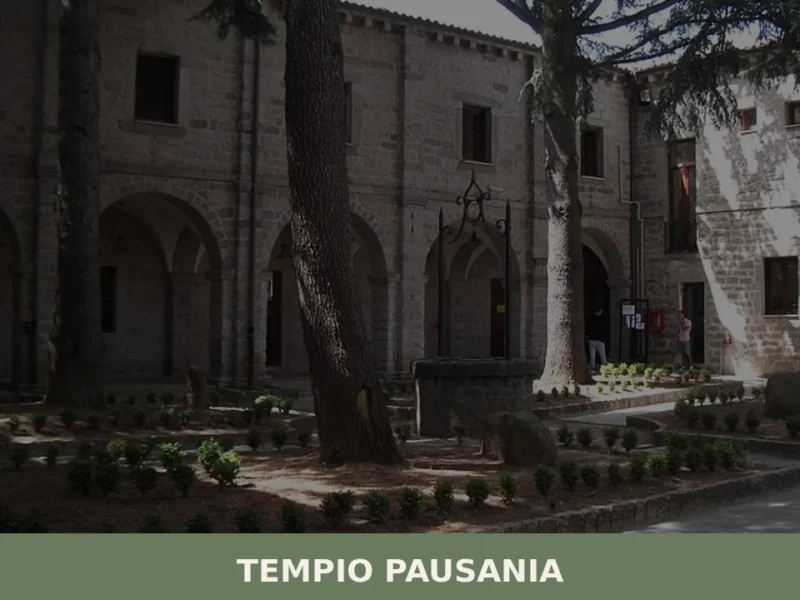
What to see in Tempio Pausania: granite city at 566m, 13,196 residents. Discover the Gothic cathedral, Monte Limbara, suppa cuata and Sardinia's only DOCG wine.
Albagiara
 Plains
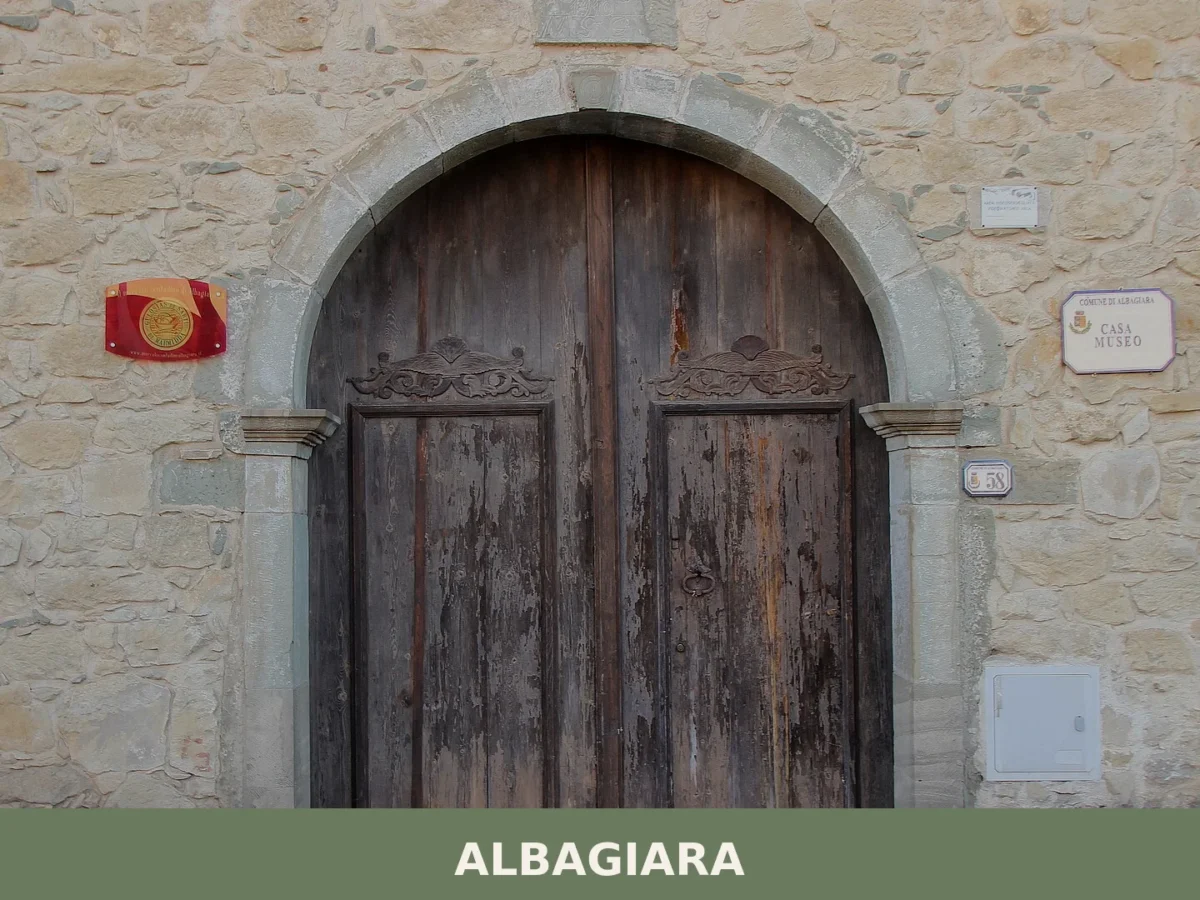
A community of 273 inhabitants in the heart of Oristano province. Albagiara balances ancient archaeology with modern agricultural and artisan traditions.
Benetutti
Hills
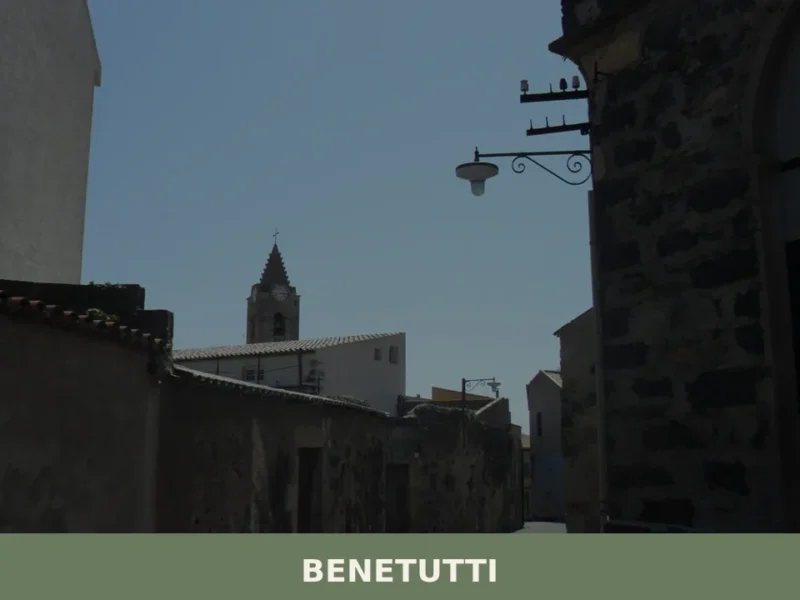
The thermal springs of San Saturnino, known since Roman times for their waters emerging at 43°C, define the identity of Benetutti more than any other element. This village of 1,686 inhabitants, at 406 metres above sea level in the province of Sassari, occupies a stretch of the Rio Tirso valley between granite formations and expanses […]
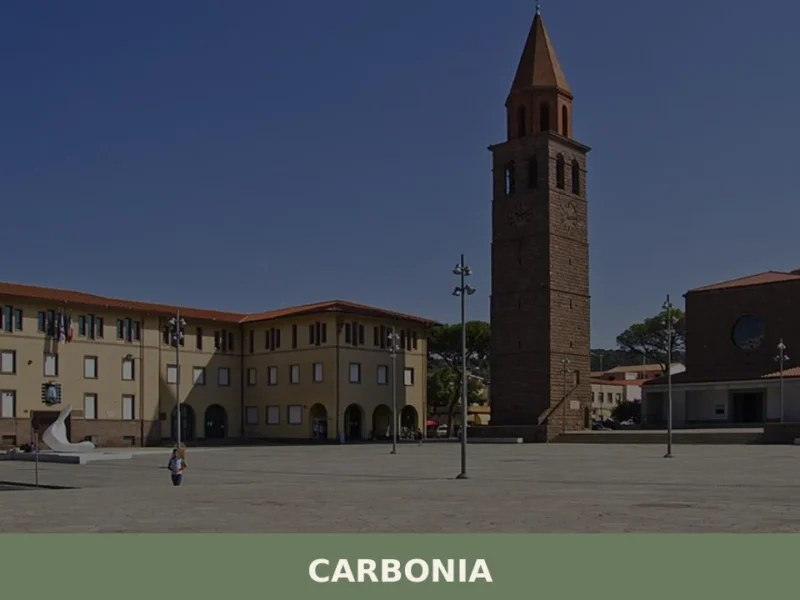
Carbonia
Plains
What to see in Carbonia: 28,684 residents, rationalist architecture, and Nuragic sites in Sulcis Iglesiente. Plan your visit to the Coal Museum and Monte Sirai.
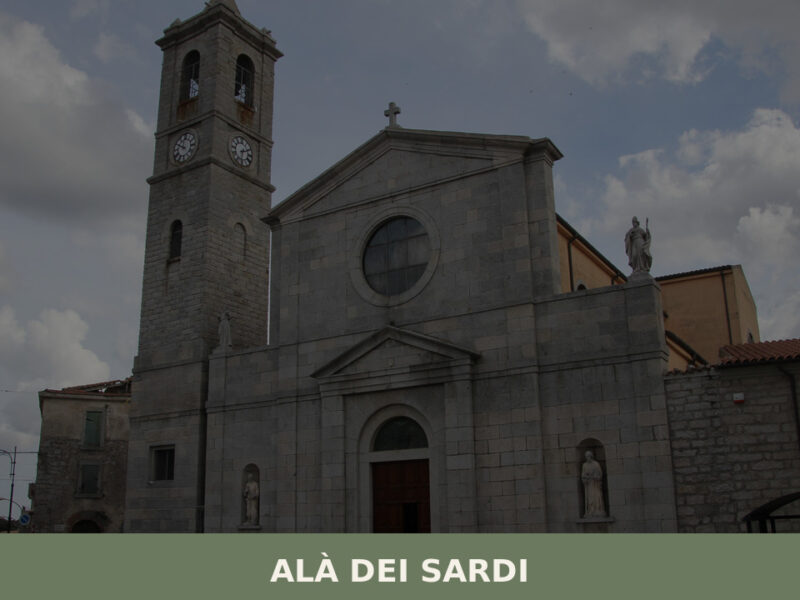
Alà dei Sardi
 Mountain
Morning mist rolls off the granite plateau and settles in the narrow streets, carrying the smell of woodsmoke and fresh bread from a communal oven that has not changed position in two centuries. At 663 metres above sea level, the air here is thinner, cooler, and quieter than on the coast below. Alà dei Sardi […]
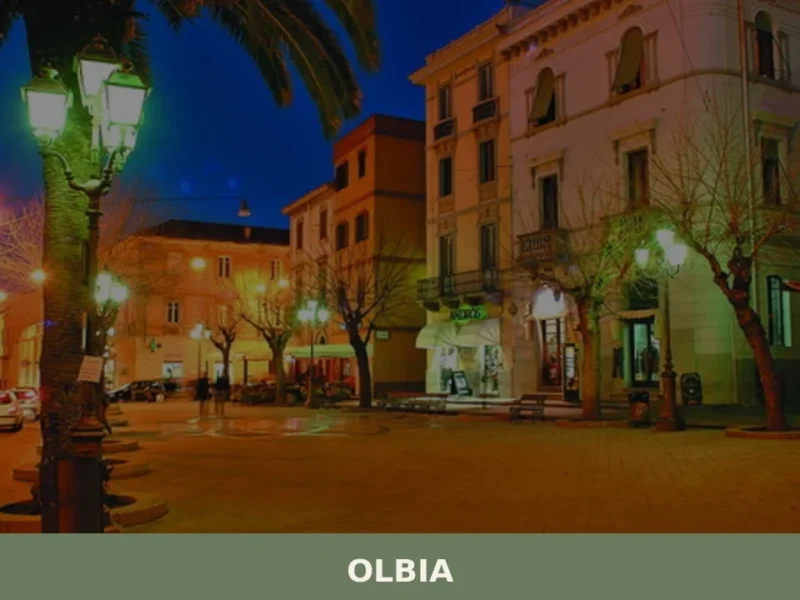
Olbia
Sea
Discover Olbia, a charming village in Sardegna, Italy. Explore its rich history, stunning landscapes, and vibrant local culture in this Mediterranean treasure.
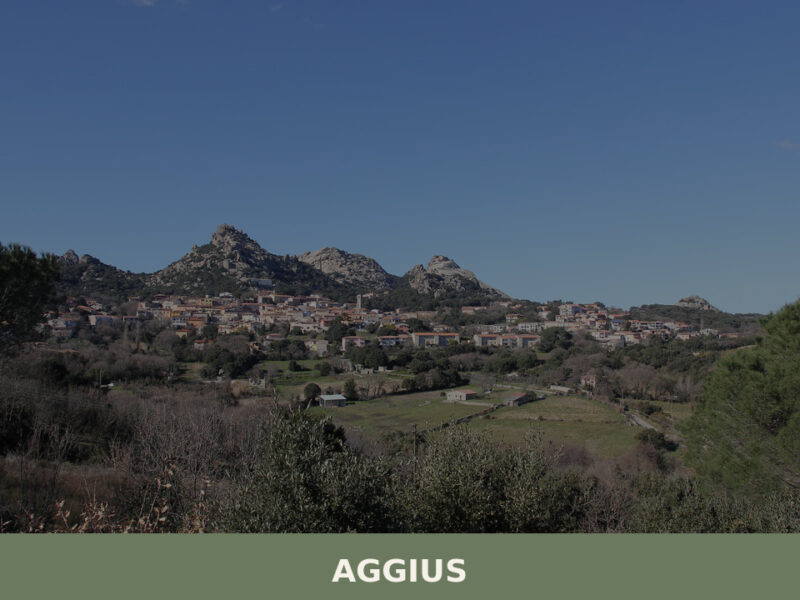
Aggius
Hills
Granite boulders glow amber in the late afternoon, stacked like ancient sentinels across a valley floor that drops away toward the Gallura coast. Wind pushes through narrow lanes of grey stone houses, carrying the faint rhythm of a polyphonic chorus rehearsing behind closed shutters. At 514 metres above sea level, this village of just over […]

🏡 Know Alghero better than we do?
If you’re a local or have been there, your knowledge matters: add what’s missing or fix a detail on this page.