


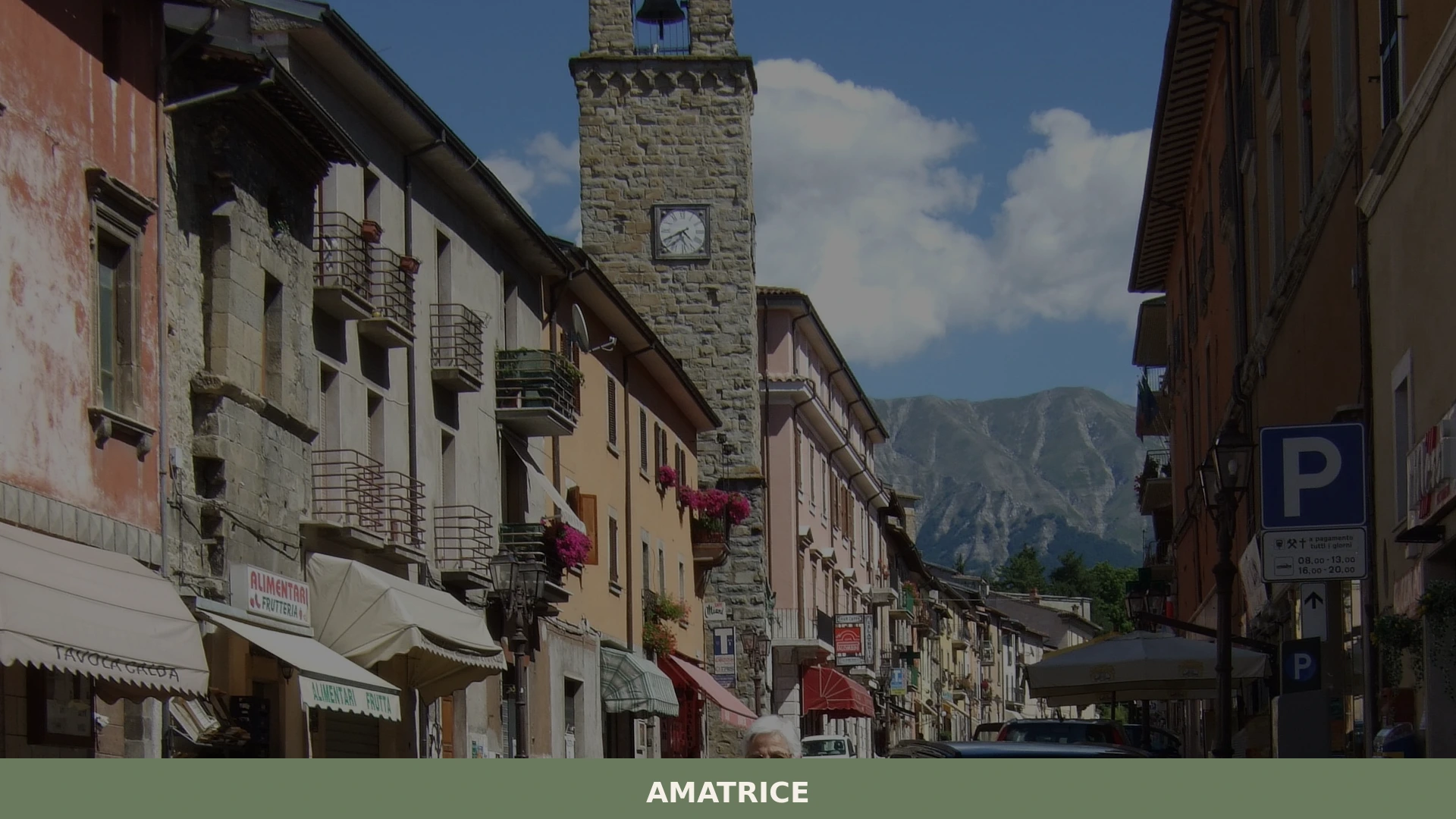
Amatrice
 Mountain
What to see in Amatrice? Explore the 5 main attractions of this village in Lazio. The complete guide awaits you with useful tips. Plan your visit!
Discover Amatrice
The Tronto and Castellano rivers meet below the town, their confluence documented in abbey records as far back as 1012. The Church of Sant’Agostino, built in 1428, still marks the medieval core.
At 955 m (3,133 ft) above sea level, inside the boundaries of the Gran Sasso e Monti della Laga National Park, Amatrice occupies a ridge position in the Apennines of the province of Rieti — a location that shaped both its defensive history and its distinct culinary identity.
For visitors researching what to see in Amatrice, the town presents a specific combination of medieval religious architecture, a nationally recognised food tradition, and a position inside one of Italy’s most ecologically significant protected areas.
Amatrice, Lazio, Italy sits roughly 140 km (87 mi) northeast of Rome, and it holds membership in I Borghi più belli d’Italia, the national association of Italy’s most beautiful villages. The 2016 earthquake severely damaged much of the built fabric, making the surviving structures all the more significant to document and visit.
History of Amatrice
Archaeological evidence confirms human activity in the Amatrice area from prehistoric times, and excavations have uncovered the remains of Roman buildings and tombs.
After the fall of the Western Roman Empire, the territory passed into the Lombard Duchy of Spoleto and was incorporated into the comitatus of Ascoli. The town appears by name — recorded as Matrice — in the administrative papers of Farfa Abbey in 1012, at which point it already controlled the strategically important confluence of the Tronto and Castellano rivers.
Medieval political life brought Amatrice into repeated conflict and alliance with the major powers of central Italy. In 1265, during the reign of Manfred of Sicily, the town was absorbed into the Kingdom of Naples.
It attempted to resist after the Angevin takeover but was overcome by Charles I of Anjou in 1274, though it retained a degree of administrative autonomy as a self-governing universitas.
Throughout the 14th and 15th centuries, Amatrice was frequently at odds with the neighbouring towns of Norcia, Arquata, and L’Aquila, and its forces participated in the siege of L’Aquila under the condottiere Braccio da Montone. In 1529, the town was sacked by troops under Philibert of Chalon, a general serving Emperor Charles V, who subsequently transferred it to his commander Alessandro Vitelli. A severe earthquake struck in 1639, causing significant structural damage. Amatrice then passed to the Orsini and later to the Medici of Florence, who held it until 1737.
The modern history of Amatrice involves two major administrative changes and one catastrophic natural event. After Italian unification in the 19th century, the town was assigned to the province of L’Aquila in the region of Abruzzo. In 1927 it was transferred to Lazio, where it remains today within the province of Rieti.
On 24 August 2016, an earthquake devastated the town, killing at least 295 people.
The mayor at the time, Sergio Pirozzi — later elected to the Regional Council of Lazio in March 2018 — stated publicly that three-quarters of the town had been destroyed. The nearby settlements of Accumoli and Pescara del Tronto were also heavily damaged in the same event. Reconstruction has continued since, making any visit to Amatrice today partly a record of what has been preserved and what continues to be rebuilt.
What to see in Amatrice, Lazio: top attractions
Church of Sant’Agostino
The stone facade of Sant’Agostino faces a small square in what remains of the medieval centre, its construction dated precisely to 1428. The church was built during a period when Amatrice held considerable local influence as an autonomous universitas within the Kingdom of Naples. Visitors standing before the portal can observe the layered architectural decisions of the 15th century, when Amatrice was actively developing its civic and religious infrastructure. The church is one of the few structures recorded as having withstood the 2016 earthquake, making it a primary reference point for understanding the pre-earthquake urban fabric.
Approach from the central street to see the full elevation in context.
Gran Sasso e Monti della Laga National Park
The territory of Amatrice lies entirely within the protected perimeter of the , one of the largest national parks in Italy, covering parts of Lazio, Abruzzo, and Marche.
The park encompasses high Apennine terrain with altitudes that exceed 2,900 m (9,514 ft) at the Gran Sasso massif. From the Amatrice side, the landscape shifts between beech forests, open highland pastures, and river valleys carved by the Tronto and its tributaries. This park context means that what to see in Amatrice extends well beyond the built environment: the surrounding terrain offers documented hiking routes and ecological variety across distinct altitude bands. The best season for park access on foot runs from late May through October, when snow has cleared from the higher paths.
The Medieval Civic Core and Torre Civica
Before the 2016 earthquake, Amatrice’s medieval centre included a civic tower and a structured grid of streets characteristic of a planned universitas from the 13th and 14th centuries. The tower, known locally as the Torre Civica, stood as the vertical marker of the communal district.
Much of the surrounding fabric was destroyed or severely compromised on 24 August 2016, but the civic core retains documentary value as an example of Apennine hill-town planning.
Walking through the central axis of the old town today reveals both surviving structural fragments and ongoing reconstruction work. Any visit to this area should be understood within that context: the scale of destruction is itself part of what the site now communicates, 955 m (3,133 ft) above sea level on the Lazio-Abruzzo border.
Confluence of the Tronto and Castellano Rivers
The physical geography that made Amatrice strategically important in 1012 is still directly visible from the slopes below the town. The point where the Tronto and Castellano rivers meet sits in a valley that can be reached by descending from the main settlement toward the lower terrain of the national park. This confluence was the specific feature noted in the Farfa Abbey records, making it one of the most historically documented landscape elements in the entire municipality. The river corridors also provide habitat for the park’s riparian species.
For visitors interested in combining landscape observation with historical context, the descent takes roughly 30 to 45 minutes on foot from the town centre, depending on the route taken from the main road.
Nicola Filotesio Heritage and Renaissance Art Context
Amatrice produced one of the more significant Renaissance artists of central Italy: Nicola Filotesio, born in 1480 or 1489 and active until around 1547 or 1559, worked as a painter, architect, and sculptor.
His output belongs to the tradition of provincial Renaissance workshops that circulated across Lazio, Abruzzo, and the Marche. Works attributed to Filotesio appeared in the churches of Amatrice and surrounding communities before the 2016 earthquake disrupted many of the original display contexts. Understanding what to see in Amatrice in artistic terms requires tracking the pre-earthquake locations of his works and the current state of the collections. Local heritage documentation projects have continued the work of cataloguing what survived.
Enquire at the local municipality or cultural offices for current exhibition locations before visiting.
Local food and typical products of Amatrice
The food identity of Amatrice is tied to a specific geographical and social history. The town sits at the intersection of Lazio and the Abruzzo highlands, in terrain historically used for transhumant sheep farming. This pastoral economy produced the cured meats, cheeses, and lard-based cooking traditions that still define the local table. According to a documented popular tradition, a significant number of cooks serving the papal kitchens in Rome over the centuries came originally from Amatrice — a fact that connects the town’s culinary output directly to the development of Roman cooking.
The most widely recognised dish to originate here is sugo all’amatriciana, a pasta sauce built from guanciale (cured pork cheek), tomato, Pecorino cheese, and black pepper.
The guanciale is rendered in a pan until the fat runs clear, then white wine — in some versions — is added before the tomato.
The sauce is traditionally served with bucatini, the thick hollow spaghetti, though rigatoni and spaghetti are also documented pairings. The precursor to the tomato-based version, known as gricia, uses the same guanciale and Pecorino combination without tomato — a formula that predates the arrival of the tomato in Italian cooking. Both preparations depend on a specific curing technique for the pork cheek that is regional in character and distinct from generic Italian lard or bacon.
The Pecorino used in both preparations is a hard sheep’s milk cheese, aged for a minimum period that allows the paste to firm and develop a sharp, saline flavour. The sheep grazing on the highland pastures surrounding Amatrice — including the high meadows within the national park — historically supplied the raw milk for this production.
While specific DOP or IGP certification data for Amatrice-origin products is not independently confirmed in the available sources, the pastoral and cheesemaking tradition is well-documented as part of the town’s economic identity across multiple centuries.
The annual Sagra degli Spaghetti all’Amatriciana, a traditional food festival celebrating the town’s signature pasta dish, has historically been held in August, aligned with the summer period when the town attracted both local visitors and the broader diaspora community.
The festival format involves public pasta servings and market stalls in the central area. Following the 2016 earthquake, the event’s format and location were necessarily modified; current editions should be verified with the Municipality of Amatrice before planning a visit around it.
Festivals, events and traditions of Amatrice
The culinary calendar of Amatrice has historically centred on the August festival dedicated to spaghetti all’amatriciana.
This sagra — a traditional local food festival — draws visitors from the surrounding province of Rieti and from Rome, a distance of approximately 140 km (87 mi). The event has served as both a celebration of the pasta dish and a point of collective identity for a town whose population has historically included a large emigrant community. Participation involves communal meals served outdoors, with local producers and restaurants preparing the sauce according to documented local methods.
The town’s religious calendar includes observances tied to its patron saint, though specific feast day dates require local verification given the disruptions caused by the 2016 earthquake and subsequent reconstruction.
The town also carries a documented historical connection to the papacy — the popular tradition of Amatriciani cooks serving the papal court in Rome over several centuries gave the community a particular relationship with Roman Catholic institutional culture. This connection is reflected in the civic and religious architecture of the medieval centre, where the density of church buildings relative to the town’s size indicates sustained ecclesiastical investment across the 14th, 15th, and 16th centuries.
When to visit Amatrice, Italy and how to get there
The best time to visit Amatrice for those primarily interested in the landscape and park environment runs from late May through September.
At 955 m (3,133 ft), the town avoids the intense summer heat of lower Lazio, with temperatures remaining moderate even in July and August — typically between 18°C and 28°C (64°F and 82°F). The August period coincides with the food festival and the highest visitor numbers. Spring visits, from April onward, offer the advantage of lower crowds and active vegetation in the park valleys, though some higher altitude paths may still carry late snow. Winter brings cold and occasional snow at the town’s elevation and is not the standard recommended period for first-time visitors, though the mountain landscape has its own character in that season.
Amatrice lies approximately 140 km (87 mi) northeast of Rome and can be reached as a day trip from the capital, though the drive time of roughly 2 hours makes an overnight stay more comfortable for those wanting time in both the town and the park.
By car from Rome, the route follows the A24 motorway toward L’Aquila, exiting at the Tornimparte or L’Aquila Ovest junction, then continuing northeast on the SS17 and SS260 through the mountains. The total driving distance from Rome via this route is approximately 140 km (87 mi).
The nearest major railway hub is Rieti, located roughly 60 km (37 mi) to the southwest, with onward connections by regional bus. The nearest airport for international arrivals is Rome Fiumicino (Leonardo da Vinci), at approximately 180 km (112 mi) by road. For those arriving from further north, Florence is approximately 360 km (224 mi) away. International visitors should note that English is rarely spoken in local shops and small businesses in Amatrice; carrying euro cash is practical, as card payment infrastructure in smaller establishments in this area of the Apennines is not guaranteed.
Visitors planning a broader circuit through Lazio can combine Amatrice with other destinations in the region.
The medieval village of Casperia, situated in the Sabine hills south of Rieti, shares the same province and offers a contrasting lower-altitude setting within a similar historical framework of central Lazio hill-town development.
Further west, Civita di Bagnoregio in the province of Viterbo illustrates a different strand of Lazio’s hill-town geography, built on volcanic tufa rather than Apennine limestone, and reachable from Rome on a separate route. Both villages belong to the same I Borghi più belli d’Italia circuit as Amatrice.
📷 Photo Gallery — Amatrice
Nearby Villages near Amatrice
Nearby villages we are mapping:
- Capitignano Abruzzo 📍 12.2 km Coming soon
In Lazio More villages to discover
Bracciano
 Hills
Hills
 Lake
Lake
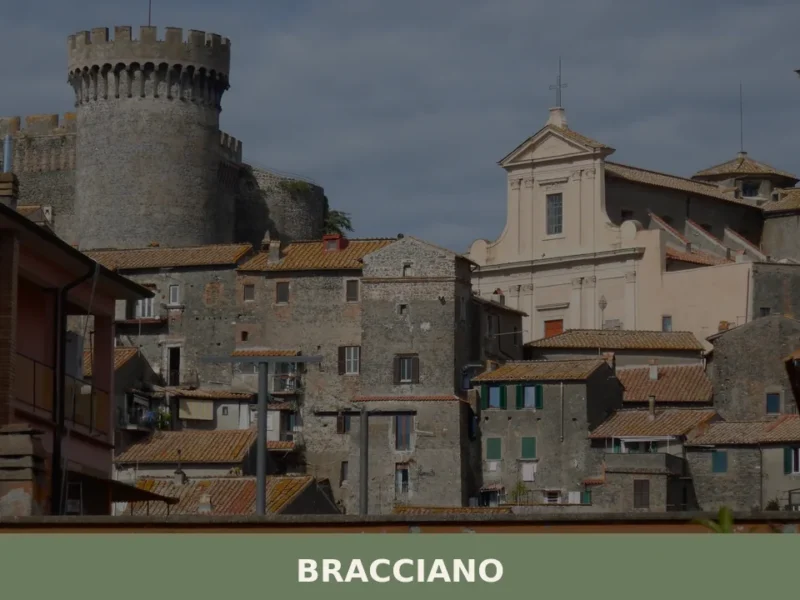
What to see in Bracciano, Italy: Discover its medieval castle and volcanic lake. Located 30 km (19 mi) from Rome, explore this Lazio village for a memorable day trip.
Arce
 Plains
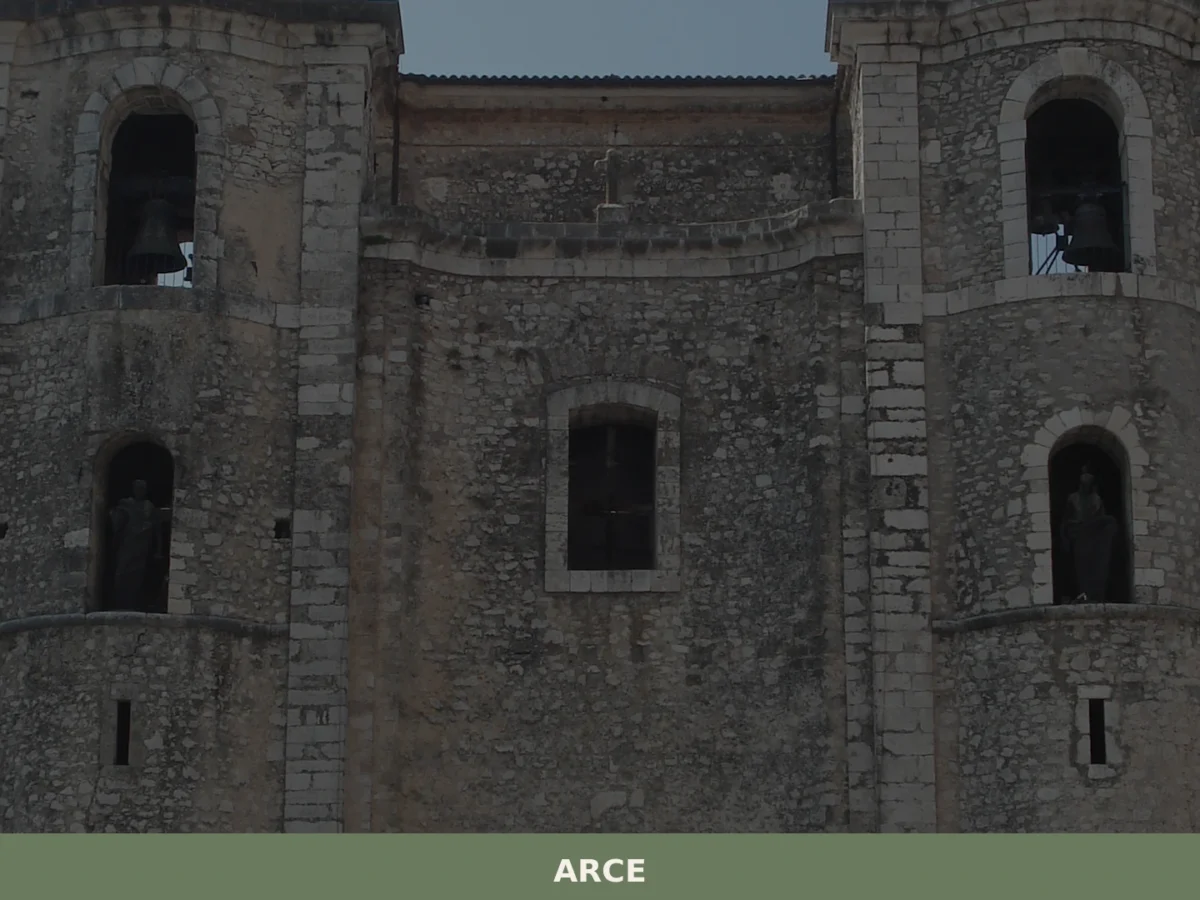
What to see in Arce: discover the 5 unmissable aspects of this Lazio village. From medieval fortresses to scenic views, your complete guide. Plan your visit!
Colfelice
Plains
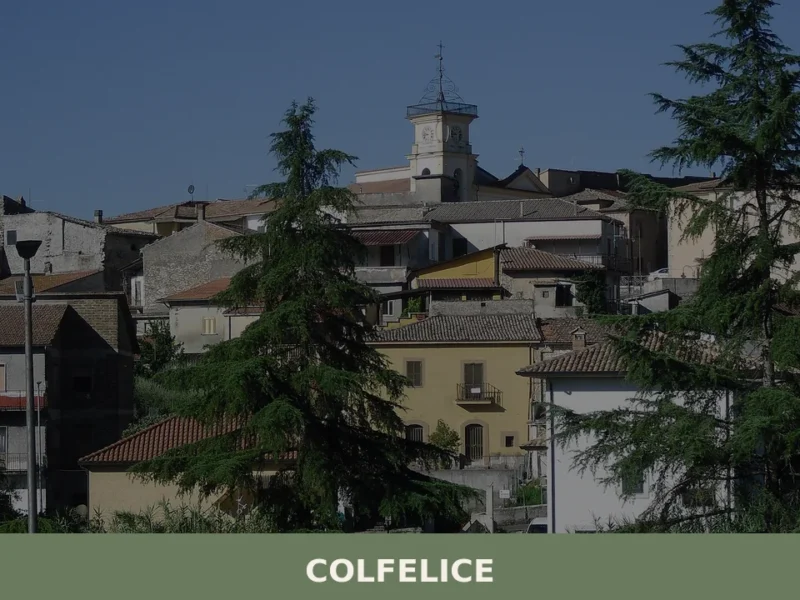
What to see in Colfelice, Lazio, Italy: 1,910 inhabitants, 158 m altitude, 100 km from Rome. Discover the feast of San Gaetano and the Liri Valley plain. Read more.
Poggio Bustone
Mountain
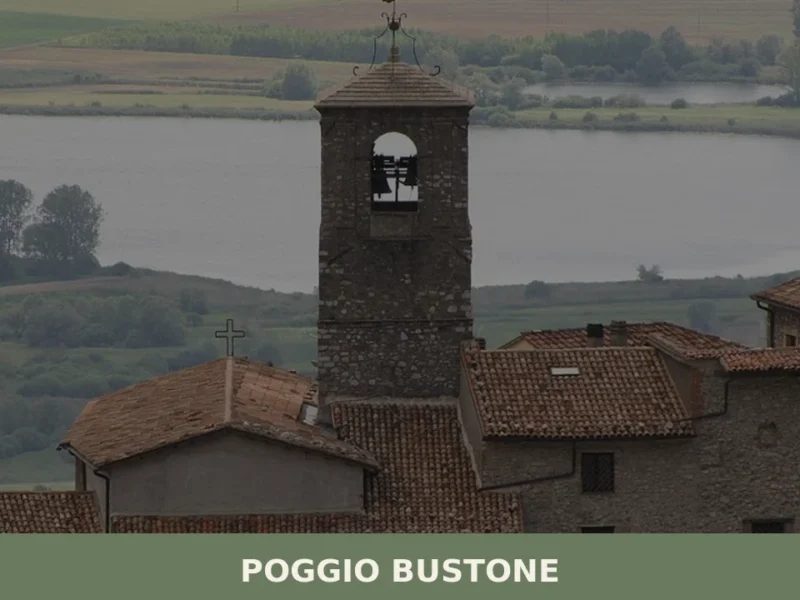
What to see in Poggio Bustone, Italy: a village at 751 m with Franciscan chapels, a Gothic arch, and Lucio Battisti's birthplace. Discover the complete guide.
Ariccia
Hills
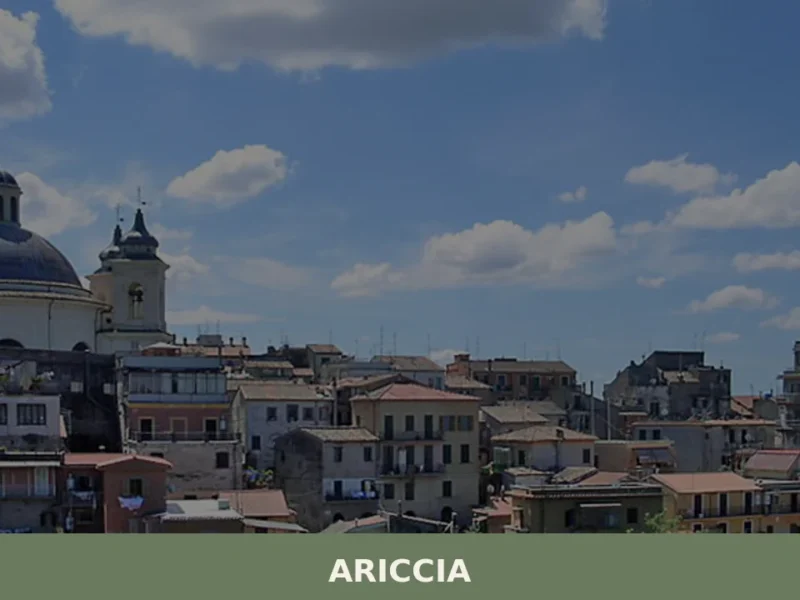
What to see in Ariccia: from Palazzo Chigi to the monumental bridge, discover the 5 top attractions. Plan your visit with this complete travel guide.
Campoli Appennino
Mountain
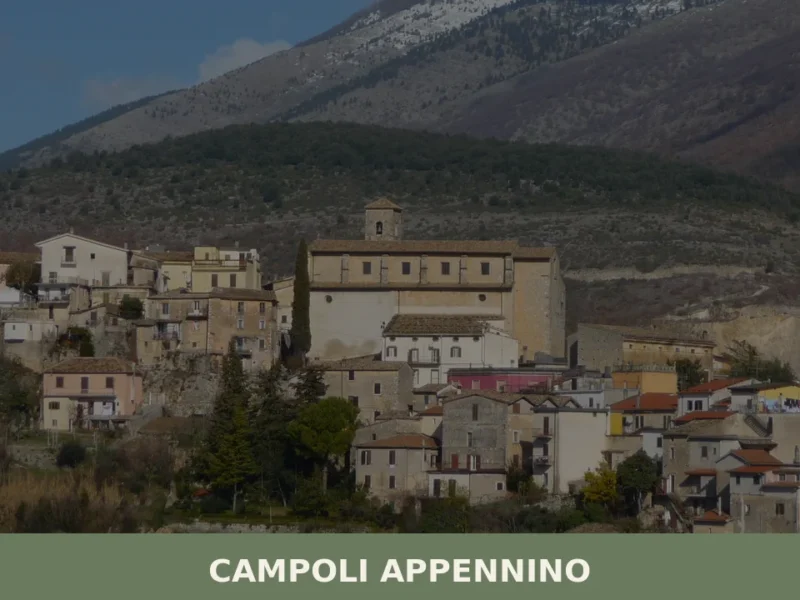
What to see in Campoli Appennino, Italy: a medieval tower 25 m tall, Roman aqueduct, and patron feast on 12 May. Discover this Frosinone village at 650 m altitude.
Labro
Lake
Mountain
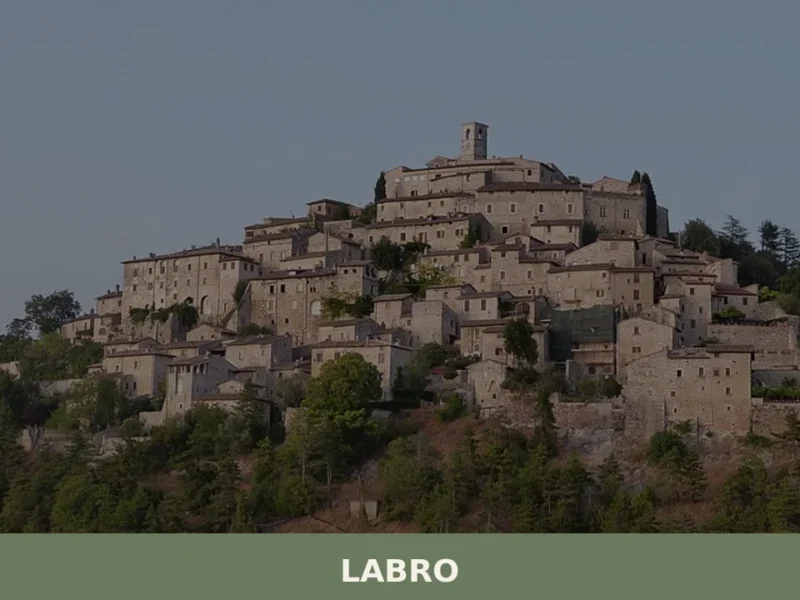
What to see in Labro: medieval castle, Lake Piediluco views and PAT-certified guanciale in a 360-person village at 628 m. Plan your visit to this Rieti province gem.
Albano Laziale
Hills
Lake
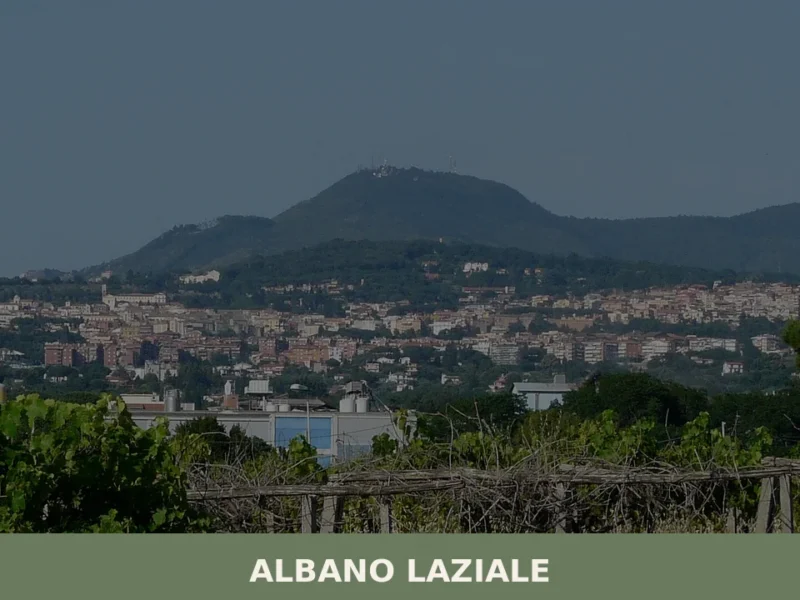
What to see in Albano Laziale, Italy: Lake Albano, Roman catacombs, and the Cathedral of St. Pancras at 400 m. Explore 38,983-inhabitant Lazio hill town. Discover now.
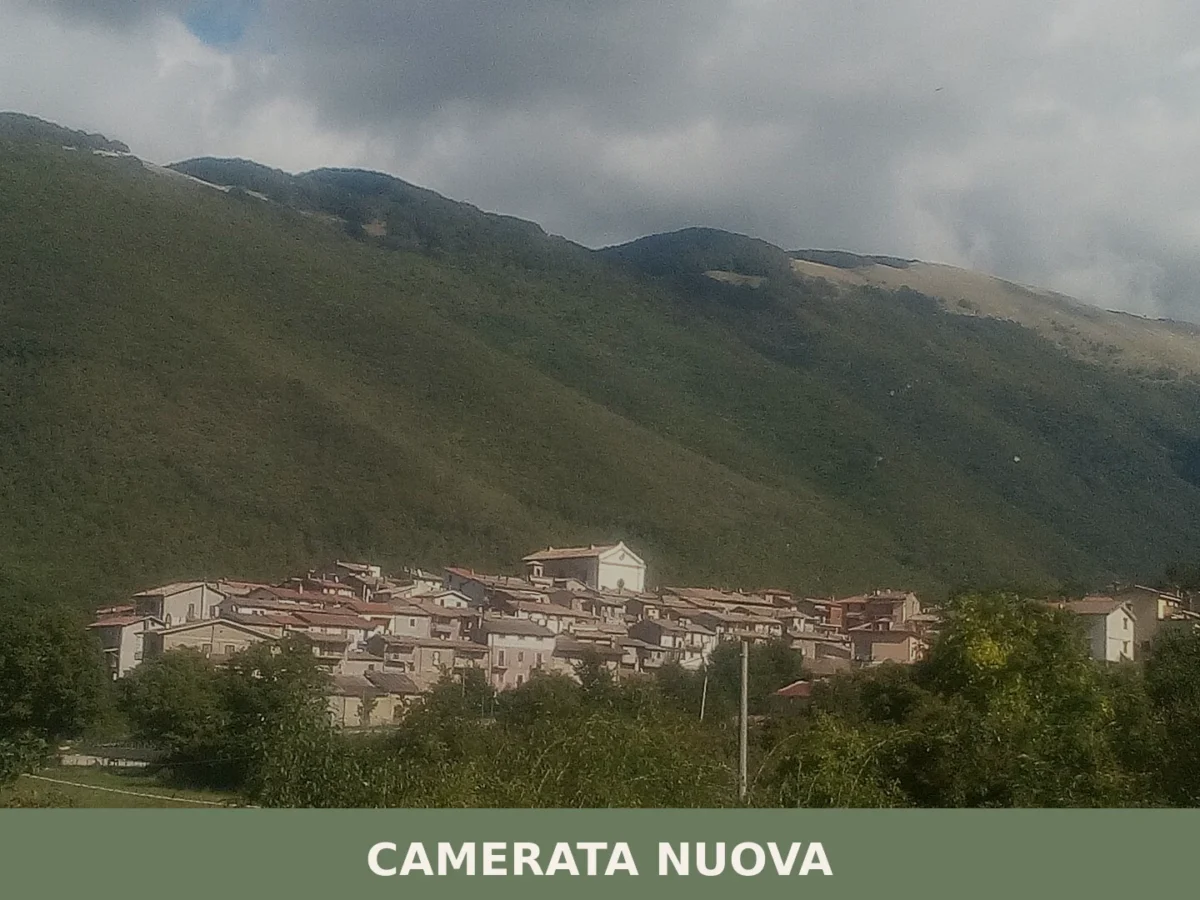
Camerata Nuova
Mountain
Camerata Nuova is a mountain comune of around 400 inhabitants in the Metropolitan City of Rome, rebuilt after an 1859 fire and set within the Parco Naturale Regionale dei Monti Simbruini at the easter
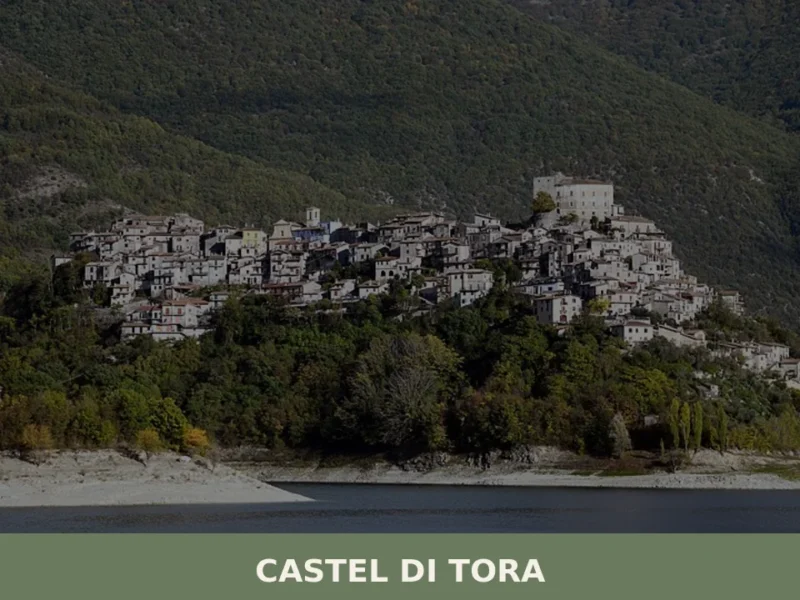
Castel di Tora
Lake
Mountain
What to see in Castel di Tora: medieval village at 607 m above Lago del Salto, 292 residents, 3 PAT-certified products. Plan your visit with our complete guide.




🏡 Know Amatrice better than we do?
If you’re a local or have been there, your knowledge matters: add what’s missing or fix a detail on this page.