


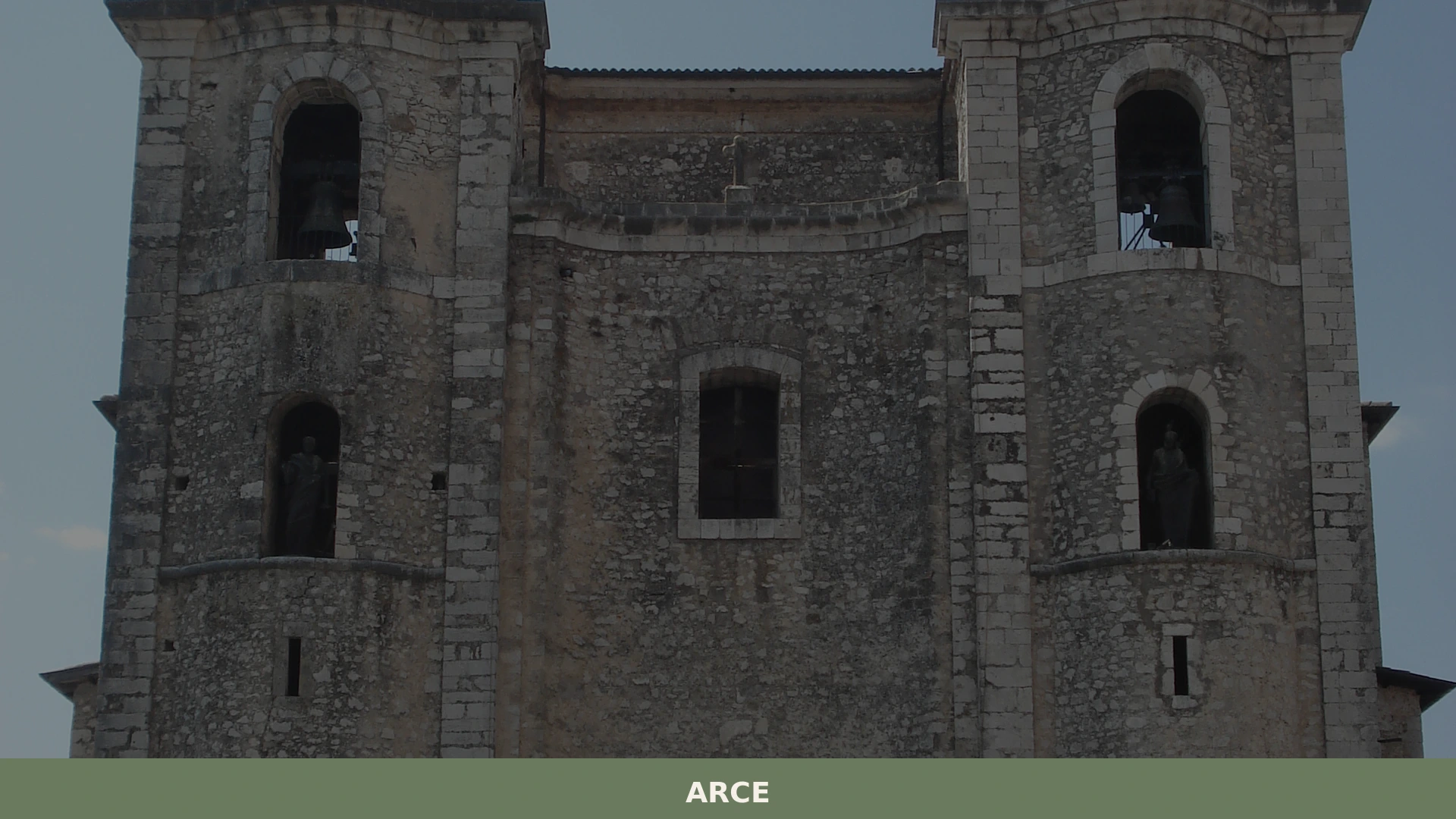
Arce
 Plains
What to see in Arce: discover the 5 unmissable aspects of this Lazio village. From medieval fortresses to scenic views, your complete guide. Plan your visit!
Discover Arce
The sound of the Liri river flows through the valley, a constant murmur beneath the agricultural fields and vineyards that characterize the landscape around Arce. This village, an agricultural hub, stands on a hill within the Latin Valley, providing views over the historic Via Casilina.
Its strategic position, evident since ancient times, has shaped its identity as a place of historical significance and productive land.
For those considering what to see in Arce, this guide offers an overview of its significant sites and unique offerings.
Visitors to Arce, Lazio, will find a rich history reflected in its architecture, including a 13th-century church portal, alongside a developing biodynamic wine industry. Exploring the village provides insight into centuries of evolution, from Roman origins to its current role as a centre for quality agricultural products.
History of Arce
The name Arce itself provides a direct link to the village’s strategic past, deriving either from the Roman word “arx,” meaning fortress, or from Arcanum, the mountain upon which the area is situated.
This etymology underscores the historical importance of the location, which was first documented in the Ravenna Cosmography during the 7th century AD. At this early stage, Arce formed part of the Eastern Roman Empire, a testament to its long-standing presence in the region.
Arce underwent significant shifts in control throughout the early medieval period, reflecting the turbulent political landscape of central Italy.
In 702, the Lombard Gisulf I captured the village, integrating it into the Duchy of Benevento. Later, during the 9th and 10th centuries, Arce faced repeated invasions and plunder, first by Saracens in 846 and again in 877, followed by the Magyars in 937. Towards the end of the 10th century, the Lombard prince of Capua donated Arce to the monks of Montecassino, who maintained possession until 1058 when the Norman Richard, Count of Aversa, asserted control.
This succession of rulers highlights the village’s enduring strategic value.
The subsequent centuries saw Arce become a pawn in the struggles between powerful European empires and noble families. Holy Roman Emperor Henry VI took Arce in 1191, and his son, Frederick II, reclaimed it in 1230 upon his return from the Holy Land. In 1265, forces loyal to Charles I of Anjou overcame the town’s defenders, who fought under Manfredi of Sicily. Under Anjou rule, Arce was granted as a fief to the Cantelmo family, then later to the Della Rovere family. The Della Rovere retained the fief until 1612, when Giacomo Boncompagni purchased it, establishing the Duchy of Arce and Duchy of Sora.
The Boncompagni family’s dominion ended in 1796, at which point Arce was incorporated into the Kingdom of Naples, with its border with the Papal State formally delineated by 14 marker stones. In 1927, Arce became part of the province of Frosinone, following the dismemberment of the former province of Caserta. The village also played a role in more recent history, being occupied by German troops during late World War II until Allied forces from Cassino arrived on May 29, 1944.
Historically, Arce and its surrounding region, including Caprarola, share a long history of territorial shifts among powerful families and states, underscoring the dynamic nature of central Italian governance.
What to see in Arce, Lazio: top attractions
Parrocchiale of Santi Pietro e Paolo
The Parrocchiale of Santi Pietro e Paolo presents a striking example of late 17th-century Baroque architecture, a prominent feature within the village’s historical core. Its substantial form and decorative elements speak to the period’s artistic sensibilities, offering visitors a glimpse into the village’s religious and architectural heritage. The church stands as a focal point, having served the community for centuries. Exploring its exterior reveals the careful craftsmanship of its construction, which has endured through time. Visitors can observe the architectural details that define its Baroque style.
Church of Sant’Antonio
Distinguished by its robust 13th-century portal, the Church of Sant’Antonio offers a tangible link to Arce’s medieval past.
This architectural detail, surviving through centuries, provides a rare insight into the craftsmanship and religious devotion of the period. The portal’s design and materials reflect the construction techniques prevalent in the 13th century, inviting closer inspection from those interested in historical architecture. While the church itself may have seen later alterations, this particular feature stands as a testament to its original foundation.
Observing the portal allows visitors to appreciate a direct connection to a distant era.
Torre del Pedaggio
The Torre del Pedaggio, or Toll Tower, stands as a historical landmark that once controlled access and levied duties in the area. Its imposing structure would have been a familiar sight to travelers and merchants passing through Arce centuries ago. While specific construction dates are not provided, its function as a toll tower implies a medieval or early modern origin, integral to the economic and defensive infrastructure of the village. Visitors can observe the tower’s sturdy construction, imagining its role in regulating passage and trade.
Its presence on the landscape offers a direct connection to the historical pathways and economic activities of the region.
Archaeological Area of Fregellae
Located in the vicinity of Arce, the archaeological area of Fregellae represents the remnants of an ancient Roman city, offering a significant window into the region’s classical history.
This site provides an opportunity to explore the foundations of a settlement that once thrived, predating much of Arce’s medieval development. The presence of Fregellae nearby underscores the long human occupation of the Latin Valley, extending back to antiquity. Visitors can examine the exposed structures and imagine the daily life of its inhabitants, gaining a deeper understanding of the Roman influence in this part of Lazio. Accessing this site allows for an appreciation of the broader historical context surrounding Arce.
The Biodynamic Vineyards and Eco-Winery
Arce’s modern economic landscape is significantly shaped by its biodynamic vineyards and a state-of-the-art eco-winery, attracting wine enthusiasts seeking unique experiences. The region’s mild climate, varied geological soils—including prominent volcanic elements—coastal breezes, and adequate rainfall create an ideal environment for viticulture.
This specific combination of factors fosters the growth of high-quality native grape varieties, making the area distinctive.
Visitors can tour the vineyards to observe biodynamic farming practices and visit the winery to understand the production process, experiencing firsthand the commitment to sustainable viticulture. This focus on specialized agriculture offers a contemporary and engaging aspect of what to see in Arce, connecting modern practices with the ancient agricultural traditions of the Latin Valley.
Local food and typical products of Arce
Arce, situated in the agricultural heart of the Latin Valley, benefits from a long-standing tradition of cultivation that is deeply interwoven with its geographical context. The local economy is founded on the production of cereals, fruit, and olives, alongside forage for livestock, reflecting a practical and resourceful approach to the land. This historical reliance on agriculture has shaped a culinary heritage that values fresh, local ingredients and straightforward preparations.
The region’s unique climate and soil composition, particularly suitable for viticulture, also contribute significantly to its gastronomic identity, with a focus on specific grape varieties.
While specific traditional dishes are not detailed in historical records, the agricultural bounty of Arce naturally lends itself to a diet rich in seasonal produce.
Given the prominence of olive cultivation, locally pressed olive oil would be a fundamental ingredient, used for dressing salads, enhancing vegetable dishes, and as a base for various preparations. Cereals would likely form the basis of traditional breads and pasta, while locally grown fruits would provide seasonal desserts and preserves. The focus on biodynamic farming practices suggests a commitment to quality and natural flavors in all agricultural products, including these staples.
The area’s proximity to the Liri river also suggests potential for freshwater fish dishes in the local diet, though this is not explicitly confirmed by sources.
The viticultural landscape of Arce is particularly noteworthy, characterized by an abundance of rare and high-quality native grape varieties that thrive in its specific microclimate. Among the red grapes, Lecinaro and Maturano stand out, with the latter still undergoing research at the local centre of Enology. Another red variety, Olivella, is also a subject of ongoing study, highlighting the region’s dedication to preserving and understanding its indigenous grapes. For white wines, Arce cultivates varieties such as Capolongo, Pampanaro, and white Maturano.
These distinct grapes are integral to the production of Arce’s biodynamic wines, which reflect the unique geological mix of soils, including volcanic elements, and the beneficial coastal breezes that influence the vineyards. The commitment to these specific varieties, many of which are unknown outside the region, defines a significant part of Arce’s agricultural and economic identity, differentiating it from other wine-producing areas in Lazio, such as those around Castelnuovo di Farfa, which are known for different indigenous olive and grape varieties.
When to visit Arce, Italy and how to get there
The best time to visit Arce, Italy, and the broader Lazio region, largely aligns with the pleasant shoulder seasons of spring and autumn.
From April to June and again from September to October, the climate is mild, with comfortable temperatures ideal for exploring the village’s historical sites and walking through the vineyards. These periods avoid the intense heat of the Italian summer and the cooler, sometimes wet, conditions of winter, making it suitable for most visitors.
Wine enthusiasts, in particular, may find autumn a rewarding time to visit, as it coincides with the grape harvest season, offering a more dynamic experience of the local viticulture. The rural landscape, with its hills and mountains, is generally accessible, though some historical areas within the village may involve walking on uneven surfaces.
Arce is readily accessible for those traveling by car, connecting efficiently to major Italian transport networks.
Visitors approaching from the north or south can use the A1 Autostrada del Sole, exiting at Frosinone. From the Frosinone exit, Arce is approximately 30 km (18.6 mi) away, typically a 30-minute drive. For those preferring rail travel, the Roccasecca-Arce railway line, inaugurated on December 4, 1884, provides a historical connection, with Roccasecca serving as a local station.
More broadly, Frosinone train station offers regular connections to major cities like Rome, with journey times from Rome Termini typically around 1 hour. Further travel information can be found on the Trenitalia website. From Frosinone, local bus services or taxis can complete the journey to Arce.
International visitors planning a trip to Arce, Lazio, will likely arrive via one of Rome’s international airports.
Rome Fiumicino Airport (FCO), the largest in the region, is situated approximately 130 km (80.8 mi) from Arce, with a driving time of about 1 hour and 45 minutes, depending on traffic. Rome Ciampino Airport (CIA) is slightly closer, at around 100 km (62 mi), requiring a drive of roughly 1 hour and 15 minutes.
While Arce is well-connected, English may be limited in smaller shops and local establishments, so carrying some Euros cash can be useful for daily transactions. Arce is a viable day trip from Rome for those with a car, allowing exploration of its historical and wine-related attractions. The village offers a distinct experience compared to other Lazio destinations such as Poggio Bustone, known for its spiritual connections and different geographical setting.
📷 Photo Gallery — Arce
Nearby Villages near Arce
 Mountain
In Lazio More villages to discover
Civita di Bagnoregio
 Hills
Hills
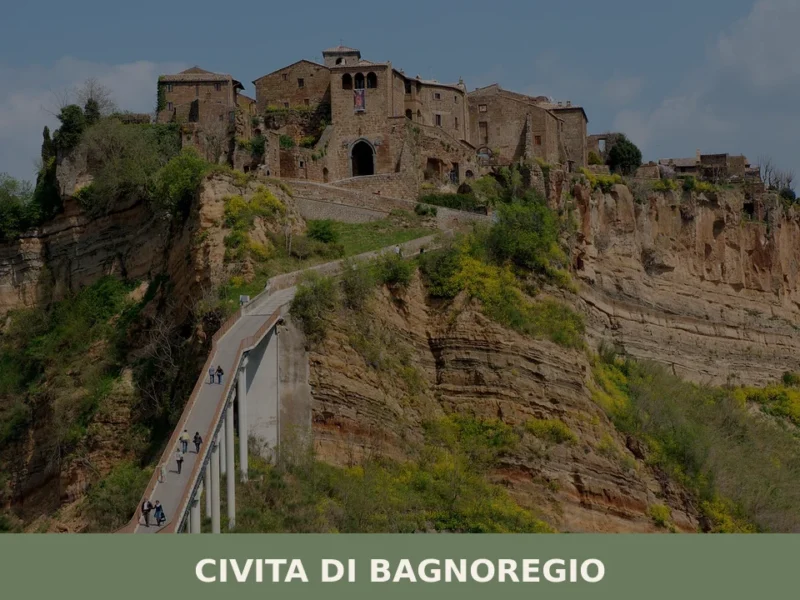
What to see in Civita di Bagnoregio, Italy: explore 5 top attractions, the Etruscan founding history, and a village of just 11 residents. Discover how to get there.
Ariccia
Hills
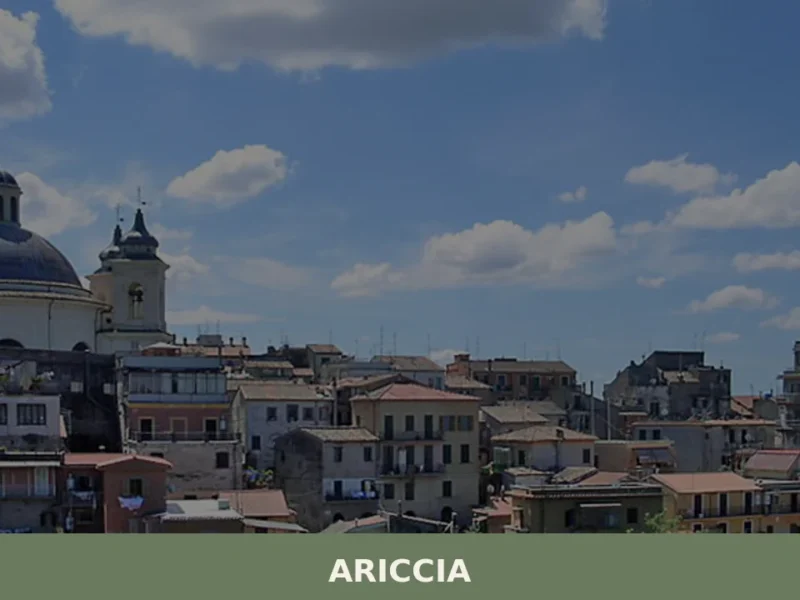
What to see in Ariccia: from Palazzo Chigi to the monumental bridge, discover the 5 top attractions. Plan your visit with this complete travel guide.
Anzio
 Sea
Sea
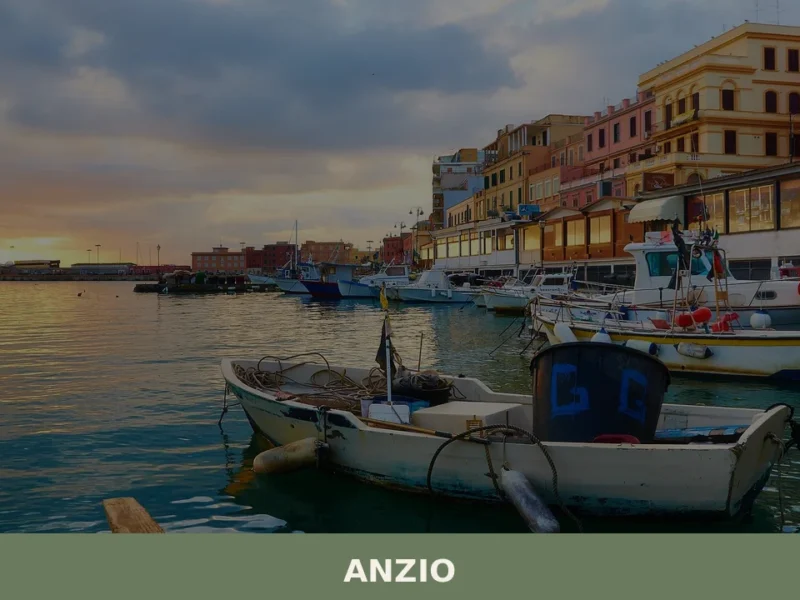
What to see in Anzio, Lazio, Italy: from WWII cemeteries to Roman ruins 51 km from Rome. Discover top attractions, local seafood, and how to get there.
Bolsena
Hills
 Lake
Lake
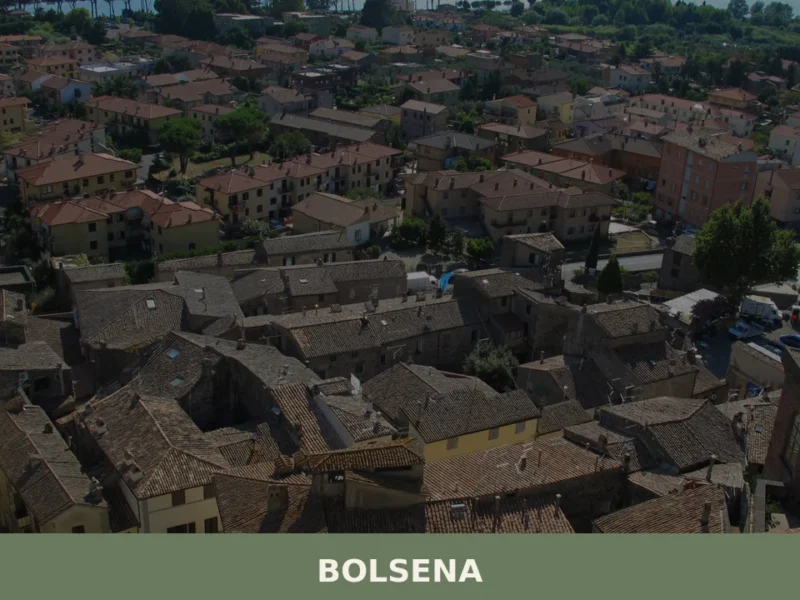
What to see in Bolsena, Lazio, Italy: the 1263 Eucharistic Miracle, Basilica of Santa Cristina, Lake Bolsena at 350 m. Discover history, food and how to get there.
Tessennano
Hills
In the heart of Viterbo’s Tuscia region, 302 meters above sea level, lies Tessennano, a settlement with 284 residents. Its hillside location, distant from major thoroughfares, has defined its profile through the centuries. For those wondering what to see in Tessennano, the village presents a historical layering perceptible in its architecture. The settlement develops around […]

Roma
Sea
The capital of Italy and the Lazio region, Roma encompasses 1287 km² and 2.7 million inhabitants, making it Europe's largest commune and a global center of political, religious and cultural influence.

Artena
Hills
What to see in Artena, Lazio, Italy: cyclopean walls from the 5th century BC, Palazzo Borghese, and 4 historic churches. Discover how to get there from Rome.
Broccostella
Hills
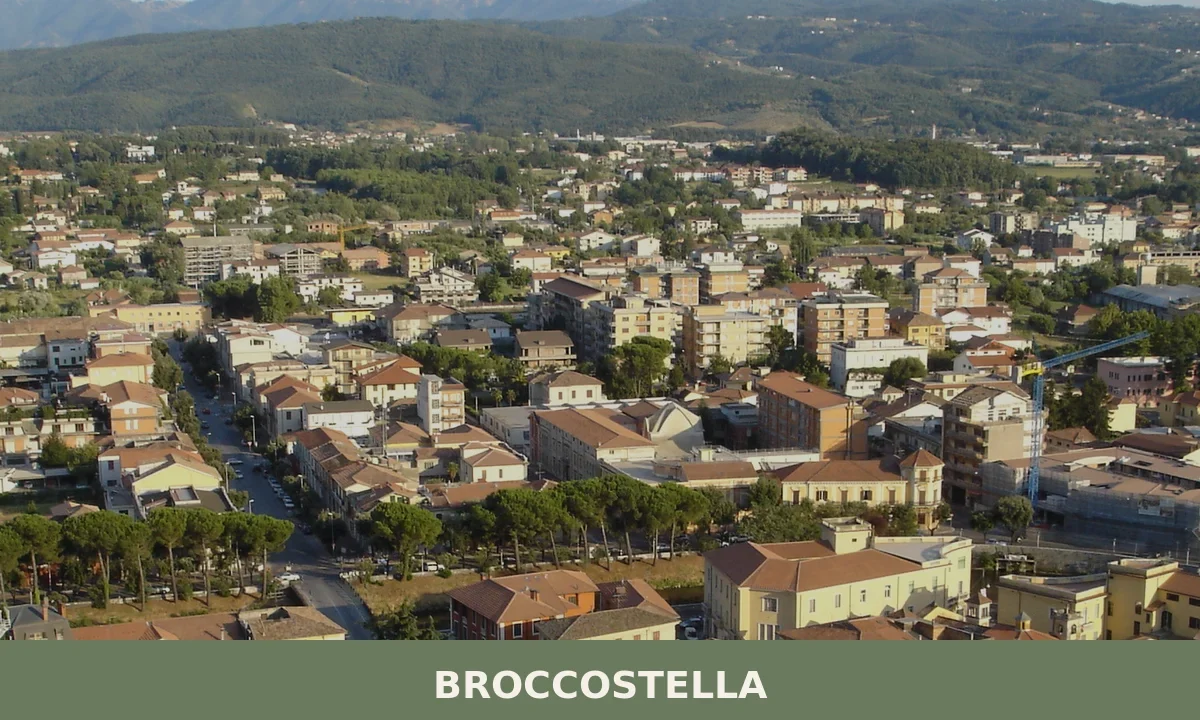
What to see in Broccostella, Lazio, Italy: 100 km from Rome, Lady Gaga connections, Apennine landscapes. Discover top attractions, food and travel tips.
Celleno
Hills
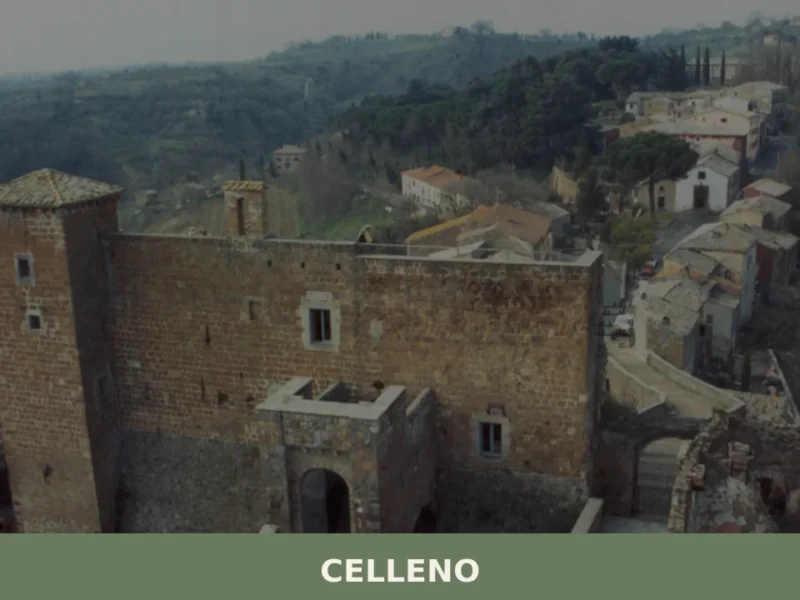
what to see in celleno, Italy? Explore this Lazio village at 407 m altitude. Discover its WWII history and the feast of San Donato d'Arezzo. Read our guide.
Bagnoregio
Hills
Lake
What to see in Bagnoregio, Lazio, Italy: explore Civita di Bagnoregio, the birthplace of St. Bonaventure, 90 km from Rome. Discover top attractions and local food.

🏡 Know Arce better than we do?
If you’re a local or have been there, your knowledge matters: add what’s missing or fix a detail on this page.