


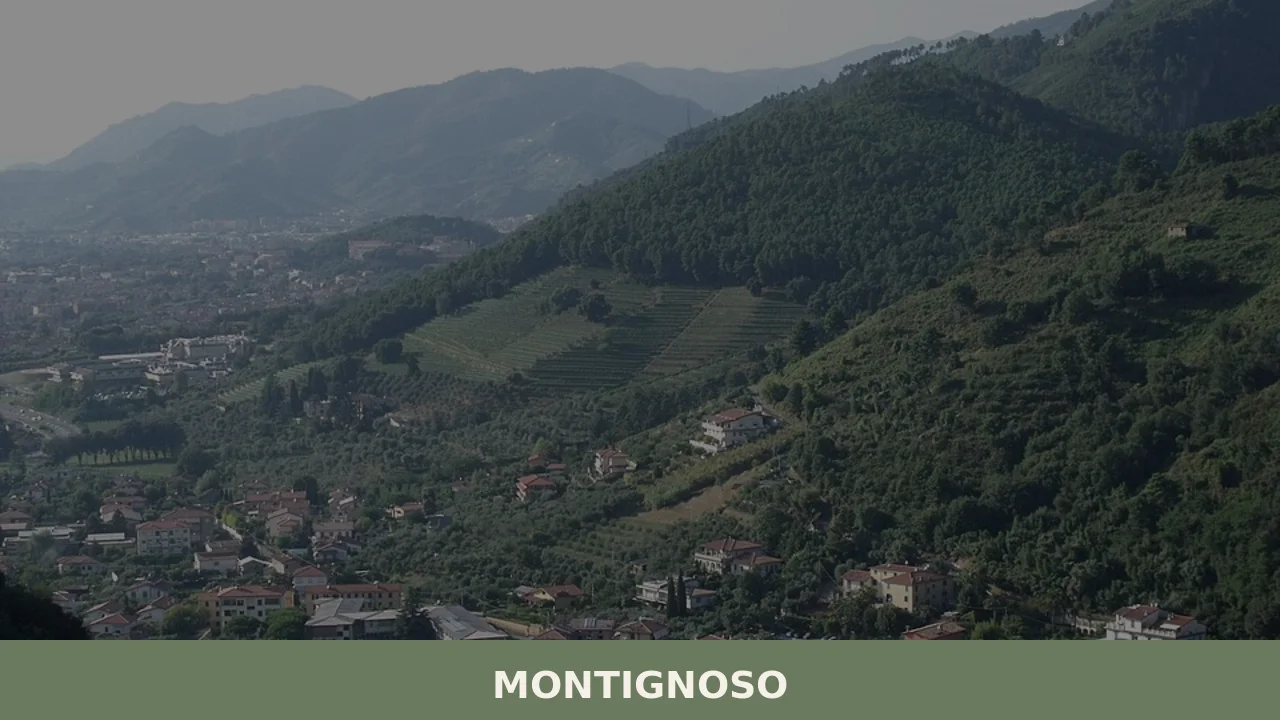

Montignoso is a coastal Tuscan municipality of around 10,000 people in the province of Massa-Carrara, known for its Lombard-era Castello Aghinolfi, its Gothic Line documentation centre, and its positi
Discover Montignoso
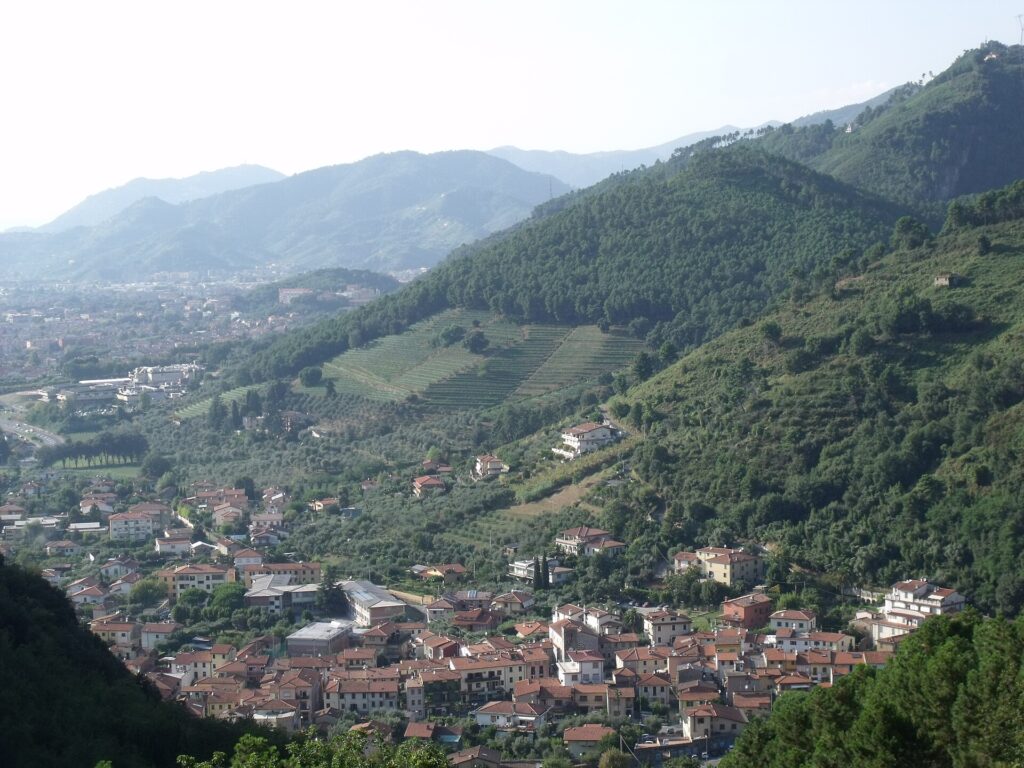
Montignoso is a coastal municipality in the province of Massa-Carrara, Tuscany, covering roughly 16.65 square kilometres at an elevation of 130 metres above sea level and home to just over ten thousand residents. Positioned where the Apuan hills meet the Tyrrhenian shore, it clusters around the hilltop stronghold of Castello Aghinolfi, a fortress that passed through Roman, Byzantine, Lombard and medieval hands before becoming the administrative heart of a commune that would remain tied to Lucca long after neighbouring towns shifted allegiance to Florence. The Via Francigena, one of Europe’s great pilgrimage roads, threads through this same stretch of coast, connecting Montignoso to a broader network of historic routes that once carried travellers between northern Europe and Rome.
For visitors planning a journey through lesser-known corners of the Italian northwest, Montignoso village in Tuscany offers a compact but layered experience: a musealised medieval castle built around an octagonal keep, a documentation centre dedicated to the Gothic Line and the Second World War campaigns fought across the Apuo-Versilian territory, a handful of churches including the patronal church of San Vito — whose feast falls on 15 June — and the protected natural area of Lago di Porta lying within the commune’s boundaries. The nearest cities are reachable with ease: La Spezia lies approximately 45 kilometres away, around 45 minutes by road, while Pisa is roughly 55 kilometres distant, approximately 50 minutes by car.
Montignoso village in Tuscany: history and roots
Montignoso is a settlement in coastal Tuscany whose recorded history stretches back at least to the mid-eighth century, when the Lombard king Astolfo donated an olive grove near the Castello Aghinolfi to Anselmo, founder of the Abbey of Nonantola, as a source of oil for church lamps — one of the earliest firm documentary references to the site.
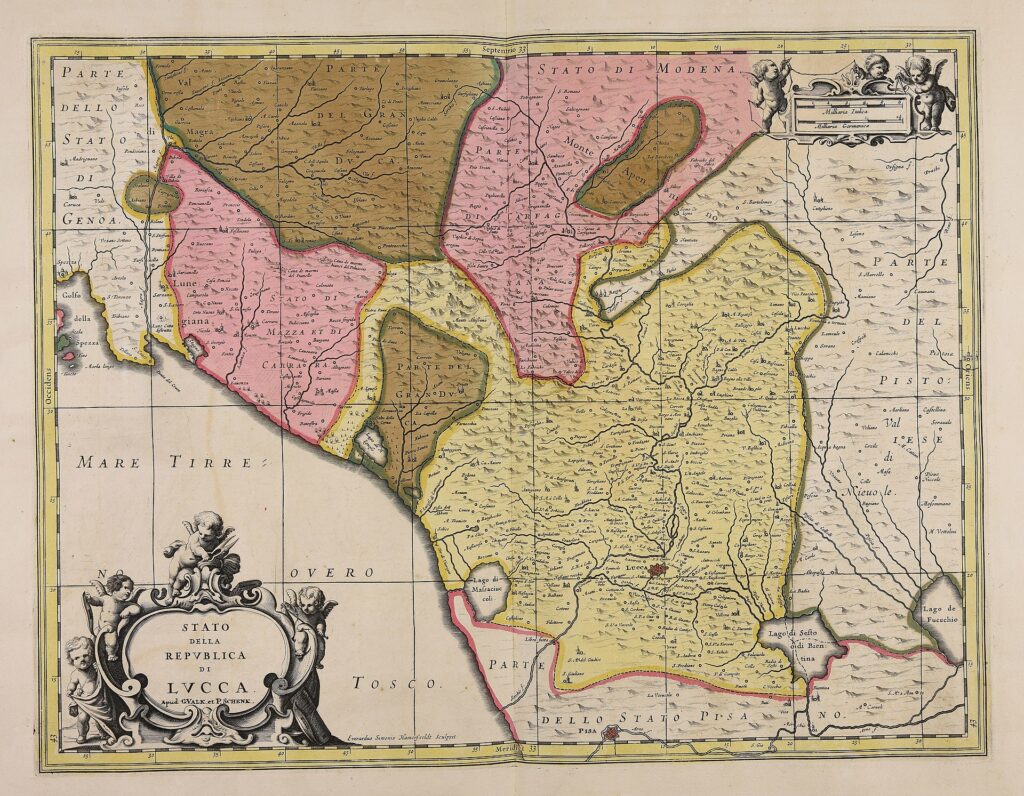
The hilltop castle that anchored the community’s early development served successive powers as a military observation point: first the Ligurian Apuani, later during Roman expansion, and subsequently as an outpost of Byzantine territory in Lunigiana. Its distinctive octagonal keep is traditionally attributed to Lombard construction. Toward the close of the tenth century, Montignoso was partly held by the bishop of Luni, and from the thirteenth century it became the established seat of the Nobili di Corvaia e Vallecchia, who rebuilt the fortress in what was then called Massa Versiliae. The town passed between competing powers — Pisa, Lucca, Genoa and Florence — before being absorbed into Lucchese territory as part of the vicariate of Pietrasanta. It remained a Lucchese possession even after Pietrasanta fell to the Florentines in 1514, effectively functioning as an enclave of Lucca for an extended period.
Following the Napoleonic era, Montignoso was governed under the Baciocchi in the Lucchese sphere, and after the Congress of Vienna it remained in the Duchy of Lucca until 1847, when — despite widespread local resistance — the Treaty of Florence transferred it to the Duchy of Modena and Reggio, a situation that continued until Italian unification. During the Second World War, the commune found itself on the Gothic Line and suffered severe destruction, a chapter of that conflict documented today in the local Centro di Documentazione sulla Linea Gotica. In recognition of civilian suffering during the war, Montignoso was awarded the Gold Medal for Civil Valor.
Castello Aghinolfi, Wartime Memory and Sacred Architecture
Montignoso offers visitors a fortified hilltop castle, a museum dedicated to the Second World War, several parish churches, and a protected natural lake area.
Castello Aghinolfi
The most substantial monument in the commune, Castello Aghinolfi stands on the hill above the municipal seat and represents the oldest layer of settlement in the area. The structure is built around an octagonal keep — a form associated with Lombard military architecture — with a central tower that preserves remains of earlier medieval phases. A restoration and tourist enhancement project led to the castle being opened as a museum site, allowing visitors to move through spaces that retain visible traces of successive building campaigns.
Centro di Documentazione sulla Linea Gotica
This five-room documentation centre focuses on events of the Second World War across the Apuan and Versilian territory, a region that lay directly on the Gothic Line. The display combines photographs, documents and objects to reconstruct that period. Montignoso was awarded a gold medal for civil valor in recognition of the damage the commune suffered during the conflict, including the destruction of Fort Leopoldo at Cinquale.
Churches
Several churches are distributed across the commune’s fractions. The church of Santi Vito e Modesto is linked to the patron saint whose feast falls on 15 June. Sant’Eustachio stands in the fraction of the same name. Santa Maria della Rosa and Santa Maria Regina della Pace — the latter in Pasquilio, built by Apuan partisans and later refaced — are also part of the communal heritage. The oratory of San Rocco completes the list of named religious buildings.
Area Naturale Protetta Lago di Porta
On the coastal edge of the commune lies the Lago di Porta, a locally protected natural area. It represents the landscape counterpart to the built heritage, offering a different kind of reason to explore the Montignoso territory.
Flavours of Montignoso and the Apuan Coast
The territory around Montignoso sits within a certified food landscape anchored by Candia dei Colli Apuani DOC wines — whites and rosés produced from the vineyards of the Apuan hills — alongside the Val di Magra IGT and Costa Toscana IGT designations that cover this corner of northwestern Tuscany. No single agricultural product is exclusive to the municipality, but the provincial and regional pantry is well stocked with certified names worth seeking out.
Among IGP products associated with the broader area, Farina di castagne della Lunigiana DOP stands out as the most geographically distinctive: chestnut flour from the Lunigiana valleys, used in traditional flatbreads and desserts. Cantuccini Toscani IGP are the region’s celebrated almond biscuits, while Finocchiona IGP — a fennel-seasoned salami — represents the cured-meat tradition of Tuscany. The Fungo di Borgotaro IGP brings wild porcini from the Apennine borderlands into local markets. Visitors with a taste for spirits may also encounter traditional herbal liqueurs tied to the wider Massa-Carrara and Lunigiana tradition, including preparations connected to Fivizzano.
Planning your visit and getting there
Montignoso can be reached using the practical reference points below. Distances and journey times are kept concise so the access information stays clear and consistent.
| Departure | Distance | Time |
|---|---|---|
| Massa | approx. 8 km | approx. 15 min |
| Pietrasanta | approx. 10 km | approx. 15 min |
| La Spezia | approx. 45 km | approx. 45 min |
| Pisa | approx. 55 km | approx. 50 min |
These practical reference points are enough to plan the journey without overloading the text with unstable logistics. Once on site, the village is best understood slowly, on foot and in relation to the surrounding landscape.
Frequently asked questions about Montignoso
How do you get to Montignoso by car or train?
By car, take the A12 Genova–Livorno motorway and exit at Versilia or Massa Centro, then follow signs toward Montignoso; the village is roughly 55 km from Pisa and 45 km from La Spezia. The nearest railway station is Massa Centro on the Genova–Pisa coastal line, served by Trenitalia regional trains. From the station, the hilltop centre is reachable by local bus or a short taxi ride of approximately five minutes.
When is the best time to visit Montignoso?
Late spring and early summer offer the most rewarding visit. The weather is mild, the Tyrrhenian coast nearby is not yet at peak-season crowds, and on 15 June the village celebrates its patron saint San Vito with local festivities. July and August are ideal for combining a stay with beach tourism along the Versilian Riviera, while October brings quieter conditions and pleasant temperatures for exploring the Castello Aghinolfi and the surrounding Apuan hills.
Are there hiking or cycling routes around Montignoso?
The Apuan Alps surrounding Montignoso are crossed by CAI-marked trails connecting the coastal hills to the broader Parco Regionale delle Alpi Apuane network. The Via Francigena pilgrimage route also passes through the commune, offering a well-documented long-distance walking itinerary toward Lucca and Rome. Cyclists can use the flat coastal cycle paths running along the Versilian shore, while more challenging mountain-bike routes climb toward Castello Aghinolfi and the ridges above the village.
How long should I plan to spend in Montignoso, and where can I park?
A half-day is sufficient to visit Castello Aghinolfi, the Gothic Line Documentation Centre and the church of San Vito. Combining the village with a walk to Lago di Porta or a coastal excursion extends the stay to a full day. Free parking areas are available on the approach roads to the historic centre; the castle area has limited roadside parking, so arriving early in summer is advisable to secure a space before the site fills up.
What is a lesser-known historical curiosity about Montignoso?
Castello Aghinolfi takes its name from Agilulf, the Lombard king who reigned from 590 to 616 AD and is believed to have used the fortress as a strategic stronghold controlling the coastal passage between the Ligurian and Tuscan territories. This Lombard connection predates the castle's later medieval and Renaissance phases, making Montignoso one of the few Tuscan villages where Lombard royal history is directly embedded in local heritage rather than limited to ecclesiastical records.
📷 Photo Gallery — Montignoso
Nearby Villages near Montignoso
In Tuscany More villages to discover
Fosdinovo
 Hills
Hills
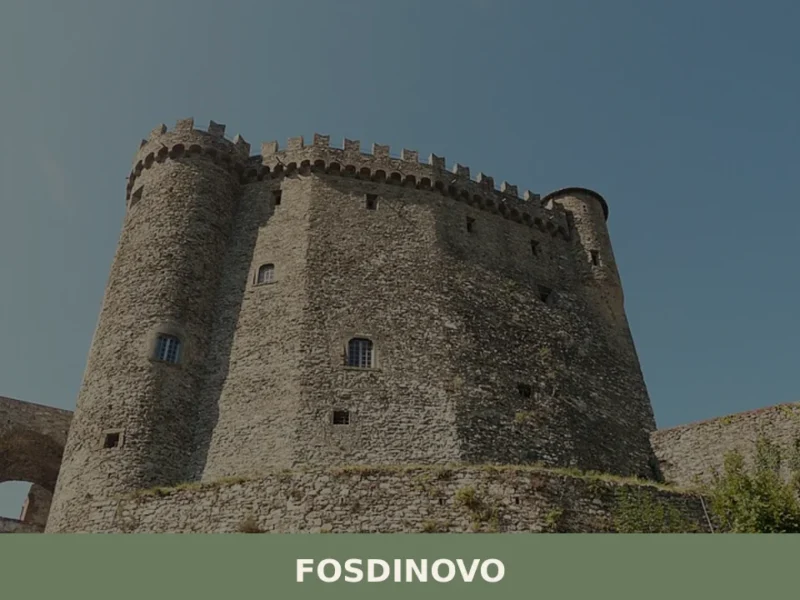
The Malaspina Castle of Fosdinovo has dominated the ridge separating the Val di Magra from the Apuan coast for over seven hundred years, with its four circular towers and a sentry walkway that can still be traversed. At 500 metres above sea level, this town in the province of Massa and Carrara has 4,982 inhabitants […]
Arcidosso
 Mountain
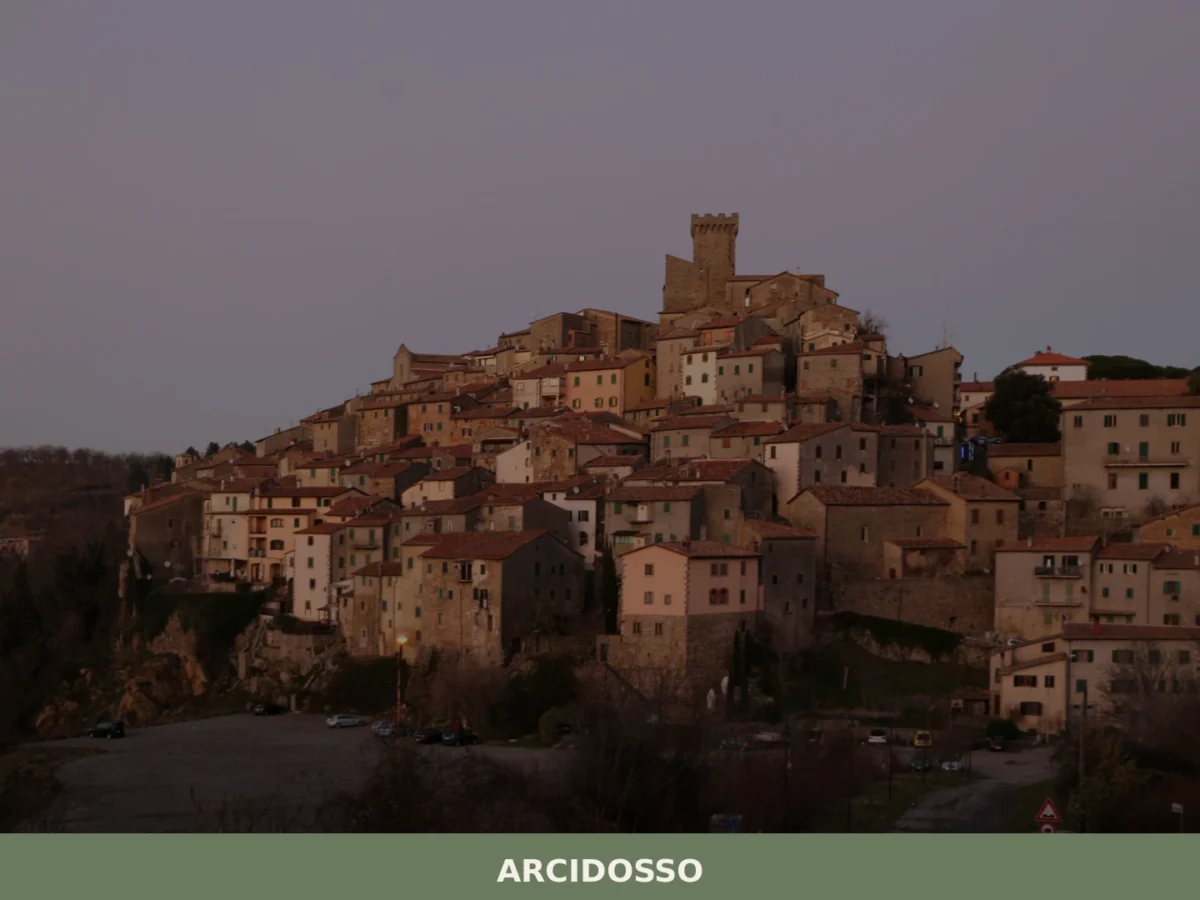
What to see in Arcidosso, Italy: explore a medieval castle built around 1000 AD, 3 surviving city gates, and local Monte Amiata cuisine. Discover top attractions now.
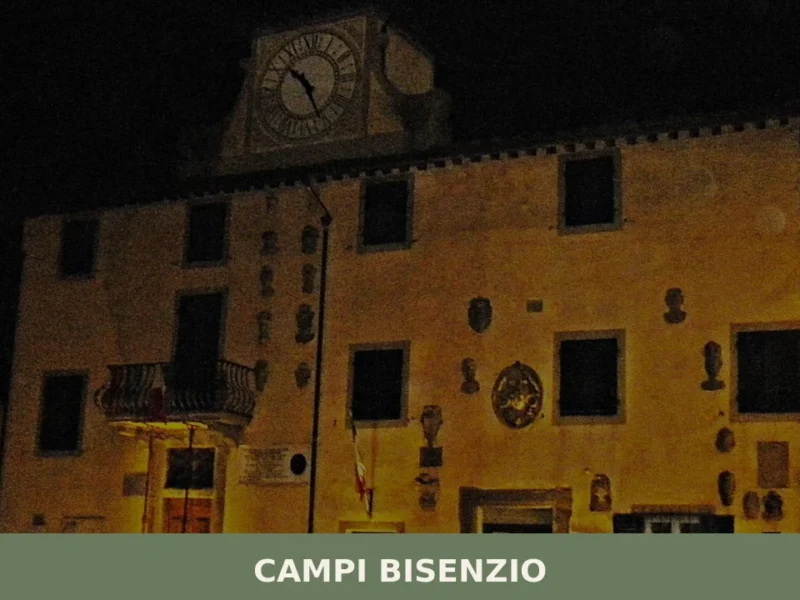
Campi Bisenzio
 Plains
Campi Bisenzio is a Tuscan town of around 47,539 residents on the Florence–Prato plain, where medieval fortifications, ancient churches and a surprising literary heritage give this flat, open landscap
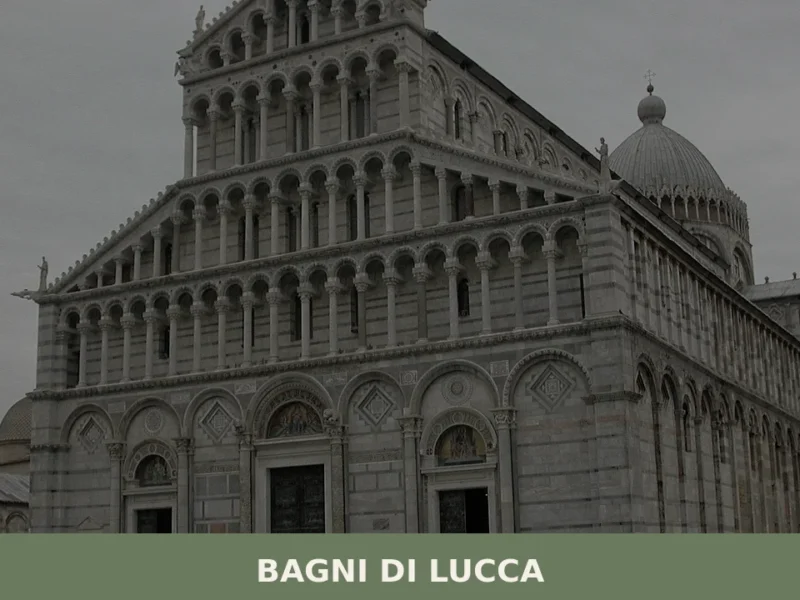
Bagni di Lucca
Plains
A comune of 5,560 residents in Lucca province, Bagni di Lucca centres on warm springs and the Serchio river corridor. Its identity rests on water and geology.
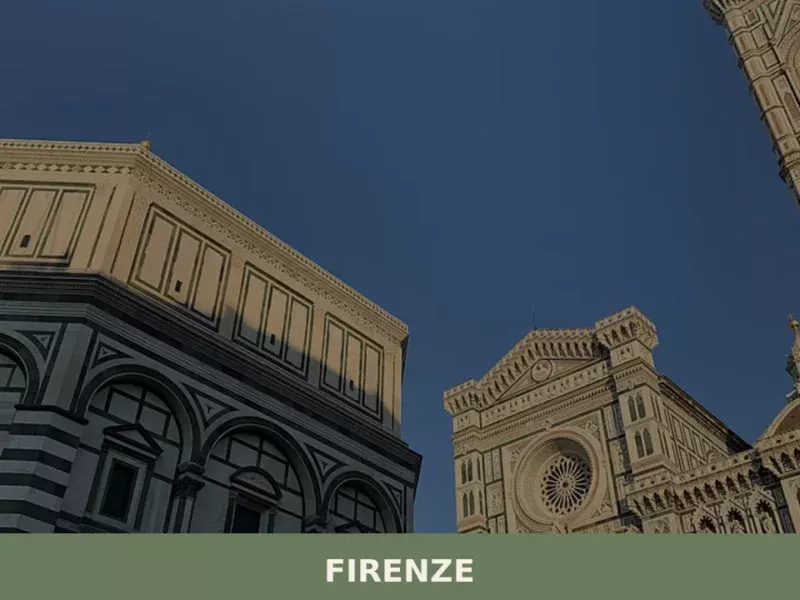
Firenze
Plains
Founded by the Romans as a military colony around 59 BC under the name Florentia, the city we know today as Florence has passed through nearly two millennia of history without ever ceasing to reinvent itself. The regional capital of Tuscany, it sits 50 metres above sea level along the banks of the Arno, with […]
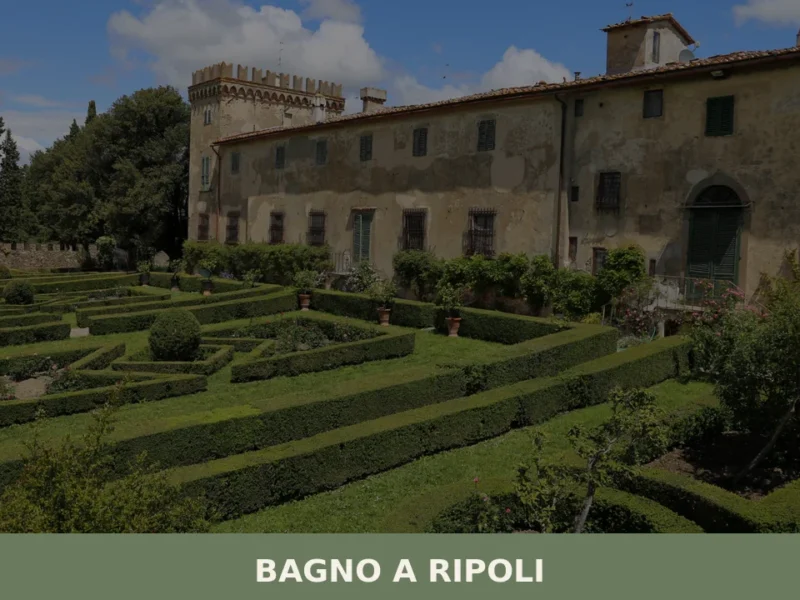
Bagno a Ripoli
Plains
Bagno a Ripoli is a hillside municipality east of Florence where medieval pievi, orchard-covered slopes and centuries-old villa estates make for a rewarding and unhurried Tuscan experience.
Rio nell’Elba
 Sea
Sea
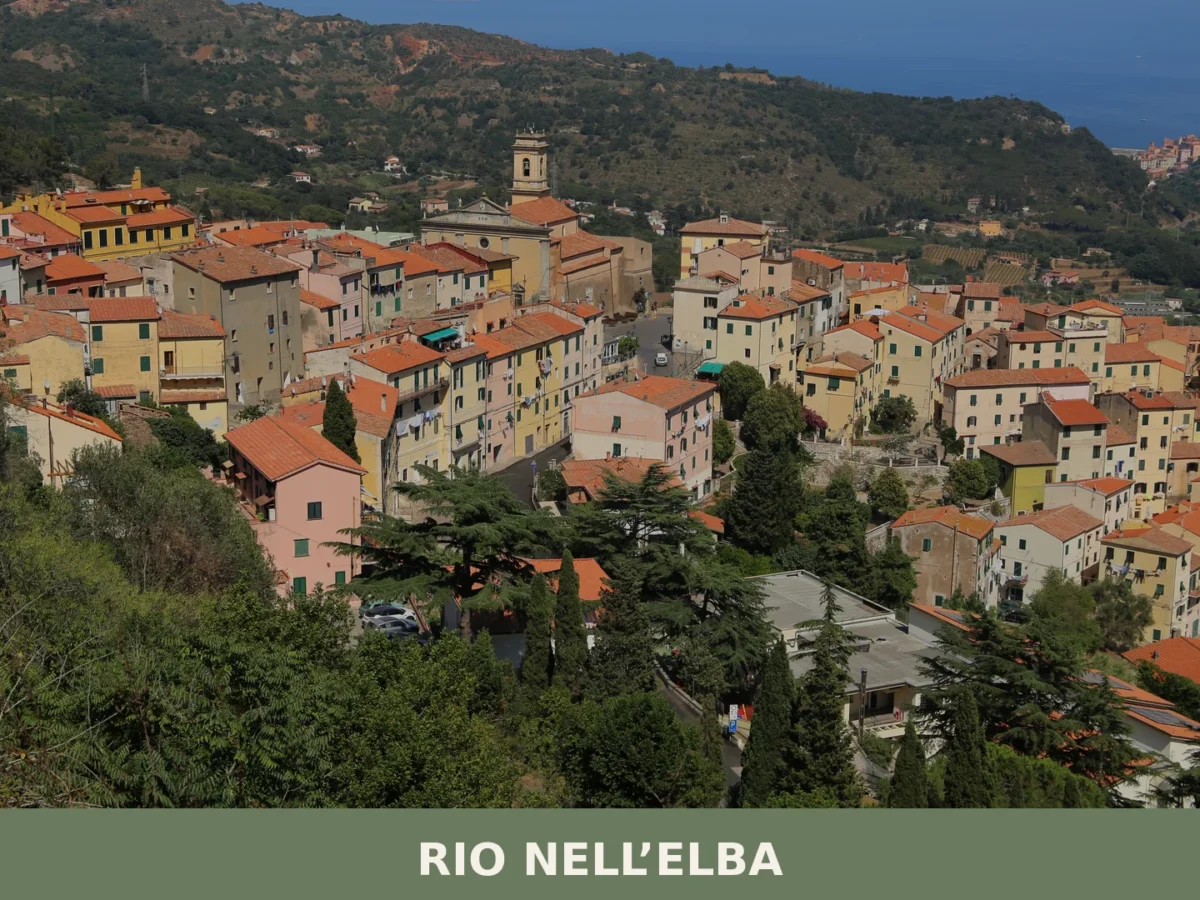
Rio nell'Elba is a historically documented village on the island of Elba, Tuscany, with origins recorded from 1260 and a layered heritage shaped by iron mining, medieval institutions and sixteenth-cen
Fivizzano
Hills
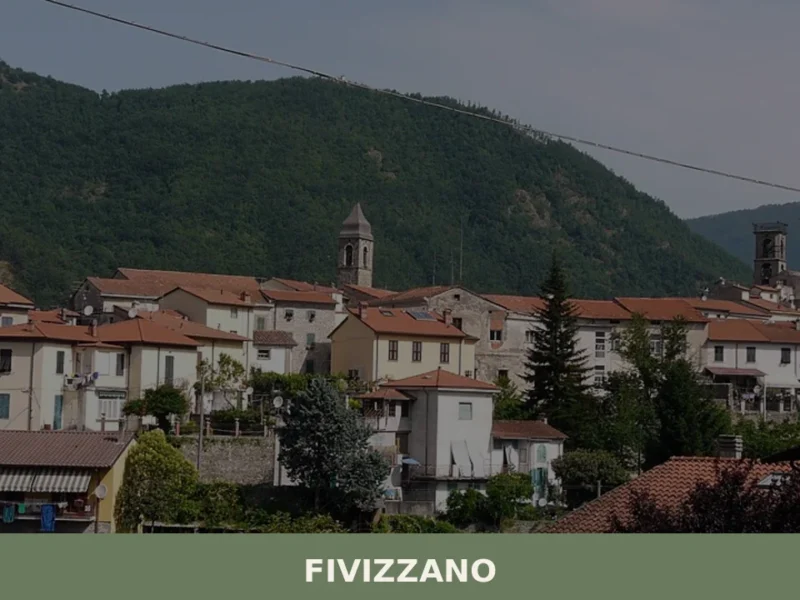
In 1477 a printing press active in Fivizzano produced an edition of Cicero’s Epistolae ad familiares, making this Lunigiana town one of the first places in Italy — and in Europe — to host the art of movable-type printing. The village stands at 326 metres above sea level in the province of Massa and Carrara, […]
Capraia e Limite
Plains
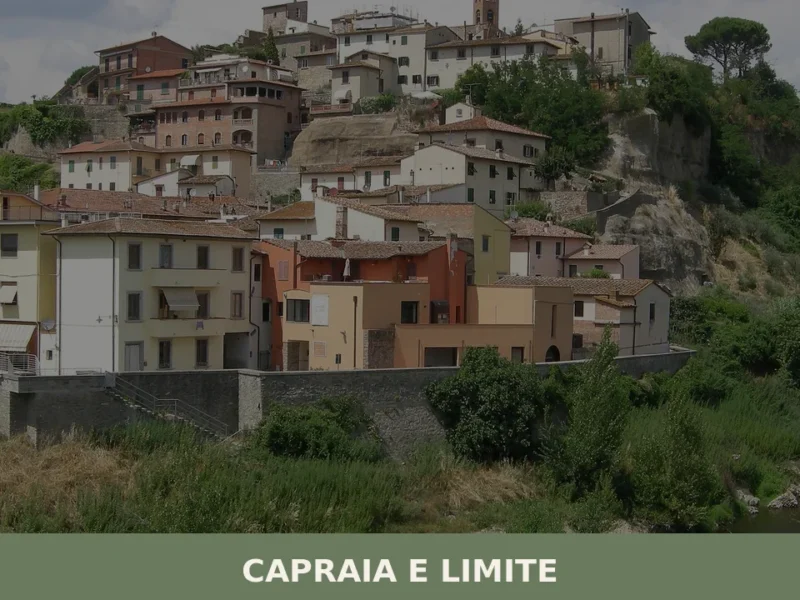
The Arno moves slowly past the low embankment at Limite sull’Arno, its surface carrying the same grey-green light it has carried for centuries. The riverbank here is not decorative: from the 18th century onward, this stretch of the river functioned as a working yard where timber hulls took shape for the Grand Duchy of Tuscany. […]
Capoliveri
Sea
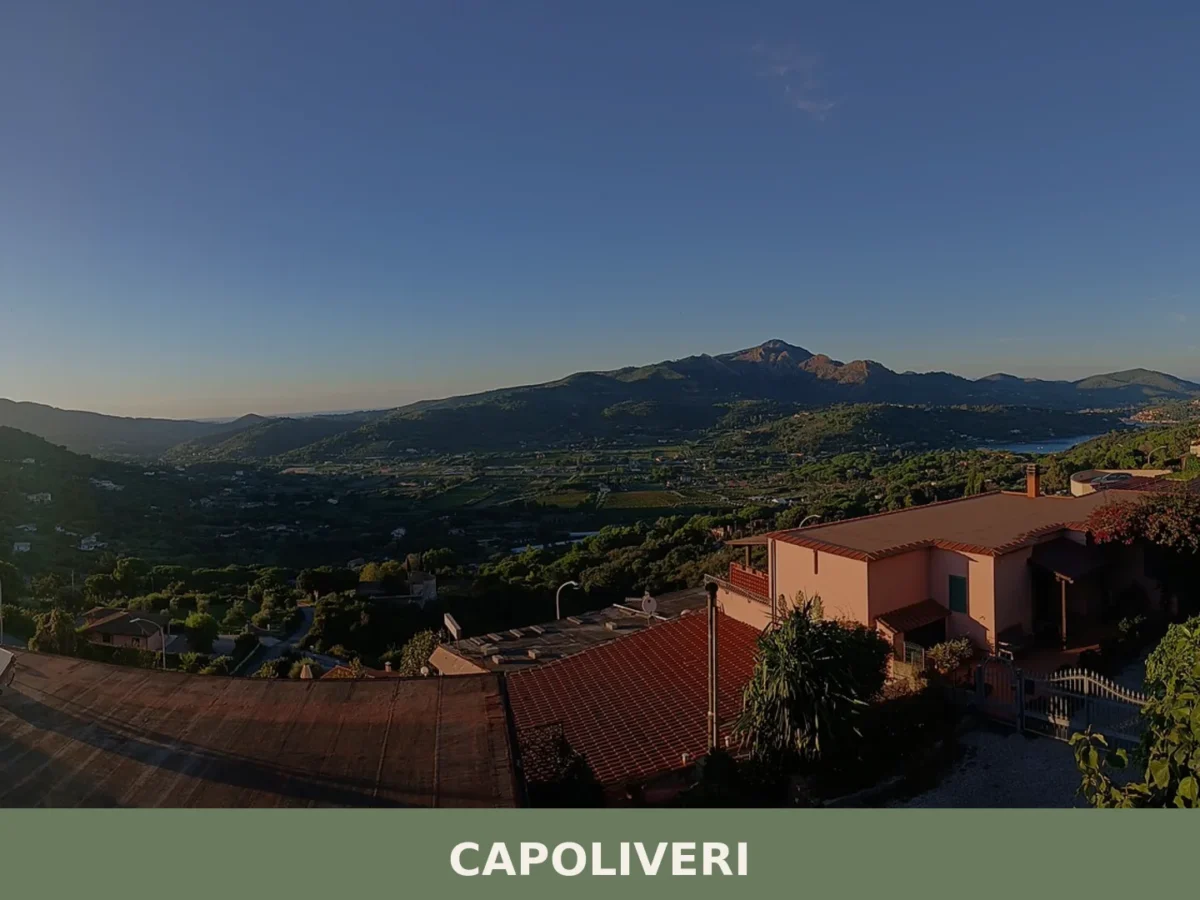
Capoliveri is a fortified hilltop village on the Island of Elba, Tuscany, with a history stretching from Etruscan-Roman times through medieval Pisan rule, pirate raids, Medici lordship and independent



🏡 Know Montignoso better than we do?
If you’re a local or have been there, your knowledge matters: add what’s missing or fix a detail on this page.