


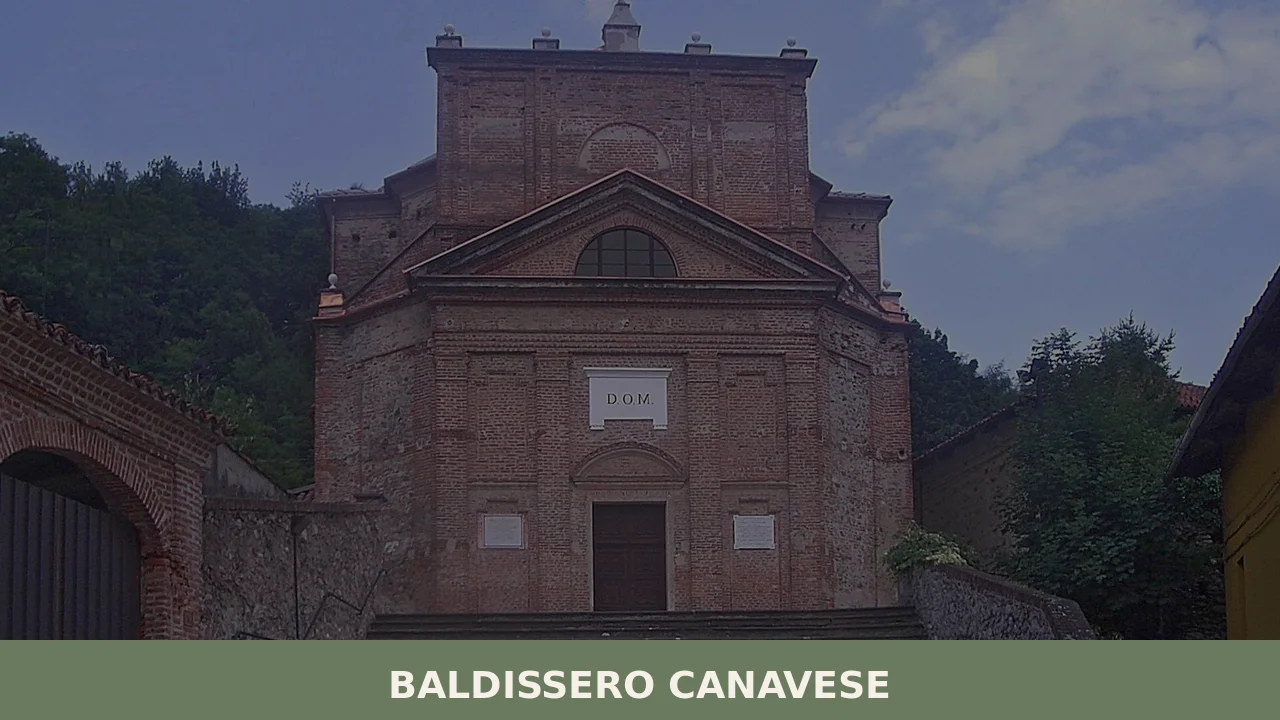
Baldissero Canavese
 Hills
Hills
Baldissero Canavese has a population of 515 and stands at 392 metres on the hillside of the Canavese area, in the north-eastern corner of the Province of Turin, a short distance from the Piedmontese regional capital. The village is part of the Canavese settlement system, one of the historically densest areas in the region for […]
Discover Baldissero Canavese
Baldissero Canavese has a population of 515 and stands at 392 metres on the hillside of the Canavese area, in the north-eastern corner of the Province of Turin, a short distance from the Piedmontese regional capital. The village is part of the Canavese settlement system, one of the historically densest areas in the region for castles and parish churches. Those wondering what to see in Baldissero Canavese will find a compact territory that can be explored on foot, where historic architecture and the hillside vineyard landscape sit in close proximity to one another.
History and Origins of Baldissero Canavese
The place name “Baldissero” most likely derives from a Germanic personal name — the root Baldh, widely used as a naming element in Lombard territories — to which the Latin predial suffix -arius was added, a common feature in Piedmontese rural place names indicating a holding or estate. The addition of “Canavese” distinguishes the municipality from the neighbouring Baldissero Torinese, and refers to the geographical area of the Canavese, which takes its name from the campus navisium, the plain of waterways mentioned in medieval documents. The Canavese was long a border territory between the Marquisate of Ivrea and the expansionist ambitions of the House of Savoy, and hillside villages like Baldissero reflect this layered political history in the layout of their settlements.
During the Middle Ages, the territory revolved around the system of feudal control structures spread across the Canavese — an area that the Wikipedia entry on the historical Canavese describes as particularly rich in towers and noble castles between the tenth and fourteenth centuries. The local parish is dedicated to Saint Martin of Tours, whose dies natalis falls on 11 November — the date of the patron saint’s feast — and this dedication is common among rural villages with Carolingian and post-Carolingian roots, where veneration of the Bishop of Tours had taken hold from the early Middle Ages through the monastic network. The layout of the village, with its compact historic core and the church in a commanding position, follows the pattern of Canavese hillside settlements that consolidated between the eleventh and thirteenth centuries.
The area was incorporated into Savoy domains during the progressive territorial acquisitions that marked the dynasty’s expansion between the fourteenth and fifteenth centuries, following the fortunes of the northern Canavese. Like many smaller municipalities in the Province of Turin, Baldissero Canavese maintained an agricultural vocation over time, based on hillside viticulture and cereal farming — an economy that has shaped the rural landscape still visible today. The official website of the Municipality of Baldissero Canavese documents the current administrative activity of a local authority managing a small but institutionally well-established territory.
What to See in Baldissero Canavese: 5 Key Attractions
1. The Parish Church of Saint Martin of Tours
The parish church dedicated to the patron saint Martin of Tours is the main architectural reference point of the village. In its current form, the building reflects the typical transformations of rural Piedmontese churches between the Baroque period and the nineteenth century. On 11 November, the feast day of the patron saint, the church becomes the centre of the community’s life.
2. The Historic Hill Settlement
The historic core of Baldissero Canavese develops across the hillside at 392 metres in a compact layout. The stone and brick construction, with rural courtyards and arched doorways, documents local building methods from the eighteenth and nineteenth centuries. Walking through the old centre takes less than an hour and provides a coherent cross-section of rural Canavese architecture.
3. The Hillside Vineyard Landscape
The hillside surrounding the village is marked by vineyards and arable fields arranged across terraces and gentle slopes. This agricultural landscape, typical of the hilly Canavese, falls within the production zone of Erbaluce di Caluso, a native grape variety grown in neighbouring municipalities. Views towards the Po Plain and the moraine ridge of the Serra d’Ivrea can be enjoyed from the upper part of the village.
4. The Rural Path Network
The municipal territory is crossed by rural tracks connecting Baldissero Canavese to nearby villages in the hilly Canavese. These routes, which partly follow historic paths linking rural communities, allow for walking or cycling excursions with modest elevation changes, suited to those who want to explore the area’s agricultural landscape without any particular technical difficulty.
5. Views Towards the Serra d’Ivrea and the Plain
From an altitude of 392 metres, on days with good visibility, the eye reaches the Serra d’Ivrea — the moraine ridge deposited by the Balteo glacier — and the Canavese plain stretching towards Turin. This vantage point allows for a direct reading of the Canavese’s geomorphology, making it possible to identify the main features of the area’s physical landscape.
Local Food and Produce
Baldissero Canavese sits within the Canavese gastronomic area, which shares with the rest of northern Piedmont a culinary tradition built on simple ingredients prepared with skill. The most significant wine produced in the area is Erbaluce di Caluso DOCG, a native white grape variety grown across Canavese municipalities including the hillside strip in which Baldissero falls: in its still, sparkling, and passito versions, this wine is the most recognisable expression of the territory’s wine-making. Caluso Passito DOCG, made from dried Erbaluce grapes, is a structured sweet wine that is rare for northern Piedmont, with a production history documented over centuries. Among the PAT (Traditional Agri-food Products) of Piedmont found in the Canavese area are the Tinca gobba dorata del Pianalto di Poirino — a golden-humped tench farmed in ponds not far away — and several cured meats from the Piedmontese rural tradition, including salame di turgia and salsiccia di Bra, the latter distributed across much of the regional territory.
Local cooking follows the conventions of the Piedmontese rural tradition: bagna caôda with raw and cooked vegetables, tajarin al ragù with hand-rolled egg pasta, fritto misto alla piemontese — which in the Canavese often includes amaretti biscuits and apples alongside meats — and brasato al Caluso Passito, a preparation in which the local wine goes directly into the marinade and the slow cooking of the beef. Torta di nocciole, made with Nocciola Piemonte IGP (Corylus avellana), is the most widespread dry pastry in homes and rural bakeries in the area. Those visiting the Canavese in autumn will also find white truffles from Alba at local markets — the foraging area extends into parts of the Province of Turin — alongside porcini mushrooms from the hillside woods, gathered from September onwards.
When to Visit Baldissero Canavese: the Best Time of Year
Spring — between April and June — and autumn — from September to November — offer the most favourable conditions for visiting Baldissero Canavese. In spring the hillside landscape is easily walkable along rural paths, and the vineyards show fresh growth. Autumn coincides with the Erbaluce harvest, which brings activity to the local wineries, and with mushroom picking in the mixed oak and chestnut woodland of the hilly Canavese. The 11th of November, the feast of Saint Martin of Tours and patron of the village, is the most significant liturgical date for the local community: a visit at this time allows for a direct experience of the devotional practices of a small rural Piedmontese village.
Summer is the least advisable period for walking excursions, as temperatures on these hills can be high during the middle of the day. Winter, while presenting no particular difficulties for reaching the village, reduces the legibility of the agricultural landscape. For those travelling from Turin and the surrounding province, Baldissero Canavese can be reached in a short time, making it well suited to half-day excursions without the need for an overnight stay.
How to Get to Baldissero Canavese
Baldissero Canavese is best reached by car via the SS26 Valle d’Aosta road as far as the Caluso area, from where you head up towards the hillside. From Turin the distance is approximately 30 kilometres, covered in 35 to 40 minutes via the ring road and the state road towards Ivrea. The A5 Turin–Aosta motorway has its most convenient exit at Ivrea, from where the village is reachable in around twenty minutes. The nearest international airport is Turin Airport at Caselle Torinese (IATA: TRN), approximately 20 kilometres away as the crow flies. For those travelling by train, the nearest railway station is Caluso, on the Turin–Ivrea–Aosta line, served by Trenitalia regional services: from Caluso station, visitors need to continue by private transport or local services to cover the remaining kilometres to the village. The proximity to the Touring Club Italiano’s network of Canavese itineraries makes it straightforward to include Baldissero within broader routes taking in the area’s main centres.
Other Villages to Explore in Piedmont
Northern Piedmont offers a range of smaller centres that help build a fuller picture of the Canavese and the surrounding areas. Those exploring the hilly Canavese can extend their route towards Brosso, a small municipality in the eastern Canavese at a higher altitude, known for its ancient iron mines that left a deep mark on the area’s economic and social history well into the twentieth century. In the opposite direction, towards the Vercelli plain, Vercelli is the most significant urban and cultural reference point for those wishing to explore the medieval history and rice-farming tradition of eastern Piedmont.
For those looking to broaden their scope towards the Piedmontese Alpine valleys, Angrogna, in the Val Pellice, offers a completely different setting: a Waldensian village at altitude, with a religious and cultural history that has influenced the whole of Protestant Piedmont. All such itineraries find their natural logistical and cultural hub in Turin and its provincial territory — a city from which the main routes to Piedmont’s lowland, hillside, and mountain villages radiate outwards, and which remains the central infrastructure node for anyone planning an extended itinerary across the region.
Frequently asked questions about Baldissero Canavese
What is the best time to visit Baldissero Canavese?
The best time to visit Baldissero Canavese is during the spring months of April to June and the autumn months from September to November. These periods offer mild weather, ideal for exploring the hillside and vineyards. Visiting on November 11th allows you to experience the feast of Saint Martin of Tours, the village's patron saint, offering a glimpse into local traditions and community life.
What to see in Baldissero Canavese? Main monuments and landmarks
A must-see in Baldissero Canavese is the Parish Church of Saint Martin of Tours, a center of community life, especially on November 11th during the feast day celebrations. The historic hill settlement offers a compact view into rural architecture with its stone and brick constructions. The hillside vineyard landscape surrounding the village provides scenic views and insight into local viticulture.
Who is Baldissero Canavese suitable for?
Baldissero Canavese is perfect for those who enjoy a peaceful, small-village atmosphere combined with a taste of history and rural charm. It's suitable for couples and solo travelers interested in architecture and viticulture, as well as families seeking leisurely outdoor activities like walking through the scenic vineyard landscapes and exploring historical sites.
Getting there
Via Monte Grappa, 10080 Baldissero Canavese (TO)
Nearby Villages near Baldissero Canavese
In Piedmont More villages to discover
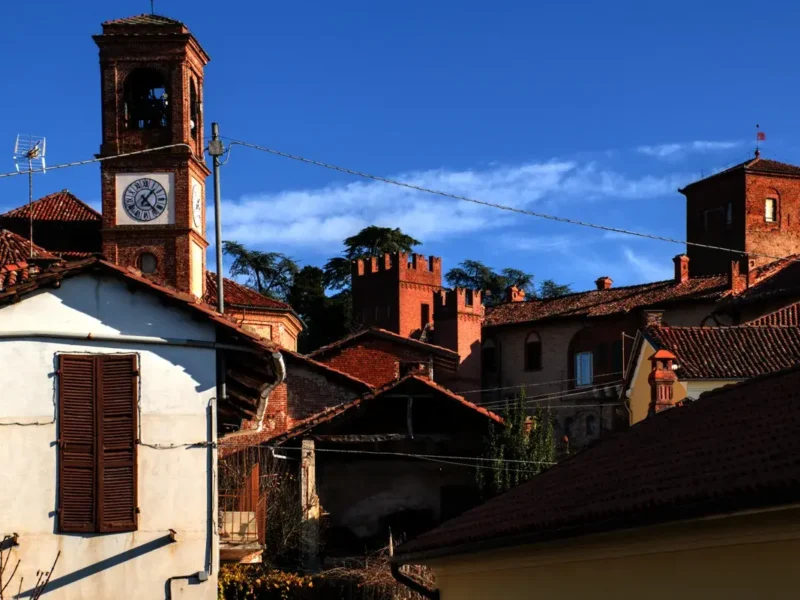
Moriondo Torinese
Hills
Scopri Moriondo Torinese, un affascinante borgo del Piemonte ricco di storia, natura e tradizioni. Lasciati conquistare dalla sua bellezza autentica!

Strambino
 Plains
6,000 residents, one castle on a hill, and a church whose floor plan mirrors a frog. Strambino offers a layered Canavese identity few visitors expect.
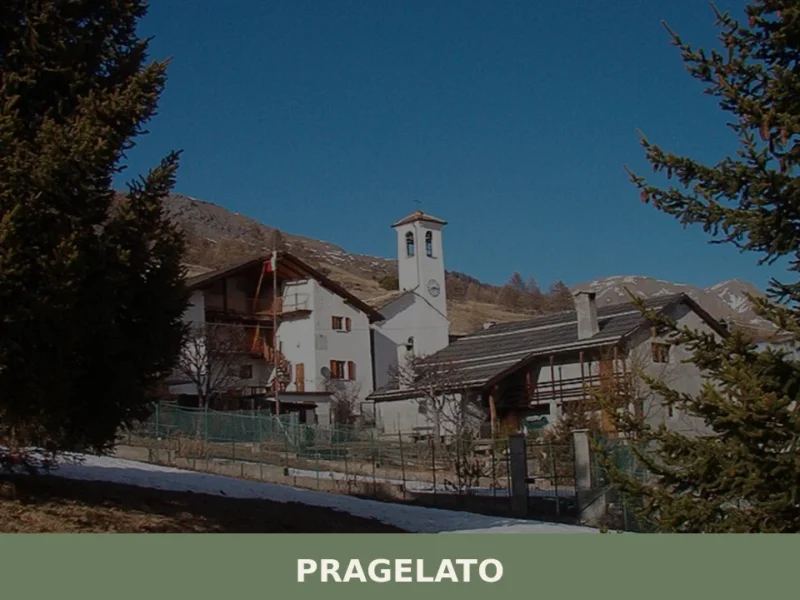
Pragelato
 Mountain
Pragelato sits at around 1,524 metres above sea level in Val Chisone, approximately 82 kilometres west of Turin, and its Occitan name — Pradzalà or Prajalats — translates directly as “frozen meadow”, a reference to the high-altitude pastures that define the landscape here. With a resident population of 692, this is a compact Alpine commune […]
Arignano
Hills
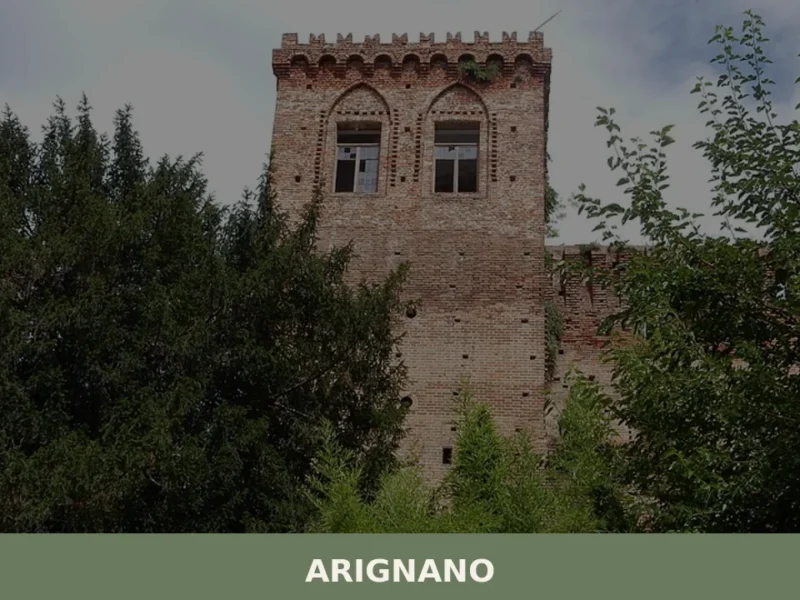
What to see in Arignano in Piedmont: castle, church, hill trails, traditional cuisine, and practical information for visiting the village at 321 m a.s.l.
Rorà
Mountain
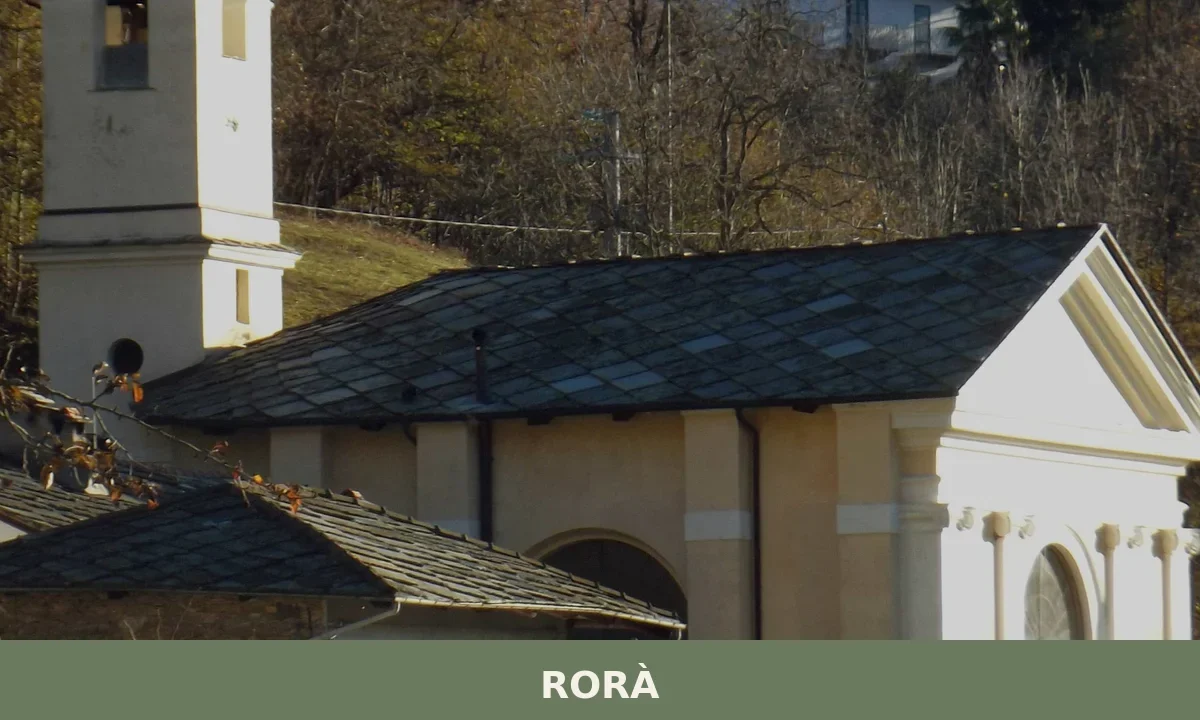
Population 221. Altitude 967 metres. Stone houses, Alpine silence, and a rhythm set by seasons and territorial links that connect to the Pellice valley network.
Salassa
Hills
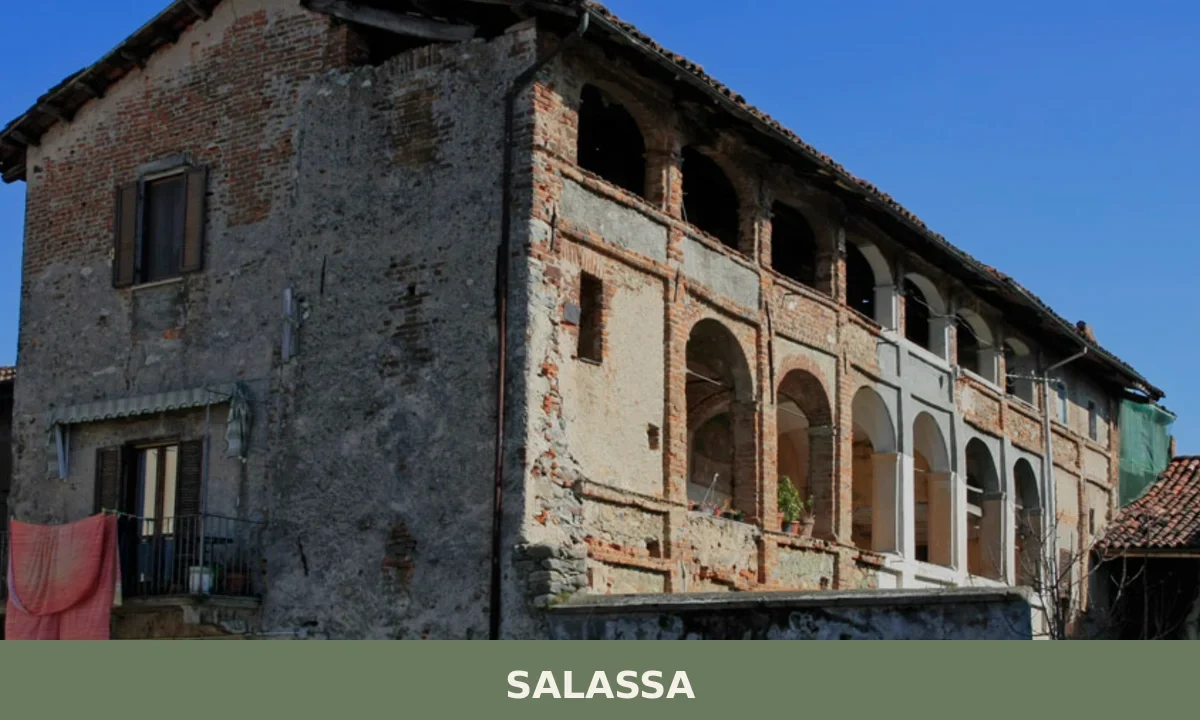
Population 1,862. A medieval comune with a 24-metre river-stone tower and 13th-century fortified enclosure, accessible by metro rail from Turin.

Riva presso Chieri
Plains
A village of 4,700 inhabitants shaped by plague, fire and noble patronage. Visit for 18th-century churches, a noble palazzo, and the sanctuary tied to miraculous escape.
Osasco
Plains
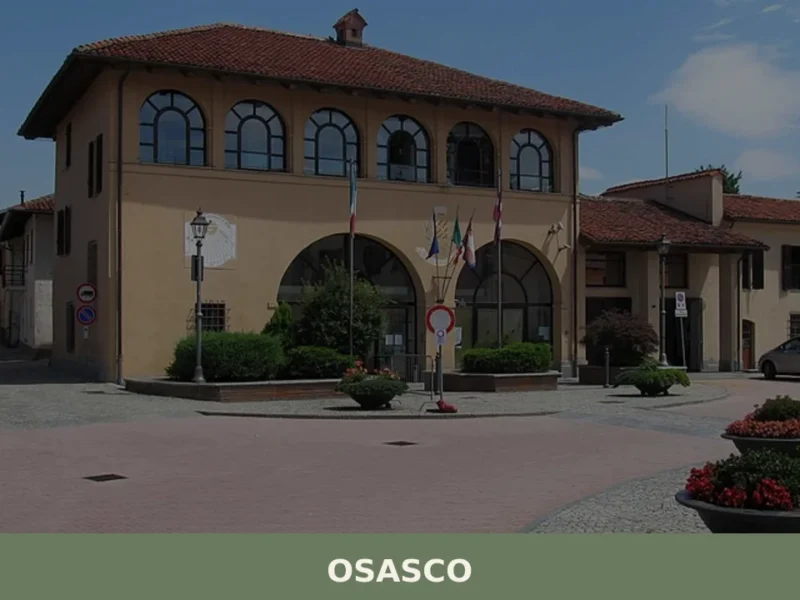
Osasco is a comune of 1,161 inhabitants in the Metropolitan City of Turin, sitting in the Piemonte region of northwestern Italy. Known in the local Piedmontese language as Osasch, the village occupies a modest position in the hills and plains south of Turin, one of dozens of small agricultural and residential communes that form the […]
Parella
Hills
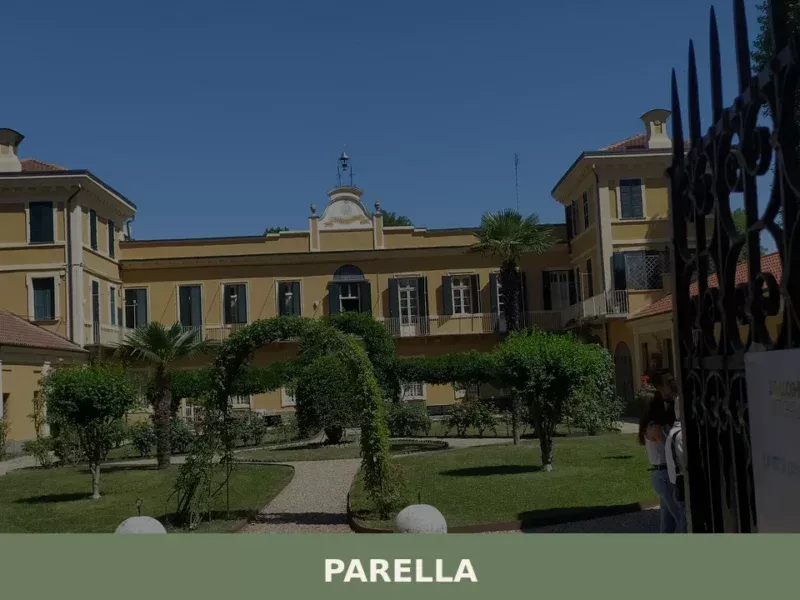
Scopri Parella borgo Piemonte: un affascinante villaggio storico tra castelli, natura e tradizioni antiche. Visita uno dei gioielli nascosti del Canavese!
Brosso
Mountain
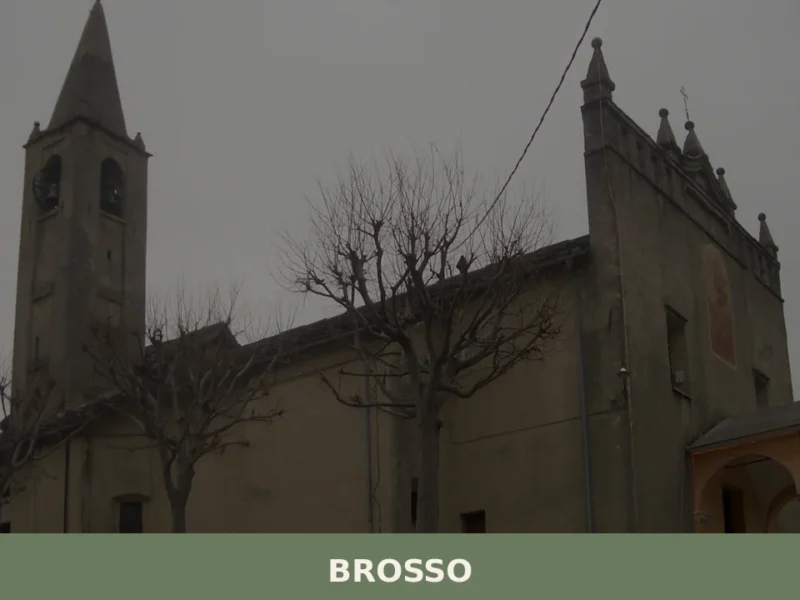
Brosso has a population of 391 and sits at 797 metres above sea level in the Valli del Canavese, in the province of Turin, on the south-eastern slopes of the Serra di Ivrea. The area was historically defined by mining activity — particularly iron and copper extraction — a practice that left lasting physical marks […]



🏡 Know Baldissero Canavese better than we do?
If you’re a local or have been there, your knowledge matters: add what’s missing or fix a detail on this page.