


Bellante
 Hills
Hills
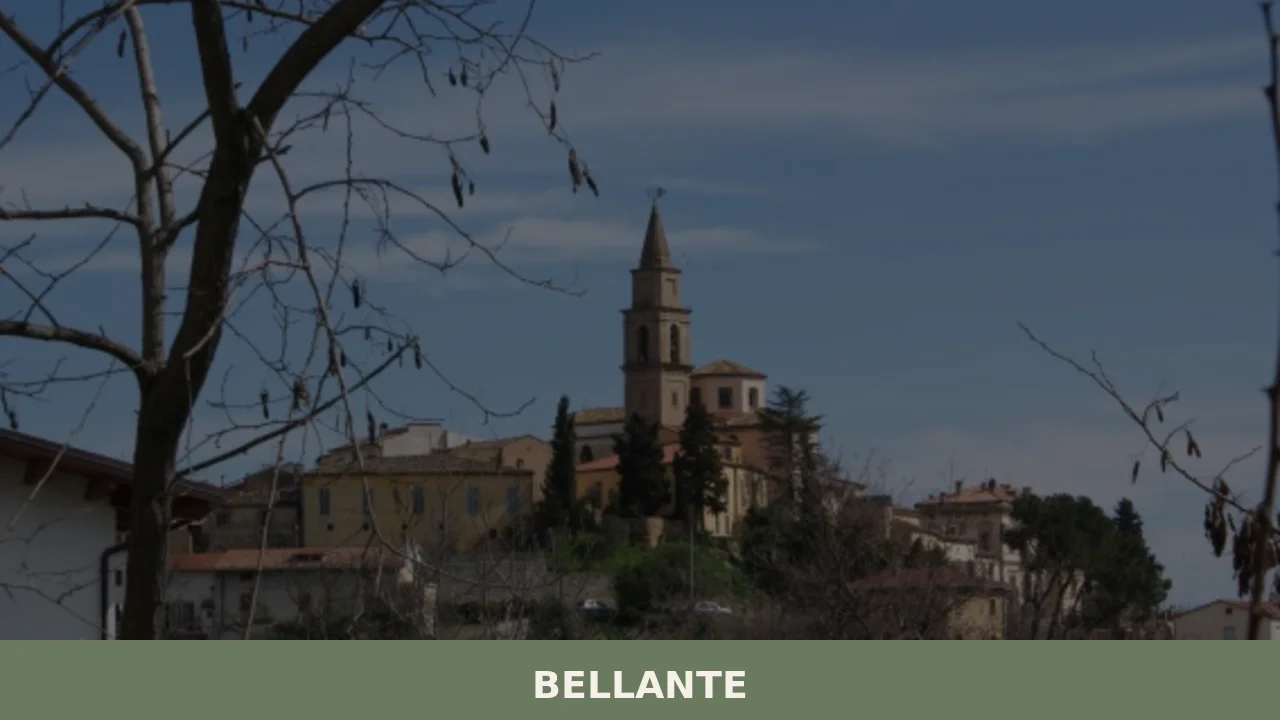
The road into Bellante rises through a sequence of switchbacks that open, at the last bend, onto a compact hilltop settlement in the Teramo hills of Abruzzo. Stone buildings press close against one another along the ridge, and the Torre Civica — the civic tower at the center of the old settlement — marks the […]
Discover Bellante
The road into Bellante rises through a sequence of switchbacks that open, at the last bend, onto a compact hilltop settlement in the Teramo hills of Abruzzo. Stone buildings press close against one another along the ridge, and the Torre Civica — the civic tower at the center of the old settlement — marks the skyline before any street sign does.
At 354 m (1,161 ft) above sea level, the air carries the dryness of the Apennine foothills, and the valley below holds the geometry of olive groves running toward the Adriatic coastal plain.
Deciding what to see in Bellante is easier once you understand the scale: a municipality of 6,849 inhabitants spread across the main hilltop centre and its surrounding frazioni, with the historic core, the parish church dedicated to Sant’Atanasio di Alessandria, and the civic tower forming the essential circuit.
Visitors to Bellante find a well-preserved medieval street plan, documented local food traditions rooted in the Teramo agricultural economy, and a patron saint festival each May 2nd that draws residents from the surrounding countryside. The Bellante highlights are concentrated enough to cover on foot in a single day, yet substantial enough to reward a slower itinerary.
History of Bellante
The origins of Bellante are tied to the pattern of hilltop fortification that characterised the Teramo province throughout the early medieval period.
Communities in this part of Abruzzo moved away from the valley floors during the centuries following the fall of the Western Roman Empire, when defensible high ground offered protection against raiding and territorial conflict. The ridge occupied by Bellante gave its inhabitants a clear view over the approaches from both the Adriatic coast to the east and the inland valleys to the west, making it a practical choice for a permanent settlement rather than a purely military post.
By the medieval period, Bellante had developed the structure visible today: a nucleus of stone buildings organised around a central civic space, with the tower functioning as the focal point of both defence and communal governance.
The town fell within the broader feudal organisation of the Kingdom of Naples, which administered much of Abruzzo for several centuries. This political context shaped the built environment — fortified walls, controlled entry points, a church positioned centrally within the settlement — in ways that are still legible in the street layout of the historic centre.
The municipality of Bellante today preserves documentation of this medieval administrative history.
The modern period brought gradual demographic and economic transformation. Agricultural activity in the Teramo hills — primarily olives, grain, and livestock — sustained the population through the eighteenth and nineteenth centuries. The unification of Italy in 1861 incorporated Bellante into the new national administrative framework, placing it within the Province of Teramo in the Abruzzo region. Population movements of the twentieth century, including emigration to industrial centres in northern Italy and abroad, reshaped the community, but the historic centre remained intact.
Today Bellante, Abruzzo, Italy registers 6,849 inhabitants across the municipality, maintaining the administrative and cultural continuity of a settlement with documented medieval roots. Travellers interested in comparable hilltop histories in the Abruzzo interior may also find useful context in Catignano, a village in the Pescara province that shares the same pattern of ridge-top settlement and Apennine agricultural economy.
What to see in Bellante, Abruzzo: top attractions
Torre Civica
The civic tower rises from the centre of the old settlement and constitutes the most immediately legible structure in the skyline of Bellante.
Built in stone consistent with the medieval construction techniques of the Teramo hills, its walls show the bonding patterns typical of communal towers erected between the twelfth and fourteenth centuries across the Kingdom of Naples. Standing at the base, the visitor can read the different courses of masonry that indicate phases of repair and consolidation over several hundred years. The tower is best observed in the morning, when the light from the east strikes the eastern face directly and reveals the texture of the stonework without shadow.
Access is through the historic centre on foot.
Parish Church of Sant’Atanasio di Alessandria
The parish church dedicated to Sant’Atanasio di Alessandria occupies a central position within the historic core and functions as the religious focal point of the entire municipality. Atanasio di Alessandria — Bishop of Alexandria in the fourth century and a central figure in early Christian theology — was chosen as the patron saint of Bellante, a dedication that places the church within a specific tradition of southern Italian and Abruzzese ecclesiastical naming.
The interior holds devotional works consistent with rural Teramo church furnishings of the seventeenth and eighteenth centuries. The feast of the patron saint on 2 May draws the largest annual gathering of residents and is the single event that brings the church facade into direct community use. Visit in the weeks before May 2nd to see the preparations underway.
Historic Centre and Medieval Street Plan
The street plan of Bellante’s centro storico follows the ridge line closely, with the main axis running along the highest ground and secondary lanes dropping toward the flanks of the hill. This organisation, typical of medieval hilltop settlements in the Province of Teramo, kept the principal civic and religious buildings on the ridge while residential structures occupied the slopes. The lane widths — in several cases under 3 m (10 ft) — and the continuous stone facades create a spatial sequence that has not been substantially altered by modern construction.
Walking the length of the main historic axis from the tower to the church covers the essential visual sequence in under twenty minutes, though the side lanes reward closer inspection for architectural details at ground level.
Views over the Teramo Countryside and Adriatic Corridor
From the northern edge of the historic centre, the terrain drops away sharply toward the Vibrata valley, and on clear days the Adriatic Sea is visible at a distance of approximately 20 km (12.4 mi) to the east.
The elevation of 354 m (1,161 ft) positions Bellante at the transition point between the Apennine foothills and the coastal plain, and the panorama captures both zones simultaneously: the angular geometry of cultivated fields on the plain and the irregular olive terraces on the nearer slopes. This viewpoint is particularly useful for understanding why this ridge was chosen for settlement. The light is clearest in autumn and winter, when atmospheric humidity is lower than in the summer months, and the profile of the Gran Sasso massif becomes visible to the southwest on days with good visibility.
Bellante Stazione and the Lower Town
Bellante Stazione, the railway frazione of the municipality, sits at a lower elevation than the historic centre and operates as the functional transport node of the community.
The separation between the hilltop historic core and the lower station settlement — a distance of approximately 4 km (2.5 mi) and a difference of roughly 280 m (919 ft) in elevation — is common to many Abruzzese hilltop municipalities where railway lines were routed through the valleys in the nineteenth century. Bellante Stazione holds the rail connection to the Teramo-Giulianova line, making it the practical arrival point for visitors travelling by train.
The lower town developed its own commercial and residential character over the twentieth century, distinct from the medieval centre above.
Local food and typical products of Bellante
The food culture of the Teramo province is among the most clearly defined in Abruzzo, shaped by the specific intersection of Apennine livestock farming, Adriatic fishing traditions, and a centuries-old cultivation of olives, grapes, and legumes on the hillside plots around settlements like Bellante.
The municipality sits within an agricultural zone where small-scale production has historically supplied local markets rather than export circuits, which means the ingredients used in traditional cooking reflect what the land around the town yields: hard wheat, pulses, pork, lamb, and the olive oil pressed from the groves visible on the slopes below the historic centre.
The most structurally important dish in the Teramo tradition is virtù teramane, a thick soup assembled on the first of May from the dried legumes and grains left over from winter storage, combined with fresh spring vegetables and cuts of pork.
The recipe requires multiple stages of cooking over several hours and historically involved contributions from different households, making it as much a social event as a culinary one.
A second staple is maccheroni alla chitarra, a square-section egg pasta cut on a wooden frame strung with steel wire — the chitarra, literally “guitar” — and dressed with lamb ragù, a sauce built from slowly braised lamb shoulder with tomato and chilli. The pasta’s cross-section, slightly different from round spaghetti, holds the fat from the meat sauce differently and is the detail that distinguishes the dish from generic pasta preparations.
Lamb appears consistently across the local table, prepared as agnello cacio e uova — pieces of lamb finished in a sauce of beaten egg and aged sheep’s cheese — a technique that uses no cream and relies on the temperature of the meat to set the egg mixture into a coating rather than a scramble.
Pork is preserved as ventricina teramana, a coarse-ground salume seasoned with sweet and hot paprika and encased in the pig’s stomach; the fat content is higher than in the Vastese version of the same name, and the flavour profile leans toward sweet pepper rather than chilli heat.
Alongside these preparations, local bakeries in the Teramo area produce parrozzo, a dome-shaped cake of cornmeal and almond, and ferratelle, thin waffle-like biscuits pressed on iron moulds heated over a flame, typically flavoured with anise or lemon zest.
The best opportunity to encounter these products in concentrated form is during the period around the feast of Sant’Atanasio on 2 May, when food stalls and local producers set up alongside the religious procession. Autumn markets in the broader Teramo province, typically running from September through November, offer olive oil from the new pressing and locally produced charcuterie.
For visitors exploring the wider area, the village of Montazzoli, in the Chieti province, shares comparable traditions of pork preservation and hand-made pasta that reflect the broader Abruzzese agricultural calendar.
Festivals, events and traditions of Bellante
The central event in Bellante’s annual calendar is the feast of Sant’Atanasio di Alessandria on 2 May.
The celebration follows the structure common to Abruzzese patron saint festivals: a religious procession carries the image of the saint through the streets of the historic centre, accompanied by the clergy, local confraternities, and residents. The route passes the main civic and religious monuments of the old town, and the procession typically concludes with a Mass at the parish church.
Music — usually provided by a local band — accompanies the outdoor portions of the event, and the evening traditionally ends with fireworks visible from the surrounding countryside.
The timing of the feast on 2 May places it within the same early-May period as the preparation of virtù teramane, the traditional soup assembled from winter stores on 1 May, creating a two-day food and devotional sequence that has historical roots in the agricultural calendar: the clearing of winter provisions and the formal opening of the spring season. This overlap between the civic feast and the food tradition is documented across the Teramo province and gives the first days of May a density of local activity that distinguishes them from the rest of the spring calendar.
Visitors planning to witness both the procession and the food preparation should arrive in Bellante by 1 May.
When to visit Bellante, Italy and how to get there
The most practical period for a visit to Bellante is late spring, specifically the last days of April and the first week of May, when the feast of Sant’Atanasio on 2 May anchors the local calendar and the temperatures on the Teramo hills are stable: typically between 14°C (57°F) and 22°C (72°F) during the day.
This window also avoids the summer heat that builds across the Abruzzo interior in July and August, when temperatures can exceed 35°C (95°F) on the valley floors. Autumn — September through November — offers a second viable window, with olive harvesting active in the surrounding groves, cooler air, and the clearest long-distance views toward the Gran Sasso and the Adriatic. Winter visits are feasible but the historic centre receives few services outside the resident community, and some small food shops operate reduced hours.
Bellante, Abruzzo, Italy sits within comfortable reach of Pescara, the nearest major city, which lies approximately 55 km (34.2 mi) to the south along the A24/A25 motorway corridor. From Pescara, the practical route follows the A14 motorway northward to the Val Vibrata exit, then continues inland on provincial roads toward the Teramo hills: total driving time is approximately 50 minutes under normal conditions.
From Rome, the distance is approximately 220 km (136.7 mi), making Bellante achievable as a day trip for travellers based in the capital, with a driving time of roughly 2 hours and 30 minutes via the A24 motorway toward L’Aquila and then north toward Teramo.
Bellante Stazione, the railway frazione, is served by regional trains on the Giulianova-Teramo line; timetables and connections are available through Trenitalia. The nearest commercial airport is Pescara Abruzzo Airport (PSR), approximately 60 km (37.3 mi) from the municipality. International visitors should be aware that English is not widely spoken in smaller shops and local bars in the Teramo hills; carrying Euros in cash is advisable, as card payment infrastructure in the historic centre is limited.
Travellers with time to extend their itinerary can combine Bellante with a visit to Lucoli, a mountain village in the L’Aquila province that offers a different elevation and landscape profile within Abruzzo, or with Casalanguida in the Chieti province, which sits in the southern section of the region and rounds out a broader circuit of Abruzzo’s inland settlements.
Frequently asked questions about Bellante
What is the best time to visit Bellante?
Autumn and winter offer the clearest panoramas from the hilltop, when low atmospheric humidity makes the Gran Sasso massif and the Adriatic coast visible simultaneously. Spring is ideal for the patron saint festival: on 2 May, Bellante celebrates the feast of Sant'Atanasio di Alessandria with the largest annual gathering of residents and a traditional community atmosphere. Late April is a good arrival window to witness preparations underway. Summer is warm but hazy, reducing the quality of the long-distance views that make the 354 m vantage point distinctive.
What are the historical origins of Bellante?
Bellante developed as a hilltop fortified settlement in the early medieval period, following the pattern common across the Province of Teramo after the fall of the Western Roman Empire. Its ridge position gave inhabitants sightlines toward both the Adriatic coast and the inland valleys. By the medieval period the settlement had a stone nucleus centred on the Torre Civica. It fell within the feudal administration of the Kingdom of Naples, which shaped its fortified layout, controlled entry points, and centrally placed church. After Italian unification in 1861 it was incorporated into the Province of Teramo.
What to see in Bellante? Main monuments and landmarks
The essential circuit covers three sites reachable on foot within the historic centre. The Torre Civica, a medieval stone tower at the heart of the old settlement, is best viewed in the morning when eastern light reveals its masonry. The Parish Church of Sant'Atanasio di Alessandria occupies the religious centre of the municipality and holds devotional furnishings from the seventeenth and eighteenth centuries. Walking the main historic axis between tower and church — under twenty minutes — captures the complete medieval street plan, with narrow lanes under 3 m wide and continuous stone facades.
What are the main natural and scenic attractions of Bellante?
From the northern edge of the historic centre the terrain drops sharply toward the Vibrata valley. On clear days the Adriatic Sea is visible approximately 20 km to the east, while olive terraces and cultivated fields occupy the nearer slopes. The viewpoint simultaneously captures the Apennine foothills and the coastal plain, and in autumn and winter — when visibility is greatest — the Gran Sasso massif appears to the southwest. The panorama is one of the clearest illustrations of why this particular ridge was chosen for permanent medieval settlement.
Where to take the best photos in Bellante?
The northern edge of the historic centre provides the most documented scenic viewpoint, offering a wide panorama across the Vibrata valley toward the Adriatic and, on clear days, the Gran Sasso massif. Autumn and winter light conditions produce the sharpest results. Within the centro storico, the base of the Torre Civica in morning light reveals the texture of the medieval stonework most effectively. The narrow lanes of the historic axis — some under 3 m wide — create compressed stone-facade perspectives that reward close-range architectural photography.
Are there museums, churches or historic buildings to visit in Bellante?
The two principal historic structures are the Torre Civica and the Parish Church of Sant'Atanasio di Alessandria. The tower, consistent with communal towers erected between the twelfth and fourteenth centuries, shows multiple phases of masonry repair and is accessible on foot through the historic centre. The church holds devotional works typical of rural Teramo furnishings from the seventeenth and eighteenth centuries and is most active around the 2 May patron feast. Specific opening hours for either structure are not officially published; visiting during morning hours on weekdays is advisable.
What can you do in Bellante? Activities and experiences
The primary activity is a self-guided walk through the centro storico, covering the Torre Civica, the parish church, and the medieval lane network in a compact circuit. The patron saint festival on 2 May offers direct participation in one of the most significant community events in the Teramo hills calendar. Food and wine exploration is well supported by the local Teramo culinary tradition — seeking out virtù teramane in early May, when it is prepared according to seasonal custom, is a practical and documented gastronomic experience tied directly to the area.
Who is Bellante suitable for? Families, couples, hikers, solo travelers?
Bellante suits travellers who prioritise authentic, unmediated hilltop villages over mass-tourism destinations. Couples and solo travellers interested in medieval architecture, Abruzzese food culture, and quiet Apennine landscapes will find the historic centre compact and rewarding. The 2 May patron feast makes it a strong choice for visitors seeking genuine local festival experience. Families with older children who enjoy scenic walks and food history will also find it engaging. The terrain requires comfortable walking shoes; the historic centre involves uneven stone surfaces and narrow lanes.
What to eat in Bellante? Local products and specialties
Bellante sits within the Teramo culinary tradition, one of the most defined in Abruzzo. Key dishes include virtù teramane, a multi-ingredient legume and pork soup traditionally prepared on 1 May; maccheroni alla chitarra, square-section egg pasta cut on a steel-wire frame and dressed with lamb ragù; and agnello cacio e uova, lamb finished in a sauce of beaten egg and aged sheep's cheese. Olive oil from the groves on the surrounding slopes is a local agricultural staple. These preparations are rooted in the specific intersection of Apennine livestock farming and hillside cultivation characteristic of the Teramo province.
Getting there
Piazza Giuseppe Mazzini, 64020 Bellante (TE)
Nearby Villages near Bellante

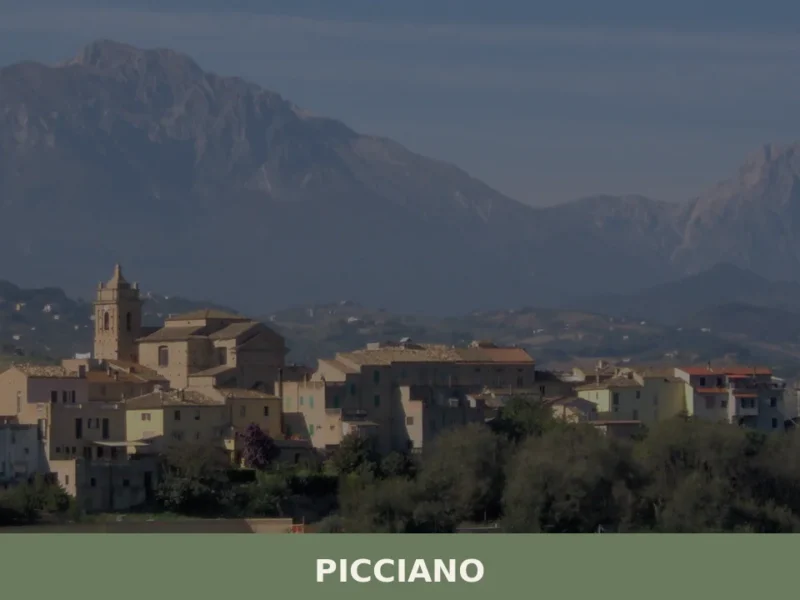

In Abruzzo More villages to discover
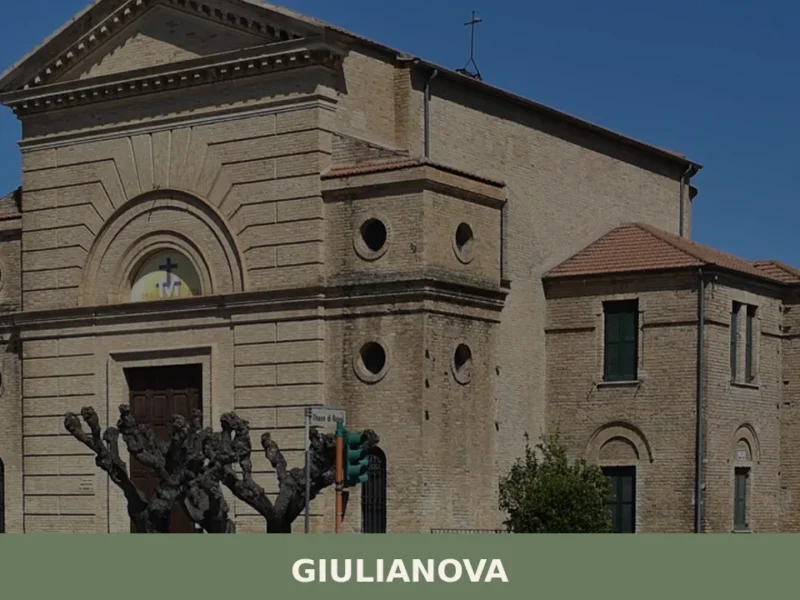
Giulianova
 Sea
Sea
In 1470, Duke Giuliantonio Acquaviva refounded the ancient settlement of Castel San Flaviano on a hill 68 metres above sea level, giving it his own name: Giulianova. The urban layout he commissioned — a regular grid with a central square and symmetrical blocks — is one of the earliest documented examples of an ideal Renaissance […]
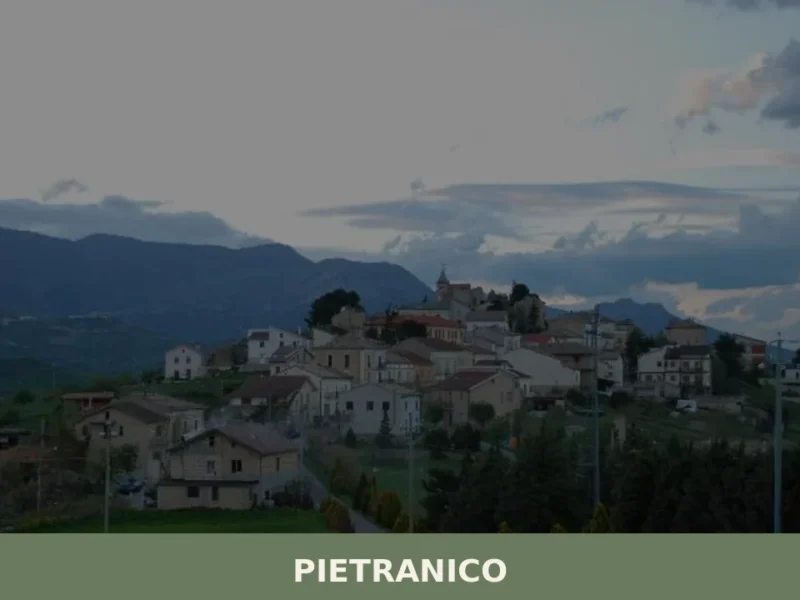
Pietranico
Hills
What to see in Pietranico, Abruzzo, Italy: 506 inhabitants, a medieval castle site, and wind-swept hilltop views. Discover top attractions and how to get there.
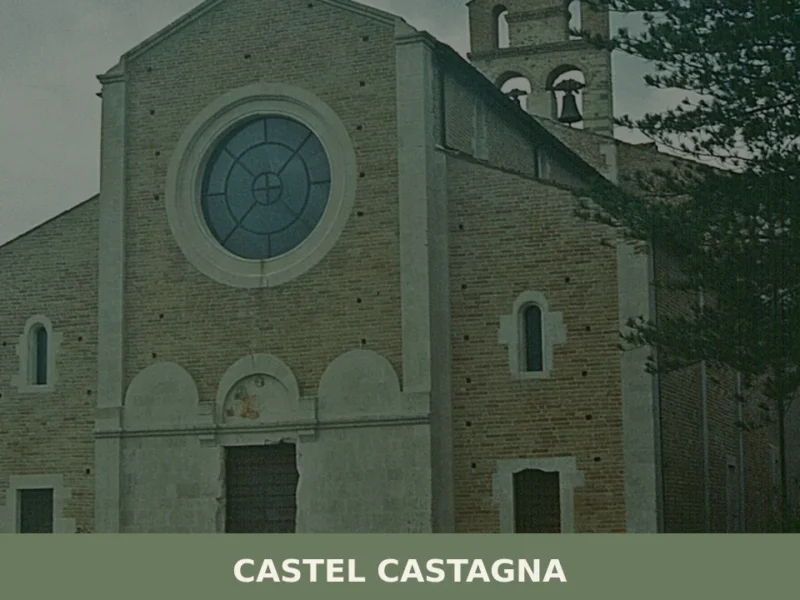
Castel Castagna
Hills
At 452 metres above sea level, on the eastern slope of the Gran Sasso, the municipality of Castel Castagna today counts 429 inhabitants spread between the main settlement and the hamlets scattered along the cultivated hillsides of the province of Teramo. Anyone wondering what to see in Castel Castagna will find answers in a territory […]
Schiavi di Abruzzo
 Mountain
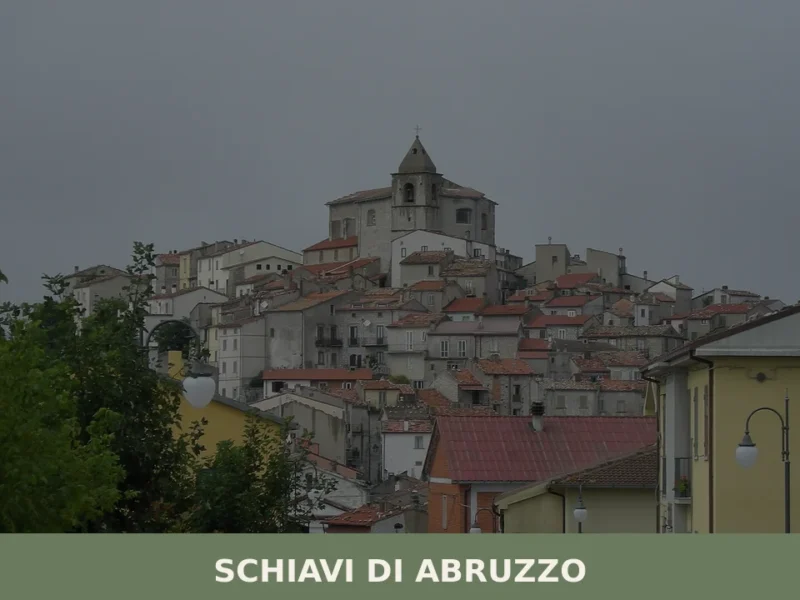
What to see in Schiavi di Abruzzo, Italy: Italic temples from 3 BC, a hilltop at 1,170 m, and a local dialect. Discover the complete travel guide for Abruzzo.
Capestrano
Hills
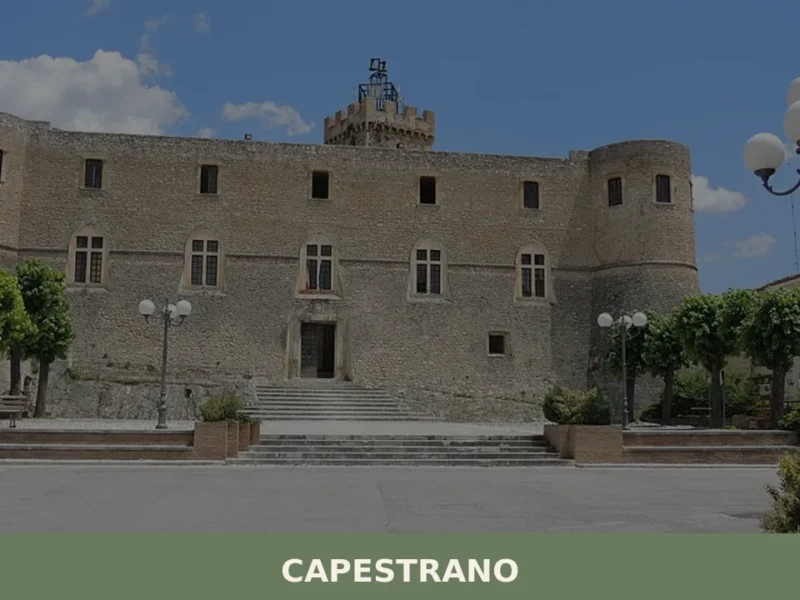
What to see in Capestrano? Discover the 5 top attractions, from Piccolomini Castle to the Warrior statue. Plan your visit to this Abruzzo village.
Carunchio
Mountain
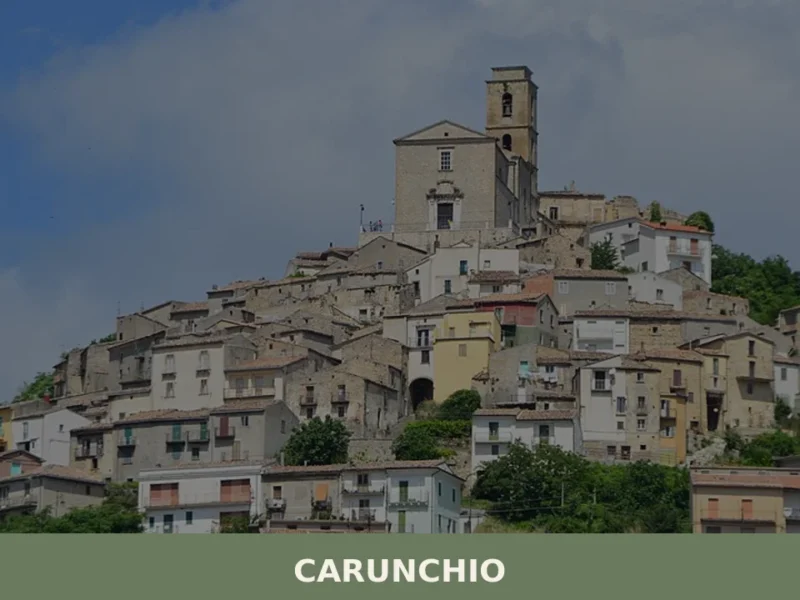
Carunchio is home to 565 inhabitants, spread along a ridge at 714 metres above sea level in the southern part of the province of Chieti, close to the border with Molise. The municipal territory extends between the Treste river and the Elce stream, two watercourses that have shaped the morphology of these clay hills over […]
Ofena
Mountain
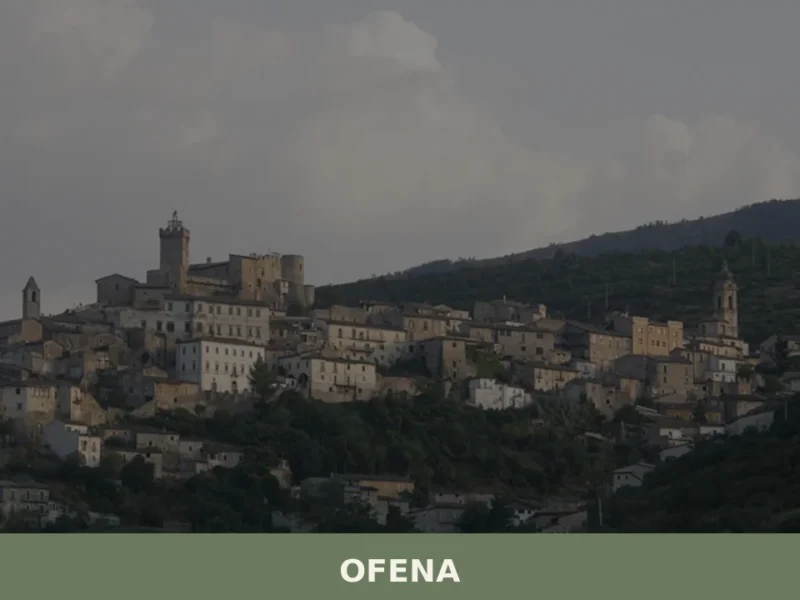
What to see in Ofena, Italy: Explore its historical significance as Aufinium and the Gran Sasso e Monti della Laga National Park. This village of 517 inhabitants offers a journey into Abruzzo's past. Read our guide.
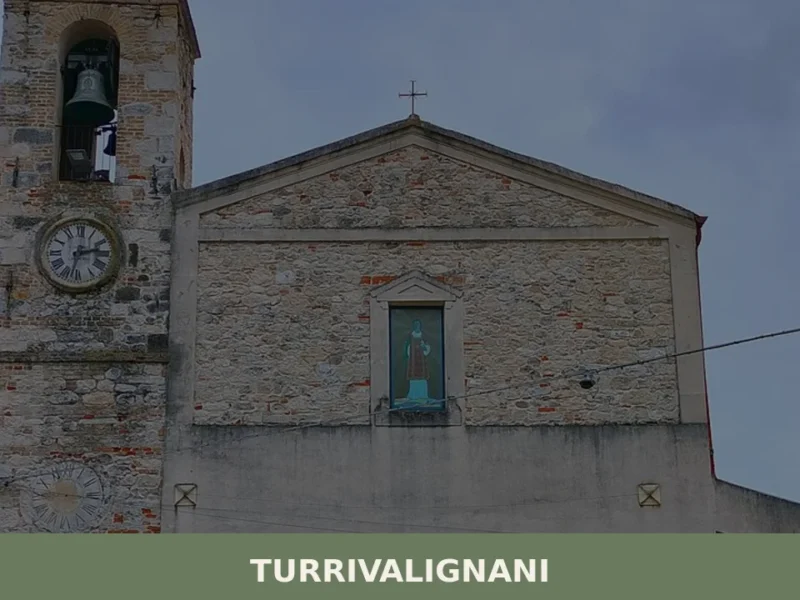
Turrivalignani
Hills
What to see in Turrivalignani? Discover the ancient village, the Church of San Nicola, and nature trails. Plan your visit to Abruzzo!
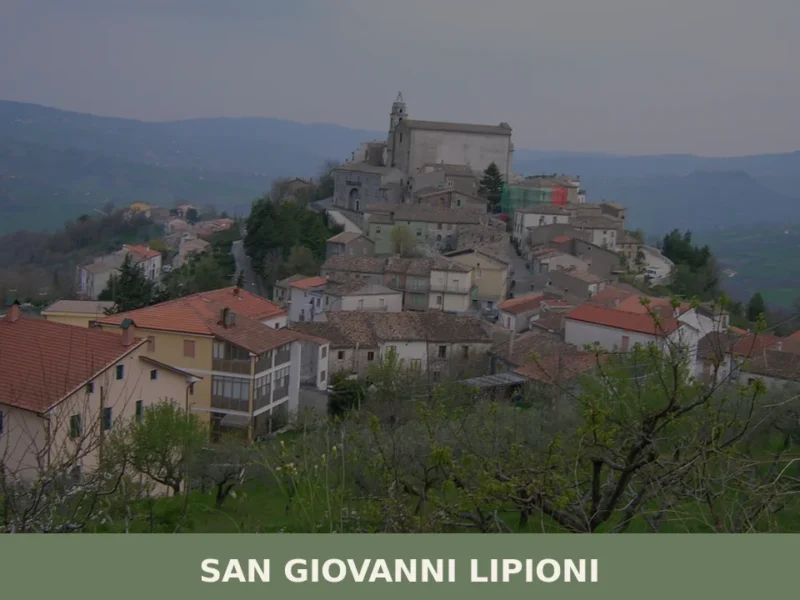
San Giovanni Lipioni
Hills
What to see in San Giovanni Lipioni, Abruzzo, Italy: explore a village at 545 m, its 17th-century church, ventricina salami and May pageant. Discover it now.
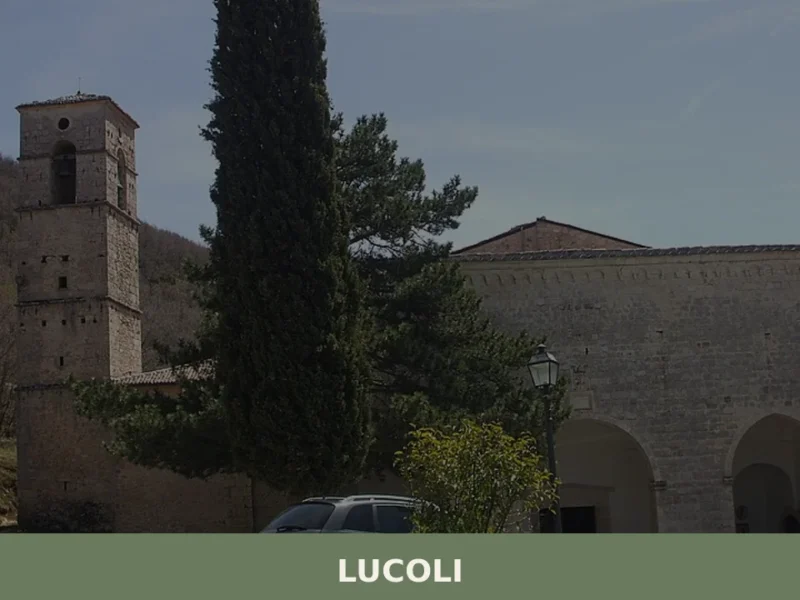
Lucoli
Mountain
Lucoli is not a compact town centre but a scattered municipality: 839 inhabitants spread across seventeen hamlets along the southern slopes of the Gran Sasso and the Velino-Sirente mountain group, at 956 metres above sea level in the province of L’Aquila. Understanding what to see in Lucoli means crossing a vast, fragmented territory where each […]





🏡 Know Bellante better than we do?
If you’re a local or have been there, your knowledge matters: add what’s missing or fix a detail on this page.