


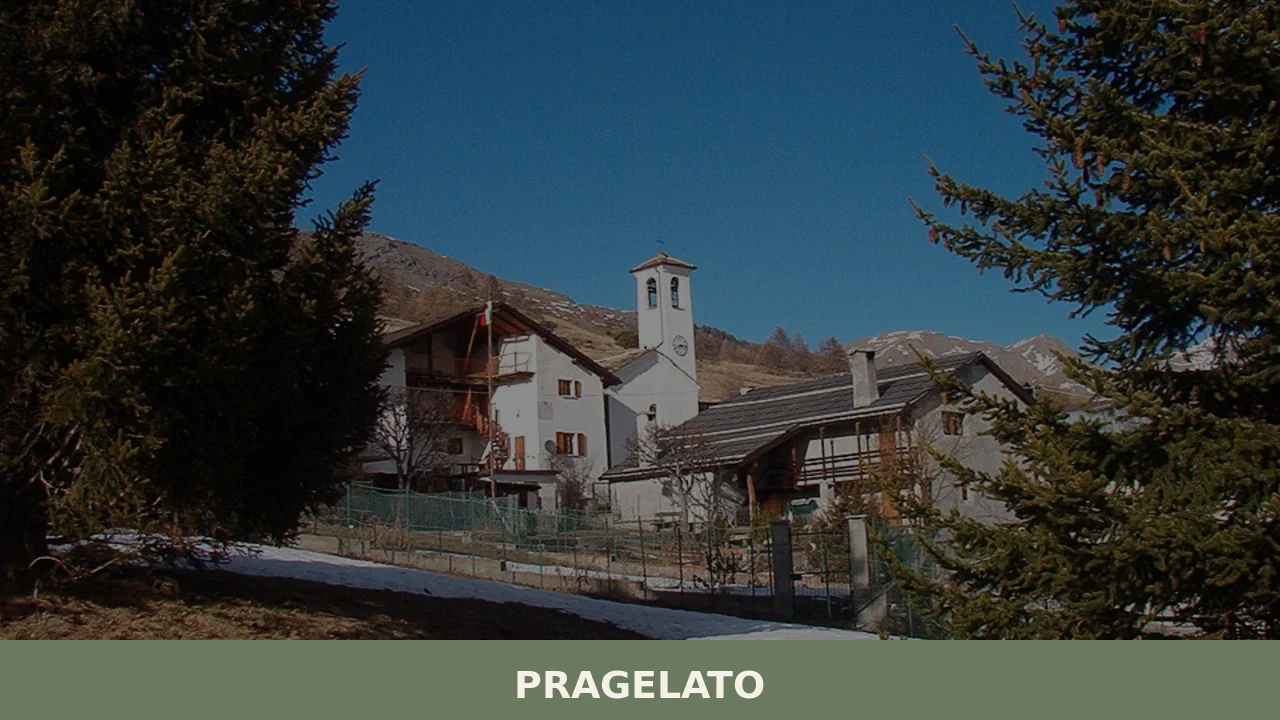
Pragelato
 Mountain
Pragelato sits at around 1,524 metres above sea level in Val Chisone, approximately 82 kilometres west of Turin, and its Occitan name — Pradzalà or Prajalats — translates directly as “frozen meadow”, a reference to the high-altitude pastures that define the landscape here. With a resident population of 692, this is a compact Alpine commune […]
Discover Pragelato
Pragelato sits at around 1,524 metres above sea level in Val Chisone, approximately 82 kilometres west of Turin, and its Occitan name — Pradzalà or Prajalats — translates directly as “frozen meadow”, a reference to the high-altitude pastures that define the landscape here. With a resident population of 692, this is a compact Alpine commune in the Metropolitan City of Turin that rewards attention precisely because it wears its geography and its Franco-Occitan heritage openly. If you are planning a visit and wondering what to see in Pragelato, the answer begins with the valley itself and the layered culture that centuries of cross-border life have deposited here.
History of Pragelato
The territory of Pragelato has a documented history of Occitan-speaking settlement that distinguishes it from much of the surrounding Piedmontese lowlands. The Occitan language, brought by communities whose cultural roots traced back to Provence and the broader Franco-Alpine arc, took deep hold in Val Chisone and remains a living presence in place names, dialect expressions and local identity to this day. The commune’s very name is Occitan in origin, not Italian, which tells you something immediate about who shaped this territory and in what cultural register they operated.
Pragelato was, for a significant period, under the administrative control of the Dauphiné, the historical province of France, rather than the House of Savoy. This cross-border political position meant that the valley maintained particular linguistic and legal customs that set it apart from villages further down towards Pinerolo and the Piedmontese plain. The transfer of the Val Chisone to the Kingdom of Sardinia under the House of Savoy came about through the Treaty of Utrecht in 1713, a dated, verifiable event that fundamentally altered the political geography of this part of the Alps and placed Pragelato within what would eventually become unified Italy.
In the twentieth century, Pragelato became known internationally when it was selected as one of the venues for the 2006 Winter Olympics held in Turin. The ski jumping and Nordic combined events took place here, bringing infrastructure investment to the valley and placing the village on maps that had previously shown only regional significance. Administratively, Pragelato was part of the Comunità Montana Valli Chisone e Germanasca until 2009, before joining the newly constituted Comunità Montana del Pinerolese from 2010 onwards — a reorganisation that reflected broader regional governance reforms across Piedmont.
What to see in Pragelato: 5 must-visit attractions
The Olympic Ski Jumping Complex
Built for the Turin 2006 Winter Olympics, this facility hosted the ski jumping and Nordic combined competitions and remains one of the most significant pieces of sports infrastructure in the Italian Alps. The large hill carries a construction-period silhouette that reads clearly against the ridge above the valley floor, and the site is now used for training and occasional competitive events.
The Borgo of Traverses
One of Pragelato’s oldest hamlets, Traverses preserves a cluster of stone-built Alpine houses whose construction reflects the Franco-Occitan building tradition of the high Val Chisone. The narrow lanes between the buildings, the wooden balconies used historically for drying fodder, and the orientation of the structures towards south-facing sun all speak to an architecture shaped by winter survival at altitude.
The Parish Church of San Marco
Pragelato’s main parish church is dedicated to Saint Mark and stands as the principal religious building in the commune. Its position within the village marks the historical civic centre, and the interior contains devotional artwork and furnishings that reflect the community’s Catholic practice through the Savoyard period following 1713, when the valley formally passed under Turin’s ecclesiastical jurisdiction.
Val Chisone Landscape and Alpine Pastures
The high meadows above Pragelato, referenced directly in the village’s Occitan name, are accessible on foot during the summer months via a network of marked trails. The trail network connects to broader routes across the Piedmontese Alpine arc, passing through pastures that were historically used for transhumance and that still carry the stone shelters — gias in local dialect — built by generations of shepherds.
The Occitan Cultural Heritage of Val Chisone
The living Occitan language and its associated oral traditions, music and place-name heritage constitute a cultural layer that is specific to this part of Piedmont. Local associations maintain this heritage through events, music and documentation, and the broader Val Chisone corridor — which includes several communes with Waldensian and Occitan histories — is formally recognised as a territory of minority linguistic interest under Italian law.
Local food and typical products
The cuisine of the Val Chisone and the Pragelato area belongs to the broader tradition of high-altitude Alpine Piedmont, where preserved and slow-cooked ingredients dominate the cold-weather table. Toma cheese, produced from the milk of cattle and sheep grazed on mountain pastures, is central to the local larder. The Toma Piemontese carries DOP status, and versions produced at altitude in valleys like Chisone have a flavour profile shaped by the variety of wild grasses in the pastures. Polenta paired with braised mountain meats, and soups built from dried pulses and root vegetables, reflect a kitchen that historically had to work with what could be stored through long winters.
For visitors eating in the valley, the agriturismo and mountain rifugio circuit offers the most direct access to local production. Meals in these settings tend to follow the seasonal calendar closely — game in autumn, dairy-forward dishes in summer when production is at its peak, and cured meats year-round. The Pinerolese area below the valley also produces distinctive charcuterie, and local wine from producers further down the Piedmontese foothills pairs naturally with the robust mountain cooking found at altitude.
Best time to visit Pragelato
Pragelato operates on two distinct seasonal axes. Winter, running from December through to March, brings reliable snowfall at altitude and activates the Nordic skiing and ski jumping infrastructure that the 2006 Olympics established. The cross-country skiing network across the upper Val Chisone is well-maintained and attracts skiers looking for a less crowded alternative to the larger downhill resorts of the surrounding area. Temperatures regularly fall well below freezing, and visitors should plan for Alpine winter conditions throughout this period.
Summer, from June to September, transforms the same landscape into walking and cycling terrain. July and August bring the best conditions for reaching the high pastures, though afternoon thunderstorms are a consistent feature of the Alpine summer and should be factored into any day walk. The shoulder months of June and September offer cooler temperatures, fewer visitors and the particular quality of Alpine light at high altitude before and after the main season. Events tied to Occitan cultural traditions tend to cluster in the summer calendar across the Val Chisone valley.
How to get to Pragelato
Pragelato lies approximately 82 kilometres west of Turin, making the regional capital the natural gateway for most visitors. The drive from Turin via the SS23 road through Pinerolo and up the Val Chisone takes approximately 90 minutes under normal conditions, with the road climbing steadily from the Piedmontese plain into the Alpine valley. There is no direct rail connection to Pragelato itself; the nearest railway station with regular service from Turin is Pinerolo, from which the upper valley is served by local bus connections.
- By car: From Turin, take the A55 towards Pinerolo, then follow the SS23 through Perosa Argentina and up the Val Chisone to Pragelato. Total distance approximately 82 km.
- By train and bus: Trains run regularly from Turin Porta Nuova to Pinerolo (approximately 40 minutes). From Pinerolo, local bus services connect to the Val Chisone, though frequency is limited — check timetables in advance.
- Nearest airport: Turin Airport (Caselle) lies approximately 100 kilometres from Pragelato. Car hire at the airport is the most practical option for reaching the valley.
- From France: The Col du Montgenèvre border crossing connects the Val Chisone corridor to the Briançon area in France, making Pragelato accessible from the French Alpine side during the warmer months when the pass is open.
Where to stay in Pragelato
Accommodation in Pragelato and the immediate Val Chisone area skews towards the kind of small-scale Alpine lodging that the mountain environment naturally generates: family-run hotels, mountain rifugi, and holiday apartments in the various hamlets that make up the commune. During the winter season, self-catering apartments in the ski area are a practical option for groups, while the summer months suit smaller guesthouses and agriturismo properties where proximity to the walking network matters more than amenity level. The commune itself is spread across several hamlets rather than concentrated in a single dense centre, so it is worth identifying which part of the valley — lower, closer to the road, or higher, closer to the Olympic facilities — suits your planned activities.
Booking well in advance is particularly advisable for the Christmas and February school holiday periods, when the Nordic skiing infrastructure draws visitors from Turin and the broader Piedmontese urban area. Outside these peaks, availability is generally reasonable. For a broader search of the Val Chisone accommodation offer, the Turismo Torino e Provincia platform lists registered properties across the metropolitan area, including the mountain valleys.
More villages to discover in Piemonte
The Alpine and pre-Alpine territory of the Metropolitan City of Turin contains villages whose histories intersect in ways that reward lateral exploration. Bobbio Pellice, in the adjacent Val Pellice, carries a deep Waldensian heritage and sits within a valley that has maintained its own distinct religious and cultural identity since the medieval period — a useful counterpoint to the Occitan-inflected history of Val Chisone. Further down towards the plain, Campiglione Fenile in the Pinerolese lowlands offers a completely different register: an agricultural comune where the flatlands of Piedmont assert themselves fully after the drama of the mountain valleys.
For those willing to range more widely across the region, Piedmont’s diversity is most visible in the contrast between its Alpine margins and its interior towns. Biella, to the northeast, is a textile city with a completely different economic and architectural identity, shaped by the wool industry rather than mountain agriculture and winter sport. Closer to Turin, Moriondo Torinese in the Collina Torinese hills represents the wine-producing flank of the metropolitan area — a landscape of vine-covered slopes that sits within 30 kilometres of the regional capital and produces wines under recognised Piedmontese designations.
—
Frequently asked questions about Pragelato
Quando si festeggia la patrona di Pragelato e come viene celebrata?
La patrona di Pragelato è Santa Maria Assunta, la cui festa ricorre il 15 agosto. Come in molti comuni alpini piemontesi, la celebrazione coincide con Ferragosto, periodo in cui il paese è più frequentato dai visitatori estivi. La data si inserisce nel calendario estivo della Val Chisone, quando le alte quote sono pienamente accessibili e le tradizioni locali di matrice occitana animano la valle.
Pragelato è adatta a una gita in giornata da Torino?
Sì, Pragelato è raggiungibile da Torino in circa 90 minuti percorrendo la SS23 attraverso Pinerolo e la Val Chisone, per una distanza di circa 82 chilometri. La giornata permette di visitare il borgo di Traverses, il complesso olimpico del salto con gli sci e di percorrere un tratto dei sentieri verso gli alpeggi. In estate è consigliabile partire la mattina presto per evitare i temporali pomeridiani tipici del clima alpino.
Esistono sentieri CAI documentati nei dintorni di Pragelato?
La rete sentieristica sopra Pragelato è inserita nella cartografia CAI relativa alla Val Chisone e al comprensorio del Pinerolese. I sentieri collegano gli alpeggi storici — localmente chiamati gias — e si raccordano ai percorsi che attraversano l’arco alpino piemontese verso il Colle del Sestriere e le valli limitrofe. Per i numeri aggiornati dei sentieri e le tracce GPS è consigliabile consultare la sezione CAI di Pinerolo o il geoportale della Regione Piemonte.
Da quale valico si può raggiungere Pragelato dalla Francia?
Il collegamento più diretto dalla Francia avviene attraverso il Colle del Monginevro, che mette in comunicazione la Val Chisone con l’area di Briançon in territorio francese. Il valico è transitabile durante i mesi più caldi dell’anno, mentre in inverno le condizioni meteo alpine possono renderne l’utilizzo problematico. Questa posizione di confine riflette la secolare connessione della valle con il Delfinato francese, di cui Pragelato fece parte prima del Trattato di Utrecht del 1713.
Frequently asked questions about Pragelato
When is the patron saint of Pragelato celebrated and how is it observed?
The patron saint of Pragelato is the Assumption of Mary, whose feast day falls on August 15th. As in many Alpine towns in Piedmont, the celebration coincides with Ferragosto, a period when the village attracts the most summer visitors. The date fits into the summer calendar of the Chisone Valley, when higher elevations are fully accessible and local Occitan traditions animate the valley.
Is Pragelato suitable for a day trip from Turin?
Yes, Pragelato is reachable from Turin in approximately 90 minutes via the SS23 through Pinerolo and the Chisone Valley, covering about 82 kilometers. A day trip allows you to visit the Traverses hamlet, the Olympic ski jumping complex, and walk a stretch of trails toward the alpine pastures. In summer it is advisable to depart early in the morning to avoid the afternoon thunderstorms typical of alpine weather.
Are there documented CAI trails in the area around Pragelato?
The trail network above Pragelato is included in the CAI cartography for the Chisone Valley and the Pinerolo area. The trails connect historic alpine pastures—locally called gias—and connect to paths that cross the Piedmont Alpine arc toward the Sestriere Pass and neighboring valleys. For updated trail numbers and GPS tracks it is recommended to consult the Pinerolo CAI section or the Piedmont Region's geoportal.
Which pass can be used to reach Pragelato from France?
The most direct connection from France is via the Monginevro Pass, which links the Chisone Valley with the Briançon area in French territory. The pass is passable during the warmest months of the year, while in winter alpine weather conditions can make its use problematic. This border location reflects the centuries-old connection of the valley with the French Dauphiné, of which Pragelato was part before the Treaty of Utrecht in 1713.
📷 Photo Gallery — Pragelato
Nearby Villages near Pragelato
In Piedmont More villages to discover
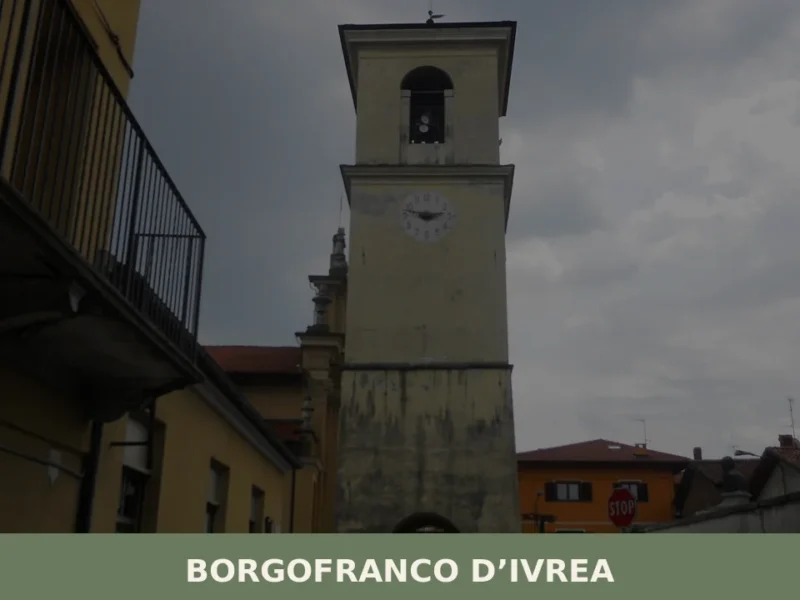
Borgofranco d’Ivrea
 Hills
Hills
Discover what to see in Borgofranco d'Ivrea: medieval street grid, Serra d'Ivrea moraine, Canavese food and practical travel tips for this Piedmont village.

Pramollo
Mountain
212 residents spread across mountain hamlets at 1,071 metres. Protestant heritage and Alpine pasture define this Turin comune in Piemonte.
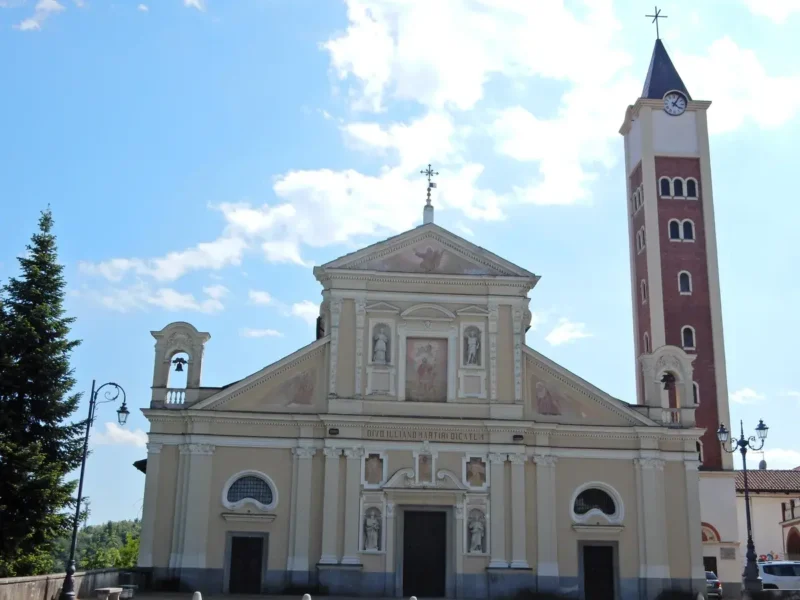
Barbania
Hills
What to see in Barbania: 5 attractions in this Piedmontese village, from the parish church to the castle. Discover the complete guide to plan your visit.

Montà
Hills
4 distinct hamlets, one medieval castle and over 35 km of trails make Montà a rewarding base for exploring the Roero hills of Cuneo province.

Porte
Hills
Discover what to see in Porte, a 1,108-inhabitant comune in the Metropolitan City of Turin with Occitan heritage, foothill walks, and Piedmontese food culture.
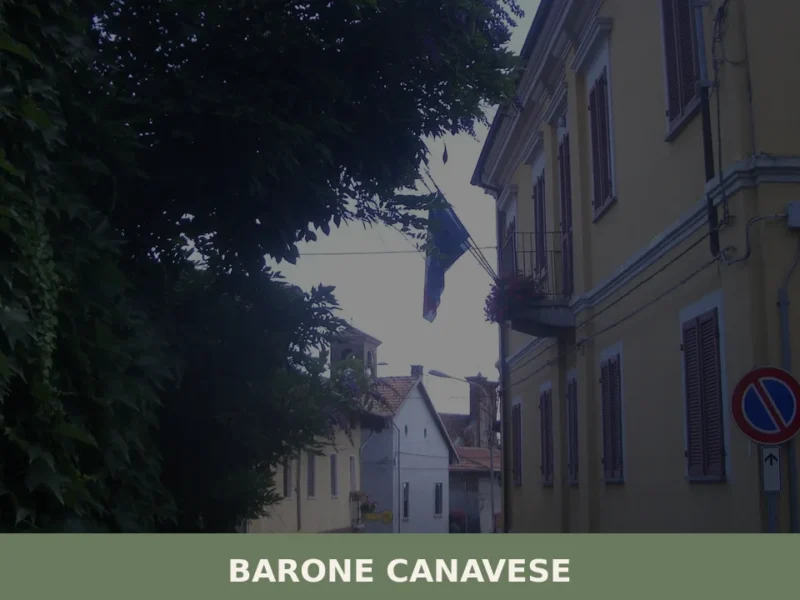
Barone Canavese
Hills
Barone Canavese has 554 inhabitants and sits at 325 metres above sea level, on the hills of eastern Canavese in the province of Turin. Those wondering what to see in Barone Canavese will find a small municipality set within a well-defined hill landscape, notable for its historic religious buildings and a road network connecting the […]
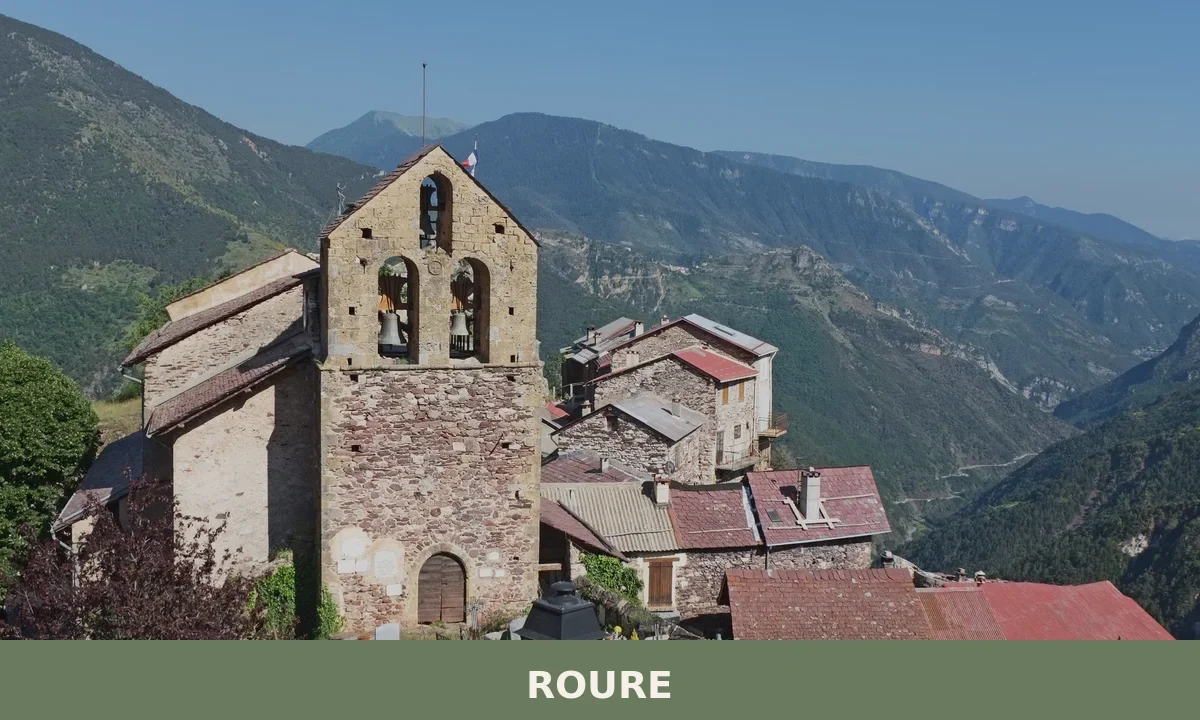
Roure
Mountain
A dispersed mountain commune of 752 residents in Turin province. Stone hamlets linked by valley pathways, climbing crags and 2000-metre drops into wilderness.
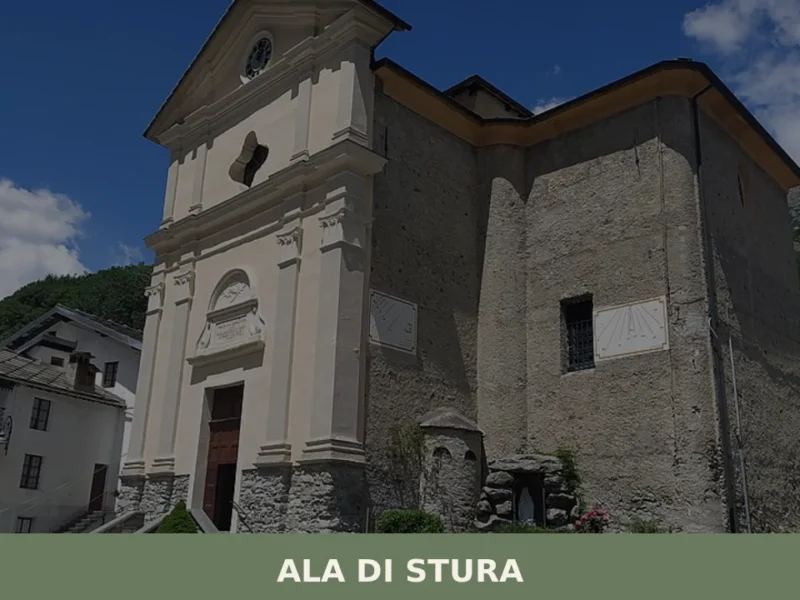
Ala di Stura
Mountain
Every year on 4 September, in Ala di Stura, the bells of the Parish Church of San Grato ring out with special fervour, announcing the patron saint’s feast day. This annual ritual, rooted in centuries of mountain history, is more than a simple religious celebration: it is a call to a community that, at 1,080 […]
Scarmagno
Mountain
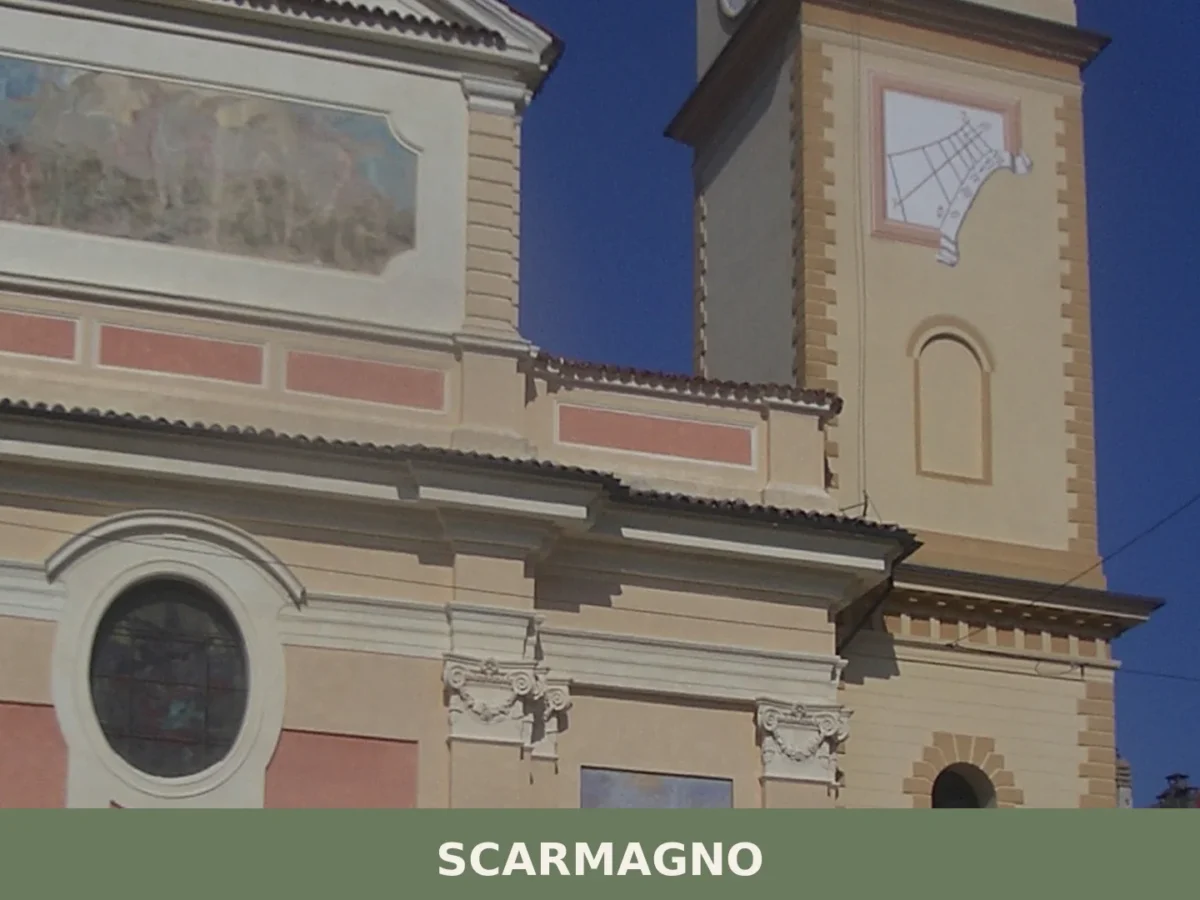
Population 796. A small Piedmontese comune where 10th-century stone chapels stand within sight of the automated Olivetti plant that once produced 200,000 computers annually.

San Bernardino Verbano
Mountain
San Bernardino Verbano unites 3 historic hamlets at 304 m above Lake Maggiore, offering Val Grande trails, partisan history, and genuine Piedmontese cuisine.



🏡 Know Pragelato better than we do?
If you’re a local or have been there, your knowledge matters: add what’s missing or fix a detail on this page.