


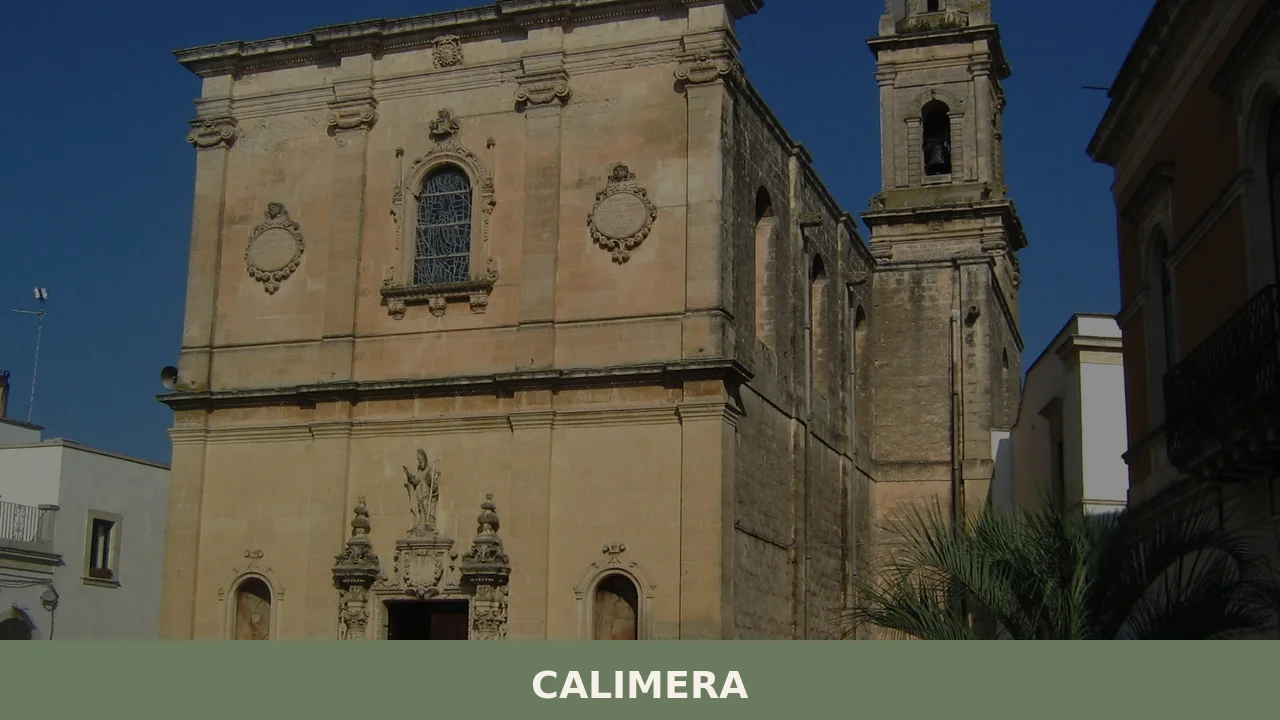
Calimera
 Plains
Discover what to see in Calimera, the Puglia village at the heart of the Grecu00eca Salentina u2014 Griko culture, historic architecture, olive oil and local festivals.
Discover Calimera
Nine municipalities in the Salento peninsula share a living linguistic heritage that has survived for over a millennium: the Griko language, a dialect of Greek origin still spoken by a portion of the local population. Calimera, whose very name means “good morning” in Greek (kalimèra), sits at the heart of this territory — the Grecìa Salentina — 16 kilometres south of Lecce. With a population of 6,631, it is one of the most culturally significant of the nine Griko-speaking communes, and understanding this linguistic identity is the first key to grasping what to see in Calimera and why the village rewards a careful visit.
History of Calimera
The Greek-origin toponym Kalimèra is not decorative coincidence — it reflects the settlement’s genuine linguistic roots in the Byzantine period, when Greek-speaking communities established themselves across the Salento peninsula between the 9th and 11th centuries. Scholars of the Griko tradition place the linguistic consolidation of the area during this period of Byzantine administrative control over southern Italy, before the Norman conquest gradually replaced Greek ecclesiastical and civic structures with Latin ones. The language that survived in Calimera and its eight neighbouring communes did so in isolation, preserving phonological and grammatical features that have since disappeared from mainland Greek dialects.
During the feudal period, Calimera passed through the hands of several noble families who held jurisdiction over much of the Terra d’Otranto — the historical designation for the broader Salento region under the Kingdom of Naples. The village’s physical fabric reflects the layered authority of these successive feudal lords: older agricultural structures, a historic church at the centre of the built fabric, and the characteristic corte — enclosed courtyard dwellings — typical of Salentine vernacular architecture. The transition from feudal to civic administration that followed the Napoleonic reforms of the early 19th century reorganised the village’s administrative status within what would later become the province of Lecce.
The 20th century brought renewed academic and institutional attention to the Griko linguistic community. In 1993, the nine municipalities of the Grecìa Salentina — including Calimera — were formally recognised as a cultural association, eventually leading to protections under Italian legislation on linguistic minorities. This institutional recognition transformed Calimera into one of the reference points for Griko cultural research and documentation, attracting linguists, ethnomusicologists and anthropologists interested in the pizzica folk music tradition and its relationship to the broader Griko cultural identity. The village’s cultural centre and its role in the annual La Notte della Taranta festival network situate it firmly within a living, documented cultural geography.
What to see in Calimera: 5 must-visit attractions
Church of Sant’Vito Martire
The parish church dedicated to Saint Vito stands at the centre of Calimera’s historic core and represents the principal religious building of the commune. Its current structure reflects successive building campaigns typical of Salentine ecclesiastical architecture, incorporating Baroque decorative elements applied to an older foundation. The façade faces the main piazza, anchoring the civic and religious life of the village.
The Griko Cultural Centre
Calimera hosts one of the institutional reference points for the documentation and promotion of the Griko language and culture. The centre serves as an active repository of linguistic research, oral traditions and ethnographic material related to the nine-commune Grecìa Salentina. It functions as both archive and meeting point for scholars and community members engaged in language preservation and transmission.
The Historic Centre and Courtyard Dwellings
Walking the lanes of the old town reveals the characteristic corte system — clusters of dwellings arranged around shared internal courtyards, a typology common across the Salento but particularly well-preserved in Calimera. These structures, built in the local pietra leccese limestone, date primarily from the 17th to 19th centuries and reflect the agricultural social organisation of the community.
The Communal Territory and Olive Groves
The agricultural landscape surrounding Calimera consists largely of ancient olive groves, many containing centuries-old specimens with gnarled, multi-trunk forms characteristic of Salentine ulivi secolari. These groves, which produce oil under the Terra d’Otranto DOP designation, are integral to the village’s economic and landscape identity.
The Piazza and Village Streetscape
Calimera’s central piazza functions as the primary public space where civic life concentrates, particularly during the evening passeggiata and during seasonal festivals. The ensemble of buildings around the square — combining the parish church, municipal buildings and historic residential structures — provides a coherent architectural reading of how a mid-Salento village of this scale organised its public space from the post-feudal period onward.
Local food and typical products
Calimera sits within one of the most clearly defined food-production zones in Puglia. The olive oil produced from the groves of the Salento falls under the Terra d’Otranto DOP, a protected designation that covers a significant portion of the province of Lecce. Local varieties of olive — particularly the Ogliarola leccese and Cellina di Nardò — yield oils with fruity, low-bitterness profiles used in virtually every preparation. The village’s proximity to Lecce means the broader Salentine culinary repertoire is fully present: ciceri e tria (a pasta and chickpea dish with partially fried noodles), pittule (fried dough balls served at street festivals), friselle softened in water and dressed with tomato and oil, and rustico leccese — a baked pastry filled with béchamel, tomato and mozzarella — appear in the surrounding territory’s trattorias and family tables.
For eating in and around Calimera, the practical options range from family-run trattorias in the village itself to agriturismo restaurants operating on the olive and vineyard estates of the surrounding countryside. The Salento’s wine production — centred on varieties like Negroamaro and Primitivo — pairs naturally with the local cuisine, and bottles from nearby DOC zones such as Salice Salentino appear regularly on local wine lists. Visitors planning a meal should note that, in smaller Salentine villages, kitchens often open later than northern Italian norms: lunch service rarely begins before 13:00 and dinner before 20:00, with many establishments closing on weekdays outside the summer months.
Best time to visit Calimera
The Salento’s climate is classifiable as Mediterranean, with dry summers regularly reaching 35°C and mild winters rarely dropping below 5°C. For visiting Calimera with the primary intention of exploring the village’s architecture, cultural institutions and surrounding landscape, the months of April through June and September through October offer the most practical conditions: temperatures are moderate, the olive groves and countryside are at their most visually expressive, and the summer tourist pressure concentrated along the Adriatic and Ionian coasts has not yet — or has already — peaked. August brings significant internal Italian tourism to the Lecce province, which animates village life but also concentrates demand on accommodation and restaurants.
The most culturally significant period for a visit tied to the Griko heritage is late July to late August, when the broader La Notte della Taranta festival circuit activates across the nine communes of the Grecìa Salentina. The festival, which culminates in a large concert at Melpignano, generates a series of smaller events in each of the member villages, including Calimera. These events — combining live Griko music, pizzica dancing and open-air performances — provide a direct encounter with the living cultural tradition that defines the village’s identity. Booking accommodation well in advance is essential for this period.
How to get to Calimera
Calimera lies 16 kilometres south of Lecce, the provincial capital, and is accessible by road or public transport connections routed through that city. The nearest major airport is Brindisi Airport (Aeroporto del Salento), approximately 45 kilometres to the north, which receives domestic Italian and international European flights, particularly on low-cost carriers. From Brindisi, the practical route to Calimera runs via the SS16 toward Lecce, then south along the provincial roads into the Grecìa Salentina.
- By car from Lecce: approximately 20–25 minutes via the SP 362 provincial road heading southeast
- By car from Brindisi: approximately 45–50 minutes
- By car from Taranto: approximately 55–65 minutes via the SS7ter
- By train: the nearest railway station with regular Trenitalia service is Lecce; local bus connections from Lecce to Calimera operate via the provincial transport network, though frequencies are limited and a car is strongly advisable for independent travel in the Salento interior
- By motorway: the A14 motorway (Autostrada Adriatica) connects to the Lecce area via the Brindisi Nord or Brindisi Sud exits, from which the approach to Calimera continues on state and provincial roads
For current bus timetables and regional transport options within the province of Lecce, SitaSud Trasporti operates several routes connecting Lecce to the Grecìa Salentina communes.
Where to stay in Calimera
Calimera itself offers a limited but functional range of accommodation options, primarily in the form of B&Bs and small guesthouses operating within the historic centre or in residential buildings on the village periphery. Holiday apartments — often rented directly by local families — provide an alternative for visitors planning a stay of several days who want to use the village as a base for exploring the broader Grecìa Salentina. The nature of the accommodation offer here is small-scale: there are no large hotel complexes within the village, which means availability during peak festival weeks in July and August can become tight quickly.
An alternative base worth considering is Lecce itself, 16 kilometres to the north, which has a fuller accommodation infrastructure including hotels, boutique guesthouses and serviced apartments — and from which Calimera is a short drive. Agriturismi operating on olive estates in the surrounding countryside represent another practical option for visitors who want proximity to the landscape. Whichever option you choose, booking two to three months in advance for the summer period is a practical minimum, particularly if your travel dates coincide with the La Notte della Taranta circuit events.
More villages to discover in Puglia
Puglia’s interior offers a geographical range that extends well beyond the Salento. In the northern part of the region, the Apennine foothills of the Capitanata produce a very different landscape and settlement pattern from the flat olive plains around Calimera. Castelluccio Valmaggiore, set in the Monti Dauni, exemplifies the mountain village typology of inland Puglia, while Castelnuovo della Daunia represents another dimension of the region’s complex feudal and agricultural history in a similarly upland context. Both villages illustrate how radically the Puglian experience changes when you move from the low-lying, sea-oriented Salento to the western highlands.
Coastal Puglia adds yet another layer of variation. Peschici, on the Gargano promontory, presents the dramatic cliff-and-sea geography of the Adriatic north, where the settlement pattern and economy have been defined by fishing and the limestone coastal topography rather than by olive agriculture. For visitors interested in how Puglia’s urbanisation evolved in the fertile agricultural zones between Bari and Taranto, Adelfia, south of Bari, offers a point of comparison with the denser settlement patterns of the Murge plateau. Taken together, these villages sketch the breadth of a region that is far more internally diverse than its coastal summer tourism profile suggests.
Frequently asked questions about Calimera
What is the best time to visit Calimera?
The ideal times to visit Calimera are April-June and September-October, offering moderate temperatures perfect for exploring the village and surrounding olive groves without the peak summer heat. For a deep dive into Griko culture, late July to late August is culturally significant, aligning with the La Notte della Taranta festival circuit, which includes events in Calimera. Additionally, the village celebrates its patron saints, San Brizio and Maria SS. di Roca, on July 29th and the first Saturday of May, offering unique local experiences.
What are the historical origins of Calimera?
Calimera's history is deeply rooted in its name, which means 'good morning' in Greek, reflecting its origins during the Byzantine period between the 9th and 11th centuries. This era saw the establishment of Greek-speaking communities, consolidating the Griko language that defines the Grecìa Salentina. The village subsequently passed through various feudal lords, shaping its architecture and social structures. Modern recognition of its Griko linguistic heritage in the 20th century transformed Calimera into a vital cultural reference point.
What to see in Calimera? Main monuments and landmarks
Visitors to Calimera should explore the Church of Sant'Vito Martire, the principal religious building in the historic core, featuring Baroque elements. A visit to The Griko Cultural Centre is essential for understanding the village's unique linguistic heritage, serving as an archive and meeting point for researchers and locals. Wander through The Historic Centre to admire the characteristic 'corte' (courtyard dwellings) built from local pietra leccese. Don't miss the picturesque Communal Territory and ancient Olive Groves, integral to the village's landscape, and experience daily life in the central Piazza, the heart of civic activity.
What are the main natural or scenic attractions of Calimera?
Calimera's primary natural and scenic attraction lies in its extensive Communal Territory and ancient Olive Groves. These groves feature magnificent centuries-old olive trees ('ulivi secolari') with their distinctive gnarled trunks, forming a landscape integral to the village's identity and economy. Visitors can appreciate the beauty of this agricultural scenery, which also produces the renowned Terra d'Otranto DOP olive oil, by exploring the paths that wind through the countryside.
Where to take the best photos in Calimera?
For memorable photos in Calimera, focus on the historic centre's narrow lanes and its charming courtyard dwellings (corte), which showcase typical Salentine vernacular architecture in pietra leccese. The main Piazza, with the impressive façade of the Church of Sant'Vito Martire and surrounding historic buildings, offers classic village streetscapes, especially during the evening 'passeggiata'. Additionally, the ancient, gnarled olive groves in the communal territory provide stunning landscape photography opportunities, particularly during sunrise or sunset.
Are there museums, churches or historic buildings to visit in Calimera?
Yes, Calimera offers several significant cultural and historic sites. You can visit the Church of Sant'Vito Martire, the central parish church with Baroque elements. The Griko Cultural Centre serves as a vital 'living museum' and archive for the unique Griko language and culture. Furthermore, the village's historic centre is itself an open-air architectural experience, featuring well-preserved 17th- to 19th-century courtyard dwellings (corte) built from local pietra leccese, reflecting traditional Salentine life.
What can you do in Calimera? Activities and experiences
In Calimera, immerse yourself in its unique Griko culture by visiting The Griko Cultural Centre and exploring the historic centre's traditional 'corte' dwellings. Experience local life during the evening 'passeggiata' in the central Piazza. Engage with cultural events related to the La Notte della Taranta festival circuit in late July/August, or join the patron saint celebrations on July 29th and the first Saturday of May. Indulge in the local food and wine, tasting Terra d'Otranto DOP olive oil, traditional dishes like 'ciceri e tria', and regional Negroamaro or Primitivo wines. You can also enjoy leisurely walks through the surrounding ancient olive groves.
Who is Calimera suitable for? Families, couples, hikers, solo travelers?
Calimera is ideally suited for cultural enthusiasts and history buffs interested in the unique Griko linguistic heritage and Byzantine-era roots. Couples and solo travelers seeking an authentic, tranquil Salentine village experience will appreciate its historic centre, traditional architecture, and local cuisine. It's also great for food and wine lovers eager to explore local DOP olive oils and regional dishes. While not a primary hiking destination, those who enjoy gentle walks through picturesque olive groves will find it appealing. Visitors looking for vibrant cultural festivals, especially during La Notte della Taranta, will find Calimera particularly rewarding.
What to eat in Calimera? Local products and specialties
Calimera offers a rich taste of Salentine cuisine. The star is Terra d'Otranto DOP olive oil, produced from local Ogliarola leccese and Cellina di Nardò olives. Must-try dishes include ciceri e tria, a pasta and chickpea specialty with fried noodles, and pittule, savory fried dough balls often found at festivals. Enjoy friselle softened with tomato and olive oil, and the iconic rustico leccese, a baked pastry filled with béchamel, tomato, and mozzarella. Pair your meal with excellent local wines made from Negroamaro and Primitivo grapes, such as those from the Salice Salentino DOC zone.
Nearby Villages near Calimera
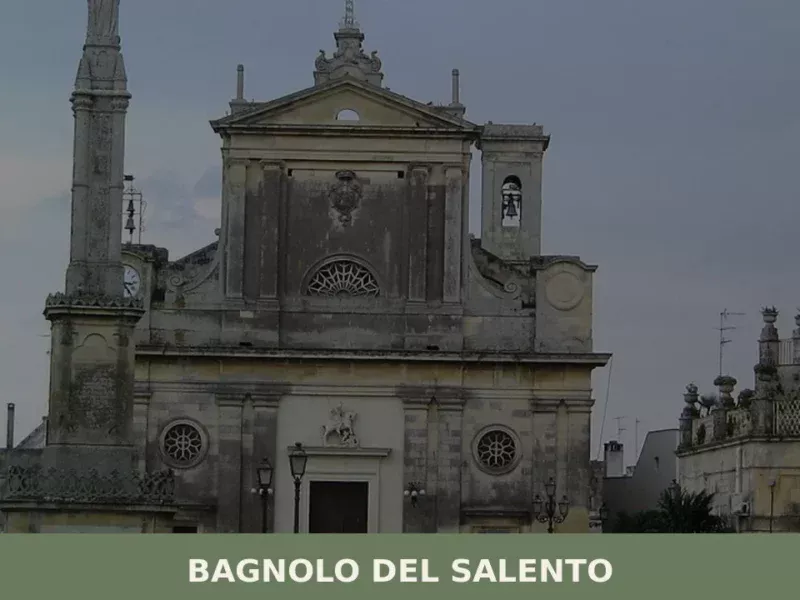
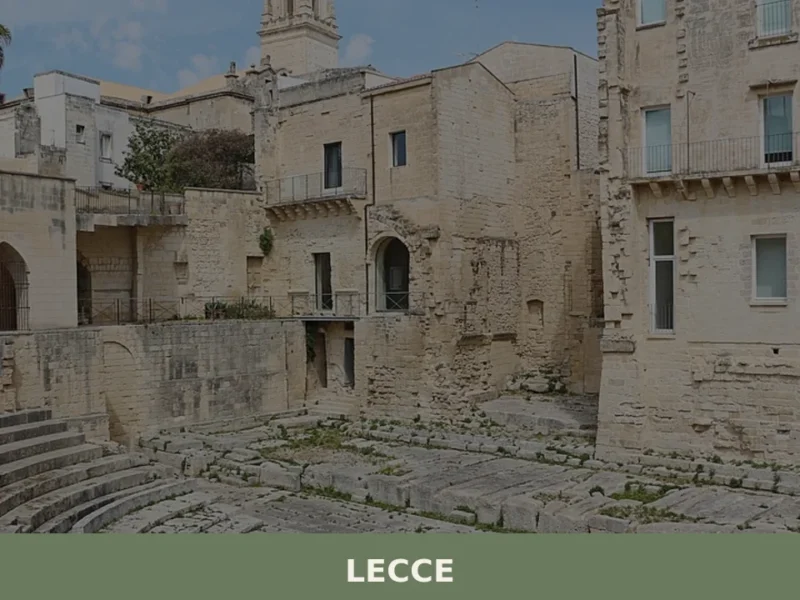
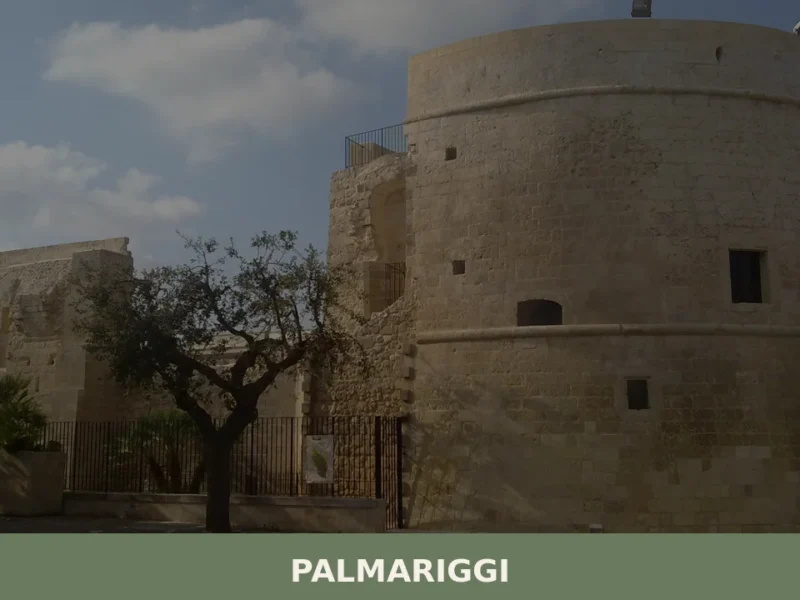
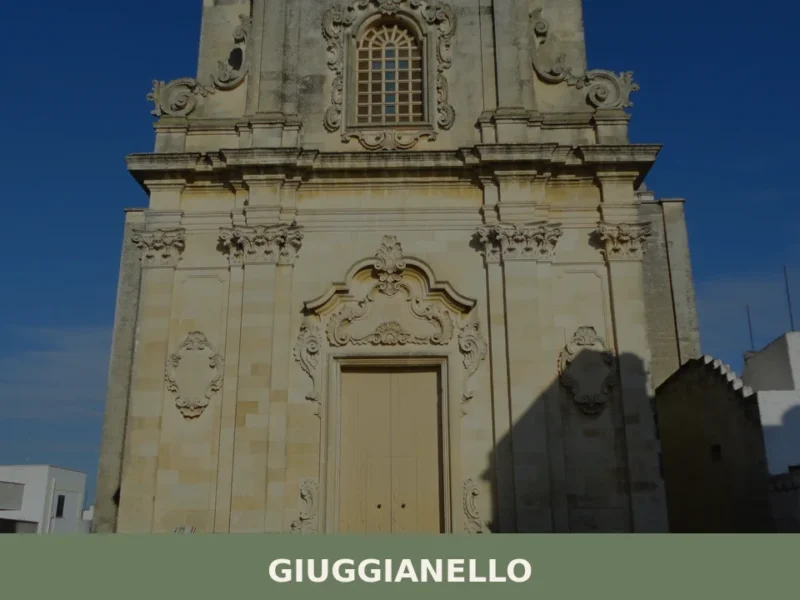
In Apulia More villages to discover
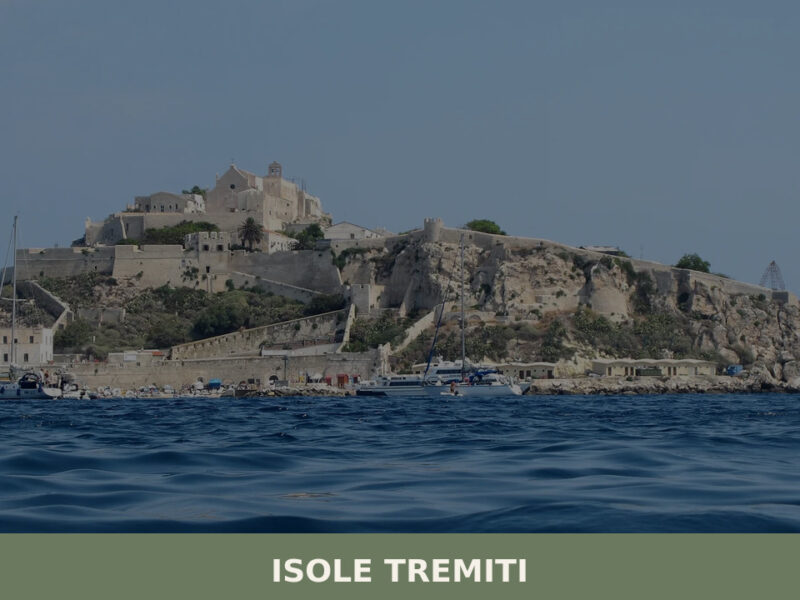
Isole Tremiti
 Sea
Sea
A 481-resident archipelago off Puglia's Gargano coast, the Tremiti Islands compress monastic history, Adriatic wildlife, and sea caves into three inhabited islands.
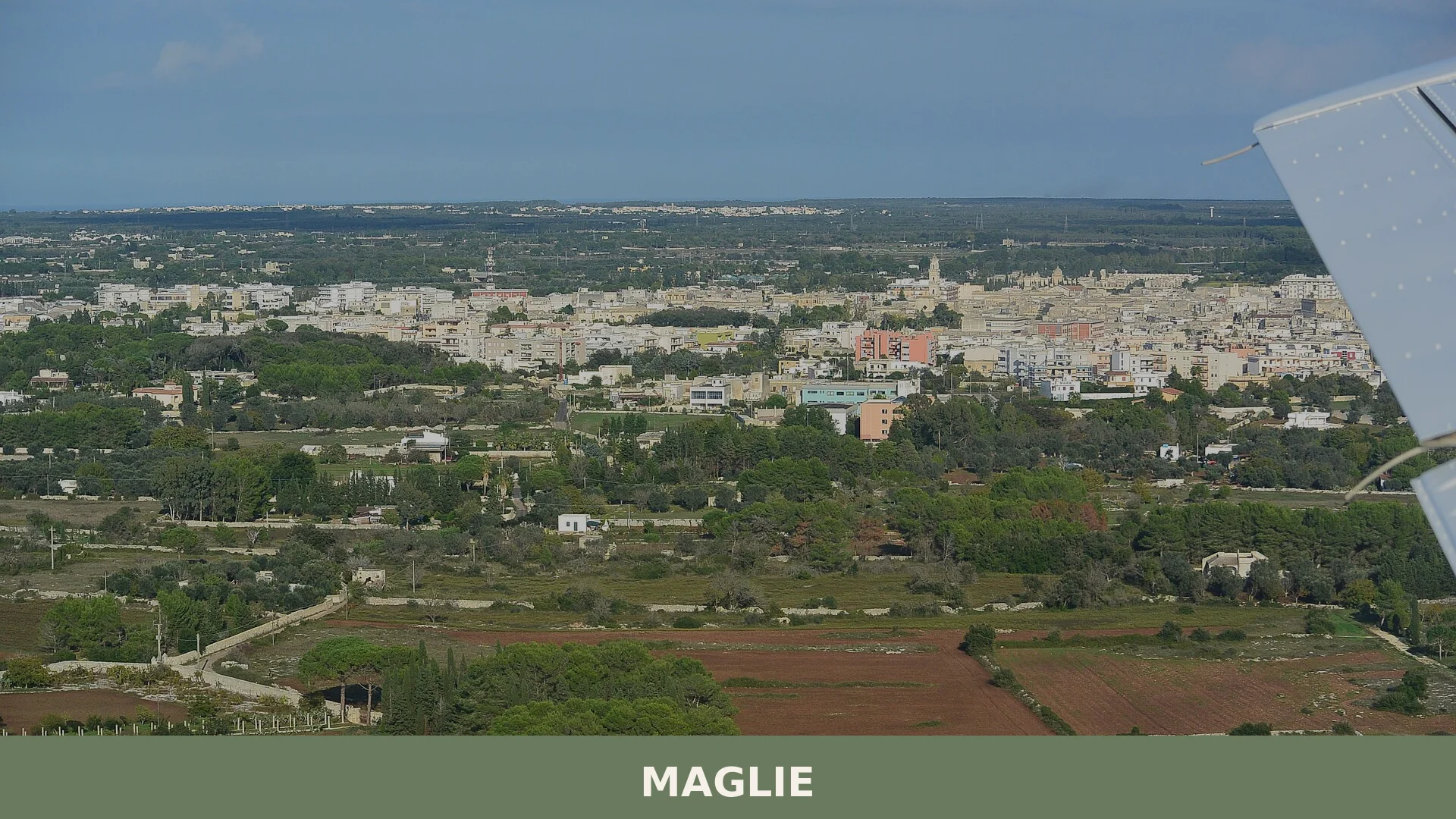
Maglie
Plains
A town of 13,265 inhabitants rooted in medieval feudalism and Baroque art. Maglie sits at the crossroads of Salento's agricultural identity, anchored by its cathedral and a layer of history that reaches back to the Bronze Age.
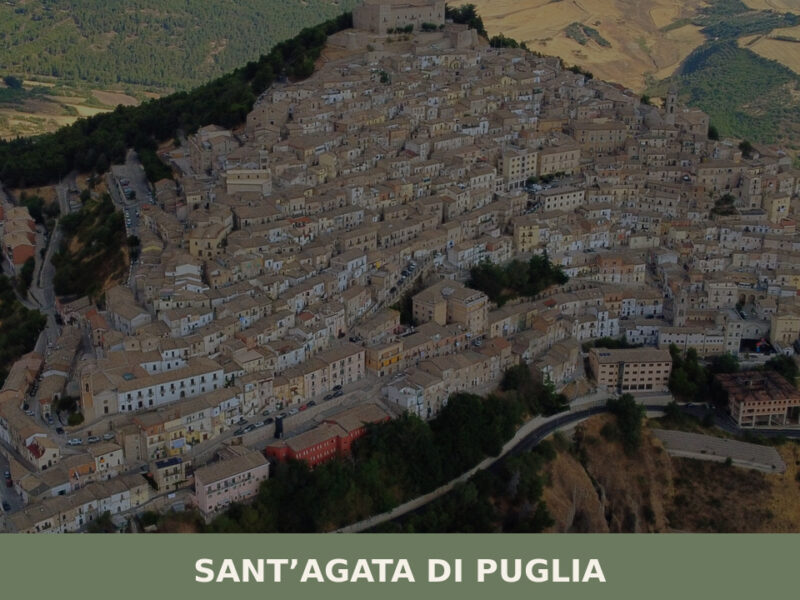
Sant’Agata di Puglia
 Mountain
A ridge-top village at 794 metres in the Daunia hills, Sant'Agata di Puglia rewards slow exploration with its Norman castle, stepped stone alleyways, and mountain cooking.
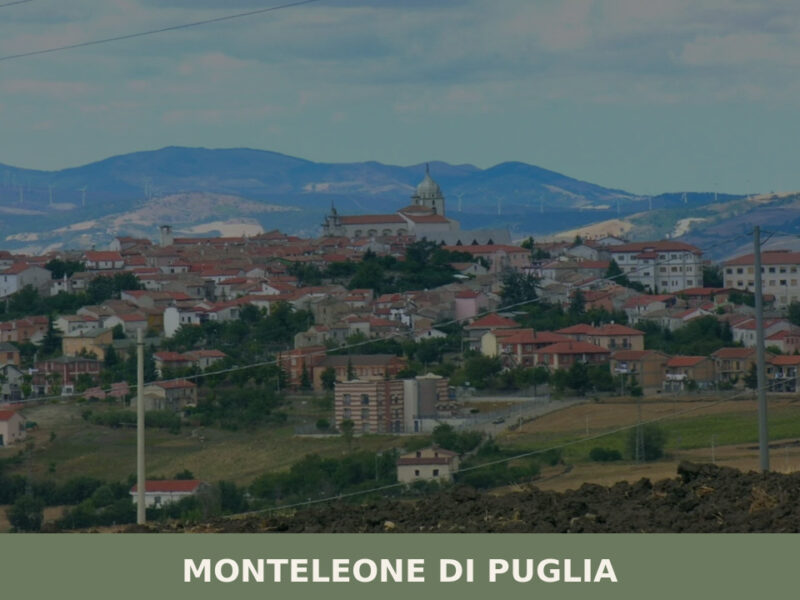
Monteleone di Puglia
Mountain
At 842 metres above sea level in the Daunian Sub-Apennines, Monteleone di Puglia is a wind-swept hilltop village of 925 inhabitants with deep medieval roots and wide-open horizons.
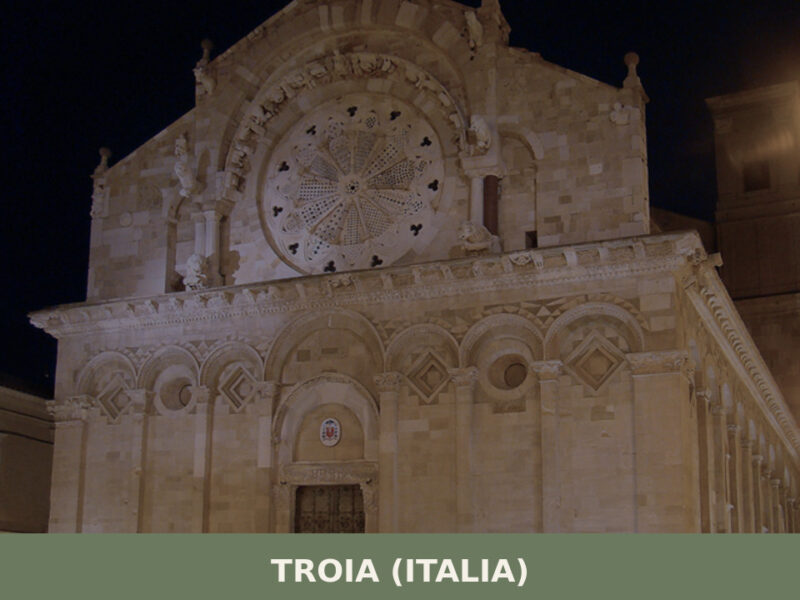
Troia
 Hills
Hills
A hillside village of 6,574 people centred on a Romanesque cathedral with bronze doors. Troia anchors the agricultural interior of northern Puglia, far from the coast.
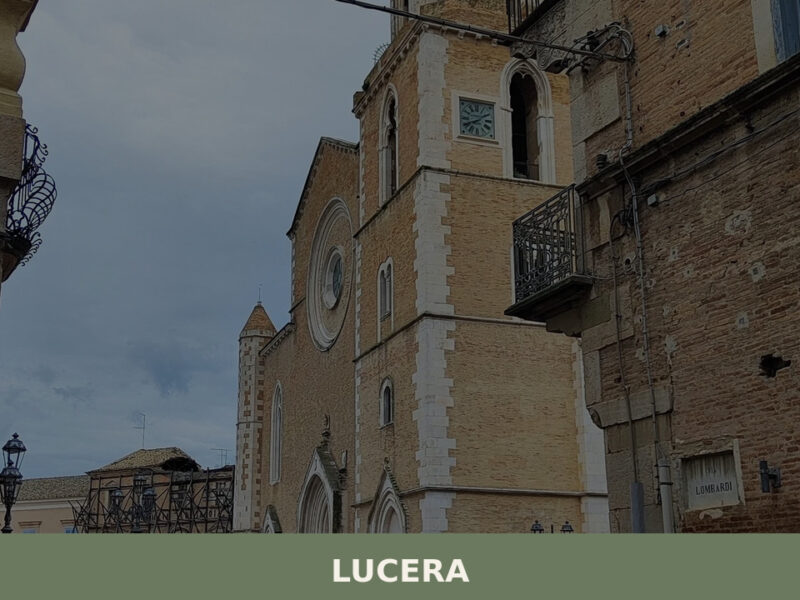
Lucera
Hills
Discover Lucera, a historic hilltop city in Puglia where Roman ruins, a Saracen past, and Angevin grandeur converge amid the sun-drenched Tavoliere plain.
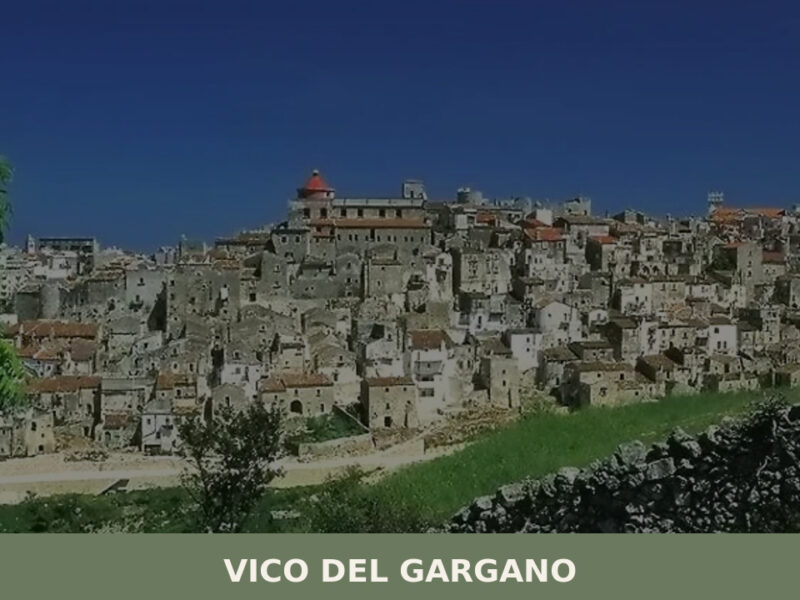
Vico del Gargano
Sea
A hilltop village at 445 metres on the Gargano promontory, Vico del Gargano rewards slow exploration — medieval alleys, underground olive presses, and ancient forest at its edge.
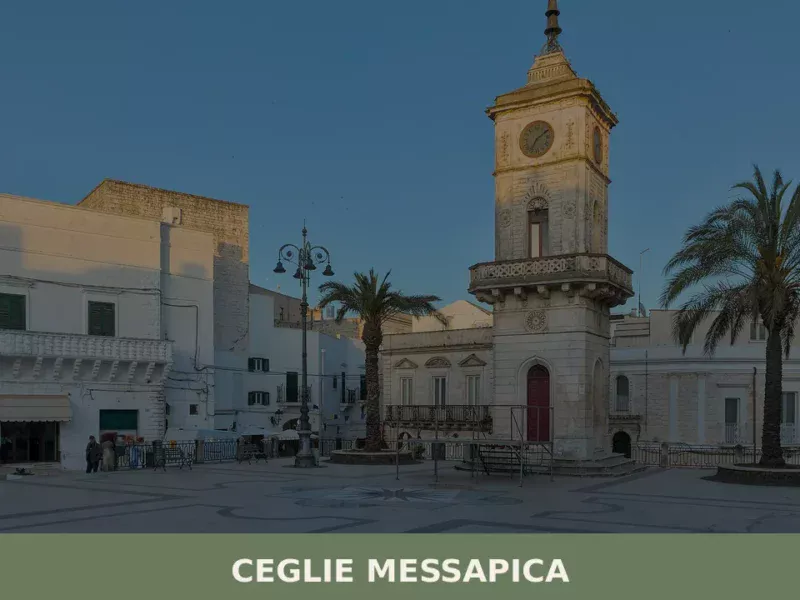
Ceglie Messapica
Sea
Discover what to see in Ceglie Messapica: the Ducal Castle, medieval chianche streets, ancient olive groves, karst caves and Puglia's finest local food.
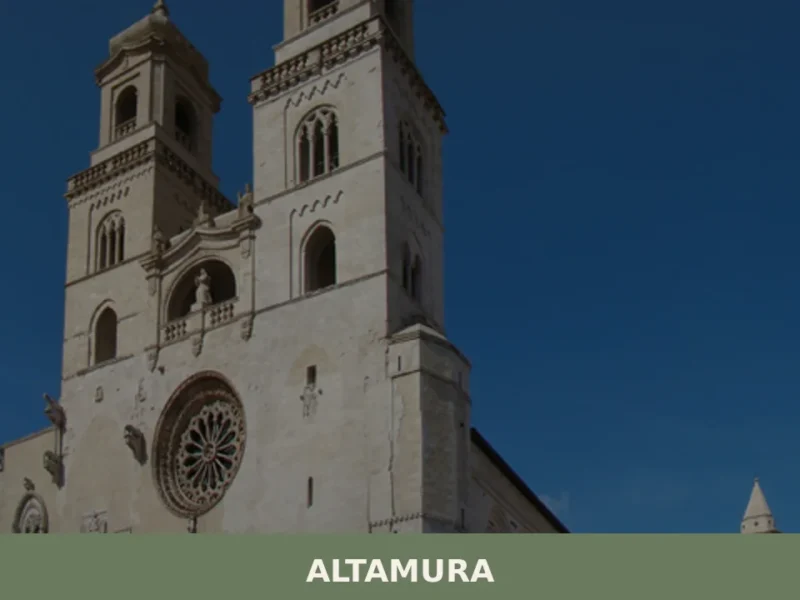
Altamura
Hills
In 1993, inside the Lamalunga limestone quarry a few kilometres from the town centre, a skeleton of Homo neanderthalensis dating back approximately 150,000 years was brought to light — one of the most complete ever found in Europe. That discovery changed the perception of Altamura, transforming it from a bread-making town into a site of […]
Orta Nova
Plains
If you are looking to discover the most fascinating Orta Nova attractions, you are in the right place. This Apulian village, located in the heart of the Tavoliere delle Puglie just 24.7 km from Foggia, holds historical and cultural treasures that tell centuries of Italian history. With its 16,600 inhabitants, Orta Nova offers a perfect […]




🏡 Know Calimera better than we do?
If you’re a local or have been there, your knowledge matters: add what’s missing or fix a detail on this page.