


Galatina
 Plains
Discover what to see in Galatina, Puglia: Gothic frescoes, tarantismo history, local food and practical travel tips for this Salento city near Lecce.
Discover Galatina
On 20 July 1793, a royal decree elevated Galatina to the formal status of city — a recognition that reflected centuries of accumulated civic weight in the southern Salento. With a population of around 25,000, this is one of the more substantial urban centres in the province of Lecce, and understanding what to see in Galatina means engaging with a layered settlement that predates Norman occupation, carries traces of Byzantine Puglia, and still functions as a working market town today.
History of Galatina
The town’s earlier name, San Pietro in Galatina, remained official until 1861 — the year of Italian Unification — when it was shortened to simply Galatina. That double-barrelled name points to two distinct layers: the medieval church dedication to Saint Peter, and a toponym whose roots are disputed but likely derive from the Greek-speaking populations that inhabited this part of the Salento throughout the Byzantine and early medieval periods. The local Griko dialect, a surviving form of Medieval Greek still spoken in a cluster of villages in southern Puglia, knew the town as As Pètro — a phonetic contraction of the Greek Agios Petros, or Saint Peter. That linguistic echo is not a curiosity but a direct line back to a community that remained Greek Orthodox in language and rite long after the Norman conquest of the 11th century.
Galatina rose to particular significance during the Angevin and later Orsini Del Balzo period of feudal control over the Salento. The Orsini Del Balzo family, who wielded substantial power across the heel of Italy in the 14th and 15th centuries, were directly responsible for commissioning the Basilica di Santa Caterina d’Alessandria — begun in the late 14th century and consecrated in 1391 — which remains the defining monument of the town. The patronage of Raimondello Orsini Del Balzo and his wife Maria d’Enghien placed Galatina within a circuit of high medieval artistic ambition that reached as far as Constantinople, and the resulting frescoes inside Santa Caterina rank among the most significant Gothic pictorial cycles in southern Italy.
Through the early modern period, Galatina consolidated its role as an administrative and commercial centre for the surrounding agricultural territory. The production of wine, olive oil, and tobacco underpinned the local economy for centuries, and the town’s regular markets drew trade from across the southern Salento. The tarantismo phenomenon — the ritual of the tarantella, performed specifically in the Cappella di San Paolo within Galatina — brought the town a particular ethnographic significance. Researchers including the anthropologist Ernesto de Martino documented these practices in the 1950s, placing Galatina at the centre of a serious academic conversation about folk ritual, possession belief, and the social functions of music and dance in post-war southern Italy.
What to see in Galatina: 5 must-visit attractions
Basilica di Santa Caterina d’Alessandria
Consecrated in 1391 under the patronage of Raimondello Orsini Del Balzo, this Franciscan church contains an almost complete cycle of Gothic frescoes covering walls, vaults, and lunettes across three naves. The paintings, executed by multiple workshops over several decades, depict scenes from the Old and New Testaments alongside the life of Saint Catherine. The façade retains an elaborate rose window and carved portal typical of southern Gothic work.
Cappella di San Paolo
A small chapel attached to the Church of Saints Peter and Paul, the Cappella di San Paolo is the specific site where, until well into the 20th century, those afflicted by tarantismo — the supposed bite of the tarantula spider — gathered each June to perform the healing tarantella. Ethnographer Ernesto de Martino documented the rituals here in 1959. The chapel itself is modest in scale, which makes its cultural and academic significance all the more concentrated.
Piazza Alighieri and the Historic Centre
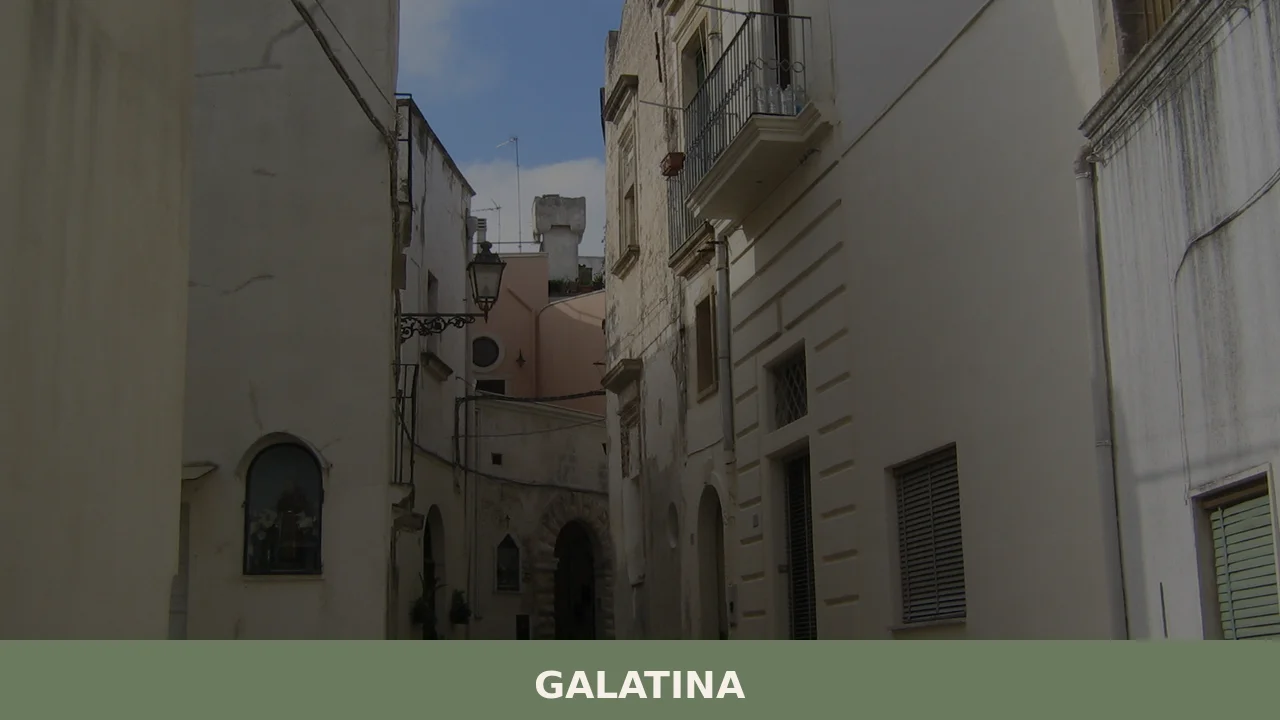
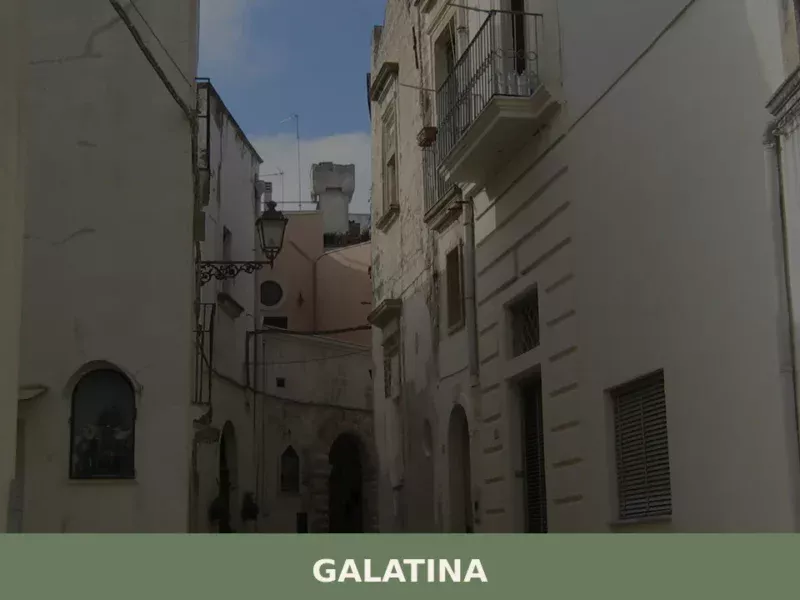
The main square, named after Dante Alighieri, serves as the civic anchor of Galatina’s historic centre. The surrounding streets follow a compact medieval layout, with palazzi from the 17th and 18th centuries built in the local golden limestone characteristic of Lecce and the Salento. Several façades carry baroque decorative details — carved balcony corbels, ornate window surrounds — that reflect the prosperity of the town’s landowning families during that period.
Chiesa dei Santi Pietro e Paolo
The Church of Saints Peter and Paul, which gives the town its historical name of San Pietro in Galatina, stands as one of the oldest ecclesiastical structures in the urban core. Its current fabric incorporates building phases from the medieval period through to baroque interventions. The church’s adjacency to the Cappella di San Paolo creates a single devotional complex that condenses both the town’s patron saint dedication and its folk ritual history.
Museo Civico Pietro Cavoti
The civic museum bears the name of Pietro Cavoti (1819–1891), a Galatina-born painter and lithographer who documented the landscapes, monuments, and folk customs of the Salento at a moment of significant social change. The museum holds works by Cavoti alongside archaeological finds and decorative arts from the surrounding territory. It operates as the principal repository of local material culture for the area. Visit the official municipality website for current opening hours and admission details.
Local food and typical products
Galatina sits within one of the most productive agricultural zones of the Salento, and the food on local tables reflects that directly. Pasta dishes made with ciceri e tria — chickpeas with a combination of boiled and fried pasta strips — represent one of the most documented recipes of the Lecce province, with roots going back at least to the medieval Arab culinary influence in southern Italy. Local bakers still produce friselle, the twice-baked barley or wheat rings that are softened with water and dressed with olive oil and tomato. The olive oils produced in this part of the Salento, often from the Ogliarola Salentina cultivar, carry the Terre d’Otranto DOP designation, covering a defined production area across the provinces of Lecce, Brindisi, and Taranto.
For wine, the territory falls within the broader Salento IGP and the Primitivo di Manduria and Negroamaro production zones that define much of Puglia’s viniculture. In and around Galatina, local trattorias and agriturismo dining rooms tend to serve a straightforward cucina contadina: grilled vegetables, preserved meats, ricotta forte — a sharp, aged spreadable cheese — and the slow-cooked lamb and horse-meat dishes that remain more common in the Salento than in northern Italy. The regional tourism body Viaggiare in Puglia maintains a directory of producers and restaurants in the province of Lecce for visitors seeking specific recommendations.
Best time to visit Galatina
The most practically comfortable months to visit are April through June and September through October. Temperatures during these periods range between 15°C and 28°C, the agricultural landscape is either in spring flower or early harvest, and the town operates at a measured pace. The Salento summer — July and August — brings intense heat and an influx of Italian holidaymakers heading to the Adriatic and Ionian coasts nearby, which means accommodation fills quickly and prices rise. If visiting in high summer, arriving in the morning hours before midday allows time in the historic centre before the heat peaks.
The most significant date in the Galatina calendar is the feast of Saints Peter and Paul on 29 June, which historically coincided with the tarantismo rituals at the Cappella di San Paolo. While the ritual healing practices have not been performed in the same form since the mid-20th century, the date retains a ceremonial and cultural importance that draws visitors with an interest in folk tradition and ethnography. The Puglia Promozione regional authority publishes an updated events calendar each year for festivals and cultural events across the region.
How to get to Galatina
Galatina is located in the province of Lecce in southern Puglia, approximately 20 kilometres south of Lecce city centre. The town is accessible by several means:
- By road: From Lecce, take the SS16 Adriatica or the SP362 southward. The drive takes approximately 25 minutes. From the A14 motorway (Bologna–Taranto), exit at Taranto and continue on the SS7ter toward Lecce, then south. Total distance from Taranto: around 75 kilometres.
- By train: The Ferrovie del Sud Est (FSE) regional rail network connects Galatina to Lecce with regular services. The journey takes approximately 25–30 minutes. FSE trains also connect Galatina south toward Gallipoli and Maglie.
- By air: The nearest airport is Brindisi–Papola Casale (BDS), approximately 50 kilometres north of Galatina. A car hire at the airport and drive south via the SP362 takes around 50–55 minutes. Bari Karol Wojtyła Airport (BRI) is approximately 160 kilometres to the north, around a 1 hour 45 minute drive.
- From Lecce city centre: Lecce is the natural base for visiting Galatina and the surrounding Salento. Regular FSE train services and local buses connect the two daily.
Where to stay in Galatina
Staying within or immediately adjacent to the historic centre gives direct walking access to the Basilica di Santa Caterina, the civic museum, and the main piazza. The accommodation stock in Galatina itself is moderate in scale — a selection of B&Bs, small guesthouses, and holiday apartments converted from older stone townhouses. This is more typical of a functioning provincial town than a resort destination, which means a quieter, more residential experience than you would find in Lecce or along the coast. Booking even a few weeks ahead is advisable during June, July, and August, and particularly around the 29 June feast period.
For visitors who prefer to use Galatina as a day excursion, Lecce — 20 kilometres to the north — offers a wider range of hotels, from historic palazzo conversions to contemporary business hotels. The Ionian coast towns of Gallipoli and Santa Maria di Leuca are within 40–50 kilometres, making the area suitable for a combined coastal and inland itinerary. Agriturismo accommodation in the surrounding olive and vineyard countryside offers a practical alternative for those travelling by car, with farm-based dining that reflects the seasonal rhythms of the territory.
More villages to discover in Puglia
Galatina belongs to a region where the distances between interesting settlements are genuinely short, and the contrasts between them are significant. To the west, in the Murge plateau north of Bari, villages like Turi and Toritto represent a different Puglia entirely — inland limestone settlements defined by cherry cultivation and a slower agricultural calendar that contrasts with the sun-scorched grain and olive country of the Salento. For travellers moving up the Adriatic side of the region, Triggiano sits within the metropolitan belt south of Bari, offering a denser, more urban experience of Pugliese civic life in the northern province.
Those drawn by the white-walled architecture of the Itria Valley and the upper Adriatic coast will find Ostuni among the most visually coherent of Puglia’s hilltop centres — its whitewashed upper quarter rising above the olive groves of the Brindisi plain in a way that has made it one of the most photographed towns in the entire south. The gap between Ostuni’s tourist visibility and Galatina’s relative quiet is itself instructive: both carry substantial historical and architectural weight, but the Salento’s civic culture tends to wear that weight without spectacle.
Frequently asked questions about Galatina
What is the best time to visit Galatina?
The ideal periods to visit Galatina are from April through June and again from September through October. During these months, temperatures are pleasantly mild, ranging from 15°C to 28°C, making it comfortable for exploring. The agricultural landscape is vibrant, and the town operates at a relaxed pace. While July and August bring intense heat and crowds of Italian holidaymakers, a significant cultural highlight is the Feast of Saints Peter and Paul on June 29th, the patron saint's day, which historically coincided with the unique tarantismo rituals. Additionally, the compatrona's feast falls on the fourth Thursday after Easter.
What are the historical origins of Galatina?
Galatina, originally known as San Pietro in Galatina until 1861, boasts deep historical roots. Its toponym likely derives from the Greek-speaking populations that inhabited this part of Salento during the Byzantine and early medieval periods, as echoed in the local Griko dialect, 'As Pètro'. The town gained particular prominence under the Angevin and Orsini Del Balzo feudal families in the 14th and 15th centuries, who commissioned the iconic Basilica di Santa Caterina d'Alessandria. Galatina was officially elevated to city status by royal decree in 1793, reflecting its long-standing civic and commercial importance in southern Salento.
What to see in Galatina? Main monuments and landmarks
Galatina offers several compelling sights. The Basilica di Santa Caterina d'Alessandria, consecrated in 1391, is a must-see for its extensive cycle of Gothic frescoes covering three naves, depicting biblical scenes and the life of Saint Catherine. Adjacent to the Chiesa dei Santi Pietro e Paolo, you'll find the Cappella di San Paolo, historically significant as the site of the tarantismo healing rituals. The charming Piazza Alighieri and its surrounding historic centre invite exploration with their medieval layout and 17th-18th century palazzi adorned with baroque details. For local history and art, visit the Museo Civico Pietro Cavoti, though specific opening hours and admission details should be verified on the official municipality website.
Where to take the best photos in Galatina?
For captivating photographs in Galatina, focus on the architectural beauty and historic charm. The Basilica di Santa Caterina d'Alessandria offers stunning photo opportunities, particularly its elaborate Gothic façade with a striking rose window and carved portal. Inside, the vibrant medieval frescoes provide a unique backdrop. The narrow, winding streets of the historic centre, especially around Piazza Alighieri, are perfect for capturing the golden Lecce stone palazzi with their baroque decorative details, offering picturesque scenes of authentic Salento urban life. Early mornings or late afternoons often provide the best light.
Are there museums, churches or historic buildings to visit in Galatina?
Yes, Galatina is rich in cultural and historical sites. Prominent churches include the magnificent Basilica di Santa Caterina d'Alessandria with its renowned Gothic frescoes, and the Chiesa dei Santi Pietro e Paolo, one of the oldest ecclesiastical structures, which also houses the culturally significant Cappella di San Paolo. The historic centre is dotted with impressive 17th and 18th-century palazzi showcasing baroque architectural details. For a deeper dive into local heritage, the Museo Civico Pietro Cavoti displays works by the local painter and lithographer, alongside archaeological finds. For current opening hours and admission fees for the museum, it is advisable to check the official municipality website.
What can you do in Galatina? Activities and experiences
In Galatina, visitors can immerse themselves in history, art, and local culture. Explore the charming historic centre, wander through its medieval streets, and admire the baroque architecture of its palazzi. A visit to the Basilica di Santa Caterina d'Alessandria to marvel at its Gothic frescoes is essential. Discover the unique ethnographic history of tarantismo at the Cappella di San Paolo and learn about its rituals. Indulge in the rich culinary traditions by tasting local specialties like ciceri e tria, friselle, Terre d'Otranto DOP olive oil, and regional wines, often found in local trattorias or at the town's regular markets.
Who is Galatina suitable for? Families, couples, hikers, solo travelers?
Galatina is particularly well-suited for history enthusiasts, art lovers, and cultural tourists seeking an authentic Puglian experience. Its rich past, from Byzantine influences to the Orsini Del Balzo patronage, appeals to those interested in layered history. The town's artistic treasures, especially the Gothic frescoes of Santa Caterina, make it ideal for art aficionados. Those fascinated by folk traditions will appreciate the tarantismo history. Foodies will delight in the local Salento cuisine and wines. It's a wonderful destination for couples and solo travelers looking for a deeper dive into regional culture, and families who enjoy exploring historic towns and learning about local heritage.
What to eat in Galatina? Local products and specialties
Galatina's cuisine is deeply rooted in Salento's agricultural bounty. Must-try local specialties include 'ciceri e tria', a pasta dish with chickpeas and both boiled and fried pasta strips. 'Friselle', twice-baked barley or wheat rings, are a simple yet delicious staple, often dressed with olive oil and tomato. The region is renowned for its high-quality olive oil, particularly the 'Terre d'Otranto DOP' from the Ogliarola Salentina cultivar. For wine, the area falls within the 'Salento IGP' and 'Primitivo di Manduria' and 'Negroamaro' production zones. Other local delights include 'ricotta forte', a sharp aged cheese, and traditional slow-cooked lamb and horse-meat dishes.
📷 Photo Gallery — Galatina
Nearby Villages near Galatina
In Apulia More villages to discover
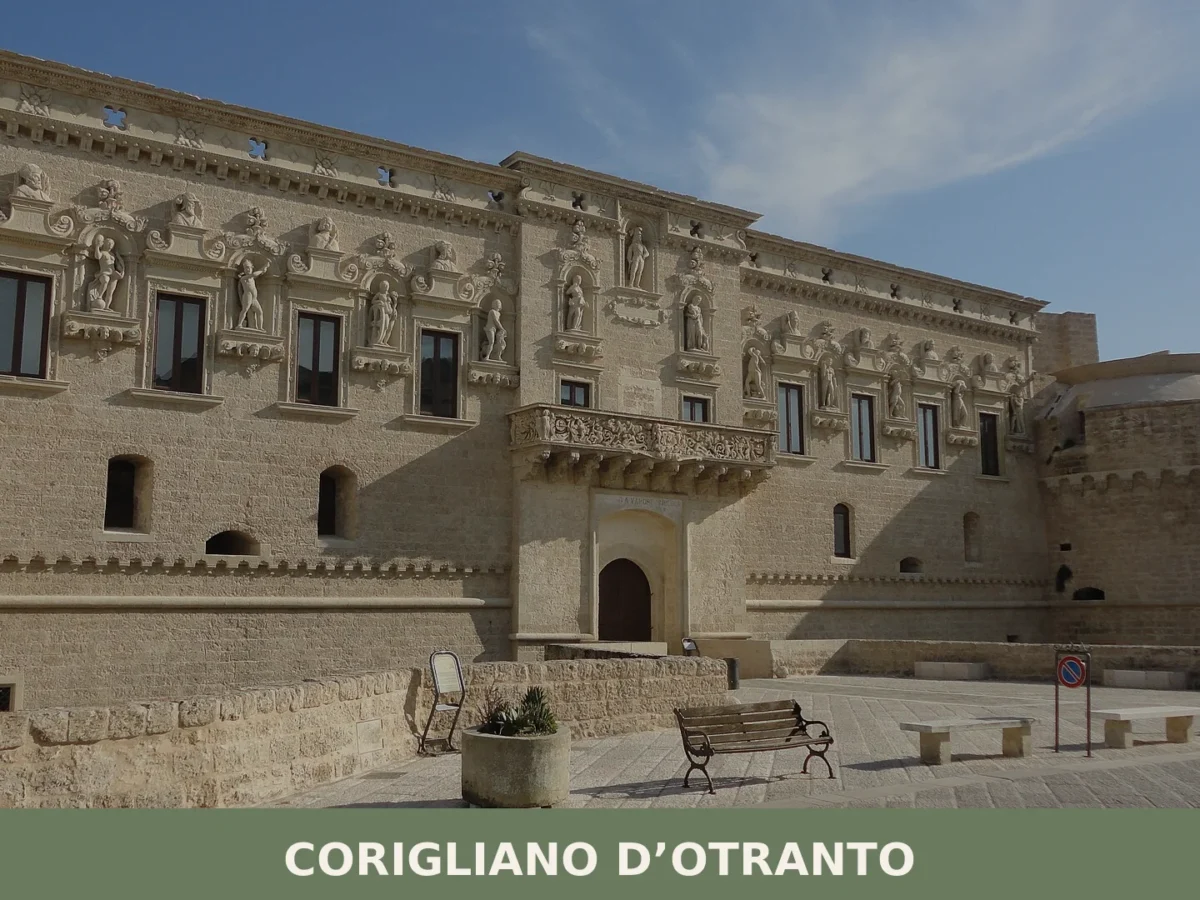
Corigliano d’Otranto
Plains
A Salento village where ancient Greek still echoes and medieval fortifications frame daily life. San Giorgio's 9th-century monastery shaped its identity for centuries.
Martignano
Plains
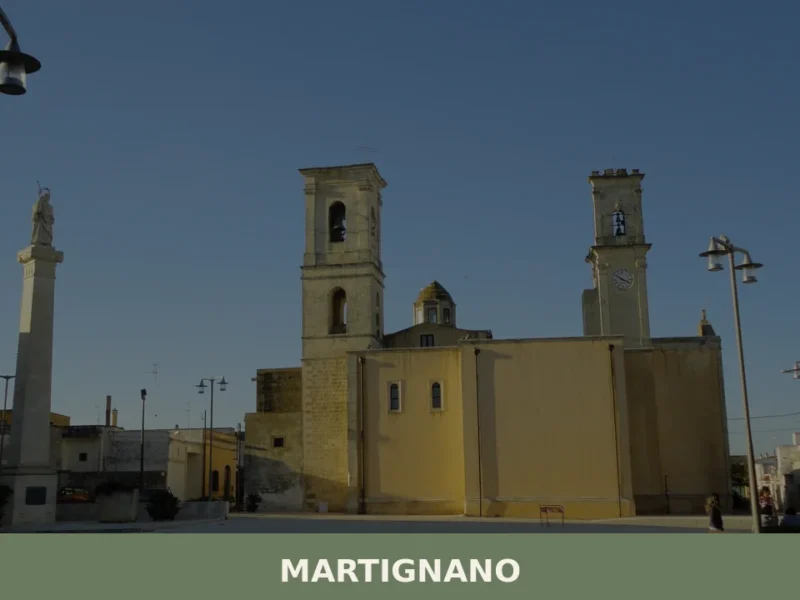
What to see in Martignano: from medieval churches to the main square, discover the 5 top attractions of this Griko village. Plan your visit with this guide.
Bitritto
Plains
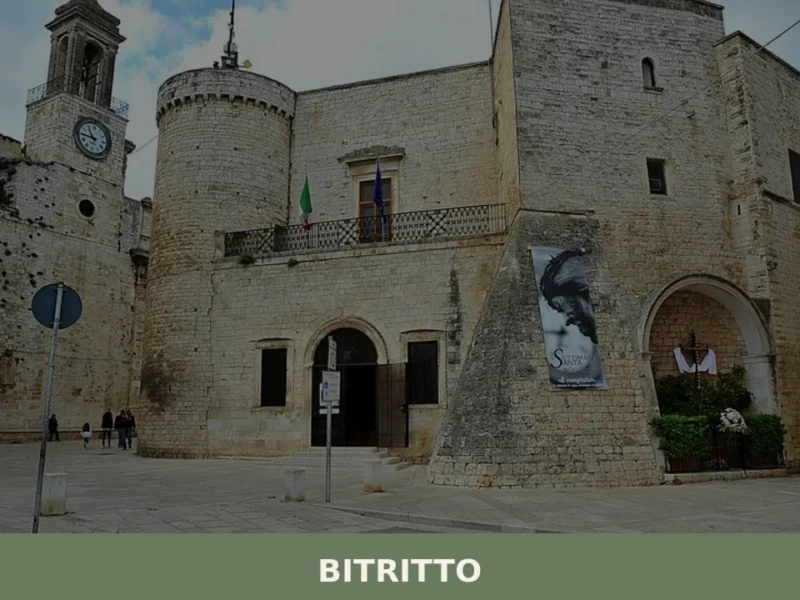
Approximately 11 kilometers southwest of Bari, in the basin opening towards the hinterland, lies Bitritto, a municipality with 11,046 inhabitants, situated 102 meters above sea level. Its territory, marked by olive groves and almond orchards, is an integral part of the Apulian agricultural landscape and reflects the region’s farming heritage. For those wondering what to […]
Noci
 Hills
Hills
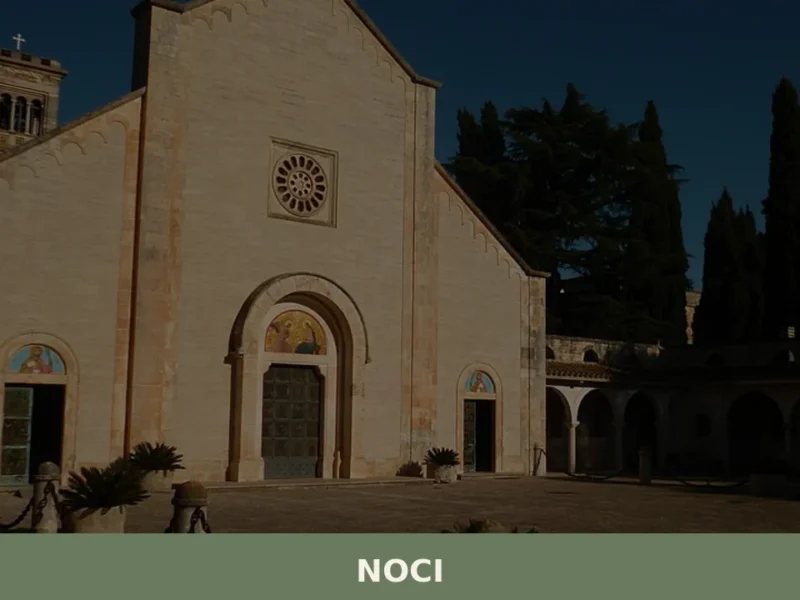
What to see in Noci, a village at 420 m on the Murge plateau. 5 attractions, medieval gnostre, Acquasale PAT, sagre and patron feasts. Plan your visit now.
Molfetta
 Sea
Sea
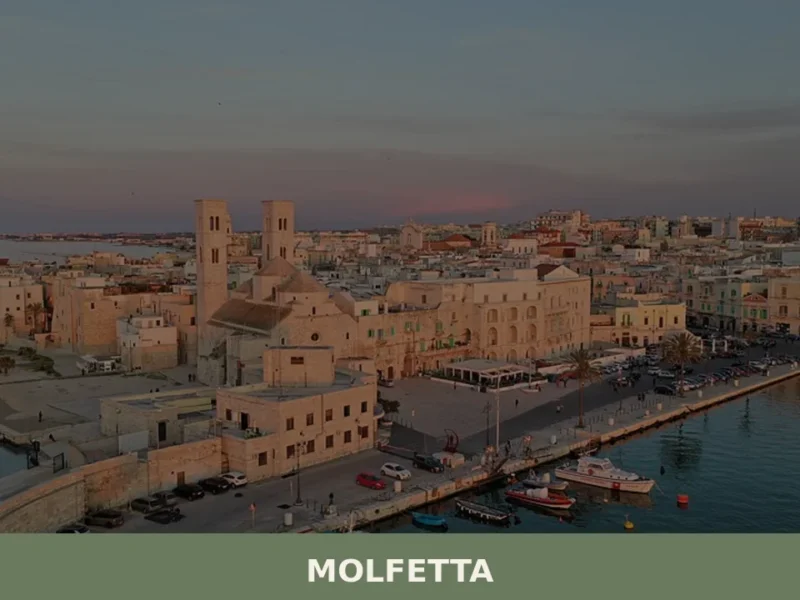
What to see in Molfetta: Adriatic port town at 15m elevation with 57,329 residents. Explore the Cathedral of San Corrado and Pulo sinkhole. Plan your visit now.
Cisternino
Hills
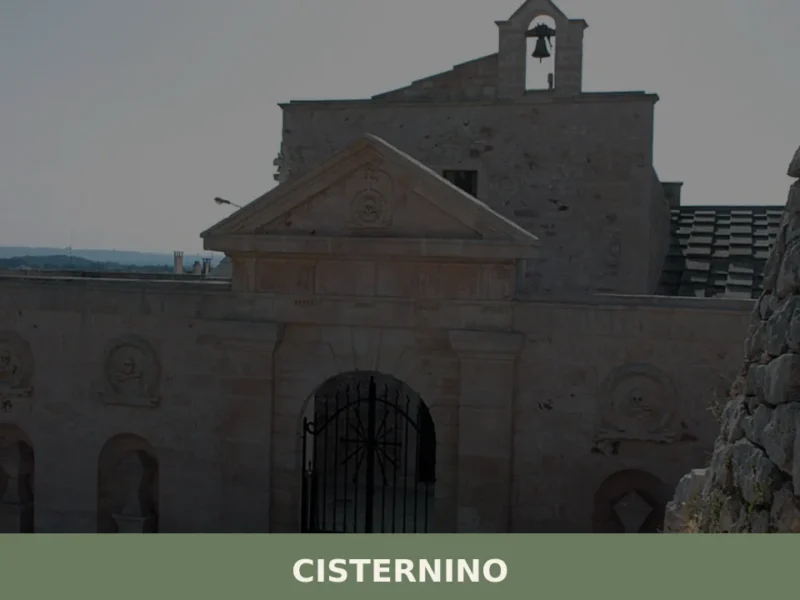
At 394 meters above sea level, in the heart of the Itria Valley, Cisternino features a compact urban layout, characterized by white lime buildings that line a network of narrow streets. This architecture, typical of Puglia’s “white village” style, reflects centuries of adaptation to the climate and terrain. Its elevated position offers a wide view […]
Palmariggi
Plains
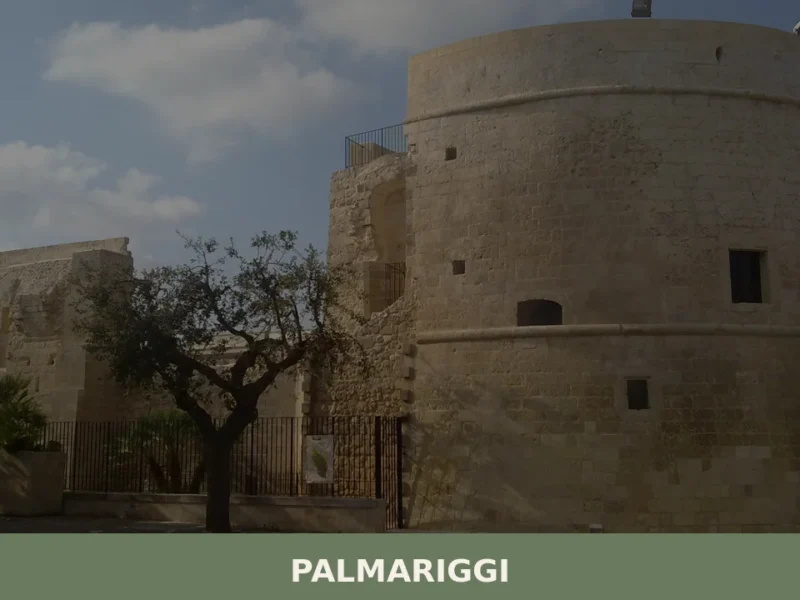
What to see in Palmariggi, Puglia, Italy: discover the Aragonese Castle, a prehistoric menhir, and the Sanctuary of Madonna di Montevergine. Population 1,542. Explore now.
Anzano di Puglia
 Mountain
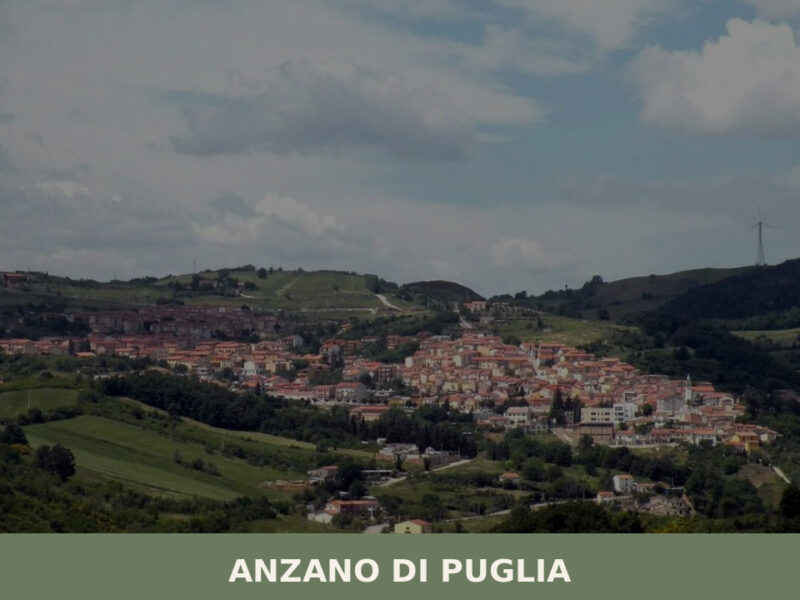
A tiny hilltop village at 760 m in the Daunia Mountains, Anzano di Puglia enchants with stone lanes, sweeping panoramas, and authentic mountain cuisine.
Ceglie Messapica
Sea
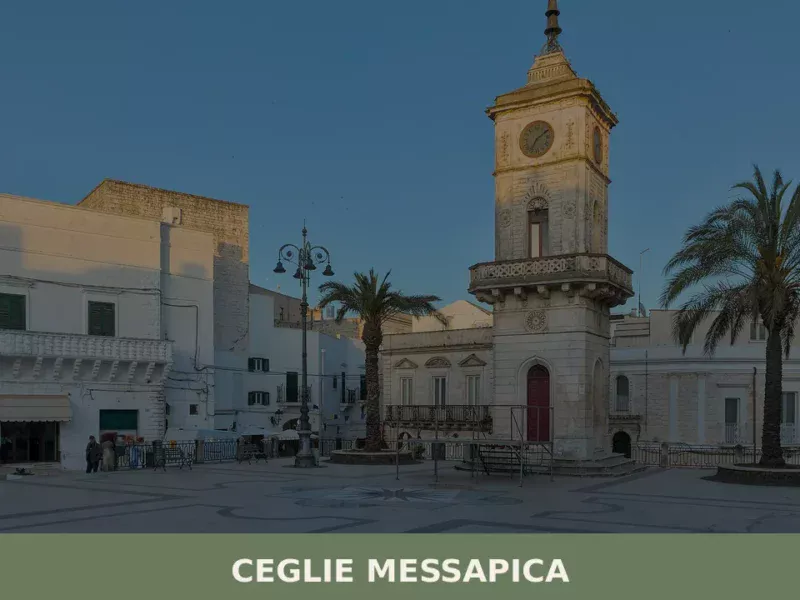
Discover what to see in Ceglie Messapica: the Ducal Castle, medieval chianche streets, ancient olive groves, karst caves and Puglia's finest local food.
Bitonto
Plains
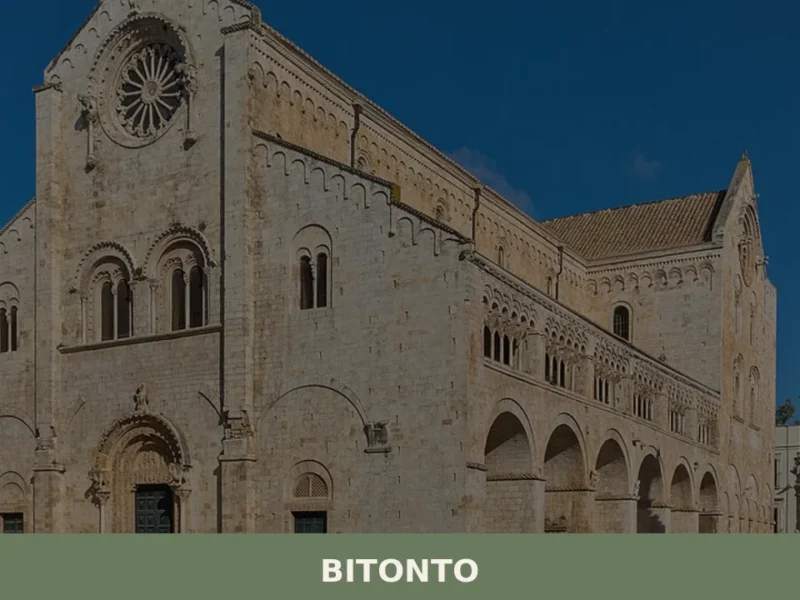
In 1089, Pope Urban II consecrated the cathedral of Bitonto, a building in local limestone that still dominates Piazza Cattedrale today with its sixteen-spoke rose window and its sculpted portal. That ceremony marked the city’s definitive entry into the network of major Apulian episcopal seats, confirming a political and religious role that Bitonto had maintained […]

🏡 Know Galatina better than we do?
If you’re a local or have been there, your knowledge matters: add what’s missing or fix a detail on this page.