


Camerata Picena
 Mountain
Discover Camerata Picena, a charming hilltop village in Ancona province with medieval churches, scenic views, and authentic Marche countryside.
Discover Camerata Picena
The land between Ancona and Jesi flattens into cultivated ridges where wheat fields and vineyard rows alternate with compact clay hillsides. Camerata Picena occupies one of these ridges, about 14 kilometres (9 mi) southwest of Ancona, in a band of territory that the municipalities of Agugliano, Chiaravalle, and Falconara Marittima press against from the north and west. With a recorded population of 2,239, the settlement holds a scale that is easy to read on foot: a defined historic centre, a handful of civic buildings, and surrounding agricultural land that has shaped the local economy for generations.
For those planning a trip to the central Adriatic coast of Italy, knowing what to see in Camerata Picena helps frame a realistic itinerary in the Province of Ancona.
The village sits close enough to Ancona to function as a day trip or a base for exploring inland Marche. Visitors to Camerata Picena find a compact hilltop settlement with a documented medieval layout, a parish church at its civic core, and a direct road connection to the regional capital and the Adriatic. The Camerata Picena highlights include its historic urban fabric, the surrounding agricultural countryside, and proximity to the larger cultural circuit of the Marche interior.
History of Camerata Picena
The name Camerata derives from the Latin camera, a term that in medieval administrative usage referred to a chamber or a property held under direct royal or episcopal control. The suffix Picena links the settlement to the ancient territory of Picenum, the pre-Roman and Roman-era region that occupied the central Adriatic strip between the Apennines and the sea. This designation survived the fragmentation of Roman administration and continued to identify the broader geographic area through the early medieval period, giving villages like Camerata their dual identity: a local administrative unit within a historically defined landscape.
The settlement’s position within the Province of Ancona places it in a corridor of towns that passed through Lombard, Frankish, and later papal control during the early medieval centuries.
The five bordering municipalities — Agugliano, Ancona, Chiaravalle, Falconara Marittima, and Jesi — each carry their own layered histories, and Camerata Picena developed in relation to all of them. Jesi, to the southwest, functioned as a significant urban centre in the medieval Marche, and smaller communities on the ridges between it and Ancona typically organised around the road and trade networks connecting those two poles. Camerata Picena’s position on one of these intermediate ridges gave it a logistical role even when it remained a small agricultural settlement.
Through the early modern period, the village consolidated as a comune, the standard Italian municipal unit, within the broader administrative structure of the Papal States, which governed much of central Italy until Italian unification in the nineteenth century. The transition to the unified Kingdom of Italy in 1861 reorganised municipal boundaries and administrative hierarchies across the Marche, and Camerata Picena was formally integrated into the Province of Ancona. That provincial affiliation has remained stable through the Republican era. The population figure of 2,239, recorded in 2009, reflects a small but settled community that maintained its municipal identity through successive administrative reorganisations over more than a century.
What to see in Camerata Picena, Marche: top attractions
The historic village centre and its medieval urban layout
The compact arrangement of the village centre follows a pattern common to ridge-top settlements in the Marche interior: a main street running along the highest axis of the hill, with shorter lanes dropping toward the edges.
The street widths and building alignments reflect a medieval planning logic that maximised defensive compactness on a narrow ridge. Standing at the upper end of the main street, a visitor can read the entire length of the historic fabric in a single sightline — a distance of a few hundred metres that nevertheless contains the full civic and religious hierarchy of the settlement. The best time to walk this axis is in the morning, when the eastern light strikes the facades directly. Those exploring what to see in Camerata Picena should begin here, since the layout itself is the primary document of the village’s development over several centuries.
The parish church at the civic centre
At the core of Camerata Picena’s historic centre stands the parish church, positioned according to the standard Italian medieval convention of placing the principal religious building at or near the highest accessible point of the settlement. The building’s facade faces onto the main civic space, and its bell tower serves as the visual reference point for the surrounding countryside.
Inside, the nave proportions correspond to a structure built for a congregation of the village’s scale, with lateral chapels that accumulated devotional objects and commemorative tablets across several centuries of local patronage. The church functions as an active place of worship, so visiting hours are tied to the liturgical schedule; arriving during a weekend morning maximises the chance of finding it open.
The panoramic viewpoints over the Esino valley and the Adriatic
From the ridge on which Camerata Picena sits, the visibility on clear days extends eastward toward the Adriatic coast, approximately 20 kilometres (12.4 mi) away, and westward toward the Esino river valley that separates the village’s ridge from the higher terrain leading to Jesi.
The elevation of the settlement, while modest by Apennine standards, is sufficient to place the observer above the cultivated plain and provide an unobstructed view of the landscape geometry — the alternating bands of cereal fields, vineyard rows, and clay escarpments that define inland Marche between sea level and the foothills. Autumn, after the harvest and before persistent cloud cover sets in, gives the clearest long-distance views toward both the coast and the inland ridges. No infrastructure is required: the best vantage points are accessible directly from the village perimeter.
The surrounding agricultural countryside and rural lanes
The land immediately surrounding Camerata Picena consists of working agricultural terrain divided among small holdings, with rural lanes connecting the village to the neighbouring municipalities of Agugliano and Chiaravalle. These lanes, some unpaved, pass through the kind of varied small-scale cultivation — cereal, sunflower, and some vine — that characterises the inland Ancona province at moderate elevation.
Walking or cycling these routes gives a concrete sense of the productive landscape that has sustained the settlement’s population for generations. The flat-to-gently-rolling terrain between the village and Falconara Marittima, which lies to the north toward the coast, is accessible without specialist equipment and covers distances of 5 to 10 kilometres (3.1 to 6.2 mi) depending on the route chosen.
The municipal territory bordering Ancona and Jesi
The administrative boundaries of Camerata Picena touch both the municipality of Ancona — the provincial capital, home to a major Adriatic port and a population in the hundreds of thousands — and that of Jesi, one of the most historically significant inland towns of the central Marche. This dual adjacency is a concrete geographic fact that defines what the village’s position means in practical terms. From the edge of the Camerata Picena municipal territory, a driver reaches the Ancona ring road in under 15 minutes, and Jesi’s historic centre in roughly the same time heading southwest.
For visitors combining what to see in Camerata Picena with a broader itinerary, this location makes it a functional intermediate stop between the Adriatic port city and the wine-producing Esino valley.
Local food and typical products of Camerata Picena
The gastronomy of Camerata Picena, Marche, Italy belongs to the inland Ancona province tradition, which draws on both the cereal and livestock farming of the Apennine foothills and the fishing culture of the Adriatic coast, reachable within 20 kilometres (12.4 mi). This dual orientation is characteristic of the central Marche: the same table might carry a fish-based first course and a meat-based second, both prepared with the restraint and ingredient-led cooking that defines the regional style. The village’s scale means that food production is primarily domestic and small-scale, with local markets and periodic food fairs providing the main point of exchange between producers and residents.
Among the dishes consistent with the Ancona province interior tradition, vincisgrassi occupies a central place — a baked pasta in which egg-based lasagne sheets are layered with a slow-cooked meat ragù made from a mix of offal and finely chopped pork or chicken, bound with a wine-enriched sauce and finished with a grating of aged local cheese. The texture is dense and the flavour built over several hours of cooking.
Brodetto all’anconetana, a fish stew from the nearby Adriatic coast, uses thirteen varieties of fish — a number considered traditional in Ancona — cooked in a tomato and vinegar base without cream or butter, reflecting the practical cooking of fishing communities rather than restaurant elaboration. Both dishes appear on tables in the province during colder months, when the ingredients are at their most concentrated.
The Province of Ancona falls within the production zones of several certified Italian food products that are standard in local markets and grocery suppliers in the area. Olio extravergine di oliva Cartoceto (PDO) is produced in a defined zone of the Pesaro-Urbino province but traded throughout the Marche region.
Casciotta d’Urbino (PDO) — a semi-soft cheese made from a blend of sheep’s and cow’s milk, with a mild, slightly sweet flavour and a compact paste — is widely available across the Marche and represents the regional cheese tradition most consistently found in inland provincial markets. While specific certification boundaries should be verified with producers, these products are standard reference points for the regional food landscape surrounding Camerata Picena.
Local agricultural fairs and periodic markets in the municipalities bordering Camerata Picena — particularly in the Jesi and Chiaravalle areas — provide the most reliable access to seasonal produce, fresh pasta, and small-batch olive oil from the Esino valley producers. Spring and autumn are the most active seasons for these markets, with the olive harvest in October and November bringing the highest concentration of fresh oil available for direct purchase from producers in the province.
Festivals, events and traditions of Camerata Picena
The civic and religious calendar of Camerata Picena follows the pattern common to small Marche municipalities: the parish patron saint’s feast day anchors the summer calendar, typically involving a solemn Mass, a procession through the village streets, and an evening gathering with music.
The precise date of the patron saint celebration is tied to the liturgical calendar of the parish church at the village centre. Local tradition in communities of this size generally includes a sagra, a traditional local food festival, where seasonal products from the surrounding agricultural land — grilled meats, handmade pasta, local wine — are prepared and served communally in the main civic space or on the main street, often over two or three consecutive evenings during summer.
The broader calendar of the Ancona province offers several documented seasonal events within easy reach of Camerata Picena. The municipalities of Jesi and Falconara Marittima both hold annual summer programmes of outdoor concerts, theatre, and civic markets that residents and visitors from surrounding villages attend. Chiaravalle, which borders Camerata Picena directly, organises local market days that function as informal exchange points for producers from the inland ridges. For international visitors, the summer period from June through August provides the highest concentration of public activity in the area, while September offers the harvest season with lower visitor numbers and active agricultural markets.
When to visit Camerata Picena, Italy and how to get there
The best time to visit the Marche region, including Camerata Picena, depends on what kind of experience the visitor is seeking.
Late spring — specifically May and the first half of June — combines mild temperatures (typically 18 to 24 degrees Celsius), low rainfall, and full agricultural activity in the surrounding countryside, with wheat fields green before the summer harvest. September is the second-strongest option: temperatures remain warm, the harvest season begins, and the crowds that fill the Adriatic coast resorts during July and August have dispersed. Winter visits are feasible for those interested primarily in the village itself and the surrounding countryside, though some smaller local businesses reduce their hours between November and March.
Getting to Camerata Picena is straightforward for visitors arriving by car from Ancona. The A14 motorway, the main Adriatic highway running the length of Italy’s eastern coast, serves the area via the Ancona Nord or Ancona Sud exits, from which the village is reachable in approximately 20 to 25 minutes by provincial road. The village sits 14 kilometres (9 mi) southwest of Ancona, and the provincial road SP 14 connects the two directly. Visitors arriving by rail can reach Trenitalia services at Ancona Centrale station, from which local bus connections or a taxi cover the remaining distance to Camerata Picena.
Ancona Falconara Airport, which borders the municipality of Falconara Marittima — itself a direct neighbour of Camerata Picena — is the closest air gateway, approximately 10 kilometres (6.2 mi) from the village. From Rome, Ancona is reachable by direct train in approximately 3 hours, making a day trip from the capital feasible if combined with time in the city. International visitors should be aware that English is not widely spoken in smaller shops and local businesses in this part of the Marche interior; carrying a supply of euro cash is practical, as card payment infrastructure in smaller establishments is not universal.
For those organising a day trip from Ancona, the 14-kilometre (9 mi) distance places Camerata Picena well within a half-day excursion that can be combined with stops in Jesi — 15 kilometres (9.3 mi) further southwest — or along the Esino valley. Visitors who enjoy exploring what to see in Camerata Picena as part of a wider Marche itinerary can also include a stop at Acqualagna, a village in the Pesaro-Urbino province known for its truffle market, which is reachable in under an hour heading northwest along the provincial road network.
Those travelling deeper into the Apennine foothills of the Marche might also consider the route toward Borgo Pace, a small municipality in the upper Metauro valley that represents a contrasting landscape of forested ridges and river corridors quite different from the agricultural plain around Camerata Picena.
Visitors extending their exploration of the Marche interior can find further reference points in Monteciccardo, a hilltop settlement in the Pesaro-Urbino province that shares the same ridge-top settlement typology as Camerata Picena, and offers comparable views over the cultivated Marche landscape. Each of these villages adds a distinct geographic layer to a broader tour of the region’s inland territory.
📷 Photo Gallery — Camerata Picena


In Marche More villages to discover
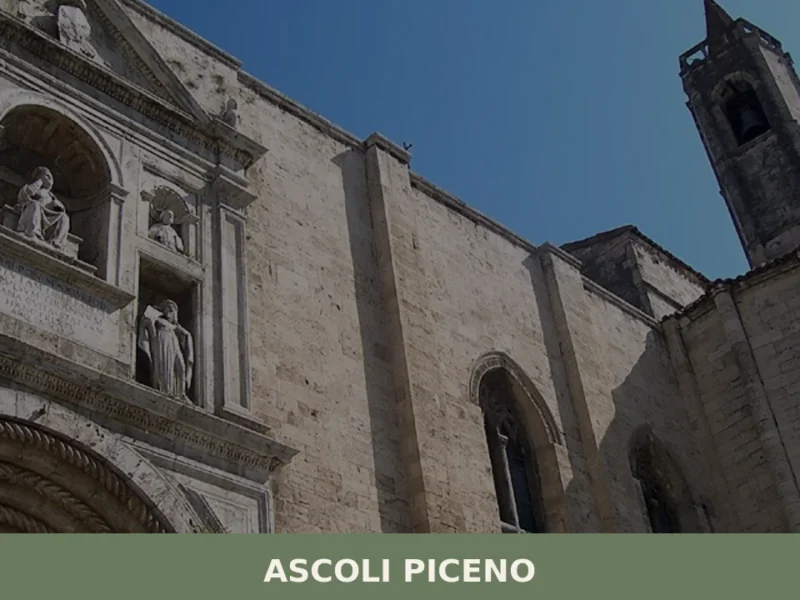
Ascoli Piceno
 Plains
At 154 meters above sea level, in the heart of southern Marche, Ascoli Piceno rises between the waters of the Tronto river and its tributary, the Castellano, a natural crossroads that has shaped its identity over millennia. In this article History and origins of Ascoli Piceno What to see in Ascoli Piceno: main attractions Typical […]
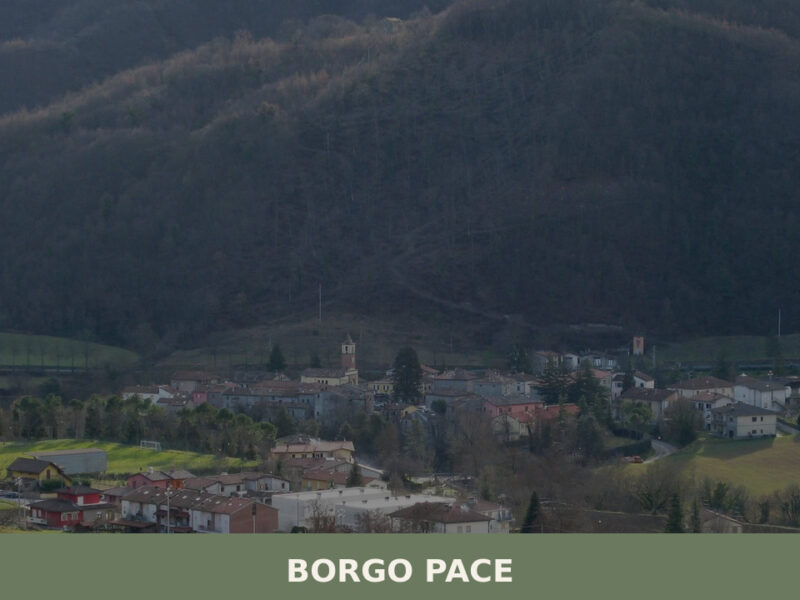
Borgo Pace
 Hills
Hills
Two rivers converge here — the Meta and the Auro — and their meeting point gives this settlement its ancient rhythm. In the early morning, mist lifts off the water and clings to stone walls darkened by centuries of wood smoke. Borgo Pace sits at the edge of the Apennine watershed in the province of […]
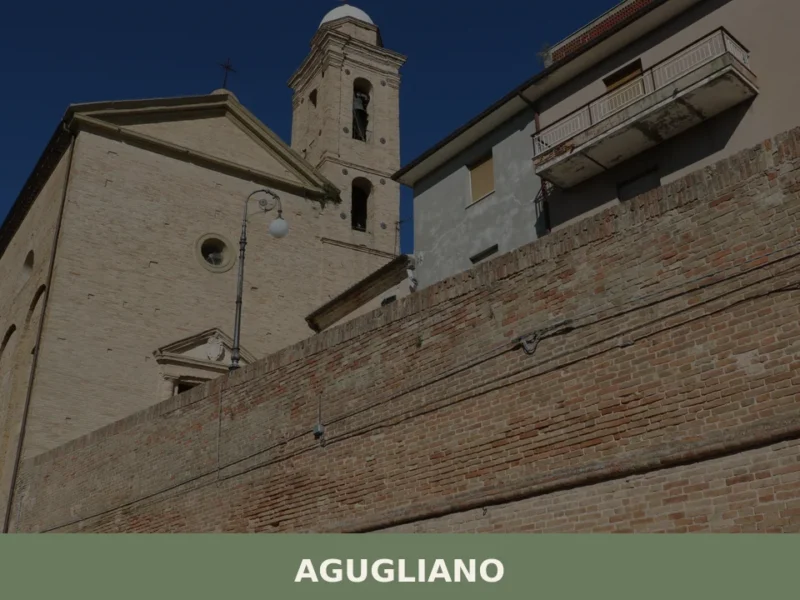
Agugliano
 Sea
Sea
Discover what to see in Agugliano, a hill comune near Ancona in Marche. History, food, attractions, travel tips and where to stay.
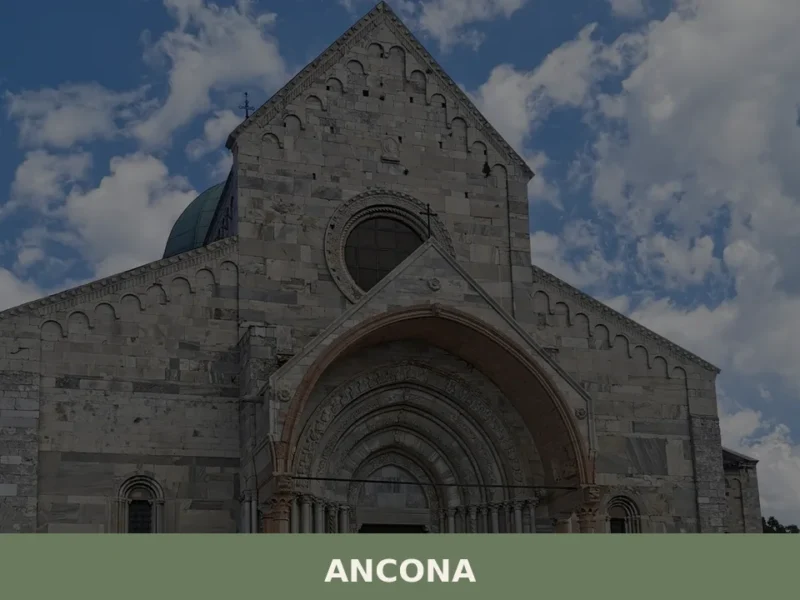
Ancona
Sea
what to see in ancona, a city with 99,000 inhabitants. Discover 5 main attractions like the Duomo di San Ciriaco and Trajan's Arch. Plan your visit.
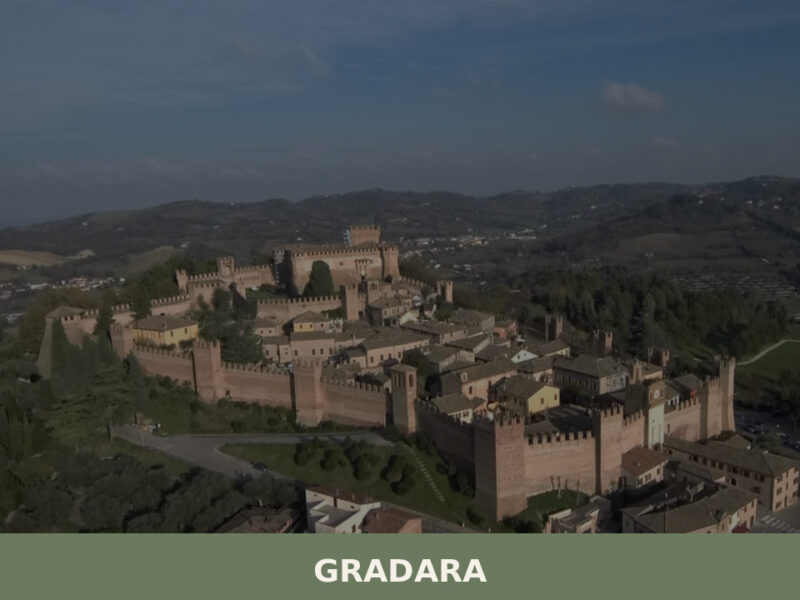
Gradara
Plains
What to See in Gradara: discover Malatesta Castle and 4 other must-see attractions. Plan your trip to this Marche village of 4,889 inhabitants.
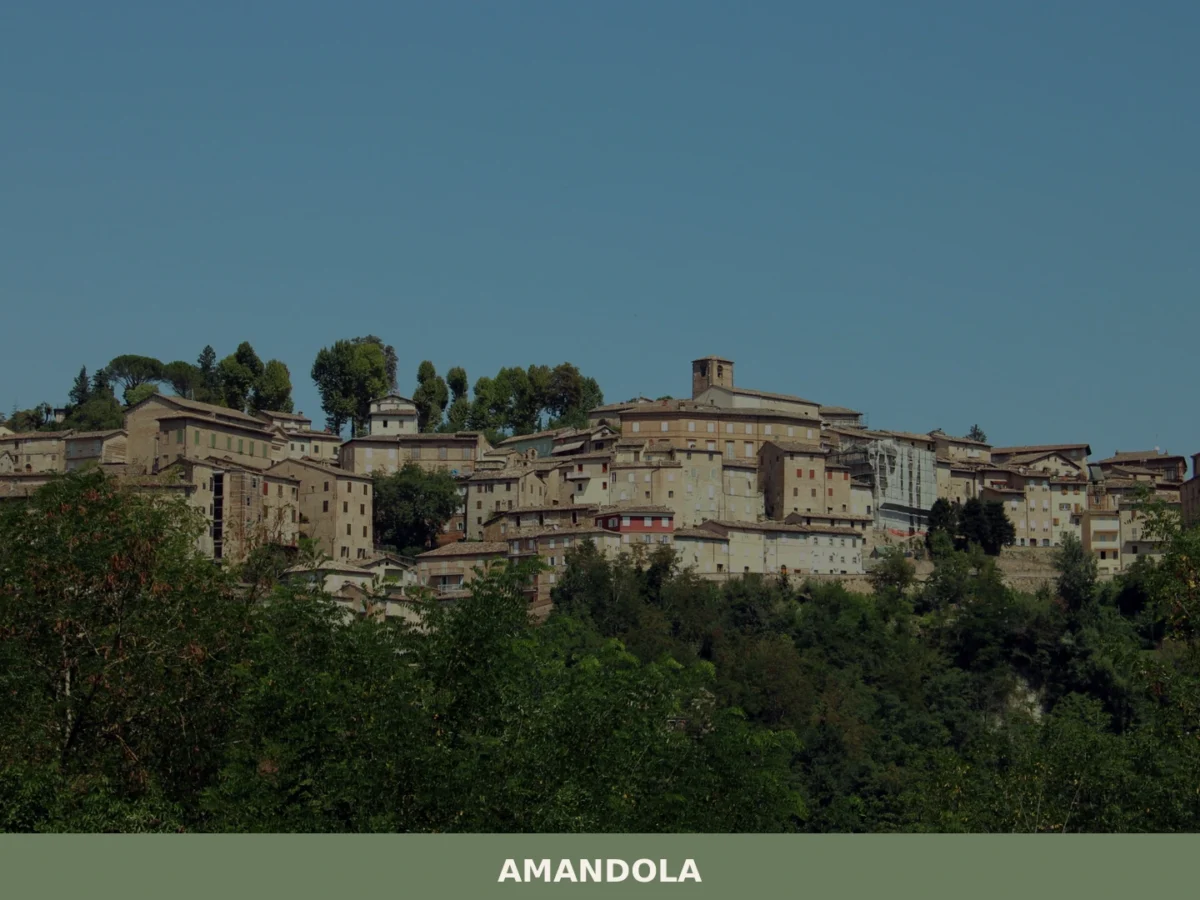
Amandola
Hills
What to see in Amandola: 5 attractions in this Marche village, from the historic centre to the Sibillini Mountains. Discover the complete guide and plan your visit.
Monteciccardo
Hills
Monteciccardo first appears in a document from 1233 under the name Mons Sicardi, referring to a Lombard lord of whom no other trace survives. Standing at 384 metres above sea level, with its 1,643 inhabitants spread between the historic centre and scattered hamlets, the village commands a stretch of the Pesaro hills sloping down towards […]
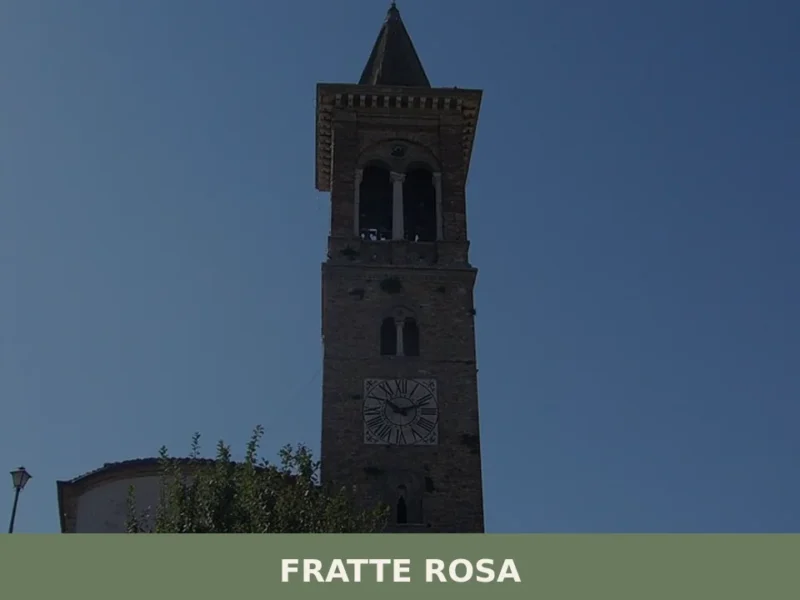
Fratte Rosa
Hills
With its 847 inhabitants and an altitude of 419 meters above sea level, Fratte Rosa is located in the province of Pesaro and Urbino, a hilly area of the Marche region. The village’s name “Rosa” is historically linked to the color of a local clay, an essential component for the practice of pottery, documented in […]
Apecchio
Hills
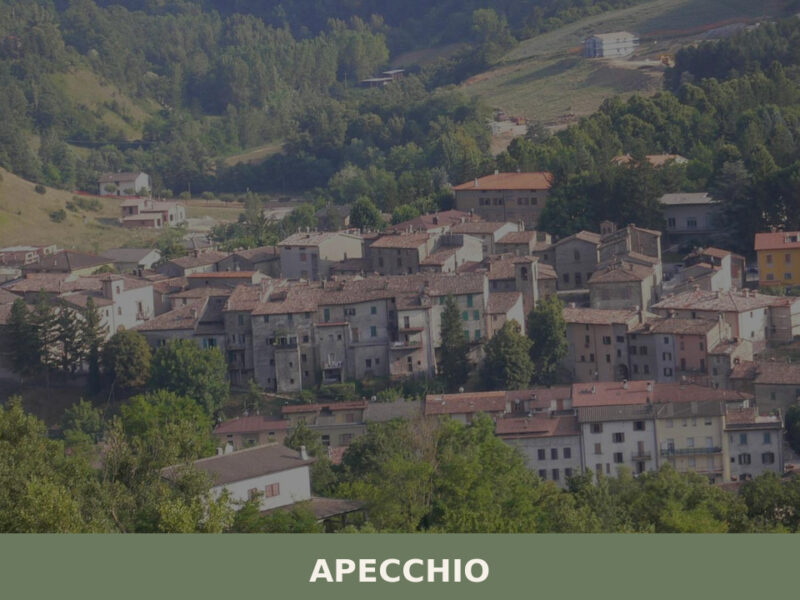
Morning mist lifts off the Biscubio river and the medieval bridge emerges in grey stone, its arches still carrying the weight of six centuries. A bell tower marks the hour above terracotta rooftops, and the smell of woodsmoke mixes with damp earth from the surrounding Apennine slopes. At 493 metres above sea level, this small […]
Isola del Piano
Hills
Discover Isola del Piano, a charming village in Marche, Italy. Explore its rich history, organic traditions, stunning landscapes, and authentic Italian culture.



🏡 Know Camerata Picena better than we do?
If you’re a local or have been there, your knowledge matters: add what’s missing or fix a detail on this page.