


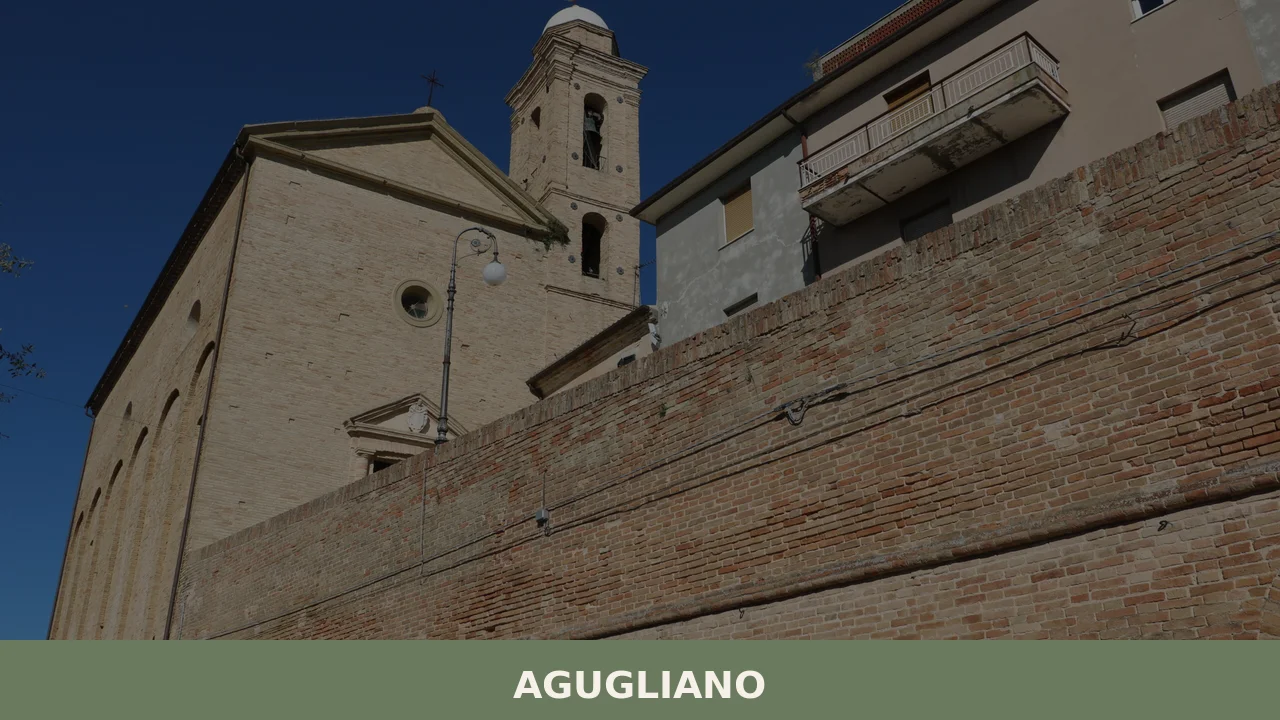
Agugliano
 Sea
Sea
Discover what to see in Agugliano, a hill comune near Ancona in Marche. History, food, attractions, travel tips and where to stay.
Discover Agugliano
Agugliano is a comune of 4,642 inhabitants in the province of Ancona, sitting at moderate elevation in the rolling interior of Marche, roughly midway between the Apennine foothills and the Adriatic coast. For visitors asking what to see in Agugliano, the answer is rooted in its compact historic centre, its agricultural hinterland, and the quiet civic life of a community that has functioned as an Anconetano hill settlement for centuries. Known locally as Gujjà in the Anconetano dialect, the village carries its regional identity in its language as much as its landscape.
History of Agugliano
The toponym Agugliano derives from the Latin acus or agulia, meaning needle or spire, a reference most likely to the profile of the settlement as seen from the valley below, or possibly to a pointed architectural feature of an early fortification. This type of place-name formation — descriptive, functional, rooted in physical observation — is common across the Marche interior, where medieval communities named sites according to what travellers and farmers actually saw. The Anconetano dialect form Gujjà preserves this etymology in compressed, oral form, and remains in active everyday use among local residents.
During the medieval period, the territory of Agugliano fell within the complex feudal web that characterised the March of Ancona, the broad strip of papal-controlled land running down central-eastern Italy. The commune of Ancona and the various noble families competing for influence across its provincial hinterland exercised authority over smaller settlements like Agugliano, which functioned as agricultural centres supplying grain, oil and timber to the larger urban markets. The area’s position — elevated enough to be defensible, yet within reasonable distance of the Via Flaminia corridor and the coastal trade routes — gave it persistent strategic and economic value through the medieval and early modern periods.
Under the Papal States, which administered this part of the Marche until Italian unification in 1861, Agugliano was organised as a self-governing comune within the broader ecclesiastical and civil administration centred on Ancona. The transition to the unified Italian state brought administrative reclassification, and Agugliano became formally integrated into the provincial structure of Ancona that remains in place today. The late nineteenth and twentieth centuries brought gradual demographic consolidation: the village neither grew into a town nor was absorbed by Ancona’s urban expansion, maintaining its character as a distinct, bounded agricultural comune with a stable resident population.
What to see in Agugliano: 5 must-visit attractions
The Historic Village Centre
The medieval imprint of Agugliano is most legible in its compact upper village, where the street pattern follows the logic of defensive settlement: narrow lanes, shared walls, and a main piazza functioning as the civic and commercial node. Stone and rendered facades from the sixteenth to eighteenth centuries define the streetscape, with ironwork balconies added in later periods.
The Parish Church
The principal parish church of Agugliano stands at the centre of the village’s religious and social life. Like many Marche hill churches of its period, it combines a Romanesque structural core with Baroque interior modifications carried out during the seventeenth and eighteenth centuries, a common pattern of liturgical reordering that followed the directives of the Council of Trent across the region.
The Surrounding Agricultural Landscape
The countryside immediately surrounding Agugliano is cultivated in the traditional Marche pattern of mixed arable and arboricultural plots: wheat, sunflower, vineyards, and olive groves in alternating strips across the clay-rich hillsides. The geometry of this landscape, unchanged in its essential logic since the medieval land clearances, is best read from the roads leading out of the village toward the Musone river valley.
The Panoramic Viewpoints Toward the Adriatic
From the elevated perimeter of the historic centre, on clear days the Adriatic Sea is visible to the east, approximately 15 kilometres distant. This orientation — inland hill settlement with a coastal sightline — reflects the historical geography of the entire Anconetano zone, where settlements were positioned to monitor both land routes and sea approaches simultaneously.
The Civic and Communal Architecture
Agugliano’s municipal building and associated public spaces represent the administrative continuity of the comune from medieval self-governance through to the present. The civic structures, concentrated around the central piazza, include elements of nineteenth-century institutional architecture that followed the post-unification standardisation of Italian local government buildings across the peninsula.
Local food and typical products
Agugliano sits within one of the most coherent gastronomic zones of central Italy: the Marche interior, where the cuisine is built on wheat-based pasta, cured pork, field vegetables, and olive oil from coastal-facing hillsides. The local table follows the rhythm of the agricultural year closely. Vincisgrassi — the region’s baked pasta with a meat and offal ragù, distinct from any northern lasagne — appears at Sunday tables and local festivals. Crescia, the flatbread cooked on a stone griddle, accompanies both cured meats and seasonal greens, and functions as an edible constant across the province of Ancona. The olive oil produced in the Anconetano hills, cold-pressed from Raggiola and Frantoio cultivars, is the fat of daily cooking rather than a luxury condiment.
The broader province of Ancona produces Verdicchio dei Castelli di Jesi DOC, the white wine made from the Verdicchio grape across the limestone ridges to the west and southwest of Agugliano — a wine with sufficient acidity to cut through the richness of local pork preparations and the salinity of Adriatic fish dishes. For dining, visitors are best served by looking to agriturismi in the surrounding countryside, where farm-to-table menus are determined by season and production rather than by printed menu convention. The Marche regional tourism authority maintains updated listings of local producers and agriturismo dining options across the Anconetano zone.
Best time to visit Agugliano
The months of April through June and September through October offer the most productive conditions for visiting Agugliano. Spring brings the wheat fields to vivid green against the grey-blue clay soil, and the hillside olive groves begin their annual cycle of growth. Temperatures in the Anconetano interior during these months range from approximately 14°C to 24°C, manageable for walking the village and the surrounding lanes. The summer months of July and August see temperatures climb above 30°C, and while the coast draws heavy tourist traffic to Ancona’s beaches, the hill villages remain comparatively quiet. Autumn, from late September, is the olive harvest period — a working season rather than a tourist event, but one that gives the agricultural landscape its most active character.
Local religious and civic festivals in Marche villages typically cluster around the calendar of patron saints and summer sagre — outdoor food festivals celebrating specific local products. Agugliano, like most comuni of its size in the province, organises summer events that combine local food, music, and civic gathering. Checking the municipality’s official website in the weeks before a planned visit will confirm current event dates and any seasonal road or access considerations.
How to get to Agugliano
Agugliano is located in the province of Ancona, approximately 12 kilometres southwest of the city of Ancona. The village is accessible by car via the A14 Adriatica motorway: the Ancona Sud exit leads onto the SS16 and connecting provincial roads toward the interior, with Agugliano reachable in under 20 minutes from the motorway exit in normal traffic conditions. The provincial road network connecting the Anconetano hill villages is well-maintained but narrow in sections, and a car remains the most practical means of reaching and moving around the area.
- By air: Ancona Falconara Airport (Aeroporto delle Marche) is approximately 15 kilometres from Agugliano, making it the closest regional gateway for international and domestic connections.
- By train: Ancona railway station is on the main Adriatic line connecting Bologna to Bari. From Ancona station, the village is reachable by local bus or taxi in approximately 25–30 minutes. No direct rail service runs to Agugliano itself.
- By road from Rome: Approximately 3 hours via the A1 and A14 motorways.
- By road from Bologna: Approximately 2 hours via the A14.
- By road from Florence: Approximately 2.5 hours via the SGC E45 and A14.
Where to stay in Agugliano
Agugliano’s accommodation offer is characteristic of a small Marche comune: limited in volume but practical in character. The village itself and its immediate surroundings have a small number of B&B and agriturismo options, where rooms are typically offered within converted farmhouses or family-run properties in the countryside between the village and the Ancona periphery. These properties suit visitors looking to use Agugliano as a base for exploring the broader Anconetano interior rather than those requiring hotel-standard amenities and services. Holiday apartments and short-term rental homes within the historic centre exist and represent a reasonable option for stays of two nights or more.
For a wider range of accommodation including three- and four-star hotels, the city of Ancona — 12 kilometres to the northeast — provides full urban hotel infrastructure, and is viable as a base for day visits to Agugliano and the surrounding hill villages. Booking accommodation in the countryside around Agugliano is best done directly through agriturismo listings on the Marche regional tourism portal, which aggregates verified rural accommodation across the province. For peak summer periods and the olive harvest season in October, advance booking of two to three weeks is advisable for agriturismo properties.
More villages to discover in Marche
The Marche region rewards systematic exploration of its interior. To the north of the provincial territory, Monteciccardo offers another example of the fortified Marche hill comune, while Gradara — with its exceptionally well-preserved medieval castle and circuit walls — represents one of the most complete examples of military architecture in the entire region, documented as the setting of historical events connected to the Malatesta family. Both villages demonstrate the density of historical settlement across the Marche hills and the variety of form it takes from one ridge to the next.
To the south, the province of Ascoli Piceno anchors the lower portion of the region. The city of Ascoli Piceno itself, built almost entirely in travertine stone, functions as both a provincial capital and one of the most architecturally coherent urban centres in central Italy. In the middle Marche, the small comune of Fratte Rosa is known for its centuries-long tradition of terracotta pottery production — a craft with documented roots in the medieval period that continues in active workshops today. Together, these villages map the geographic and cultural range of a region that remains one of the least homogenised in Italy.
Frequently asked questions about Agugliano
What is the best time to visit Agugliano?
The ideal times to visit Agugliano are during spring (April-June) and autumn (September-October). Spring offers mild temperatures (14°C-24°C) and vibrant green landscapes, while autumn is the olive harvest season, providing an active agricultural backdrop. Summer (July-August) can be hot, exceeding 30°C, but brings local summer events with food, music, and civic gatherings. For a unique winter experience, the feast day of the patron saint, Anastasio il Persiano, is celebrated on January 22nd, offering insight into local traditions.
What to see in Agugliano? Main monuments and landmarks
Agugliano's charm lies in its compact Historic Village Centre, a labyrinth of narrow lanes, stone facades from the 16th-18th centuries, and a central piazza. The principal Parish Church, with its Romanesque structure and Baroque interior, is a focal point of village life. Don't miss the Panoramic Viewpoints from the historic centre's perimeter, offering stunning vistas of the Adriatic Sea on clear days, approximately 15 kilometres away. The Civic and Communal Architecture around the main piazza also reflects the village's long administrative history, though specific opening times for buildings are not generally applicable as they are active civic spaces.
Where to take the best photos in Agugliano?
For breathtaking photos, head to the elevated perimeter of Agugliano's historic centre. From here, on clear days, you can capture panoramic views stretching eastward to the Adriatic Sea, a classic Marche hill-to-coast vista. Additionally, the roads leading out of the village toward the Musone river valley offer excellent opportunities to photograph the surrounding agricultural landscape. The geometric patterns of wheat fields, sunflower plots, vineyards, and olive groves across the clay-rich hillsides provide a picturesque backdrop, especially vibrant in spring and autumn.
Are there museums, churches or historic buildings to visit in Agugliano?
Agugliano features the main Parish Church, a significant historic building at the heart of the village, showcasing a Romanesque core with Baroque modifications. While there are no museums documented, the entire Historic Village Centre, with its 16th to 18th-century stone and rendered facades, functions as an open-air historical experience. The Civic and Communal Architecture, including the municipal building around the central piazza, also offers a glimpse into the village's administrative past. These sites are generally accessible as part of exploring the village, rather than having specific visitor hours or admission fees.
What can you do in Agugliano? Activities and experiences
In Agugliano, you can immerse yourself in the quiet civic life of a traditional Marche hill village. Explore the compact historic centre on foot, wander through its narrow lanes, and discover the local parish church. Enjoy walking the surrounding agricultural landscape, taking in views of wheat fields, olive groves, and vineyards. Culinary experiences are a highlight; seek out local agriturismi for authentic farm-to-table dining. During summer, look for local events, sagre, and civic gatherings, and consider visiting around January 22nd for the patron saint's feast day, Anastasio il Persiano, to experience local traditions.
Who is Agugliano suitable for? Families, couples, hikers, solo travelers?
Agugliano is perfect for travelers seeking an authentic, tranquil Italian experience away from mass tourism. It appeals to couples and solo travelers looking for a peaceful retreat, as well as families who appreciate quiet, rural settings and cultural immersion. It’s an excellent base for hikers and walkers eager to explore the rolling agricultural landscapes of the Marche interior. Food and wine enthusiasts will appreciate the local gastronomy and agriturismi. Visitors interested in history and local traditions will find its compact historic centre and civic life particularly engaging.
What to eat in Agugliano? Local products and specialties
Agugliano's cuisine is deeply rooted in the Marche interior's gastronomic traditions. Must-try specialties include Vincisgrassi, a rich baked pasta dish with a meat and offal ragù, distinct from typical lasagne. Crescia, a delicious flatbread cooked on a stone griddle, is a versatile accompaniment to local cured meats and seasonal greens. The area is also renowned for its high-quality olive oil, cold-pressed from Raggiola and Frantoio cultivars. Complement your meal with Verdicchio dei Castelli di Jesi DOC, a crisp white wine produced in the broader Ancona province, perfect with both local pork and Adriatic fish dishes.
Nearby Villages near Agugliano
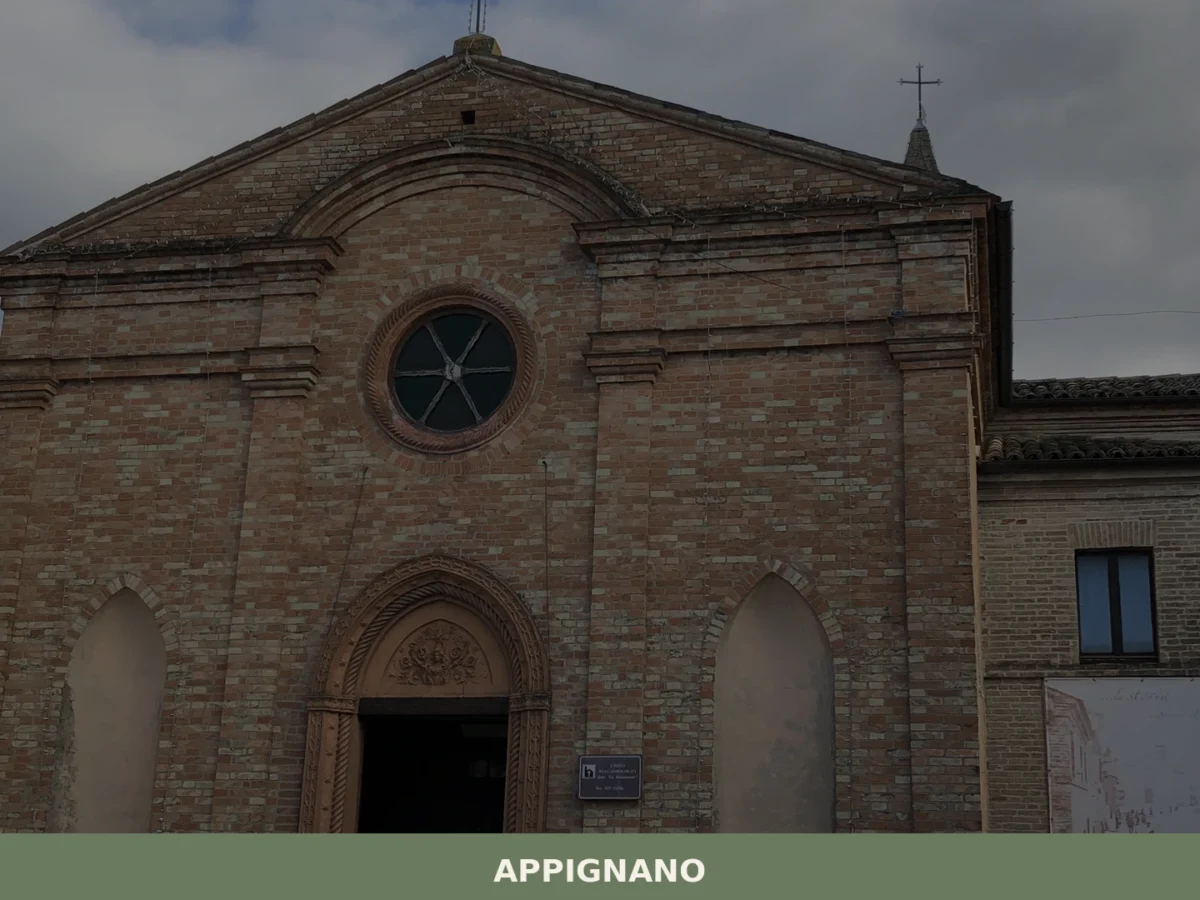
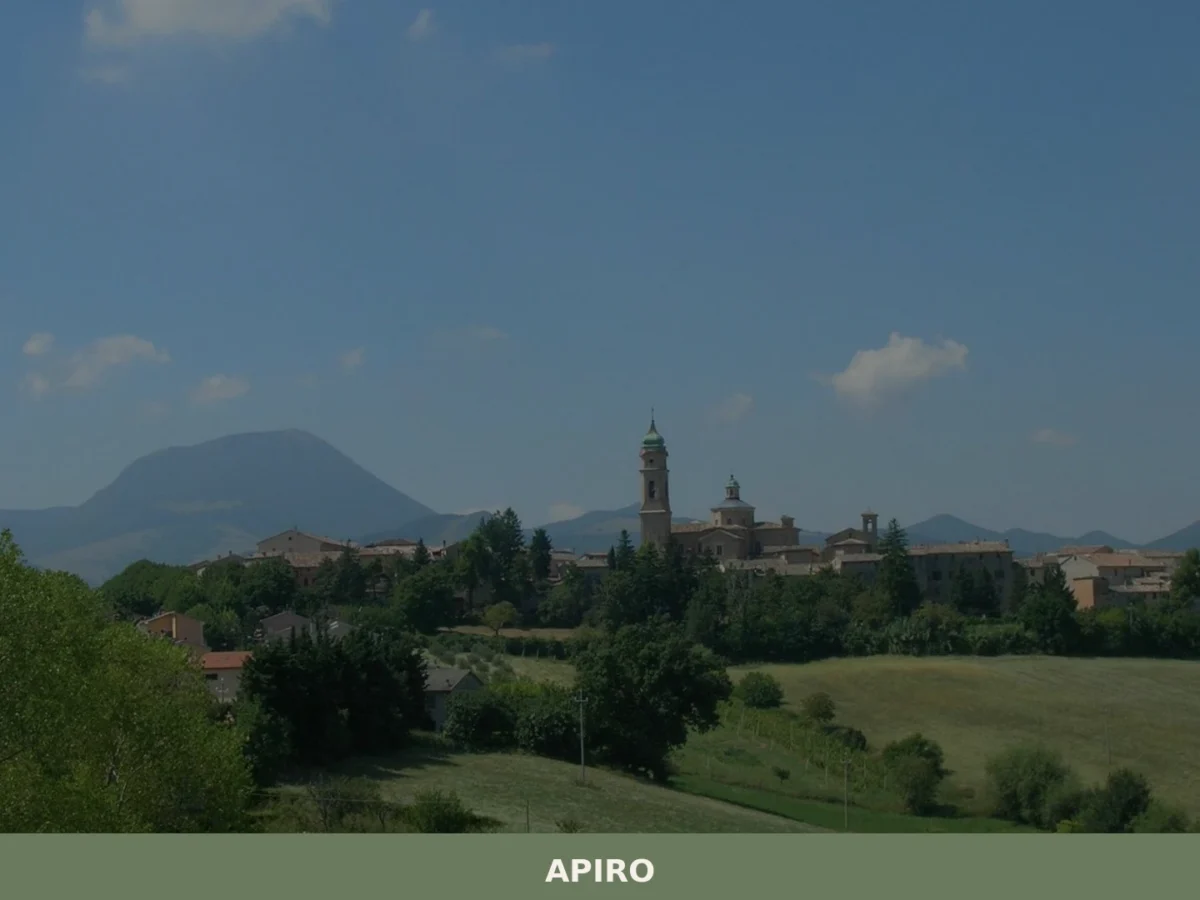

In Marche More villages to discover
Acqualagna
 Plains
Discover what to see in Acqualagna, Marche: the Furlo Gorge, Via Flaminia, white truffle fairs and Apennine woodlands. Practical travel guide to Pesaro e Urbino.
Belforte all’Isauro
 Hills
Hills
Morning light catches the stone walls of the old borgo before it reaches the valley floor, warming the façades to a pale amber. Below, the Isauro river — a modest tributary of the Foglia — moves quietly between wooded banks. With fewer than 800 inhabitants, Belforte all’Isauro occupies a stretch of the upper Montefeltro where […]
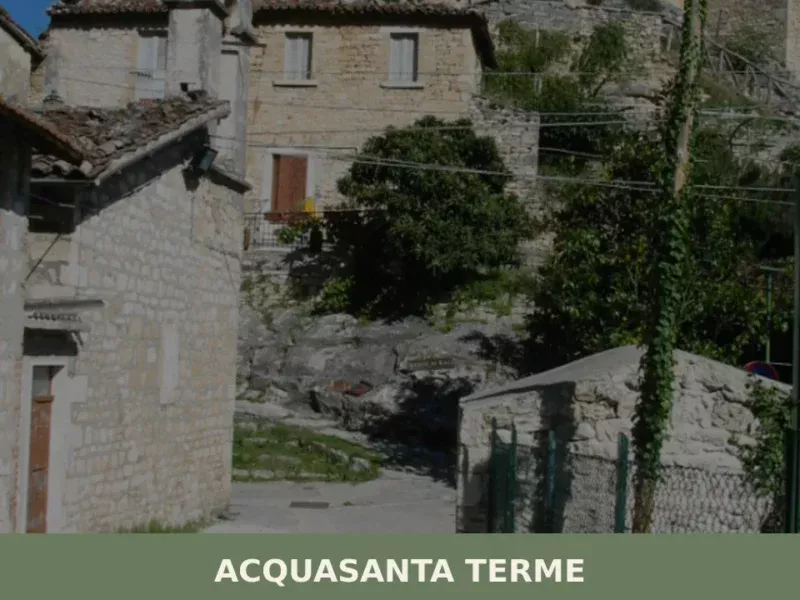
Acquasanta Terme
 Mountain
Discover what to see in Acquasanta Terme: Roman thermal baths, Tronto gorge, medieval hamlets and Apennine landscapes in Marche's Ascoli Piceno province.
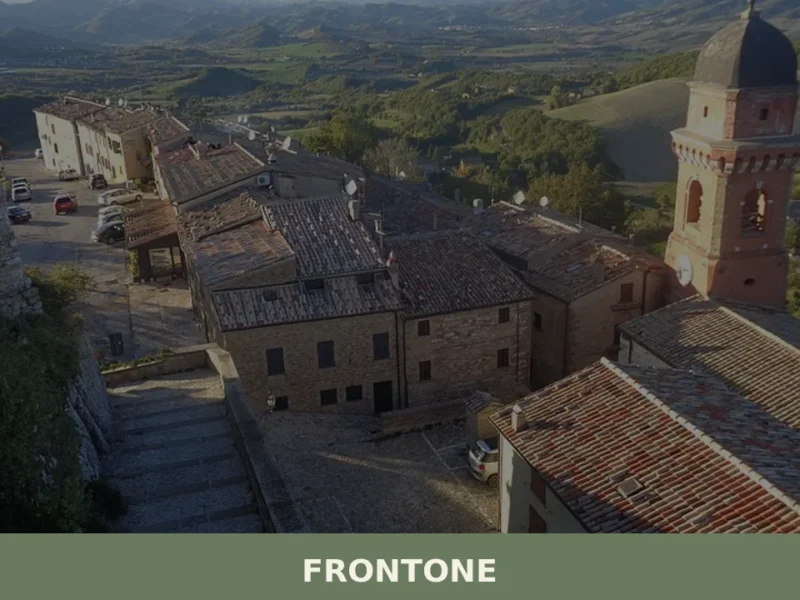
Frontone
Hills
Frontone Castle, whose original structure dates between the 11th and 12th centuries, overlooks the village of the same name, a municipality of 1,218 inhabitants in the province of Pesaro and Urbino. Situated at 412 meters above sea level, Frontone extends along the slopes of Mount Catria, offering a view of the surrounding hilly landscape. Its […]
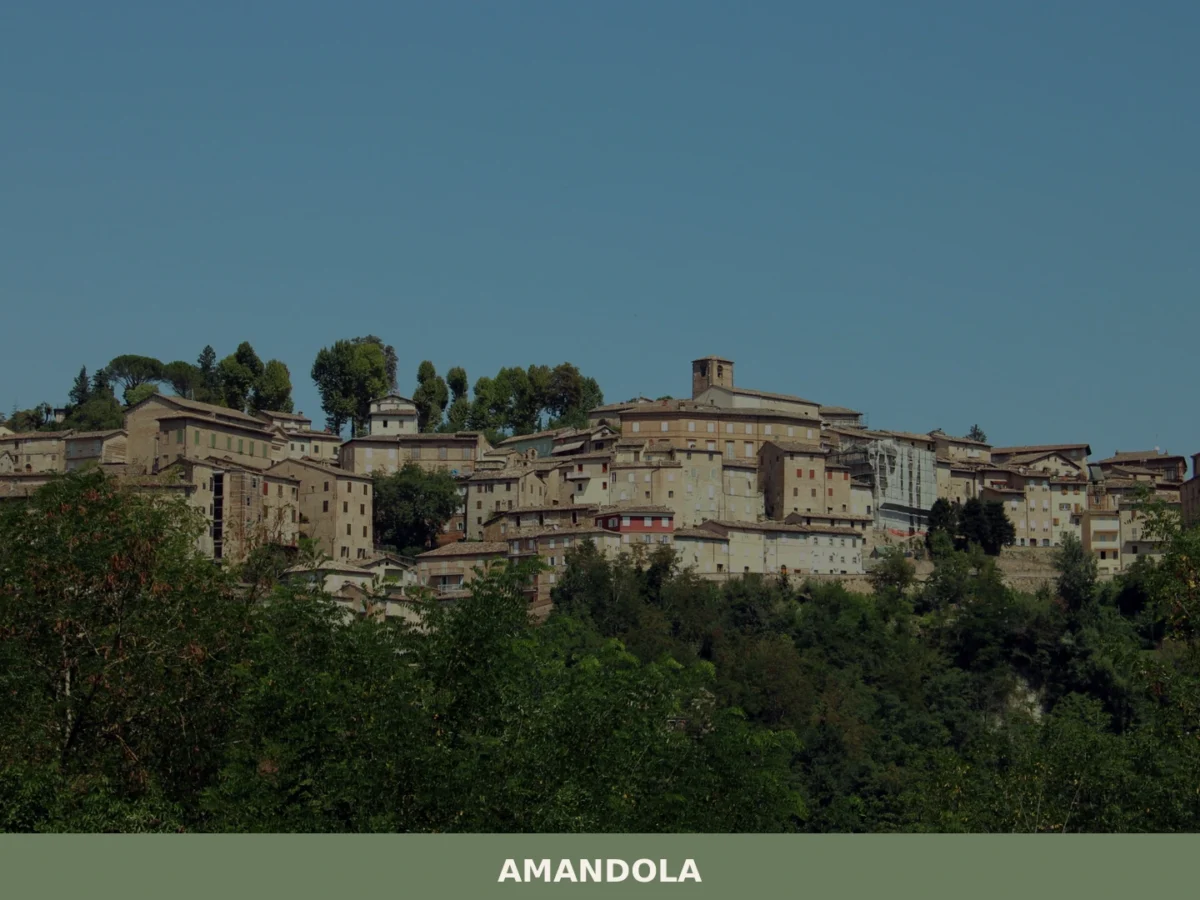
Amandola
Hills
What to see in Amandola: 5 attractions in this Marche village, from the historic centre to the Sibillini Mountains. Discover the complete guide and plan your visit.
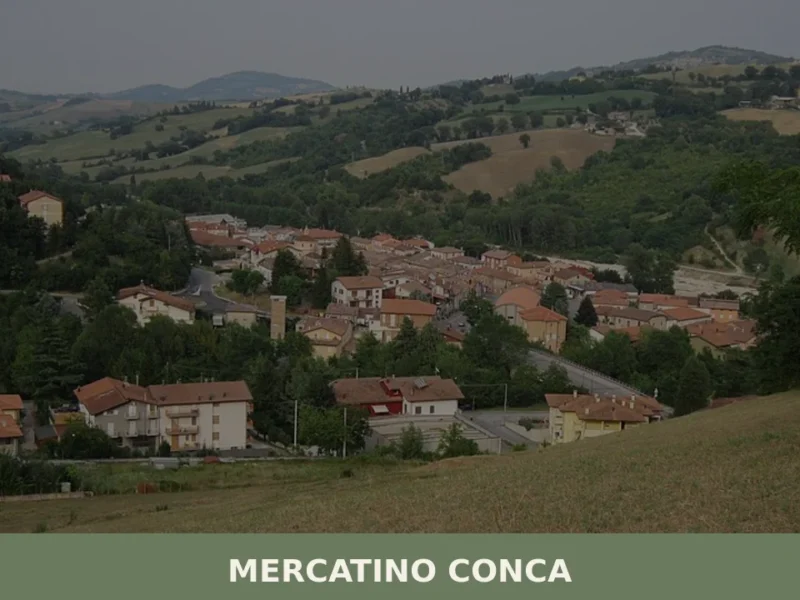
Mercatino Conca
Hills
At 275 meters above sea level, in the province of Pesaro and Urbino, lies Mercatino Conca, a settlement with 1,033 residents. The name itself, “Mercatino” (meaning “little market”), suggests a historical commercial function, likely linked to its position in the Conca river valley, a crossroads for trade and activities since ancient times. For those wondering […]
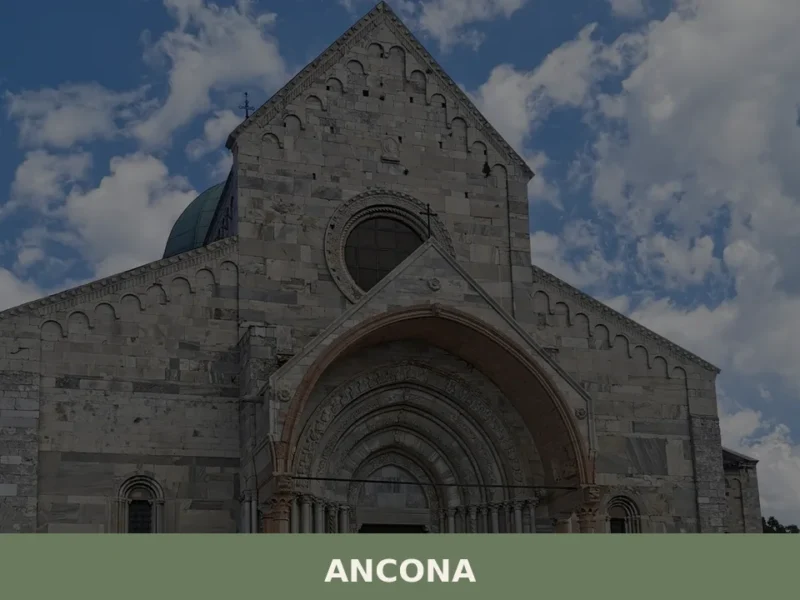
Ancona
Sea
what to see in ancona, a city with 99,000 inhabitants. Discover 5 main attractions like the Duomo di San Ciriaco and Trajan's Arch. Plan your visit.
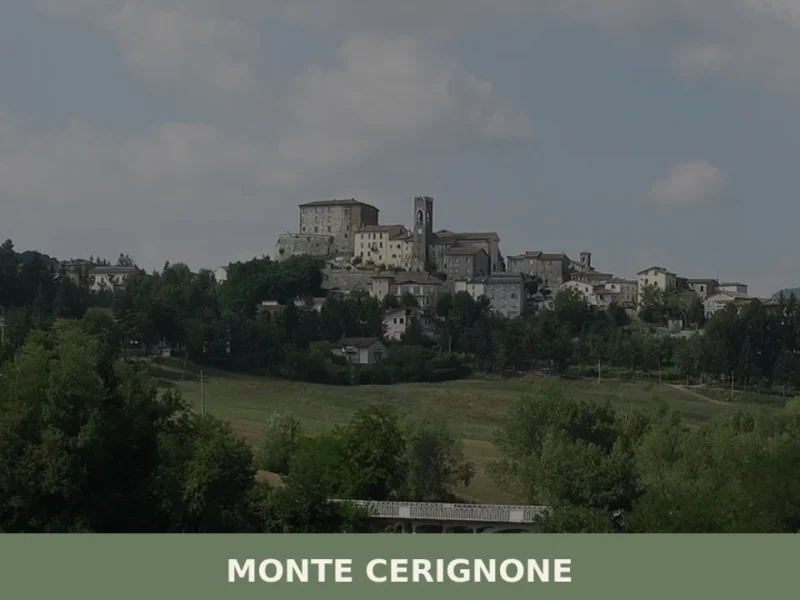
Monte Cerignone
Hills
What to see in Monte Cerignone: discover 5 must-see attractions, from Malatesta Fortress to St. Blaise Church. Plan your trip to this Marche village.
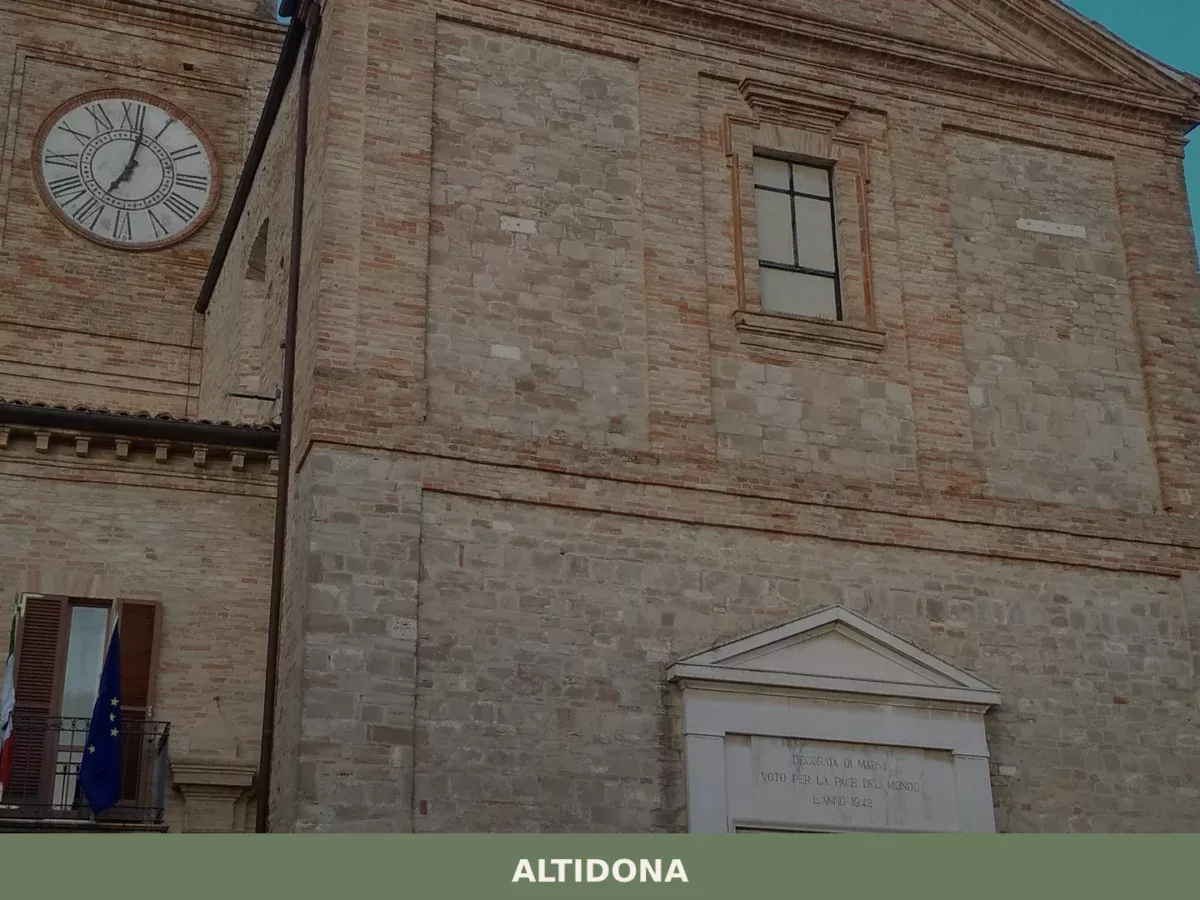
Altidona
Sea
Discover what to see in Altidona, a Marche village in the Province of Fermo. History, attractions, local food, and practical travel tips.
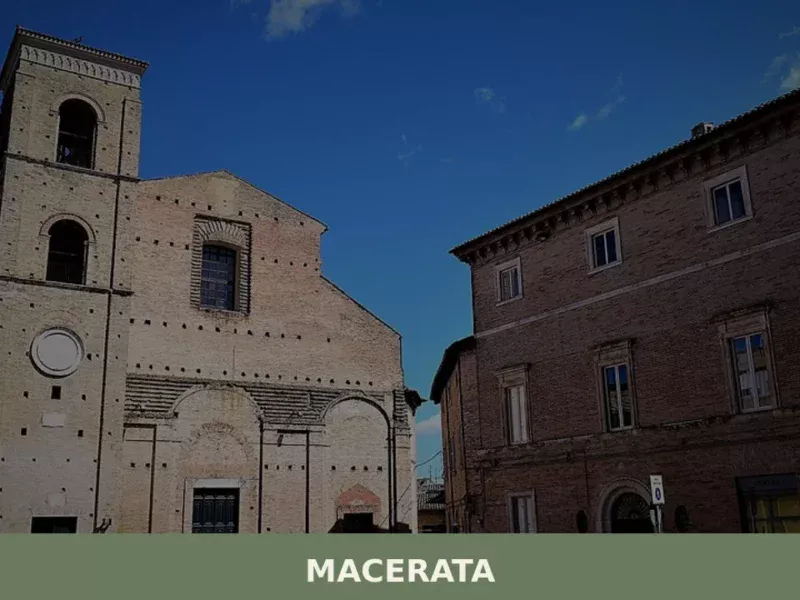
Macerata
Hills
What to see in Macerata: discover the 5 main attractions, including the Sferisterio and Piazza della Libertu00e0. Plan your visit to this Marche village.



🏡 Know Agugliano better than we do?
If you’re a local or have been there, your knowledge matters: add what’s missing or fix a detail on this page.