


Rogeno
 Hills
Hills
 Lake
Lake
3,035 residents, one patron saint, and a village whose families shaped Italian history. Rogeno rewards slow exploration along the southern Brianza.
Rogeno: Between Lake Pusiano and the Lambro Valley
Where the southern shore of Lake Pusiano meets the broad eastern bank of the Lambro river, a stretch of Brianza landscape carries the faint sound of water running over stone. Old mill buildings still stand in the hamlet of Maglio, and the silhouette of a sixteenth-century villa breaks the line of the horizon above a large park. At 292 metres above sea level, the air here is clear and the pace unhurried.
Rogeno, a comune in the Province of Lecco, draws visitors through two distinct pulls: the architectural and artistic weight of its historic centre, and the quiet drama of a territory divided between a lake shore and a river valley. Both deserve more than an afternoon.
A Name Born from Water, a Community Built over Centuries
The name itself points to the landscape. The toponym derives from aruggia, a late-Latin term for a roggia, or irrigation channel. Water, in other words, was the defining feature of this settlement long before the first written records. The hamlet of Casletto, which today forms part of the municipality along the southern bank of Lake Pusiano, is believed to have Celtic origins, though direct documentary evidence for that period remains thin.
By the medieval period the community appears in written sources under the name el locho de Rozeno, recorded within the Squadra di Canzo. Growth was gradual: the village counted just over two hundred inhabitants in 1751, and the population grew in the decades that followed as the fractions of Calvenzana, Maggiolino, and the mill hamlets were counted together. Casletto joined the municipality for a first time in 1809, bringing the combined population to 811, a significant leap that reflected both administrative consolidation and the productive life of the lake shore. That union did not last: Casletto was separated again before being definitively reincorporated in 1928. The census conducted in 1931, following that definitive reannexation, recorded 2,037 inhabitants — for the first time the community exceeded two thousand inhabitants.
The twentieth century brought steady demographic expansion. The population grew steadily through the twentieth and early twenty-first centuries, reflecting Rogeno’s gradual integration into the broader Brianza commuter belt without losing its own distinct administrative identity. The municipal coat of arms and banner carry a design split in red and white — colours that echo the heraldic traditions of the wider Lombard region. One thread connects the village to Italian national history in a way that still surprises visitors: Pope Pius XI had family ties to Rogeno, even though the future pontiff was born in Desio. This connection lends the community a place in the story of the modern Catholic Church.
Stone, Water and Fresco: Places that Define the Village
Parish Church of Saints Cassian and Hippolytus
The main parish church stands at the spiritual and physical centre of the village, dedicated to Saints Cassian and Hippolytus. It was opened for worship in 1536, then substantially reworked in the early twentieth century. Inside, the walls carry frescoes by Luigi Morgari, a notable commission that gives the interior an artistic quality unusual for a village of this scale. The church also preserves a liturgical vestment connected to Achille Ratti — who had family ties to Rogeno and who would later become Pope Pius XI — and the relics of Sant’Ippolito, transferred here in the late eighteenth century from a suppressed Milanese church.
Villa Gadda
Villa Osnago Gadda occupies the centre of the village, its U-shaped plan opening toward a substantial park. The complex comprises three distinct wings, the oldest of which dates to the sixteenth century. It takes its name from Francesco Gadda, and later passed to the Italian politician Giuseppe Gadda, who spent his final years there until his death in 1901. The villa is not a static relic: its park and architecture give the village centre a civic grandeur that sets it apart from neighbouring settlements of similar size.
Monument to Giuseppe Gadda
Near the primary schools and the town hall stands a large bronze bust of Giuseppe Gadda, inaugurated in the presence of Emilio Visconti Venosta and Achille Ratti. A book documenting Gadda’s political career, titled Un Lombardo al servizio dell’Italia unita: Giuseppe Gadda, was published in his memory. The monument anchors a public space that connects the civic and educational life of Rogeno to its nineteenth-century history.
The Water Mills of Maglio
The fraction of Maglio, positioned along the eastern bank of the Lambro, preserves several water mills. Among them, the Mulino Leone dates to the seventeenth century. These structures are not museum exhibits but visible traces of an industrial past built entirely on the force of the river. Walking through Maglio means reading an early form of manufacturing written in brick and stone along the water’s edge.
Church of Saints Mark and Gregory, Casletto
In the lakeside fraction of Casletto, the church dedicated to Saints Mark and Gregory serves both a religious and a territorial function: it sits at the edge of the municipality where Rogeno meets the southern shore of Lake Pusiano. The building gives Casletto its own architectural focal point, distinct from the parish church in the main village, and underlines the dual character of a municipality shaped by both lake and river.
Achille Ratti — who later became Pope Pius XI — had family ties to Rogeno, lending the community a place in the story of the modern Catholic Church.
The Taste of Brianza at the Table
Rogeno sits in the agricultural and food-producing landscape of the Brianza, a zone of Lombardy where smallholding traditions and proximity to both lake and river have historically shaped what arrives on the table. The mills of Maglio ground grain for generations of local households, and the lake shore of Casletto has long been associated with freshwater fishing. These are the raw materials of a local food culture closely tied to the landscape.
Visitors exploring the wider Lecco area will find the Brianza food tradition well represented across the province — Rogeno is a good base for understanding this culinary geography before venturing further.
Planning a Visit to Rogeno
Spring and early autumn offer the most rewarding conditions for exploring the village on foot. The light across Lake Pusiano in April and May is clear without the summer haze, and the park surrounding Villa Gadda is at its best when the trees carry full foliage. Summer remains pleasant at this altitude, though the lakeside fraction of Casletto attracts more visitors during the warmer months.
Rogeno sits within easy reach of several larger centres in the Lombard lake district. Visitors combining the village with the broader cultural itinerary of the Como area or the lakeside communities around Abbadia Lariana will find the distances manageable. If you arrive by car, the village centre is compact enough to explore entirely on foot once you have parked. The fraction of Maglio requires a short drive or a leisurely walk along the Lambro bank.
Rogeno rewards visitors who allow at least a half-day: the parish church, Villa Gadda, the civic monument and the mills of Maglio together form a coherent itinerary that covers both the historical centre and the river fraction.
| Departure | Distance | Time |
|---|---|---|
| Lecco | a short drive | 20 min by car |
| Como | a short drive | 30 min by car |
| Milan | a manageable drive | 50 min by car |
| Bergamo | approx. 35 km | 45 min by car |
The official municipal website at comune.rogeno.lc.it provides up-to-date information on local events, administrative services and any seasonal access changes to the main monuments. Checking it before departure is always worthwhile, particularly if you plan to visit the parish church or the Villa Gadda grounds.
📷 Photo Gallery — Rogeno


In Lombardy More villages to discover

Dalmine
 Plains
7 historic hamlets merged into one municipality. Dalmine offers Roman foundations, a fascist-era urban plan and remarkable World War II air-raid shelters.
Brinzio
Hills
What to see in Brinzio: a village at 510m in the Campo dei Fiori Park, Varese province. Explore 5 attractions, local cuisine, hiking trails and the 29 June Saint Peter feast.
Besano
Hills
What to see in Besano, Italy: Explore the paleontological site and discover village life at 350 m (1,148 ft) a.s.l. Read our guide to Lombardy's unique corners.
Como
Hills
Lake
what to see in como? Explore this city of 83,184 inhabitants. Discover its historic Duomo, Lake Como's beauty, and local cuisine. Read our guide.
Azzio
Hills
What to see in Azzio: discover attractions like the Parish Church and the Path of the Rocks. Explore Azzio now!
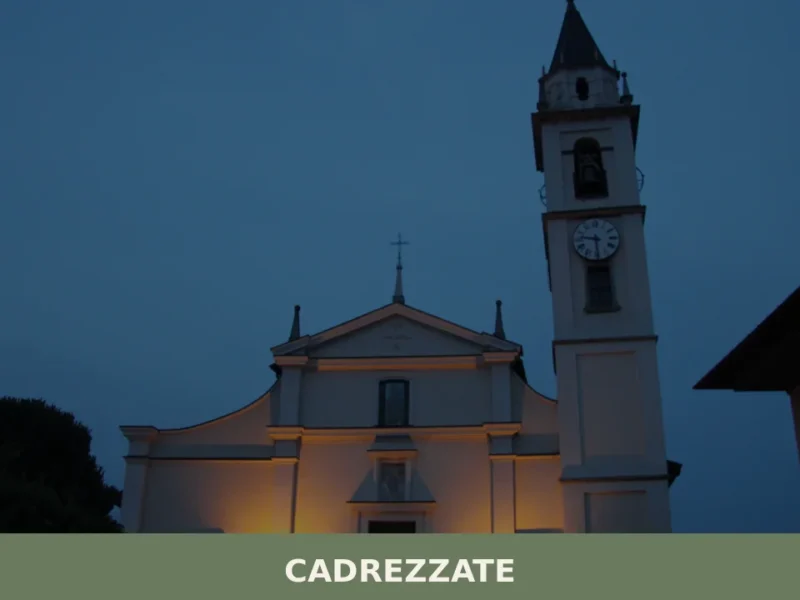
Cadrezzate
Hills
Lake
Cosa vedere a Cadrezzate: borgo a 281m sul Lago di Monate, 1.854 abitanti. Lago limpido, chiesa patronale, sentieri collinari e cucina varesina. Guida completa.
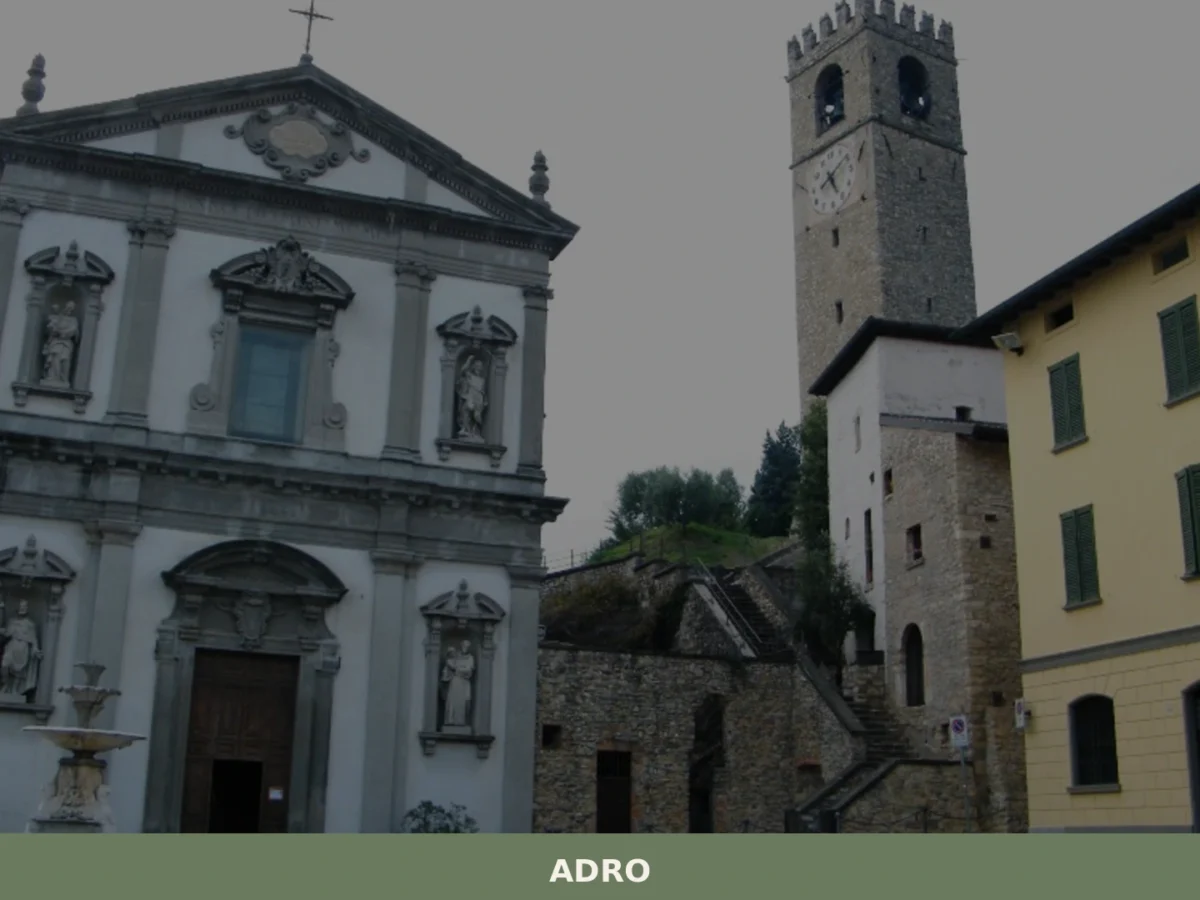
Adro
Plains
What to see in Adro, Lombardia, Italy: explore 5 verified attractions, Franciacorta wines, and a medieval tower. Discover how to get there from Milan.
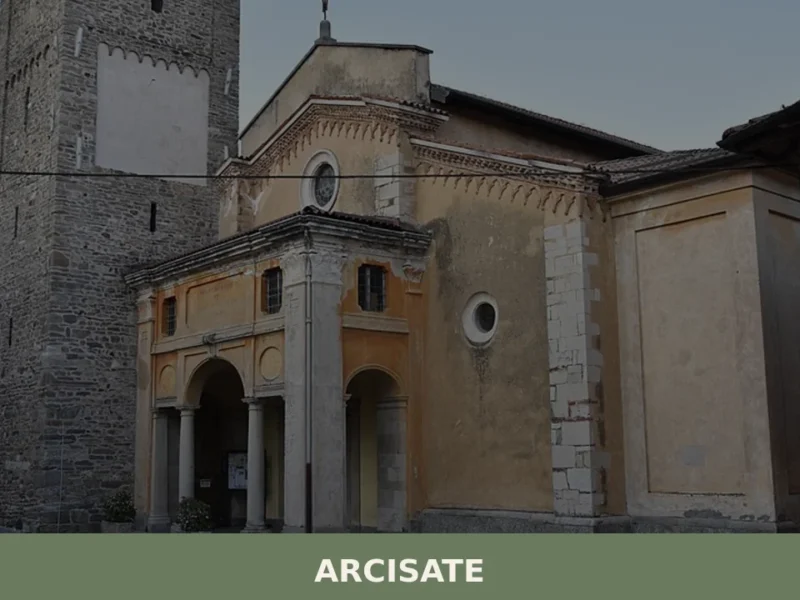
Arcisate
Hills
What to see in Arcisate, Italy: Discover Roman history and hillside views at 372 m a.s.l. Explore the village's main church and its unique past.

Cassano Magnago
Hills
Over 21,000 residents and a documented history stretching back to 1152. Cassano Magnago rewards visitors with a medieval castle, four ancient churches and a rich civic past.
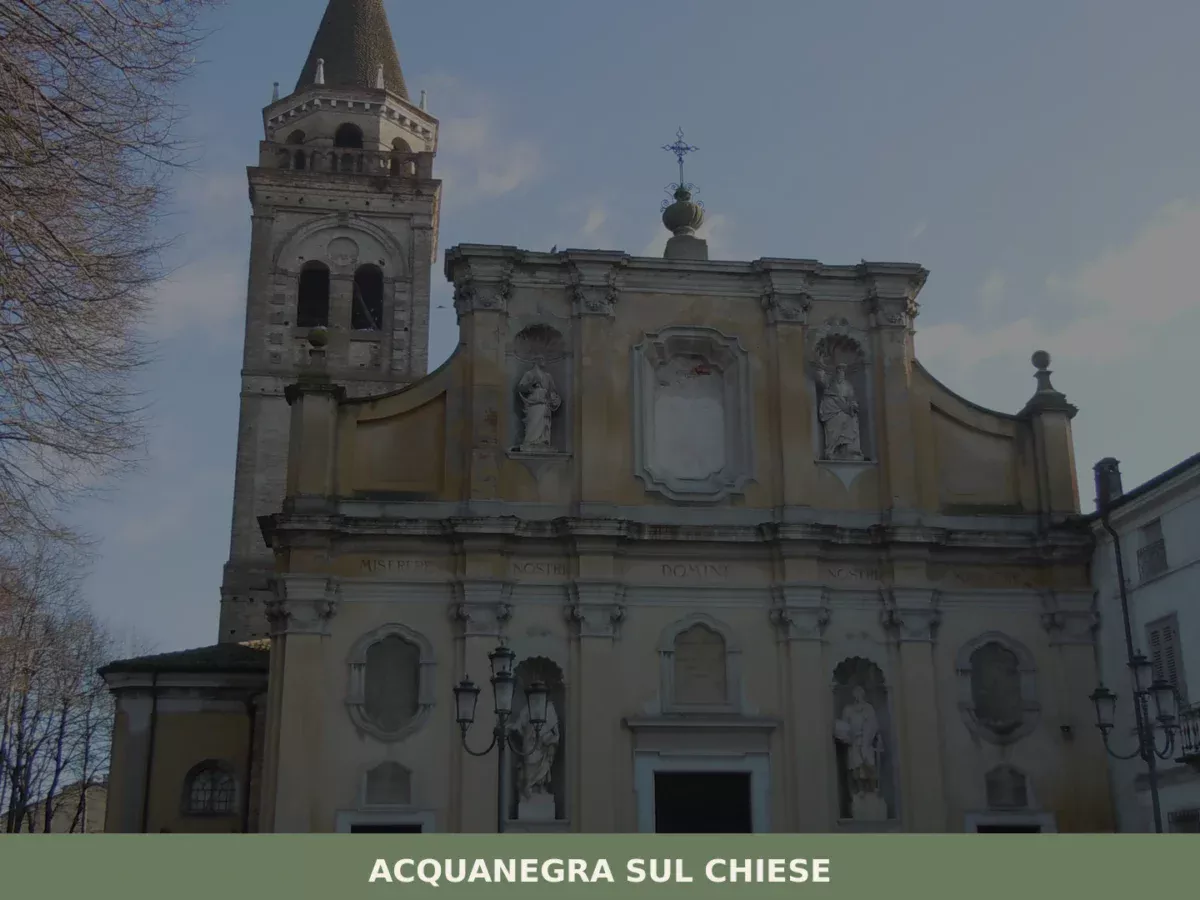
Acquanegra sul Chiese
Plains
What to see in Acquanegra sul Chiese, Lombardia, Italy — 100 km from Milan. Discover 5 top attractions, local food traditions, and how to get there. Explore now.
🏡 Know Rogeno better than we do?
If you’re a local or have been there, your knowledge matters: add what’s missing or fix a detail on this page.