


Borgomasino
 Plains
Discover what to see in Borgomasino, a 776-inhabitant Canavese village near Turin: history, local food, best time to visit and practical travel tips.
Discover Borgomasino
Borgomasino is a comune of 776 inhabitants in the Canavese area of the Metropolitan City of Turin, known in Piedmontese dialect as Burgre and recorded in Latin documents as Bulgarum. Set among the morainic hills that define this corner of northern Piedmont, the village sits at a scale that keeps its civic life readable — a single main square, a parish church, a handful of streets that document several centuries of rural and feudal Piedmontese history. For those asking what to see in Borgomasino, the answer lies in that compactness: architecture, landscape and local food tradition that reward careful attention rather than a rushed itinerary.
History of Borgomasino
The Latin toponym Bulgarum points toward a medieval origin for the settlement, with some scholars connecting the name to communities of Bulgarian or Bulgar-related peoples who moved through northern Italy during the early medieval migrations. Whether or not that etymology is definitive, the Latinised form appears in documents that place Borgomasino firmly within the network of Canavese comuni that developed under Frankish and then feudal administration during the early medieval period. The Canavese was a territory of considerable strategic importance, lying between the Po plain and the Alpine approaches, and its villages were shaped by successive layers of feudal authority.
During the medieval and early modern periods, the Canavese as a whole — and Borgomasino within it — fell under the broader jurisdiction of the House of Savoy as that dynasty consolidated its grip over Piedmont. The village would have functioned as an agricultural settlement within this framework, its economy based on cereal cultivation and viticulture on the morainic soils of the surrounding hillsides. The feudal structure meant that local governance was mediated through noble families granted rights over the territory, a pattern common across the Canavese and documented extensively in the regional archives held in Turin.
The administrative reorganisation of the Kingdom of Sardinia during the eighteenth and nineteenth centuries, followed by Italian unification in 1861, transformed Borgomasino from a feudal commune into a municipality within the unified Italian state. The village was absorbed into the Province of Turin — now the Metropolitan City of Turin — and its population settled into the agricultural rhythms that continued to define Canavese life well into the twentieth century. The retention of both its Piedmontese dialect name Burgre and its Latin designation Bulgarum in local use speaks to the durability of vernacular identity in communities of this size even through successive administrative transformations.
What to see in Borgomasino: 5 must-visit attractions
The Parish Church
The parish church of Borgomasino represents the spiritual and architectural centre of the village, as is typical of Canavese comuni of this scale. Piedmontese rural churches of this region were frequently rebuilt or enlarged between the seventeenth and nineteenth centuries, and the interior typically preserves votive paintings and devotional altarpieces that document local religious patronage across several generations.
The Morainic Hillscape of Canavese
The terrain immediately surrounding Borgomasino belongs to the classic morainic landscape deposited by glacial retreat at the end of the last ice age. The low ridges and hollows create a mosaic of vineyard plots, cereal fields and woodland patches. Walking the local paths gives a clear, ground-level reading of how this geology has determined field boundaries, drainage patterns and settlement positions over centuries.
The Village Centre and Historic Streetscape
The historic core of Borgomasino preserves the compact, courtyard-oriented building fabric characteristic of Canavese agricultural villages. Stone and render construction predominates, with ground-floor arcades in places that once sheltered market activity. The scale — a population of 776 — means the entire built fabric can be walked and read within an hour, revealing how a rural Piedmontese community organised its domestic and commercial space.
Local Vineyard Routes
The morainic soils around Borgomasino support vine cultivation, connecting the village to the broader viticultural tradition of the Canavese. The area is recognised under the Regione Piemonte’s agricultural and tourism frameworks. Walking or cycling through the local vine rows in late September and October, when harvest is underway, gives direct access to a working agricultural landscape rather than a decorative one.
Panoramic Views Toward the Alps and the Po Plain
From the higher points of the morainic ridge on which Borgomasino sits, the view opens north toward the pre-Alpine foothills and south toward the Po plain. On days of good visibility, the arc from Monte Rosa in the west to the massifs above the Valle d’Aosta can be traced clearly — a geographical panorama that explains precisely why this ridge line was settled and fortified during the medieval period.
Local food and typical products
The Canavese table is one of the most coherent and least commercialised expressions of Piedmontese rural cooking, and Borgomasino sits squarely within it. The foundations are familiar across the region — bagna cauda, the warm anchovy-and-garlic dip served with raw and cooked vegetables, is a communal dish with deep roots in the agricultural calendar, eaten in autumn when the new wine arrives. Tajarin, the thin egg-yolk pasta of Piedmont, appears here with local meat ragù or simply with butter and white truffle when the season permits. The truffles of the Canavese and adjacent areas, while less celebrated internationally than those of Alba, are documented within the regional truffle economy overseen by bodies such as the Turismo Torino e Provincia agency.
The Canavese also produces its own DOC wines, most notably Erbaluce di Caluso, a white wine made from the Erbaluce grape on the morainic soils of this precise zone — a wine with enough acidity to cut through the fat-rich local cooking and enough aromatic complexity to be taken seriously on its own terms. Locally produced salumi, particularly those based on pork raised in the Piedmontese countryside, complete the picture. Visitors seeking to eat well in and around Borgomasino should look to agriturismi and small osterie in the surrounding Canavese communes, where seasonal menus reflect what the local farms are actually producing.
Best time to visit Borgomasino
The Canavese has a continental climate moderated by proximity to the Alps: summers are warm and can be humid, winters cold and occasionally foggy across the lower Po plain. The most productive seasons for a visit to Borgomasino are late spring (May and June) and autumn (September through November). In May the vine shoots are emerging and the surrounding countryside is at its most visually articulate — green, clearly structured, readable. In autumn, the harvest season runs from mid-September through October, and the light on the morainic hills is lower and more angular, making the landscape easier to photograph and more atmospheric to walk.
Summer visits are viable but July and August can bring significant heat to the plain below the village. The local calendar of Canavese festivals, including patron saint days and harvest events, is worth consulting through the official municipality website before travelling. Winter brings a quiet that suits visitors interested in the village itself rather than outdoor activity — the food is at its best in the cold months, when braised meats, polenta and the full range of Piedmontese winter cooking come into their own.
How to get to Borgomasino
Borgomasino lies in the Canavese, north of Turin, within the Metropolitan City of Turin. The practical access points are straightforward:
- By car from Turin: Turin city centre is approximately 35–40 kilometres to the south-west. The most direct route uses the SP26 and connecting provincial roads through the Canavese. Journey time is typically 40–50 minutes depending on traffic leaving the city.
- Motorway: The A5 Turin–Aosta motorway provides the main spine for reaching the Canavese from Turin. Exit at Ivrea or at Santhià depending on direction of approach, then follow provincial roads toward Borgomasino.
- By train: The nearest railway station with regular services is Ivrea, on the Turin–Aosta line. From Ivrea, Borgomasino is reachable by local bus or taxi; the two centres are approximately 10–12 kilometres apart by road.
- From Turin Airport (Caselle): Turin Airport (TRN), formally known as Torino Caselle International Airport, is roughly 25–30 kilometres from Borgomasino. Car hire from the airport is the most practical option; the journey takes approximately 30–35 minutes by road.
- From Milan: Milan is approximately 110 kilometres to the east. The A4 motorway connects Milan to Turin; from Turin, follow the Canavese route described above. Total journey time from Milan is around 1 hour 30 minutes by car.
Where to stay in Borgomasino
A village of 776 inhabitants does not support a hotel industry, and visitors should approach accommodation in Borgomasino with that reality in mind. The surrounding Canavese offers a range of agriturismi — farm-stay properties that combine rooms or self-contained apartments with direct access to the agricultural landscape and, in most cases, meals using produce from the property itself. These are the most appropriate and most rewarding form of accommodation for this territory. Self-catering holiday homes in and around the village can also be found through standard rental platforms, and these suit visitors planning an extended stay who want a base from which to explore multiple Canavese comuni.
For those who prefer hotel accommodation with more infrastructure, Ivrea — the historical capital of the Canavese, roughly 10–12 kilometres away — offers a broader range of hotels and guesthouses at various price points. Staying in Ivrea and making day visits to Borgomasino and surrounding villages is a practical strategy, particularly for visitors travelling without a car who want access to railway connections. Booking well in advance is advisable for visits during the harvest season (September–October), when demand for Canavese accommodation increases significantly.
More villages to discover in Piemonte
The Canavese and the broader arc of northern Piedmont between Turin and the Po contain a series of communes that repay the same kind of attention as Borgomasino. Foglizzo, to the south in the same provincial area, shares the morainic and agricultural character of this corner of Piedmont and offers its own reading of how a small Canavese commune has organised its built fabric and civic life. Further along the Po corridor, Monteu da Po sits at the point where the river itself becomes the defining geographical element, its history tied directly to river crossing, trade and the shifting political boundaries that the Po marked for centuries.
For those interested in the hill communities above the Po plain, Casalborgone occupies a ridge position with views over the river valley that have made it strategically significant since medieval times. And to the north-west, where the Canavese begins its ascent toward the pre-Alpine zone, Brosso represents a different dimension of Piedmontese rural life — a mountain commune whose history of mining and transhumance sets it apart from the lowland agricultural villages of the plain. Together, these four communes map out a significant portion of the geographical and historical variety available within a short radius of Borgomasino.
Frequently asked questions about Borgomasino
How do I reach Borgomasino by car from Turin?
Borgomasino is located in the Metropolitan City of Turin, approximately 40 kilometers north. From Turin, take the A5 motorway toward Aosta and exit at Quincinetto or Castellamonte, then follow regional roads toward Canavese. The journey takes roughly 50–60 minutes depending on traffic. The village is accessible via provincial roads through the morainic hills of northern Piedmont.
When is the best time to visit Borgomasino?
Spring (April–May) and early autumn (September–October) offer pleasant weather for exploring the village and surrounding Canavese landscape. The patron saint feast, Trasfigurazione del Signore (Transfiguration of the Lord), celebrated on August 6, brings local religious ceremonies and traditional activities. Summer is warm but can be crowded; winter is quiet but often damp in the plains.
How long should I plan to spend in Borgomasino?
A half-day visit (2–3 hours) is sufficient to explore the compact village center, including the main square, parish church, and historic streets. For those interested in local food traditions and the surrounding morainic hills, a full day allows for leisurely walks and meals at local establishments. The village rewards careful, unhurried attention rather than rushed sightseeing.
What is the nearest railway station to Borgomasino?
The closest major railway station is in Ivrea, approximately 15 kilometers away, on the Turin–Aosta line. From Ivrea station, you can reach Borgomasino by car (20–25 minutes) or local bus services serving the Canavese area. Check Trenitalia and regional transport operators for current schedules and connections.
Is there parking available in Borgomasino?
As a small village of 763 inhabitants, Borgomasino has modest parking facilities near the main square and central streets. Parking is generally free and accessible. During the patron saint feast in August, parking may be limited due to increased visitor numbers, so arriving early is advisable.
📷 Photo Gallery — Borgomasino


In Piedmont More villages to discover
Campiglione Fenile
Plains
Fifteen kilometres separate Campiglione Fenile from Pinerolo, and that distance is enough to create a perceptible shift: the noise of the city gives way to the compact silhouette of Piedmontese farmsteads, to the double-pitched roofs that cut across the Po Valley sky towards the Cottian Alps. In this article History and origins of Campiglione Fenile […]

Perosa Canavese
Plains
Discover what to see in Perosa Canavese, a 495-inhabitant village in the Canavese area of Piemonte. History, food, travel tips and how to get there.
Balme
 Mountain
What to see in Balme, a village at 1,432 m in the Valle di Viù (TO): the historic centre, high pastures, the Alpi Cozie Park, local food and practical tips for your visit.
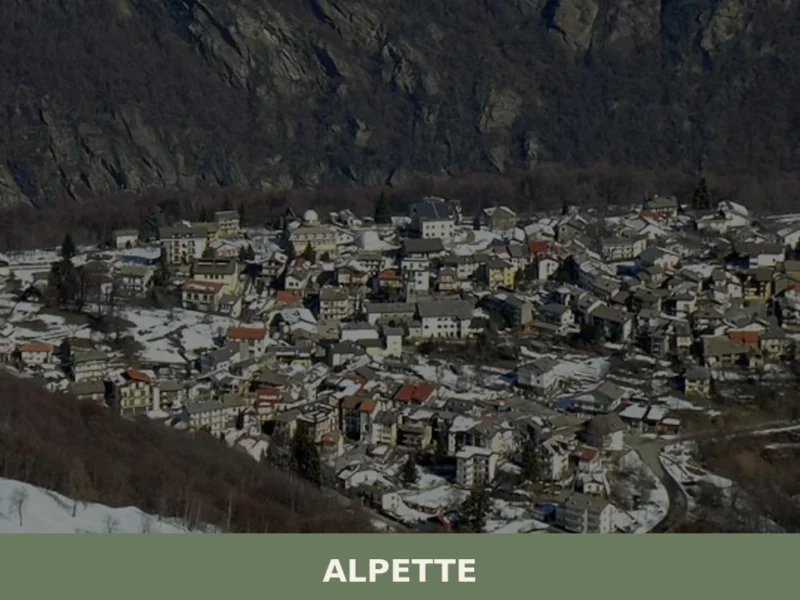
Alpette
Mountain
At 957 metres above sea level, on the eastern slope of Gran Paradiso, Alpette has 251 inhabitants spread between the central settlement and a handful of hamlets scattered along the pastures that climb towards Cima Quinzeina. Those looking into what to see in Alpette will find a village built almost entirely from local stone and […]
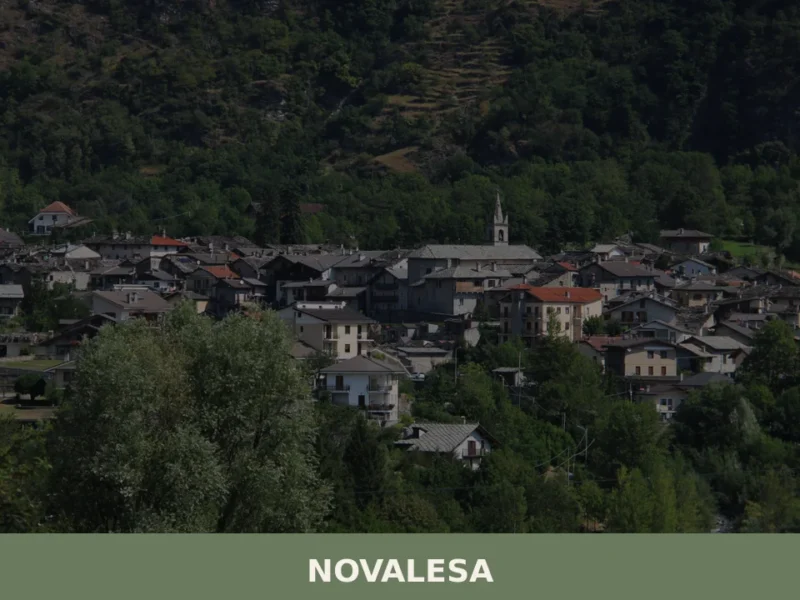
Novalesa
Mountain
Scopri Novalesa, affascinante borgo medievale del Piemonte: storia, abbazia e paesaggi mozzafiato in Valle di Susa. Visita questo gioiello nascosto!
Osasco
Plains
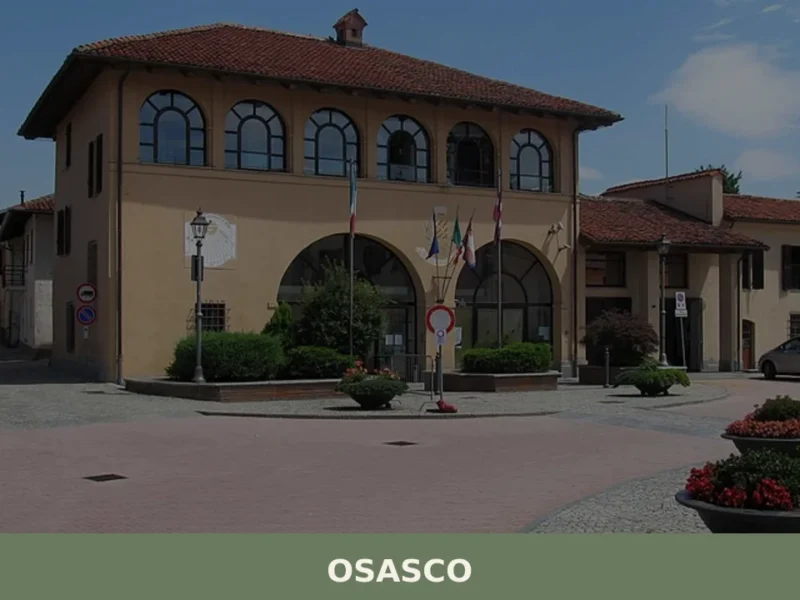
Osasco is a comune of 1,161 inhabitants in the Metropolitan City of Turin, sitting in the Piemonte region of northwestern Italy. Known in the local Piedmontese language as Osasch, the village occupies a modest position in the hills and plains south of Turin, one of dozens of small agricultural and residential communes that form the […]
Vercelli
Plains
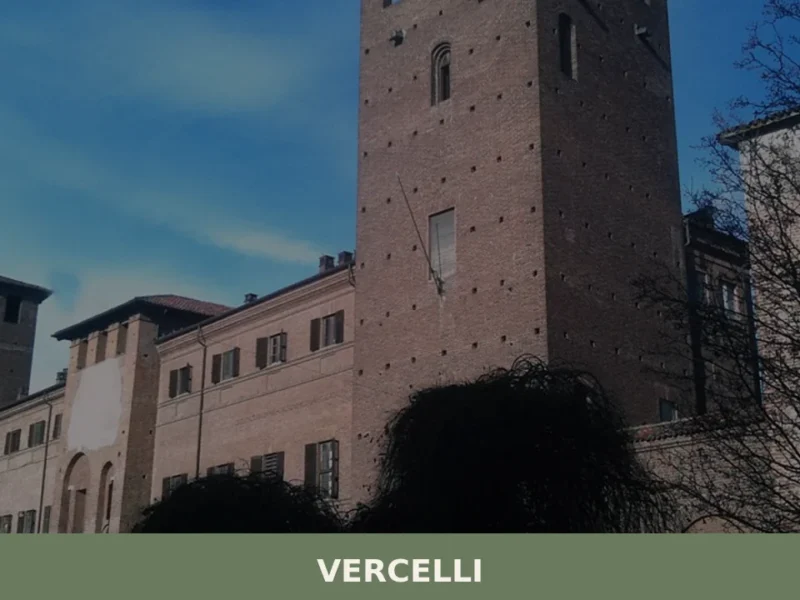
What to see in Vercelli: rice capital at 130 m in Piedmont. Basilica di Sant'Andrea, Museo Borgogna, panissa and flooded paddies. Plan your visit now.
Candia Canavese
 Hills
Hills
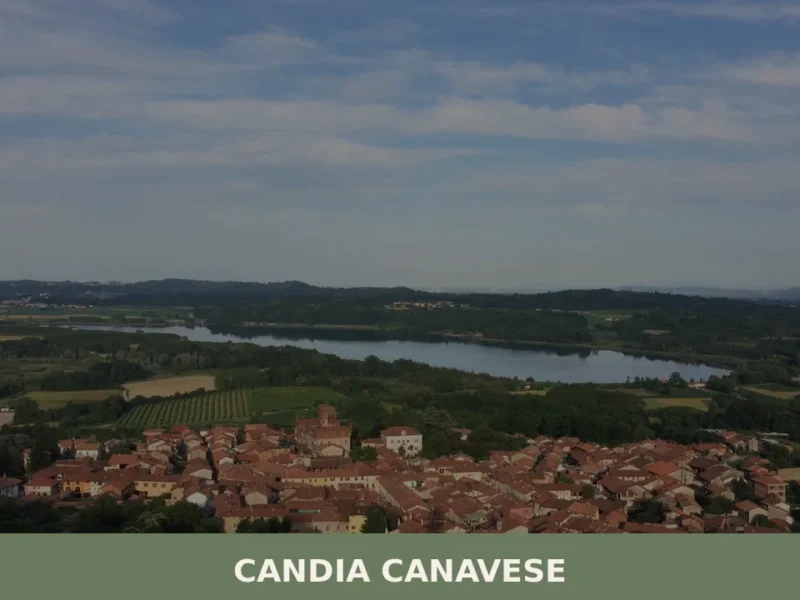
Scopri Candia Canavese, il gioiello del Piemonte affacciato sul lago. Storia, natura e tradizioni ti aspettano in questo borgo incantevole del Canavese.
Moriondo Torinese
Hills
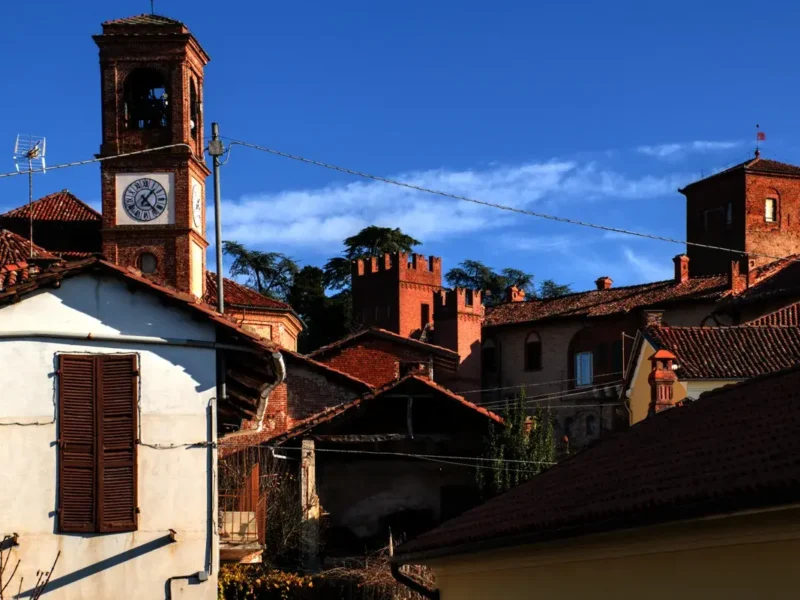
Scopri Moriondo Torinese, un affascinante borgo del Piemonte ricco di storia, natura e tradizioni. Lasciati conquistare dalla sua bellezza autentica!
Almese
Hills
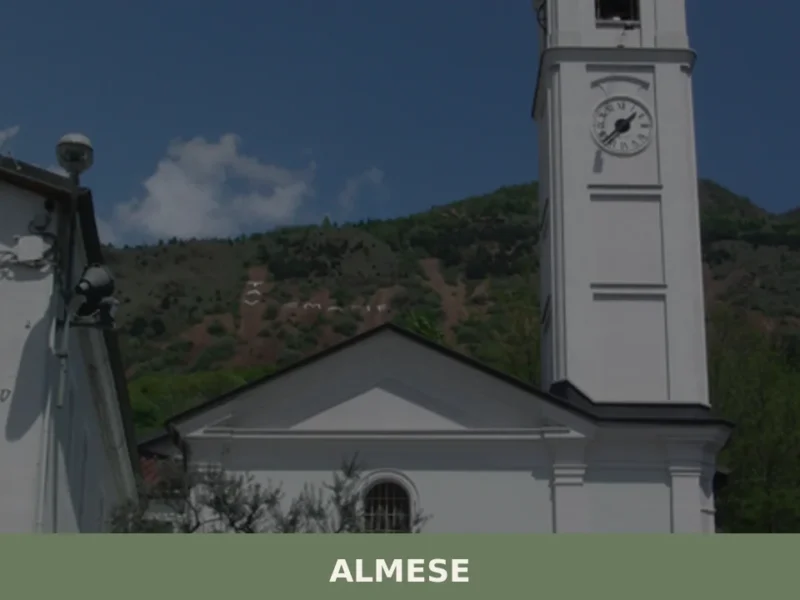
In 1029, a document from the Abbey of Novalesa recorded the name Almese for the first time, linked to a series of land holdings in the lower Val di Susa. That place name — probably derived from a Celtic or pre-Latin word connected to alpine pastures — appears in a territory that already served as […]

🏡 Know Borgomasino better than we do?
If you’re a local or have been there, your knowledge matters: add what’s missing or fix a detail on this page.