


Cassano Magnago
 Hills
Hills
Over 21,000 residents and a documented history stretching back to 1152. Cassano Magnago rewards visitors with a medieval castle, four ancient churches and a rich civic past.
Cassano Magnago: a Lombard Town Between Ancient Stones and Living Waters
A shallow torrent runs beneath the main streets, invisible to anyone walking above it. The Rile — which rises in the hills near Caronno Varesino, passes under the town centre below road level, then reappears south of the built-up area to flow in a straight line toward Busto Arsizio — sets the rhythm of this Lombard town better than any monument could. The land here shifts in altitude between 242 and 321 metres above sea level, a gentle but perceptible roll of terrain that gives the townscape an unexpected variety of angles and light.
Cassano Magnago, a town of about 21,326 inhabitants in the Province of Varese, sits in a position that has attracted settlers, traders and armies for well over two thousand years. Two things draw culturally curious visitors today: a medieval castle that has survived, in part, since the thirteenth century, and a cluster of ancient churches that document every phase of the town’s religious and civic life. Together they make a visit feel grounded in something specific rather than generic.
From Celtic Roots to Risorgimento: the Long Biography of a Lombard Town
The name itself contains a small debate. According to established dictionaries of Lombard place names, Magnago derives from a Latin landowner called Manius or Magnius, with the possessive suffix -acus, while Cassano traces back to a contrata Santa Maria apud Cerro Cassani, from the Latin family name Cassius. The linguist André Martinet, who held a chair at the Sorbonne, proposed a different reading: that cassano comes from the Gaulish word for oak, *kastano-s. This alternative reading gains weight from the fact that an ancient cerro — a Turkey oak, Quercus cerris — stood at the centre of what is now Piazza Santa Maria, one of the oldest public spaces in the town. The square’s old dialect name, Valascia, has been linked by some scholars to a Sanskrit term for a spiritual centre, suggesting the site held sacred significance long before Christianity arrived in the region.
The material record of human presence here goes back further still. An ash urn recovered locally and dated to somewhere between 600 and 450 BC connects the area to the cultura di Golasecca, the Iron Age civilisation that occupied much of what is now Lombardy and Piedmont. Later, the zone between the Ticino and the Adda rivers became Insubrian territory, and the Roman author Livy, in his Annales, describes the fierce resistance of the Insubri in the hill country of the Varese and Como area during the second century BC. Roman-period burials and bronze coins have also been found on the site, confirming a continuous occupation across several centuries. The earliest written document that mentions the town dates to 1152, and a thirteenth-century source — the Liber Notitiae Sanctorum Mediolani by the canon Goffredo da Bussero — records four churches already active at that time.
The seventeenth century brought the plague that Alessandro Manzoni described in such detail in his novel, and Cassano Magnago was not spared. The town had already shown solidarity when neighbouring Busto Arsizio was struck first, in December 1629, contributing bread, eggs, legumes and straw. By 1630 the epidemic had reached the town itself, and among its victims was the parish priest of Santa Maria del Cerro, Francesco Pellegatta. Later that same century, on 7 February 1690, Giovan Battista Maino was born in the San Giulio quarter, the seventh child of Bartolomeo Maino and Margherita Borsa. He would go on to become a significant figure in the sculpture of his time. In the nineteenth century the town participated actively in the Risorgimento: in March 1859 residents clashed with pro-Austrian neighbours from Cardano and Verghera in an episode known locally as the Rivoluzione delle Bandiere, and in 1860 Daniele Carabelli, a native of Cassano, served as trumpeter with Garibaldi’s Thousand at the battle of Calatafimi.
According to accounts of the expedition, Daniele Carabelli served as trumpeter at the battle of Calatafimi and was noted for sounding his instrument without interruption throughout the engagement.
Stones, Squares and Water: the Places That Define the Town
The Castle and its Medieval Core
In 1287 Archbishop Ottone Visconti ordered the destruction of the fortress at Castelseprio and had a castle built in Cassano Magnago that still stands today. A marble likeness of the archbishop was once set into the castle walls, but it almost certainly disappeared when the structure was rebuilt in 1808 at the behest of the Del Pozzo family. Of the original thirteenth-century construction, only the northern entrance has survived intact. The building sits as a tangible marker of the Visconti reach across the Varese hinterland, and the layering of medieval stonework beneath later renovations is visible to anyone who pauses to look closely at the fabric of the walls.
Piazza Santa Maria and the Ancient Oak
The square in front of the church of Santa Maria is one of the oldest gathering points in the town. The Turkey oak that stands here was already present in Celtic times, and for the Insubrian population the site appears to have carried a sacred function. The square’s dialect name, Valascia, preserves a memory of that pre-Christian significance. Today the space works as a quiet civic anchor, far removed from the volume of traffic on the main roads, and it rewards a slow visit at almost any hour of the day.
The Church of Santa Maria del Cerro
Recorded among the four churches cited by Goffredo da Bussero in the thirteenth-century Liber Notitiae, Santa Maria del Cerro takes its name directly from the oak beside it. The building’s history runs continuously from the medieval period through the Counter-Reformation and into the modern era. Its most documented moment of civic pain came in 1630, when the plague claimed the life of the serving parish priest, Francesco Pellegatta. Visitors arriving from the castle can reach the church on foot in a few minutes, moving between two layers of the town’s past in a single short walk.
The Church of San Giulio
San Giulio is the parish church associated with the quarter of the same name, which in the fifteenth century was referred to in documents as contrata Magnaghi. The building contains a marble statue of Giovan Battista Maino, produced by his brother-in-law Domenico Scaramucci and based on a plaster model by Maino himself. The Crespi family, a notable local lineage, gave the parish three consecutive rectors — Bernardino, Gaspare and Donato — whose tenures spanned the sixteenth century, reflecting the continuity of certain families in the town’s religious governance across several generations.
The Rile Torrent and the Boza Lake
The hydrography of Cassano Magnago is more complex than a first glance suggests. The Rile runs underground through the centre, receives the waters of the Riofreddo stream to the north, and flows south toward Busto Arsizio. Near the sports complex at Milanello — two thirds of which falls within the municipal territory of Cassano — a series of containment basins was built in recent years to protect the town from flooding. To the south-west, the Tenore torrent crosses the fields independently before joining the Rile near Busto Arsizio. The Boza lake, originally a clay quarry, is now a LIPU wildlife reserve whose drainage feeds into the valley of the Arno torrent. This network of waterways gives the landscape a quieter, more varied character than the built-up streets alone would suggest.
Fields, Crafts and the Table: What the Land Has Produced
For much of its modern history, Cassano Magnago sustained itself through agriculture centred on viticulture and grain production. In the decades after Italian Unification, this agricultural base gave way to industrial activity: brick-making — favoured by the local clay-rich soil — expanded significantly under industrialist Eugenio Cantoni, and goldsmithing also developed as a local trade. The transition reshaped the social fabric of the town and gave rise to new forms of association, including a workers’ mutual aid society founded in March 1873.
The legacy of that agricultural past remains present in the wider landscape of the Varese plain, where cereal fields and vine-planted slopes still alternate with industrial and residential areas. Visitors who explore the territory on foot or by bicycle during the autumn harvest season will find the countryside around the Rile valley at its most productive and most varied. Local markets and small producers continue to reflect the mixed economy that has characterised this corner of Lombardy since the nineteenth century.
Planning a Visit: Seasons, Access and Nearby Villages
The town is accessible throughout the year, but the periods between April and June and between September and October offer the most comfortable conditions for walking between the castle, the churches and the river paths. Summer heat in the Po basin can make the midday hours heavy, and outside the historic centre there is little shade. In winter the Lombard fog that settles over the plain between Varese and Milan gives the town a different, more contemplative atmosphere, well suited to a slower visit focused on interiors and archives.
If you arrive by car, the main connection is via the SS341, with the A8 motorway providing access from Milan and Varese. The nearest railway stations serve the broader Varese network. Visitors looking to extend their itinerary across the province will find several neighbouring villages worth the detour. To the north, Varese anchors the whole provincial territory. To the east, Azzate and Albizzate offer their own smaller-scale historic centres. Those interested in early medieval archaeology will want to consider Arsago Seprio, where the remains of Castelseprio — the very fortress that Archbishop Visconti destroyed in 1287 — are located outside the municipal boundary of Cassano but form an essential part of the wider territorial context. The village of Brunello lies a short distance to the north-east.
| Departure | Distance | Time |
|---|---|---|
| Milan (city centre) | approx. 38 km | 35-45 min by car |
| Varese | approx. 14 km | 20-25 min by car |
| Malpensa Airport | approx. 13 km | 15-20 min by car |
| Busto Arsizio | approx. 7 km | 10-15 min by car |
The official municipal website at comune.cassano-magnago.va.it carries current information on opening hours for civic buildings and local events. The patron saint’s feast, Santa Croce, marks one of the key dates in the local calendar and typically draws residents back to the historic centre for a day that is as much about civic identity as religious observance.
Frequently asked questions about Cassano Magnago
Come si raggiunge Cassano Magnago in treno o in auto?
In auto, Cassano Magnago è raggiungibile dall'autostrada A8 Milano-Varese, uscita Busto Arsizio o Gallarate, a pochi chilometri dal centro. In treno, la stazione più vicina è Busto Arsizio, servita da Trenord sulla linea Milano-Varese; da lì si prosegue in autobus. La stazione di Gallarate, con collegamenti Malpensa Express, dista circa 7 km. Il paese è ben collegato anche con autobus provinciali della rete CTPI di Varese.
Quando si svolge la festa patronale di Santa Croce a Cassano Magnago?
La festa patronale di Santa Croce si celebra il 14 settembre, data in cui la Chiesa cattolica commemora l'Esaltazione della Santa Croce. È l'appuntamento principale del calendario civico locale, con celebrazioni religiose e iniziative comunitarie. Settembre è anche una stagione particolarmente piacevole per visitare la zona collinare del Varesotto, con temperature miti e paesaggi ancora verdi prima dell'autunno.
Esistono percorsi naturalistici o ciclabili nei pressi di Cassano Magnago?
Nelle vicinanze si trova una riserva naturale gestita dalla LIPU ai margini del paese, accessibile a piedi e adatta all'osservazione faunistica. Il territorio collinare del Varesotto è attraversato da percorsi ciclopedonali collegati alla rete provinciale. La Greenway del Sempione e i tracciati lungo il fiume Olona, distante pochi chilometri, offrono ulteriori opportunità per escursioni a piedi o in bicicletta nella pianura padana settentrionale.
Quanto tempo è consigliabile dedicare a una visita di Cassano Magnago?
Una visita al centro storico, comprendente il castello ottocentesco, la piazza principale e i principali edifici sacri, richiede circa due-tre ore. Aggiungendo una sosta alla riserva LIPU e una passeggiata lungo il torrente Rile nel tratto in cui riemerge a sud del centro, mezza giornata è sufficiente. Chi desidera esplorare anche i comuni limitrofi del Varesotto può organizzare una giornata intera partendo da Cassano Magnago come base.
📷 Photo Gallery — Cassano Magnago


In Lombardy More villages to discover
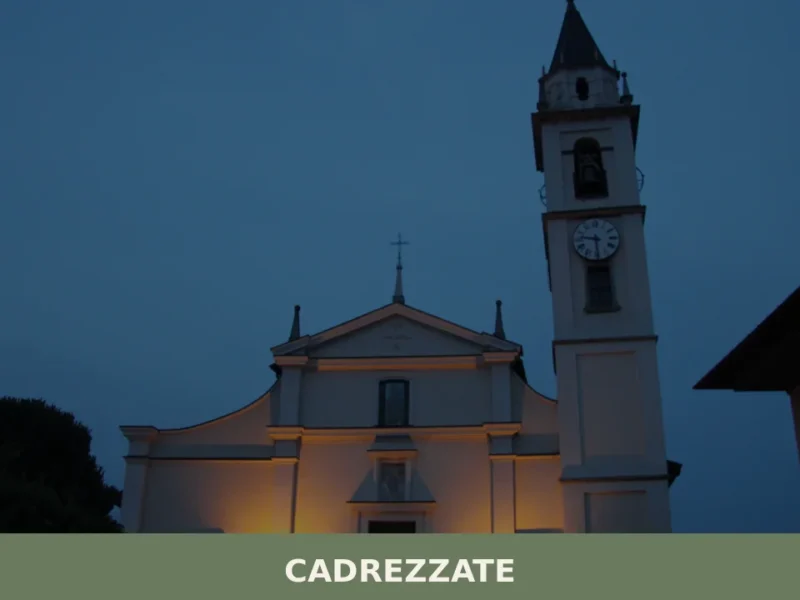
Cadrezzate
Hills
 Lake
Lake
Cosa vedere a Cadrezzate: borgo a 281m sul Lago di Monate, 1.854 abitanti. Lago limpido, chiesa patronale, sentieri collinari e cucina varesina. Guida completa.
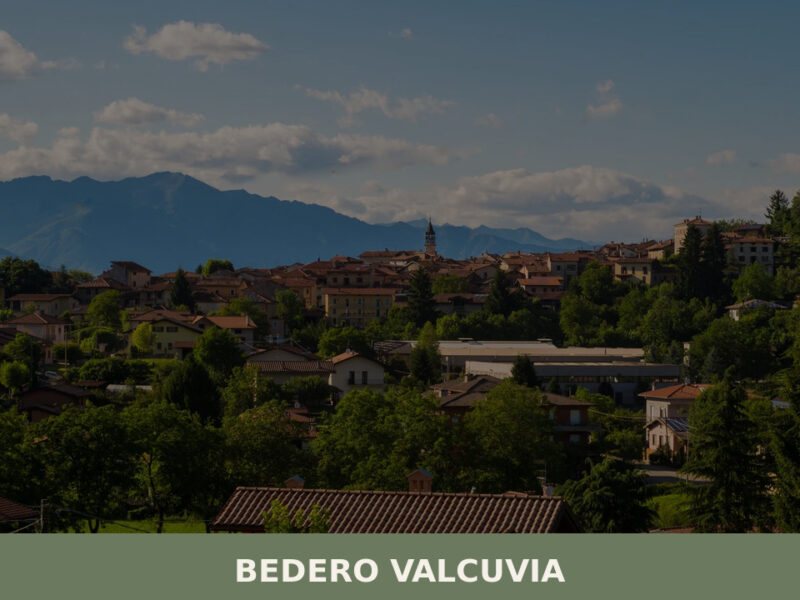
Bedero Valcuvia
 Plains
Morning light reaches Bedero Valcuvia in stages — first the bell tower of the parish church, then the stone walls along Via Roma, and finally the gardens where fig trees press against iron railings. The village holds 680 residents in the broad green trough of the Valcuvia, a valley running between Lake Maggiore and Lake […]
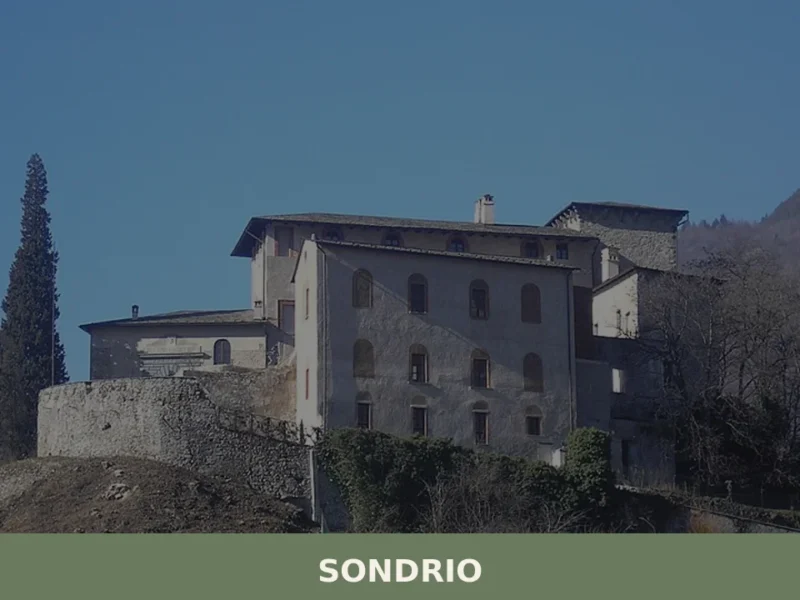
Sondrio
Hills
What to see in Sondrio? Located at 298m altitude, discover Castello Masegra and the Collegiata dei Santi Gervasio e Protasio. Explore this Valtellina capital.
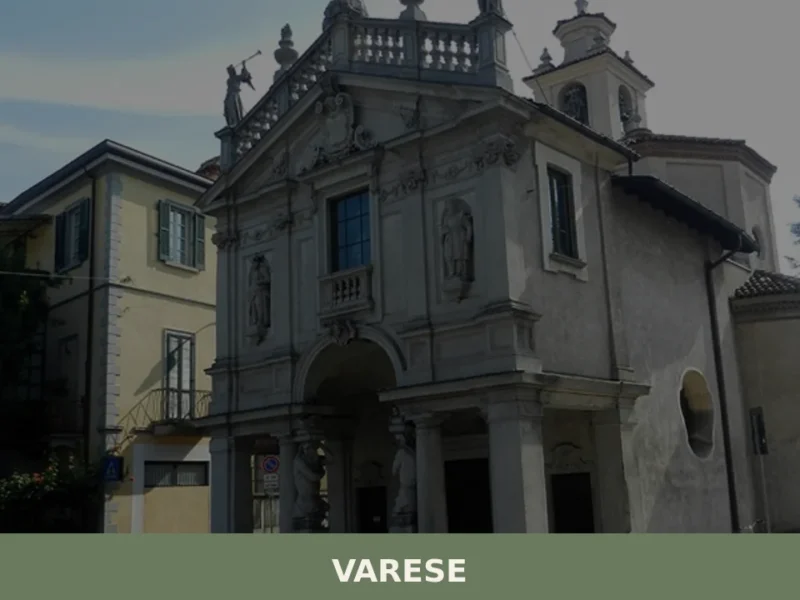
Varese
Hills
Lake
Varese, a Lombard city with a population of 78,409 inhabitants, stands at 382 m above sea level and is distinguished by its strategic position between lakes and pre-Alps. This locality, capital of the eponymous province, offers a rich historical and natural heritage that attracts numerous visitors every year. In this article History and Origins of […]
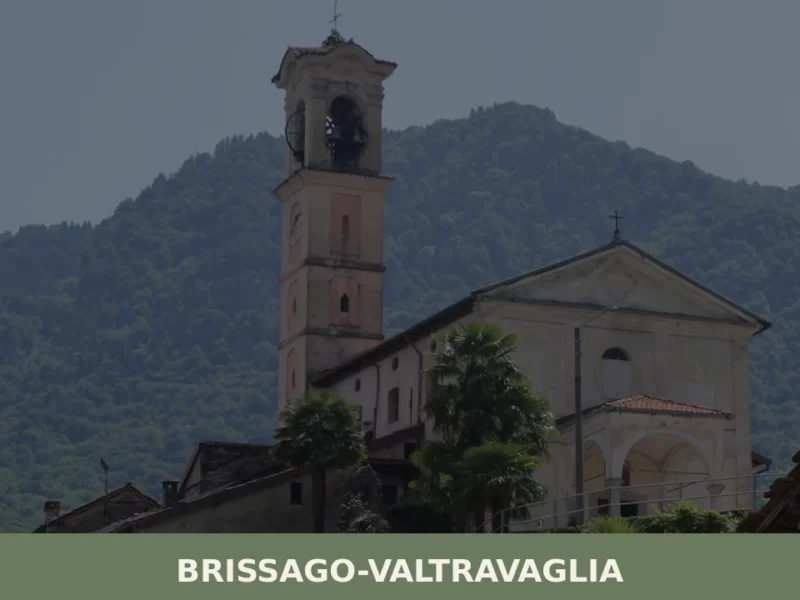
Brissago-Valtravaglia
Hills
What to see in Brissago-Valtravaglia: village at 429m with 5 top attractions, Lombard cuisine and panoramic trails. Explore the complete guide now.
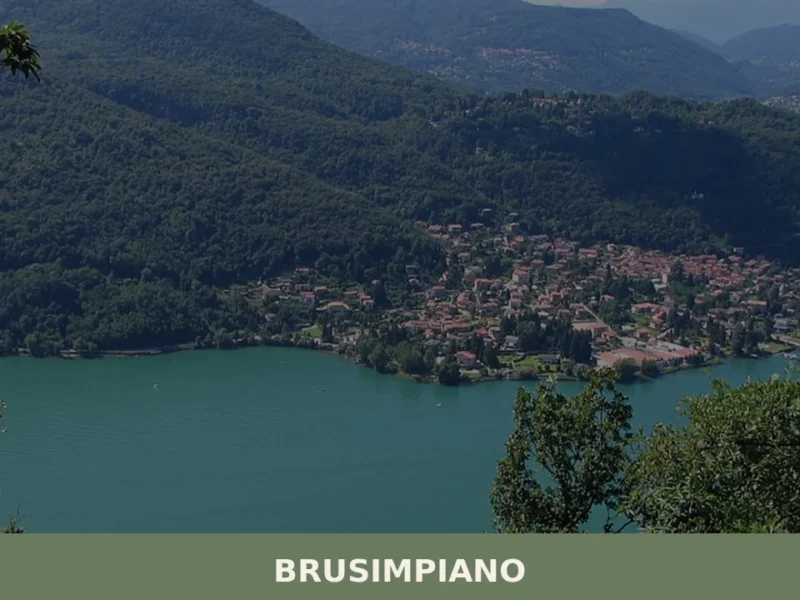
Brusimpiano
Hills
Lake
What to see in Brusimpiano: 1,229 inhabitants, 289m above Lake Lugano. Discover the Church of the Nativity, lakeside promenade and nature trails. Plan your visit now.
Acquanegra Cremonese
Plains
Discover what to see in Acquanegra Cremonese, a rural comune of 1,159 in the Province of Cremona, Lombardia u2014 from cascine architecture to Po Valley food culture.
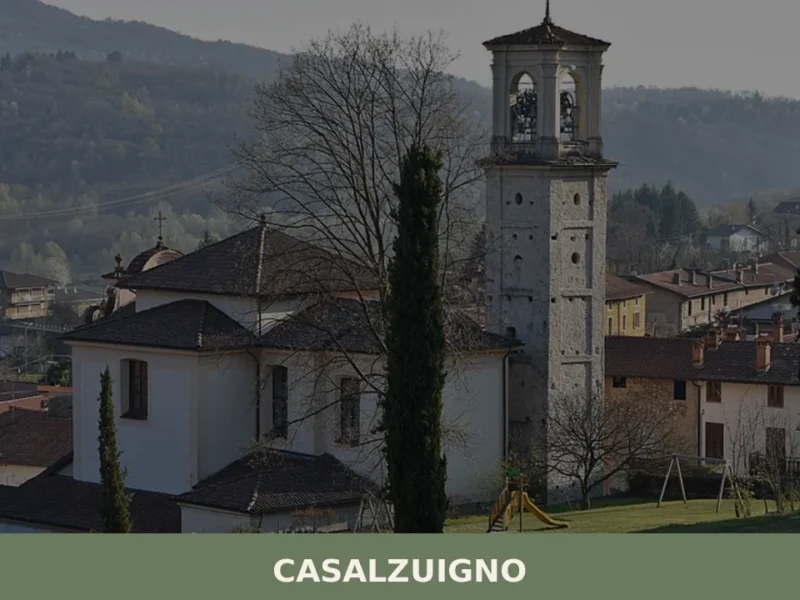
Casalzuigno
Hills
Cosa vedere a Casalzuigno: borgo a 350m nel Varesotto con Villa della Porta Bozzolo (FAI), chiesa di San Vittore e Parco Campo dei Fiori. Guida completa.
Bisuschio
Hills
In Bisuschio, in the province of Varese, economic activity linked to ceramic production developed starting from the 18th century, with local kilns contributing to the manufacture of tableware and bricks for the area. This hillside village, located 370 meters above sea level, offers a view of the Prealpine landscape and nearby lakes. For those wondering […]
Angera
Hills
Lake
What to see in Angera: 5 must-see attractions. Discover the Borromea Fortress and the Doll Museum. Book your trip today!




🏡 Know Cassano Magnago better than we do?
If you’re a local or have been there, your knowledge matters: add what’s missing or fix a detail on this page.