


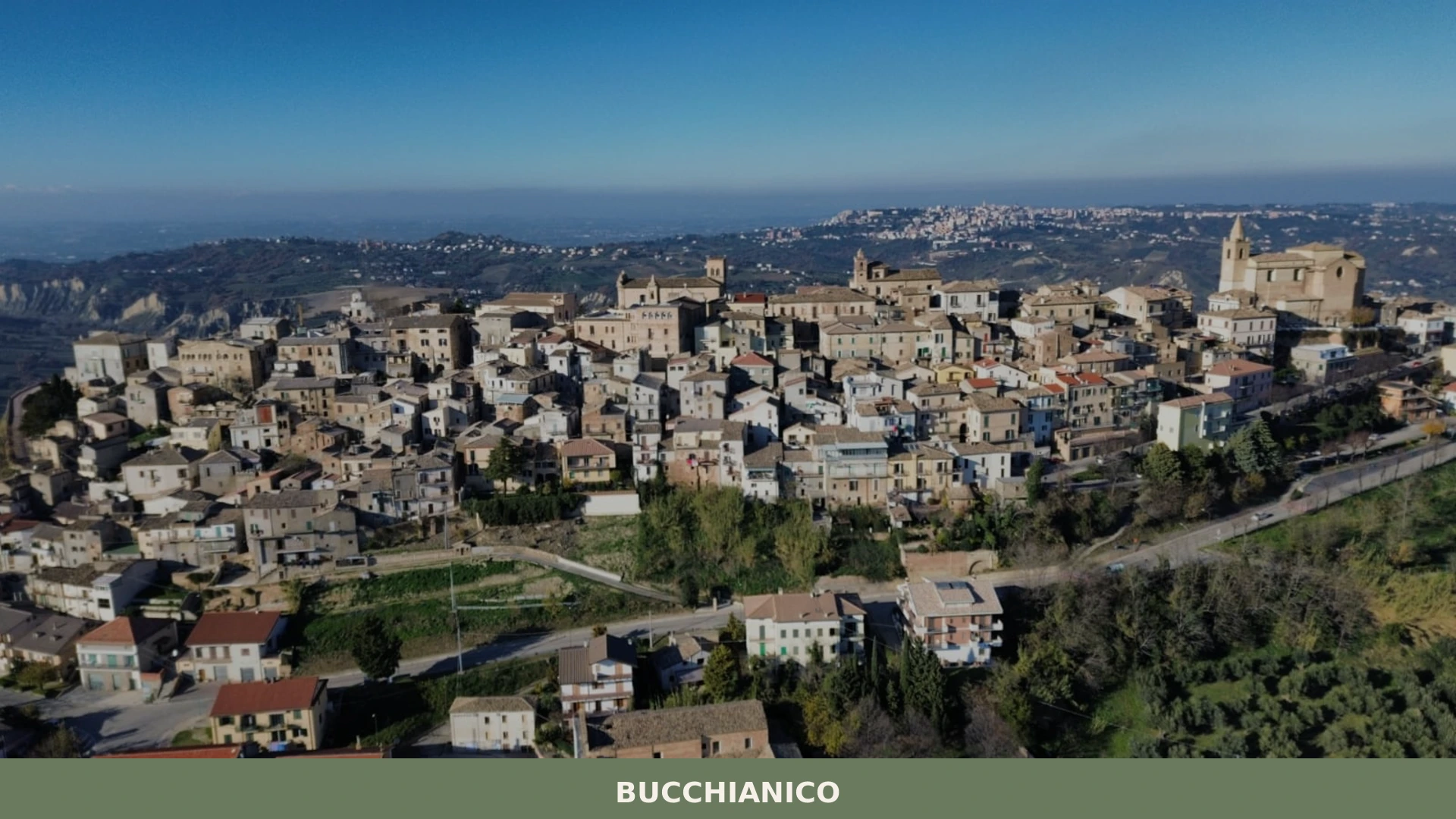

What to see in Bucchianico, Abruzzo, Italy: explore 5 top attractions, local olive groves, the legacy of Saint Camillus de Lellis. Discover the best of this Chieti hill town.
Discover Bucchianico
From the hilltop of Bucchianico, the eye travels in two directions at once: west toward the snow-capped ridges of the Maiella massif and east toward the flat blue line of the Adriatic Sea. Between those two horizons, the land falls away into the valleys of the Alento river and the Bucchianico Foro, their slopes covered in orderly rows of olive trees and vines.
The air in late autumn carries the particular density of a place that receives around 1,000 millimetres (39 in) of rain per year, most of it concentrated in the final months of the season.
Deciding what to see in Bucchianico becomes easier once you understand its position: a hill town in the province of Chieti, Abruzzo, Italy, sitting between eight neighbouring municipalities and commanding one of the broader panoramic corridors in central Italy.
Visitors to Bucchianico find a compact historic centre, the documented birthplace of the 16th-century saint Camillus de Lellis, a territory defined by olive cultivation and vineyards, and a temperate climate that makes the town accessible for most of the year. The following guide covers the main attractions, local food traditions, practical access information, and the best seasons to plan a visit.
History of Bucchianico
The town’s local dialect name, Vicchièneche, points toward a settlement with roots that predate the standardised Italian form of the toponym.
The area between the Alento valley and the Chieti uplands has been inhabited since antiquity, with the hill position providing the defensive advantages typical of Abruzzo’s interior comuni. The territory borders directly with Chieti, the provincial capital, which anchors this cluster of hill settlements within the administrative and cultural sphere of the ancient Teatine region — an area that takes its name from the Roman colony of Teate Marrucinorum.
The most significant historical figure associated with Bucchianico is Camillus de Lellis, born here in 1550.
A Roman Catholic priest, he went on to found the Camillians, formally known as the Order of Clerks Regular, Ministers of the Infirm. The order was dedicated to the care of the sick, and Camillus de Lellis was later canonised, becoming the patron saint of the sick, nurses, and healthcare workers.
His connection to this specific hill in the province of Chieti gave Bucchianico a documented place in the history of Catholic religious orders, a fact that continues to draw visitors with an interest in ecclesiastical history and pilgrimage routes through Abruzzo. The nearby town of Nocciano, which shares the same hilly landscape along the Pescara river basin, similarly developed within the broader Teatine cultural orbit during the medieval and early modern period.
When to visit Bucchianico, Italy and how to get there
Getting to Bucchianico is straightforward, whether by car or public transport, offering various options to explore this charming Abruzzo village.
Local food and typical products of Bucchianico
The gastronomy of Bucchianico, rooted in Abruzzo traditions, stands out for authentic flavours and genuine local ingredients. Let’s discover the local specialties and typical products.
What to see in Bucchianico, Abruzzo: top attractions
Bucchianico offers a compact historic centre with medieval and religious architecture of significant interest, along with splendid panoramic views of the Abruzzo landscape. Here are some of the main attractions not to miss.
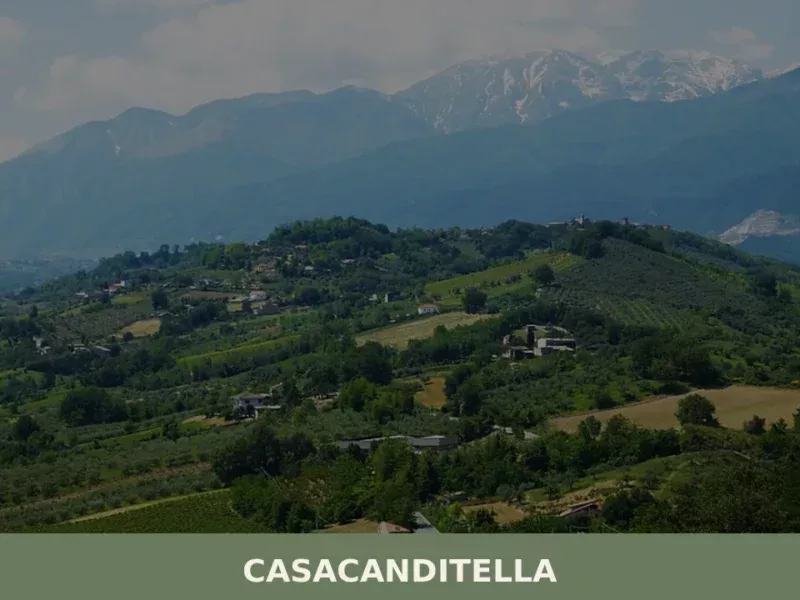
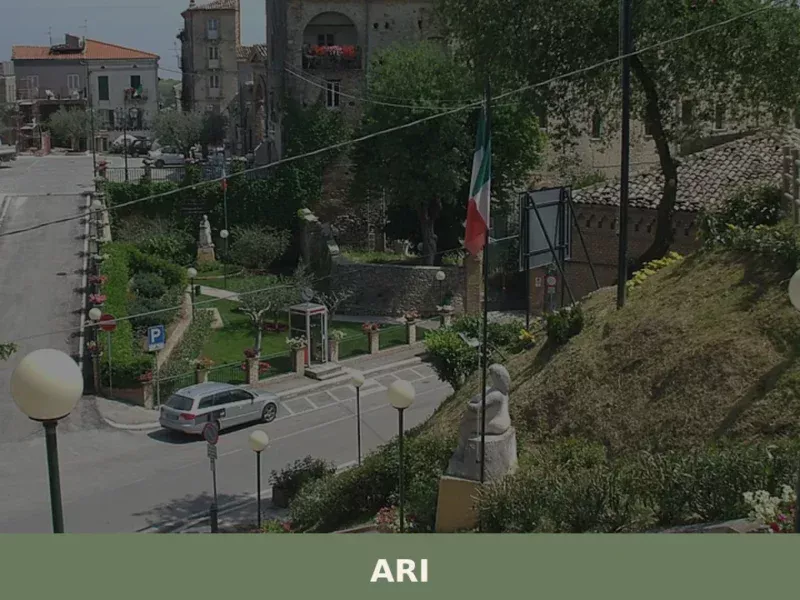
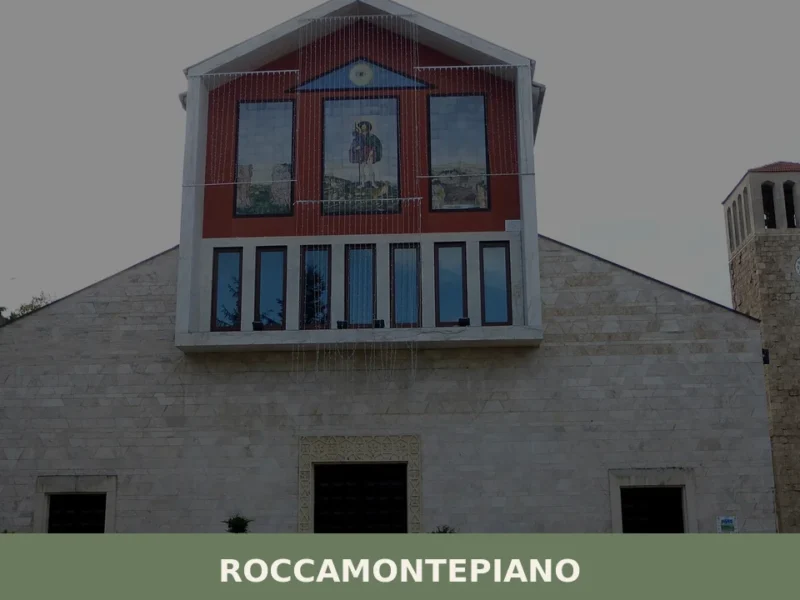
Through the 17th, 18th, and 19th centuries, Bucchianico followed the pattern common to most interior Abruzzo towns: a primarily agricultural economy centred on olives and vines, periodic administrative changes as the region passed through different Italian states, and eventual incorporation into unified Italy after 1861. The municipal boundaries established during this period remain largely intact today, with the comune bordering Casacanditella, Casalincontrada, Chieti, Fara Filiorum Petri, Ripa Teatina, Roccamontepiano, Vacri, and Villamagna.
This ring of neighbouring settlements reflects the dense network of hill communities that characterise the Chieti province interior.
What to see in Bucchianico, Abruzzo: top attractions
Birthplace and Sanctuary of Saint Camillus de Lellis
The building associated with the 1550 birth of Camillus de Lellis stands as the most historically documented site in the town.
Stone walls and an interior that has been adapted over the centuries to serve a devotional function mark the space where the founder of the Camillian order began his life before eventually moving to Rome and establishing the order dedicated to the care of the sick. The site draws visitors interested in Catholic pilgrimage routes through Abruzzo, particularly those following the trail of figures canonised by the Roman Catholic Church. It is worth arriving in the morning when the light enters from the eastern windows and the space is quieter before any organised groups arrive.
Panoramic Viewpoint over the Maiella and the Adriatic
The hilltop position of Bucchianico, situated between the Alento and the Bucchianico Foro valleys, produces a sightline that covers two geographically distinct landscapes within a single field of view.
To the west, the Maiella massif — the second highest massif in the Apennines, with its highest peak, Monte Amaro, reaching 2,793 m (9,163 ft) — defines the skyline. To the east, on clear days, the Adriatic coast is visible as a narrow band at the edge of the horizon. The best conditions for this view occur in winter and early spring, when the atmosphere is clearest and the Maiella carries its full snow cover. No special equipment or trail access is required; the view is available from the upper streets of the historic centre.
The Olive Groves and Vineyard Territory
The agricultural landscape surrounding Bucchianico is not incidental to a visit — it is one of the town’s primary geographic features.
The territory has a significant and documented presence of olive groves and vineyards, which occupy the hilly slopes between the two river valleys.
Walking routes through these cultivated areas reveal the specific form that Abruzzo agriculture takes on clay and limestone soils at this elevation: low, carefully pruned olive trees spaced to allow mechanical harvesting, interspersed with vine rows that produce grapes for the region’s established DOC wine production. The harvest season in October and November represents the most active period in the agricultural calendar and the most direct way to observe the territory’s working character.
The Historic Centre and Street Grid
The compact urban fabric of Bucchianico occupies the crown and upper flanks of its hill, with streets that follow the natural contours rather than any imposed grid. The building stock is predominantly stone construction, characteristic of the Chieti province interior, with narrow passages between residential blocks that date in their current form to the early modern period. Walking through the centre takes no more than 30 to 40 minutes at a measured pace, but the density of historical layering — civic buildings, small churches, and residential facades from different centuries — makes the distance deceptive.
The local dialect name Vicchièneche is still used by residents, a linguistic detail that signals the settlement’s long continuity before Italian standardisation.
The Valleys of the Alento and the Bucchianico Foro
The two river valleys that define Bucchianico’s geographical position — the Alento to one side and the Bucchianico Foro to the other — are accessible on foot from the lower edges of the town.
The valleys remain largely agricultural in character, with terraced slopes and riparian vegetation along the watercourses. The temperate climate, which records average summer temperatures of around 23.5 °C (74 °F) and winter averages of approximately 6 °C (43 °F), makes valley walks feasible from spring through to early November. Those interested in comparable valley landscapes within Abruzzo can consider a side trip to Guilmi, a hill comune further south in the Chieti province where similar agricultural valleys frame the settlement.
Local food and typical products of Bucchianico
The food culture of Bucchianico grows directly from its agricultural base.
A territory defined by olive groves and vineyards produces two primary raw materials — olive oil and wine — that underpin the cooking of this part of the Chieti province. The Abruzzo interior, at this particular latitude between the Apennine foothills and the Adriatic plain, developed a cuisine built around slow-cooked legumes, preserved meats, and vegetables prepared with the olive oil produced on local slopes. These are not ceremonial dishes; they appear on weekday tables and have remained largely consistent in technique across generations.
Among the typical preparations associated with this area of the Chieti province, pasta alla chitarra holds a central place.
Made by pressing a sheet of egg pasta across a frame strung with metal wires — the chitarra, literally meaning guitar — the result is a squared spaghetti with a rougher surface than machine-cut pasta, which holds thick meat-based sauces with more grip.
Agnello cacio e uova, a preparation of lamb cooked with Pecorino cheese and beaten eggs, represents the Easter tradition of the entire Abruzzo interior. Sagne e fagioli, wide irregular pasta strips cooked with local borlotti beans and a base of garlic and olive oil, is the kind of dish that appears without announcement and disappears quickly from the table.
The olive oil produced from the groves visible across Bucchianico’s territory belongs to the broader production zone of Abruzzo’s olive cultivation, with varieties including Gentile di Chieti — a cultivar specific to this province — that produces an oil with a relatively mild profile and low acidity suited to raw applications on grilled bread or fresh vegetables.
Local wine production draws on the Montepulciano d’Abruzzo DOC framework, which covers vine-growing areas across much of the region.
No certified product with a formal DOP or IGP designation has been specifically documented for the Bucchianico comune itself in the available sources, but the raw ingredients that define local cooking — olive oil, wine, Pecorino, and lamb — are all produced within the immediate territory or the surrounding municipalities.
The late autumn period, when olive pressing begins across the territory, is the most direct time to encounter the food culture at its most active. Local oil mills — frantoi — operate from October through December, and fresh-pressed oil, intensely green and slightly bitter, is typically available directly from producers.
Markets in the nearby provincial capital of Chieti, 15 km (9.3 mi) to the south, carry products from the surrounding comuni throughout the year.
Festivals, events and traditions of Bucchianico
The devotion to Saint Camillus de Lellis gives Bucchianico its most significant recurring event in the religious calendar.
The feast of the saint, observed on 14 July, draws participants from across the Chieti province and beyond, particularly from communities with connections to the Camillian order. The day involves religious processions through the historic centre, with the route passing sites associated with the saint’s life and the church dedicated to his memory. The July timing places the feast in the warmest and driest part of the Abruzzo summer, when the town receives its highest number of outside visitors.
Beyond the July feast, the agricultural calendar provides the rhythm of local traditions.
The olive harvest in October and November brings collective activity to the groves that surround the town, a practice rooted in cooperative labour patterns that predate mechanisation. The pattern is common across the Chieti province interior: families and neighbours working adjacent plots in a sequence determined by the ripeness of the fruit rather than the administrative calendar.
The sagra format — a traditional local food festival organised around a specific seasonal product — appears in various forms across the region during the autumn months, though specific confirmed events tied directly to Bucchianico in the available sources are limited to the religious and agricultural calendar described above.
When to visit Bucchianico, Italy and how to get there
The climate data for Bucchianico points clearly toward two practical windows for a visit.
Spring, from April through June, offers mild temperatures, the olive trees and vines in active growth, and the clearest long-distance views before summer haze reduces visibility. Autumn, from September through November, combines the activity of the harvest season with temperatures that remain comfortable for walking — the 23.5 °C (74 °F) summer average drops gradually through this period toward the cooler winter range.
July, while coinciding with the feast of Saint Camillus, also brings the highest temperatures of the year. Winter visits are feasible and produce the best conditions for the panoramic view toward the Maiella, but some local services may operate on reduced schedules. For those asking about the best time to visit Abruzzo more broadly, the spring and early autumn windows apply to most of the region’s interior hill towns.
Bucchianico sits approximately 15 km (9.3 mi) from Chieti, making it a straightforward day trip from the provincial capital.
From Chieti, the road connection is direct via the provincial road network, with a journey time of roughly 20 to 25 minutes by car. From Pescara, the nearest city with a national airport and main rail connections, the distance is approximately 30 km (18.6 mi), with a driving time of around 35 to 40 minutes depending on traffic. Pescara Airport — formally Abruzzo International Airport — receives flights from several European cities, making it the most practical entry point for international visitors.
The nearest rail station is in Chieti, served by Trenitalia on the Adriatic line; from Chieti station, onward travel to Bucchianico requires a car or local taxi, as no direct public bus service between the two is confirmed in available sources. From Rome, the distance is approximately 220 km (136.7 mi) by road via the A25 motorway and then the A14, with a driving time of around two to two and a half hours — within the range of a long day trip from the capital.
If you arrive by car from the north, the most direct route follows the A14 Adriatic motorway to the Chieti exit, then proceeds inland on the provincial road toward Bucchianico. International visitors should be aware that English is not widely spoken in smaller shops and local bars in this part of inland Abruzzo; carrying euro cash is advisable, as card payment terminals are not universally available.
Those planning to explore more of the Chieti province interior during the same trip can consider extending the itinerary eastward toward San Benedetto in Perillis, a small comune further into the Abruzzo uplands that shares the same general pattern of hill settlement and agricultural landscape, or north toward the Gran Sasso foothills where Cortino sits at considerably higher elevation and offers a contrasting mountain character within the same region.
Frequently asked questions about Bucchianico
What is the best time to visit Bucchianico?
Winter and early spring offer the clearest skies for the panoramic view spanning the snow-covered Maiella massif and the Adriatic coast. October and November are ideal for experiencing the olive and grape harvest firsthand. The feast of Saint Camillus de Lellis falls on 15 July, making midsummer the right time for visitors interested in the town's patron saint and its religious traditions. Bucchianico's temperate climate — summer averages around 23.5 °C, winters around 6 °C — keeps the town accessible for most of the year, with spring and early autumn the most comfortable seasons for walking the historic centre and valley trails.
What are the historical origins of Bucchianico?
Bucchianico's roots lie in the ancient Teatine region, named after the Roman colony of Teate Marrucinorum, which is modern-day Chieti. The hill position served clear defensive purposes typical of Abruzzo's interior settlements. The town's dialect name, Vicchièneche, predates the standardised Italian toponym and points to long pre-modern continuity. Its most historically documented chapter begins in 1550 with the birth of Camillus de Lellis, founder of the Camillian order. After Italian unification in 1861, Bucchianico was incorporated into the unified state with municipal boundaries that remain largely intact today.
What to see in Bucchianico? Main monuments and landmarks
The birthplace and sanctuary of Saint Camillus de Lellis is the town's principal documented site — an adapted stone building marking where the founder of the Camillian order was born in 1550. It draws pilgrims and visitors interested in Catholic history; mornings are recommended before group visits arrive. The compact historic centre, with its stone streets following natural hill contours, can be explored on foot in 30 to 40 minutes. The panoramic viewpoint from the upper streets — facing west toward the Maiella and east toward the Adriatic — requires no special access and is freely available.
What are the main natural or scenic attractions of Bucchianico?
The territory is shaped by two river valleys — the Alento and the Bucchianico Foro — whose slopes are covered in olive groves and vineyards and are accessible on foot from the lower edges of town. The hilltop position at 360 metres produces a rare dual panorama: the Maiella massif to the west, with Monte Amaro reaching 2,793 metres, and the Adriatic Sea to the east. The agricultural landscape itself — low-pruned olive trees and vine rows on clay-limestone soils — is a primary scenic feature, most active and visually striking during the October and November harvest season.
Where to take the best photos in Bucchianico?
The upper streets of the historic centre provide the most documented viewpoint, offering a sightline that captures both the snow-capped Maiella massif to the west and the Adriatic coast to the east on clear days. Winter and early spring give the sharpest atmospheric conditions for this shot. The olive groves and vineyard rows on the valley slopes below the town are visually compelling during the October harvest. The stone facades and narrow passages of the historic centre, best photographed in morning light, provide close-up architectural detail typical of the Chieti province interior.
Are there museums, churches or historic buildings to visit in Bucchianico?
The most significant building is the birthplace and sanctuary of Saint Camillus de Lellis, adapted over the centuries for devotional use and connected to the 16th-century founder of the Order of Clerks Regular, Ministers of the Infirm — the Camillians. The historic centre contains small churches and civic buildings representing different centuries of construction, consistent with the early modern and medieval building stock of the Chieti province interior. Specific opening hours and admission details are best confirmed locally or through the Chieti provincial tourism office before visiting.
What can you do in Bucchianico? Activities and experiences
Walking the olive grove and vineyard territory between the Alento and Bucchianico Foro valleys is the main outdoor activity, feasible from spring through early November. The October and November harvest season offers the most direct engagement with the town's agricultural identity — olive pressing and grape harvesting are active across the surrounding slopes. The feast day of Saint Camillus de Lellis on 15 July is the principal annual event. The town's proximity to Chieti, the provincial capital, makes it a practical base for day trips combining hill-town exploration with visits to the wider Teatine region.
Who is Bucchianico suitable for?
Bucchianico suits travellers interested in Catholic pilgrimage and ecclesiastical history, given its documented connection to Saint Camillus de Lellis. Visitors drawn to authentic agricultural landscapes — olive groves, vineyards, working hillside terrain — will find the territory genuinely engaging rather than staged. The compact historic centre and easy valley walks make it accessible for couples and independent travellers seeking quiet hill-town atmosphere without large tourist crowds. The broad panoramic corridor, combining Apennine and Adriatic views, appeals to photographers and those exploring the scenic interior of the Chieti province. Families with older children will find it manageable as a half-day or full-day stop.
What to eat in Bucchianico? Local products and specialties
The local table is built on olive oil from Gentile di Chieti cultivar groves — a variety specific to the province, producing a mild, low-acidity oil suited to raw use on bread or vegetables. Pasta alla chitarra, the squared egg pasta made on a wire-strung frame, is the area's defining first course, typically served with a thick meat sauce. Agnello cacio e uova — lamb cooked with Pecorino and eggs — is the traditional Easter preparation of the Abruzzo interior. Sagne e fagioli, wide irregular pasta with borlotti beans and olive oil, is a regular weekday dish. Local wine draws on the Montepulciano d'Abruzzo DOC framework.
📷 Photo Gallery — Bucchianico
Nearby Villages near Bucchianico
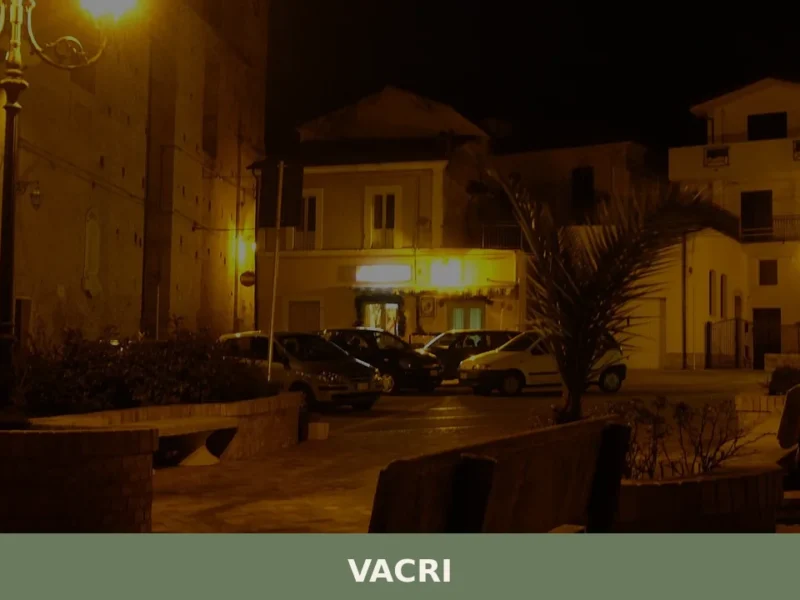
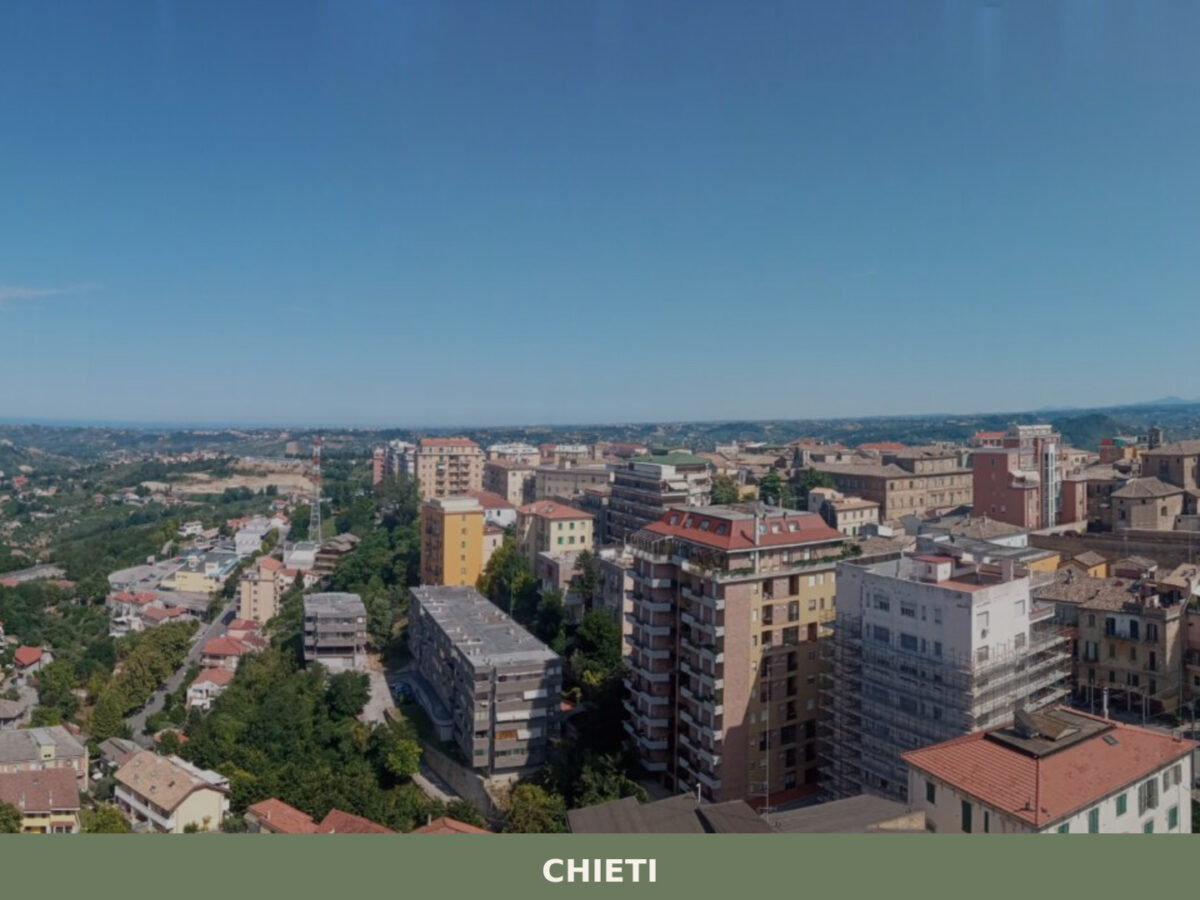
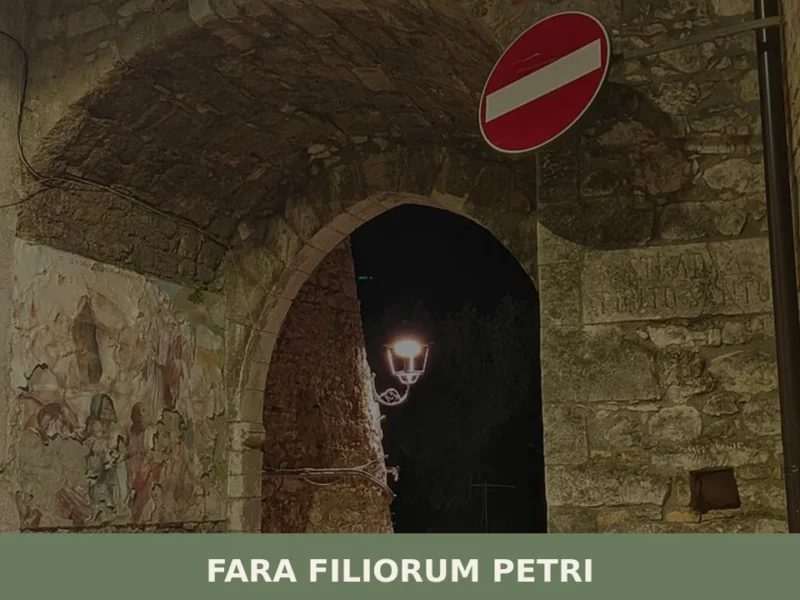
In Abruzzo More villages to discover
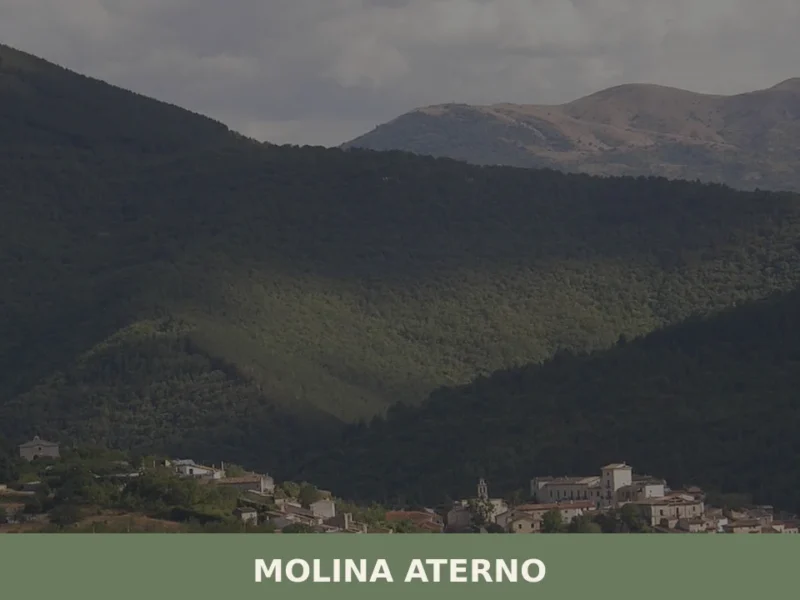
Molina Aterno
 Mountain
Molina Aterno offers a genuine glimpse into mountain life in Abruzzo, surrounded by the quiet grandeur of the Apennine landscape.
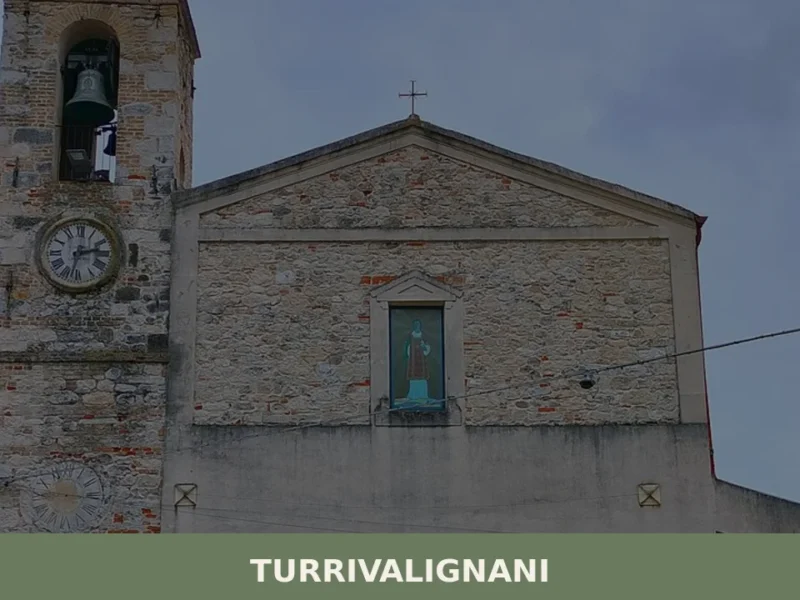
Turrivalignani
 Hills
Hills
Turrivalignani is a compact hill village on a clay spur in Abruzzo's central Val Pescara, defined by eroded calanchi landscapes, medieval monastic roots, and an unaffected rural character.
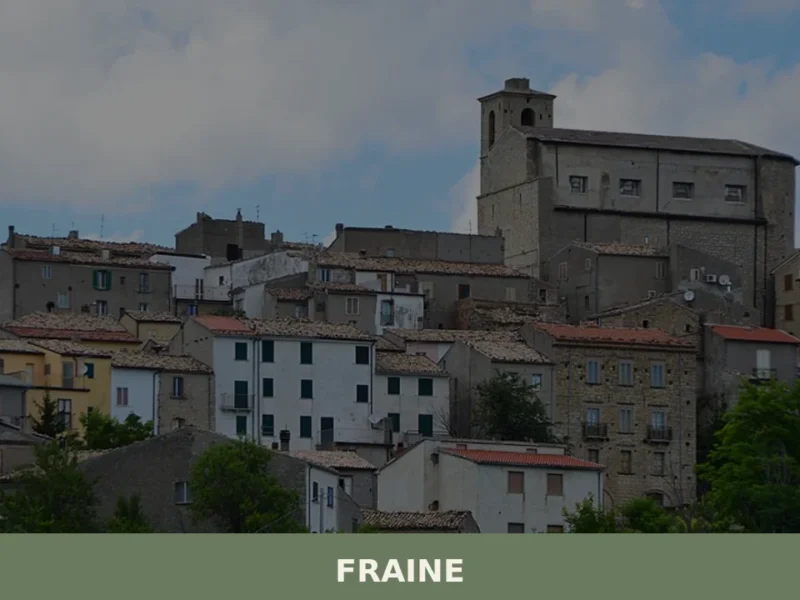
Fraine
Mountain
At 751 meters above sea level, in the Chieti area, lies Fraine, a municipality with a population of 261 inhabitants. This village, whose history dates back to the 10th-11th century, serves as an observation point over the Alto Vastese territory. For those wondering what to see in fraine, the town offers a journey through the […]
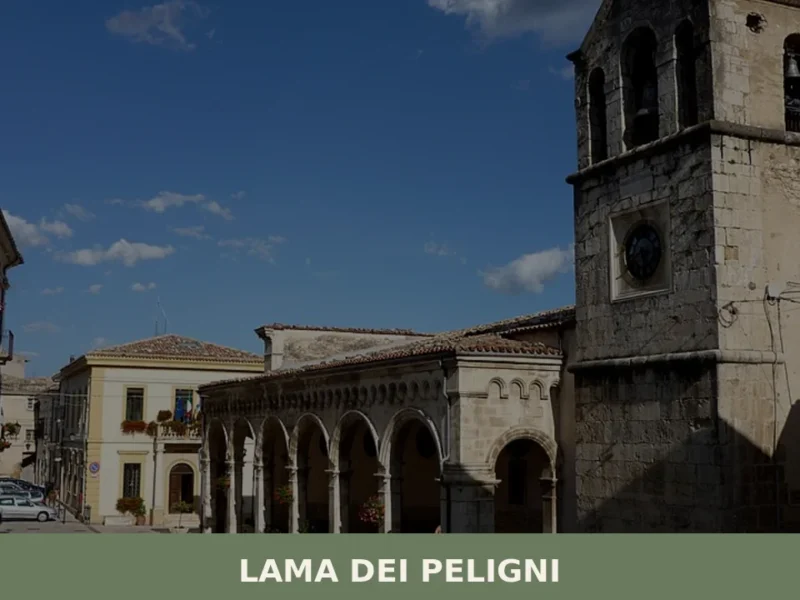
Lama dei Peligni
Mountain
What to see in Lama dei Peligni: village at 669 m, Grotta del Cavallone, Majella National Park trails and arrosticini PAT. Plan your visit with this complete guide.
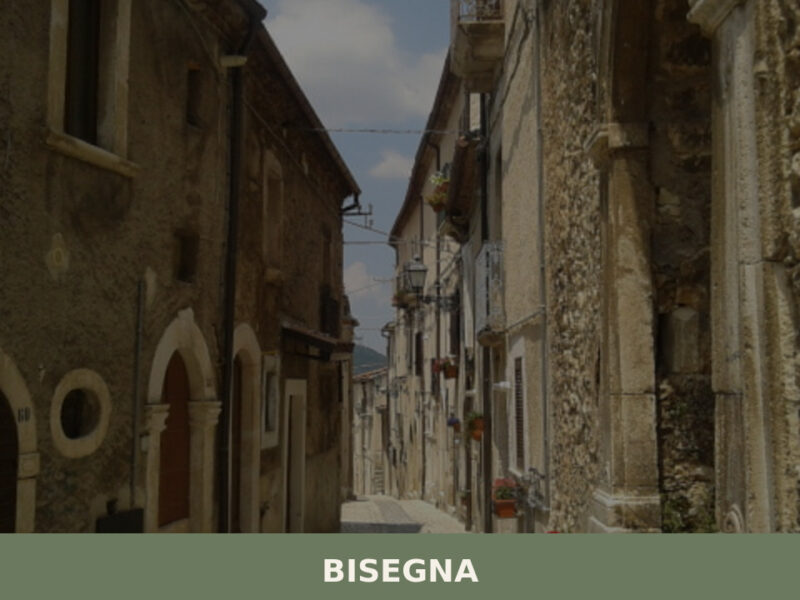
Bisegna
Mountain
A mountain village of 217 inhabitants at 1,210 metres in Abruzzo's national park. Discover what to see in Bisegna: stone lanes, frescoes, and highland trails.
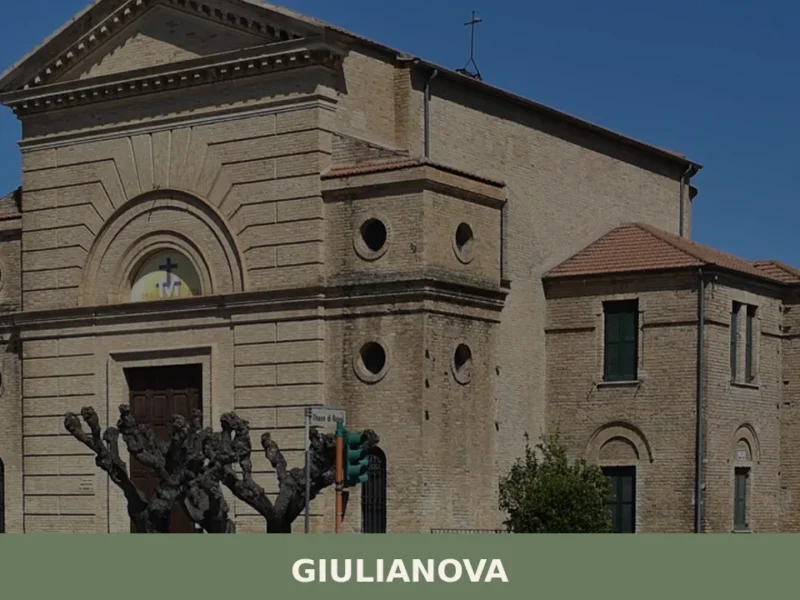
Giulianova
 Sea
Sea
In 1470, Duke Giuliantonio Acquaviva refounded the ancient settlement of Castel San Flaviano on a hill 68 metres above sea level, giving it his own name: Giulianova. The urban layout he commissioned — a regular grid with a central square and symmetrical blocks — is one of the earliest documented examples of an ideal Renaissance […]
Frisa
Hills
At 237 metres above sea level, on the plain that connects the Chieti hills to the Adriatic coast, Frisa has a current population of 1,620 and a territory dominated by olive groves and arable land. The municipality, in the province of Chieti, retains in its urban layout the marks of an almost total reconstruction following […]
Sante Marie
Mountain
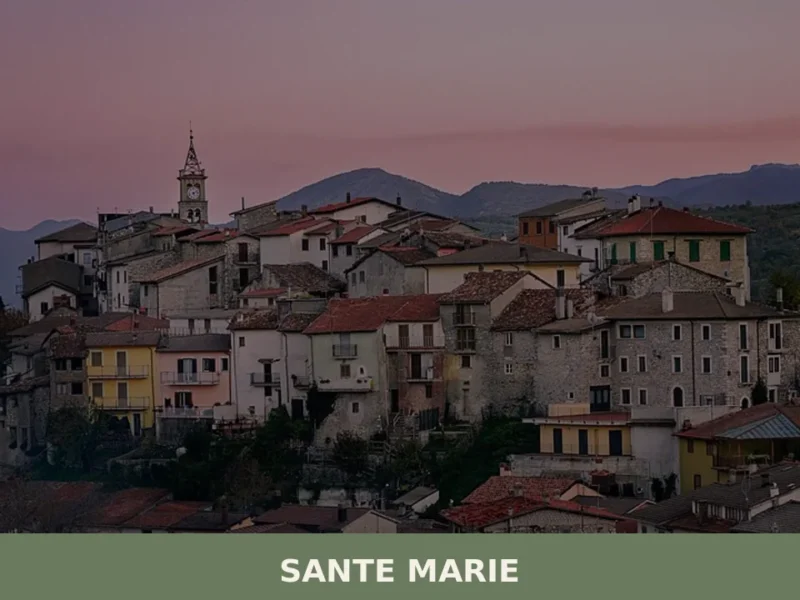
What to see in Sante Marie? Discover the 5 must-see attractions, from the historic village to the trails. Plan your visit to Abruzzo!
San Benedetto in Perillis
Mountain
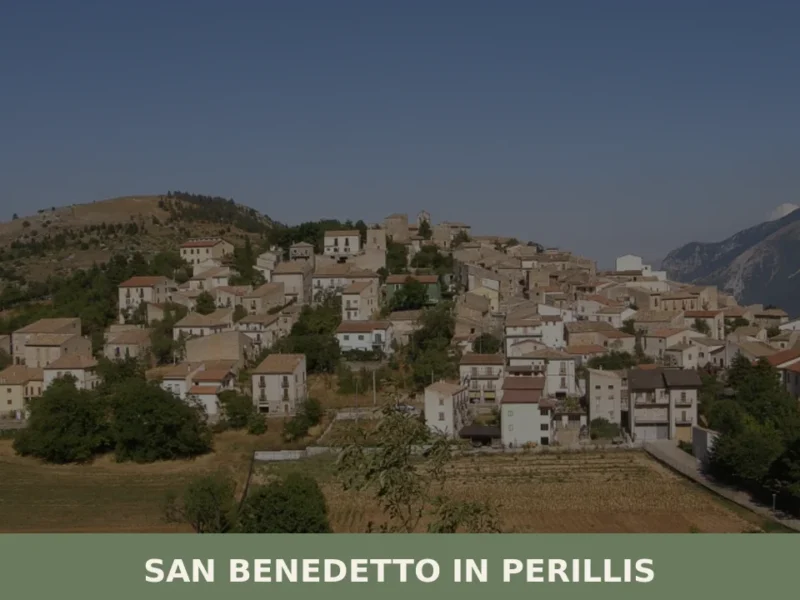
San Benedetto in Perillis, a village with just 100 inhabitants, offers a journey into the heart of Abruzzo's mountainous interior.
Arielli
Hills
Arielli, a small village in the province of Chieti: discover its origins, what to see, and how to get there. A practical guide to this Abruzzo village.
🏡 Know Bucchianico better than we do?
If you’re a local or have been there, your knowledge matters: add what’s missing or fix a detail on this page.