


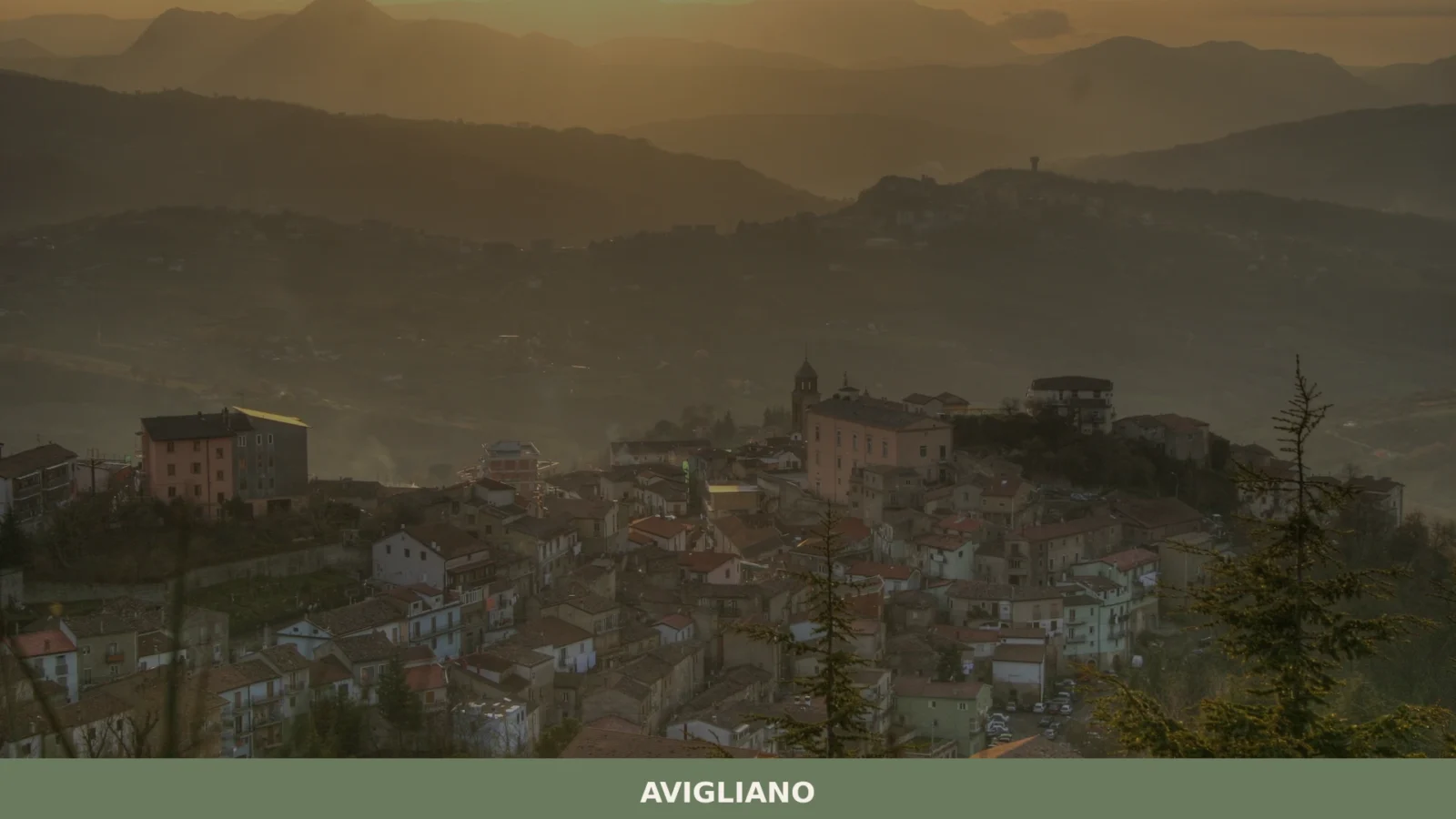
Avigliano
 Mountain
Discover what to see in Avigliano, a recognised cittu00e0 in Basilicata’s Potenza province. History, attractions, food, and travel tips for this Apennine town.
Discover Avigliano
In December 1991, President Francesco Cossiga signed the decree conferring upon Avigliano the formal araldic title of città — a recognition that distinguishes it from the majority of Basilicata’s smaller comuni. Located in the province of Potenza, with a population of around 10,293 inhabitants, Avigliano sits at elevation in the interior of the region, where the Apennine landscape dominates the horizon. For anyone researching what to see in Avigliano, that presidential decree is a useful starting point: it signals a place with institutional weight, documented civic history, and a presence in Italian administrative life that reaches well beyond its size.
History of Avigliano
The name Avigliano most likely derives from a Latin personal name — probably Avilius or a related root — following the common Roman pattern of denominazione from landowners whose estates defined early medieval settlements across southern Italy.
This type of toponymy is well documented across the Potentino area and places Avigliano within the broader pattern of post-Roman rural reorganisation that reshaped Basilicata’s interior between the fifth and ninth centuries. The local dialect form, Avigliànë, preserves phonological features that point to a continuous linguistic tradition predating the standardisation of Italian, suggesting unbroken habitation across the medieval period.
During the Norman and later Angevin periods, the settlements of the Potenza hinterland — including Avigliano — were absorbed into the feudal administrative system that restructured southern Italy following the Norman conquest of the eleventh century. Control of these territories shifted multiple times between noble families and ecclesiastical bodies, a pattern characteristic of the entire Basilicata interior. The town’s position in proximity to Potenza, the provincial capital, gave it strategic relevance within the feudal geography of the Mezzogiorno, serving as part of the agricultural and administrative network that connected smaller hill communities to the larger urban centre.
By the nineteenth century, Avigliano had developed a documented civic and religious infrastructure that reflected its role as one of the more substantial comuni in the Potenza province.
The Risorgimento period and the subsequent unification of Italy brought administrative reorganisation to the entire south, integrating Avigliano formally into the Kingdom of Italy in 1861 along with the rest of Basilicata. The formal recognition of its status as a città in 1991, granted by presidential decree, represents the most recent chapter in a long institutional history — one that places Avigliano among a select number of communities in the province accorded that distinction by the Italian state.
What to see in Avigliano: 5 must-visit attractions
The Historic Centre
Avigliano’s old town retains the compact urban layout typical of Apennine comuni in the Potenza province, with stone buildings organised along narrow lanes that follow the natural contours of the terrain. The centro storico functions as the civic and social core of the community, where the spatial logic of centuries of continuous habitation remains legible in the street plan.
The Parish Church
The main parish church of Avigliano represents the most architecturally significant religious structure in the town.
Like many churches in the Potentino area, it reflects successive phases of construction and renovation, incorporating elements from different periods. The interior typically houses locally important devotional art and furnishings accumulated across several centuries of parish life.
The Araldic City Designation Sites
The formal civic spaces of Avigliano — the town hall, the main piazza and the institutional buildings — carry particular significance given the 1991 decree conferring city status. These spaces constitute the visible expression of Avigliano’s recognised civic identity and offer a concrete point of reference for understanding its administrative standing within the province of Potenza.
The Surrounding Apennine Landscape
The elevated terrain around Avigliano forms part of the Lucanian Apennine system, characterised by broad ridgelines, mixed woodland, and agricultural land at altitude.
This landscape, accessible directly from the town, has defined the economic and physical life of the community across its entire documented history and remains the dominant environmental context of any visit.
Local Dialect and Intangible Heritage
The Aviglianese dialect — Avigliànë — is a living linguistic feature of the town, distinct enough to be named in the community’s own official identification. For those interested in the linguistic diversity of southern Italy, Avigliano offers direct contact with a variety of Lucanian Romance that has evolved independently within this specific valley system of the Potenza interior.
Local food and typical products
The food culture of Avigliano belongs to the broader culinary tradition of the Potenza province, which is grounded in pastoral and agricultural production at altitude.
Pork-based cured meats, locally produced using methods consistent across the Lucanian highlands, form a central part of the diet. Dried pasta, legumes — particularly chickpeas and broad beans grown in the area’s interior fields — and sheep’s milk cheeses reflect the self-sufficient agricultural economy that dominated this territory until recent decades. The regional tourism authority for Basilicata documents the wider agri-food landscape of the province, within which Avigliano’s products sit.
Bread production in the Potenza area has a well-established reputation within Basilicata, and Avigliano benefits from this tradition. Local bakeries and small producers working in the town and its surrounding agricultural zone maintain production methods tied to wood-fired ovens and local grain varieties.
For visitors wishing to eat locally, the town’s restaurants and trattorias tend to offer seasonal menus built around what the land in this part of the Apennines yields — a straightforward connection between altitude, climate, and what appears on the plate. The Municipality of Avigliano’s official website provides current information on local producers and civic events tied to food traditions.
Best time to visit Avigliano
Avigliano’s position in the Potenza interior gives it a mountain-influenced climate: winters are cold with regular snowfall at altitude, while summers are significantly cooler than the Ionian and Tyrrhenian coastlines of Basilicata. This makes the town a practical destination in July and August, when much of southern Italy becomes uncomfortably hot. Spring — from April through June — brings the landscape around the town into full agricultural activity, with the surrounding fields and woodland at their most varied and productive.
Autumn, from September through October, is the season for local food harvests and the small-scale festivals that accompany them across the Potentino.
Avigliano, as a recognised città with civic institutional life, maintains a calendar of local religious and cultural events tied to the feast days of its patron saints and to the seasonal rhythms of the agricultural year. Visitors arriving in late spring or early autumn will find the most consistent combination of accessible weather, active local life, and produce at its peak. Winter visits are feasible for those interested in the interior Apennine landscape under snow, but access to the surrounding countryside will be more restricted.
How to get to Avigliano
Avigliano is located in the province of Potenza in Basilicata, in the southern Italian Apennines. The most practical reference point for arrival is the city of Potenza, the regional capital, which lies a short distance from Avigliano and is itself connected to the national road and rail network.
- By car: The A3 Salerno–Reggio Calabria motorway is the main arterial route into Basilicata. From the Potenza exit, Avigliano is reachable via the SS407 Basentana and local provincial roads. Journey time from Salerno is approximately 1.5 to 2 hours depending on conditions.
- By train: Potenza Centrale is the nearest mainline station, served by Trenitalia connections from Naples, Salerno, and Taranto. From Potenza, Avigliano is accessible by local bus services or by car.
- By air: The nearest airports are Naples Capodichino (approximately 150 km) and Bari Karol Wojtyła (approximately 170 km).
Both require onward travel by car or rail to reach Potenza and then Avigliano.
- From Potenza city centre: Approximately 15–20 minutes by car via provincial roads heading northwest of the city.
Where to stay in Avigliano
Accommodation in Avigliano follows the pattern common to inland Basilicata comuni of its size: the town offers a selection of B&Bs, small guesthouses, and agriturismo properties in the surrounding agricultural land, rather than large hotel complexes. The centro storico is the most practical base for visiting the town’s civic and religious sites on foot. Agriturismo options in the countryside around Avigliano provide direct access to the agricultural landscape and are a practical choice for visitors intending to explore the broader Potenza province by car.
Given that Avigliano is within a short drive of Potenza city, visitors may also consider basing themselves in the regional capital — which carries a broader range of hotels and services — and making day trips into the surrounding territory including Avigliano. For those preferring to stay local, booking through the APT Basilicata tourism portal provides access to verified local accommodation listings across the province. Availability in peak summer months and around local feast days warrants advance reservation.
More villages to discover in Basilicata
The province of Potenza contains a concentration of hill communities worth exploring in conjunction with a visit to Avigliano.
Trivigno, a small comune in the same province, offers a compact example of Lucanian rural settlement at altitude, while Calvello is known within the region for its ceramic production tradition, which gives it a distinct craft identity within the broader landscape of Potentino artisanship. Both are accessible by car from Avigliano and make logical additions to any circuit of the interior province.
Further into the Basilicata interior, the villages of the Dolomiti Lucane area present a dramatically different geological setting. Pietrapertosa, set against eroded sandstone pinnacles in the Gallipoli Cognato Regional Park, is one of the most visually distinctive communities in the region.
For a contrasting experience of the Agri valley, Episcopia in the southern part of the province offers insight into Basilicata’s Arbëreshë cultural communities — Albanian-origin settlements with their own distinct language, liturgical tradition, and material culture, still active today.
Frequently asked questions about Avigliano
What is the best time to visit Avigliano?
The best time to visit Avigliano depends on your interests. For pleasant, cooler temperatures ideal for exploring, July and August are recommended, offering a refreshing escape from the hotter coastal areas of Basilicata. Spring (April-June) is perfect for nature lovers, as the Apennine landscape around the town bursts into full agricultural activity. Autumn (September-October) is ideal for food enthusiasts, coinciding with local harvests and small-scale festivals. Don't miss the patron feast of San Vito on June 15th. While winter offers a beautiful snowy landscape, access to the surrounding countryside may be more restricted.
What are the historical origins of Avigliano?
Avigliano's history traces back to post-Roman rural reorganization, with its name likely deriving from a Latin personal name like Avilius, indicating early landownership. The local dialect, Avigliànë, suggests continuous habitation since the medieval period. During the Norman and Angevin eras, it was integrated into the feudal system, holding strategic importance due to its proximity to Potenza. By the 19th century, it had developed significant civic and religious infrastructure. This long institutional history culminated in 1991 when it was formally recognized as a 'città' by presidential decree.
What to see in Avigliano? Main monuments and landmarks
Avigliano offers a glimpse into its rich history and civic identity. Key attractions include its compact Historic Centre, characterized by narrow stone lanes. The main Parish Church stands as the town's most significant religious structure, housing devotional art accumulated over centuries. Visitors should also explore the Araldic City Designation Sites, such as the town hall and main piazza, which visibly express Avigliano's recognized city status conferred in 1991. While specific opening hours or admission fees are not detailed, these sites are central to understanding Avigliano's heritage.
What are the main natural or scenic attractions of Avigliano?
Avigliano is deeply integrated into the Lucanian Apennine system, making its surrounding landscape a primary natural attraction. Visitors can explore broad ridgelines, mixed woodlands, and agricultural lands at altitude, directly accessible from the town. This environment has historically shaped the community's life and offers a dominant natural context for any visit. It's an ideal setting for those seeking mountain scenery and outdoor experiences within the Basilicata interior.
Are there museums, churches or historic buildings to visit in Avigliano?
Yes, Avigliano features several sites of historical and architectural interest. The main Parish Church is the most architecturally significant religious building, reflecting various construction phases and housing local devotional art. The Historic Centre itself is a collection of historic stone buildings along narrow lanes, offering a tangible sense of continuous habitation. Additionally, the civic spaces like the town hall and main piazza, designated as Araldic City Sites, are institutional buildings reflecting Avigliano's status. No specific museums are mentioned in the available information.
What can you do in Avigliano? Activities and experiences
In Avigliano, visitors can immerse themselves in the authentic Basilicata experience. Explore the historic centre on foot, discovering its ancient urban layout. Enjoy the local culinary scene by sampling traditional dishes made with pork, legumes, and local cheeses in trattorias. For nature lovers, hiking and exploring the surrounding Apennine landscape is a must, especially in spring or autumn. Those interested in linguistics can engage with the local Avigliànë dialect, a unique aspect of the town's intangible heritage. Avigliano also serves as an excellent base for exploring the broader Potenza province by car.
Who is Avigliano suitable for? Families, couples, hikers, solo travelers?
Avigliano is ideal for a diverse range of visitors. Hikers and nature enthusiasts will appreciate the accessible Apennine landscape and cooler summer temperatures. Foodies will find autumn particularly appealing for local harvests and traditional cuisine. Cultural travelers, including solo travelers and couples, will enjoy exploring the historic centre, understanding its civic significance, and experiencing the unique local dialect and traditions. Families can also find a pleasant, authentic Italian experience away from crowded tourist spots, especially those interested in exploring the Basilicata interior and its agricultural heritage.
What to eat in Avigliano? Local products and specialties
Avigliano's culinary offerings are rooted in the rich agricultural and pastoral traditions of the Potenza province. Must-try specialties include delicious pork-based cured meats, crafted using age-old methods of the Lucanian highlands. The local diet heavily features dried pasta, legumes such as chickpeas and broad beans grown in the area's interior fields, and flavorful sheep's milk cheeses. Avigliano is also known for its bread production, benefiting from the Potenza area's reputation, with local bakeries using wood-fired ovens and regional grain varieties.
Getting there
Corso Emanuele Gianturco, 85021 Avigliano (PZ)
Nearby Villages near Avigliano
In Basilicata More villages to discover
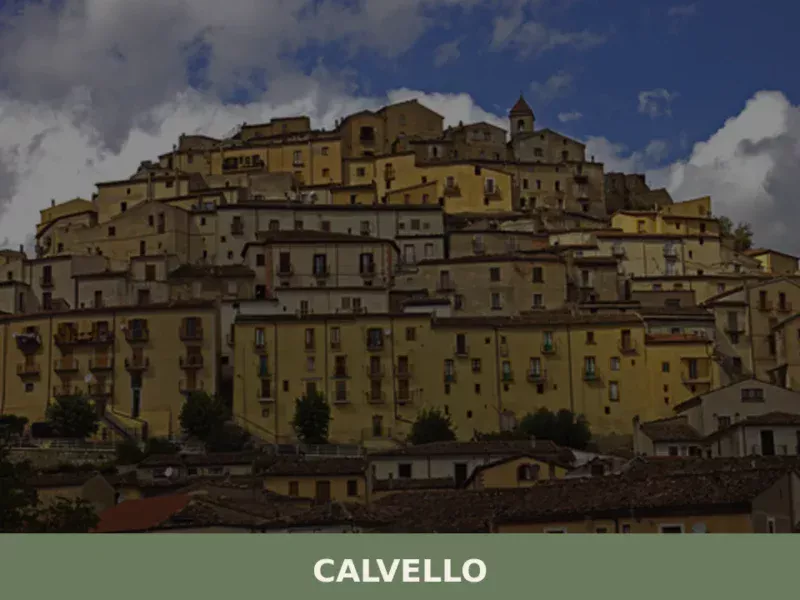
Calvello
Mountain
Calvello has 1,768 inhabitants and sits at 730 metres above sea level in the middle Camastra valley, in the province of Potenza. The town extends along the slope that descends from the ruins of the Norman castle down to the plain where the local streams converge. Asking what to see in Calvello means crossing an […]

Corleto Perticara
Mountain
What to see in Corleto Perticara, Basilicata, Italy: explore 5 top attractions, local food and festivals. Discover this Potenza province village at 680 m altitude.

Garaguso
Mountain
What to see in Garaguso, Italy: a hilltop comune at 460 m with a Greek Heroon, an 18th-century palace, and Iron Age finds. Discover the top attractions now.
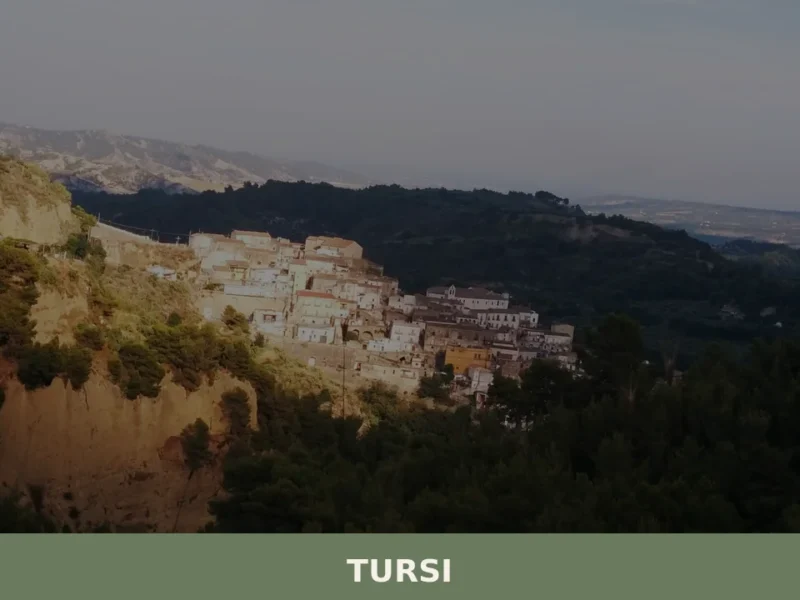
Tursi
 Plains
The ochre-yellow clay slopes that surround Tursi do not stay still. Every significant rainfall shifts the marly sediment, exposing new gullies in the Cenozoic rock and deepening the three chasms — the Palmara ditch to the north, the St. Francis ditch to the east, and the Cathedral ditch to the west — that have protected […]
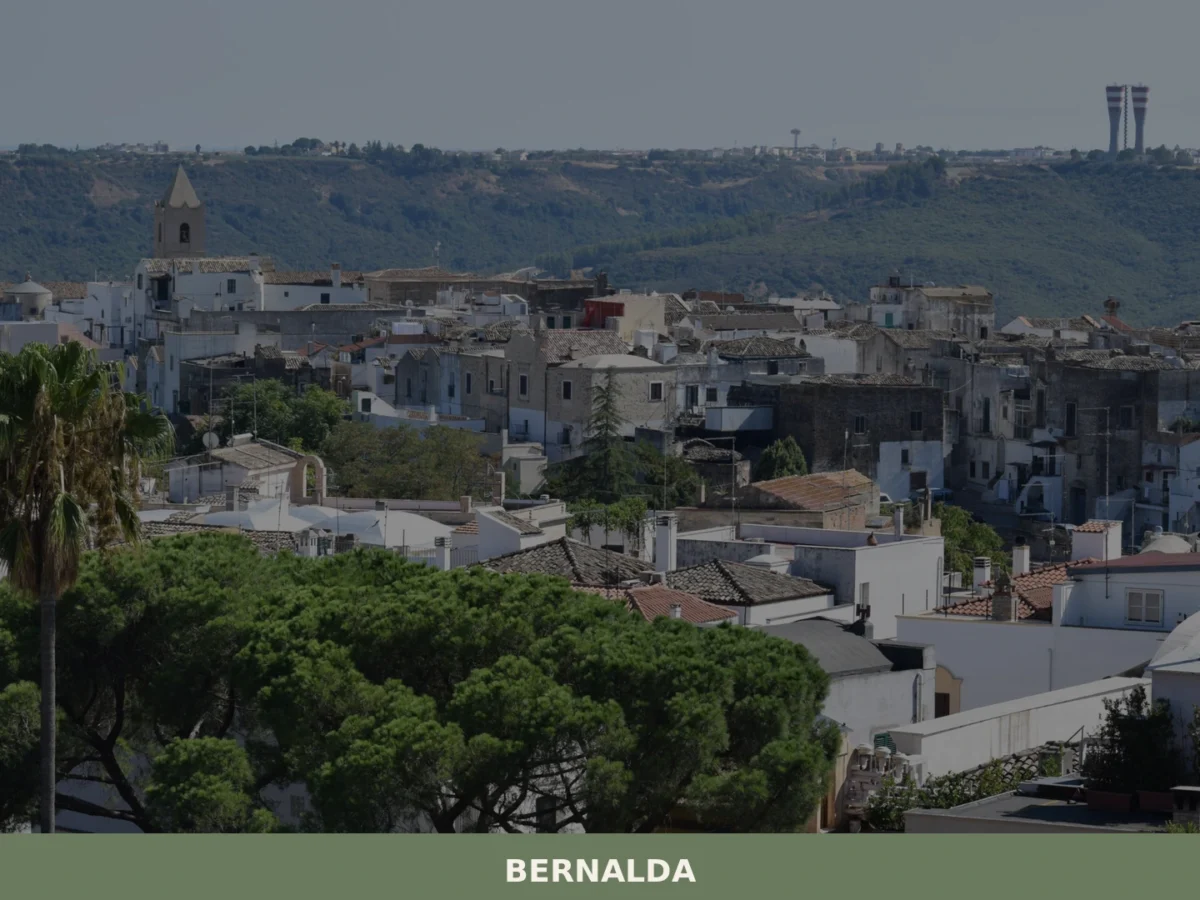
Bernalda
 Sea
Sea
What to see in Bernalda: 5 attractions in this Basilicata village, from the historic center to Metaponto. Discover the complete guide and plan your visit.
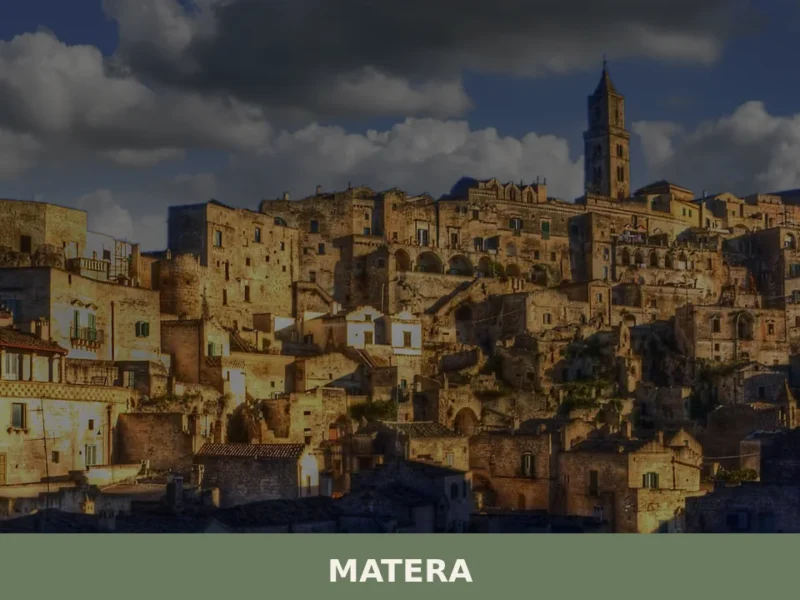
Matera
 Hills
Hills
What to see in Matera, Italy: explore the UNESCO Sassi cave districts, a 52 m cathedral, and rupestrian churches. City of 60,009 in Basilicata. Discover how to get there.

Forenza
Mountain
Discover Forenza, a hilltop village in Potenza province at 800m, with historic churches, Apennine panoramas, and authentic Lucanian cuisine.
Anzi
Mountain
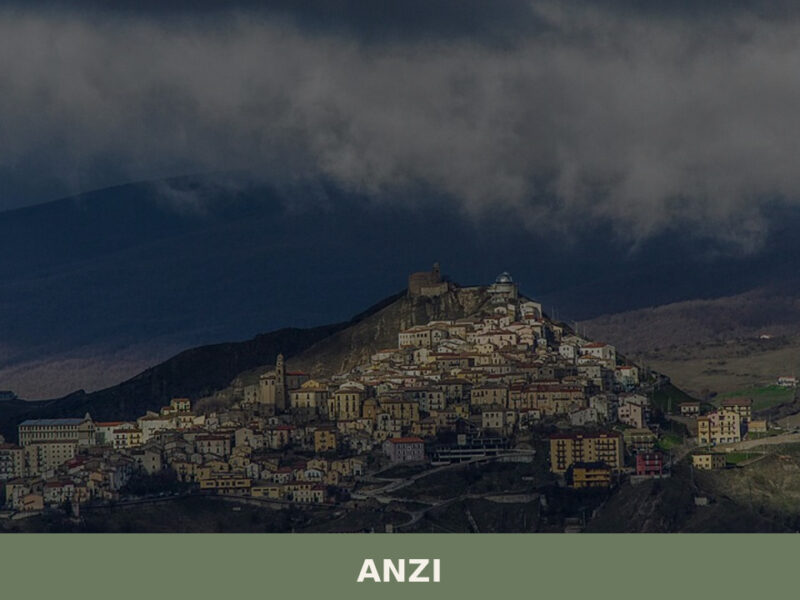
Anzi sits at 1,008 metres above sea level in the province of Potenza, making it one of the highest settlements in Basilicata. Home to 1,745 inhabitants, this small Lucanian village occupies a rocky spur along the upper valley of the Camastra river, surrounded by dense forests of oak and chestnut. For anyone researching what to […]
Cersosimo
Hills
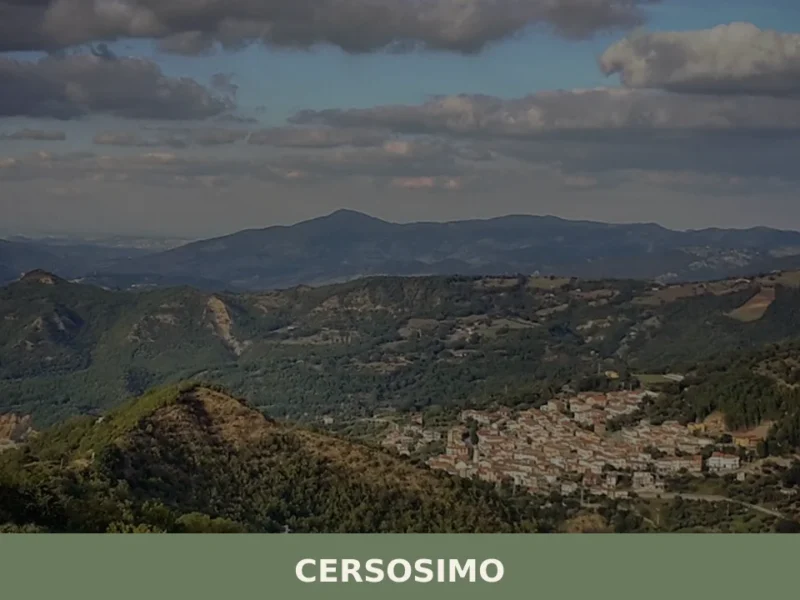
Discover what to see in Cersosimo, an authentic village in Basilicata. From the Mother Church to the castle remains, explore the history and typical cuisine of this hilltop center in the province of Potenza.
Atella
Hills
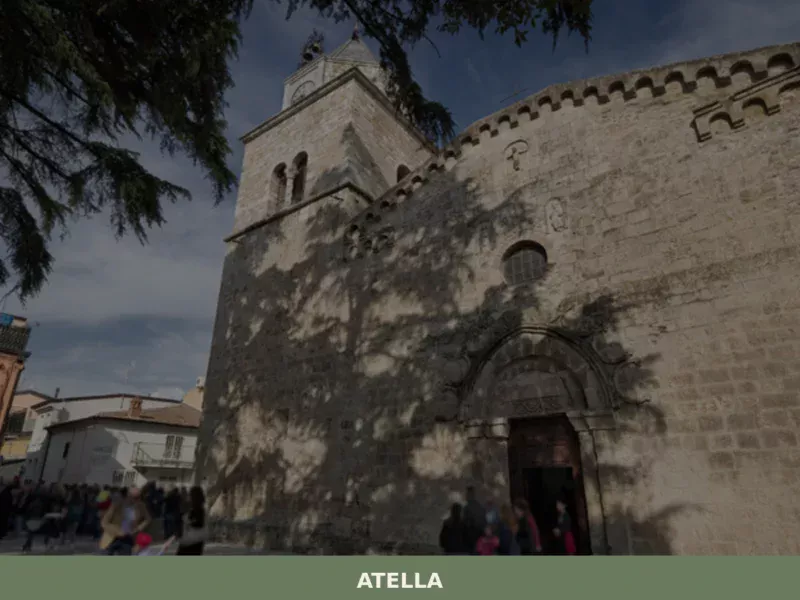
Discover what to see in Atella, a 3,574-inhabitant comune in Potenza province. History, food, travel tips and the best of the Vulture-Melfese area.




🏡 Know Avigliano better than we do?
If you’re a local or have been there, your knowledge matters: add what’s missing or fix a detail on this page.