


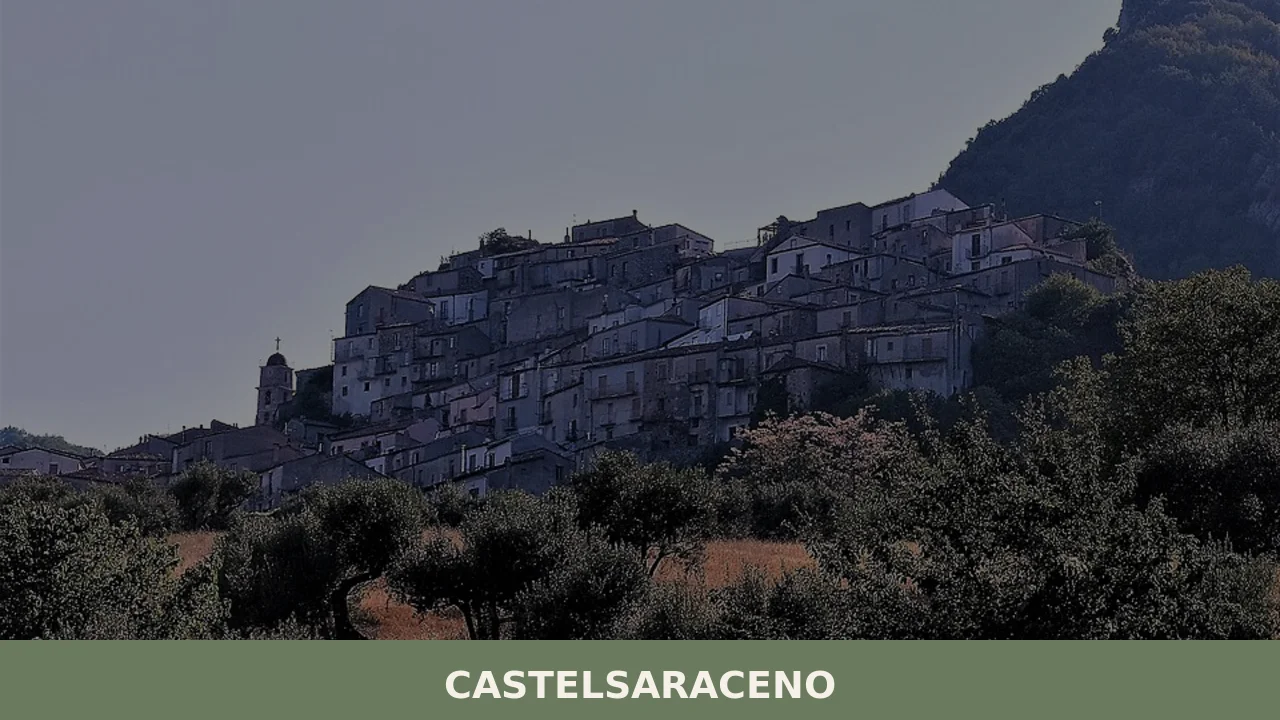
Castelsaraceno
 Mountain
What to see in Castelsaraceno, Italy? Explore this mountain village at 916 m (3,005 ft) altitude. Discover the 586 m (1,923 ft) Tibetan Bridge and its historic core. Read our guide.
Discover Castelsaraceno
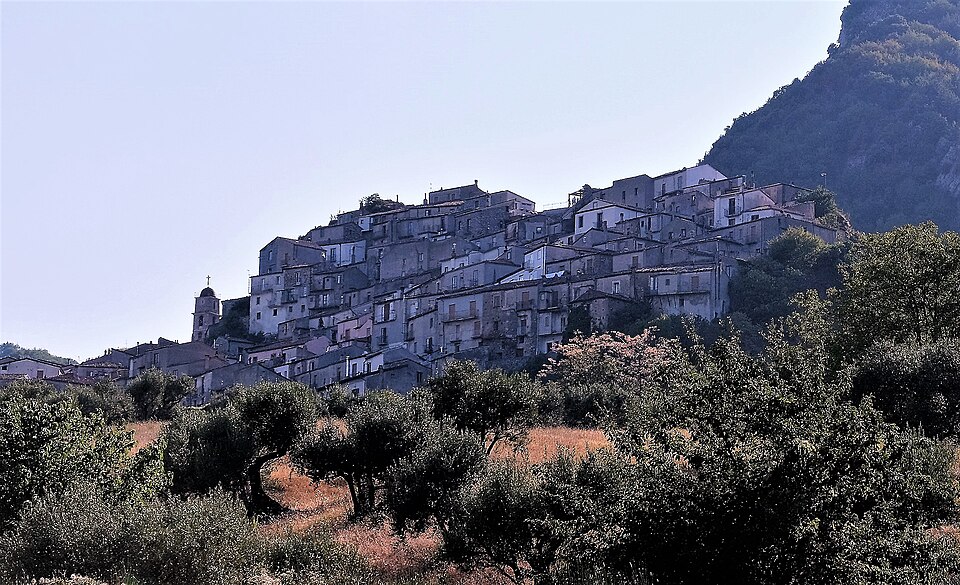
The village of Castelsaraceno sits at an elevation of 916 m (3,005 ft) above sea level, commanding views across the Basilicata landscape. Its identity is deeply tied to the surrounding mountainous terrain, a characteristic that defines its layout and historical development. This altitude provides both a strategic advantage and a distinct climate for its 1,176 inhabitants, shaping much of what to see in Castelsaraceno.
For those wondering what to see in Castelsaraceno, the village offers a unique blend of natural and architectural points of interest.
Visitors to Castelsaraceno find the 586 m (1,923 ft) Tibetan Bridge a primary draw, alongside the historic core with its traditional structures. The Castelsaraceno highlights include opportunities for both adventure and cultural exploration in this Southern Italian region.
History of Castelsaraceno
The name Castelsaraceno, derived from “Castello dei Saraceni” (Castle of the Saracens), strongly suggests a historical connection to the period of Saracen incursions in Southern Italy. While precise founding dates are not explicitly detailed in available records, the toponym itself indicates a defensive settlement likely established during the early medieval centuries, possibly as a stronghold against invaders. Such names frequently emerged in regions where Byzantine or Lombard territories bordered areas influenced by Arab presence, reflecting a strategic need for fortifications. The local Lucanian dialect refers to the village as Castìeddë, a linguistic trace that underscores its ancient roots and enduring regional identity within Basilicata, distinguishing it culturally.
Throughout the medieval period, the strategic position of Castelsaraceno, perched at 916 m (3,005 ft) above sea level in the province of Potenza, would have been crucial for controlling mountain passes and valleys.
Like many settlements across Southern Italy, it likely experienced various feudal dominations, passing through the hands of different noble families who shaped its administrative, social, and economic structures over centuries. These historical shifts contributed to the distinctive architectural character of the village, with visible layers of development evident in its older buildings and urban fabric. The community maintained its agricultural and pastoral traditions, adapting to the geographical challenges and opportunities presented by its rugged mountainous environment for sustenance and trade.
The 19th and 20th centuries saw Castelsaraceno, similar to other Basilicata towns like Campomaggiore and Banzi, facing significant demographic shifts, including waves of emigration that reshaped many rural Italian communities. Despite these challenges, the village has diligently preserved its distinct identity, cultural heritage, and traditional way of life.
More recent developments, such as the construction of the 586 m (1,923 ft) pedestrian footbridge, represent a modern chapter in its evolution, strategically re-orienting its focus towards sustainable tourism and outdoor activities. This contemporary infrastructure connects Castelsaraceno to a broader international audience, effectively highlighting its remarkable natural attributes while honoring its deep historical roots, offering new perspectives on what to see in Castelsaraceno.
What to see in Castelsaraceno, Basilicata: top attractions
Ponte Tibetano di Castelsaraceno
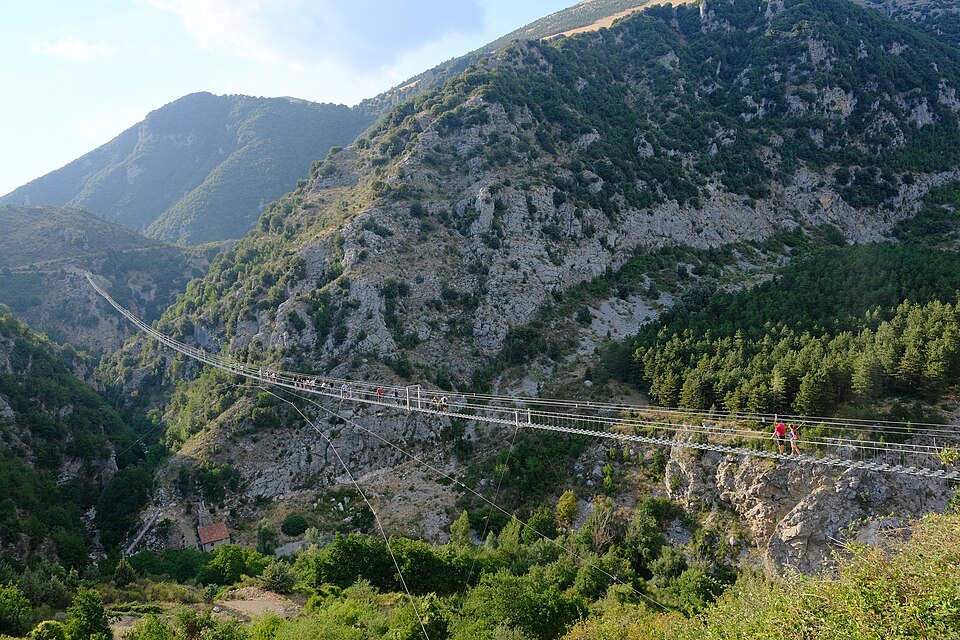
The most prominent feature near Castelsaraceno is its impressive Tibetan Bridge, stretching a remarkable 586 m (1,923 ft) across a deep gorge, making it one of the longest pedestrian suspension bridges of its kind. This modern engineering feat offers a unique experience for visitors seeking both adventure and unparalleled panoramic views of the surrounding landscape. Walking its length provides an exhilarating perspective of the natural environment, with the village itself visible in the distance, illustrating its dramatic setting. Access to the bridge typically involves a ticket and adherence to specific safety instructions, making it a planned and memorable activity for those exploring what to see in Castelsaraceno.
Chiesa di Sant’Antonio da Padova
As the village’s patron saint, Sant’Antonio da Padova is honored with the main church in Castelsaraceno, which serves as a central point of communal life and spiritual devotion.
While specific architectural details are not extensively documented in general sources, such churches in Basilicata often feature elements reflecting centuries of construction and renovation, from Romanesque foundations to later Baroque additions. Inside, visitors can expect to find religious art, altars dedicated to saints, and an atmosphere of quiet reflection, often within a structure dating back several hundred years. The church, typically located within the historic core, serves as a focal point for the annual patron saint festivities on June 13.
The Historic Village Layout
The historic core of Castelsaraceno presents a compact arrangement of traditional houses, narrow alleyways, and small squares, characteristic of mountain villages in Southern Italy. Its layout, influenced by centuries of settlement on an elevated terrain, reflects both a defensive posture and an efficient use of space within its historical boundaries. Exploring these pedestrian-friendly streets reveals aged stone facades, traditional doorways, and glimpses into local life, offering a tangible connection to the village’s past.
The elevation of 916 m (3,005 ft) means that many points within the historic center offer unexpected vistas of the surrounding valleys and distant peaks, defining much of what to see in Castelsaraceno.
Views from the Altitude of Castelsaraceno
Perched at 916 m (3,005 ft) above sea level, Castelsaraceno naturally provides extensive panoramic views of the Basilicata region, extending across undulating mountain ranges and deep valleys. From various points within and around the village, visitors can observe the forested expanses and the intricate topography that characterize this part of Southern Italy. These elevated perspectives are particularly striking during sunrise or sunset, when the landscape is bathed in dramatic, changing light, offering exceptional photographic opportunities. For those exploring what to see in Castelsaraceno, these natural vistas offer a serene counterpoint to more active pursuits, providing moments of quiet contemplation.
Hiking Paths in the Castelsaraceno Mountains
Given its classification under “Montagna” themes and its significant altitude, the area immediately surrounding Castelsaraceno is exceptionally suitable for hiking and exploring natural trails. While specific named paths are not detailed in general sources, the mountainous terrain implies a network of routes suitable for varying levels of experience, from gentle walks through wooded areas to more challenging ascents. These paths offer a direct way to experience the local flora and fauna, alongside the fresh, clean mountain air, providing a genuine connection to the natural world. Visitors interested in outdoor activities should inquire locally about accessible trails that connect to the broader natural parks of Basilicata, allowing for deeper engagement with the region’s wilderness.
Local food and typical products of Castelsaraceno
The culinary tradition of Castelsaraceno, deeply integrated into the gastronomic landscape of the Basilicata region, reflects its mountainous environment and a long history of agricultural self-sufficiency.
Local cuisine emphasizes simple, robust ingredients, often sourced directly from the fertile surrounding land, dense forests, and high pastures. The traditional diet has historically relied on seasonal produce, various legumes, ancient cereals, and a rich array of dairy products from locally raised sheep and goats, which is characteristic of many mountain communities. This approach results in dishes that are intensely flavorful and hearty, designed to sustain those engaged in the demanding agricultural and pastoral work of the area, embodying the region’s strong connection to its natural resources and adding to the overall experience of what to see in Castelsaraceno.
Among the typical dishes of Castelsaraceno and the broader Basilicata area are numerous handmade pasta preparations, often crafted from durum wheat flour and water. One common example is lagane e ceci, a rustic flat pasta dish served with chickpeas, showcasing the region’s historical reliance on legumes as a dietary staple.
Another prevalent pasta is strascinati, a type of pasta similar to orecchiette, frequently served with a rich meat sauce, often made from local pork, or with sautéed wild vegetables and a generous grating of strong Pecorino cheese. The use of lamb and pork is also widespread, with traditional preparations like roasted lamb or various cured pork sausages reflecting the ancestral farming practices and available livestock in the area.
While specific certified products are not explicitly listed for Castelsaraceno in the available sources, the mountainous region of Basilicata is widely recognized for several traditional food items that are likely found and produced locally. These typically include a variety of sheep and goat cheeses, such as different forms of Pecorino, often aged to achieve varying degrees of intensity and flavor profiles.
Cured meats, including regional salamis and sausages, are also significant, frequently seasoned with local wild herbs and the ubiquitous chili pepper, or peperoncino, a hallmark ingredient in Southern Italian cooking. Although not explicitly mentioned, local olive oil remains a fundamental component of Basilicata’s gastronomy, contributing its distinct character to many regional dishes.
Festivals, events and traditions of Castelsaraceno
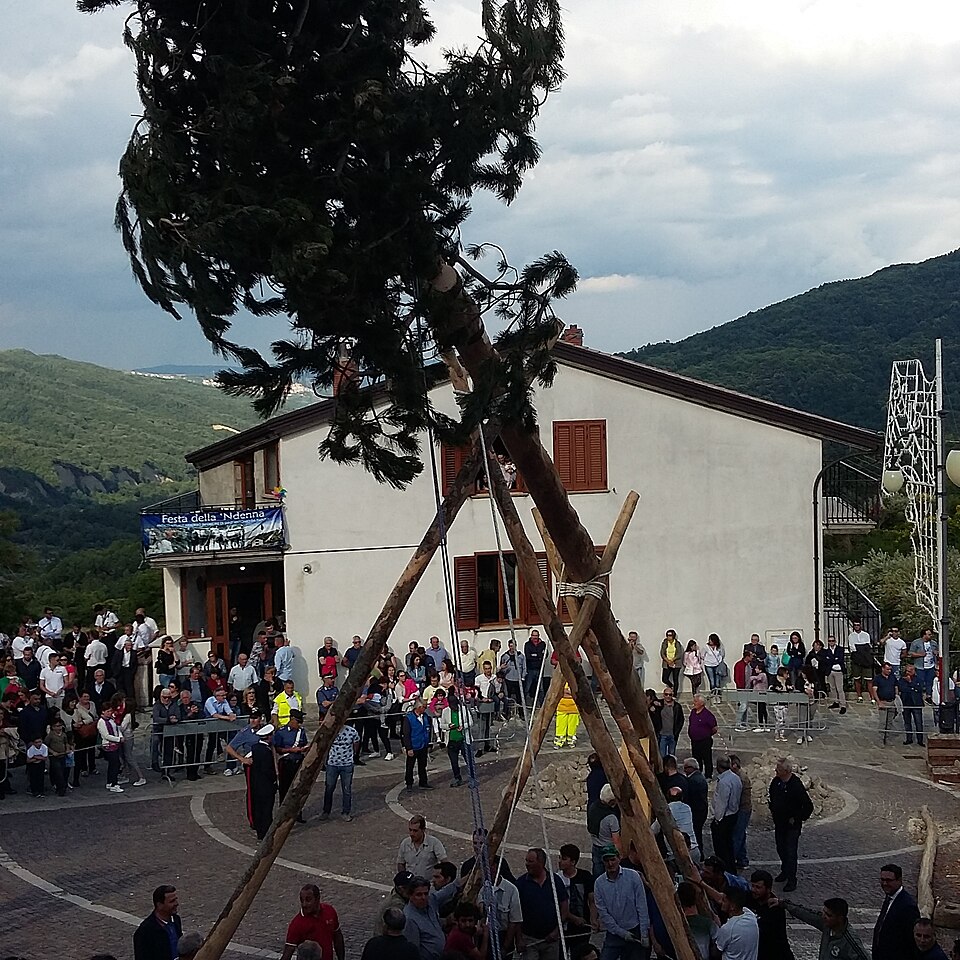
The most significant annual event in Castelsaraceno is the feast day of its patron saint, Sant’Antonio da Padova, celebrated on June 13. This religious festival is a deeply ingrained tradition, bringing together the community in a series of solemn and festive activities. The day typically includes a religious procession, where the statue of Sant’Antonio is carried through the village streets, accompanied by local music and hymns. This event underscores the strong faith and communal bonds that define life in Castelsaraceno, a tradition shared with many other Italian villages like Castelluccio Superiore.
Beyond the patron saint’s day, local traditions in Castelsaraceno often revolve around agricultural cycles and seasonal harvests, though specific event names are not detailed in the provided sources.
These community celebrations, common in mountain villages across Italy, might include local markets featuring regional produce or gatherings that highlight traditional music and folklore. The mountainous setting and close-knit population of 1,176 inhabitants contribute to the preservation of these customs, offering visitors a glimpse into the authentic cultural fabric of Basilicata. Such events provide an opportunity to experience the collective spirit of the village, enriching the understanding of what to see in Castelsaraceno beyond its physical landmarks.
When to visit Castelsaraceno, Italy and how to get there
The best time to visit Castelsaraceno, Italy, and the wider Basilicata region, generally spans from late spring (May-June) to early autumn (September-October). During these months, the weather is typically mild and pleasant, making it ideal for outdoor activities such as hiking and exploring the Tibetan Bridge. The summer months of July and August can be warm, but the village’s altitude of 916 m (3,005 ft) often provides cooler temperatures compared to coastal areas such as Bernalda. Visiting in June allows for participation in the Sant’Antonio da Padova feast, offering a significant cultural highlight.
Accessing Castelsaraceno primarily involves travel by road, as is common for many mountain villages in Southern Italy.
If you arrive by car, the village is reachable via regional roads that connect to major arteries in Basilicata, such as the A2 Autostrada del Mediterraneo. The nearest major train stations are in Potenza or Salerno, requiring a subsequent bus or car transfer to reach the village. For international visitors, the nearest airports are usually Bari Karol Wojtyła Airport (BRI) or Naples International Airport (NAP). From Bari, Castelsaraceno is approximately 180 km (112 mi) away, with a driving time of around 2.5 to 3 hours, while Naples is about 190 km (118 mi) away, taking similar travel time. It is advisable to rent a car for flexibility in exploring the region.
For those planning a day trip from a nearest major city like Potenza, Castelsaraceno is approximately 90 km (56 mi) distant, making it a feasible excursion requiring about 1.5 to 2 hours of driving. The mountainous terrain means roads can be winding, so it is important to allow ample travel time and drive carefully. While credit cards are widely accepted in larger establishments, carrying some Euros cash can prove useful for smaller shops, local markets, or rural eateries.
English may be limited in smaller businesses, so having a few basic Italian phrases can significantly enhance your interactions with the local population, ensuring a smoother visit to this part of Basilicata. Ultimately, what to see in Castelsaraceno extends beyond individual sites to encompass the broader experience of a welcoming mountain community. For further information, the official municipality website provides local details.
Frequently asked questions about Castelsaraceno
What is the best time to visit Castelsaraceno?
Spring (April–June) and autumn (September–October) offer mild temperatures ideal for hiking in the Pollino National Park, with blooming or colorful foliage. Summer is perfect for crossing the Tibetan Bridge and escaping coastal heat, as the altitude keeps temperatures pleasantly cool. June 13th is a key date: the patron saint festival of Sant'Antonio di Padova brings religious celebrations and traditional events to life. Winter can offer evocative snowy landscapes but requires warm clothing and appropriate footwear for mountain conditions.
What are the historical origins of Castelsaraceno?
The name derives from 'Castrum Saracenum,' referencing an ancient fortress or Saracen presence in the area. First documented records date to the 10th century, when the village's strategic position between the Racanello and Frida river valleys made it a contested control point. During the Middle Ages it fell under the influence of noble families including the Sanseverino and Carafa, and its history was tied to the Kingdom of Naples and later the Kingdom of the Two Sicilies, shaped by feudal dynamics, seismic events, and rural traditions.
What to see in Castelsaraceno? Main monuments and landmarks
The must-see attraction is the Tibetan Bridge (inaugurated 2021), approximately 586 meters long and the world's longest of its kind, spanning the Racanello valley. The Mother Church of Saint Nicholas of Myra houses sacred works reflecting centuries of local devotion. The 18th-century Sanctuary of Our Lady of Carmine offers a panoramic view over the Pollino National Park. The historic center features compact stone architecture with narrow alleys and stairways adapting to the mountain slope, representing authentic Lucanian vernacular building traditions.
What are the main natural or scenic attractions of Castelsaraceno?
Castelsaraceno lies within the Pollino National Park, one of Italy's largest protected areas. The surrounding territory features beech and fir forests, mountain waterways, and trails suitable for trekking. The park hosts endemic species including the Bosnian pine (Pinus leucodermis), a symbol of the entire Pollino area. The Racanello valley, crossed by the Tibetan Bridge, offers impressive views of deep gorges and forested ridgelines, making this an excellent base for nature lovers exploring southern Basilicata's mountain environment.
Where to take the best photos in Castelsaraceno?
The Tibetan Bridge itself is the most photogenic spot: from its 586-meter span over the Racanello valley, visitors capture dramatic aerial views of the gorge and surrounding Pollino forests. The churchyard of the Sanctuary of Our Lady of Carmine provides a wide panorama over valleys and mountain peaks. The stone alleyways of the historic center, with their layered architecture clinging to the hillside, offer atmospheric shots typical of inland Lucanian villages, especially during golden hour or after light snowfall in winter.
Are there museums, churches or historic buildings to visit in Castelsaraceno?
The main religious buildings are the Mother Church of Saint Nicholas of Myra, which preserves sacred artworks and furnishings accumulated over centuries of restorations, and the 18th-century Sanctuary of Our Lady of Carmine, known for its simple façade and panoramic churchyard. The historic center itself functions as an open-air architectural museum, with stone dwellings and passages that reflect the village's adaptation to mountain topography across several centuries of settlement.
What can you do in Castelsaraceno? Activities and experiences
The primary experience is walking the world's longest Tibetan Bridge across the Racanello valley — a mix of adventure and panoramic sightseeing. The Pollino National Park offers hiking and trekking trails through beech forests and along mountain waterways. On June 13th, the festival of Sant'Antonio di Padova provides an immersive experience in local religious and folk traditions. Food and wine enthusiasts can explore the area's mountain gastronomy, including cured meats, aged cheeses, and IGP legumes from the surrounding Agri valley territory.
Who is Castelsaraceno suitable for? Families, couples, hikers, solo travelers?
Castelsaraceno suits hikers and nature lovers drawn to the Pollino National Park's trails and biodiversity. Adventure seekers come specifically for the Tibetan Bridge experience. Couples and slow travelers appreciate the quiet historic center, mountain scenery, and authentic Lucanian atmosphere far from mass tourism. Families with older children can enjoy the bridge and park excursions comfortably. It is less suited to visitors expecting urban amenities, given its small population of around 1,176 residents and its remote mountain location at 916 meters altitude.
What to eat in Castelsaraceno? Local products and specialties
The local table draws on mountain Basilicata traditions: fresh pasta formats like strascinati, cavatelli, and lagane are served with pork or lamb ragù or legume-based sauces. Sarconi IGP beans, lentils, and grass peas feature in hearty soups. Cured meats include pezzente della montagna, soppressata, and capocollo. Aged cheeses — pecorino and caciocavallo from pasture-raised animals — are staples. Peperoni cruschi (dried fried peppers) and lampascioni (wild hyacinth bulbs) add distinctive flavors, while sweets like scarcelle and pasticciotti close festive meals.
📷 Photo Gallery — Castelsaraceno
Nearby Villages near Castelsaraceno

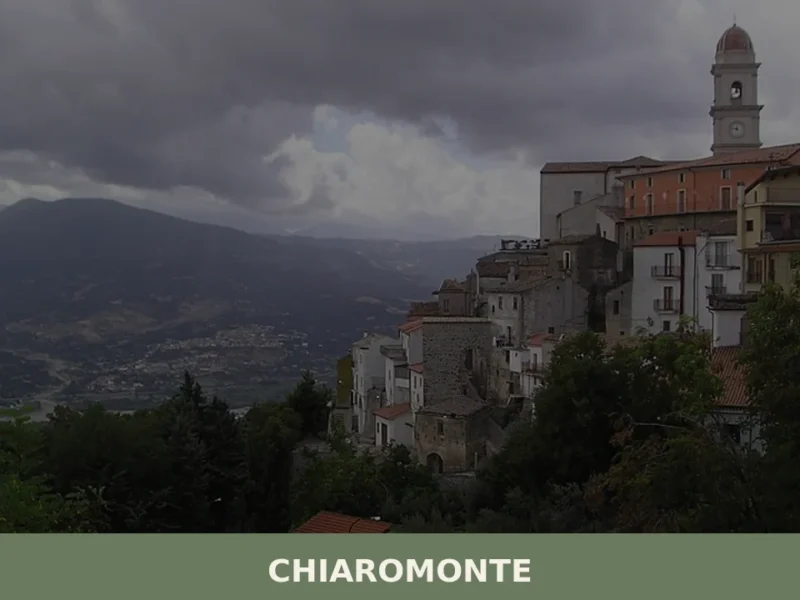
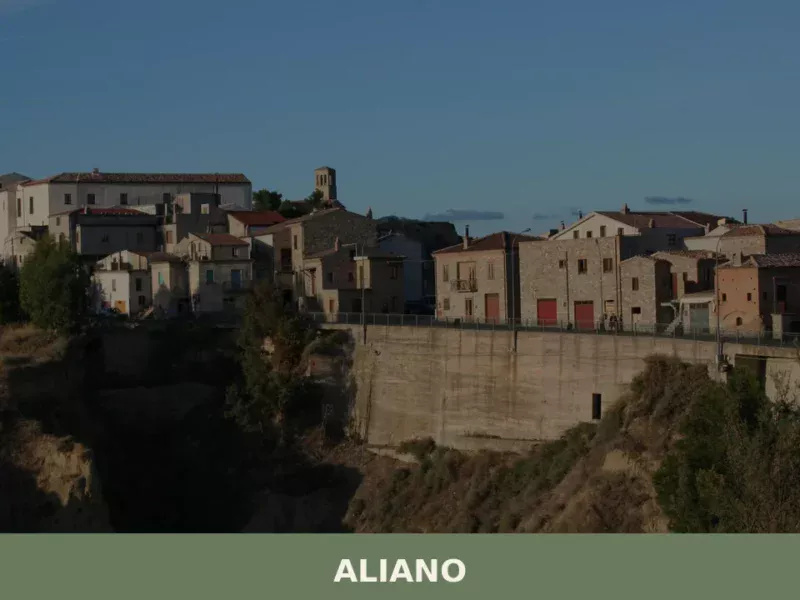
In Basilicata More villages to discover
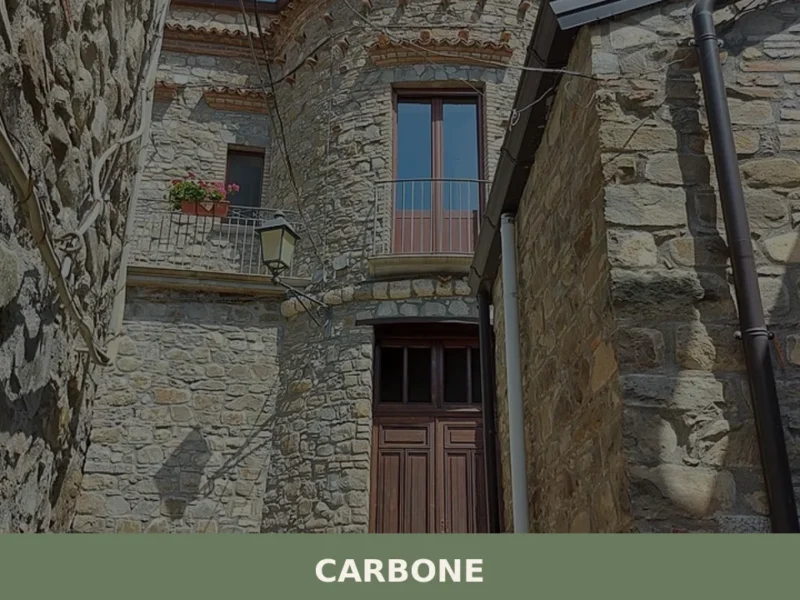
Carbone
Mountain
In the heart of Basilicata, 692 meters above sea level, lies Carbone, a settlement whose history is deeply connected to the 10th-century foundation of the Abbey of San Luca by Basilian monks. This monastic settlement, which became one of the most influential in Southern Italy, influenced the village’s identity, affecting its architecture and culture for […]
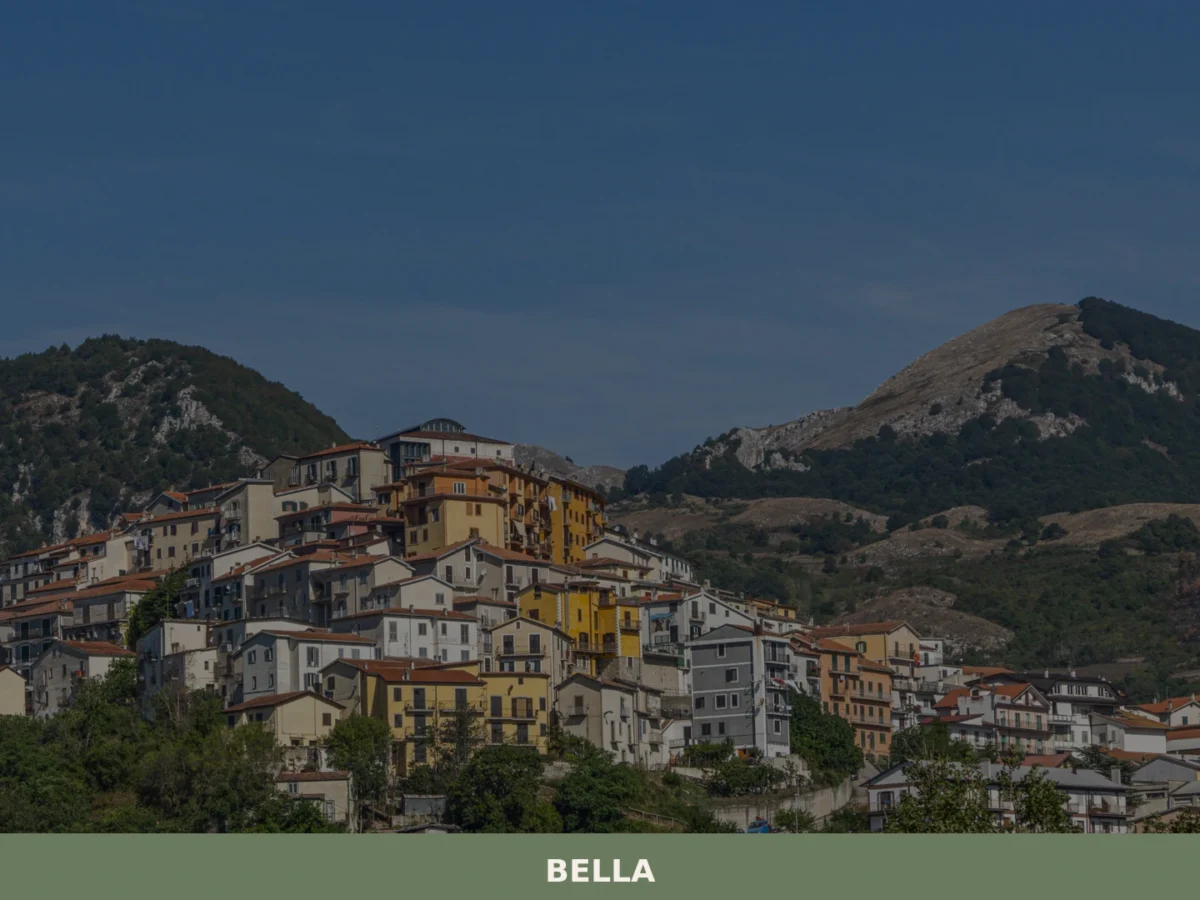
Bella
Mountain
What to see in Bella, the Lucanian village of 4,516 inhabitants? Discover its must-see places and history. Plan your visit!
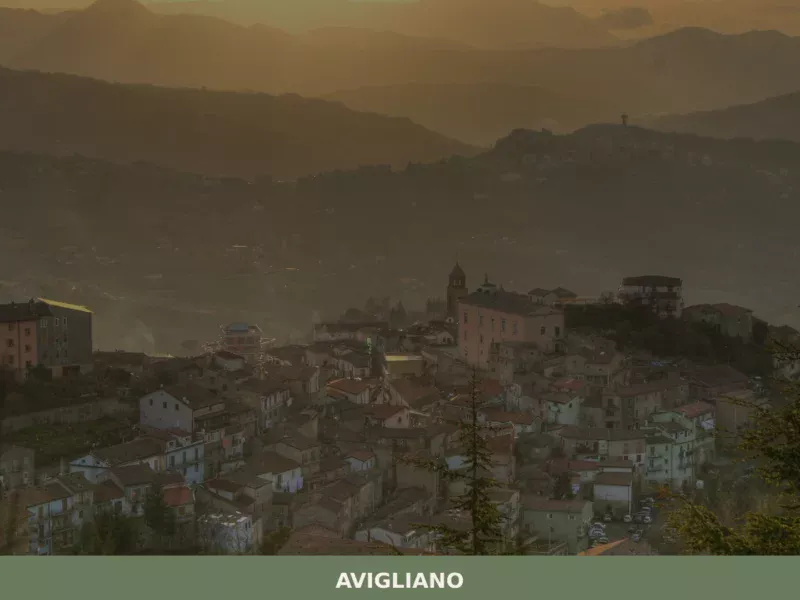
Avigliano
Mountain
Discover what to see in Avigliano, a recognised cittu00e0 in Basilicata's Potenza province. History, attractions, food, and travel tips for this Apennine town.
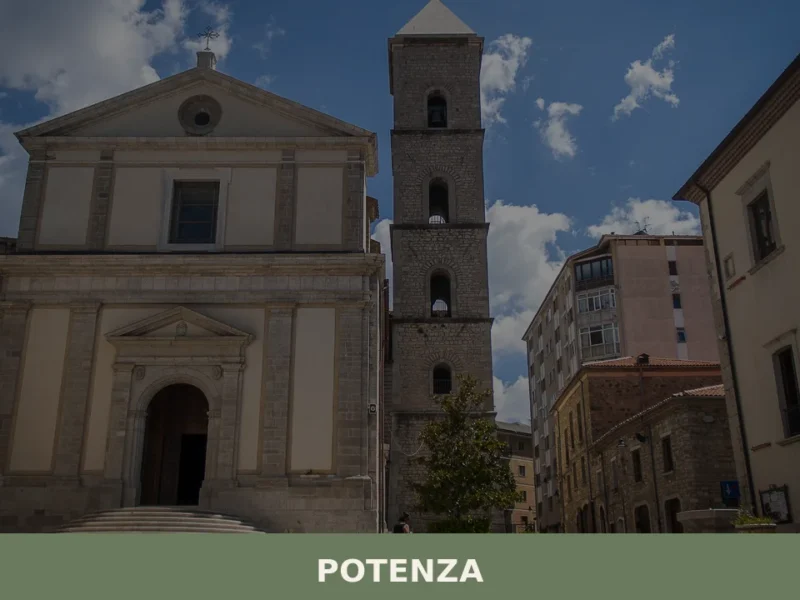
Potenza
Mountain
What to see in Potenza: from the historic centre churches to Castello Tramontano. Complete guide with 5 attractions and practical tips for your visit.
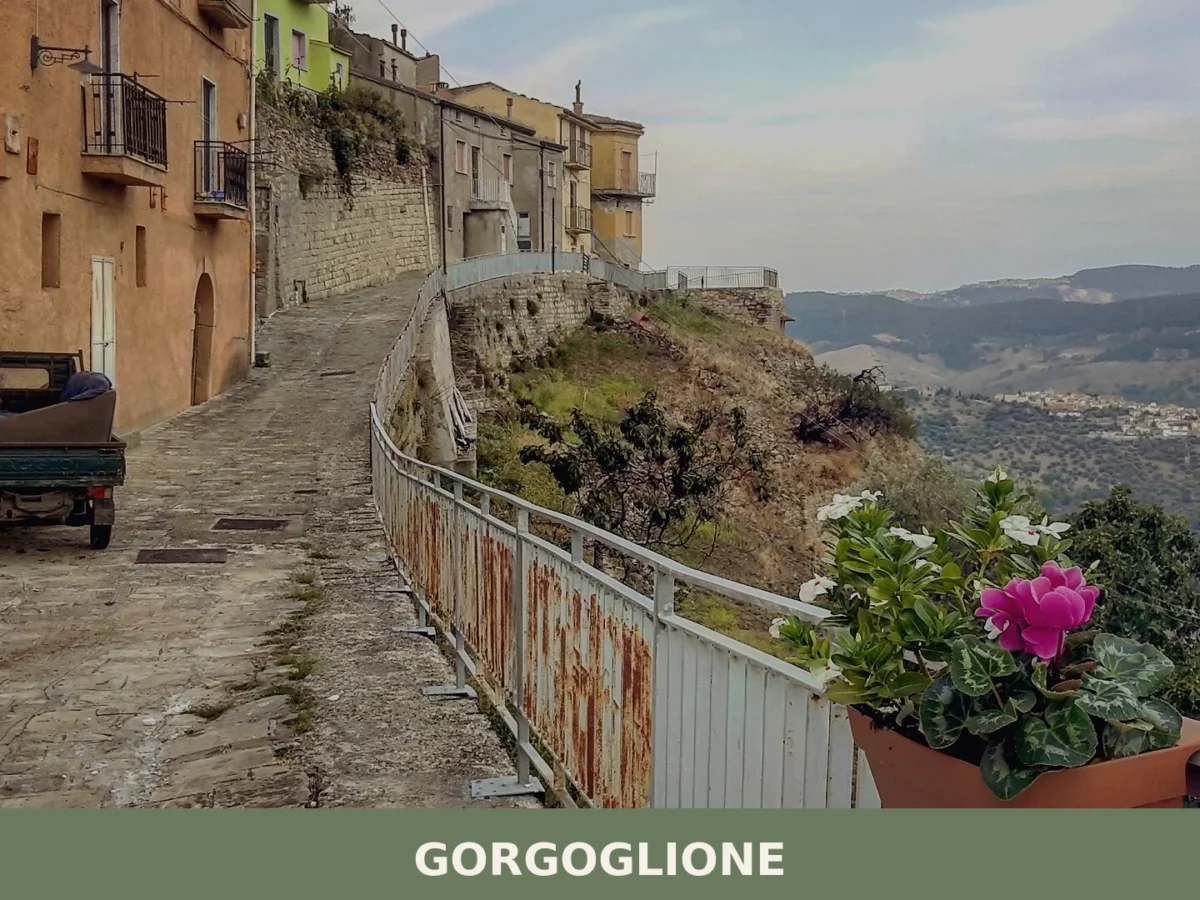
Gorgoglione
Mountain
Gorgoglione is a mountain commune of 836 inhabitants at around 800 metres above sea level in the province of Matera, Basilicata, with a recorded history from pre-Roman antiquity to the post-unificatio
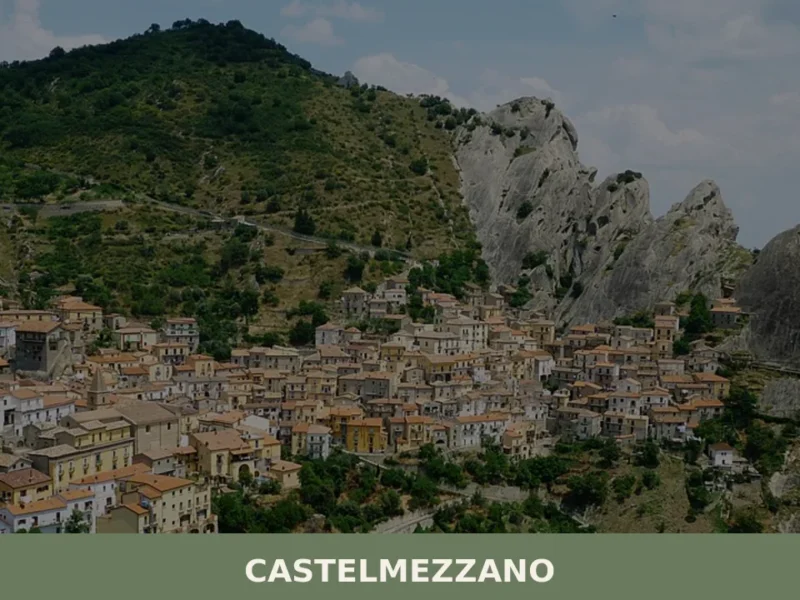
Castelmezzano
Mountain
what to see in castelmezzano, Italy: Discover its 710 inhabitants, ancient castle ruins, and thrilling Angel Flight. Explore Basilicata's stunning Dolomites.
Barile
Mountain
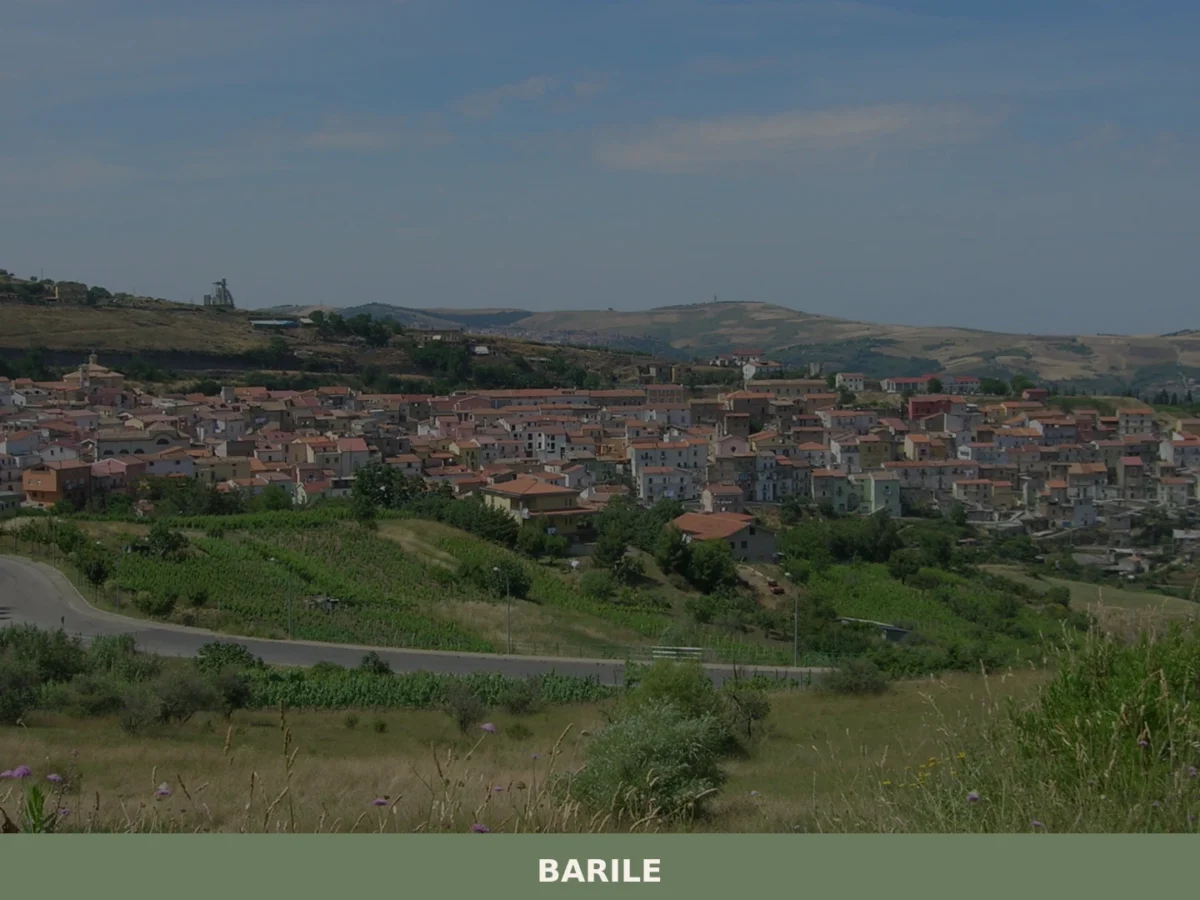
What to see in Barile? Discover 5 must-see attractions in this Basilicata village. The complete guide to visiting Barile awaits you. Plan your trip!

Forenza
Mountain
Discover Forenza, a hilltop village in Potenza province at 800m, with historic churches, Apennine panoramas, and authentic Lucanian cuisine.
Cersosimo
 Hills
Hills
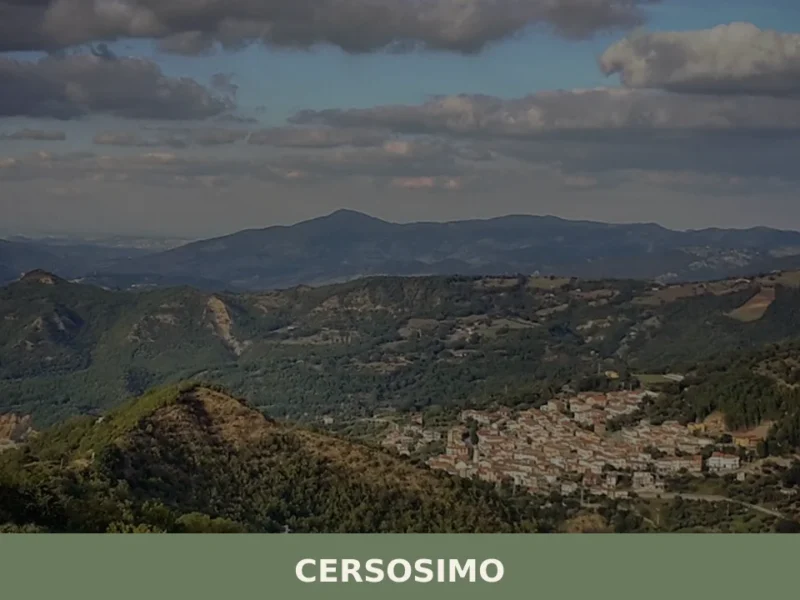
Discover what to see in Cersosimo, an authentic village in Basilicata. From the Mother Church to the castle remains, explore the history and typical cuisine of this hilltop center in the province of Potenza.

Gallicchio
Mountain
Discover Gallicchio, a hilltop village in Potenza province with a medieval castle, historic streets, and stunning views over the Val d'Agri valley.




🏡 Know Castelsaraceno better than we do?
If you’re a local or have been there, your knowledge matters: add what’s missing or fix a detail on this page.