


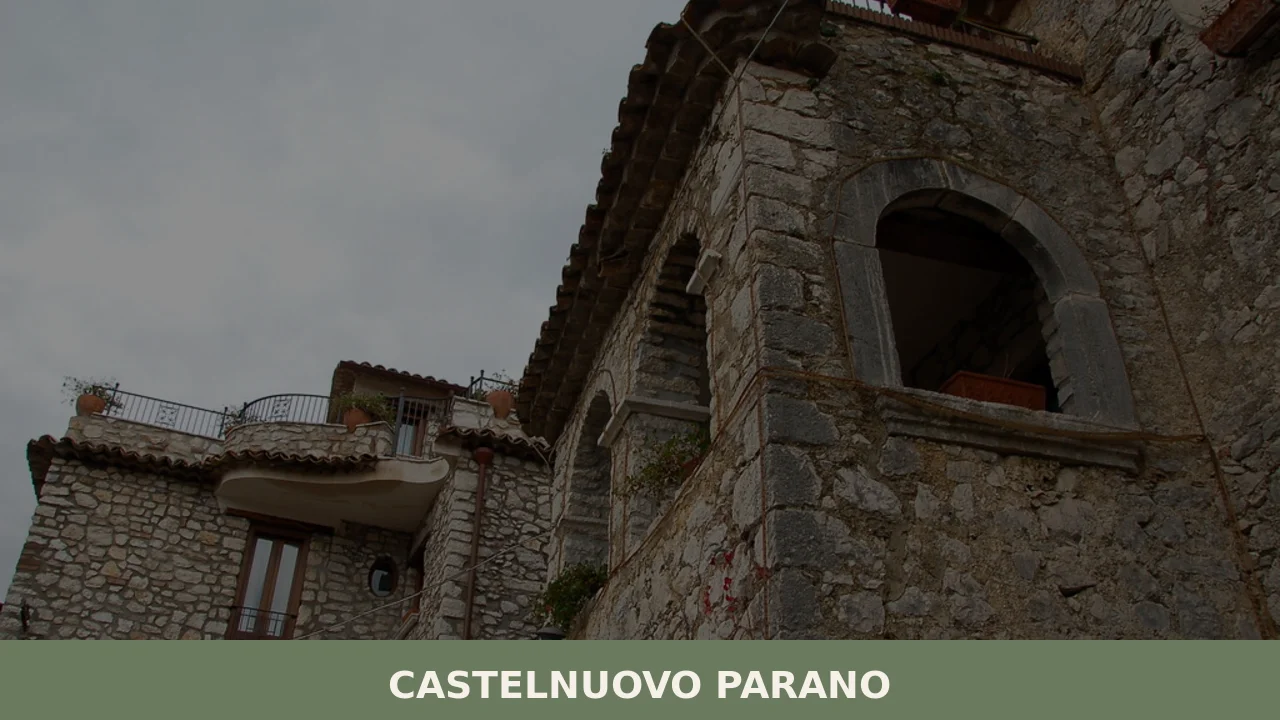
Castelnuovo Parano
 Hills
Hills
What to see in Castelnuovo Parano, Lazio, Italy: a village of 885 at 310 m. Discover the 1059 castle origins, Gustav Line history and local hilltop culture.
Discover Castelnuovo Parano
A castle rose here in 1059, ordered by abbot Desiderius of Montecassino to hold the ground between Fratte and Traetto.
The limestone ridges of the Frosinone hinterland pressed in on all sides, and the structure was not meant to impress — it was meant to control.
Nearly nine centuries later, the same terrain that made this position strategically valuable became one of the most heavily contested stretches of the Gustav Line during World War II, leaving marks on the built fabric and on the population that took decades to absorb.
Deciding what to see in Castelnuovo Parano starts with understanding its scale and its layering: 885 inhabitants, an altitude of 310 m (1,017 ft), and a position 120 km (75 mi) southeast of Rome in the province of Frosinone, Lazio, Italy.
Visitors to Castelnuovo Parano find a hilltop settlement whose medieval origins are readable in the street plan, whose wartime past is embedded in the collective memory, and whose feast of San Mauro on 15 January draws residents back from elsewhere every winter.
The official municipality of Castelnuovo Parano provides current practical information for planning a visit.
History of Castelnuovo Parano
The founding moment is precise and documented: 1059, when abbot Desiderius of Montecassino — later to become Pope Victor III — commissioned a castle to defend the corridor between Fratte and Traetto. Montecassino, the great Benedictine abbey standing roughly 45 km (28 mi) to the south, exercised considerable territorial authority across this part of Lazio during the medieval period, and the construction at what would become Castelnuovo Parano was part of a broader strategy of controlling the road network and agricultural lands of the middle Liri valley.
The name itself reflects the settlement’s origins: castelnuovo, meaning “new castle” in Italian, signals that the fortification was understood as a new foundation rather than a rebuilt structure.
The medieval period left the village with the compact, defensive street layout still visible today.
Houses built close together, narrow lanes designed to slow any hostile incursion, and the elevated position that gave occupants sightlines across the surrounding valleys — all of these features were deliberate responses to the insecure conditions of the eleventh and twelfth centuries.
The area passed through different jurisdictions over the following centuries, its fate tied to the broader contests between papal authority, the Kingdom of Naples, and local baronial families that characterised inland Lazio from the medieval period through to Italian unification in the nineteenth century.
The twentieth century brought the most destructive episode in the village’s recorded history.
Castelnuovo Parano’s position across the Gustav Line — the German defensive fortification running east to west across the Italian peninsula, used during the winter of 1943 to 1944 — placed it directly in the path of sustained military operations.
The area suffered severe damage as Allied and German forces fought for control of the surrounding terrain. After the conflict ended, a significant portion of the population emigrated, a demographic shift that reduced the community sharply and whose effects are still visible in the current population figure of 885.
Reconstruction proceeded, but the village did not return to its pre-war numbers.
What to see in Castelnuovo Parano, Lazio: top attractions
The Medieval Castle Site and Original Fortification Remains
The castle commissioned in 1059 by abbot Desiderius of Montecassino is the founding event around which the entire settlement is organised.
The elevated position at 310 m (1,017 ft) was chosen specifically because it commanded the passage between Fratte and Traetto, and standing at the site today still communicates that logic clearly. The remains of the fortification are integrated into the later built fabric of the village, as happened across much of the Lazio hill-town landscape when defensive structures were progressively converted into residential use.
Visiting in the morning, when the light falls at a low angle, makes the older masonry courses most legible against the later infill.
The Historic Village Centre and Medieval Street Plan
The street layout of Castelnuovo Parano preserves the tight, irregular geometry of an eleventh-century defensive settlement. Lanes rarely run in straight lines for more than 20 m (66 ft) before turning or narrowing, and the building heights on either side were kept deliberately high relative to the lane width. This is not an aesthetic feature but a functional one, inherited from a period when controlling movement through a settlement mattered as much as controlling the perimeter.
Walking through the centre, particularly the older residential core, gives a direct reading of how the village was conceived as an integrated defensive system rather than an aggregation of individual buildings.
The Church of San Mauro Abate
The parish church dedicated to San Mauro Abate — the patron saint whose feast falls on 15 January — anchors the religious and civic life of Castelnuovo Parano.
The building occupies a central position within the village, as was standard for ecclesiastical architecture in medieval Lazio settlements where the church functioned as the institutional core of the community.
The façade and interior reward close attention: look for the carved stonework around the portal, which follows conventions common to the Benedictine-influenced construction traditions of the Frosinone province.
The church is most animated in the second week of January, when preparations for the patron feast bring the building and the surrounding piazza into active use.
The Gustav Line Landscape and War Memory Sites
The territory around Castelnuovo Parano was crossed by the Gustav Line in 1943 and 1944, and the landscape retains evidence of that period for those who know where to look.
The defensive line ran roughly along the Rapido and Garigliano rivers, and the hills above the Liri valley — precisely the terrain surrounding the village — were fortified positions that changed hands multiple times during the winter campaign.
The damage the village sustained was significant enough that post-war emigration substantially reduced the population. For visitors with an interest in Second World War history, this area of Frosinone province is one of the most historically dense in the Italian campaign, and the terrain itself provides immediate context for understanding why the Gustav Line was so difficult to breach.
The Surrounding Hill Country of the Frosinone Interior
Castelnuovo Parano sits in the category of borghi di collina — hilltop settlements — that characterise the inland territories of Lazio south of the Sacco valley.
The countryside between the village and the Garigliano river basin covers a varied terrain of limestone ridges, cultivated terraces, and mixed woodland that extends south toward the Campania border.
Distances are short: the provincial capital Frosinone lies approximately 45 km (28 mi) to the northwest, and the Tyrrhenian coast is reachable within an hour by car.
For those spending more than a day in the area, the hill villages of the broader Frosinone interior — comparable in scale to Civitella d’Agliano in northern Lazio, though set in a quite different geological context — offer a useful comparative frame for understanding how this category of settlement evolved across the region.
Local food and typical products of Castelnuovo Parano
The gastronomy of Castelnuovo Parano belongs to the inland Frosinone tradition, a cuisine shaped by the agricultural conditions of the hill interior: wheat, legumes, pork, sheep’s milk, and seasonal vegetables grown on terraced plots.
This is not a coastal or urban food culture. The proximity to Montecassino and the historical Benedictine influence on the territory contributed to the preservation of bread-making and agricultural practices that remained largely unchanged through much of the modern period.
Olive cultivation on the lower slopes adds oil to the local pantry, and the sheep-grazing uplands contribute both meat and dairy to the table.
Among the dishes documented in the Frosinone hill-town tradition and present in the Castelnuovo Parano area, pasta e fagioli — a dense soup of pasta cooked together with borlotti or cannellini beans, seasoned with lard or guanciale and finished with local olive oil — represents the most direct expression of the peasant agricultural economy.
Cicerchia, a flat legume related to the grass pea and cultivated since Roman times, appears in soups and stews throughout this part of Lazio; it has a nuttier, earthier flavour than chickpeas and a firmer texture after long cooking.
Polenta with slow-braised pork or wild boar was a cold-season staple, prepared in large quantities and eaten over multiple days.
Sheep’s milk cheese, aged in various formats from soft fresh rounds to harder compact wheels, accompanies every meal at some stage.
No certified designation of origin products (DOP, IGP or similar) are specifically documented for Castelnuovo Parano in the available sources. The broader Frosinone province is associated with olive oil production and sheep’s milk cheese traditions that are regionally recognised, but specific product certifications tied to the municipality itself are not confirmed in the data available for this guide.
Visitors seeking certified local products should enquire at the municipal office or at local markets in Frosinone city, approximately 45 km (28 mi) northwest.
The winter months, coinciding with the feast of San Mauro on 15 January, are the most reliable time to encounter traditional food preparation in the village.
Households and local associations typically prepare dishes from the cold-season repertoire for communal meals around the feast day.
Visitors arriving in late spring will find the market gardens beginning to produce the courgettes, tomatoes, and peppers that shift the table toward lighter preparations through the summer months.
Festivals, events and traditions of Castelnuovo Parano
The most significant annual event in Castelnuovo Parano is the feast of San Mauro Abate — Saint Maurus the Abbot — celebrated on 15 January. San Mauro was a sixth-century disciple of Saint Benedict, and his cult spread widely across the territories under Benedictine influence, making his patronage of this village historically coherent given the Montecassino connection that runs through the settlement’s origins. The feast involves a religious procession through the village streets, a solemn Mass in the parish church, and communal gathering in the piazza.
January is a cold month at 310 m (1,017 ft) in the Frosinone interior, and the feast has the character of a midwinter occasion: compact, community-focused, and oriented around the church rather than outdoor spectacle.
The January date also means that the feast of San Mauro draws back residents who have emigrated — a pattern common across southern Lazio villages that experienced post-war population loss — making it one of the few moments in the year when the village reaches something close to its historical demographic density.
Beyond the patron feast, the agricultural calendar shapes the rhythm of communal life: olive harvesting in autumn, pig-slaughtering traditions in the winter months, and the informal food gatherings associated with the legume and grain harvests in late summer and early autumn.
These are not formalised tourist events but ongoing practices visible to visitors who arrive at the right time and are attentive to local rhythms.
When to visit Castelnuovo Parano, Italy and how to get there
The best time to visit Castelnuovo Parano depends on the purpose of the trip. For the patron feast and the concentrated community gathering it brings, 15 January is the fixed point, though the surrounding weeks in mid-winter mean cold temperatures and short daylight hours.
Spring — from late March through May — offers the most comfortable walking conditions: temperatures at 310 m (1,017 ft) are moderate, the agricultural terraces are in active growth, and the roads through the Frosinone interior are not congested.
Summer in inland Lazio is hot and dry, with July and August temperatures regularly exceeding 30°C (86°F) in the valley floors; the hilltop position of the village provides some relief, but the months of June through August see most rural activity pause in the midday hours.
Autumn, particularly October and November, coincides with the olive harvest and produces the clearest atmospheric conditions for views across the surrounding hill country. For international visitors planning a broader Lazio itinerary, autumn is consistently the most practical season: crowds at major Roman sites are lower than in summer, transport connections function reliably, and the combination of events, harvests, and landscape colour rewards a day trip or short stay in the province.
Castelnuovo Parano lies 120 km (75 mi) southeast of Rome, making it reachable as a day trip from the capital with an early start.
By car, the most direct route from Rome follows the A1 motorway southward, exiting at Frosinone and then taking the SS630 toward the Garigliano valley, with the village reachable in approximately 90 minutes under normal traffic conditions. The nearest train station with regular service is at Cassino, approximately 30 km (18.6 mi) to the south on the Rome–Naples mainline operated by Trenitalia; from Cassino, the remaining distance to Castelnuovo Parano requires a car or taxi, as local bus frequency is limited.
The nearest international airport is Rome Fiumicino (Leonardo da Vinci Airport), approximately 150 km (93 mi) to the northwest; Naples Capodichino is approximately 130 km (81 mi) to the south and may be more convenient depending on onward routing.
For those arriving from the northern Lazio area, Proceno in northern Lazio and Celleno are other hilltop settlements worth including in a broader regional circuit before heading south toward Frosinone.
International visitors should note that English is not widely spoken in smaller shops and local businesses in this part of Lazio; carrying euros in cash is practical, as card payment infrastructure in village-scale settlements can be inconsistent.
Visitors with time to extend their stay in the Frosinone interior can include a stop at Bassano Romano, another hilltop settlement in Lazio that shares the same category of medieval foundation and post-war reconstruction history. The road network through the province connects these villages efficiently by car, and the distances involved — rarely more than 50 km (31 mi) between any two points — make multi-village itineraries straightforward to plan within a single day.
Frequently asked questions about Castelnuovo Parano
What is the best time to visit Castelnuovo Parano?
The most atmospheric time to visit is mid-January, when the feast of San Mauro Abate on 15 January brings residents back to the village and traditional food preparations animate the centre. Spring (April–May) and early autumn (September–October) offer mild temperatures ideal for exploring the hilltop streets and surrounding countryside. Summer is warm but manageable at 310 m altitude. Winter visits outside the patron feast are quiet, suited to those who prefer uncrowded hill villages.
What are the historical origins of Castelnuovo Parano?
Castelnuovo Parano was founded in 1059 when abbot Desiderius of Montecassino — later Pope Victor III — commissioned a castle to control the passage between Fratte and Traetto. The name 'castelnuovo' (new castle) reflects its status as a deliberate new foundation. The village's medieval street plan survives intact. During 1943–1944 it lay directly on the German Gustav Line, sustaining heavy damage that prompted significant post-war emigration, reducing the population to its current figure of around 858 inhabitants.
What to see in Castelnuovo Parano? Main monuments and landmarks
The three main points of interest are: the medieval castle site commissioned in 1059, whose remains are integrated into the village fabric and best read in morning light; the historic centre with its tight, irregular eleventh-century street plan of narrow lanes and tall flanking buildings; and the Church of San Mauro Abate, the parish church at the civic heart of the village, notable for its Benedictine-influenced carved stonework around the portal. No admission fees are documented for any of these sites.
Are there museums, churches or historic buildings to visit in Castelnuovo Parano?
The Church of San Mauro Abate is the principal ecclesiastical building, dedicated to the village's patron saint whose feast falls on 15 January. It occupies a central position in the settlement and features carved stonework around the portal consistent with Benedictine construction traditions of Frosinone province. The medieval castle remains, dating to 1059, are embedded within the older residential core. No dedicated museums are documented for the village. The church is most active in the second week of January during patron feast preparations.
What can you do in Castelnuovo Parano? Activities and experiences
Castelnuovo Parano suits slow, exploratory visits focused on three layers: walking the medieval street plan to read the defensive logic of the eleventh-century settlement; seeking out Gustav Line landscape evidence in the surrounding hills, one of the most historically dense areas of the Italian World War II campaign; and participating in the San Mauro feast on 15 January for traditional food and local community life. The Tyrrhenian coast is reachable within an hour by car, making the village a viable base for combining inland and coastal itineraries.
Who is Castelnuovo Parano suitable for? Families, couples, hikers, solo travelers?
Castelnuovo Parano is best suited to historically curious travellers — couples or solo visitors — who appreciate undiscovered medieval hill villages without tourist infrastructure. World War II history enthusiasts will find the Gustav Line landscape immediately rewarding. Those interested in Benedictine heritage and the monastic influence on medieval Lazio will find direct connections to Montecassino. It is not oriented toward families with young children or visitors seeking organised outdoor activities. The village rewards patience and self-guided exploration more than structured tourism.
What to eat in Castelnuovo Parano? Local products and specialties
The local table belongs to the inland Frosinone hill tradition. Key dishes include pasta e fagioli (pasta cooked with borlotti or cannellini beans, seasoned with guanciale and local olive oil) and cicerchia soups — cicerchia being a flat legume cultivated since Roman times with an earthy, nutty flavour. Polenta with braised pork or wild boar was a cold-season staple. Sheep's milk cheese in fresh and aged formats accompanies meals throughout. No DOP or IGP certifications are specifically documented for the municipality itself.
Nearby Villages near Castelnuovo Parano
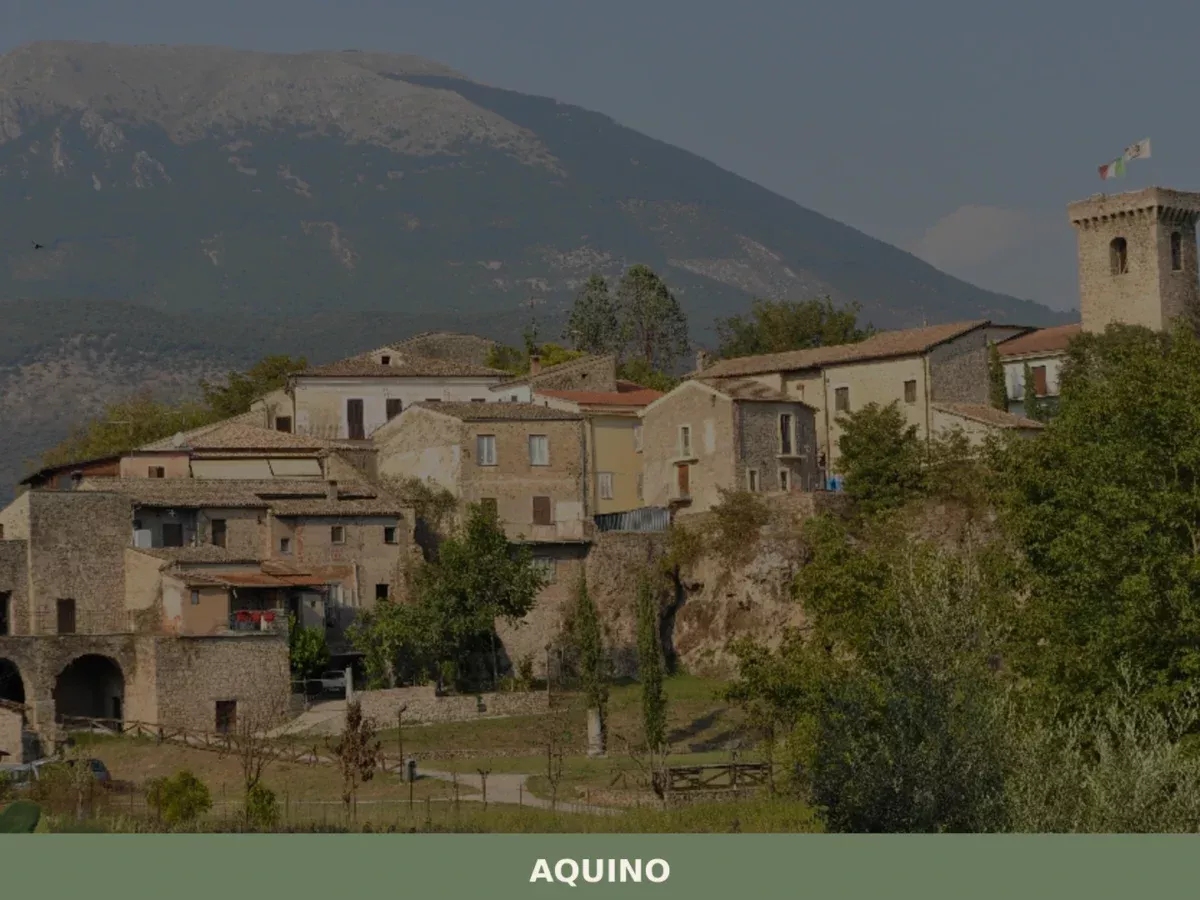
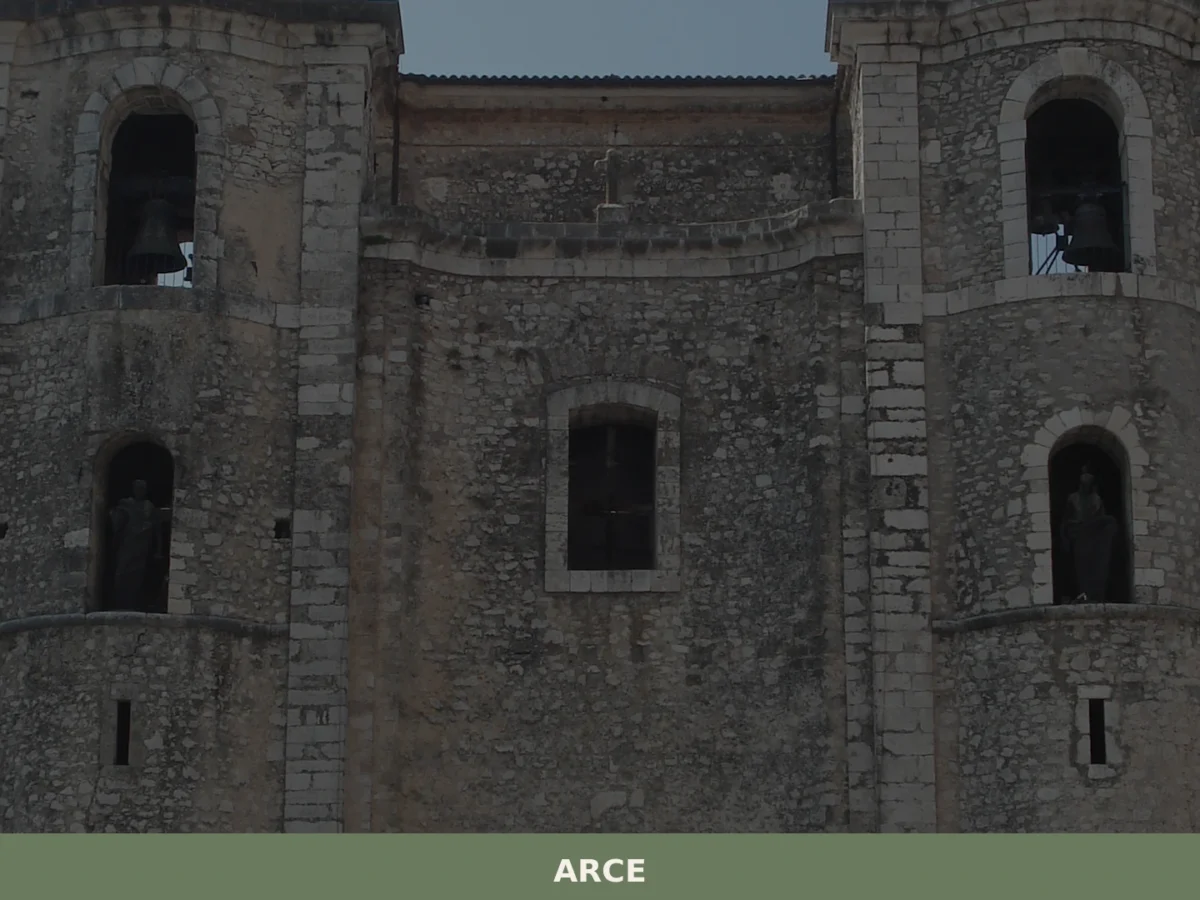
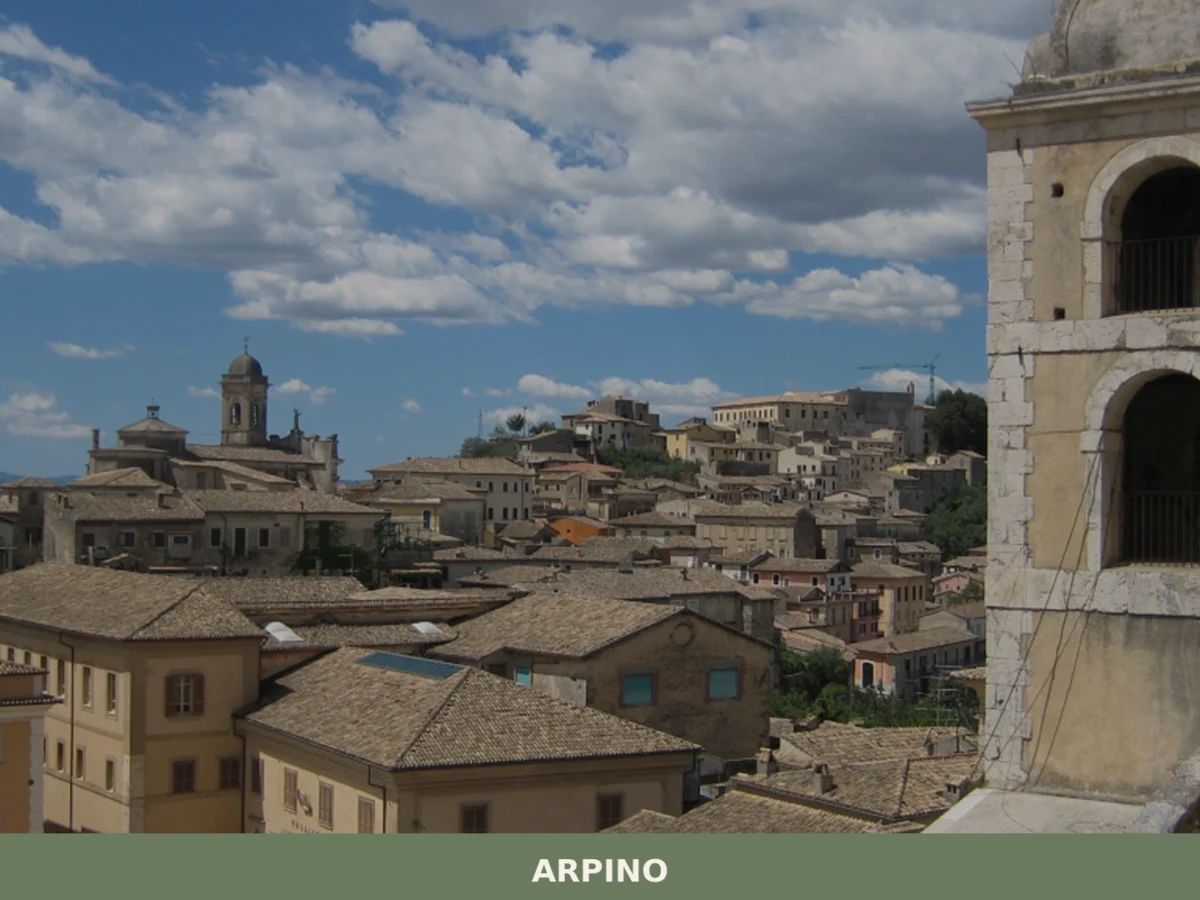
In Lazio More villages to discover
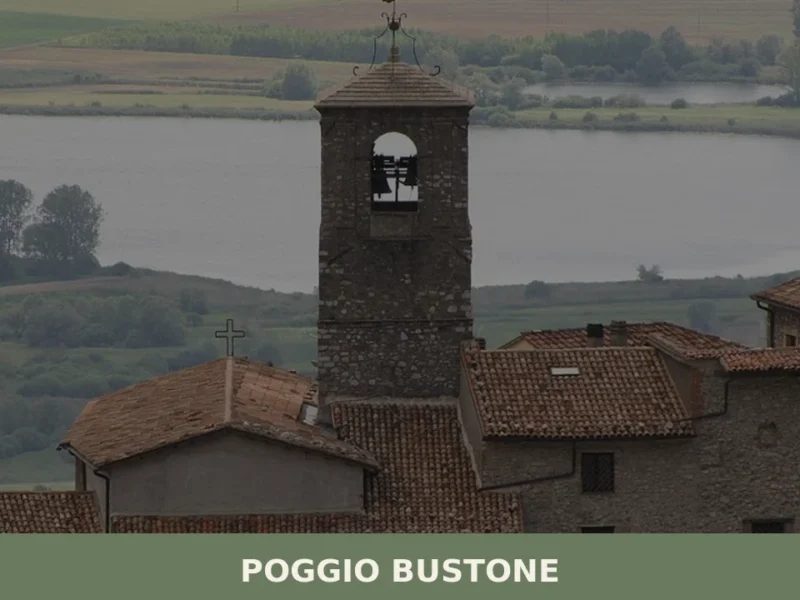
Poggio Bustone
 Mountain
What to see in Poggio Bustone, Italy: a village at 751 m with Franciscan chapels, a Gothic arch, and Lucio Battisti's birthplace. Discover the complete guide.

Ausonia
Hills
What to see in Ausonia, Lazio, Italy: discover a 15th-century sanctuary, an 11th-century castle, and medieval frescoes. Explore the full travel guide now.
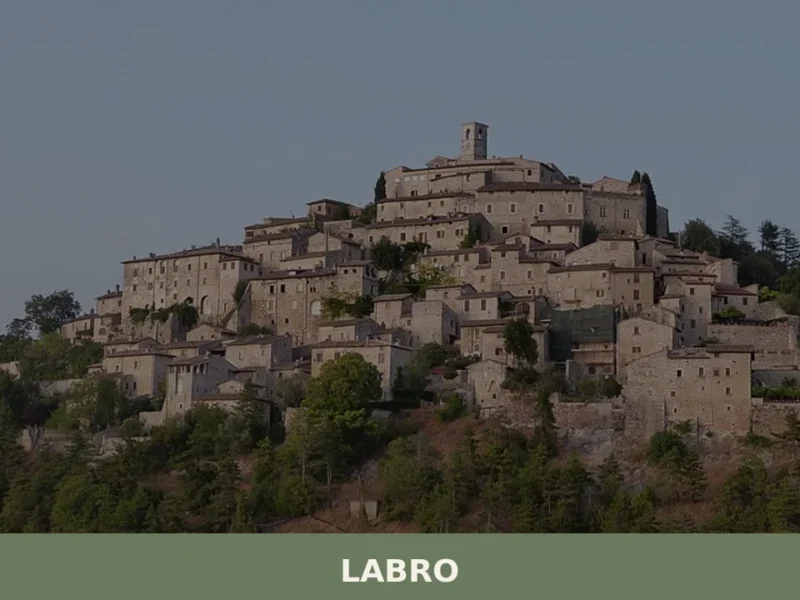
Labro
 Lake
Mountain
Lake
Mountain
What to see in Labro: medieval castle, Lake Piediluco views and PAT-certified guanciale in a 360-person village at 628 m. Plan your visit to this Rieti province gem.
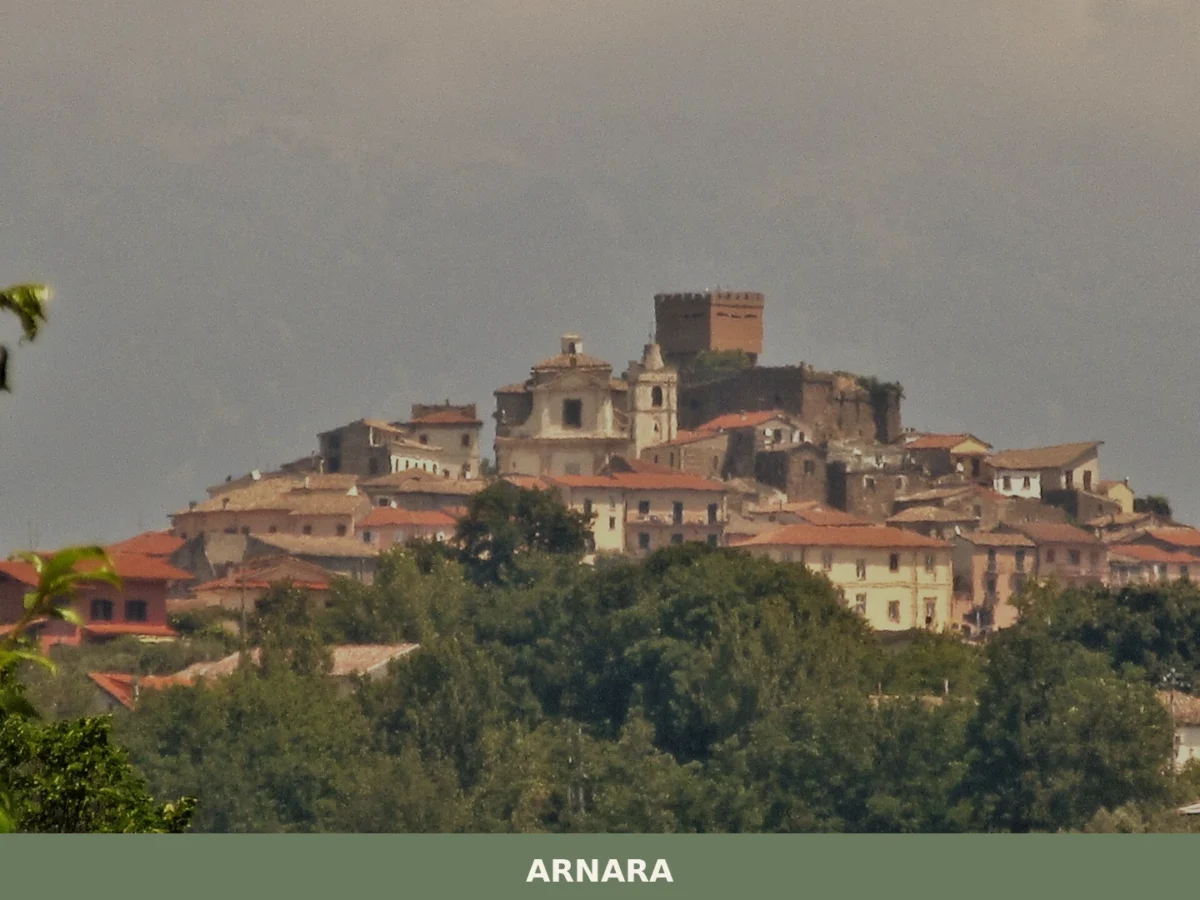
Arnara
Hills
What to see in Arnara, Lazio, Italy: medieval castle, Sacco Valley views at 250 m altitude, local food traditions. Discover top attractions and how to get there.
Anguillara Sabazia
Lake
 Plains
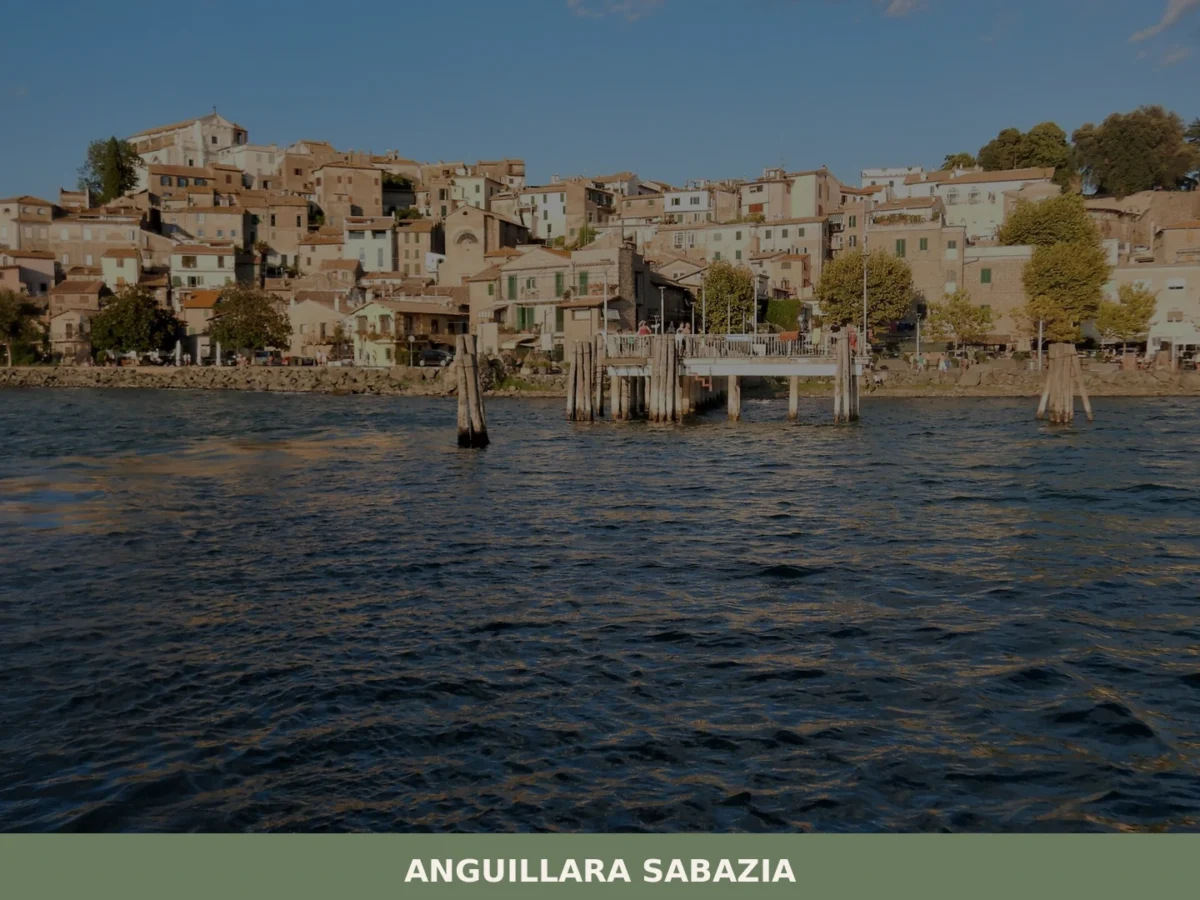
What to see in Anguillara Sabazia, Lazio, Italy: lake beaches, a Roman villa 18 m tall, and 18,816 residents. Discover top things to do and how to get there.
Acquafondata
Mountain
What to see in Acquafondata: discover 5 attractions in this Lazio village, from historic churches to views over the Aurunci Mountains. Plan your visit.
Antrodoco
Hills
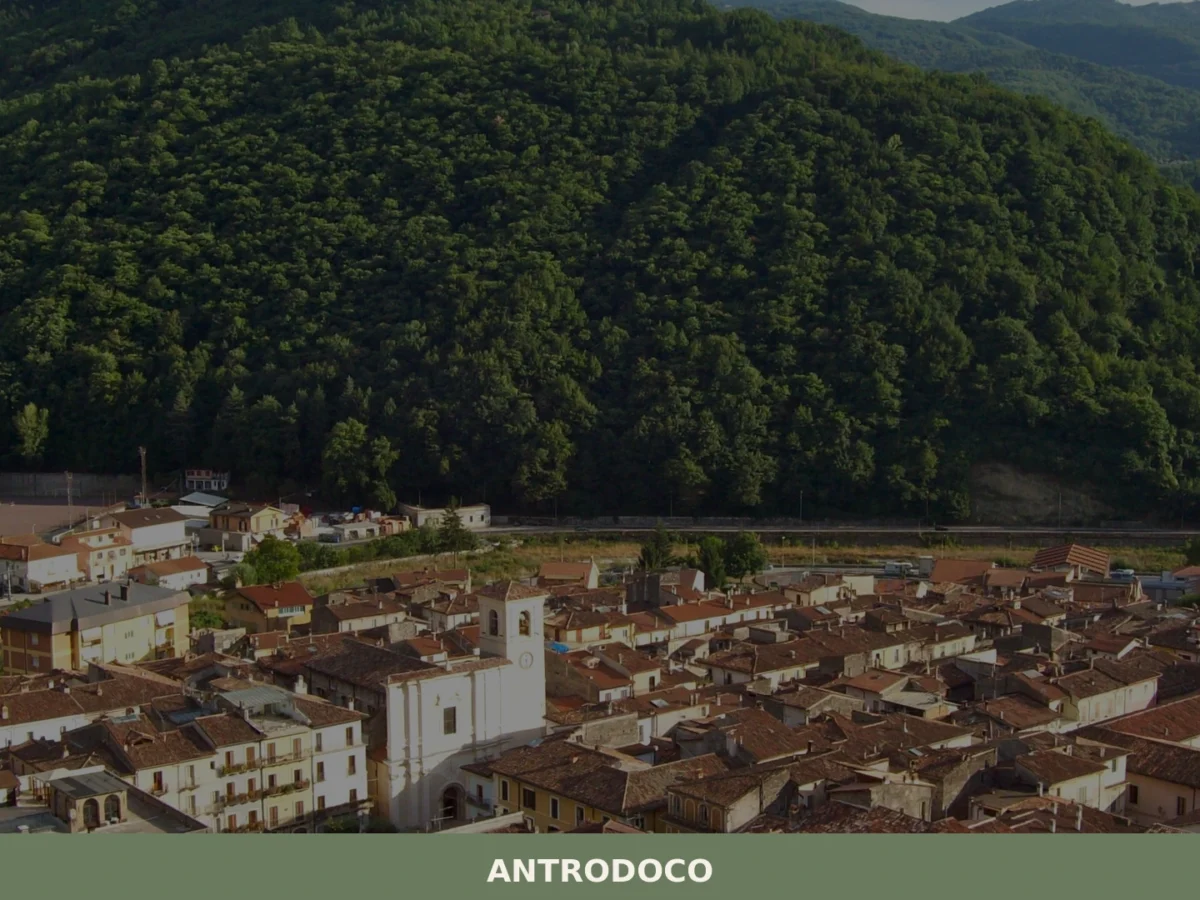
What to see in Antrodoco: discover the 5 main attractions, the history of this Lazio village and how to plan your visit. A complete guide for your itinerary.
Atina
Mountain
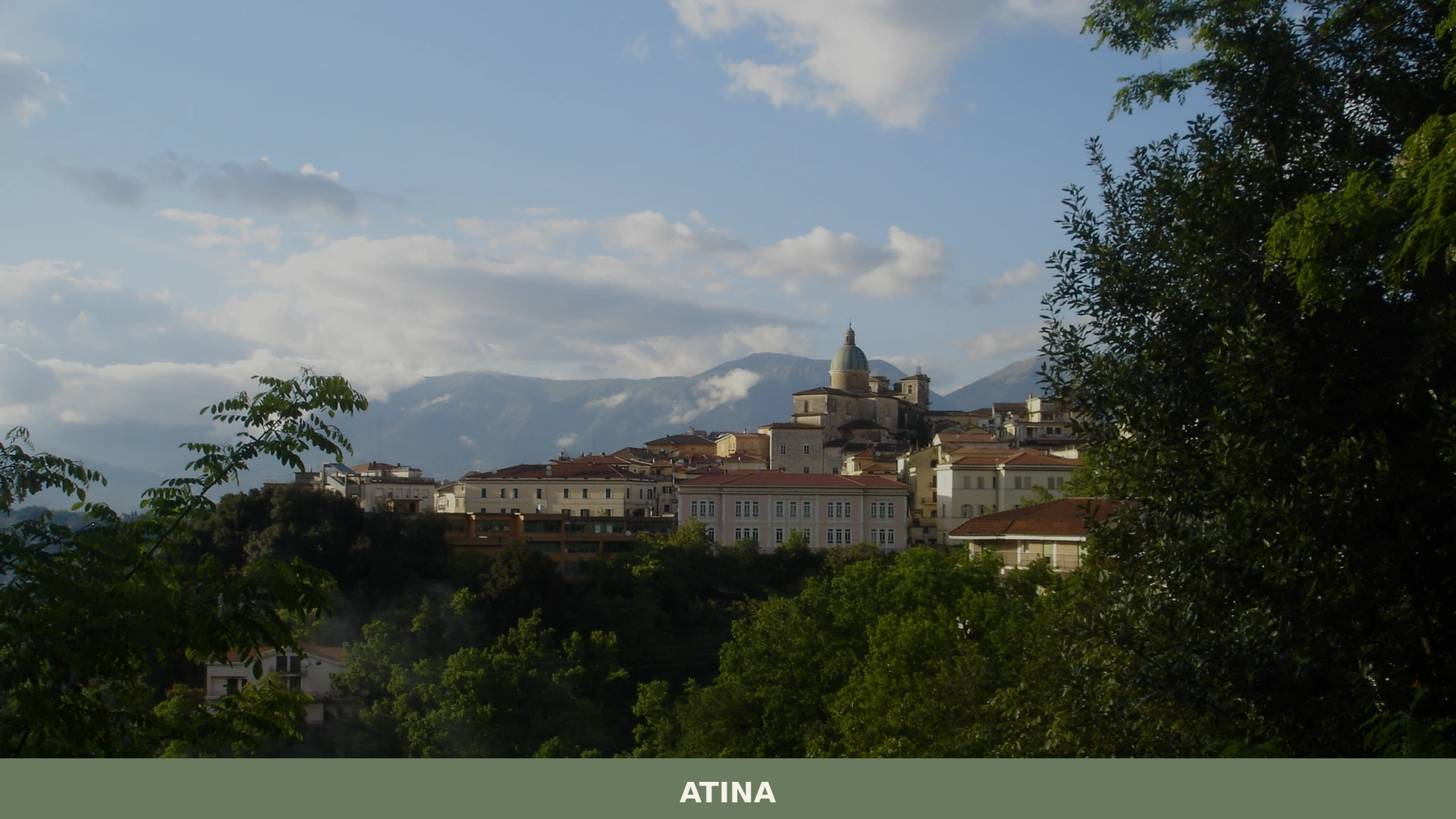
What to see in Atina, Lazio, Italy: explore polygonal walls, a DOC wine zone, and a Baroque cathedral. Discover top things to do in this Frosinone village.
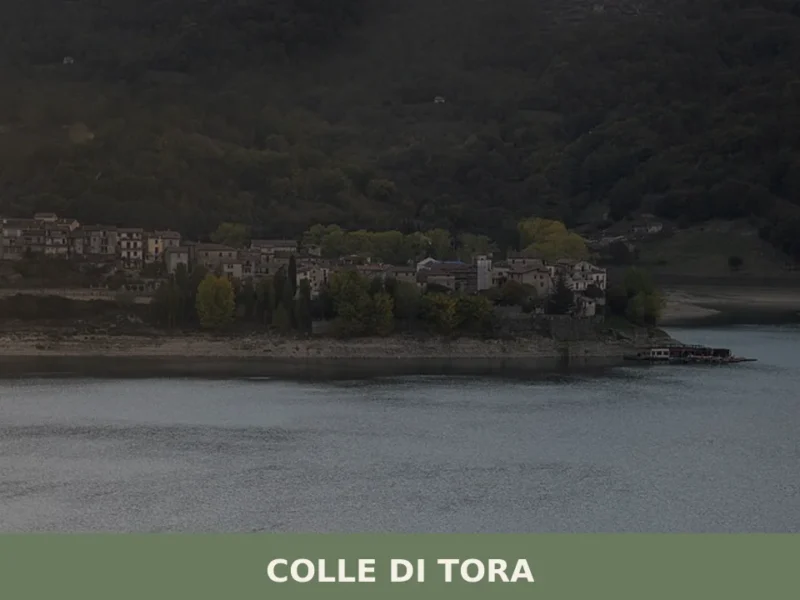
Colle di Tora
Hills
Lake
What to see in Colle di Tora: a village at 542 m on Lake Turano with 381 residents, a medieval centre and 3 PAT-certified products. Plan your visit today.
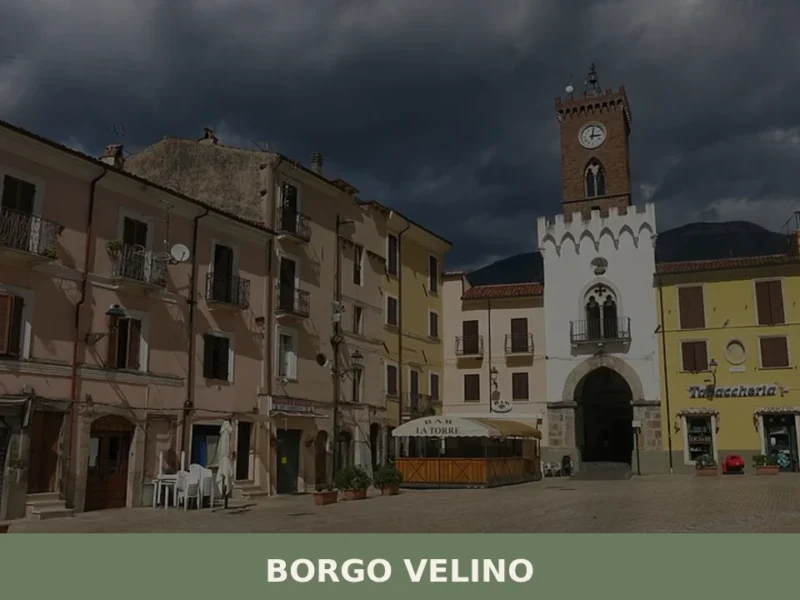
Borgo Velino
Hills
What to see in Borgo Velino: discover 5 key attractions in this village of 996 inhabitants at 460m. Explore Palazzo Brancaleoni and taste Cacio fiore. Plan your visit now.


🏡 Know Castelnuovo Parano better than we do?
If you’re a local or have been there, your knowledge matters: add what’s missing or fix a detail on this page.