


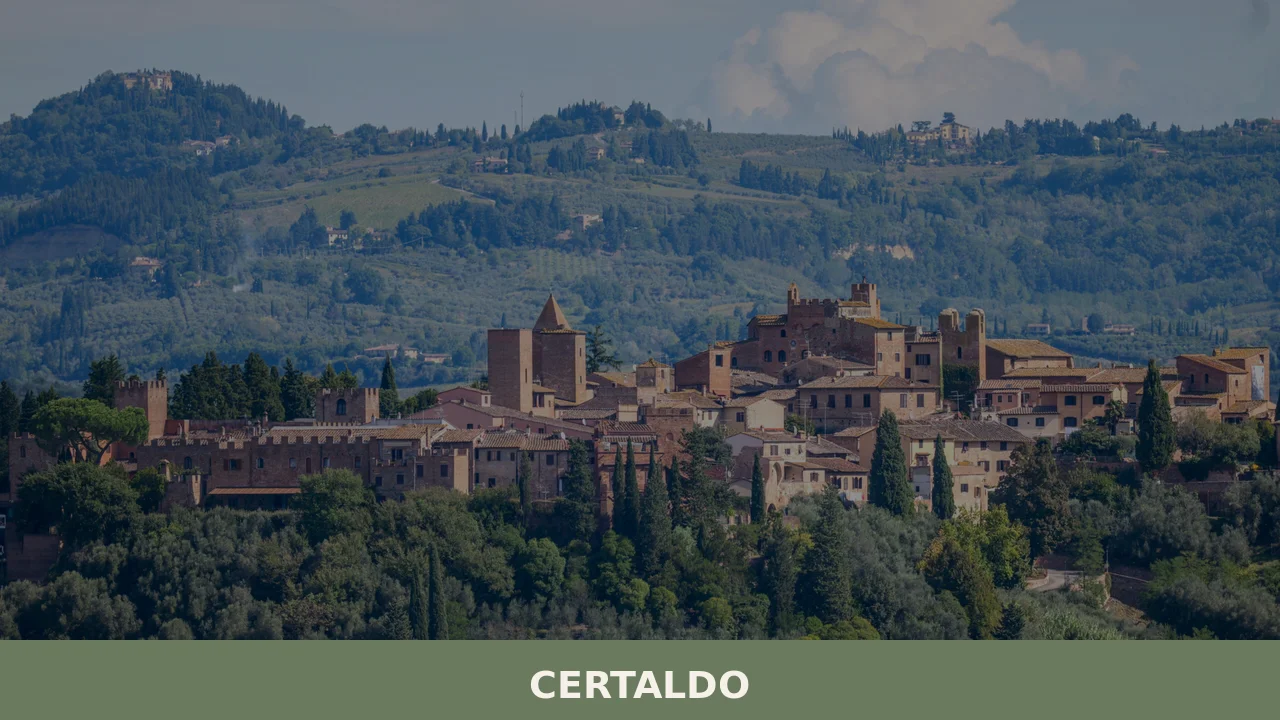
Certaldo
 Plains
Red brick rises above the Valdelsa in distinct horizontal courses, the same fired clay that built the house where Giovanni Boccaccio is documented to have died in 1375. The upper town, Certaldo Alto, sits at 67 m (220 ft) above sea level on a ridge that divides the valley floor from the surrounding hills, its […]
Discover Certaldo
Red brick rises above the Valdelsa in distinct horizontal courses, the same fired clay that built the house where Giovanni Boccaccio is documented to have died in 1375.
The upper town, Certaldo Alto, sits at 67 m (220 ft) above sea level on a ridge that divides the valley floor from the surrounding hills, its walls accessible on foot or by funicular from the lower district.
Below, Certaldo Basso spreads along the valley with the practical infrastructure of a modern comune of 16,006 inhabitants.
Deciding what to see in Certaldo takes some orientation, because the town operates on two distinct levels, both literally and historically.
Visitors to Certaldo find a medieval upper quarter where the Comune di Certaldo has consolidated the principal monuments, and a lower town that serves as the practical base for transport and services.
Located 35 km (22 mi) southwest of Florence Cathedral, this town in Toscana, Italy rewards a half-day in the upper district and more if the Mercantia festival is on.
History of Certaldo
The earliest documented occupation of the Certaldo area predates the Roman period. Etruscan tombs have been found on two distinct hills within the municipality, Poggio del Boccaccio and Poggio alle Fate, and a necropolis was identified in the surrounding territory. Ceramics, utensils and funerary structures confirm a settled Etruscan presence, and the toponymy of local streams reinforces this reading: the names of the Agliena and the Elsa rivers, which flow near Certaldo, carry Etruscan linguistic traces.
The Elsa, in particular, defines the geographic corridor in which the town sits — the Valdelsa, the valley of the Elsa.
By the medieval period, Certaldo had become a possession within the Florentine sphere of influence, and the Palazzo Pretorio — also called the Palazzo Vicariale — served as the official residence of the Florentine governors who administered the territory.
The building’s ceramic coat-of-arms facade records successive governors in durable glazed roundels, and the interior preserves frescoes that date from the 13th to the 16th century.
The Etruscan and Roman archaeological finds recovered across the municipality are held on the ground floor of the Palazzo Pretorio, making the building a point of continuity between the town’s pre-Roman and medieval layers. The city of Siena, reachable in 40 minutes by rail north from Certaldo, belonged to the same broader Tuscan political geography during these medieval centuries, though its civic allegiances ran in the opposite direction.
The name most consistently attached to Certaldo is that of Giovanni Boccaccio, author of the Decameron, the 14th-century collection of one hundred novellas that became a foundational text of Italian prose.
Boccaccio’s family was from Certaldo, and the author is documented to have been buried there in 1375. His house, built in the local red brick, was restored in 1823 and subsequently furnished with period furniture. A statue of Boccaccio was erected in the main square in 1875, marking the five-hundredth anniversary of his death.
The town has also produced two other nationally recognised figures in the 20th century: actor Ernesto Calindri and football manager Luciano Spalletti were both born here.
What to see in Certaldo, Toscana: top attractions
Palazzo Pretorio (Palazzo Vicariale)
The facade of the Palazzo Pretorio is covered in ceramic coats of arms, each one recording a different Florentine governor who administered Certaldo during the medieval and Renaissance periods.
The building served as the seat of Florentine power in the Valdelsa territory, and its interior frescoes span three centuries, from the 13th to the 16th. Ground-floor rooms hold the archaeological collection of Etruscan and Roman finds recovered from the surrounding hills and necropolis.
The palace has been recently restored to its original structural condition, and visitors can examine the frescoed rooms alongside display cases of ceramics and funerary objects that confirm occupation of this valley long before the medieval walls went up.
Casa del Boccaccio
The house associated with Giovanni Boccaccio stands in Certaldo Alto and is constructed in the same red brick that defines the upper town’s visual register.
The building was restored in 1823, at which point it was furnished with furniture consistent with a late medieval domestic interior. Boccaccio, whose family originated from Certaldo, died here and was buried in the town in 1375, making this one of the few literary sites in Tuscany with direct documented biographical attachment rather than disputed association.
For visitors with an interest in medieval Italian literature, the house provides a concrete physical context for the composition period of the Decameron, one of the most widely studied texts of 14th-century Europe.
Certaldo Alto — the upper medieval town
The upper district of Certaldo occupies a ridge at 67 m (220 ft) above sea level and is enclosed within walls that restrict vehicle access to residents.
The street plan follows medieval logic: narrow lanes between red-brick buildings, open only at points where the ridge allows a view across the Valdelsa. Vehicular access is limited to permit holders, which means visitors arriving by car must park outside the walls or in Certaldo Basso and ascend by the town’s funicular. The funicular connection is the practical route for most visitors, and it deposits passengers directly inside the upper town’s perimeter, near the main concentration of monuments.
Walking the perimeter of the walls gives clear sightlines across the valley floor below.
The Certaldo Funicular
The funicular linking Certaldo Basso to Certaldo Alto is the primary access point for visitors without a resident parking permit.
It covers the elevation difference between the valley floor and the ridge in a short run, and operates as a public transport service for both residents and tourists. The practical value of the funicular extends beyond convenience: because the upper town has no general-purpose car access, the funicular is the standard route for anyone arriving by train or parking in the lower district.
It is worth timing your arrival to account for operating hours, particularly if planning a late-afternoon or early-evening visit to the upper town, when the light on the brick facades is at its clearest.
Piazza Boccaccio and the 1875 Statue
The main square of Certaldo Alto holds the statue of Giovanni Boccaccio erected in 1875, five hundred years after the author’s documented death in the town.
The statue functions as the civic focal point of the upper district and anchors the square that bears Boccaccio’s name.
From this point, the spatial relationship between the Palazzo Pretorio and the Casa del Boccaccio becomes clear: the three principal monuments of the upper town are within a short walking radius of one another. The square also serves as the main gathering space during the annual Mercantia festival, when street performers occupy the lanes and open spaces of Certaldo Alto for a full week.
Local food and typical products of Certaldo
Certaldo sits in the Valdelsa, the agricultural corridor of the Elsa river valley in the Metropolitan City of Florence. The food culture of this part of Toscana draws on the produce of the valley floor and the hill farms above it, shaped by the same Florentine administrative and commercial influence that structured the town’s political history.
The proximity to Florence, 35 km (22 mi) to the northeast, meant that the Valdelsa was historically oriented toward supplying the city, and the culinary tradition reflects a working agricultural economy rather than a courtly one.
The most documented local product is the cipolla di Certaldo, the Certaldo onion, a variety with a long cultivation history in the municipality.
The onion is associated with the town to a degree unusual in Italian food geography: Certaldo appears in historical texts as an onion-producing centre, and local references connect it to the Boccaccio period.
The Decameron itself contains a character named Frate Cipolla — “Brother Onion” — whose name is generally read as a reference to the town’s association with the crop. The onion is typically red-skinned, with a flavour that is sweeter and less pungent than standard commercial varieties.
It is used raw in salads, preserved under oil or vinegar, and incorporated into cooked preparations including soups and focaccia.
Broader Tuscan culinary staples are present across Certaldo’s restaurants and food shops. Ribollita, the bread and vegetable soup thickened with cannellini beans and cavolo nero, is prepared by slow re-cooking — the name means “re-boiled” — a technique that develops a dense, starchy texture over two cooking sessions.
Pappardelle al cinghiale, wide egg-pasta ribbons served with wild boar ragù, reflects the hunting traditions of the Tuscan hill country.
Bistecca alla fiorentina, a thick-cut T-bone of Chianina beef cooked over charcoal and served rare, is the dominant meat preparation across this part of the region.
Olive oil from the Valdelsa hills, cold-pressed from Frantoio and Moraiolo olives, is used as a condiment rather than a cooking medium in most local preparations.
Local food markets operate in Certaldo Basso on a weekly basis. For visitors specifically seeking the Certaldo onion, the best availability is in summer, when the harvest is recent, and during the Mercantia festival week, when food stalls accompany the street-theatre programme. Several producers in the surrounding farms sell directly, and the lower town has food shops stocking preserved and seasonal local produce.
The city of Arezzo, further east in Toscana, sits in a similarly productive agricultural zone and offers comparable market infrastructure for visitors extending their itinerary across the region.
Festivals, events and traditions of Certaldo
The patron saint of Certaldo is San Tommaso Apostolo, and the feast day falls on 3 July.
This date anchors the civic and religious calendar of the town, with the celebration typically taking the form of a procession through the streets of the municipality.
The summer timing places the feast within the broader festival season of the Valdelsa, when the upper town is accessible in long evening light and outdoor gatherings are practical. Religious observance on 3 July follows the standard pattern of an Italian festa patronale — a patron-saint feast day — with a morning Mass, a street procession and communal gathering in the main square.
The largest documented annual event in Certaldo is Mercantia, a week-long festival held in Certaldo Alto.
The event draws street performers from Italy, Europe and the Americas, making it one of the more geographically diverse street-theatre gatherings in Tuscany.
The medieval lanes and open spaces of the upper town form the performance venues, and the festival uses the architecture of the historic district as a structural backdrop rather than a neutral stage.
The week-long duration means visitors can attend on multiple days with different programming each time. For those planning a trip specifically around the festival, accommodation in the Valdelsa fills quickly, and arriving by train from Florence — a 50-minute journey — is a more reliable option than driving into the area during festival evenings.
When to visit Certaldo, Italy and how to get there
The best period to visit Certaldo depends on what a visitor prioritises. July brings the feast of San Tommaso on the 3rd and the Mercantia festival in the same month, making the upper town particularly active.
However, summer temperatures in the Valdelsa regularly exceed 30°C (86°F), and the brick lanes of Certaldo Alto retain heat through the afternoon.
Spring, from April to early June, offers lower temperatures and the valley farmland in full production cycle — a more comfortable context for extended walking in the upper town.
Autumn, from September to October, is the harvest period for olives and grapes across the surrounding hills, and the light at this latitude produces clear visibility across the Valdelsa from the ridge walls. Winter visits are feasible but quiet, with some services reduced and the festival programme absent.
Certaldo, Toscana, Italy is located 35 km (22 mi) southwest of Florence Cathedral and is directly on the Florence–Siena rail line. By train from Florence, the journey takes approximately 50 minutes; from Siena, approximately 40 minutes north by rail. The town’s main railway station is in Certaldo Basso, from which the funicular provides the connection to the upper town. For visitors arriving by car, the nearest motorway access is via the Superstrada Firenze–Siena, with the Certaldo–Barberino exit providing the most direct approach.
Driving from Florence takes approximately 35 minutes under normal traffic conditions.
The nearest major international airport is Florence Airport (Amerigo Vespucci), approximately 45 km (28 mi) to the northeast, from which a connection by car or shuttle to Florence Santa Maria Novella station and then by train is the standard route.
International visitors should carry cash in Euros for smaller shops, markets and some rural services, where card payment infrastructure is not always available. English-language assistance in smaller establishments is limited, and a few basic Italian phrases will be useful in daily transactions. Timetable information for the Florence–Siena rail line is available through Trenitalia.
For travellers combining Certaldo with a broader Tuscan itinerary, the town functions well as a day trip from Florence or as an intermediate stop between Florence and Siena.
The city of Prato, located north of Florence, is another accessible Tuscan centre on the regional rail network, reachable from Florence in under 20 minutes and connectable to a Certaldo visit within a single day.
Visitors extending their stay westward in Toscana toward the Lunigiana area might also consider Fivizzano, a mountain comune in the province of Massa-Carrara that offers a contrasting landscape and medieval town structure.
Frequently asked questions about Certaldo
What is the best time to visit Certaldo?
Late spring (May–June) and early autumn (September–October) offer mild temperatures ideal for exploring Certaldo Alto on foot. July brings the patron saint feast of San Tommaso Apostolo on 3 July, a local celebration worth timing a visit around. Mid-July also sees the Mercantia international street theatre festival, which fills the upper town's lanes for a full week and is the single busiest period of the year. Summer harvest season (July–August) is the best window for finding fresh cipolla di Certaldo at local markets and farm stalls.
What are the historical origins of Certaldo?
Certaldo's documented history begins before the Roman period. Etruscan tombs have been identified on Poggio del Boccaccio and Poggio alle Fate, and a necropolis was found in the surrounding territory. Local river names — Agliena and Elsa — carry Etruscan linguistic traces. In the medieval period Certaldo passed into the Florentine sphere of influence; the Palazzo Pretorio served as the official seat of Florentine governors administering the Valdelsa territory. The town became internationally known as the ancestral home and burial place of Giovanni Boccaccio, author of the Decameron, who died here in 1375.
What to see in Certaldo? Main monuments and landmarks
The three core sites are all within walking distance in Certaldo Alto. The Palazzo Pretorio (Palazzo Vicariale) displays a ceramic coat-of-arms facade, interior frescoes from the 13th–16th centuries, and a ground-floor archaeological collection of Etruscan and Roman finds. The Casa del Boccaccio is the restored 14th-century red-brick house where Boccaccio died in 1375, furnished with period interiors. Piazza Boccaccio holds the 1875 statue of the author. Access to the upper town is by funicular from Certaldo Basso; check current operating hours before a late-afternoon visit.
Where to take the best photos in Certaldo?
The ridge of Certaldo Alto offers unobstructed views across the Valdelsa valley floor, best captured from the walkable perimeter of the medieval walls. Late afternoon light hits the red-brick facades of the upper town at its most vivid, making the hour before sunset the most photogenic window. The ceramic coat-of-arms facade of the Palazzo Pretorio provides strong close-up detail shots. The funicular itself, framing the approach to the upper town, is a secondary but distinctive subject for visitors arriving from Certaldo Basso.
Are there museums, churches or historic buildings to visit in Certaldo?
The Palazzo Pretorio functions as both a historic civic building and a museum: its frescoed rooms span three centuries and its ground floor holds the municipal archaeological collection of Etruscan and Roman material recovered from local sites. The Casa del Boccaccio operates as a house-museum with period furnishings, directly linked to one of medieval Italy's most studied authors. Both buildings have been restored and are open to visitors; check the Comune di Certaldo's official website for current opening hours and admission fees before visiting.
What can you do in Certaldo? Activities and experiences
Walking the medieval lanes and wall perimeter of Certaldo Alto takes one to two hours at a relaxed pace. The Mercantia festival in mid-July transforms the upper town into an open-air street theatre venue for a full week, with performers occupying squares and lanes. Food-focused visits can target the weekly market in Certaldo Basso for local produce, with the best availability of the Certaldo onion in summer. The funicular ride between upper and lower town is itself a brief practical experience that gives a clear sense of the town's two-level geography.
Who is Certaldo suitable for?
Certaldo suits travellers with an interest in medieval Italian history and literature: the Boccaccio connection is direct and documented, not incidental. Couples and solo visitors comfortable with slow, monument-focused half-days will find the upper town rewarding. Families can manage the funicular access easily, though the upper town's narrow lanes are on foot only. Festival-goers timing a visit for Mercantia in July will find the town unusually animated for its size. It is less suited to visitors seeking beaches, extensive hiking infrastructure, or a full multi-day programme.
What to eat in Certaldo? Local products and specialties
The most specific local product is the cipolla di Certaldo, a red-skinned onion with a sweeter flavour than standard commercial varieties, cultivated in the municipality for centuries and referenced in Boccaccio's Decameron through the character Frate Cipolla. It is eaten raw in salads, preserved under oil or vinegar, and used in soups and focaccia. Broader Tuscan staples available in local restaurants include ribollita, pappardelle al cinghiale, and bistecca alla fiorentina. Olive oil pressed from Frantoio and Moraiolo olives grown on the Valdelsa hills is used as a finishing condiment.
Nearby Villages near Certaldo
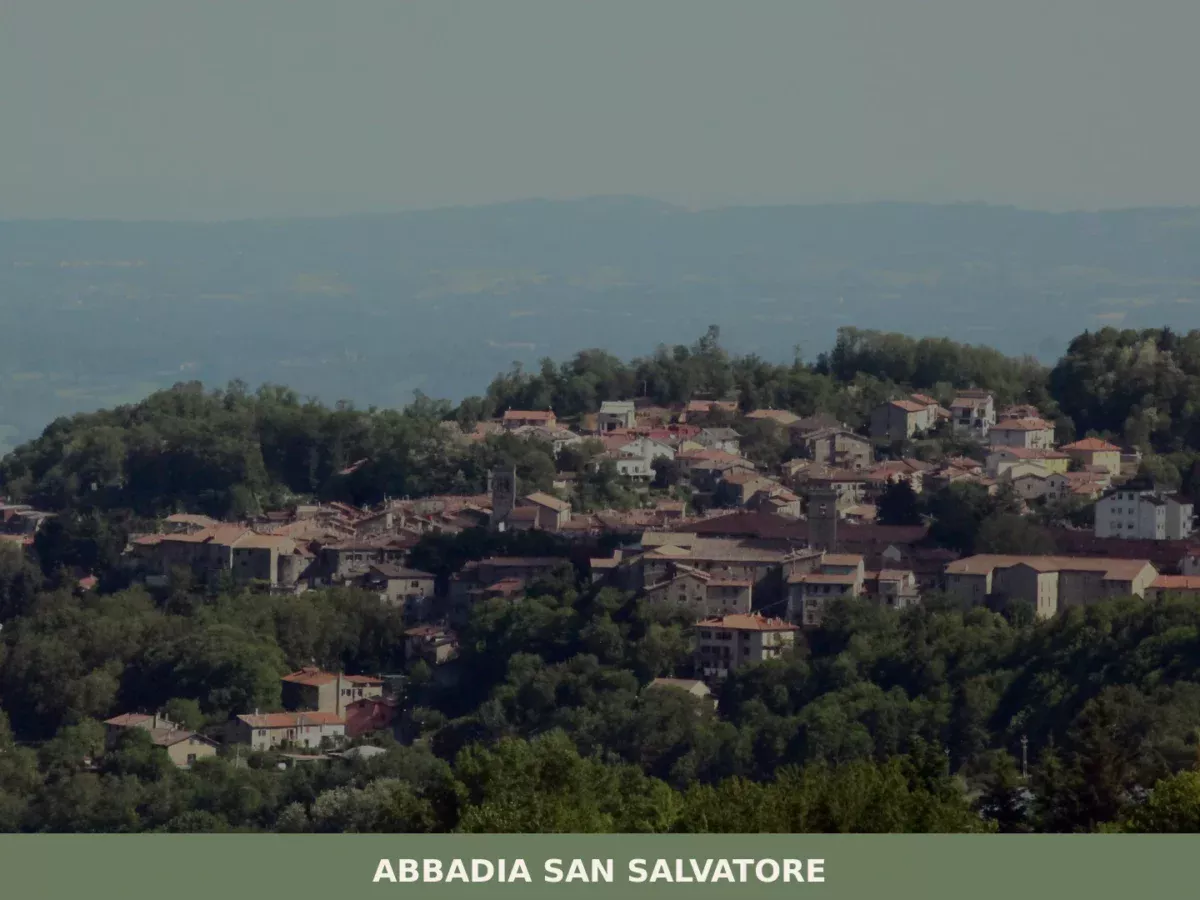
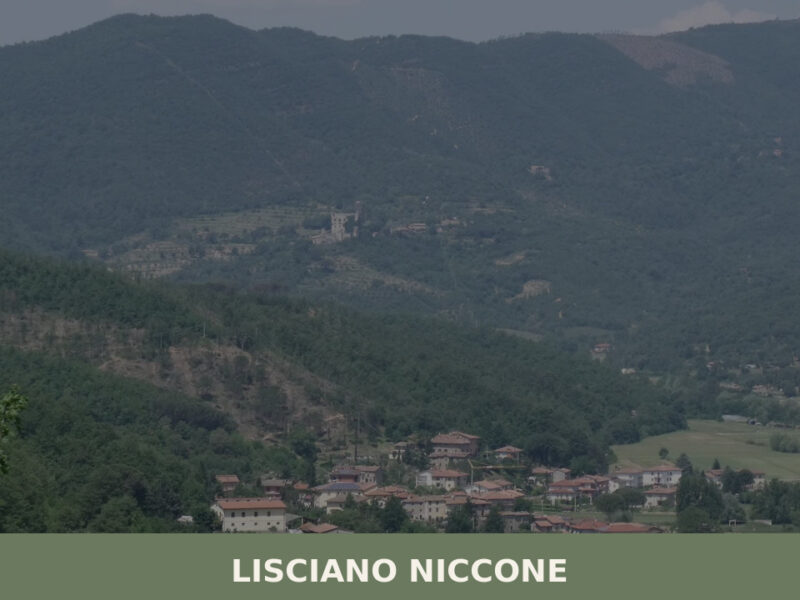
In Tuscany More villages to discover
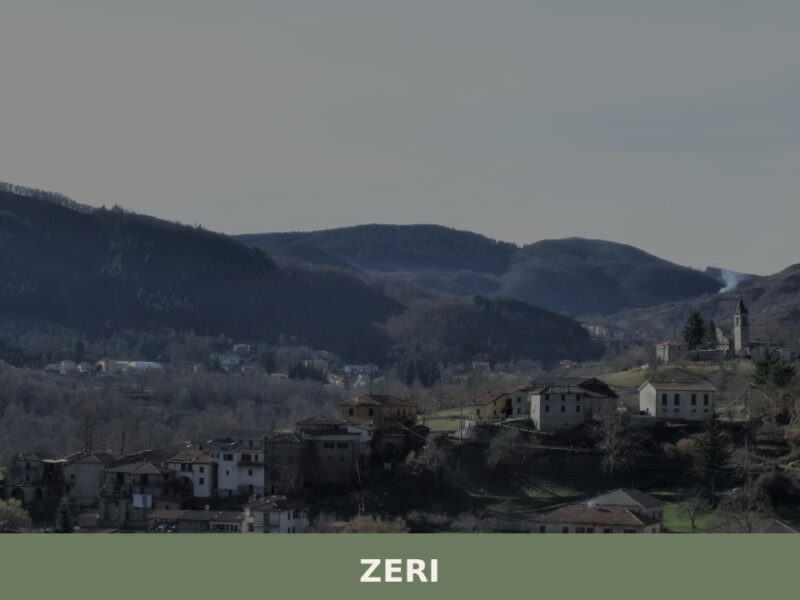
Zeri
 Mountain
Morning mist lifts slowly from the Lunigiana valley floor, revealing a scattering of stone hamlets across green ridgelines that roll toward the Ligurian border. The air carries wood smoke and the distant sound of cowbells — the famed Zerasca breed still grazes these highlands. Zeri, a municipality of 1,166 inhabitants in the province of Massa […]
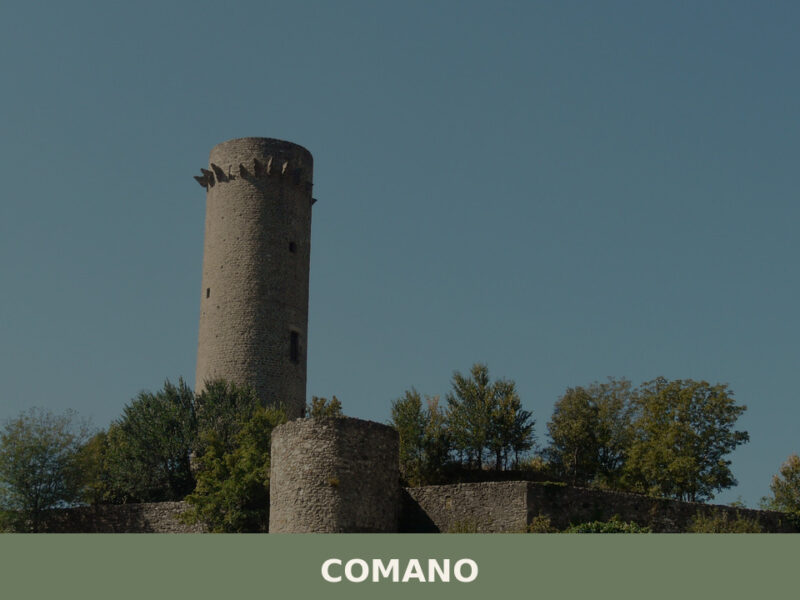
Comano
 Hills
Hills
Morning fog lifts slowly from the Taverone valley, revealing stone walls the colour of weathered bone. A church bell marks the hour — its echo rolls across chestnut groves before dissolving into silence. Comano sits in the upper Lunigiana, a commune of scattered hamlets across the hills of Massa e Carrara province, home to just […]
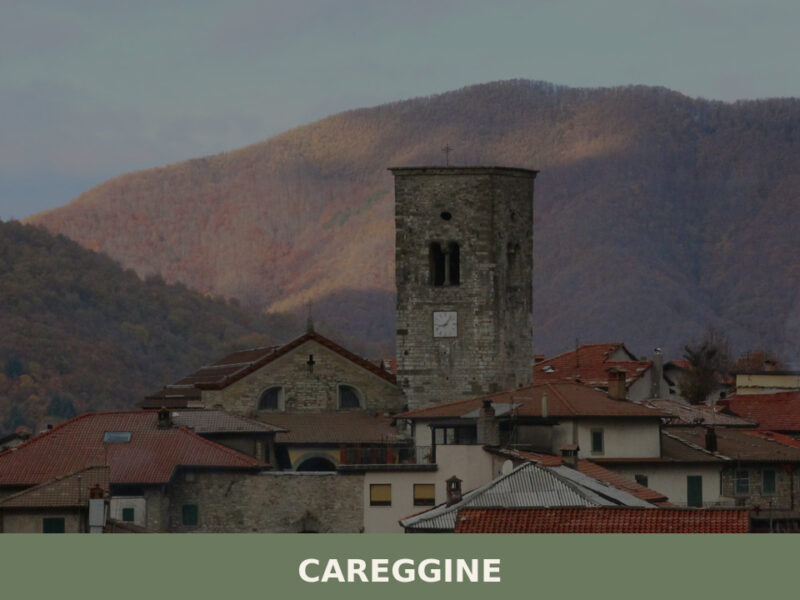
Careggine
Mountain
Morning fog lifts from the Apuan Alps in slow, pale sheets, revealing a scatter of stone houses along a ridgeline above the Garfagnana valley. A church bell marks seven o’clock — the sound carries far in this thin, mountain air, reaching nobody in particular. With only 585 inhabitants, Careggine keeps its own unhurried tempo. Understanding […]
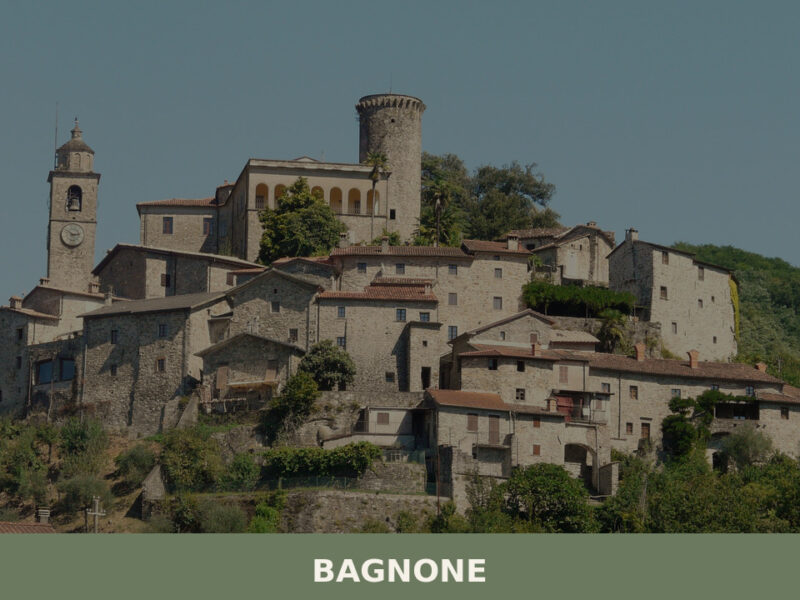
Bagnone
Hills
Morning mist lifts off the Bagnone creek and thins against stone walls that have stood since the eleventh century. The sound of water — always water — fills the narrow lanes, running beneath bridges and alongside houses built directly into the rock. With fewer than two thousand residents, this small settlement in the Massa e […]
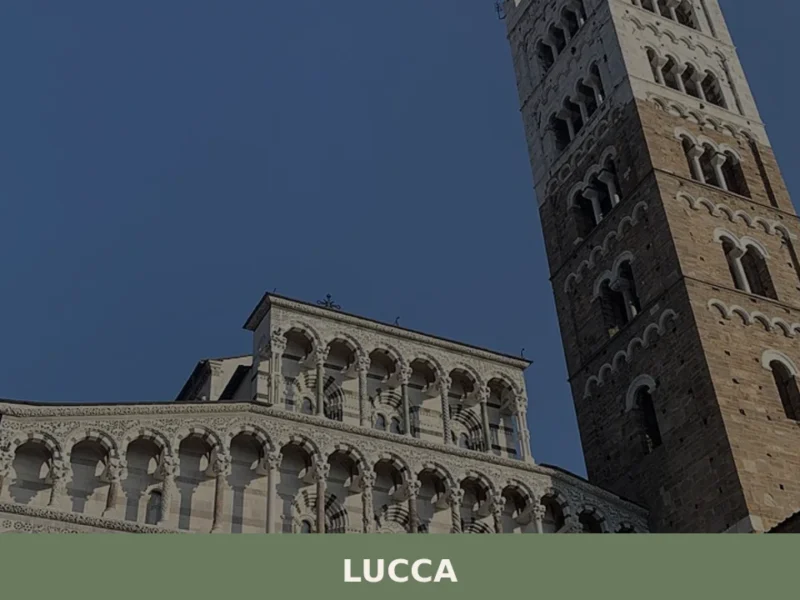
Lucca
Plains
Discover Lucca, Tuscany's enchanting walled village in Italy. Explore medieval streets, stunning architecture, and rich culture in this timeless Italian treasure.
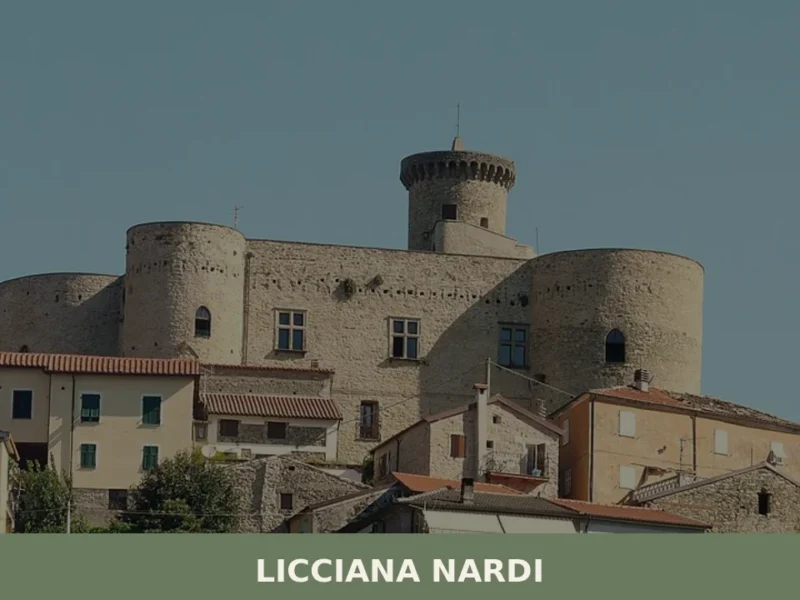
Licciana Nardi
Hills
The territory of Licciana Nardi includes six castles spread between the valley floor and the Apennine slopes, a concentration of defensive structures that documents the strategic role of this stretch of Lunigiana in controlling the routes between the Po Plain and the Tyrrhenian coast. With its 4,894 inhabitants distributed across 55 square kilometres at an […]
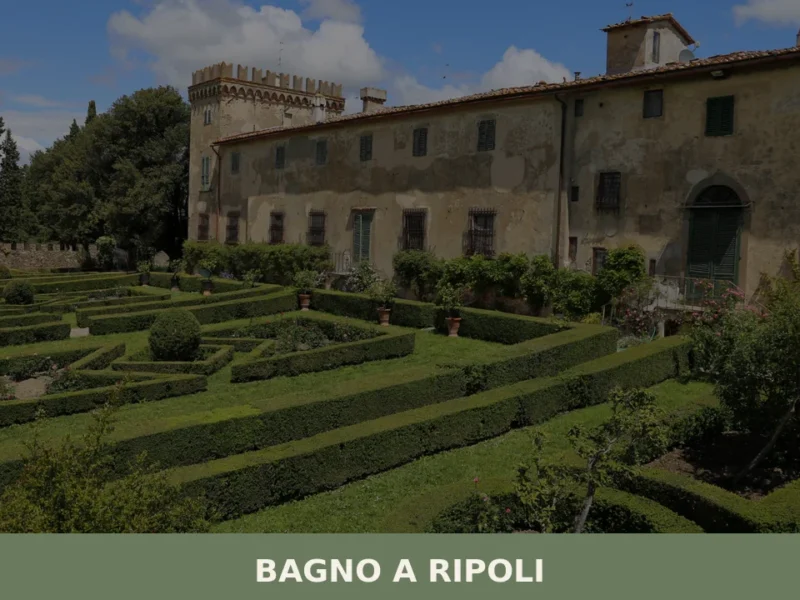
Bagno a Ripoli
Plains
What to see in Bagno a Ripoli, Italy: 25,488 inhabitants, 7 km from Florence. Discover top attractions, local food, and how to get there. Explore now.
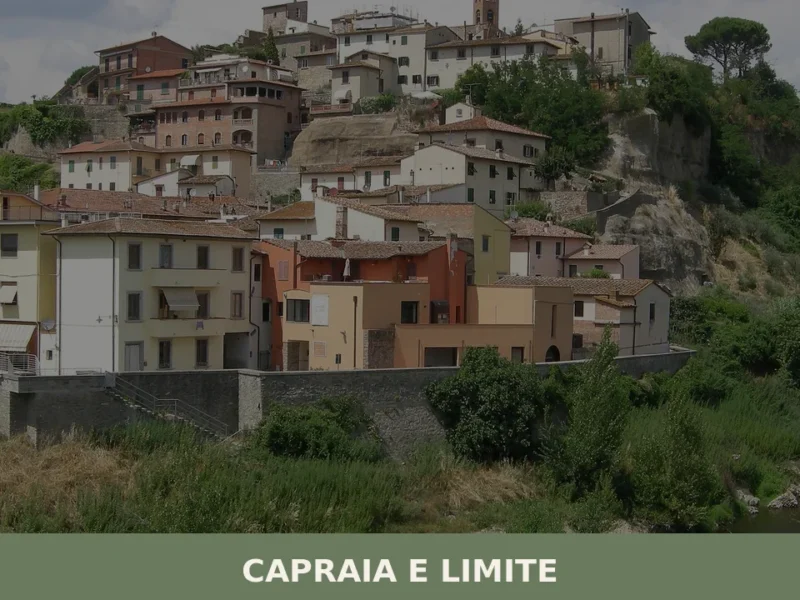
Capraia e Limite
Plains
The Arno moves slowly past the low embankment at Limite sull’Arno, its surface carrying the same grey-green light it has carried for centuries. The riverbank here is not decorative: from the 18th century onward, this stretch of the river functioned as a working yard where timber hulls took shape for the Grand Duchy of Tuscany. […]
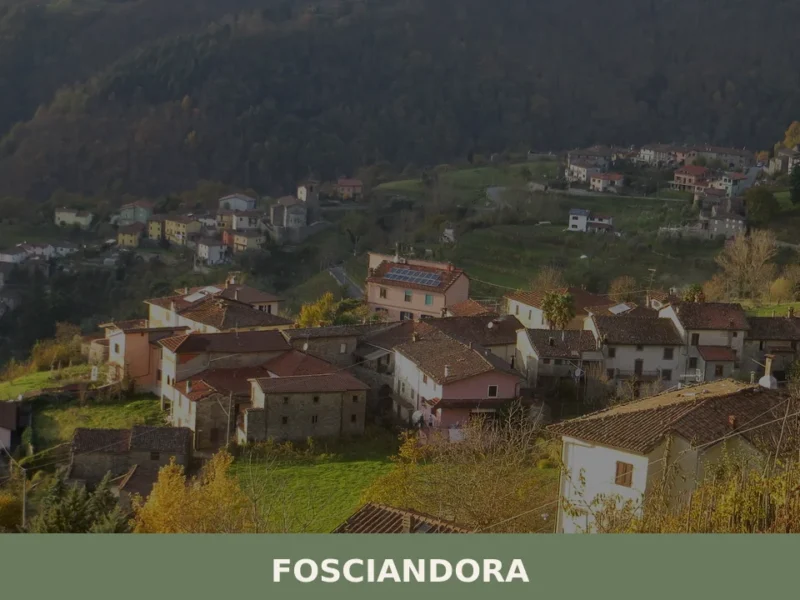
Fosciandora
Hills
What to see in Fosciandora, Italy: 9 churches, a medieval mill, local Garfagnana cuisine and the feast of San Sebastiano. Explore this Lucca province village at 390 m.
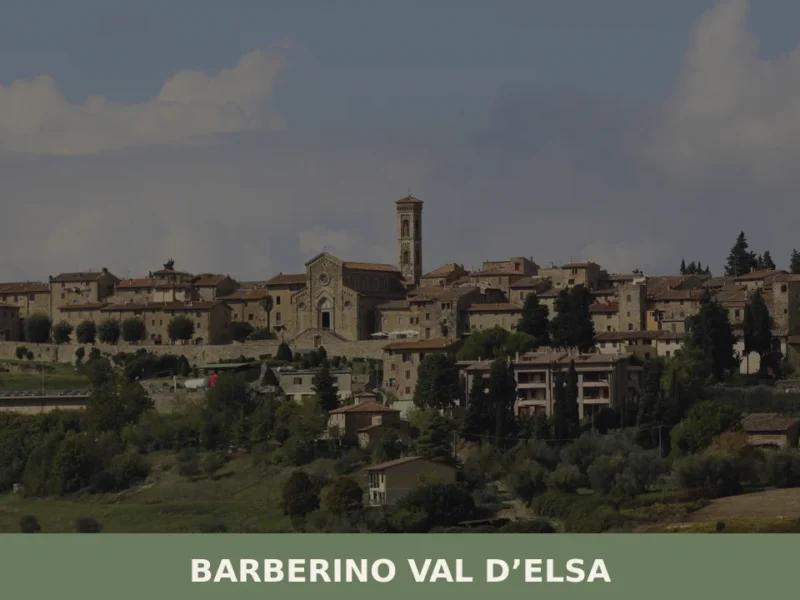
Barberino Val d’Elsa
Hills
The 14th-century walls still enclose the historic centre of Barberino Val d’Elsa within an almost intact perimeter, with two town gates that filter access to the village just as they did six centuries ago. In this article History and origins of Barberino Val d’Elsa What to see in Barberino Val d’Elsa: main attractions Traditional Cuisine […]

🏡 Know Certaldo better than we do?
If you’re a local or have been there, your knowledge matters: add what’s missing or fix a detail on this page.