


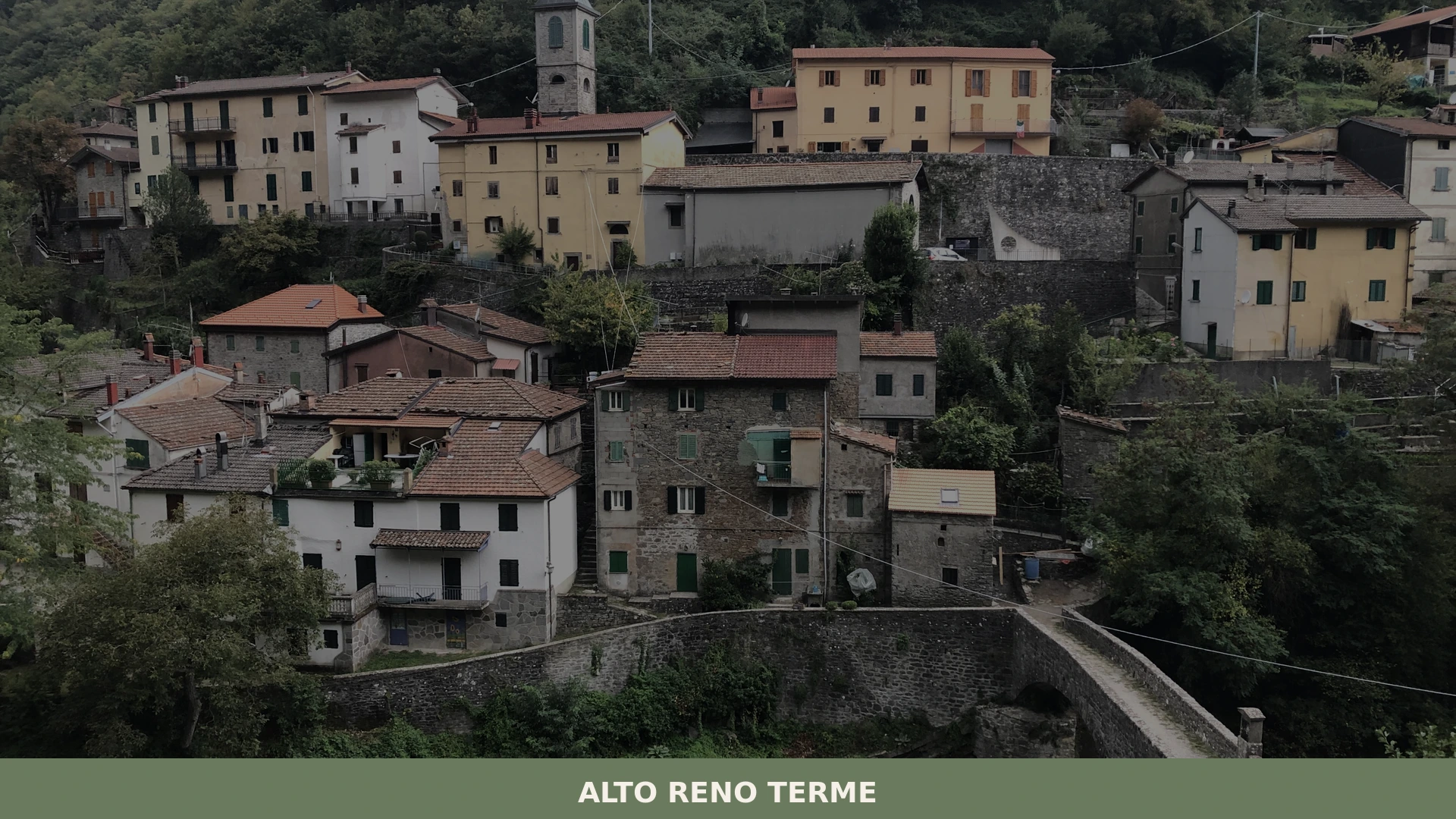
Alto Reno Terme
 Mountain
What to see in Alto Reno Terme: 5 unmissable attractions, from thermal baths and historic villages to Apennine nature. Discover the complete guide to plan your visit.
Discover Alto Reno Terme
The water descends from the slopes of the Tuscan-Emilian Apennines with a sharp smell of sulphur, flows through limestone rocks and re-emerges in Porretta Terme after an underground journey lasting decades.
Seven thousand one hundred and fifty-seven inhabitants distributed among hamlets such as Granaglione, Capugnano, Castelluccio and Corvella make up a scattered municipality that the metropolitan city of Bologna classifies among its high-altitude territories.
The Reno river runs along the valley floor, marking the boundary between the slopes and collecting the lateral streams that descend from the wooded ridges.
What to see in Alto Reno Terme is the right question to ask before setting off towards this area of the Bologna Apennines, where the thermal springs of Porretta form the focal point of any visit but are not the only reason to linger.
The municipality, established through a merger and organised with a town hall in Granaglione and territorial councils in the main hamlets, extends across a mountainous area that offers visitors the historic architecture of the spa town, the trails along the Apennine ridge, the Romanesque churches of the outlying hamlets and a mountain cuisine built on local produce.
Those arriving from Bologna cover fewer than sixty kilometres and find themselves in a landscape radically different from the Po plain.
History and origins of Alto Reno Terme
The territory that today makes up the municipality of Alto Reno Terme has been frequented since pre-Roman times thanks to the presence of sulphurous springs, hydrological resources that ancient peoples recognised as places of healing and worship.
The Reno valley served for centuries as one of the communication routes between the Emilian plain and Tuscany, a corridor travelled by merchants, pilgrims and military troops.
This transit position shaped the development of settlements along the valley floor, encouraging the growth of villages capable of accommodating travellers and of exploiting the water resources for therapeutic purposes.
Porretta Terme, the main town of the municipality, owes its historical renown to the thermal waters that were codified and systematically exploited from the Middle Ages onwards.
During the nineteenth century the baths experienced a period of great development, with the construction of thermal establishments and accommodation facilities that attracted an aristocratic and bourgeois clientele from across central and northern Italy.
The Art Nouveau architecture of several buildings in the spa town centre is the visible trace of this season of prosperity, when Porretta rivalled other European spa destinations for the quality of its waters and services. The village of Fontanelice, also in the Bologna Apennines, shares with this territory a medieval history of castles and feudal lordships that alternated along the mountain passes.
Recent administrative history has profoundly transformed the institutional structure of the area.
Alto Reno Terme was established as a single municipality through the merger of several local authorities, with the former municipality of Granaglione acquiring the status of town hall pursuant to article 34 of the Municipal Statute. The new authority also inherited the role of administrative seat of the Unione dell’Alto Reno, the coordinating body that managed inter-municipal services prior to the merger.
This reorganisation consolidated the management of a territory fragmented into numerous mountain hamlets — each with its own historical identity and architectural heritage — under a single decision-making centre.
What to see in Alto Reno Terme: main attractions
Thermal spa facilities of Porretta Terme
The pools and pavilions of the Porretta thermal spa facilities overlook the Reno river with façades that preserve decorative elements from the 19th and early 20th centuries, a direct testament to the period when the spa was frequented by the Italian upper middle class.
The waters of Porretta belong to the category of sulphurous-saline-bromine-iodine waters, a chemical composition recognised by health authorities for specific therapeutic indications.
Walking among the pavilions of the thermal centre, one can read the layering of multiple construction periods: from the 19th-century building bodies to the 20th-century additions, through to the more recent renovations.
For up-to-date information on opening hours, treatments and prices at the active facilities, it is advisable to consult the official website of the Municipality of Alto Reno Terme directly, as thermal services are subject to seasonal variations.
Historic centre of Porretta Terme
The urban fabric of the main town developed along the valley floor of the Reno, shaped by the narrow morphology of the river canyon, which leaves little room for lateral expansion.
The historic buildings line the main streets with porticoes and loggias that recall the Emilian building tradition, adapted however to the needs of a mountain centre where the altitude exceeds three hundred metres above sea level.
The central square brings together the public and commercial buildings that in the 19th and 20th centuries gave shape to the urban identity of Porretta, which was then frequented as a seasonal health resort.
Walking through the centre on foot allows one to identify the historic signs of the oldest commercial establishments and the decorative panels on the façades of hotels built during the period of greatest spa patronage.
Mountain hamlets: Granaglione, Capugnano and Castelluccio
The hamlets that make up the municipality of Alto Reno Terme preserve historic architecture in local stone that stands out clearly from the buildings in the valley floor.
Granaglione, today the municipal seat, is located at a significantly higher elevation than Porretta and retains an urban layout that reflects its original function as a rural and defensive village.
Capugnano and Castelluccio, both home to a local territorial council, feature churches and civil architecture that document centuries of community life on the Apennine slopes.
Those who reach these hamlets by travelling the secondary roads that climb up from the hillsides immediately grasp the difference in scale and atmosphere compared to the thermal main town: villages where stone houses huddle around the parish church and the panorama opens towards the wooded ridges of the Apennine backbone.
The Reno Valley and Apennine trails
The Reno river flows through the entire municipal territory, carving a channel that in some stretches takes on the proportions of a gorge, with rocky walls descending almost vertically to the water.
The trail network that crosses the lateral slopes of the valley connects the mountain hamlets to the ridges of the Tuscan-Emilian border, with elevation changes that in some cases exceed four hundred metres between the valley floor and the highest elevations of the territory.
The trails in the area are waymarked and form part of the Italian Alpine Club network, with routes ranging from simple high-altitude walks to more demanding excursions towards the ridge passes.
The period between May and October guarantees optimal conditions for hiking, while in winter the higher elevations may be affected by heavy snowfall.
Corvella and the ridge landscape
The hamlet of Corvella, which also has a territorial council within the administrative structure of the municipality of Alto Reno Terme, is situated on one of the lateral spurs that separate the tributary valleys of the Reno.
The landscape surrounding Corvella alternates between beech and chestnut woods and open pastures that in summer still serve an agro-pastoral function.
The rural architecture of the hamlet — stone farmhouses, barns with arched openings, dry-stone walls delimiting ancient plots of land — documents a settlement system that remained substantially stable for centuries, despite the demographic depopulation that affected the entire Bolognese mountain area in the post-war period.
Reaching Corvella requires travelling along narrow but asphalted secondary roads, accessible by any car in the snow-free season.
Typical cuisine and products of Alto Reno Terme
The cuisine of the Alto Reno Terme area belongs to the gastronomic tradition of the Bolognese Apennines, a food culture historically built around the availability of local products: chestnuts, porcini mushrooms, pork and beef, mountain cheeses, and cereals grown in the valley floors. The borderland position between Emilia and Tuscany has given rise to a transitional cuisine, where Emilian fresh pasta techniques blend with the more rustic preparations typical of the Tuscan mountains.
This dual influence is reflected in the traditional dishes served in the trattorias of the main town and its hamlets, where menus change with the seasons in line with ingredient availability.
Among the most deep-rooted dishes in local tradition are filled fresh pastas, made with stuffings based on cheese and wild herbs gathered from mountain meadows.
Pasta al forno and tagliatelle al ragù represent the most direct connection with the Emilian plains tradition, adapted, however, to the use of meats produced in the mountains.
Potato tortelli, a humble filling that made use of tubers grown in mountain kitchen gardens, can still be found on the menus of local trattorias during the autumn months. Polenta, served with fresh or dried porcini mushrooms or with wild boar ragù, remains one of the most widely served dishes in the cold seasons, when mushrooms gathered in summer are used in more elaborate preparations.
In the Italian certifications database, no DOP, IGP, PAT or DOC/DOCG products are specifically attributed to the municipal territory of Alto Reno Terme.
The local cheese-making tradition produces fresh and aged cheeses that are uncertified, sold mainly at local markets and in valley-floor establishments.
The gathering of porcini mushrooms in the woods along the Apennine ridge is both an amateur and a commercial activity, with the fresh product sold directly or processed into preserves. Those wishing to buy local products can look to the weekly markets in Porretta Terme, where producers from the outlying hamlets bring cheeses, honey, jams, and dried mushrooms.
The mushroom season, between August and October, is the time when the area’s restaurants best express local cuisine.
The trattorias in Porretta and the mountain hamlets offer menus centred on sautéed fresh porcini, mushroom soups, and meat main courses accompanied by mushroom-based preparations.
A similar cuisine, built on the same Apennine ingredients, also characterises Travo, in the Piacenza area, where the culinary tradition of the Emilian mountains expresses itself through equally well-established local variations.
Festivals, events and traditions of Alto Reno Terme
Porretta Terme is home to the Porretta Soul Festival, a festival dedicated to soul, blues and rhythm and blues music that takes place annually in summer and has, over the years, built up an international following, drawing American artists and lovers of African-American music to a mountain setting that is altogether unusual for this musical genre.
The event has helped bring the name of Porretta to an audience well beyond regional boundaries, turning the spa town into a European reference point for fans of the genre.
Concerts are usually held in July, with the detailed programme made available in advance through the organisation’s official channels.
The municipality’s hamlets maintain their own patron saint festivals tied to the Catholic liturgical calendar, with processions and celebrations involving local communities during the summer months.
Marian devotion and devotion to the patron saints of parish churches mark the festive calendar of the mountain communities, with rites that in some cases preserve elements of centuries-old tradition.
The gastronomic summer fairs held in the smaller hamlets offer an opportunity to experience local cuisine in a convivial setting, with dishes cooked by volunteers from village associations following locally handed-down recipes.
When to Visit Alto Reno Terme and How to Get There
The period between June and September concentrates the majority of visitors thanks to mild temperatures at altitude, summer events — with the Porretta Soul Festival in July as a major draw — and the full operation of the thermal establishments.
Autumn, between September and November, offers particularly favourable conditions for those seeking the landscape of beech and chestnut forests during the foliage season and mushroom picking, with lower tourist numbers compared to summer.
Winter brings snow to the higher hamlets, a condition that reduces accessibility to some areas of the territory but attracts those in search of the mountain landscape in its most austere form. Spring, from April to May, is the ideal season for walking the trails after the snow melts, with meadows in bloom and streams swollen with water.
Those arriving by car from Bologna travel along the Via Porrettana state road 64, which follows the Reno valley from Sasso Marconi to Porretta Terme over a distance of approximately sixty kilometres, with a journey time varying between one hour and one hour and twenty minutes depending on traffic.
The A1 motorway with the Sasso Marconi exit represents the most convenient entry point for those coming from the north.
The Bologna–Porretta railway line, operated by Trenitalia, connects Bologna Centrale station to Porretta Terme with regular services; timetables and frequencies are subject to change and should be checked on the official website before departure.
Bologna Marconi Airport is approximately seventy kilometres from Porretta Terme. Those arriving from Florence can take the A1 motorway to the Barberino del Mugello exit, then continue along the state road towards the Collina pass and descend towards Porretta from the Tuscan side.
| Departure point | Distance | Estimated time |
|---|---|---|
| Bologna (city centre) | approx. 60 km | 1 hour – 1 hour 20 min |
| Florence (via Collina pass) | approx. 80 km | 1 hour 30 min – 2 hours |
| Bologna Marconi Airport | approx. 70 km | 1 hour – 1 hour 30 min |
| Modena (via SS 623) | approx. 75 km | 1 hour 20 min – 1 hour 50 min |
Those arriving by train reach Porretta Terme directly from Bologna Centrale station without any changes, on a journey that travels the entire length of the Reno valley and offers views of the river and the wooded hillsides.
Porretta Terme station is located in the centre of the main town, just a few minutes’ walk from the thermal establishments and the main shops.
For those wishing to continue their itinerary towards other villages of the Emilian Apennines, Bibbiano, in the province of Reggio Emilia, can be reached by heading back towards the plain and represents a transitional stop between the mountains and the Emilian foothill belt.
Where to Stay in Alto Reno Terme
Porretta Terme has a well-established accommodation offering, developed over the course of the nineteenth and twentieth centuries to meet the needs of thermal tourists.
The historic hotels in the town centre, some of which retain the original layout of the spa resort structure, are complemented by bed and breakfasts and holiday homes in the mountain hamlets.
Those who prefer rural accommodation will find in the hamlets of Granaglione, Capugnano and Castelluccio a number of agritourism facilities offering rooms and dining with local produce.
To check up-to-date availability, prices and types of accommodation, it is necessary to consult booking portals or the municipality’s official website, as the accommodation offering varies considerably between the summer and winter seasons.
Those exploring what to see in Alto Reno Terme and wishing to extend their itinerary towards the Reggiano Apennines may consider a stop at Albinea, a hill village in the province of Reggio Emilia that shares with this territory its belonging to the Emilian Apennine arc and a settlement tradition linked to the agricultural and pastoral vocation of the hillsides.
Frequently asked questions about Alto Reno Terme
What is the best time to visit Alto Reno Terme?
The optimal period to visit Alto Reno Terme for hiking and outdoor activities is between May and October, when conditions are ideal for exploring the Apennine trails. Summer also offers pleasant mountain temperatures away from the heat of the plains. A key event is the patron saint's feast day, Santa Maria Maddalena, celebrated on July 22nd, which provides an opportunity to experience local traditions. While higher elevations can experience heavy snowfall in winter, the thermal facilities of Porretta Terme are active year-round, offering a relaxing retreat even in colder months.
What are the historical origins of Alto Reno Terme?
The history of Alto Reno Terme dates back to pre-Roman times, with early inhabitants drawn by the healing properties of its sulphurous springs. The Reno valley historically served as a vital communication corridor between the Emilian plain and Tuscany. Porretta Terme, the main town, gained prominence from the Middle Ages for its thermal waters, experiencing significant development in the 19th century with the construction of Art Nouveau spa facilities. The current municipality was recently established through the merger of several local authorities, consolidating the administration of its diverse mountain hamlets.
What to see in Alto Reno Terme? Main monuments and landmarks
In Alto Reno Terme, a focal point is the historic centre of Porretta Terme, characterized by 19th and early 20th-century Art Nouveau architecture, porticoes, and loggias, visible in its thermal spa facilities and main square. Visitors can explore the charming mountain hamlets like Granaglione (the municipal seat), Capugnano, and Castelluccio, which showcase historic architecture in local stone, including Romanesque churches and traditional civil buildings. The rural hamlet of Corvella also offers insights into centuries-old settlement patterns with its stone farmhouses and dry-stone walls, reflecting the area's deep-rooted history.
What are the main natural or scenic attractions of Alto Reno Terme?
Alto Reno Terme is rich in natural beauty, primarily defined by the Reno Valley and the surrounding Apennine ridges. The Reno river itself forms a striking natural feature, carving a channel that in some stretches becomes a gorge with steep rocky walls. The area boasts an extensive network of waymarked trails, part of the Italian Alpine Club, offering diverse hiking opportunities from valley floor to the Tuscan-Emilian border. The landscape around hamlets like Corvella provides picturesque views of alternating beech and chestnut woods, open pastures, and panoramic vistas towards the wooded Apennine backbone.
Where to take the best photos in Alto Reno Terme?
For captivating photographs in Alto Reno Terme, focus on the distinctive Art Nouveau architecture of the thermal establishments and historic buildings in Porretta Terme's centre. The mountain hamlets like Granaglione, Capugnano, and Castelluccio offer picturesque scenes with their local stone houses, ancient churches, and panoramic views opening towards the wooded Apennine ridges. The Reno river, particularly where it forms a gorge with dramatic rocky walls, provides striking landscape shots. Additionally, the rural charm of Corvella, with its stone farmhouses, pastures, and beech/chestnut woods, captures the essence of mountain life.
Are there museums, churches or historic buildings to visit in Alto Reno Terme?
Alto Reno Terme features several historic buildings and churches worth visiting. In Porretta Terme, the 19th and early 20th-century Art Nouveau architecture of the thermal spa facilities and various hotels in the historic centre are notable. The outlying mountain hamlets, such as Granaglione, Capugnano, and Castelluccio, are home to well-preserved Romanesque churches and civil architecture built in local stone, reflecting centuries of community life. While specific museums are not mentioned, these architectural gems and the traditional stone farmhouses of Corvella offer a rich historical and cultural exploration.
What can you do in Alto Reno Terme? Activities and experiences
Alto Reno Terme offers a diverse range of activities. Visitors can indulge in relaxation and well-being at the thermal spa facilities of Porretta Terme, renowned for their sulphurous-saline-bromine-iodine waters (check official website for treatments). The extensive network of Apennine trails, part of the CAI, provides excellent opportunities for hiking and exploring the mountainous landscape, particularly from May to October. Additionally, exploring the historic centres of Porretta Terme and its charming mountain hamlets, along with savouring the local mountain cuisine in traditional trattorias, offers a rich cultural and gastronomic experience.
Who is Alto Reno Terme suitable for? Families, couples, hikers, solo travelers?
Alto Reno Terme is ideal for a variety of visitors. It appeals to **wellness seekers** and **couples** looking for relaxation at the renowned thermal spas of Porretta Terme. **Hikers** and **nature lovers** will find ample opportunities on the extensive Apennine trails, suitable for solo adventurers or active families. **Culture and history enthusiasts** will appreciate the Art Nouveau architecture of Porretta and the ancient stone hamlets. **Foodies** can explore the unique Emilian-Tuscan mountain cuisine. Its serene mountain setting, combined with accessible activities, makes it perfect for those seeking a tranquil escape or an active holiday.
What to eat in Alto Reno Terme? Local products and specialties
The cuisine of Alto Reno Terme is deeply rooted in the Bolognese Apennine tradition, blending Emilian and Tuscan influences. Specialties include filled fresh pastas made with local cheeses and wild herbs, often found alongside tagliatelle al ragù prepared with mountain meats. Potato tortelli are a seasonal autumn delight. Polenta, served with fresh or dried porcini mushrooms or wild boar ragù, is a popular dish in colder months. Local products like chestnuts, porcini mushrooms, pork, beef, and uncertified mountain cheeses are widely used. While specific DOP/IGP certifications are not attributed, the area offers authentic, locally-sourced flavours.
📷 Photo Gallery — Alto Reno Terme
Getting there
Piazza Libertu00e0 - Porretta Terme, 40046 Alto Reno Terme (BO)
Nearby Villages near Alto Reno Terme
In Emilia-Romagna More villages to discover
Anzola dell’Emilia
 Plains
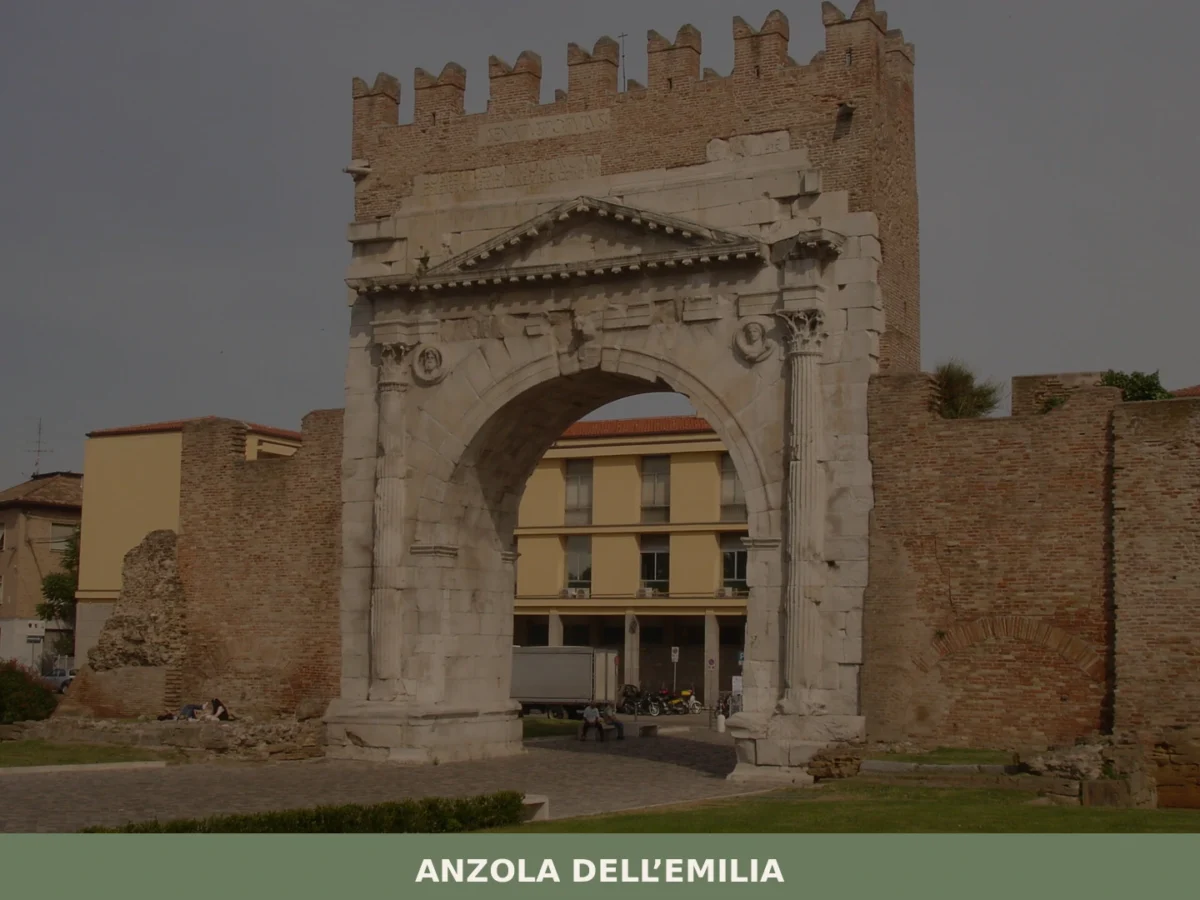
What to see in Anzola dell'Emilia: 5 must-visit attractions, from the medieval tower to the parish church. Discover the complete guide and plan your visit.
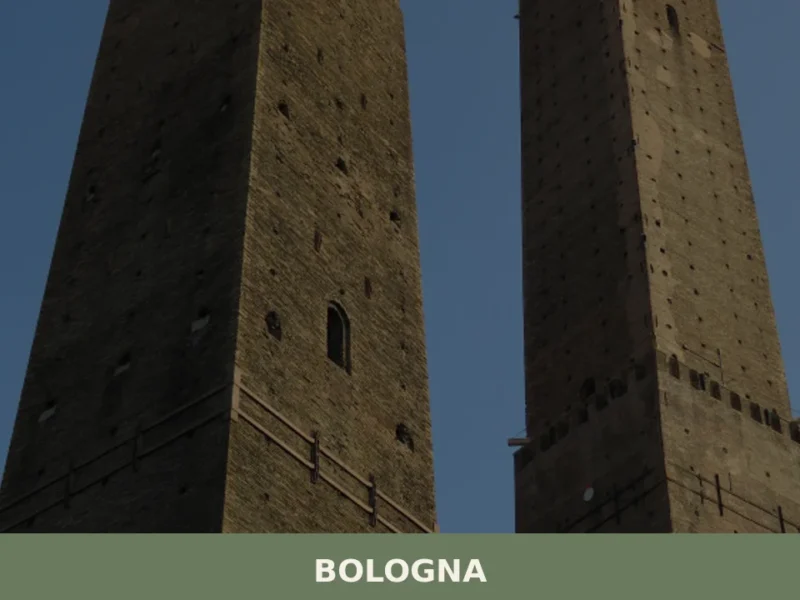
Bologna
Plains
What to see in Bologna: 388,000 inhabitants, UNESCO porticoes and the Two Towers. Plan your visit with our guide to tortellini, Mortadella IGP and top museums.
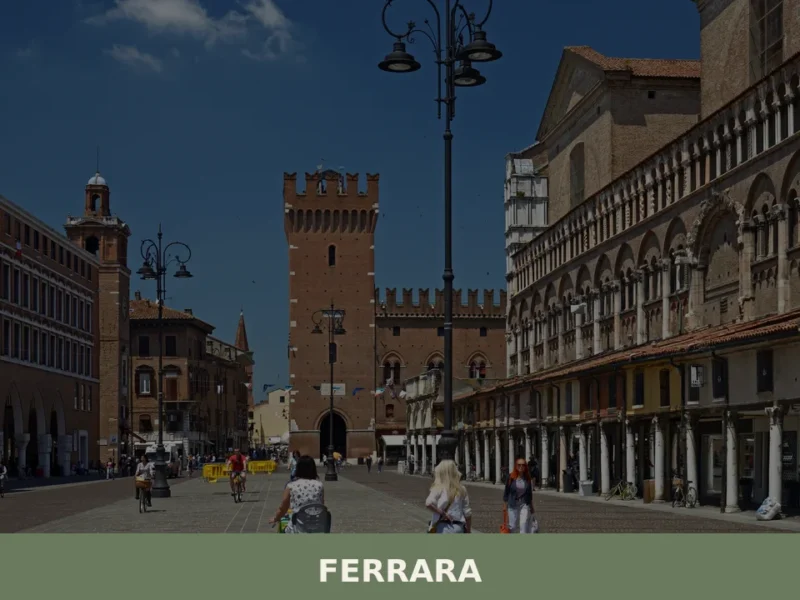
Ferrara
Plains
What to see in Ferrara? Explore 6 attractions, from the Estense Castle to the Palio at this city of 135,000. Discover Ferrara’s unique architecture today!
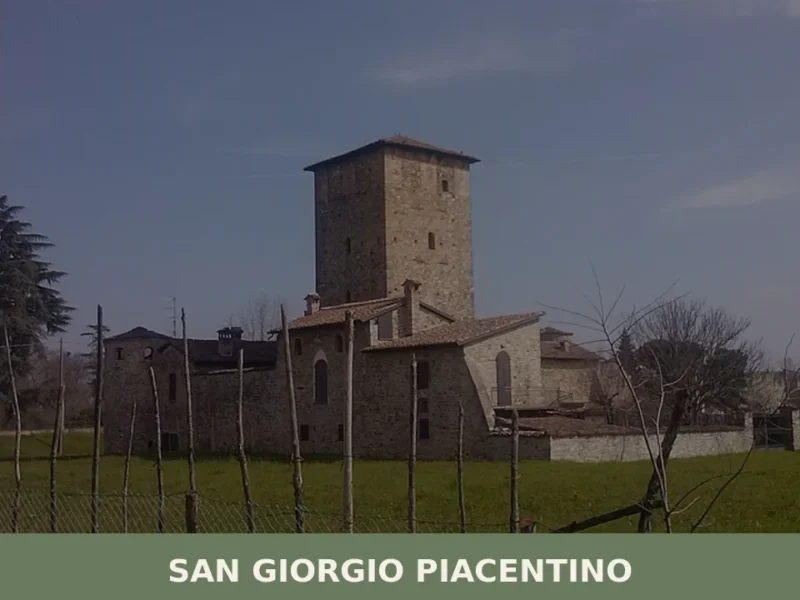
San Giorgio Piacentino
Plains
What to see in San Giorgio Piacentino: 5,533 residents at 103 m altitude, Renaissance villas, PDO cured meats, and the 23 April patron feast. Plan your visit now.
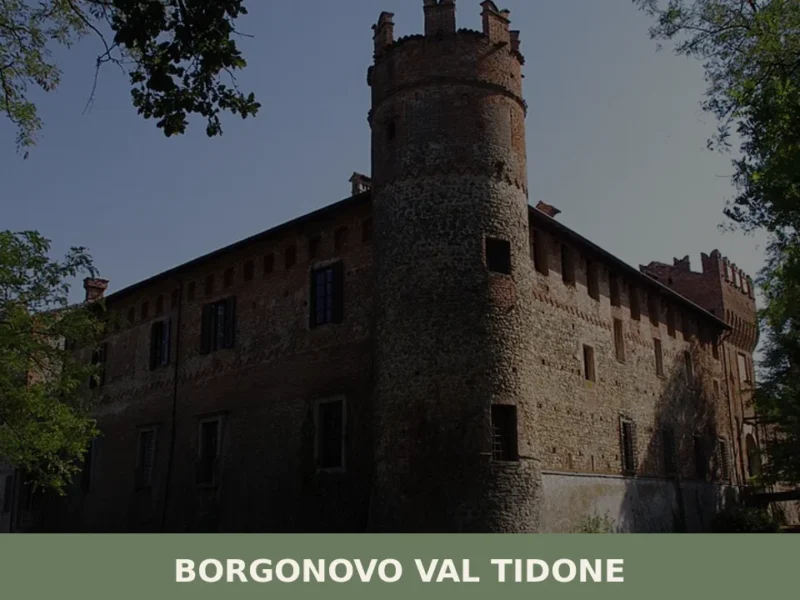
Borgonovo Val Tidone
Plains
What to see in Borgonovo Val Tidone: 7,774 residents, a medieval castle, the Santa Maria Assunta church and Piacenza cuisine. Plan your visit with this complete guide.
Ravenna
 Sea
Sea
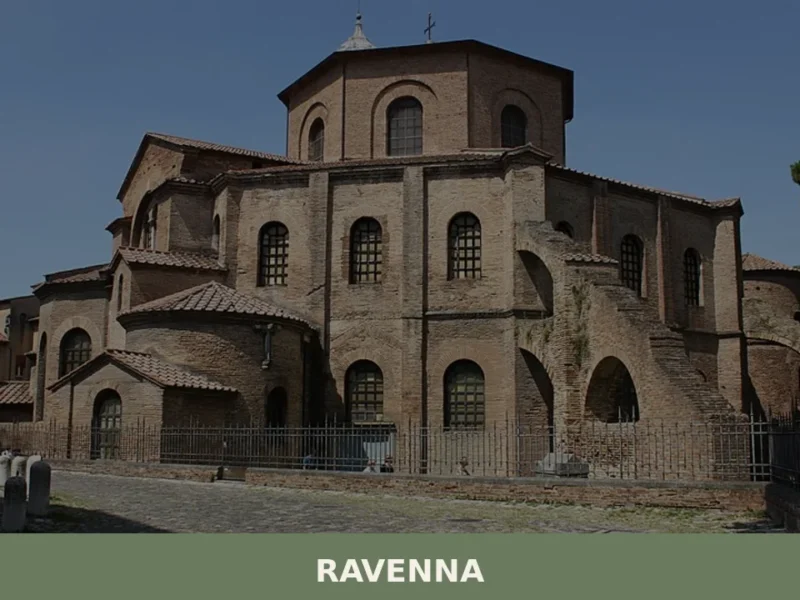
With a population of 155,751 inhabitants and located just 4 m above sea level, Ravenna stands out as one of Emilia-Romagna’s most significant centers, a historical crossroads that has shaped the region’s identity. In this article History and origins of Ravenna What to see in Ravenna: main attractions Typical cuisine and products of Ravenna Festivals, […]

Sorbolo
Plains
Sorbolo offers 3,000 years of history from Bronze Age terramare to Farnese noble palaces. Visit for Roman centuriation, a Serassi organ and authentic Po Valley cuisine.
Grizzana Morandi
 Hills
Hills
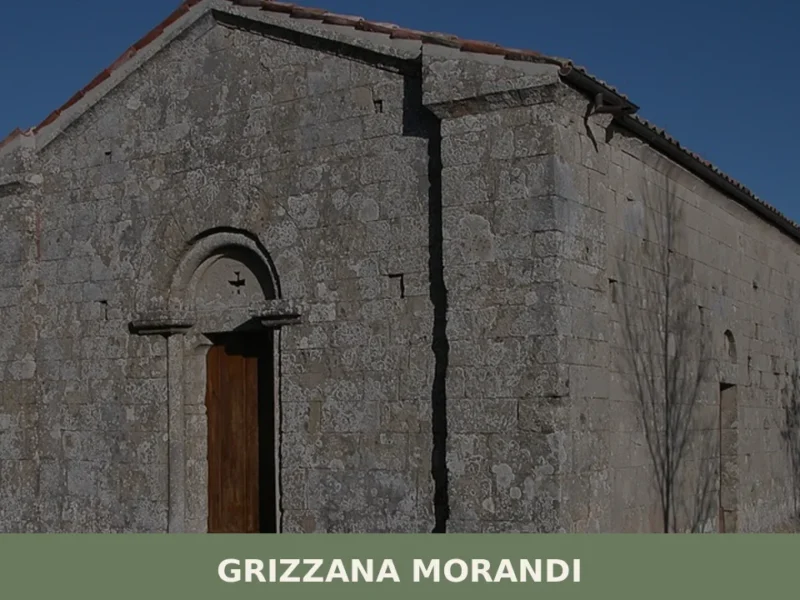
In 1929, the Bolognese painter Giorgio Morandi travelled to Grizzana for the first time — a scattered municipality in the Emilian Apennines that he would return to every summer for over thirty years. From the barns and tower-houses of this valley, he painted hundreds of landscapes, transforming the clay badlands and mountain ridgelines into universal […]
Castel d’Aiano
Mountain
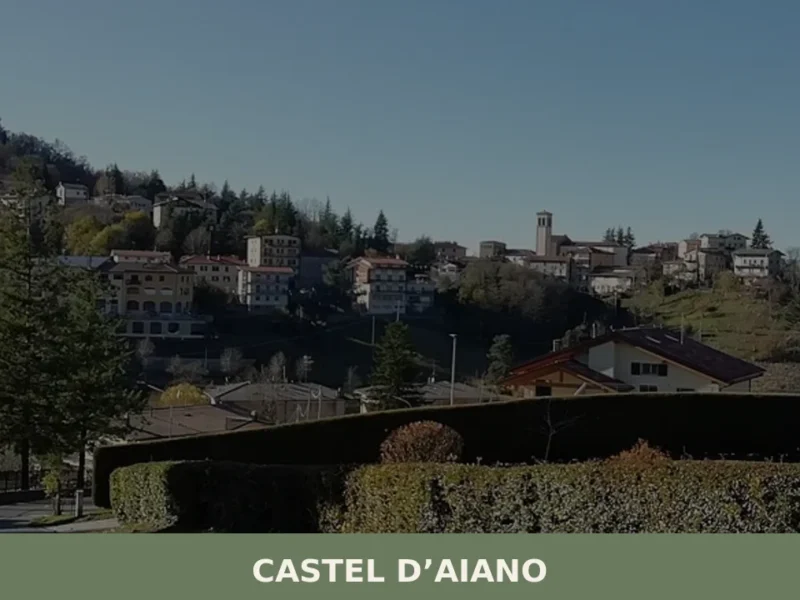
In 1944 the Gothic Line cut through these mountains, and Castel d’Aiano found itself at the centre of the clash between Allied forces and German troops: the hamlets of Villa d’Aiano, Sassomolare and Rocca di Roffeno still bear the marks of that period. Today the municipality has 1,916 inhabitants spread across a vast, hilly territory […]
Parma
Plains
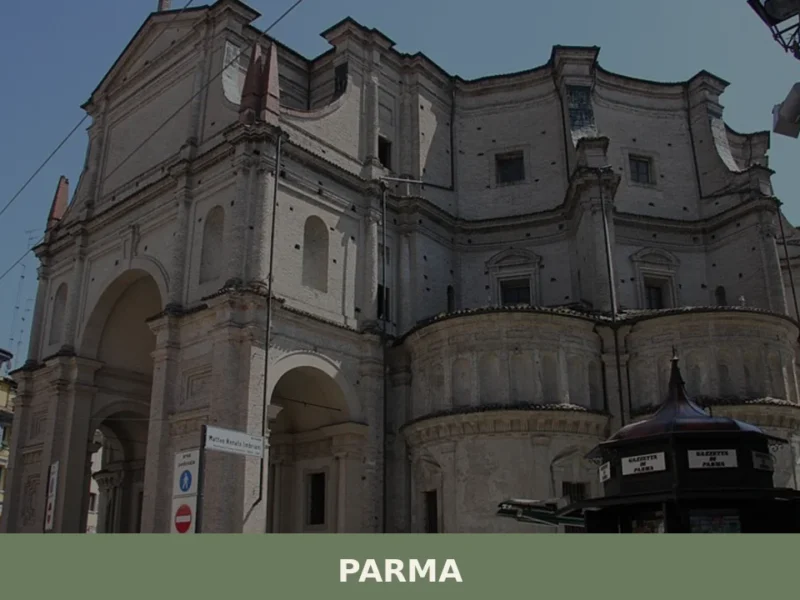
what to see in parma. Home to 177,714 residents, Parma offers the iconic Duomo, Baptistery, and world-famous Parma Ham. Explore its rich heritage.
🏡 Know Alto Reno Terme better than we do?
If you’re a local or have been there, your knowledge matters: add what’s missing or fix a detail on this page.