


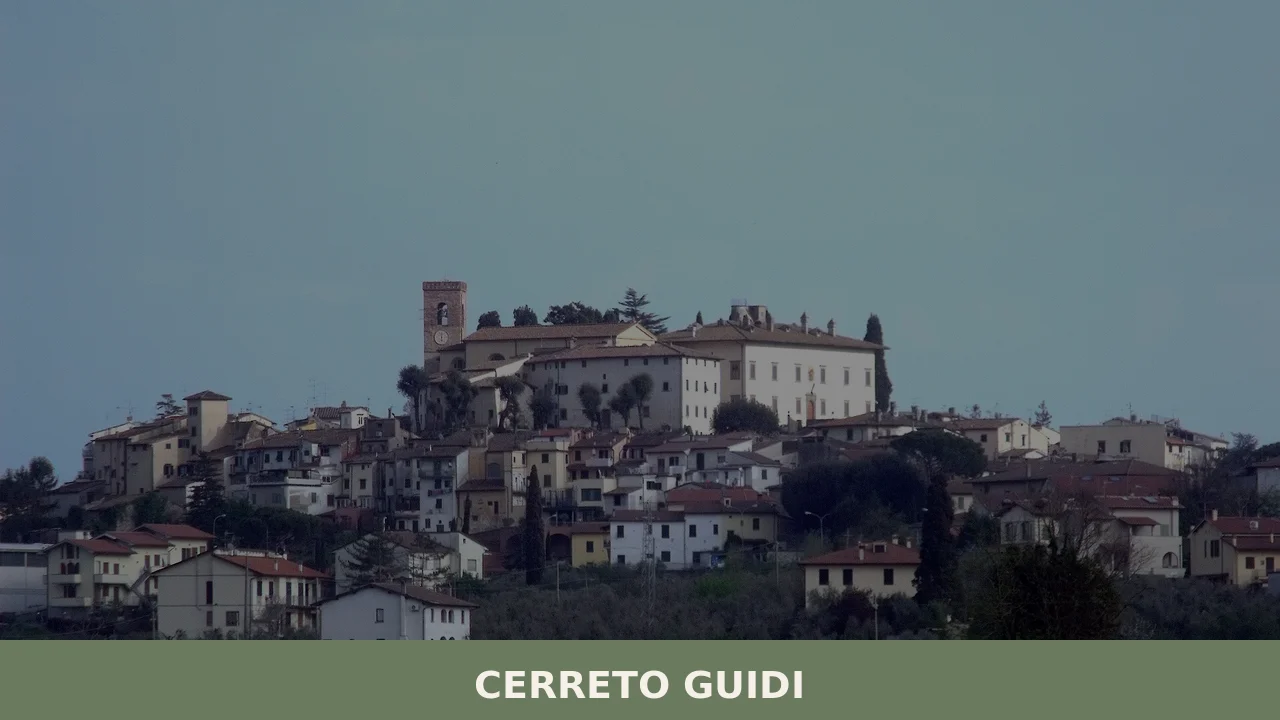
Cerreto Guidi
 Plains
A low plain spreads west of Florence, and at 30 kilometres (19 mi) from the city the land rises just enough — to 123 metres (404 feet) above sea level — for a cluster of terracotta rooftops to stand out against the Tuscan sky. The municipality borders Empoli, Fucecchio, Vinci, and Lamporecchio, placing it at […]
Discover Cerreto Guidi
A low plain spreads west of Florence, and at 30 kilometres (19 mi) from the city the land rises just enough — to 123 metres (404 feet) above sea level — for a cluster of terracotta rooftops to stand out against the Tuscan sky.
The municipality borders Empoli, Fucecchio, Vinci, and Lamporecchio, placing it at the intersection of the lower Arno valley and the gentle hills separating the Florentine basin from the Valdinievole.
Its 10,488 inhabitants move through a settlement that carries the marks of both Medici ambition and rural continuity.
Deciding what to see in Cerreto Guidi becomes straightforward once you understand the village’s geography and history.
Sitting at 123 m (404 ft) in the Metropolitan City of Florence, the municipality offers visitors a well-preserved Medici villa, a museum dedicated to hunting and the territory, and a landscape of lowland Tuscan countryside largely unchanged in its agricultural rhythms.
Visitors to Cerreto Guidi find a compact, walkable historic centre supported by documented heritage and direct road connections to Florence, Empoli, and Vinci.
History of Cerreto Guidi
The name Cerreto derives from the Latin cerretus, referring to a grove of Turkey oaks (Quercus cerris), a tree common across the hills of central Italy. The suffix “Guidi” identifies the family who held feudal authority over this territory during the medieval period: the Guidi counts, one of the most influential dynasties in medieval Tuscany, controlled a wide arc of land stretching from the Casentino to the lower Arno plain.
Their grip on Cerreto is documented from at least the eleventh century, and the settlement developed in their shadow as an agricultural node connecting the valley floor to the surrounding hill communities.
Florentine expansion gradually absorbed the Guidi territories during the thirteenth and fourteenth centuries, and Cerreto passed under the direct administration of the Republic of Florence.
The decisive transformation came with the Medici family, who selected this lowland position as a base for their hunting activities in the surrounding wetlands and plains of the Fucecchio area.
Cosimo I de’ Medici, Grand Duke of Tuscany, commissioned the construction of a villa here in the sixteenth century, elevating Cerreto from a minor rural holding to a node within the Medici network of villas and estates that spread across Tuscany. The building work connected the residence directly to a system of ramps and bridges that are still visible today.
The Medici connection brought with it a brief but historically significant dynastic episode.
Isabella de’ Medici, daughter of Cosimo I, died at the villa in 1576 under circumstances that became the subject of historical scrutiny for centuries. After the extinction of the Medici line in the early eighteenth century, Cerreto passed to the House of Lorraine, which administered the Grand Duchy of Tuscany until Italian unification in 1861.
The municipality then entered the administrative structure of the Province of Florence, a position it retains today within the reorganised Metropolitan City of Florence.
What to see in Cerreto Guidi, Toscana: top attractions
Villa Medicea di Cerreto Guidi
The villa’s most immediately visible feature is the system of rampe — paired brick ramps rising symmetrically to the main entrance — designed to allow horse-mounted visitors to reach the piano nobile without dismounting.
Cosimo I de’ Medici ordered its construction in the sixteenth century as a base for hunting expeditions across the surrounding lowlands and the marshes of the Fucecchio basin. The building follows a compact, functional plan rather than a ceremonial one: its proportions reflect use rather than display.
The villa is now part of the circuit of Medici villas recognised by UNESCO, and the interior houses the Museo della Caccia e del Territorio, making a combined visit the most efficient way to experience both the architecture and the collections.
Museo della Caccia e del Territorio
Housed within the Villa Medicea, the museum documents the culture of hunting across Tuscany from the medieval period through the nineteenth century, using the Medici estate as its interpretive framework.
The collections include firearms, hunting equipment, paintings depicting game and landscapes, and archival material relating to the management of the surrounding territory under successive ruling families. Specific rooms are dedicated to the fauna of the Fucecchio wetlands, giving the museum an ecological dimension alongside its historical one.
Visitors spending 60 to 90 minutes here gain a documented understanding of how land use, aristocratic leisure, and rural economy intersected across five centuries of Tuscan governance.
The Historic Centre and the Church of San Leonardo
The church dedicated to San Leonardo di Noblac — the patron saint whose feast falls on 6 November — anchors the historic centre of Cerreto Guidi both spiritually and physically.
The building’s facade faces the main piazza and its interior preserves devotional art connected to local patronage across several centuries.
The surrounding streets follow a compact medieval layout, with low brick buildings and narrow passages that reflect the agricultural economy of the lowland Arno plain rather than the grand civic ambitions of Florence. Walking the centre takes under thirty minutes end to end, making it practical as a morning visit before moving to the villa in the afternoon.
The Medici Ramps and Entrance Structure
Separate from the villa’s interior, the external ramp system merits attention as an engineering and spatial achievement in its own right. The twin brick ramps, each rising at a consistent gradient to meet at the entrance loggia, create a formal approach that emphasises symmetry over grandeur.
Built to Medici commission in the sixteenth century, they are among the better-preserved examples of this typology in the metropolitan Florence area.
Standing at the base and looking up, the ramps frame the villa entrance against the sky in a way that communicates the site’s original function as a place of arrival and departure for mounted hunting parties rather than a palace designed for reception.
The Surrounding Countryside and the Fucecchio Marshes
The territory of Cerreto Guidi extends toward the Padule di Fucecchio, one of the largest inland wetlands in Italy, covering approximately 1,800 hectares (4,448 acres) and bordering the municipalities of Fucecchio and several neighbouring communities.
The flat agricultural land between the village and the marsh retains a landscape character that reflects its use over centuries: drained fields, irrigation channels, and poplar windbreaks mark a managed countryside rather than a wild one. Visitors arriving between April and June observe the wetland at peak biological activity, with migratory bird species documented by the nature reserve authorities.
The marsh lies approximately 5 km (3.1 mi) from the village centre by road.
Local food and typical products of Cerreto Guidi
The food culture of Cerreto Guidi belongs to the broader tradition of the lower Arno valley, a zone where the cooking draws equally from the agricultural plains and the wetland resources of the Fucecchio basin.
This part of Tuscany — the area between Florence, Empoli, and San Miniato — developed a kitchen based on preserved meats, legumes, and freshwater ingredients rather than the richer coastal or hill-city traditions.
Wheat cultivation across the surrounding fields provided the flour base for the area’s bread and pasta traditions, and the proximity of the Fucecchio marsh historically supplied eel, carp, and migratory birds to local tables.
Bread in this corner of Tuscany follows the regional standard of pane sciocco — unsalted bread, firm-crusted and dense-crumbed — which functions as the structural base for a range of preparations.
Ribollita, the twice-cooked bread and vegetable soup built on black cabbage (cavolo nero), cannellini beans, and stale unsalted bread, appears on local tables from October through February, when the cabbage reaches its proper texture after the first frosts.
Pappardelle al cinghiale — broad egg pasta with a slow-cooked wild boar ragù seasoned with juniper and red wine — reflects the hunting culture documented at the nearby Medici villa.
Fagioli all’uccelletto, white cannellini beans simmered with sage, garlic, and tomato, represents the most economical and direct expression of the valley’s legume tradition.
The San Miniato area, approximately 15 km (9.3 mi) to the southwest, is the reference zone for white truffle production in this part of Tuscany, and while Cerreto Guidi itself does not sit within the most concentrated truffle territory, the product circulates through local restaurants and autumn markets.
Olive oil produced in the Florentine hills to the north of the municipality carries DOP certification under the Chianti Classico and Terre di Siena designations, though the flat terrain of Cerreto Guidi’s immediate surroundings is more suited to arable farming than to olive cultivation.
October and November mark the period when food markets and farm-gate sales are most active across this part of the Florentine plain.
Local producers sell preserved meats, pecorino from the Valdinievole, and seasonal vegetables at periodic markets in the village centre. Visitors planning what to see in Cerreto Guidi in autumn can coordinate a Saturday morning market visit with the afternoon Medici villa opening hours, covering both the cultural and gastronomic dimensions of the town in a single day.
Festivals, events and traditions of Cerreto Guidi
The patron saint of Cerreto Guidi is Leonardo di Noblac, a sixth-century Frankish monk venerated across central Italy as the protector of prisoners and agricultural workers.
His feast day falls on 6 November and marks the most significant communal event in the village calendar. The celebration follows the pattern common to Tuscan lowland communities: a religious procession through the historic centre leads to a solemn Mass at the Church of San Leonardo, followed by community gatherings in the main piazza.
The November date places the feast at the start of the olive harvest season and the approach of the truffle markets at San Miniato, giving the celebration a seasonal resonance tied to the agricultural cycle.
Beyond the patron feast, the village participates in the broader calendar of Tuscan sagre — local food festivals centred on a specific ingredient or dish — that run through late summer and autumn across the municipalities of the lower Arno valley.
The proximity of Cerreto Guidi to Empoli and Fucecchio means that visitors based in the village during September and October can reach several documented food events within 10 km (6.2 mi).
Local cultural associations also organise events tied to the Medici heritage of the villa, though the specific scheduling of these varies by year and is confirmed through the official municipality website.
When to visit Cerreto Guidi, Italy and how to get there
The best time to visit Cerreto Guidi spans from April to June and from September to November. Spring brings mild temperatures across the Arno plain — typically between 15°C and 22°C (59°F and 72°F) — and the Fucecchio wetlands reach their most active period for bird observation.
Autumn combines the grape harvest in surrounding municipalities, the truffle season at San Miniato, and the patron feast on 6 November, making October and early November the most event-dense period for a visit.
July and August are workable but hot on the plain, with daytime temperatures regularly exceeding 32°C (90°F).
International visitors travelling from Northern Europe or North America who want to plan a day trip from Florence will find the spring window most comfortable for combining outdoor and indoor visits.
Cerreto Guidi sits 30 km (19 mi) west of Florence by road. By car, take the Autostrada A11 Florence–Pisa Nord and exit at Empoli Est, then follow the SP20 northward approximately 10 km (6.2 mi) to Cerreto Guidi. Total drive time from the centre of Florence is approximately 40 minutes under normal traffic conditions.
By train, the nearest station is Empoli, served by regional trains from Trenitalia on the Florence–Pisa line with departures approximately every 30 minutes; journey time from Florence Santa Maria Novella to Empoli is around 25–30 minutes.
From Empoli station, a local bus service connects to Cerreto Guidi, or a taxi covers the 10 km (6.2 mi) in about 15 minutes.
The nearest international airport is Florence Airport (Amerigo Vespucci), located approximately 35 km (22 mi) to the east, with a transfer time of roughly 45 minutes by car. Pisa Galileo Galilei Airport lies approximately 55 km (34 mi) to the west and is served by a wider range of low-cost carriers, making it an alternative point of entry for visitors flying from Northern Europe.
English is limited in smaller shops and local bars; carrying cash in euros is practical, as not all smaller establishments accept card payments.
For those combining Cerreto Guidi with other sites in the area, the town of Vinci — birthplace of Leonardo da Vinci — lies approximately 8 km (5 mi) to the north and is reachable in under 15 minutes by car. Travellers interested in extending their exploration of Tuscany’s northern villages might also consider the medieval villages of the Lunigiana region.
The walled town of Pontremoli, approximately 120 km (75 mi) to the northwest in the Lunigiana, represents a contrasting Tuscan experience: an Apennine pass settlement with a documented medieval tower and a distinct local food tradition built on chestnut flour.
Similarly, those continuing northwest toward the Ligurian border might pass through Fosdinovo, where a well-preserved Malaspina fortress commands views across three regions.
Where to stay near Cerreto Guidi
Accommodation in the immediate area of Cerreto Guidi follows the pattern common to Tuscan lowland municipalities of this size: agriturismi — farm-stay establishments that combine accommodation with on-site food production — represent the primary option for visitors who prefer to stay within or near the village rather than commuting from Empoli or Florence.
The surrounding countryside of the lower Arno valley has a documented offer of farm stays, particularly in the direction of Vinci and the Fucecchio area.
Florence, 30 km (19 mi) to the east, provides the full range of hotel categories and is the practical base for visitors planning what to see in Cerreto Guidi as part of a wider Florentine itinerary. Empoli, 10 km (6.2 mi) to the south, offers mid-range hotels with direct train connections to Florence.
Frequently asked questions about Cerreto Guidi
What is the best time to visit Cerreto Guidi?
April to June is ideal for visiting Cerreto Guidi: mild temperatures, the surrounding countryside is green, and the Padule di Fucecchio wetlands reach peak biological activity with migratory birds. October and November bring active farm markets and autumn food traditions — ribollita season, truffle markets in the San Miniato area, and the feast of patron saint Leonardo di Noblac on 6 November. Summer is warm but manageable given the flat terrain and short walking distances. Winter visits are quieter; the villa museum remains a year-round option.
What are the historical origins of Cerreto Guidi?
The name derives from the Latin cerretus, meaning a grove of Turkey oaks (Quercus cerris). The Guidi counts — one of medieval Tuscany's most powerful dynasties — held feudal authority here from at least the eleventh century. Florence absorbed the territory during the thirteenth and fourteenth centuries. The decisive turning point came in the sixteenth century when Cosimo I de' Medici commissioned a hunting villa here, linking Cerreto to the Grand Duchy's network of estates. After Medici extinction, the House of Lorraine administered the territory until Italian unification in 1861.
What to see in Cerreto Guidi? Main monuments and landmarks
The Villa Medicea di Cerreto Guidi is the centrepiece — a UNESCO-listed Medici villa built by Cosimo I in the sixteenth century, notable for its paired brick ramps (rampe) designed for horse-mounted arrivals. Inside, the Museo della Caccia e del Territorio documents hunting culture across five centuries; allow 60–90 minutes. The Church of San Leonardo di Noblac anchors the compact historic centre. The medieval street layout can be walked end to end in under thirty minutes, making a combined villa-museum-centre visit achievable in a single day.
What are the main natural or scenic attractions of Cerreto Guidi?
The Padule di Fucecchio — one of Italy's largest inland wetlands at approximately 1,800 hectares — lies about 5 km from the village centre. The nature reserve is most rewarding between April and June when migratory bird species are documented at peak activity. The flat agricultural landscape between the village and the marsh, marked by drainage channels and poplar windbreaks, reflects centuries of managed land use and is best explored by bicycle or on foot along farm roads.
Where to take the best photos in Cerreto Guidi?
The base of the Medici ramps offers the most composed architectural shot: the twin brick ramps frame the villa entrance symmetrically against the sky, communicating the site's original function as a ceremonial arrival point for hunting parties. The main piazza, with the facade of the Church of San Leonardo, provides a compact village scene. For landscape photography, the approach roads toward the Padule di Fucecchio offer wide, uninterrupted views of the Tuscan lowland plain, particularly photogenic at dawn and dusk.
Are there museums, churches or historic buildings to visit in Cerreto Guidi?
The Museo della Caccia e del Territorio, housed inside the Villa Medicea, is the main museum. Its collections include historic firearms, hunting equipment, landscape paintings, and archival material on Medici estate management, with dedicated rooms covering the fauna of the Fucecchio wetlands. The Villa Medicea itself is part of the UNESCO-recognised circuit of Medici villas and gardens in Tuscany. The Church of San Leonardo di Noblac preserves devotional art from several centuries of local patronage. For current opening hours and admission fees, check the official Musei Italiani or Comune di Cerreto Guidi website.
What can you do in Cerreto Guidi? Activities and experiences
Visiting the Villa Medicea and its hunting museum is the core cultural activity. The Padule di Fucecchio nature reserve, 5 km away, offers birdwatching, particularly strong from April to June. Autumn visits can be combined with Saturday morning food markets in the village centre, where local producers sell preserved meats, seasonal vegetables, and pecorino from the Valdinievole. The proximity to Vinci (Leonardo da Vinci's birthplace) and Empoli makes Cerreto Guidi a practical base for a half-day circuit covering multiple lower Arno valley destinations.
Who is Cerreto Guidi suitable for? Families, couples, hikers, solo travelers?
Cerreto Guidi suits couples and cultural travellers who appreciate Medici history without large crowds. Families with children interested in wildlife will find the Padule di Fucecchio worthwhile, especially in spring. The flat terrain and compact historic centre make it accessible for visitors with limited mobility. Food and wine travellers benefit from autumn visits coinciding with truffle season in nearby San Miniato and local harvest markets. It is less suited to hikers seeking mountain trails but works well as a half-day stop on a broader Florentine plain itinerary.
What to eat in Cerreto Guidi? Local products and specialties
The local kitchen reflects the lower Arno valley tradition. Ribollita — twice-cooked bread soup with cavolo nero, cannellini beans, and unsalted bread — is the defining winter dish, best from October through February. Pappardelle al cinghiale (wide egg pasta with wild boar ragù) mirrors the hunting culture documented at the Medici villa. Fagioli all'uccelletto (cannellini beans with sage, garlic, and tomato) is the area's most emblematic legume dish. White truffles from the nearby San Miniato zone appear on local autumn menus. All dishes use pane sciocco, Tuscany's characteristic unsalted bread.
Nearby Villages near Cerreto Guidi
 Mountain
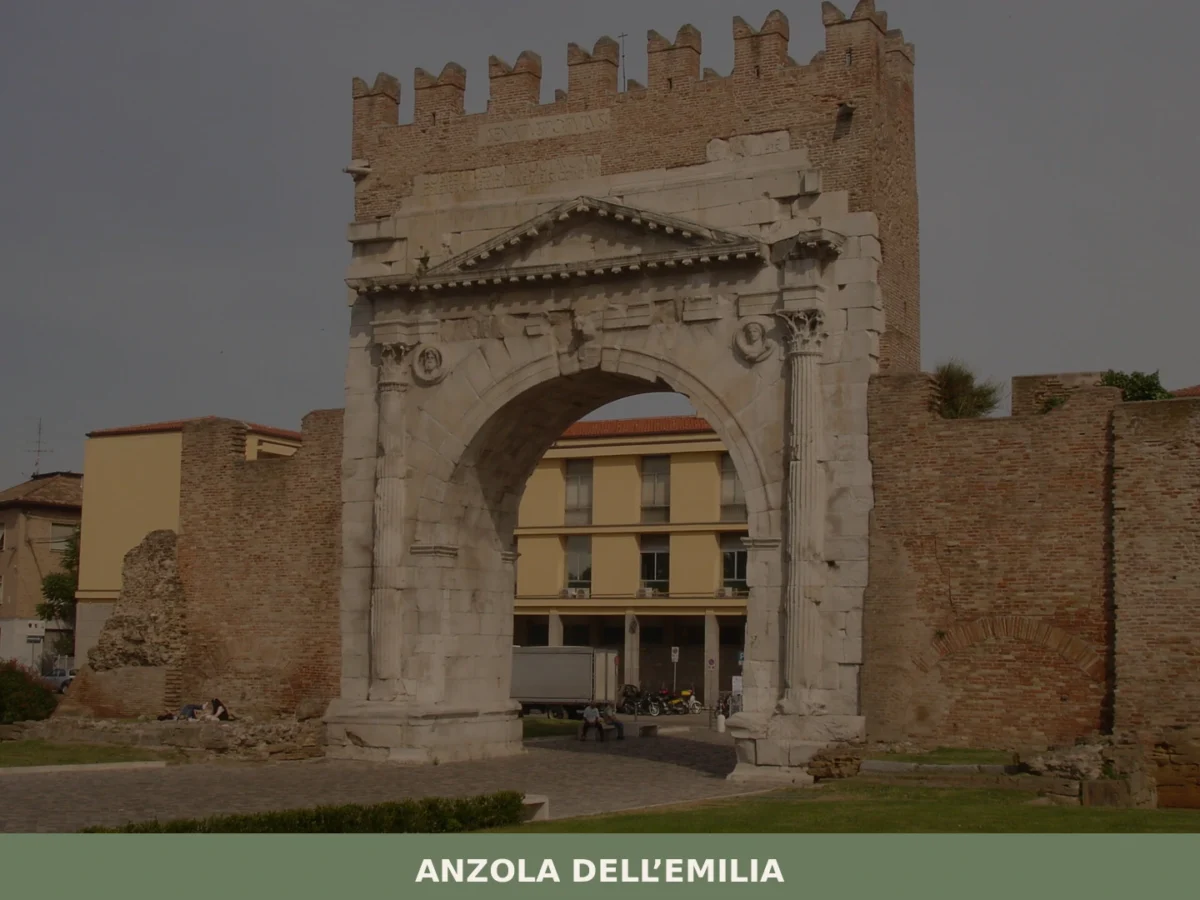
In Tuscany More villages to discover
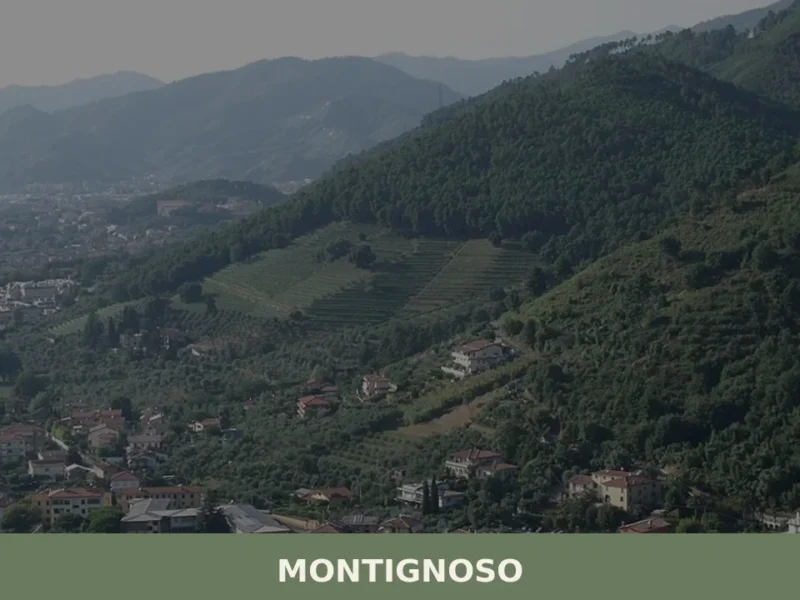
Montignoso
 Sea
Sea
Discover what to see in Montignoso: 5 historical and natural attractions. Explore Aghinolfi Castle and Monterosso Park!
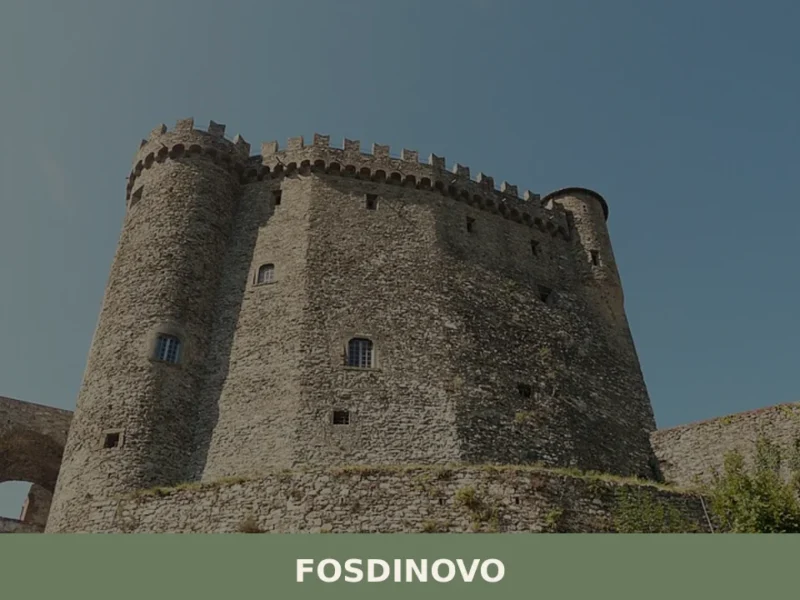
Fosdinovo
 Hills
Hills
The Malaspina Castle of Fosdinovo has dominated the ridge separating the Val di Magra from the Apuan coast for over seven hundred years, with its four circular towers and a sentry walkway that can still be traversed. At 500 metres above sea level, this town in the province of Massa and Carrara has 4,982 inhabitants […]
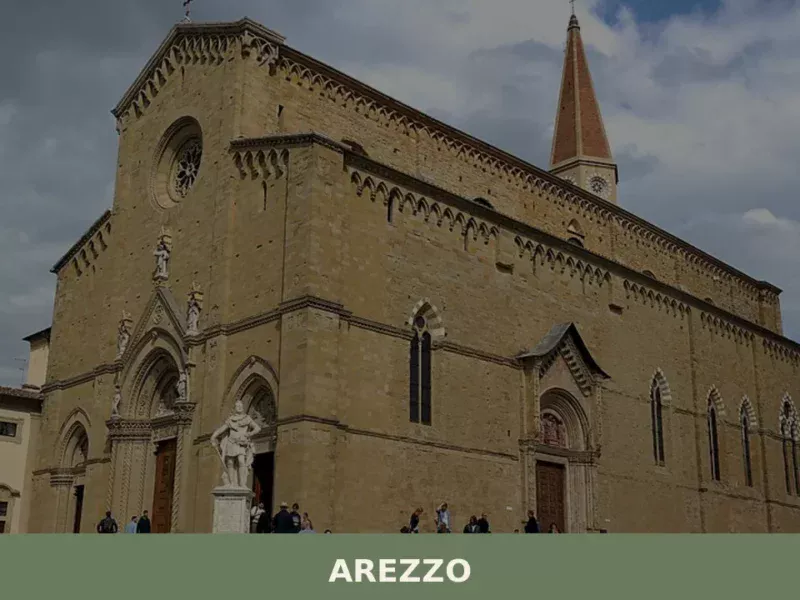
Arezzo
Hills
Discover Arezzo, a charming village in Tuscany, Italy. Explore its rich history, stunning architecture, and vibrant culture nestled in the heart of Toscana.
Casola in Lunigiana
Hills
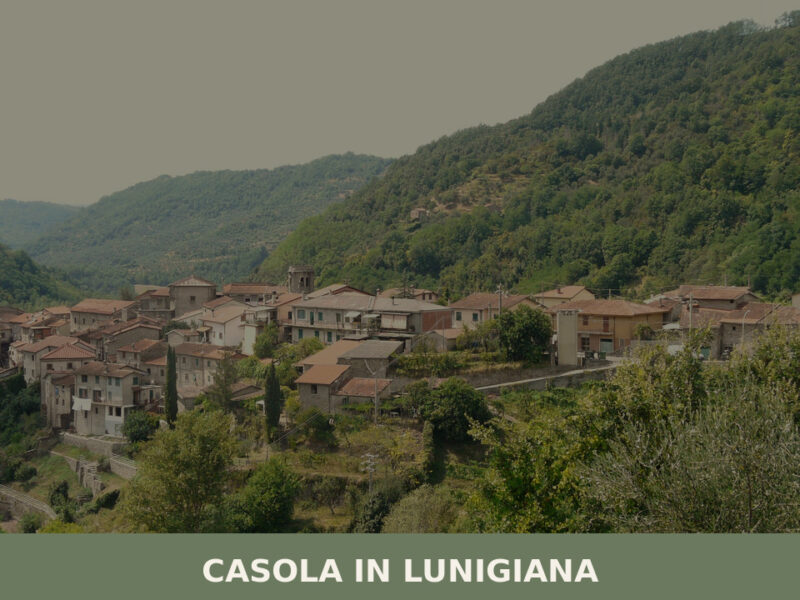
Morning fog lifts slowly from the Aulella valley, revealing stone walls the colour of dried clay and a bell tower that has marked the hours here for centuries. The air carries woodsmoke and the faint mineral scent of chestnut groves climbing the surrounding slopes. With roughly one thousand inhabitants, Casola in Lunigiana remains one of […]
Fivizzano
Hills
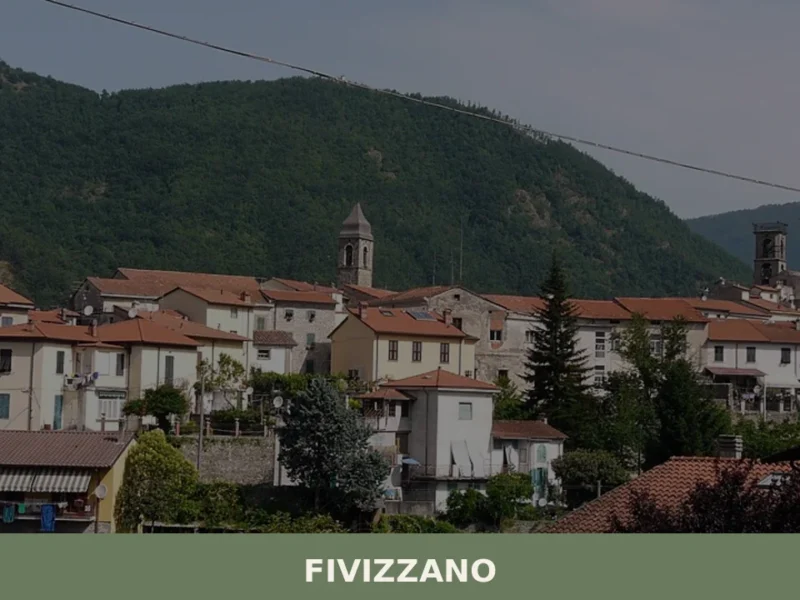
In 1477 a printing press active in Fivizzano produced an edition of Cicero’s Epistolae ad familiares, making this Lunigiana town one of the first places in Italy — and in Europe — to host the art of movable-type printing. The village stands at 326 metres above sea level in the province of Massa and Carrara, […]
Livorno
Sea
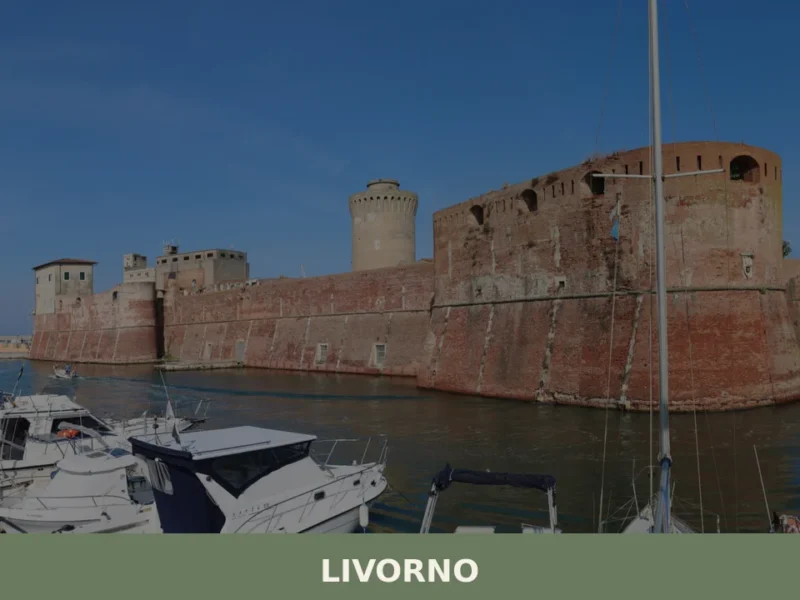
What to see in Livorno, a port city of 157,000 on the Tyrrhenian coast: Fortezza Vecchia, Quartiere Venezia, cacciucco, Terrazza Mascagni. Plan your visit now.
Podenzana
Hills
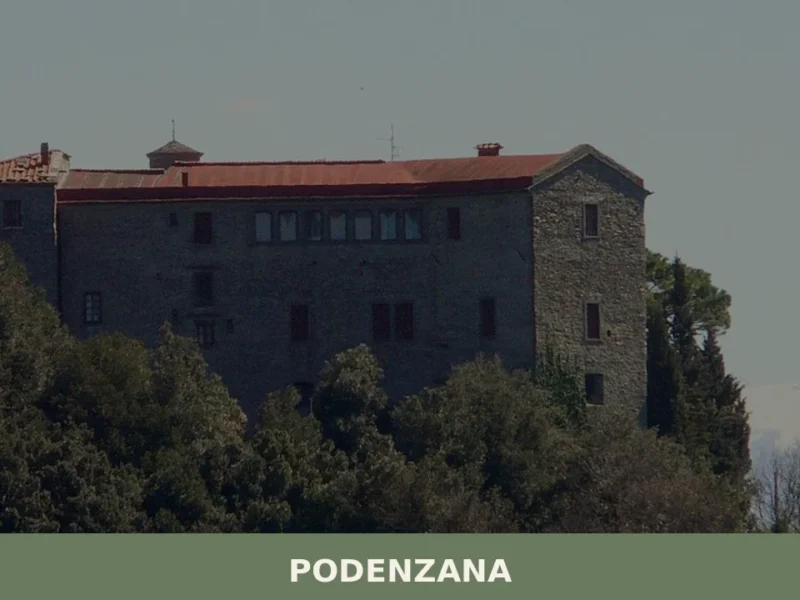
The panigaccio — a disc of unleavened dough cooked between red-hot terracotta moulds — is listed as a Traditional Agri-Food Product of Tuscany and bears the name of Podenzana in the regional specification. Anyone looking into what to see in Podenzana will find a scattered municipality at 350 metres above sea level in eastern Lunigiana, […]
Comano
Hills
Morning fog lifts slowly from the Taverone valley, revealing stone walls the colour of weathered bone. A church bell marks the hour — its echo rolls across chestnut groves before dissolving into silence. Comano sits in the upper Lunigiana, a commune of scattered hamlets across the hills of Massa e Carrara province, home to just […]
Forte dei Marmi
Sea
What to see in Forte dei Marmi, Italy: the 1788 fortress, sandy beaches, satirical art museum and weekly market. Population 7,619. Explore the full guide.
Certaldo
Plains
Red brick rises above the Valdelsa in distinct horizontal courses, the same fired clay that built the house where Giovanni Boccaccio is documented to have died in 1375. The upper town, Certaldo Alto, sits at 67 m (220 ft) above sea level on a ridge that divides the valley floor from the surrounding hills, its […]

🏡 Know Cerreto Guidi better than we do?
If you’re a local or have been there, your knowledge matters: add what’s missing or fix a detail on this page.