


Barberino Val d’Elsa
 Hills
Hills
The 14th-century walls still enclose the historic centre of Barberino Val d’Elsa within an almost intact perimeter, with two town gates that filter access to the village just as they did six centuries ago. In this article History and origins of Barberino Val d’Elsa What to see in Barberino Val d’Elsa: main attractions Traditional Cuisine […]
Discover Barberino Val d’Elsa
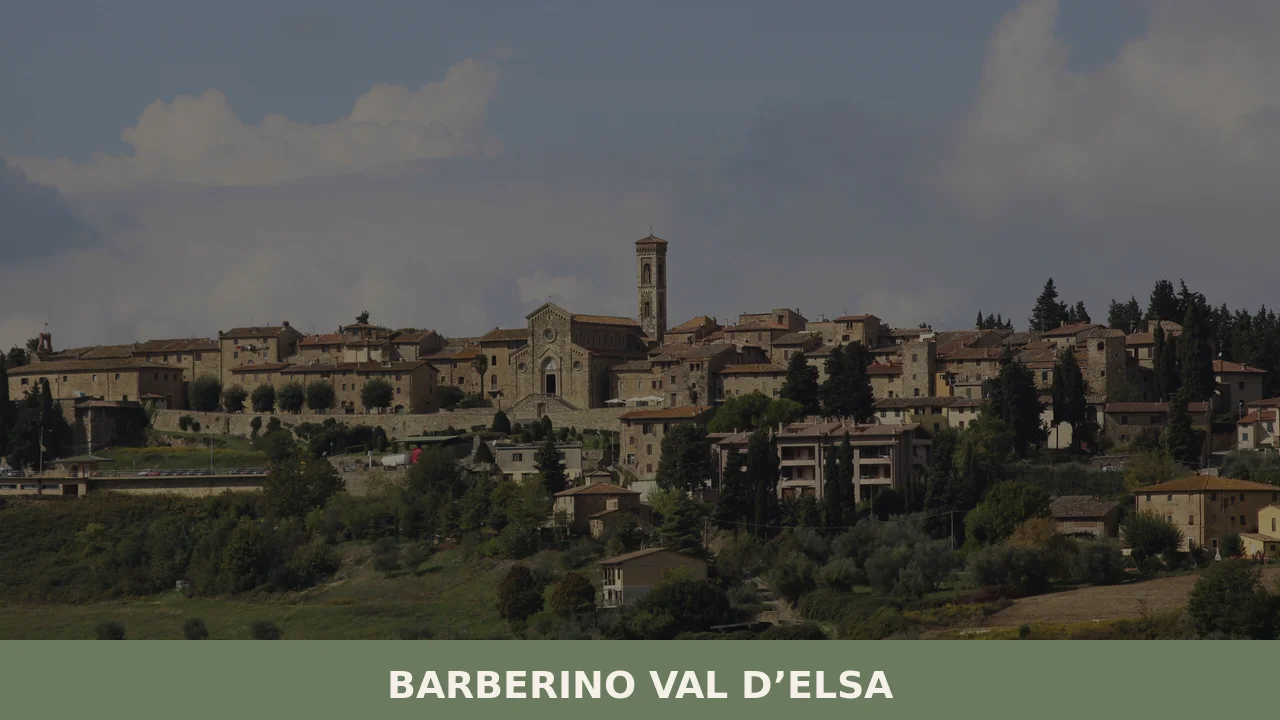
The 14th-century walls still enclose the historic centre of Barberino Val d’Elsa within an almost intact perimeter, with two town gates that filter access to the village just as they did six centuries ago.
Four thousand three hundred and seventy-nine inhabitants, a position commanding the Via Francigena, and a series of civic and religious buildings bequeathed by Florentine history without too many regrets.
The local sandstone gives the facades a grey-ochre hue that shifts with the afternoon light, when the raking sun reveals the rows of rustication on the bases of the oldest palaces.
What to see in Barberino Val d’Elsa is a question that finds a concrete answer even on a first walk through the historic centre: the Palazzo Pretorio with its stone coats of arms, the Propositura di San Bartolomeo, the 14th-century walls with their bastions still walkable today.
The village lies in the province of Florence, along the Valdelsa, and visitors discover a compact medieval centre crossed by a Via Francigena that still brings pilgrims and walkers today. The main attractions are all reachable on foot in under twenty minutes.
History and origins of Barberino Val d’Elsa
The name Barberino appears in medieval records as early as the 12th century, linked to a family — the Barberini — who controlled this stretch of the Valdelsa before Florence extended its hegemony over the area.
The village’s strategic position, on a ridge overlooking the Elsa valley floor and the Via Francigena, made it a key military and commercial control point during the centuries of conflict between the Communes.
The addition “Val d’Elsa” distinguishes this centre from the other Barberino villages in Tuscany and clearly signals its connection to the river running through the valley below.
During the 13th and 14th centuries, Florence consolidated its dominion over this part of the Valdelsa and Barberino became an administrative centre of the Lega del Chianti, later incorporated into the Florentine podestà system.
It was during this period that the village acquired the urban structure still legible today: the walls with their corner towers, the two access gates — Porta Fiorentina and Porta Senese — and the Palazzo Pretorio as the seat of local civic power.
The 14th-century circuit of walls was reinforced during the 15th century, when military tensions between Florence and Siena left the smaller centres of the Valdelsa vulnerable.
Among the documented figures connected to this territory is Francesco da Barberino, a poet and jurist born in 1264, author of the Documenti d’Amore and the Reggimento e costumi di donna, works that circulated in the leading literary centres of medieval Italy.
His birth in Barberino represents the village’s most significant contribution to 13th-century Italian culture.
In subsequent centuries, the centre followed the fortunes of the Grand Duchy of Tuscany, gradually losing administrative importance while preserving its medieval physical structure in a substantially intact state through to the modern era.
This urban heritage makes Barberino Val d’Elsa today a point of reference for those travelling the Valdelsa in search of historic centres still legible in their original layout, much as is the case in other Tuscan villages such as Filattiera, which likewise retains a well-defined medieval plan in its defensive structure.
What to see in Barberino Val d’Elsa: main attractions
Palazzo Pretorio
The façade of the Palazzo Pretorio is covered with stone and terracotta coats of arms applied over the centuries, a visible testament to the succession of podestàs and Florentine commissioners who administered the village from the thirteenth century onward.
The building occupies the main side of the central square, and its architecture reflects the model of the Tuscan medieval public palace: a block structure, battlements at the top, a loggia on the ground floor.
Each coat of arms corresponds to a different magistrate, and reading the sequence is like scrolling through a list of local rulers spanning nearly three centuries of Florentine history.
The interior has undergone modifications over time, but the external structure preserves its fourteenth-century layout.
Those who stop to examine the façade carefully will notice stylistic differences between the oldest coats of arms, carved directly into the stone, and the later ones, rendered in glazed majolica.
Medieval walls and city gates
The circuit of walls surrounding the historic centre of Barberino Val d’Elsa dates primarily from the fourteenth century and constitutes one of the best-preserved examples of medieval military architecture in the Florentine Valdelsa.
The two main gates — Porta Fiorentina to the north and Porta Senese to the south — precisely indicate the road axes the village controlled: the route toward Florence on one side, the route toward Siena on the other.
The corner bastions are still standing, and the walkway along the top is partially accessible, allowing a direct reading of the fourteenth-century defensive logic.
The thickness of the walls, in some places exceeding one and a half metres, gives a measure of the military investment Florence made in this outpost of the Valdelsa.
Passing through Porta Fiorentina means walking through the same entrance used by merchants heading to Florence along the Via Francigena.
Propositura di San Bartolomeo
The Propositura di San Bartolomeo stands within the walled perimeter and is the village’s principal church, with a layout that reflects the architectural transformations that took place between the Middle Ages and the modern era.
The façade in local sandstone is sober, devoid of elaborate decoration, consistent with the character of minor Tuscan religious architecture.
The interior preserves works of art from different periods, including panel paintings and sculptures that document local patronage between the fifteenth and seventeenth centuries.
Saint Bartholomew is the patron of the village, and the church has borne his name since the earliest medieval documentary records.
Those who enter will find a single-nave interior with side altars added during the Baroque period, in contrast with the more essential original structure.
Light enters mainly through the façade and the apsidal window, creating a concentrated illumination on the high altar during the central hours of the day.
Tabernacolo della Madonna del Bello
Along the streets of the historic centre one encounters several votive tabernacles, but the Tabernacolo della Madonna del Bello is the most significant in terms of size and the quality of the sacred image preserved within it.
This type of votive shrine was widespread throughout medieval and Renaissance Tuscany as a place of popular devotion positioned at street corners or near city gates.
The tabernacle’s placement within the walled perimeter connects it directly to the route of the Via Francigena and to the devotion of the pilgrims who passed through Barberino on their way to Rome.
The Marian image preserved inside dates to a period between the fourteenth and fifteenth centuries, according to local documentary sources.
Observing the tabernacle up close allows one to understand how much public devotion was an integral part of the medieval urban space — not separate from civic life, but woven into its places of passage.
Historic centre and the Via Francigena route
The route of the Via Francigena passes through the historic centre of Barberino Val d’Elsa along a longitudinal axis connecting the two city gates.
This path, documented in medieval sources as a stopping point on the journey between Canterbury and Rome, is today waymarked and walkable, with signage that allows travellers to follow the historic route through the Valdelsa.
The village’s main street coincides with the ancient track, and the most significant buildings line it: the Palazzo Pretorio, the church, and the tower-houses of the thirteenth and fourteenth centuries.
Walking from Porta Fiorentina to Porta Senese takes less than ten minutes, but the route allows one to read the entire urban sequence of the medieval village.
Those who arrive here as pilgrims or walkers will find a equipped rest stop, with information on the onward route toward Siena or Florence, both reachable on foot in a single day along the waymarked paths — making this a key point of interest for anyone exploring what to see in Barberino Val d’Elsa.
Traditional Cuisine and Products of Barberino Val d’Elsa
The cuisine of the Florentine Valdelsa is rooted in a peasant tradition that favours local ingredients and preservation techniques tied to the seasonal cycle.
Barberino Val d’Elsa is situated in an area where the production of extra virgin olive oil and wine has shaped the rural economy for centuries, directly influencing local food culture.
Its proximity to the Chianti Classico zone and the Colli Fiorentini area places the village within a long-documented winemaking tradition, with vineyards occupying the hillside slopes of the valley since medieval times.
Among the dishes of the local tradition, ribollita stands as the most established reference point of Tuscan peasant cooking: a thick soup made with cavolo nero, cannellini beans, stale bread and seasonal vegetables, slowly cooked and “re-boiled” the following day to thicken the broth.
Pappa al pomodoro, equally rooted in the rural tradition of the area, combines ripe tomatoes, unsalted Tuscan bread, garlic and olive oil into a dense preparation that makes use of the simplest ingredients from the farmstead.
Bistecca alla fiorentina, a cut of Chianina beef grilled over live embers, features on menus throughout the area as an expression of the livestock farming tradition of central Tuscany.
These dishes can be found in the village’s restaurants and in establishments in neighbouring municipalities, with variations according to the season and the availability of local ingredients.
The extra virgin olive oil produced on the farms surrounding Barberino Val d’Elsa follows the tradition of Tuscan cultivars — moraiolo, frantoiano and leccino — with harvests concentrated between October and November, when the olives reach optimal ripeness on the trees.
The olive mills of the Valdelsa process the local product using cold-extraction methods that preserve the low acidity and herbaceous aromatic profile typical of Tuscan oils.
The wine produced in the area falls within the framework of the recognised appellations of the Chianti zone, with productions based primarily on Sangiovese grapes.
For those seeking products directly from the producer, local markets and surrounding farms offer direct purchase throughout the year, with greater availability in the months following the grape harvest and olive picking.
Festivals, Events and Traditions of Barberino Val d’Elsa
The feast of the patron saint San Bartolomeo is celebrated on 24 August, the liturgical date established by the Roman calendar.
Barberino Val d’Elsa honours its patron with religious services at the Propositura, processions through the historic centre and civic events involving the local community.
The 24th of August often falls during the peak summer tourist season, making the patron saint’s feast an occasion accessible to visiting travellers as well.
The procession follows the main streets of the medieval village, passing in and out through the town gates along a route that respects the historical topography of the centre.
Throughout the summer, the Valdelsa hosts various food festivals in the municipalities of the area, linked to seasonal produce — mushrooms, truffle, new wine — which also involve the territory of Barberino Val d’Elsa.
In autumn, the period of the grape harvest and olive picking generates local events tied to agricultural tradition, with special openings of wineries and olive mills that allow visitors to follow the stages of production firsthand.
For up-to-date information on specific events and local dates, the most reliable reference is the official website of the Municipality of Barberino Val d’Elsa, where the events calendar and institutional communications are published.
When planning what to see in Barberino Val d’Elsa, checking the local events calendar can enrich the visit with authentic seasonal experiences.
When to Visit Barberino Val d’Elsa and How to Get There
Spring — from April to June — and autumn — from September to November — offer the best conditions for what to see in Barberino Val d’Elsa.
In spring, the Valdelsa countryside is in full bloom and temperatures allow you to walk the stretch of the Via Francigena without the summer heat.
In autumn, the grape harvest and olive picking season coincides with a particular quality of light over the Chianti hills, and the area’s food and wine trails are at their most active.
Summer brings heat and crowds to the main roads, while winter guarantees peace and quiet but reduces the opening hours of some local facilities and services.
By car, Barberino Val d’Elsa can be reached from the A1 Milan–Naples motorway by exiting at the Bargino–San Casciano toll gate, approximately 15 km from the village centre, or at the Certosa di Firenze toll gate for those coming from the north.
From Florence, the most direct road route follows the Via Cassia (SS2) or the Variante di Valico, with a journey time of approximately 35–40 minutes.
The nearest railway station is Poggibonsi–San Gimignano, on the Empoli–Siena line, about 10 km from Barberino.
Florence Amerigo Vespucci International Airport is approximately 45 km away and can be reached in 50–60 minutes by car.
Those arriving from Liguria or the Tyrrhenian coast may consider Podenzana, a village in the Lunigiana region located along the routes crossing northern Tuscany towards the centre of the region, as an intermediate stop.
For updated train times and connections, the reference is Trenitalia.
| Departure point | Distance | Estimated time |
|---|---|---|
| Florence (city centre) | approximately 35 km | 35–40 minutes by car |
| Siena | approximately 40 km | 40–45 minutes by car |
| Florence Airport | approximately 45 km | 50–60 minutes by car |
| Poggibonsi Station | approximately 10 km | 15 minutes by car |
Where to Stay in Barberino Val d’Elsa
The municipal area of Barberino Val d’Elsa offers accommodation concentrated mainly in agriturismi and holiday homes on the hillside farmsteads of the surrounding area — properties that combine proximity to the historic centre with the opportunity to stay in active agricultural settings.
The hills between Barberino and the Chianti Classico zone are home to farming estates that complement their productive activity — wine, oil, cereals — with accommodation for visitors.
Those who prefer to stay in the historic centre will find a number of short-term rental options in apartments within the medieval perimeter.
To check availability and up-to-date prices, the most reliable approach remains a direct search on booking platforms or contacting the .
Those planning a broader itinerary through the Valdelsa and Chianti can combine a stay in Barberino Val d’Elsa with visits to other Tuscan centres.
Lucca, with its intact Renaissance walls and Roman urban layout still legible in its grid plan, is a key stop for those wishing to compare different models of walled Tuscan towns over the course of a multi-day stay.
Towards the coast and the Maremma, Grosseto offers a further example of a historic centre enclosed by Medici walls, with distinct architectural features compared to the tradition of the Florentine Valdelsa.
Frequently asked questions about Barberino Val d’Elsa
What is the best time to visit Barberino Val d'Elsa?
Spring (April–June) and early autumn (September–October) offer the most pleasant conditions for exploring the village on foot: mild temperatures, good light for photography, and the Valdelsa hillsides at their most scenic. August brings the feast of San Bartolomeo on the 24th, the village's patron saint celebration, which animates the historic centre with local events. Summer evenings are lively but the centre can be busy. Winter visits are quieter and allow an unhurried reading of the medieval architecture with fewer visitors.
What are the historical origins of Barberino Val d'Elsa?
Barberino Val d'Elsa is documented from the 12th century, linked to the Barberini family who controlled the Valdelsa before Florentine expansion. Its position on a ridge overlooking the Via Francigena made it strategically vital during medieval conflicts between Italian communes. Florence incorporated it into the Lega del Chianti administrative system and shaped the urban layout still visible today: 14th-century walls, Porta Fiorentina, Porta Senese and the Palazzo Pretorio. The village is also the birthplace of Francesco da Barberino (1264), poet and jurist of medieval Italy.
What to see in Barberino Val d'Elsa? Main monuments and landmarks
The entire historic centre is walkable in under 20 minutes. Key sites include: the Palazzo Pretorio, whose façade is covered with stone and majolica coats of arms of successive Florentine podestàs; the 14th-century circuit of walls with corner bastions partially accessible on foot; Porta Fiorentina and Porta Senese, the two surviving medieval gates; the Propositura di San Bartolomeo, the main church with artworks from the 15th–17th centuries; and the Tabernacolo della Madonna del Bello, a significant votive shrine along the Via Francigena route through the village.
What are the main natural or scenic attractions of Barberino Val d'Elsa?
Barberino Val d'Elsa sits at 373 metres on a ridge in the Florentine Valdelsa, surrounded by vineyards and olive groves bordering the Chianti Classico zone. The Via Francigena pilgrimage route passes directly through the village and continues south toward Siena and north toward Florence, both reachable on foot along waymarked paths in a single day. The valley slopes offer open views across the Elsa valley, characteristic of the Tuscan hill landscape that defines this part of the province of Florence.
Where to take the best photos in Barberino Val d'Elsa?
The most photogenic spots are concentrated within the walled perimeter. The façade of the Palazzo Pretorio, with its layered coats of arms, rewards close-up detail shots especially in morning light. Porta Fiorentina and Porta Senese both frame the village's main street and the surrounding landscape effectively. The walkway along the bastions of the medieval walls offers elevated views over the Valdelsa. Late afternoon, when raking sunlight reveals the texture of the local sandstone on palace façades, is the best moment for architectural photography throughout the historic centre.
Are there museums, churches or historic buildings to visit in Barberino Val d'Elsa?
The Propositura di San Bartolomeo is the main religious building, containing panel paintings and sculptures from the 15th to 17th centuries within a single-nave interior with Baroque side altars. The Palazzo Pretorio is the principal civic monument, its external structure preserving the 14th-century layout with a ground-floor loggia and battlemented top. The 14th-century walls with their bastions are partially accessible. For current opening hours and any admission fees, it is advisable to contact the local Comune or Pro Loco of Barberino Val d'Elsa directly before visiting.
What can you do in Barberino Val d'Elsa? Activities and experiences
Walking the Via Francigena is the principal activity, with the waymarked route passing through the historic centre and continuing through the Valdelsa toward Siena or Florence. The village is well positioned for wine and olive oil tourism, being adjacent to the Chianti Classico production zone and the Colli Fiorentini area. The feast of San Bartolomeo on 24 August offers a local festival experience within the medieval walls. The compact historic centre is ideal for self-guided architectural walks focusing on the Palazzo Pretorio, the city gates and the medieval wall circuit.
Who is Barberino Val d'Elsa suitable for? Families, couples, hikers, solo travellers?
Barberino Val d'Elsa suits a broad range of visitors. Hikers and pilgrims following the Via Francigena find it a well-equipped stopping point with waymarked onward routes. Couples and cultural travellers appreciate the intact medieval atmosphere, the manageable scale of the historic centre and its position within the Chianti wine landscape. History and architecture enthusiasts will find the Palazzo Pretorio and wall circuit genuinely rewarding. Families with older children can engage with the medieval urban layout easily on foot. It is less suited to those seeking beach or high-adrenaline activities.
What to eat in Barberino Val d'Elsa? Local products and specialties
The village sits within a food tradition rooted in Florentine peasant cooking. Ribollita — a thick soup of cavolo nero, cannellini beans and stale Tuscan bread — is the most representative dish of the area. Pappa al pomodoro, made with ripe tomatoes, unsalted Tuscan bread and local olive oil, is equally established. Bistecca alla fiorentina from Chianina cattle is a regional staple. The surrounding territory produces extra virgin olive oil and wines from the Chianti Classico and Colli Fiorentini designations, both directly connected to the agricultural landscape surrounding Barberino Val d'Elsa.
Nearby Villages near Barberino Val d’Elsa
 Mountain
In Tuscany More villages to discover
Pistoia
 Plains
Discover Pistoia, a charming village in Tuscany, Italy. Explore its rich history, stunning architecture, and authentic Italian culture off the beaten path.
Tresana
Plains
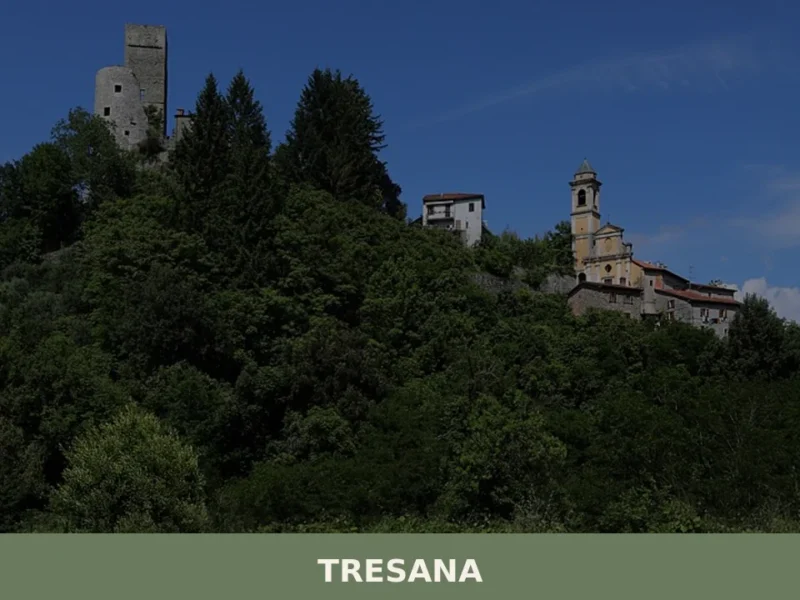
Standing at 112 metres above sea level, in the valley floor where the Osca stream flows into the River Magra, Tresana is a scattered municipality in the province of Massa and Carrara, made up of over thirty hamlets spread between the plain and the surrounding hills. With a population of 2,071, it is one of […]

Vicchio
Hills
A Florentine village of 8,000 souls in the Mugello Valley, Vicchio gave the world two painters who transformed Italian art. Medieval towers, sacred art museums and Etruscan archaeology define its landscape.
Bagnone
Hills
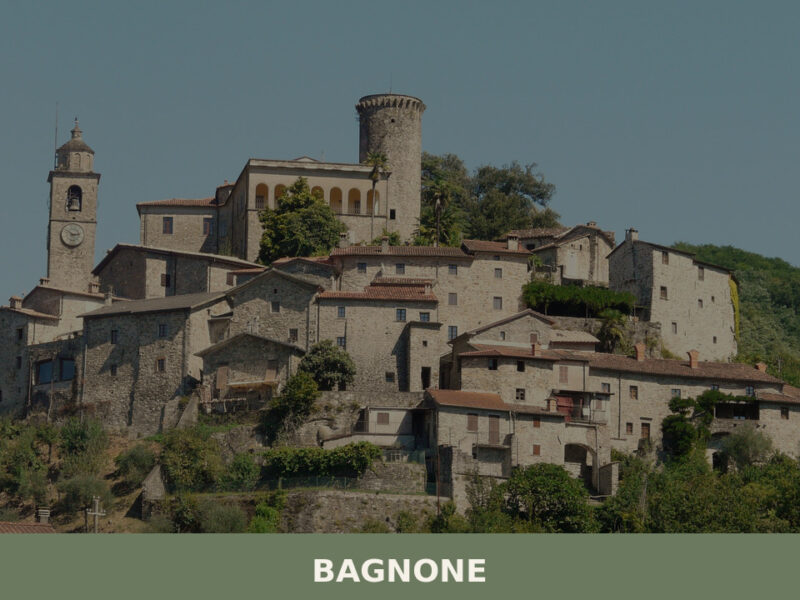
Morning mist lifts off the Bagnone creek and thins against stone walls that have stood since the eleventh century. The sound of water — always water — fills the narrow lanes, running beneath bridges and alongside houses built directly into the rock. With fewer than two thousand residents, this small settlement in the Massa e […]
Licciana Nardi
Hills
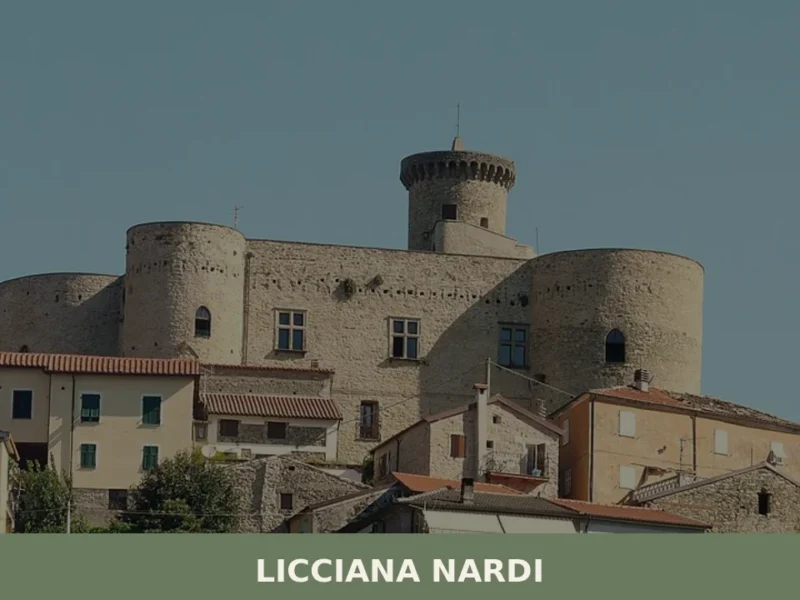
The territory of Licciana Nardi includes six castles spread between the valley floor and the Apennine slopes, a concentration of defensive structures that documents the strategic role of this stretch of Lunigiana in controlling the routes between the Po Plain and the Tyrrhenian coast. With its 4,894 inhabitants distributed across 55 square kilometres at an […]
Livorno
 Sea
Sea
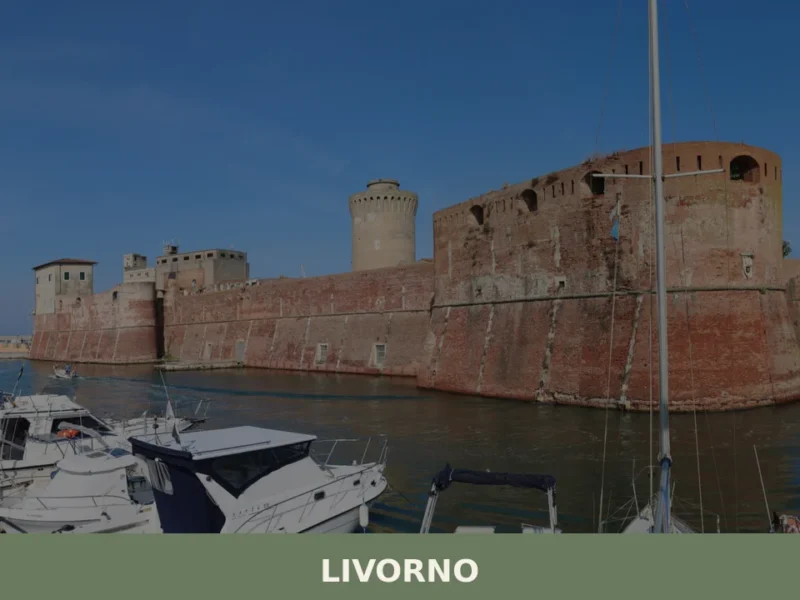
What to see in Livorno, a port city of 157,000 on the Tyrrhenian coast: Fortezza Vecchia, Quartiere Venezia, cacciucco, Terrazza Mascagni. Plan your visit now.
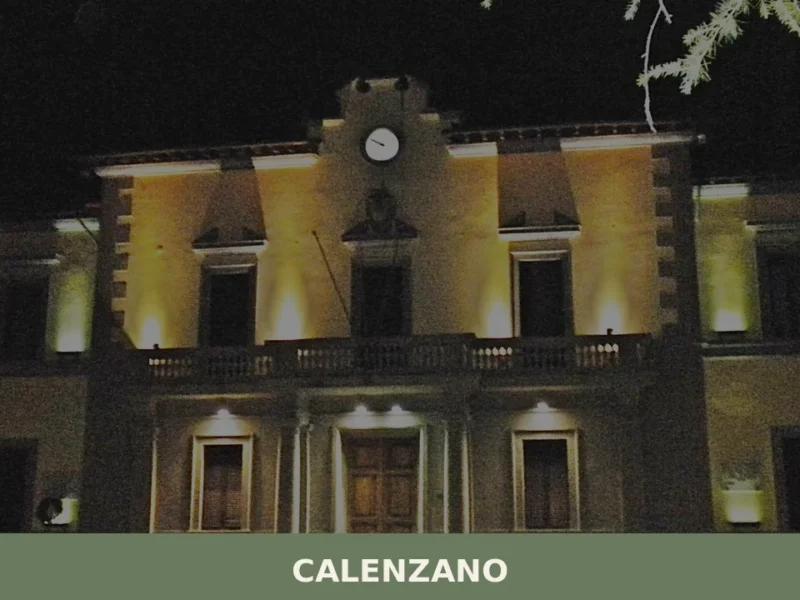
Calenzano
Plains
What to see in Calenzano, Italy: 5 top attractions, medieval churches, Renaissance art, and practical tips. 11 km from Florence. Discover Calenzano, Toscana.
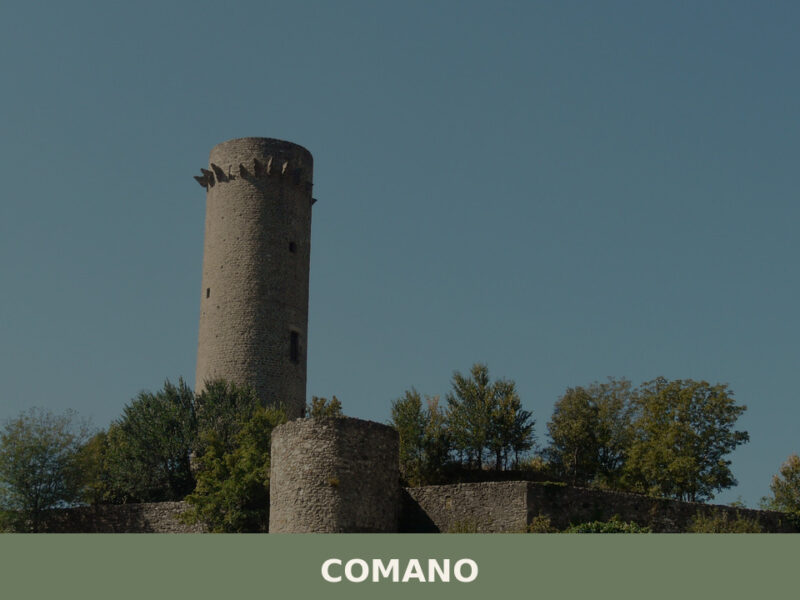
Comano
Hills
Morning fog lifts slowly from the Taverone valley, revealing stone walls the colour of weathered bone. A church bell marks the hour — its echo rolls across chestnut groves before dissolving into silence. Comano sits in the upper Lunigiana, a commune of scattered hamlets across the hills of Massa e Carrara province, home to just […]
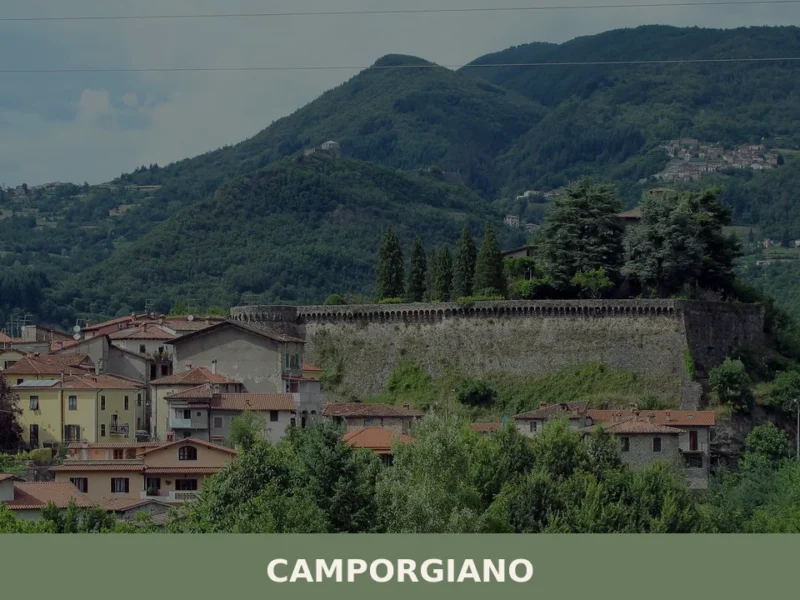
Camporgiano
Hills
What to see in Camporgiano, Italy: a hilltop comune at 475 m in Garfagnana, Toscana. Discover the fortress, San Iacopo feast and local chestnut traditions.
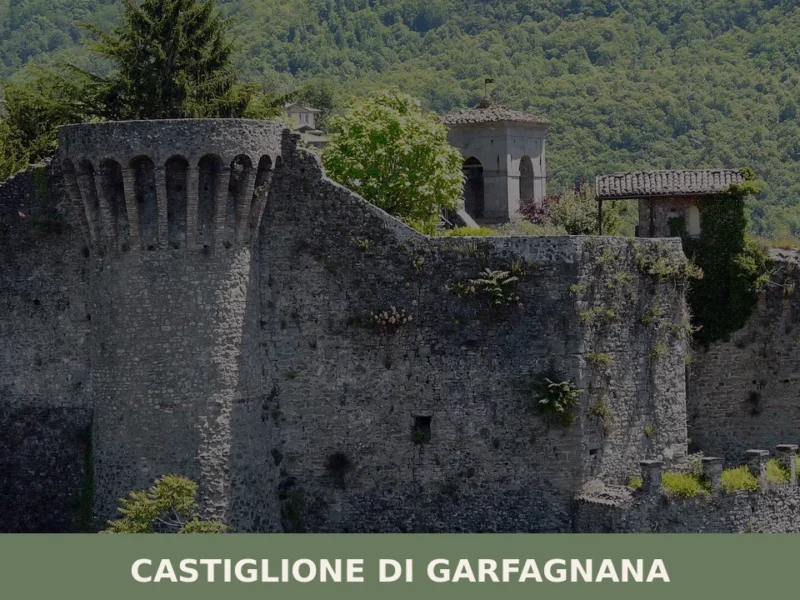
Castiglione di Garfagnana
Hills
What to see in Castiglione di Garfagnana, Italy: medieval walls, a 13th-century bridge, and the Rocca fortress at 545 m. Discover the full travel guide.
🏡 Know Barberino Val d’Elsa better than we do?
If you’re a local or have been there, your knowledge matters: add what’s missing or fix a detail on this page.