


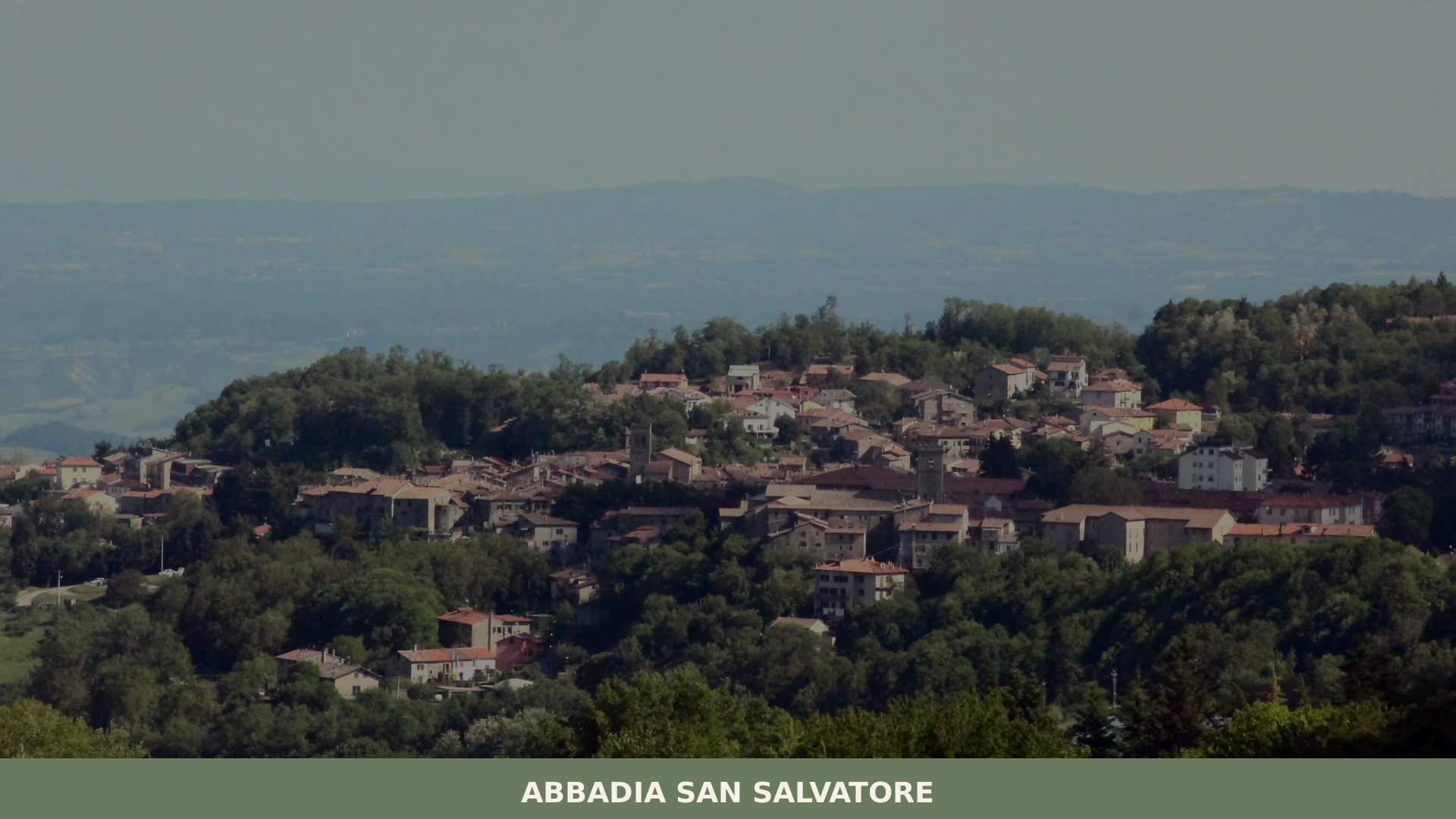
Abbadia San Salvatore
 Mountain
Discover what to see in Abbadia San Salvatore: the Lombard abbey, medieval borgo, mercury mining museum and Monte Amiata. Practical travel guide for Siena province.
Discover Abbadia San Salvatore
Founded around a Benedictine abbey established in 743 AD on the southern slopes of Monte Amiata, Abbadia San Salvatore is a comune of approximately 6,138 inhabitants in the province of Siena, Toscana. The town takes its name directly from that monastic foundation — the Abbey of San Salvatore — which for centuries dominated the religious, economic and political life of the entire Amiata region. Knowing what to see in Abbadia San Salvatore means understanding a place built, literally and administratively, around a single institution of extraordinary medieval power.
History of Abbadia San Salvatore
The Abbey of San Salvatore, from which the town derives both its name and its reason for existence, was founded in 743 AD by the Lombard king Ratchis, who dedicated it to the Holy Saviour. A Lombard votive inscription commemorating this foundation survives and is considered one of the most significant early medieval epigraphic documents in central Italy. The abbey’s scriptorium and library made it a centre of manuscript production during the Carolingian period, and by the 11th century it had accumulated landholdings across much of southern Tuscany, functioning as a territorial power in its own right rather than merely a house of prayer.
During the high medieval period, control of the abbey passed through several hands — from imperial protection under the Holy Roman Emperors to contested claims by local noble families. The monks adopted the Cistercian reform in the 12th century, which brought new architectural rigour and closer ties to Rome. The town that grew up around the abbey walls — the medieval borgo — still preserves its original street plan, with narrow lanes of dark trachyte stone running between stone houses that have changed little in external form since the 14th and 15th centuries. This volcanic stone, quarried from the Amiata itself, gives the historic centre a distinctly sombre and compact character unlike the pale travertine of lowland Sienese towns.
In the 20th century, Abbadia San Salvatore underwent a significant economic transformation. The discovery of cinnabar deposits on Monte Amiata made the area one of the most productive mercury-mining zones in the world during the late 19th and early 20th centuries. The mines operated intensively until their closure in 1982, leaving behind a substantial industrial heritage that is now the subject of preservation and public documentation. This mining chapter brought workers from across Italy, created a dense network of labour cooperatives and shaped the town’s political identity for generations. The Museo Minerario di Abbadia San Salvatore, housed in part of the former mining infrastructure, documents this period in concrete physical detail — tools, tunnels, photographs and machinery from the peak extraction years.
What to see in Abbadia San Salvatore: 5 must-visit attractions
Abbey of San Salvatore
The founding structure of the entire settlement, the Abbazia di San Salvatore retains a Romanesque church with a crypt dating to the 8th century — one of the largest and best-preserved Lombard-era crypts in Italy, supported by 35 columns with carved capitals. The current church facade reflects later medieval interventions, but the crypt’s stone columns remain in their original configuration.
The Medieval Borgo
The historic centre immediately surrounding the abbey is a compact medieval quarter built entirely in dark local trachyte. Its layout follows a late medieval organic plan, with covered passages, external staircases and loggia fragments still visible. The Porta Senese, one of the original town gates, survives intact and marks the northern entrance to the walled perimeter.
Museo Minerario
Housed in former mine buildings at the edge of town, this museum preserves the physical infrastructure of the mercury extraction industry that defined Abbadia San Salvatore through most of the 20th century. Visitors can walk through actual tunnel sections, examine original machinery and review photographic archives from the operational period of the 1930s through to the 1982 closure.
Torre del Comune
The civic tower standing in the main square of the historic centre dates to the medieval communal period and served the administrative functions of local governance. Its masonry is consistent with 14th-century construction techniques common in the Sienese area, and it remains one of the few secular medieval structures in the borgo that has not been substantially altered.
Monte Amiata and the Surrounding Landscape
At 1,738 metres, Monte Amiata is the highest peak in Tuscany south of the Arno. Abbadia San Salvatore sits at its southern base and serves as the primary access point for the mountain’s beech and chestnut forests, volcanic crater lakes and marked trail network. The mountain provides a direct natural context for understanding the town’s historic isolation and resource economy.
Local food and typical products
The food culture of Abbadia San Salvatore is rooted in the mountain agropastoral economy of the Amiata. Chestnuts have historically been the dominant staple crop of the area — dried, milled into flour and used in soups, pasta and the traditional castagnaccio, a dense, unsweetened chestnut flour cake baked with rosemary, pine nuts and olive oil. Wild mushrooms, particularly porcini gathered from the beech forests of Monte Amiata, appear in local kitchens from late summer through autumn, served with hand-cut pasta or on bruschetta made from the coarse local bread typical of the Sienese tradition.
The surrounding territory falls within zones recognised for quality meat production, and the local butcher and delicatessen tradition includes cured meats from the Cinta Senese pig, a heritage breed native to the Sienese hills that carries DOP designation under Italian and EU quality regulations. Pecorino cheeses from the broader Amiata and Sienese zone are also part of the local table, ranging from fresh rounds sold at weekly markets to aged wheels with a hard rind and concentrated flavour. The town’s restaurants and trattorie are oriented toward this mountain-product tradition rather than the more internationally familiar Tuscan coastal cuisine.
Best time to visit Abbadia San Salvatore
The town operates on a genuinely dual seasonal rhythm. In winter, Monte Amiata attracts skiers and snow-walkers from the surrounding region — the mountain’s ski facilities are among the southernmost in the Apennine system, and Abbadia San Salvatore functions as a base for this winter activity from roughly December through February. The Christmas period brings the traditional Fiaccole di Natale, a documented local custom in which large bonfires called fiaccole are lit through the streets of the medieval borgo on Christmas Eve — a practice with pre-Christian origins that has been maintained continuously for generations and now draws visitors from across Tuscany.
Spring and autumn are the most productive seasons for visitors interested in the abbey, the mining museum and the wider cultural heritage. The beech forests of Monte Amiata reach peak colour in October, and mushroom season draws experienced foragers. Summer temperatures at this altitude — the town itself sits at around 800 metres above sea level — remain several degrees cooler than the Tuscan plains, making July and August more manageable than in Siena or Florence. The official municipality website publishes updated event calendars including the timing of local fairs and seasonal events.
How to get to Abbadia San Salvatore
Abbadia San Salvatore sits on the southern flanks of Monte Amiata, roughly 60 kilometres southeast of Siena and approximately 160 kilometres south of Florence. It is not served by a direct railway line; the nearest functioning rail connection is at Chiusi-Chianciano Terme, on the main Rome–Florence line, from which the town is reachable by regional bus services operated by Tiemme or by car in approximately 40 minutes. From Siena, the journey by car via the SR2 Cassia and connecting provincial roads takes around one hour depending on the route chosen.
- By car from Florence: approximately 2 hours via the A1 motorway to Chiusi, then provincial roads north toward the Amiata
- By car from Siena: approximately 1 hour via SR2 toward Castel del Piano or Piancastagnaio
- By car from Rome: approximately 2 hours 30 minutes via A1 to Chiusi, then north
- Nearest airport: Florence Peretola (Amerigo Vespucci), approximately 2 hours by car; Rome Fiumicino, approximately 2 hours 30 minutes
- Nearest railway station: Chiusi-Chianciano Terme, with onward bus connections
Where to stay in Abbadia San Salvatore
Accommodation options in Abbadia San Salvatore reflect its scale as a small mountain comune rather than a resort destination. The historic centre and its immediate surroundings offer a range of small hotels, B&Bs and guesthouses — most operating on a modest, family-run basis. The medieval borgo itself is the most practical base for visitors focused on the abbey and the historic streetscape, with walking access to the main sites. Agriturismo properties are available in the broader Amiata countryside within a short drive, offering a quieter rural setting with direct access to forest trails and local farm produce.
During the winter ski season, demand for accommodation increases and advance booking becomes necessary, particularly around the Christmas period when the Fiaccole event draws larger numbers. In spring and autumn, availability is generally more flexible. Self-catering holiday apartments within the restored borgo buildings offer an alternative to hotel stays and can be booked through standard rental platforms — these are often housed in stone buildings that retain original structural features including vaulted ceilings and trachyte walls.
More villages to discover in Toscana
The province of Siena and the broader Tuscan region contain a number of smaller centres that, like Abbadia San Salvatore, have developed identities distinct from the major art cities. To the south, Pitigliano rises from a tufa promontory in the Maremma and preserves a significant Sephardic Jewish heritage alongside its Etruscan subterranean passages — a completely different geological and historical character from the volcanic Amiata. Further west, Pisa offers an entirely different register, a city whose maritime mercantile history and monumental Romanesque architecture place it at the centre of Tuscan cultural geography rather than its edges.
Northern Tuscany provides yet another contrast. Fosdinovo, in the Lunigiana territory near the Ligurian border, is dominated by a medieval Malaspina castle and sits within a landscape of forested ridges very different from the Amiata’s volcanic dome. Readers with an interest in medieval mountain settlements across Tuscany may also find value in crossing into the Garfagnana, where Castelnuovo di Garfagnana — once governed briefly by the poet Ludovico Ariosto in the early 16th century — preserves a walled centre and a fortress above the Serchio valley. Each of these places occupies a distinct ecological and historical zone, and taken together they illustrate the range of settlement patterns and economies that have coexisted within a single Italian region.
Frequently asked questions about Abbadia San Salvatore
What is the best time to visit Abbadia San Salvatore?
Abbadia San Salvatore offers distinct experiences throughout the year. Winter (December-February) is ideal for skiing on Monte Amiata and experiencing the unique Fiaccole di Natale on Christmas Eve, a spectacular tradition of large bonfires. Spring and autumn (March-May, September-November) are perfect for exploring the abbey, mining museum, and enjoying Monte Amiata's forests, especially in October for vibrant foliage and mushroom foraging. The town's patron saint, Papa Marco, is celebrated on September 19th. Summer (July-August) provides a refreshing escape from lowland heat thanks to the altitude, offering pleasant conditions for hiking.
What to see in Abbadia San Salvatore? Main monuments and landmarks
Abbadia San Salvatore's main attractions revolve around its rich history and natural setting. The **Abbey of San Salvatore** features a remarkable 8th-century Lombard crypt with 35 columns, accessible during church opening hours (check local postings). Explore the **Medieval Borgo**, with its atmospheric dark trachyte stone lanes and the intact **Porta Senese**. The **Museo Minerario** offers fascinating insights into the mercury extraction industry, including walks through actual mine tunnels (check museum website for hours and ticket info). Don't miss the medieval **Torre del Comune** in the main square, and use Abbadia as a base to discover **Monte Amiata**'s forests and trails.
What are the main natural or scenic attractions of Abbadia San Salvatore?
The primary natural attraction is **Monte Amiata** itself, the highest peak in Southern Tuscany, reaching 1,738 meters. Abbadia San Salvatore serves as an ideal base for exploring its vast beech and chestnut forests, which offer stunning foliage in autumn. Visitors can access a network of marked hiking trails (CAI maps available locally) leading to panoramic viewpoints and, during winter, to the mountain's ski facilities. The volcanic origins of Amiata also contribute to unique geological features and potential crater lakes, offering diverse natural beauty and opportunities for outdoor activities.
Where to take the best photos in Abbadia San Salvatore?
For memorable photos in Abbadia San Salvatore, focus on the atmospheric **Medieval Borgo** with its narrow lanes, ancient stone houses, and the impressive **Porta Senese**, especially during golden hour. The **Abbey of San Salvatore**, particularly its Romanesque facade and the intricate crypt interior, provides unique architectural shots. From various points around the town, particularly heading up towards **Monte Amiata**, you can capture panoramic views of the surrounding forests and valleys. During the **Fiaccole di Natale** on Christmas Eve, the illuminated bonfires create a truly unique and dramatic photographic opportunity.
Are there museums, churches or historic buildings to visit in Abbadia San Salvatore?
Yes, Abbadia San Salvatore offers significant historical and cultural sites. The **Abbey of San Salvatore** is a must-visit, housing an extraordinary 8th-century Lombard crypt. The church is generally open for visitors during daylight hours, but it's advisable to check specific mass times. The **Museo Minerario** (Mining Museum) provides a fascinating insight into the town's industrial past, with guided tours through actual mine tunnels; check their official website for current opening hours and ticket prices. Additionally, the **Torre del Comune** stands as a secular medieval landmark within the historic borgo.
What can you do in Abbadia San Salvatore? Activities and experiences
Abbadia San Salvatore offers a range of activities. In winter, enjoy **skiing and snow-walking** on Monte Amiata, or witness the traditional **Fiaccole di Natale** bonfires on Christmas Eve. Throughout spring, summer, and autumn, **hiking and trekking** on the well-marked trails of Monte Amiata are popular, with opportunities for **mushroom foraging** in late summer and autumn. Explore the historic **Abbey of San Salvatore**, delve into the past at the **Museo Minerario**, and wander through the charming **Medieval Borgo**. Don't miss indulging in the local **mountain cuisine**, sampling traditional dishes and DOP products.
Who is Abbadia San Salvatore suitable for? Families, couples, hikers, solo travelers?
Abbadia San Salvatore is ideal for **nature lovers and hikers** seeking mountain adventures on Monte Amiata, both in summer and winter for snow sports. It appeals to **history and culture enthusiasts** interested in medieval monastic life, industrial heritage, and unique local traditions like the Fiaccole di Natale. **Families** will appreciate the cooler summer temperatures and outdoor activities. **Couples and solo travelers** looking for an for an authentic Tuscan mountain experience, away from the more crowded cities, will find its quiet charm and local cuisine particularly appealing.
What to eat in Abbadia San Salvatore? Local products and specialties
The cuisine of Abbadia San Salvatore is deeply rooted in its mountain environment. Key specialties include dishes made with **chestnut flour**, such as traditional *castagnaccio* (a dense cake with rosemary and pine nuts). From late summer to autumn, **wild porcini mushrooms** gathered from Monte Amiata are a highlight, often served with hand-cut pasta or bruschetta. You can also savor cured meats from the **Cinta Senese pig**, a DOP-certified heritage breed, and various **Pecorino cheeses** from the Amiata region. These local delicacies are readily available in the town's trattorie, restaurants, and local food shops.
Getting there
Viale Roma, 53021 Abbadia San Salvatore (SI)
Nearby Villages near Abbadia San Salvatore
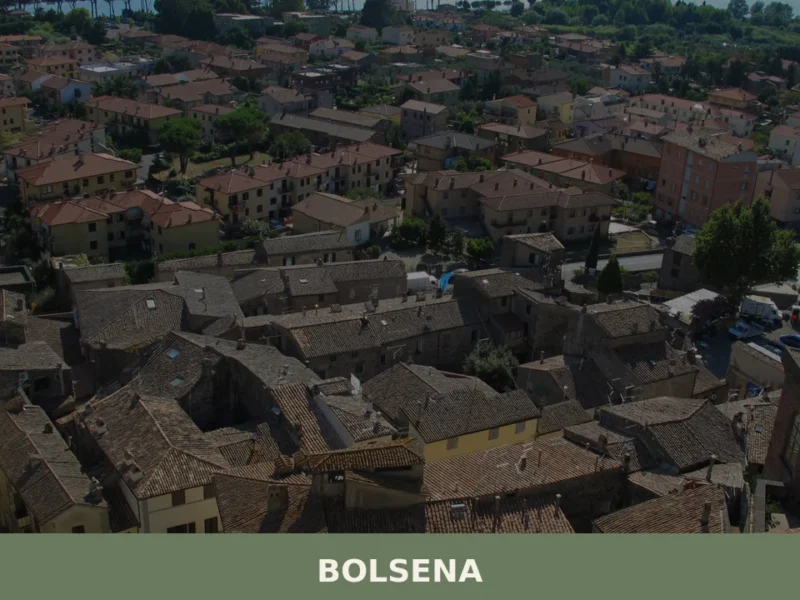
In Tuscany More villages to discover
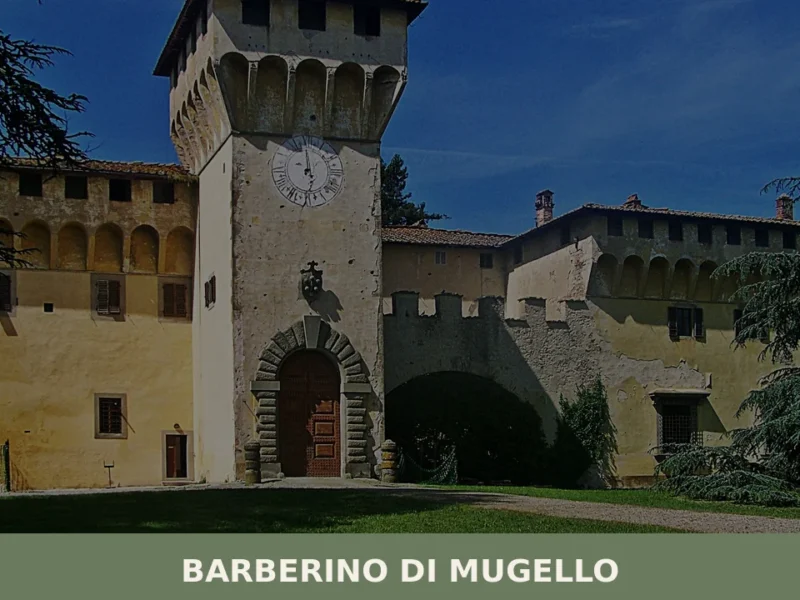
Barberino di Mugello
 Hills
Hills
What to see in Barberino di Mugello, Italy: explore the Villa Medici of Cafaggiolo, local food traditions, and a town of 10,751 inhabitants. Discover the full guide.
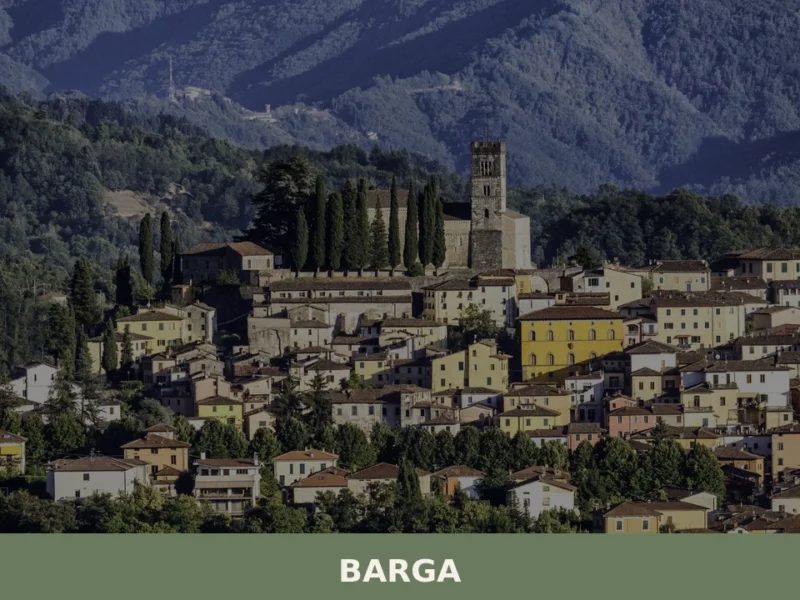
Barga
Hills
what to see a Barga, village toscano a 410 m s.l.m.: Duomo di San Cristoforo, Teatro dei Differenti, cuisine della Garfagnana. guide pratica con consigli su quando andare e how to get there.
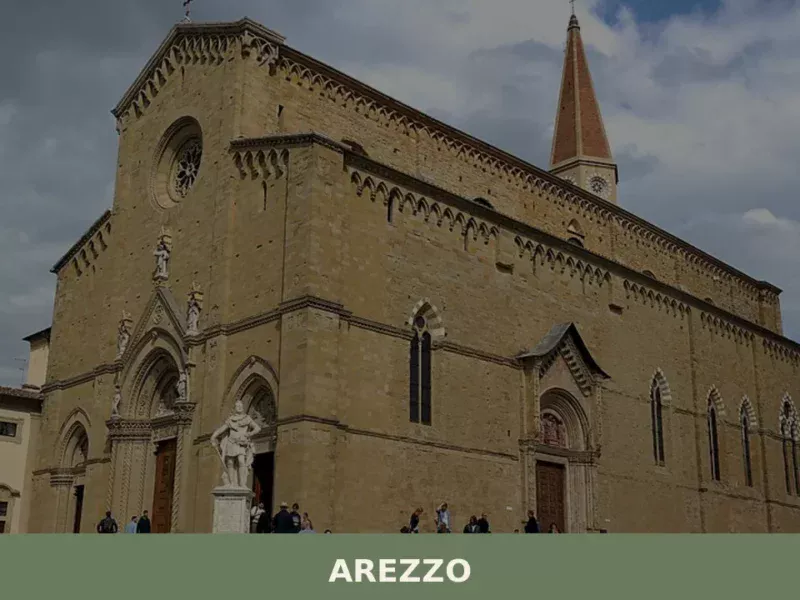
Arezzo
Hills
Discover Arezzo, a charming village in Tuscany, Italy. Explore its rich history, stunning architecture, and vibrant culture nestled in the heart of Toscana.
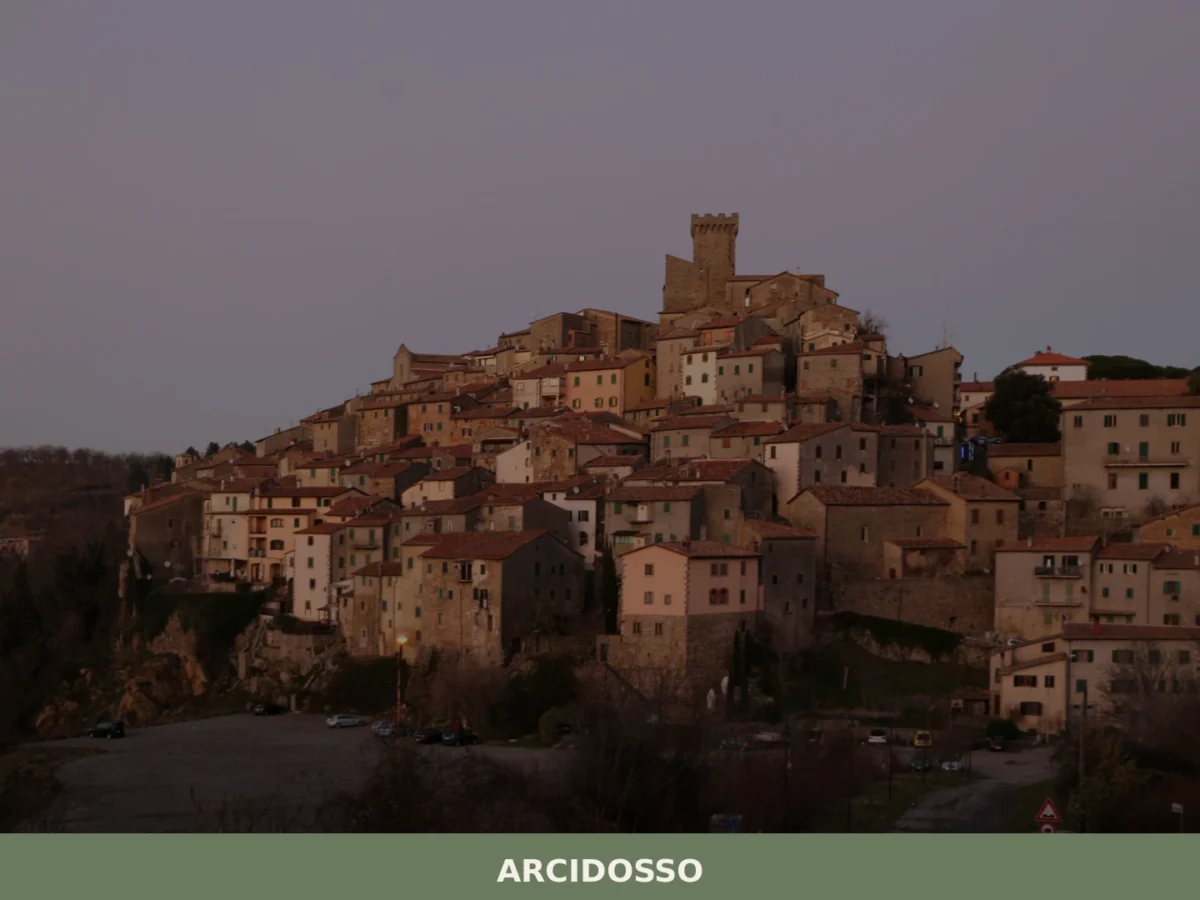
Arcidosso
Mountain
What to see in Arcidosso, Italy: explore a medieval castle built around 1000 AD, 3 surviving city gates, and local Monte Amiata cuisine. Discover top attractions now.
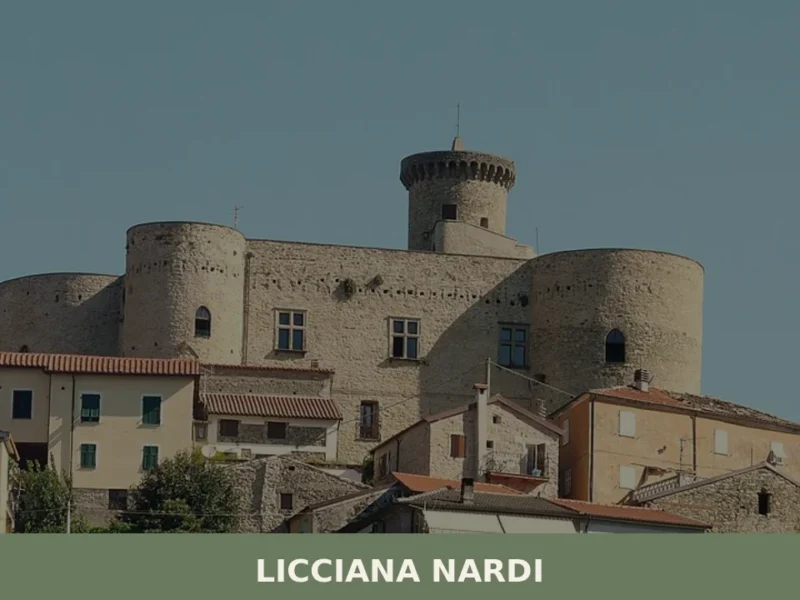
Licciana Nardi
Hills
The territory of Licciana Nardi includes six castles spread between the valley floor and the Apennine slopes, a concentration of defensive structures that documents the strategic role of this stretch of Lunigiana in controlling the routes between the Po Plain and the Tyrrhenian coast. With its 4,894 inhabitants distributed across 55 square kilometres at an […]
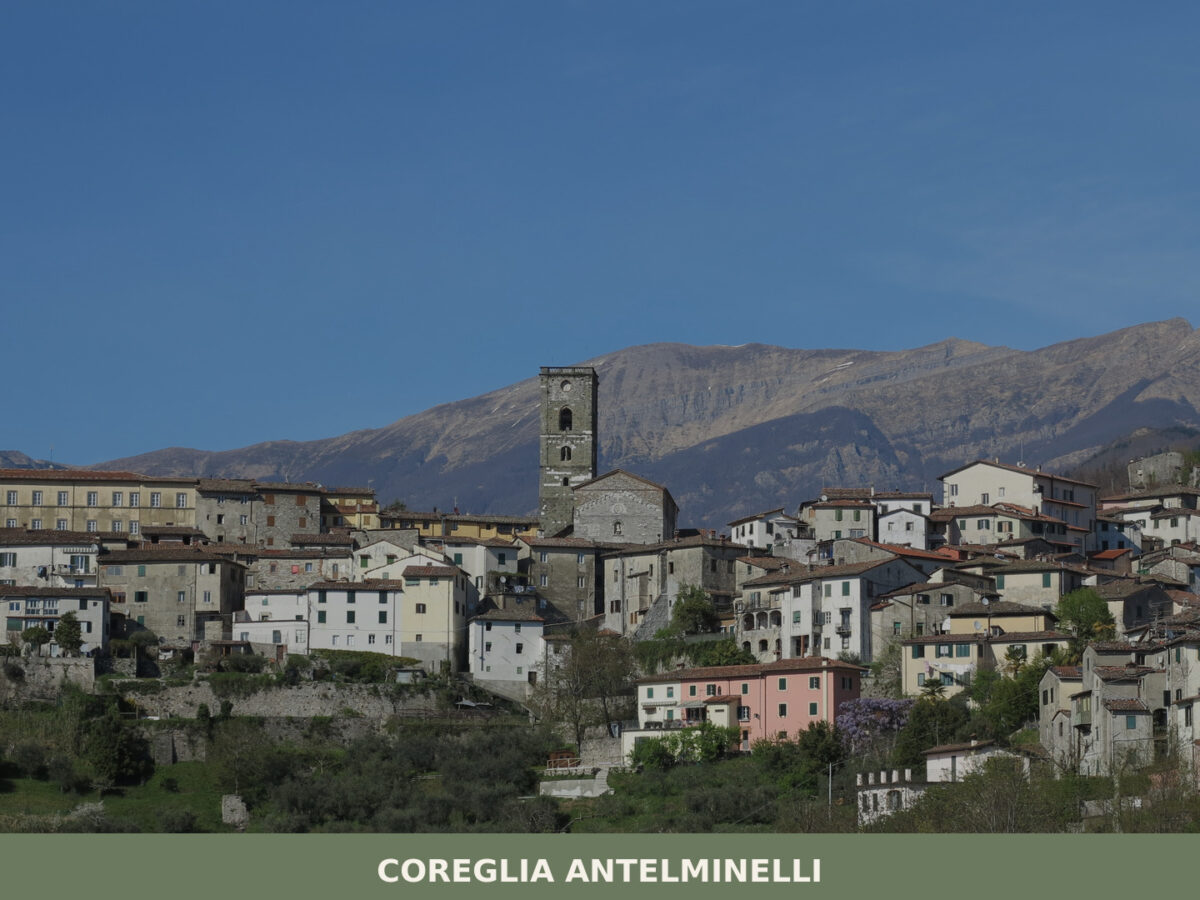
Coreglia Antelminelli
Hills
What to see in Coreglia Antelminelli, Italy: 3 Romanesque churches, a painted crucifix by Berlinghieri, and a village at 595 m. Explore the full guide.
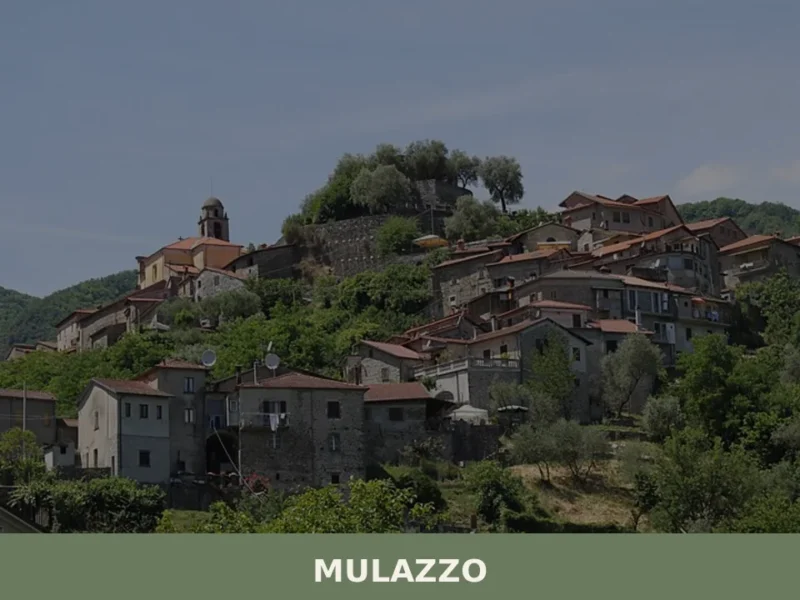
Mulazzo
Hills
In 1306, a notary from the village of Mulazzo signed the deed granting hospitality to Dante Alighieri, exiled from Florence and welcomed by Marquis Franceschino Malaspina. That document — known as the Peace of Castelnuovo — ties Mulazzo to Dante’s biography in a direct and documented way. Anyone wondering what to see in Mulazzo today […]
Filattiera
Hills
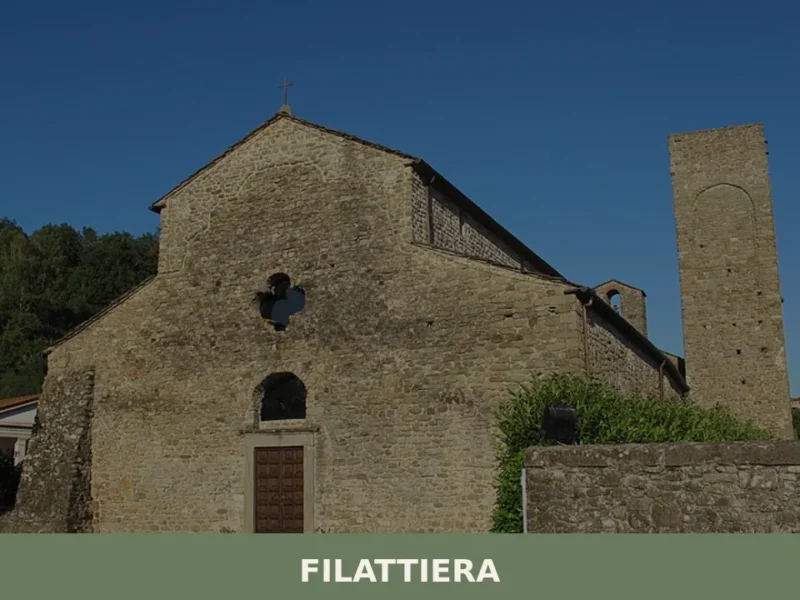
Filattiera first appears in written records in 884, when the name Filacteriae identified a garrison along the Via Francigena in Lunigiana. Sitting at 213 metres above sea level in the province of Massa and Carrara, this village of 2,393 inhabitants preserves prehistoric stelae, Romanesque parish churches, and a defensive layout that reflects centuries of control […]
Tresana
 Plains
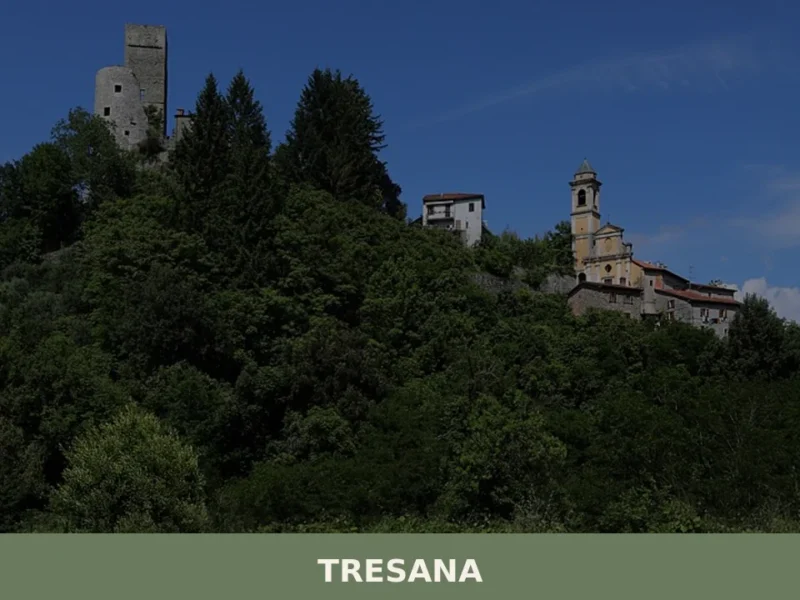
Standing at 112 metres above sea level, in the valley floor where the Osca stream flows into the River Magra, Tresana is a scattered municipality in the province of Massa and Carrara, made up of over thirty hamlets spread between the plain and the surrounding hills. With a population of 2,071, it is one of […]
Castelfiorentino
Plains
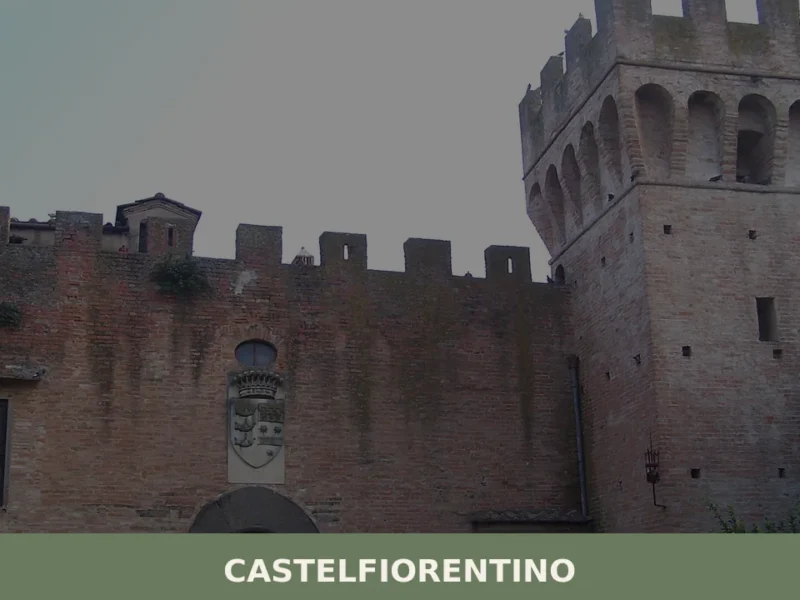
What to see in Castelfiorentino, Italy: 6 top attractions, history from 1149, the Sanctuary of Santa Verdiana and a crucifix by Giovanni Pisano. Discover now.

🏡 Know Abbadia San Salvatore better than we do?
If you’re a local or have been there, your knowledge matters: add what’s missing or fix a detail on this page.