


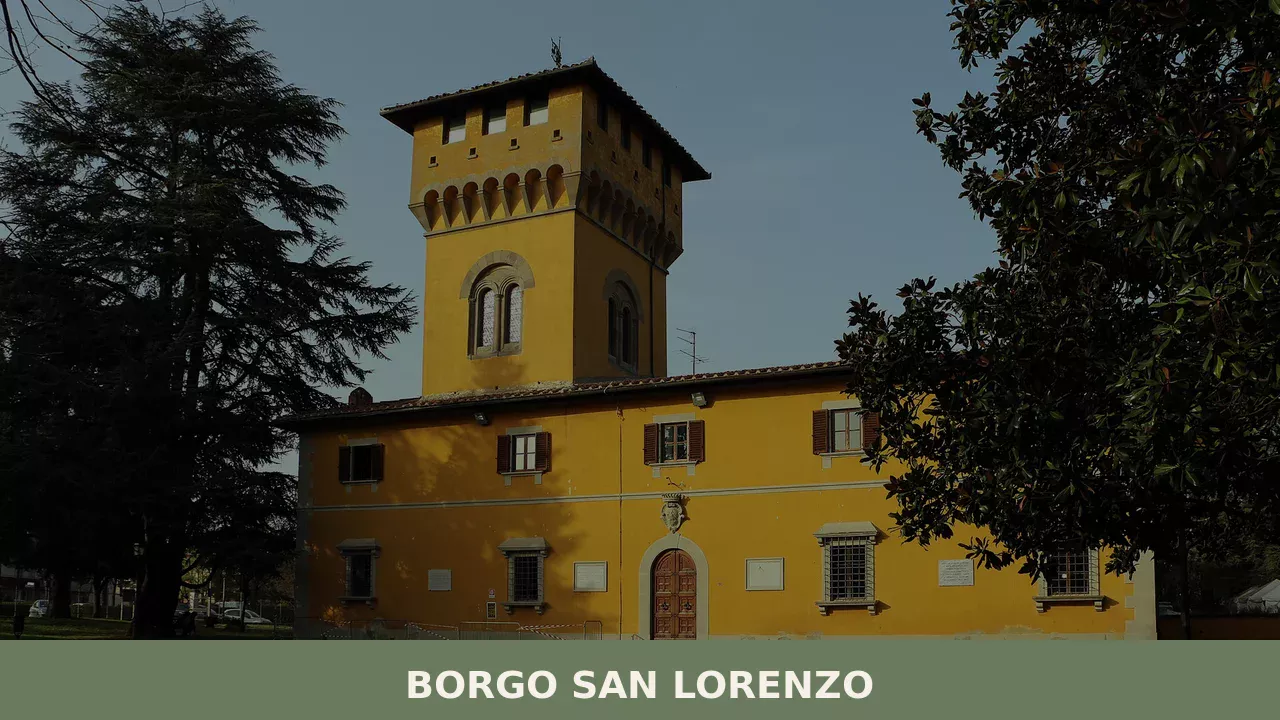
Borgo San Lorenzo
 Plains
What to see in Borgo San Lorenzo, Italy: top attractions, local food, and how to get there. 20 km from Florence, 193 m altitude. Discover the Mugello valley.
Discover Borgo San Lorenzo
The Sieve river cuts through the Mugello valley floor at a point where two road axes once crossed, and it is here that a town grew into the dominant centre of the entire surrounding area.
A contract dated 941 names the church of San Lorenzo in Mugello as belonging to the Florentine chapter, placing institutional life in this valley more than a thousand years ago.
In 1351, Florence ordered the construction of a rectangular ring of walls with four gated towers to protect what had become a strategic road junction 20 km (12.4 mi) northeast of the city.
That grid of streets, anchored by what is today Piazza Cavour, is still legible in the town plan.
Deciding what to see in Borgo San Lorenzo starts with understanding its role: this is the chief town of the Mugello, sitting at 193 m (633 ft) above sea level in the Metropolitan City of Florence, Toscana, Italy, with roughly 17,952 inhabitants.
Visitors to Borgo San Lorenzo find a medieval walled layout, a Romanesque parish church documented since the early Middle Ages, a direct rail connection from Florence, and a calendar of events anchored to the feast of its patron saint, San Lorenzo, on 10 August.
The town rewards those who read its street plan as a document of Florentine urban policy rather than as a backdrop.
History of Borgo San Lorenzo
Settlement in the central Mugello valley predates recorded history by a considerable margin.
Traces of pre-Etruscan communities have been identified near the frazione of Ronta, and from the second century BC the Romans formalised their presence by establishing the village of Anneianum along the road connecting Florence to Faenza.
The name Borgo San Lorenzo itself reflects the dedication of the parish church that became the institutional anchor of the settlement during the early medieval period, as confirmed by the emphyteutic contract of 941 in which the church of San Lorenzo in Mugello is described as a possession of the Florentine bishop’s chapter.
Through the early Middle Ages the town passed from the Ubaldini family to the civil authority of the Florentine bishop, whose representative, the Podestà — a magistrate holding combined economic and civil power — governed through a vicar.
That authority eroded as local commercial weight grew: by 1222 the bishop was compelled to surrender control over the appointment of the jusdicente, retaining the right to appoint only once every four years.
In 1239 an order prohibited building houses and towers higher than 15 fathoms, a measure that reveals how densely and ambitiously the town was being developed even then.
The Guelph-Ghibelline conflict marked the 13th century repeatedly: in 1251 Ghibelline exiles from Florence attacked the town, and in 1290 the municipality of Florence ended the conflict by purchasing all rights over Mugello for 3,000 florins.
In 1303 the Ghibelline captain Scarpetta degli Ordelaffi of Forlì took Borgo by force, and in 1312 the Ubaldini briefly returned during the campaign of Emperor Arrigo VII.
Florence responded to these vulnerabilities in 1351 by enclosing Borgo San Lorenzo within a rectangular wall structure featuring four gates with towers, each gate equipped with two keys — one held by the Florentine-appointed Podestà, one by a locally chosen officer rotating every three months.
This arrangement defined the physical and political form of the town for the following centuries. In 1440 the condottiere Niccolò Piccinino, fighting for the Albizzi against the Medici, besieged the town but failed to take it.
Between 1529 and 1530, during the siege of Florence, a mercenary captain occupied Borgo and converted it into an arsenal.
With the fall of the Florentine Republic, the town entered the Medici principality, and later, under the Habsburg-Lorraine rulers of Tuscany, it consolidated its role as the administrative and commercial centre of the whole Mugello.
The railway connecting Florence, Faenza, and Pontassieve, built towards the end of the 19th century, cemented that centrality.
In 1861, Borgo San Lorenzo was incorporated into the Kingdom of Italy under King Vittorio Emanuele II of Savoy.
What to see in Borgo San Lorenzo, Toscana: top attractions
Pieve di San Lorenzo
The parish church of San Lorenzo stands as the oldest institutional reference point in the Mugello valley, its origins tied directly to the emphyteutic contract of 941 that first documents the church as belonging to the Florentine bishop’s chapter. The building reflects the Romanesque construction methods common across the Florentine hinterland, with stone courses and proportions that contrast with the later medieval town fabric surrounding it.
Standing inside, the visitor reads a chronology of patronage: the church predates the town walls by four centuries, which explains its position relative to the later urban grid.
Visit in the morning when the light enters from the east and the stone interior is at its clearest.
The feast of San Lorenzo on 10 August draws a local congregation and provides a specific point of contact between the building and the living town.
Piazza Cavour and the Medieval Street Grid
Piazza Cavour occupies the precise point where the two main axes of the 1351 walled town intersected, making it a readable piece of 14th-century Florentine urban planning rather than an incidental open space.
The rectangular street grid imposed by Florence after decades of military vulnerability is still largely intact, and walking the full length of the town’s main longitudinal axis takes no more than ten minutes — a distance that makes the original scale of the fortified settlement immediately comprehensible.
The four gate positions, though the gates themselves are no longer standing in their original form, can be identified by the change in street direction and building alignment.
For those interested in medieval urban form, this is one of the clearest surviving examples of Florentine terre nuove — the new fortified towns created by Florence in the 14th century to control its territory — in the Mugello.
Early evening is the best time to walk it, when local residents use the square and the streets function as they were intended to.
The Walls and Gate Towers of the 1351 Fortification
Florence commissioned the fortification of Borgo San Lorenzo in 1351 specifically to counter the threat from the Visconti of Milan, enclosing the town in a rectangular perimeter with four gates, each equipped with a tower.
The dual-key system for each gate — one key held by the Florentine Podestà, the other by a locally appointed officer serving three-month terms — was, even by the standards of the time, an unusual constitutional arrangement.
Surviving elements of the wall structure give a physical measure of the town’s original defensive perimeter and the stone construction techniques used by Florentine military engineers in the mid-14th century.
Walking the perimeter allows visitors to assess the total area enclosed: a compact rectangle of roughly four gates’ width, designed to house a market town, not a fortress city.
Look for the wall fabric where it has been incorporated into later buildings, a process common in Italian medieval towns that preserves masonry otherwise lost to demolition.
The Mugello Valley Landscape Around Borgo San Lorenzo
The valley floor around Borgo San Lorenzo is defined by the Sieve river, which the town’s medieval predecessors controlled at a crossing point that generated the settlement’s original commercial importance.
The total municipal area covers 146.1 sq km (56.4 sq mi), bordered by the municipalities of Fiesole, Firenzuola, Marradi, Palazzuolo sul Senio, Pontassieve, Scarperia e San Piero, Vaglia, and Vicchio.
This means the territory extends from the flat valley bottom into the Apennine slopes that form the northern edge of the Florentine hinterland.
The agricultural land visible from the town — a mix of arable fields, olive cultivation, and woodland on the upper slopes — corresponds directly to the economic base that made Borgo the market centre of the Mugello under both the bishops of Florence and, later, the Medici grand dukes.
The territory is classified as seismic Zone 2 under Italian national classification PCM 3274, a practical consideration for those planning longer stays or property visits.
Ronta and the Pre-Etruscan Settlement Traces
The frazione of Ronta, within Borgo San Lorenzo’s municipal territory, preserves evidence of settlement that predates both the Roman and Etruscan periods, making it one of the oldest documented inhabited sites in the Mugello.
Archaeological finds in this area push the inhabited history of the valley back well before the Roman road-station of Anneianum was established in the 2nd century BC along the Florence-Faenza route.
For visitors with an interest in pre-Roman archaeology, Ronta offers a physical location to connect with that stratigraphy, even if the material evidence requires specialist knowledge to interpret on the ground.
The frazione sits within the wider municipal territory and can be reached from the town centre by local road.
Going in spring, when the hill slopes retain some green before the summer dry season, gives the best sense of the landscape that drew these early communities to the valley.
Local food and typical products of Borgo San Lorenzo
The food traditions of the Mugello valley reflect a landscape that has historically combined cereal cultivation on the valley floor with livestock grazing and chestnut harvesting on the Apennine slopes.
Borgo San Lorenzo, as the market town of the area since at least the early 13th century — when its own units of measure, the staio and the mina burgensi, were recorded in commercial transactions — channelled the agricultural production of the entire surrounding territory.
This commercial function shaped the local larder: the town’s weekly market brought producers from the surrounding hills and the valley floor into direct contact, and the food culture that developed was tied to that exchange rather than to any single estate or monastery kitchen.
The dominant cooking tradition of the Mugello follows the broader pattern of Florentine rural food: bread-based preparations, legume soups, and slow-cooked meat dishes that reflect the historical need to make full use of every ingredient.
Ribollita, the twice-cooked bread and black cabbage soup made with cannellini beans, stale unsalted Tuscan bread, and cavolo nero, is a staple preparation that requires no special equipment but demands time — the soup is cooked one day and reheated the next, which deepens the flavour and integrates the starch from the bread into the broth.
Pappardelle al cinghiale — wide flat pasta ribbons served with a slow-cooked wild boar ragù seasoned with rosemary, juniper berries, and red wine — appears on local menus throughout the Mugello, where wild boar populations in the Apennine woodland make this a genuinely regional ingredient rather than a tourist menu choice.
Schiacciata, the flat olive-oil bread of Tuscany, baked with coarse salt and pressed to a thin, crisped layer, is the common bread-snack across the area and differs from focaccia in its drier texture and lower crumb.
The Mugello is also associated with Marrone del Mugello, a large-calibre chestnut variety grown on the Apennine slopes that surround the valley.
Chestnuts from this area have a long documented production history and are sold fresh in autumn, dried for flour production, or preserved in syrup. Chestnut flour from the Mugello is the base for castagnaccio, a dense baked preparation made with olive oil, rosemary, pine nuts, and raisins — it contains no wheat flour and no added sugar, relying entirely on the natural sweetness of the chestnut.
Local farmhouses and agriturismi in the municipality produce small quantities for direct sale; the autumn harvest period between October and November is the best time to find fresh product.
The weekly market in Borgo San Lorenzo remains the most direct point of access to local agricultural production, operating in the town centre and drawing producers from across the Mugello.
Those visiting in October and November will find the widest range of seasonal products, including fresh chestnuts, dried porcini mushrooms from the Apennine slopes, and locally pressed olive oil from the first cold-press of the harvest.
Buying directly from producers at the market, rather than from tourist-facing shops, gives a more accurate picture of what the valley actually grows and raises.
Festivals, events and traditions of Borgo San Lorenzo
The central event in Borgo San Lorenzo’s calendar is the feast of San Lorenzo, patron saint of the town, celebrated on 10 August.
The date coincides with the night of the Perseids meteor shower — popularly known in Italy as the Notte di San Lorenzo — which has given the celebration a layered cultural significance beyond its strictly religious function.
The feast day involves religious observances centred on the parish church of San Lorenzo, the oldest institutional building in the town, and the evening typically concludes with public gatherings in Piazza Cavour and the surrounding streets.
The 10 August date, falling in the middle of the summer season, means the town receives visitors from the wider Mugello area and from Florence during the celebrations.
Beyond the patron feast, the town’s calendar reflects the agricultural rhythm of the Mugello valley.
Autumn brings harvest-related events tied to chestnuts and new-season olive oil, products that have defined the hill-farming economy of the surrounding slopes for centuries.
The town also served as a stage on the 2023 Giro Donne cycling race on 1 July 2023, with Stage 2 of that edition passing through Borgo San Lorenzo — an indication of the town’s accessibility and its position on the road network connecting the major Apennine valleys north of Florence.
When to visit Borgo San Lorenzo, Italy and how to get there
The best period to visit Borgo San Lorenzo, Toscana, Italy depends on what the traveller prioritises.
Late spring — specifically May and June — offers mild temperatures in the valley (typically between 18°C and 26°C / 64°F and 79°F), green slopes on the surrounding Apennine hillsides, and manageable crowds. Early autumn, from mid-September through October, brings the chestnut and olive harvest, cooler air, and the weekly market at its most productive.
August sees high summer heat on the valley floor and the patron feast on the 10th, making it lively but warm.
Winter is quiet and functional: the town operates as a working market centre rather than a destination, which suits travellers who prefer to observe rather than perform tourism.
Getting to Borgo San Lorenzo is straightforward from Florence, 20 km (12.4 mi) to the southwest. By rail, Trenitalia operates a local service connecting Florence Santa Maria Novella station to Borgo San Lorenzo, with the line continuing to Faenza; the journey from Florence takes approximately 50 minutes.
By road, the most direct route from Florence uses the SS65 or the SS302 through the hills north of the city, passing through the Futa Pass area before descending into the Mugello valley.
The town is also accessible via the A1 motorway (Autostrada del Sole), exiting at Barberino di Mugello (approximately 15 km / 9.3 mi west) and continuing east along the valley floor on the SP8.
The nearest international airport is Florence Amerigo Vespucci Airport, approximately 35 km (21.7 mi) to the southwest; travel time by car is around 40 minutes under normal traffic conditions.
For international visitors, it is worth noting that English is not widely spoken in smaller shops and at the market, and carrying euros in cash remains practical for purchases from local producers and at the weekly market. Full practical information is available on the official municipality website of Borgo San Lorenzo.
Those making Borgo San Lorenzo part of a broader Tuscan itinerary will find it pairs logically with nearby towns in the same province.
The walled town of Pistoia, which shares the same medieval period of Florentine political influence and preserves a comparably dense historic centre, lies roughly 50 km (31 mi) to the west and can be reached in under an hour by road.
Visitors who have covered what to see in Borgo San Lorenzo and want to extend their trip north into the Apennine foothills will find that the road network from the Mugello connects naturally to the broader Tuscan hill country.
Travellers exploring the northwestern corner of Tuscany might also consider Montignoso, a smaller hill settlement near the Versilian coast, as part of a multi-day itinerary that moves from the inland valleys to the Tyrrhenian edge of the region.
Frequently asked questions about Borgo San Lorenzo
Come si raggiunge Borgo San Lorenzo da Firenze in treno?
Borgo San Lorenzo è collegata a Firenze dalla linea ferroviaria Faentina, che attraversa il Mugello passando per Pontassieve. La stazione di Borgo San Lorenzo si trova nel centro urbano. Il tragitto da Firenze Santa Maria Novella dura circa 50-60 minuti. La linea fu costruita verso la fine dell’Ottocento e rappresentò un fattore determinante nel consolidamento del ruolo di Borgo San Lorenzo come capoluogo del Mugello.
Quando è il momento migliore per visitare Borgo San Lorenzo?
La primavera e l’inizio dell’autunno offrono temperature miti e paesaggi appenninici al meglio. Chi vuole vivere la dimensione comunitaria del paese può pianificare la visita intorno al 10 agosto, festa del patrono San Lorenzo: la data coincide con l’estate piena e anima piazza Cavour e la pieve con la congregazione locale, offrendo un contatto diretto con la vita del borgo.
Borgo San Lorenzo è adatta a una gita in giornata da Firenze?
Sì. Distante circa 20 km a nordest di Firenze, raggiungibile in treno in meno di un’ora o in auto attraverso la SR 302 Brisighellese-Ravennate, Borgo San Lorenzo si percorre interamente a piedi in mezza giornata: l’asse principale della città medievale si copre in meno di dieci minuti. È quindi facilmente abbinabile alla visita di altri centri del Mugello come Scarperia o Vicchio.
Esistono percorsi escursionistici documentati nel territorio comunale di Borgo San Lorenzo?
Il territorio del Mugello è percorso da sentieri CAI che collegano la valle del Sieve alle pendici appenniniche. Il comune di Borgo San Lorenzo, con i suoi 146 kmq che si estendono fino ai confini con Firenzuola e Marradi, rientra nell’area coperta dalla rete sentieristica CAI della sezione di Firenze. Per numeri di sentiero aggiornati e tracciati ufficiali è consigliabile consultare il sito CAI o la cartografia Kompass della zona Mugello.
Borgo San Lorenzo è classificata come zona sismica?
Sì. Il territorio di Borgo San Lorenzo è classificato in Zona sismica 2 secondo la classificazione nazionale PCM 3274, che indica una sismicità medio-alta. Questo dato è rilevante per chi pianifica soggiorni prolungati o valuta acquisti immobiliari nella zona. La classificazione è consultabile sul portale della Protezione Civile italiana e in fonti istituzionali regionali.
Frequently asked questions about Borgo San Lorenzo
How do you reach Borgo San Lorenzo from Florence by train?
Borgo San Lorenzo is connected to Florence by the Faentina railway line, which crosses the Mugello passing through Pontassieve. Borgo San Lorenzo station is located in the city center. The journey from Florence Santa Maria Novella takes approximately 50-60 minutes. The line was built towards the end of the nineteenth century and was a decisive factor in consolidating Borgo San Lorenzo's role as the capital of Mugello.
When is the best time to visit Borgo San Lorenzo?
Spring and early autumn offer mild temperatures and the Apennine landscapes at their best. Those wanting to experience the community dimension of the town can plan their visit around August 10th, the feast day of the patron saint San Lorenzo: the date coincides with the height of summer and brings life to Piazza Cavour and the parish church with the local congregation, offering direct contact with the life of the village.
Is Borgo San Lorenzo suitable for a day trip from Florence?
Yes. Located approximately 20 km northeast of Florence, reachable by train in less than an hour or by car via the SR 302 Brisighellese-Ravennate road, Borgo San Lorenzo can be explored entirely on foot in half a day: the main axis of the medieval city takes less than ten minutes to cover. It is therefore easily combined with visits to other Mugello centers such as Scarperia or Vicchio.
Are there documented hiking trails in the Borgo San Lorenzo municipality?
The Mugello territory is crossed by CAI trails that connect the Sieve valley to the Apennine slopes. The municipality of Borgo San Lorenzo, with its 146 square kilometers extending to the borders with Firenzuola and Marradi, falls within the area covered by the CAI hiking trail network of the Florence section. For updated trail numbers and official routes, it is advisable to consult the CAI website or Kompass maps of the Mugello area.
Is Borgo San Lorenzo classified as a seismic zone?
Yes. The territory of Borgo San Lorenzo is classified as Seismic Zone 2 according to the national PCM 3274 classification, which indicates medium-high seismicity. This information is relevant for those planning extended stays or considering property purchases in the area. The classification can be found on the Italian Civil Protection portal and in regional institutional sources.
Nearby Villages near Borgo San Lorenzo
In Tuscany More villages to discover
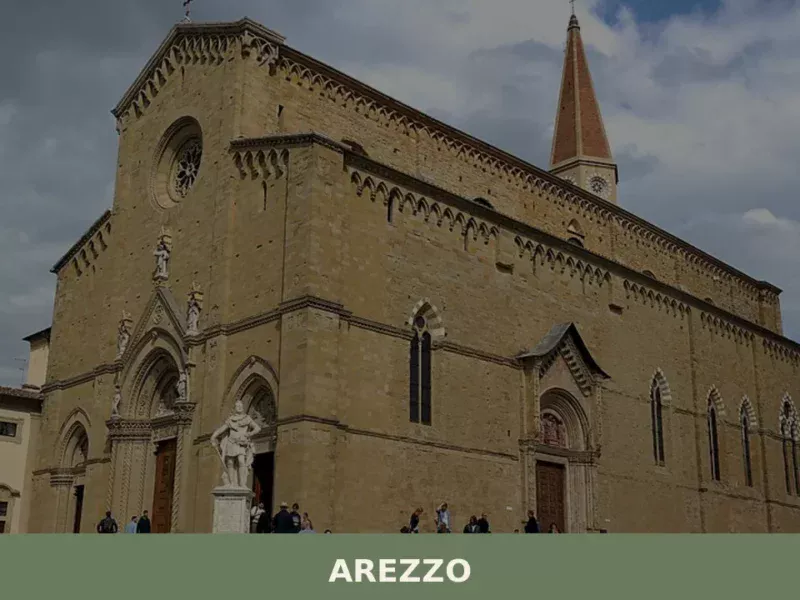
Arezzo
 Hills
Hills
Discover Arezzo, a charming village in Tuscany, Italy. Explore its rich history, stunning architecture, and vibrant culture nestled in the heart of Toscana.
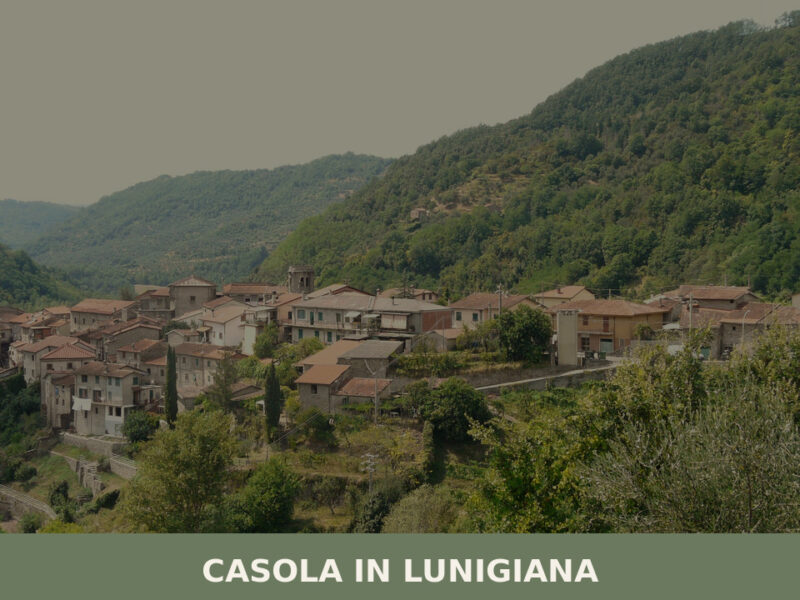
Casola in Lunigiana
Hills
Morning fog lifts slowly from the Aulella valley, revealing stone walls the colour of dried clay and a bell tower that has marked the hours here for centuries. The air carries woodsmoke and the faint mineral scent of chestnut groves climbing the surrounding slopes. With roughly one thousand inhabitants, Casola in Lunigiana remains one of […]
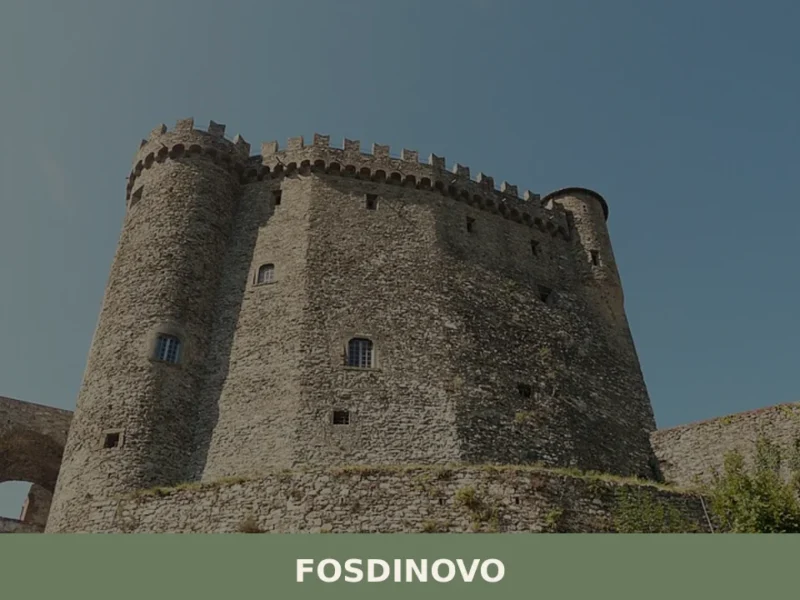
Fosdinovo
Hills
The Malaspina Castle of Fosdinovo has dominated the ridge separating the Val di Magra from the Apuan coast for over seven hundred years, with its four circular towers and a sentry walkway that can still be traversed. At 500 metres above sea level, this town in the province of Massa and Carrara has 4,982 inhabitants […]
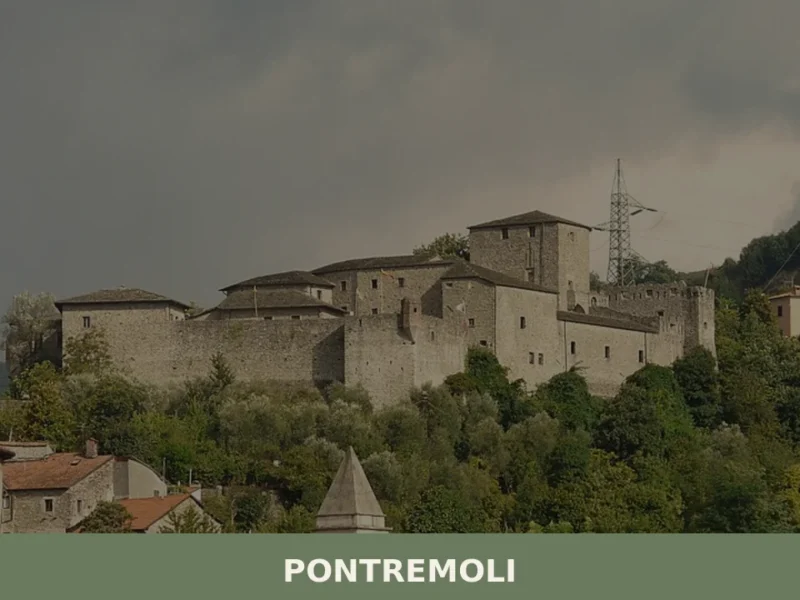
Pontremoli
Hills
Pontremoli has a current population of 7,593 and sits at an elevation of 236 metres in the valley of the River Magra, in the province of Massa and Carrara. The central hub of historic Lunigiana, the town is crossed by the route of the Via Francigena — stop number 28 on the itinerary of Sigeric, […]
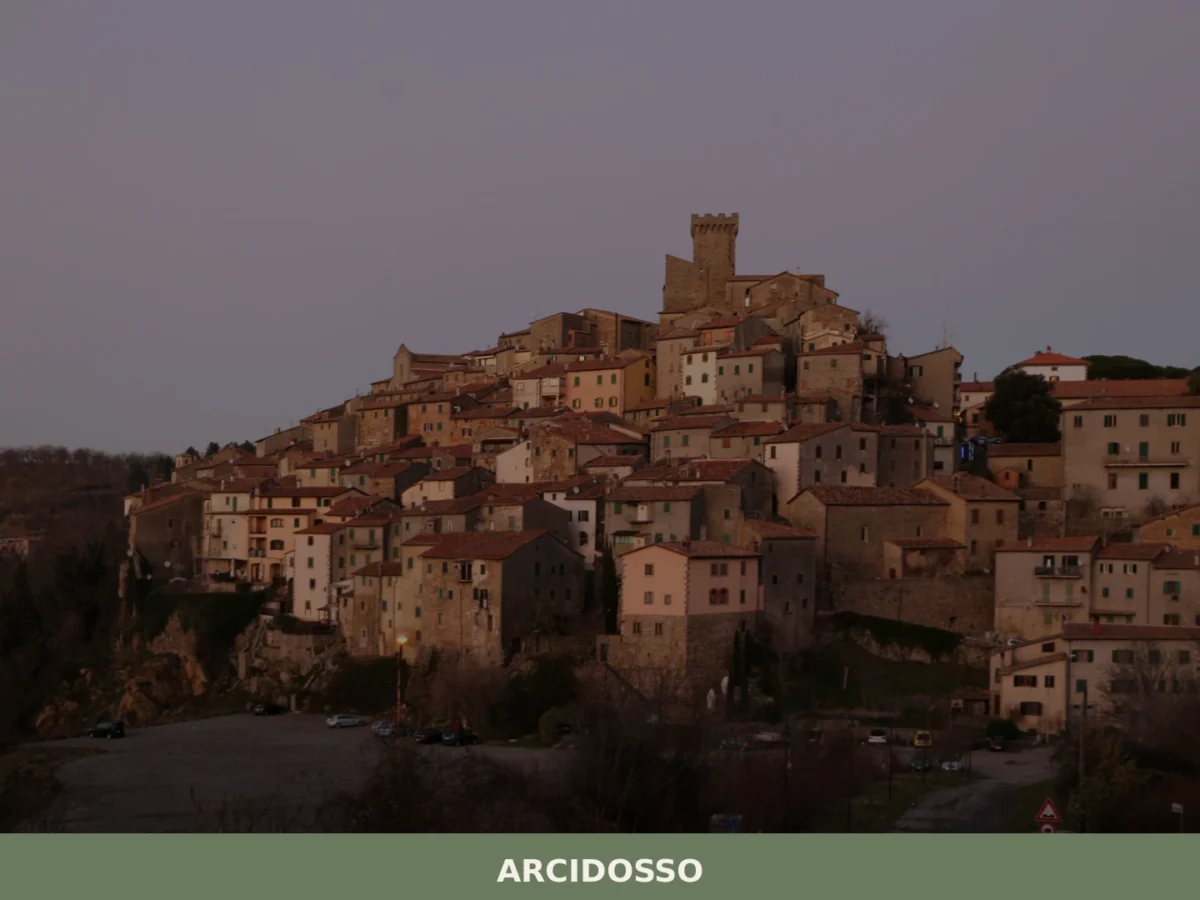
Arcidosso
 Mountain
What to see in Arcidosso, Italy: explore a medieval castle built around 1000 AD, 3 surviving city gates, and local Monte Amiata cuisine. Discover top attractions now.
Grosseto
 Sea
Sea
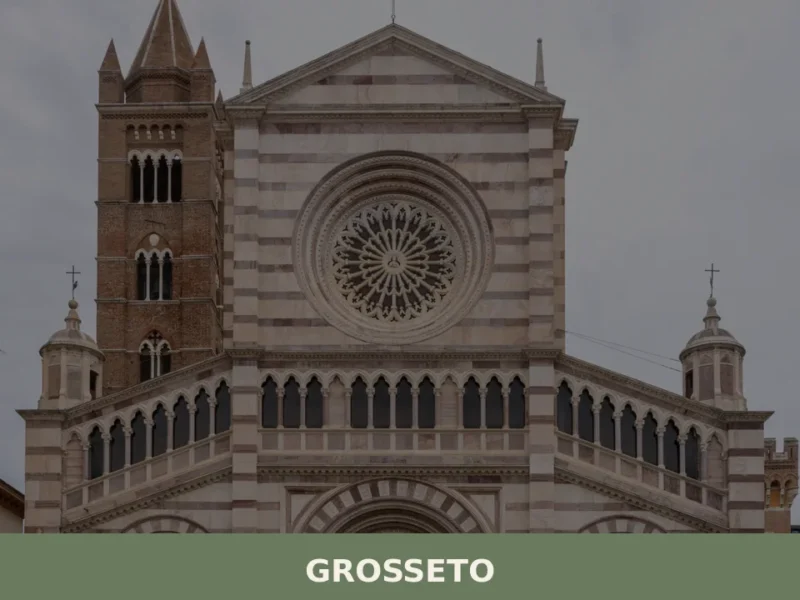
What to see in Grosseto: Medici walls, San Lorenzo Cathedral and the Maremma Natural Park in a city of 79,216 inhabitants. Plan your visit with our complete guide.
Montignoso
Sea
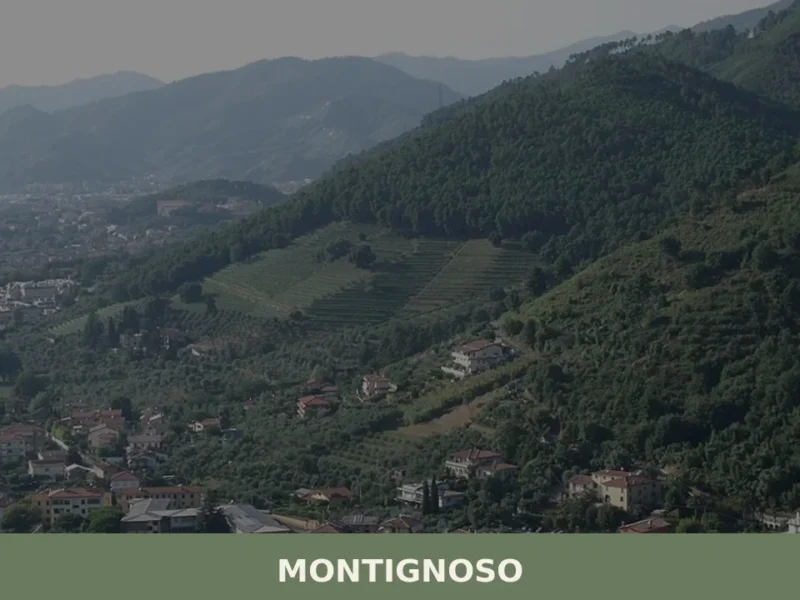
Discover what to see in Montignoso: 5 historical and natural attractions. Explore Aghinolfi Castle and Monterosso Park!
Bagnone
Hills
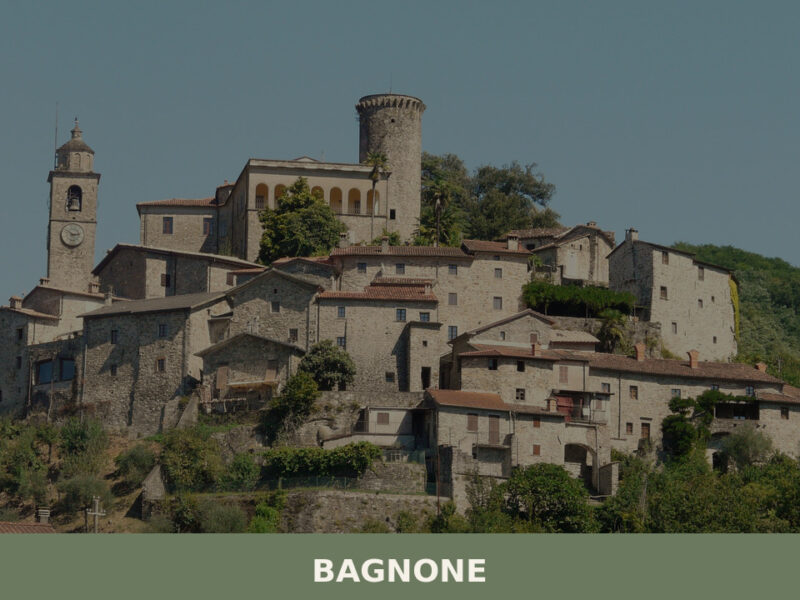
Morning mist lifts off the Bagnone creek and thins against stone walls that have stood since the eleventh century. The sound of water — always water — fills the narrow lanes, running beneath bridges and alongside houses built directly into the rock. With fewer than two thousand residents, this small settlement in the Massa e […]
Siena
Hills
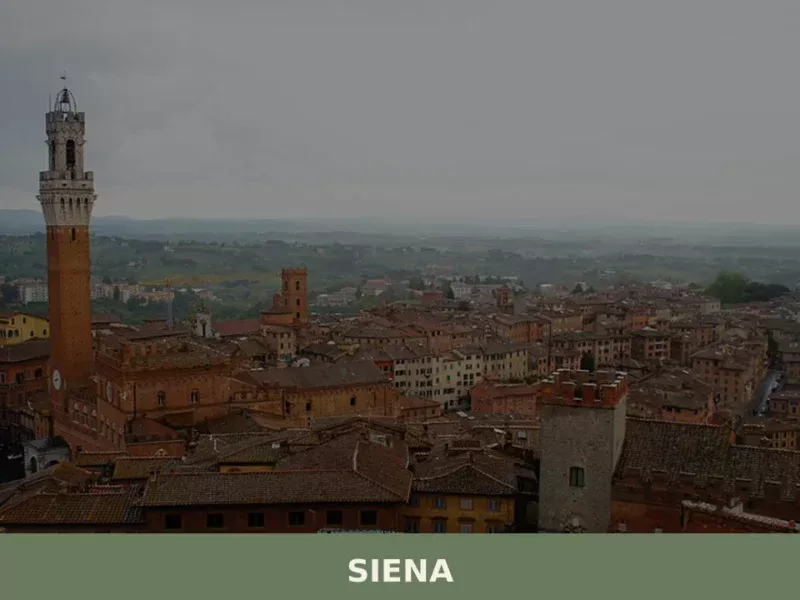
What to see in Siena: UNESCO centre at 322 m, population 52,883. Explore Piazza del Campo, the Cathedral, the Palio, and local foods like panforte and pici. Plan your visit.
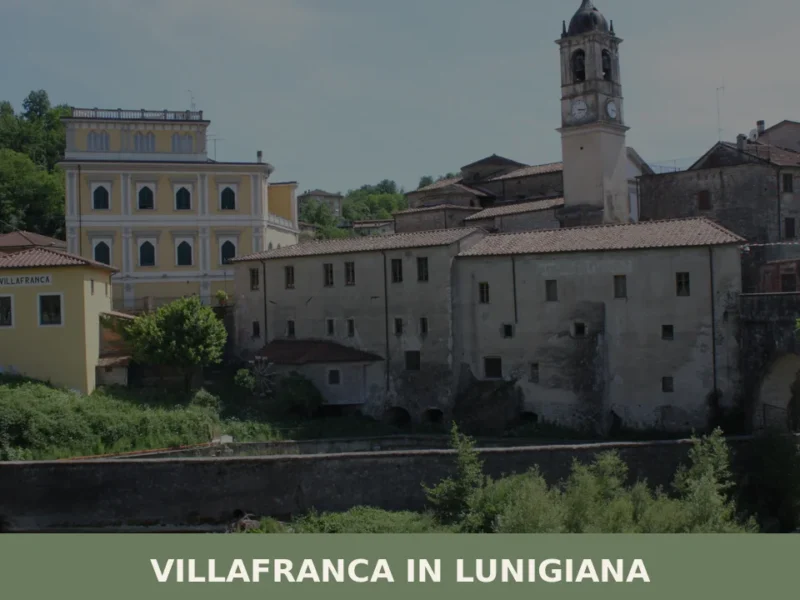
Villafranca in Lunigiana
Plains
What to see in Villafranca in Lunigiana: explore the Via Francigena, medieval churches and local cuisine in Toscana, Italy. Population 4,803. Discover it now.


🏡 Know Borgo San Lorenzo better than we do?
If you’re a local or have been there, your knowledge matters: add what’s missing or fix a detail on this page.