


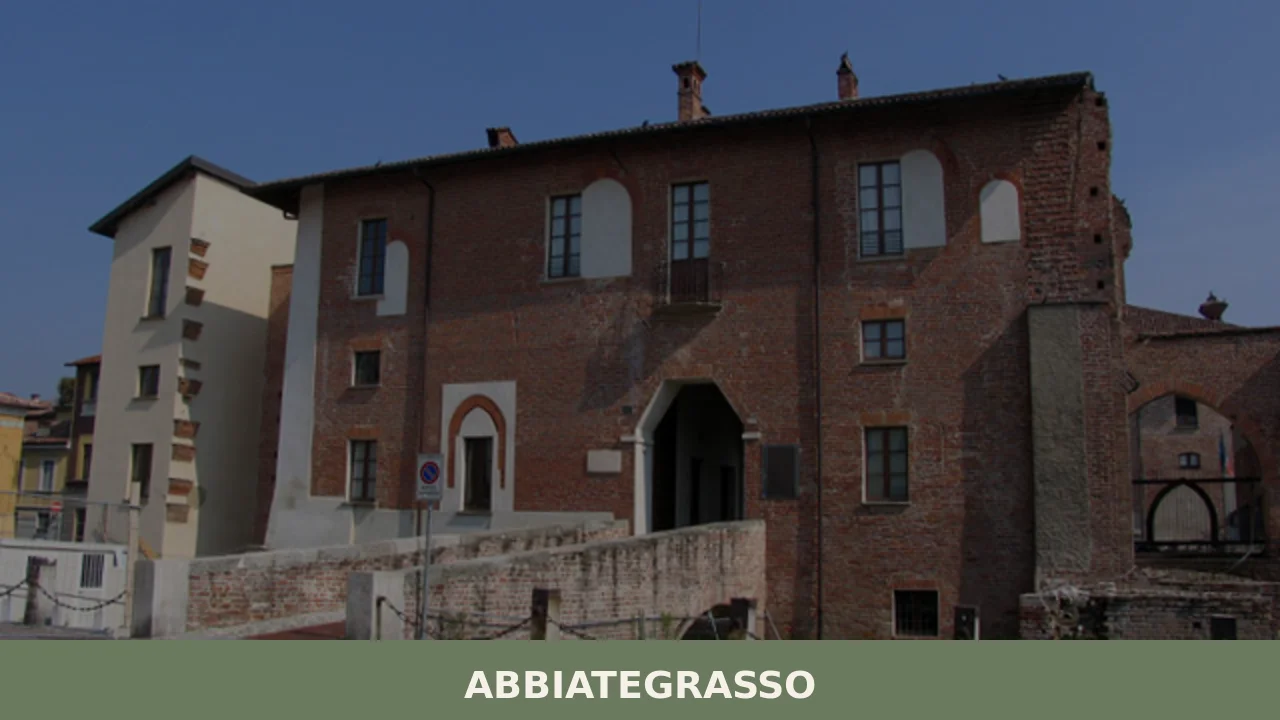
Abbiategrasso
 Plains
Discover what to see in Abbiategrasso: a Visconti castle, a Renaissance church portico, the Naviglio Grande canal, and the Ticino valley park in Lombardia.
Discover Abbiategrasso
Abbiategrasso stands roughly 29 kilometres south-west of central Milan, a town of around 32,850 inhabitants that occupies a distinct position in the agricultural plain of the Ticino valley. It is large enough to have sustained a continuous civic and ecclesiastical life since the medieval period, yet compact enough that its historical core remains legible on foot. Visitors asking what to see in Abbiategrasso find a layered answer: Visconti-era fortifications, a Renaissance portico of considerable ambition, and a working relationship with the irrigated rice-growing landscape that defines this corner of Lombardia.
History of Abbiategrasso
The town’s documented history reaches back to the twelfth century, when the Visconti dynasty — the ruling family of Milan — began to consolidate control over the fertile territory between the Ticino and Olona rivers. Abbiategrasso served as a strategic agricultural and logistical outpost for the Milanese state, and the construction of a castle here in the fourteenth century formalised that political role. Gian Galeazzo Visconti, who became the first Duke of Milan in 1395, maintained the castle as a ducal residence and hunting base, embedding the town firmly within the Visconti territorial network at a moment when that network was at its most expansive.
The most architecturally consequential intervention in the town’s history came in 1382, when construction began on the church of Santa Maria Nuova. The project was directly tied to the Visconti court: the portico that would eventually front the church — a triple-arched loggia of refined Lombard Gothic and early Renaissance character — was added in subsequent decades and attributed to the influence of Bramante’s circle, though the dating and attribution have been subject to scholarly debate. What is not in dispute is that the commission reflected the town’s status as a place where ducal patronage was actively expressed in stone and brick.
After the fall of the Visconti and the subsequent dominance of the Sforza, Abbiategrasso passed through Spanish and then Austrian administration along with the rest of Lombardia, a trajectory it shared with much of the Po plain. The town’s economic life through the early modern period was defined by the cultivation and milling of rice, a crop that had been introduced to the Lombardy plain in the fifteenth century and that thrived in the irrigated fields fed by the Naviglio Grande canal system. The Naviglio Grande itself, one of the oldest artificial waterways in Europe — work on it began in the twelfth century — passes through Abbiategrasso, and its presence shaped the town’s commercial geography for centuries.
What to see in Abbiategrasso: 5 must-visit attractions
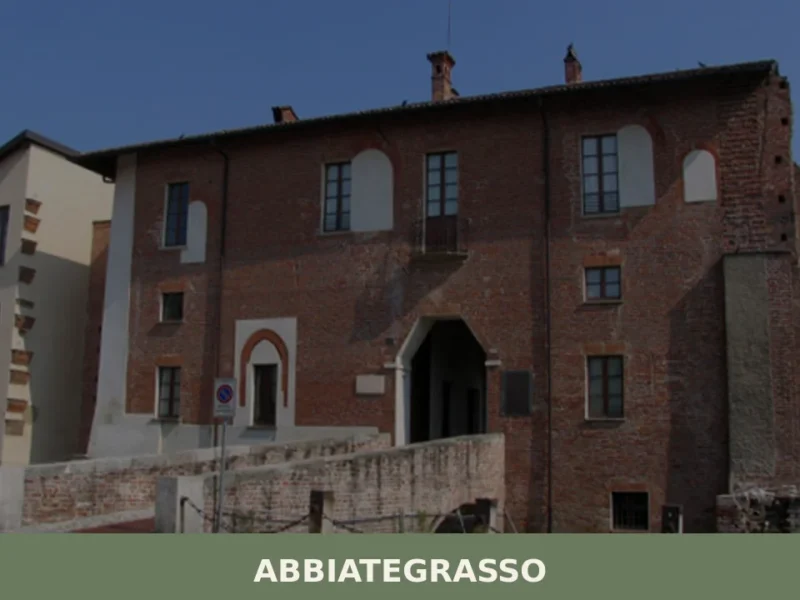
The Visconti Castle
Built in the fourteenth century under Visconti lordship and used as a ducal hunting residence, the castle occupies the western edge of the historic centre. Its square tower and surviving curtain walls speak directly to the military architecture of the Milanese state in the late medieval period. Today the structure hosts civic functions and is accessible for guided visits on specific occasions.
Santa Maria Nuova
Founded in 1382 and fronted by a triple-arched Renaissance portico, this church represents the most significant act of religious patronage in the town. The portico’s proportions and decorative detail place it within the Lombard architectural tradition of the late fifteenth and early sixteenth centuries. The interior preserves painted decoration and altarpieces accumulated over several centuries of use. For more information, consult the official municipality of Abbiategrasso.
The Naviglio Grande Canal
The Naviglio Grande enters the town from the north-east, its towpath lined with older warehouse and mill buildings that record the canal’s commercial function. Work on this waterway began in the twelfth century, making it one of the earliest artificial canals in continental Europe. The canal corridor provides a continuous walking route connecting Abbiategrasso to the broader Navigli network that extends toward Milan.
Piazza Castello and the Historic Core
The central piazza, immediately adjacent to the castle, functions as the civic hinge of the old town. The surrounding streets retain their medieval street plan, with colonnaded ground-floor arcades on several blocks that were designed to shelter commercial activity. The proportions of the square and its relationship to the castle gate give a clear sense of how Visconti-era urban planning organised power and public space together.
The Ticino Valley Natural Park
Abbiategrasso sits on the eastern boundary of the Parco del Ticino, a regional park established to protect the riparian woodland and wetland habitats along the Ticino river. The park includes dedicated cycling and walking paths, and sections of floodplain forest that have remained largely unaltered by agricultural drainage. The Parco del Ticino official site provides current maps and access information.
Local food and typical products
The rice fields that stretch across the agricultural plain south and west of Abbiategrasso are not decorative: they are productive and commercially active, and they place this area within one of the core rice-growing zones of Lombardia. Risotto in its Milanese form — made with Carnaroli or Vialone Nano rice, saffron, bone marrow and Parmigiano Reggiano — is the canonical dish of the territory, but local trattorias also serve risotto with frogs, a preparation specific to the low-lying irrigated plain where frog populations historically flourished in the paddy infrastructure. Salami di Milano and locally produced fresh pasta round out a menu that prioritises the flat-land agricultural tradition over the alpine larder found further north.
The broader area falls within the production zones of several protected Italian food products, including Grana Padano DOP, which is produced extensively across the Po plain and appears on tables here both as a table cheese and as a cooking ingredient. Markets in the town centre, particularly on designated weekly market days, provide direct access to locally grown rice, seasonal vegetables from the irrigated gardens, and dairy products from the farms of the Ticino plain. Visitors with a specific interest in regional food products can cross-reference what is available locally with resources from the official Milan metropolitan tourism portal.
Best time to visit Abbiategrasso
Spring — specifically April through early June — is the most practical season for visiting. Temperatures in the Po plain are moderate, the rice fields are being flooded and planted (a visually striking agricultural operation), and the light is clear enough for examining the architectural detail of the church portico and the castle walls without the haze that settles over the plain in high summer. Autumn, from mid-September through October, offers a second viable window: the rice harvest is underway, the Naviglio towpath is dry underfoot, and the poplar and willow plantations along the Ticino corridor turn a clear yellow before the plain fogs over in November.
July and August bring significant heat and humidity to the Lombard plain — temperatures regularly exceed 32°C and the air is dense. These months are manageable if visits are concentrated in the morning hours, but they are not ideal for extended outdoor exploration of the canal towpath or the park. The town experiences a standard Lombard continental climate with cold, sometimes foggy winters and warm, humid summers; there is no pronounced tourist season in the way coastal destinations experience one, which means accommodation and restaurants operate normally throughout the year.
How to get to Abbiategrasso
Abbiategrasso is well connected to Milan and the broader Lombard transport network. From Milan’s central railway stations, regional trains run directly to Abbiategrasso on the Milan–Mortara line, with a journey time of approximately 30–40 minutes depending on the service. The town has its own railway station within walking distance of the historic centre.
- By train: Milan Porta Genova or Milan Cadorna stations serve the western Lombard plain; regional services to Abbiategrasso run frequently throughout the day.
- By car: From Milan, take the A7 motorway south and exit at Binasco, then follow provincial roads west; the total drive from central Milan is approximately 35–40 minutes under normal traffic conditions.
- By bicycle: The Naviglio Grande towpath provides a dedicated cycling route of approximately 33 kilometres from Milan’s Porta Ticinese to Abbiategrasso — a flat, direct connection used regularly by cyclists commuting and touring.
- Nearest airport: Milan Malpensa (MXP) is roughly 40 kilometres north, accessible by car in 40–50 minutes; Milan Linate (LIN) is closer to central Milan but adds road distance to reach Abbiategrasso.
Where to stay in Abbiategrasso
Accommodation in Abbiategrasso itself is limited in scale, reflecting the town’s function as a working Lombard comune rather than a dedicated tourist destination. The options that exist tend toward small hotels and B&B properties in and around the historic centre, which is the most practical base for visiting the castle, the church, and the canal on foot. Staying in the centre also puts visitors within easy reach of the town’s restaurants and the weekly market.
For visitors who want more rural accommodation, agriturismi operate on working farms in the rice-growing plain to the south and west of the town. These properties typically offer rooms within converted farmhouse structures and may provide meals based on their own produce. Because availability varies by season and the town does not have a large hotel infrastructure, booking accommodation several weeks in advance is advisable, particularly for spring and autumn weekends when cycling groups frequently use the Naviglio Grande route.
More villages to discover in Lombardia
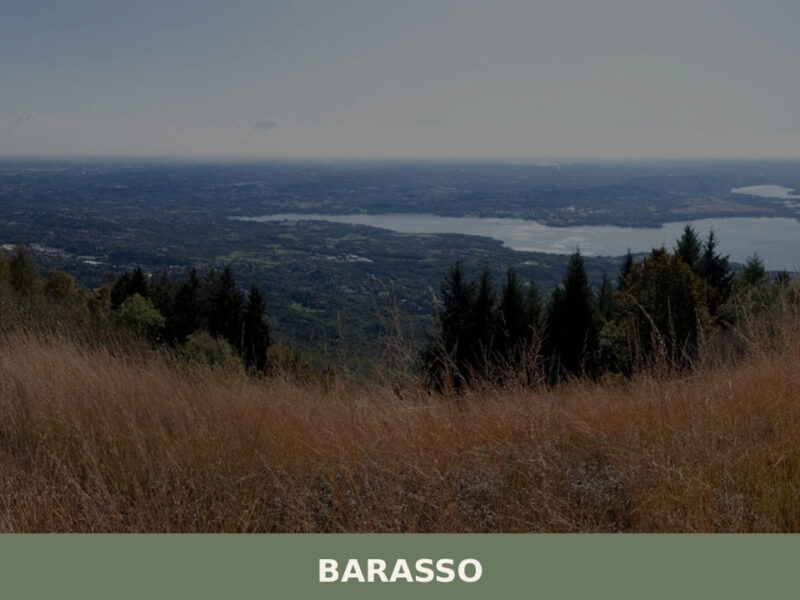
The Lombard lake district to the north-west offers a sharply different landscape from the irrigated plain around Abbiategrasso. Angera, on the southern shore of Lake Maggiore, centres on a medieval fortress that dominates the lake approach — a counterpart to the Visconti military architecture seen at Abbiategrasso but set against water and hills rather than agricultural plain. Nearby, the smaller settlement of Barasso sits in the foothills above Varese, offering a quieter introduction to the pre-alpine terrain between the lake basin and the plain.
Further into the Varese province, the Valcuvia valley contains two villages worth the detour for those exploring the northern reaches of Lombardia. Brinzio is a small hill village with a preserved rural character and access to the Campo dei Fiori regional park, while Castello Cabiaglio occupies the same valley at a slightly higher elevation, preserving the architecture and landscape of a community that has existed on the margins of the larger Lombard urban system for centuries. Together these villages suggest how varied Lombardia’s settlement patterns become once you move north from the plain.
Frequently asked questions about Abbiategrasso
What is the best time to visit Abbiategrasso?
Spring (April-early June) offers moderate temperatures, ideal for enjoying the visually striking flooded rice fields being planted and clear light for architectural details. Autumn (mid-September through October) is also excellent, with the rice harvest underway and the Naviglio towpath dry for walks. The poplar and willow trees along the Ticino turn golden. Coinciding with this, the patron saint's festival, Festa patronale di Santa Maria, is celebrated on the third Sunday of October, offering a local cultural experience. Summers are hot and humid, best for morning visits.
What are the historical origins of Abbiategrasso?
Abbiategrasso's documented history dates back to the twelfth century, when the powerful Visconti dynasty of Milan began to assert control over this fertile agricultural territory. It served as a strategic outpost, leading to the construction of a castle in the fourteenth century, which became a ducal residence and hunting base for Gian Galeazzo Visconti. The town's status was further solidified with the foundation of the church of Santa Maria Nuova in 1382, featuring an ambitious portico. Its economic life through the early modern period was deeply tied to rice cultivation and the Naviglio Grande canal.
What to see in Abbiategrasso? Main monuments and landmarks
Visitors can explore the **Visconti Castle**, a fourteenth-century ducal residence, accessible for guided visits on specific occasions (check local municipality for details). The **Church of Santa Maria Nuova**, founded in 1382, boasts a significant Renaissance portico and historic interiors; consult the municipality for access information. Stroll along the **Naviglio Grande Canal**'s historic towpath, a continuous walking route. The **Piazza Castello and Historic Core** reveal medieval urban planning. For nature lovers, the **Ticino Valley Natural Park** on the town's eastern boundary offers cycling and walking paths through riparian woodlands.
What are the main natural or scenic attractions of Abbiategrasso?
Abbiategrasso is a gateway to the **Ticino Valley Natural Park**, which offers extensive natural beauty with its riparian woodlands, wetlands, and dedicated cycling and walking paths along the Ticino river. The **Naviglio Grande Canal** provides a scenic towpath for walks and bike rides, flanked by historic buildings and connecting to the wider Navigli network. The surrounding **rice fields** themselves are a major scenic attraction, particularly in spring when flooded and planted, or in autumn during the harvest, offering unique agricultural landscapes characteristic of the Lombard plain.
Where to take the best photos in Abbiategrasso?
For memorable photographs, focus on the **Visconti Castle** and the architectural details of the **Santa Maria Nuova church's Renaissance portico**. The **Naviglio Grande Canal**, especially its towpath with historic warehouses and mills, offers picturesque perspectives. Capture the vibrant atmosphere of **Piazza Castello** within the medieval historic core. During spring, the **flooded rice fields** present a stunning reflective landscape, while in autumn, the **poplar and willow plantations** along the Ticino corridor offer vibrant yellow foliage, perfect for natural landscape shots.
Are there museums, churches or historic buildings to visit in Abbiategrasso?
Yes, Abbiategrasso offers several significant historical sites. The **Visconti Castle**, a fourteenth-century ducal residence, is a prominent historic building that hosts civic functions and is accessible for guided visits on specific occasions (check with the municipality for schedule). The **Church of Santa Maria Nuova**, dating from 1382, features an impressive Renaissance portico and preserved interior decorations, representing a key religious and architectural landmark. For access and visiting hours, it is advisable to consult the official municipality of Abbiategrasso.
What can you do in Abbiategrasso? Activities and experiences
Visitors can explore the town's rich history by walking through the **Piazza Castello and historic core**, or joining guided visits to the **Visconti Castle** when available. Enjoy nature by cycling or walking along the **Naviglio Grande Canal** towpath or exploring the **Ticino Valley Natural Park**'s dedicated paths. Experience local culture by visiting the weekly markets for regional products. Culinary enthusiasts can indulge in **local food specialties** like Risotto Milanese or risotto with frogs at traditional trattorias, immersing themselves in the authentic Lombard plain lifestyle.
Who is Abbiategrasso suitable for? Families, couples, hikers, solo travelers?
Abbiategrasso is ideal for travelers seeking an authentic Lombard experience away from mass tourism. It appeals to **history enthusiasts** interested in medieval and Renaissance architecture, and **nature lovers** who enjoy walking or cycling along the Naviglio Grande or exploring the Ticino Valley Natural Park. Its compact, walkable historic core makes it pleasant for **couples** and **solo travelers**. **Families** will appreciate the outdoor activities and the relaxed pace. Foodies will delight in the local rice-based cuisine. It's perfect for those desiring slow tourism and genuine local immersion.
What to eat in Abbiategrasso? Local products and specialties
The culinary scene in Abbiategrasso is deeply rooted in the surrounding rice-growing plain. Signature dishes include **Risotto Milanese**, prepared with local Carnaroli or Vialone Nano rice, saffron, bone marrow, and Parmigiano Reggiano. A unique local specialty is **risotto with frogs**, reflecting the region's wetland environment. Other traditional products feature **Salami di Milano** and fresh pasta. The area is also a significant producer of **Grana Padano DOP**. Local markets offer direct access to locally grown rice, seasonal vegetables, and dairy products from the Ticino plain farms.
📷 Photo Gallery — Abbiategrasso
Getting there
Piazza Guglielmo Marconi, 20081 Abbiategrasso
Nearby Villages near Abbiategrasso
In Lombardy More villages to discover

Dalmine
Plains
7 historic hamlets merged into one municipality. Dalmine offers Roman foundations, a fascist-era urban plan and remarkable World War II air-raid shelters.
Brezzo di Bedero
 Hills
Hills
 Lake
Lake
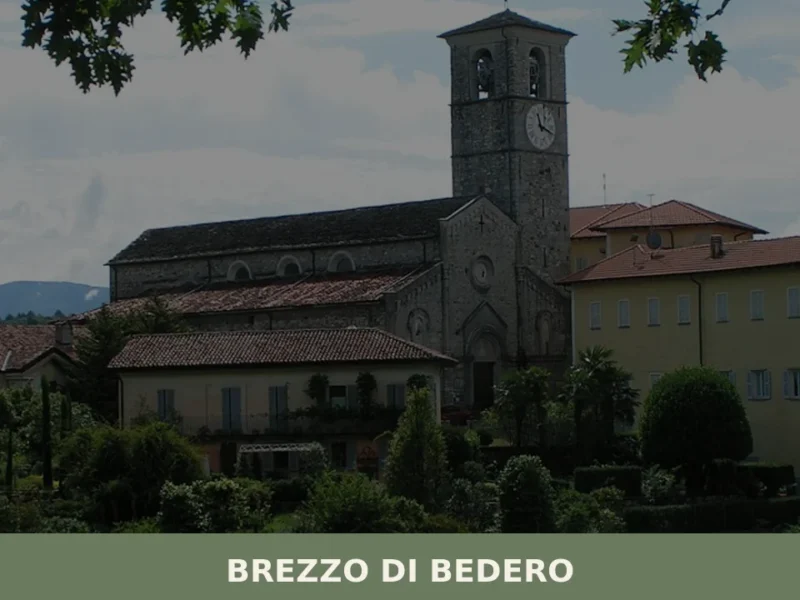
What to see in Brezzo di Bedero: Explore Collegiata di San Vittore and the lakeside Hermitage. This village, home to 1,200 residents, offers rich history. Discover more!
Castello Cabiaglio
Hills
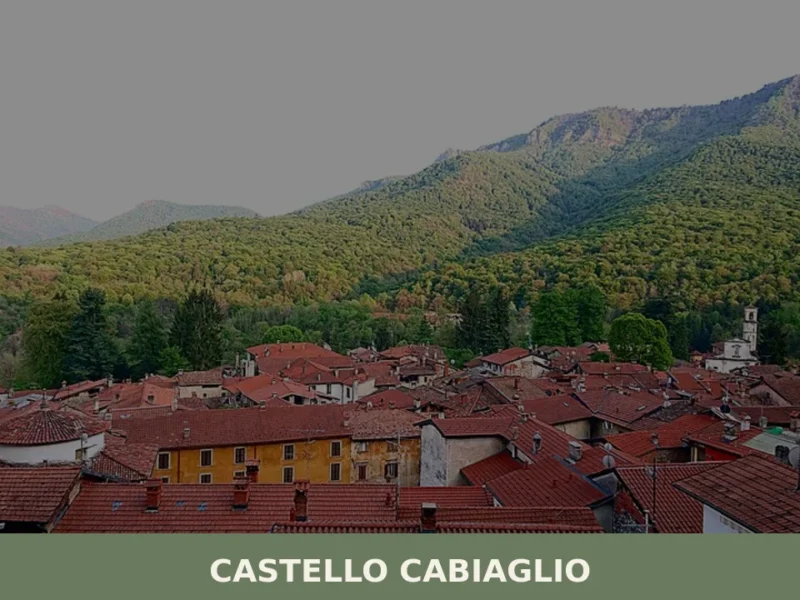
What to see in Castello Cabiaglio: a hill village at 514m with 567 residents in Varese. Explore Sant'Appiano church, Campo dei Fiori trails and local porcini risotto. Plan your visit now.
Bergamo
Hills
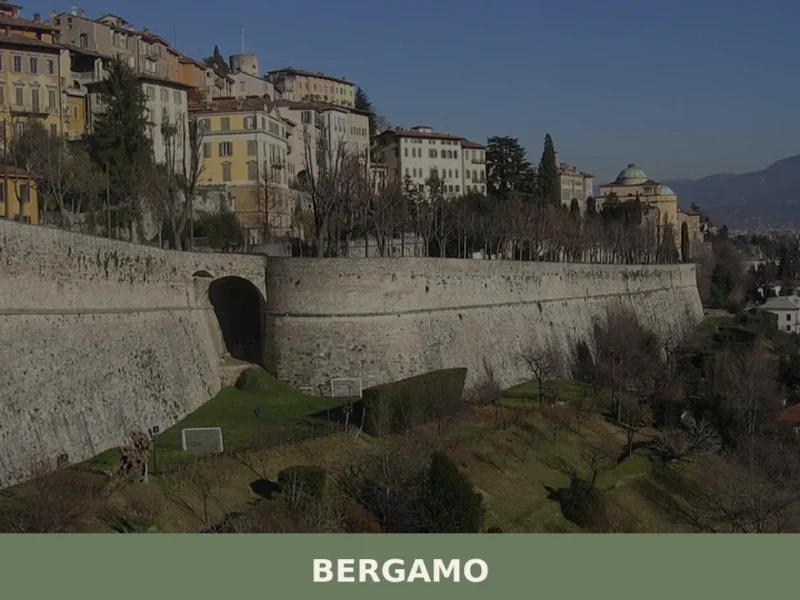
What to see in Bergamo? With 119,534 inhabitants, the city is famous for its Venetian Walls and Piazza Vecchia. Discover its rich history and typical dishes.
Bisuschio
Hills
In Bisuschio, in the province of Varese, economic activity linked to ceramic production developed starting from the 18th century, with local kilns contributing to the manufacture of tableware and bricks for the area. This hillside village, located 370 meters above sea level, offers a view of the Prealpine landscape and nearby lakes. For those wondering […]
Sirmione
Lake
Plains
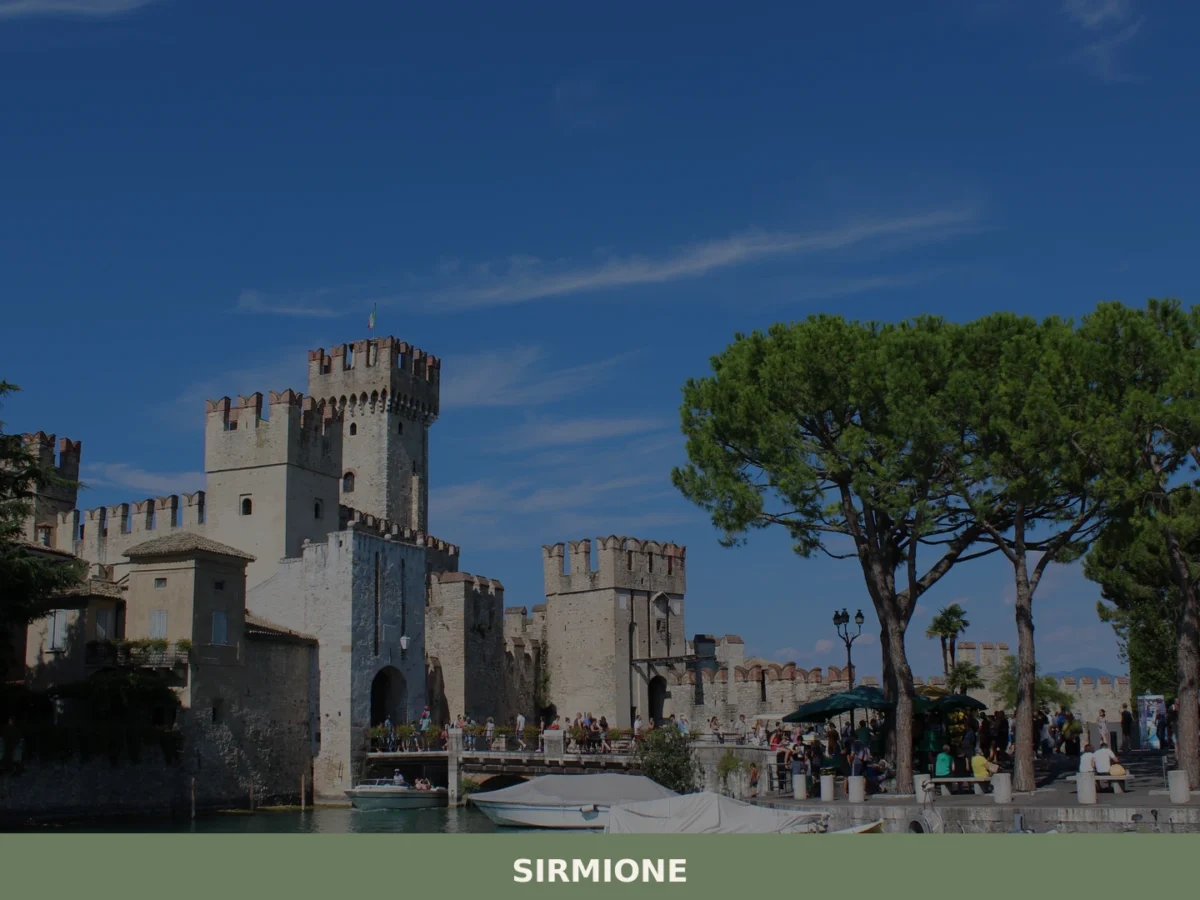
What to see in Sirmione, Italy: Explore the Scaligero Castle and Grottoes of Catullus in this Lombard village of 8,248 residents. Read our guide to planning your visit.

Dello
Plains
Population 5,675. A medieval comune built around sacred geometry and seasonal harvests, anchored by the Mella river and the October mushroom fair.
Biandronno
Hills
Lake
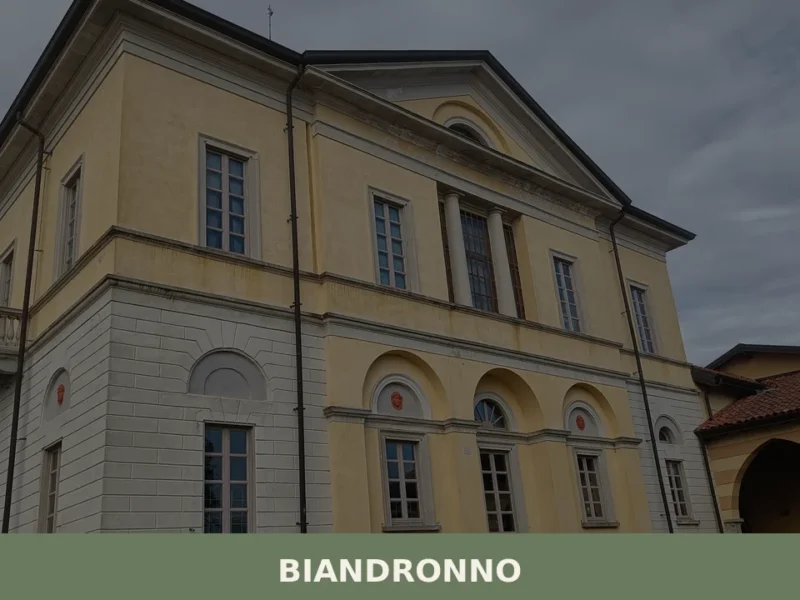
At 262 m a.s.l., Biandronno extends across the gentle hills that characterize the province of Varese, offering a panorama that opens onto the surrounding reliefs and the plain. The village, with its population of 3,162 inhabitants, maintains a discreet atmosphere, typical of smaller Lombard centers where life flows at rhythms tied to the territory. In […]
Acquanegra sul Chiese
Plains
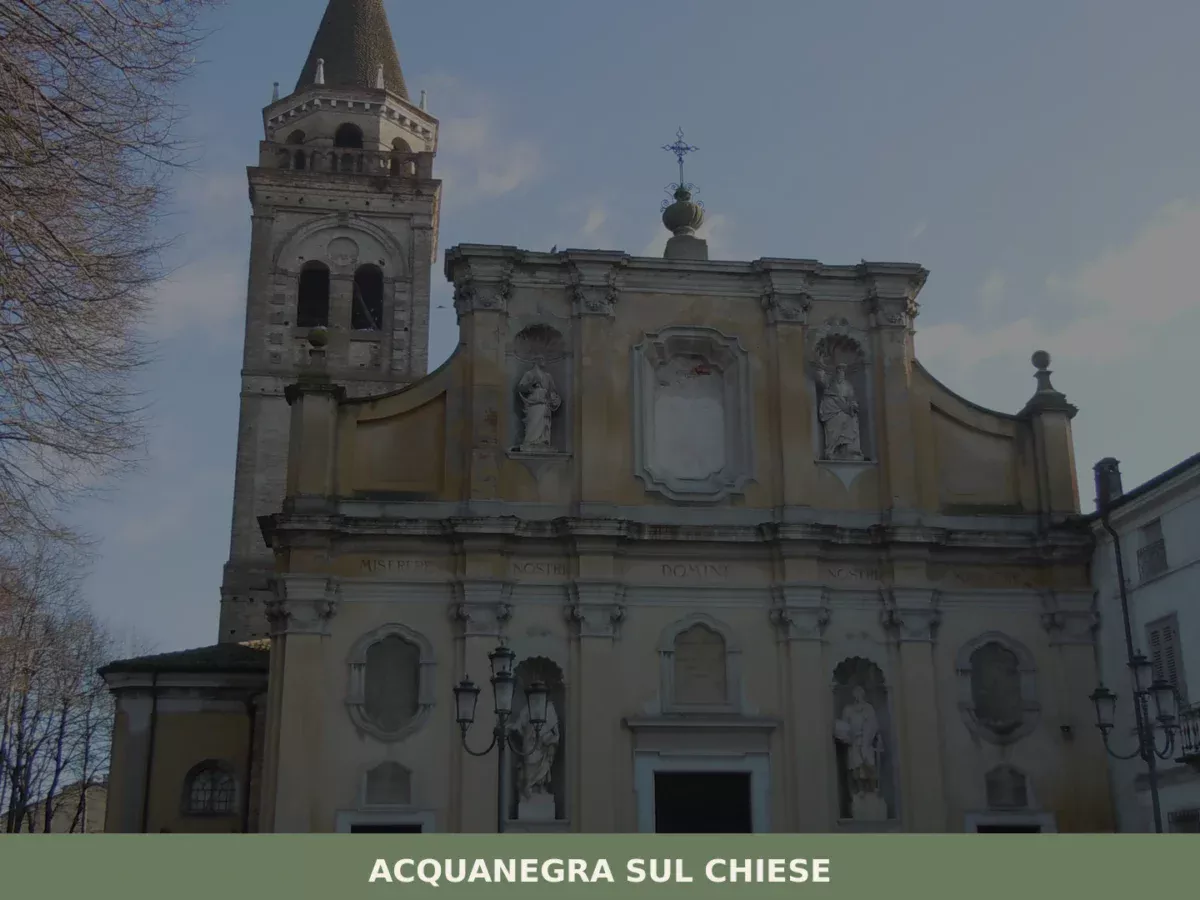
What to see in Acquanegra sul Chiese, Lombardia, Italy — 100 km from Milan. Discover 5 top attractions, local food traditions, and how to get there. Explore now.

Cassano Magnago
Hills
Over 21,000 residents and a documented history stretching back to 1152. Cassano Magnago rewards visitors with a medieval castle, four ancient churches and a rich civic past.





🏡 Know Abbiategrasso better than we do?
If you’re a local or have been there, your knowledge matters: add what’s missing or fix a detail on this page.