


Apiro
 Hills
Hills
What to see in Apiro, Marche, Italy: discover the Sant’Urbano museum, a 14th-century church, and local cuisine 40 km from Ancona. Explore the full guide.
Discover Apiro
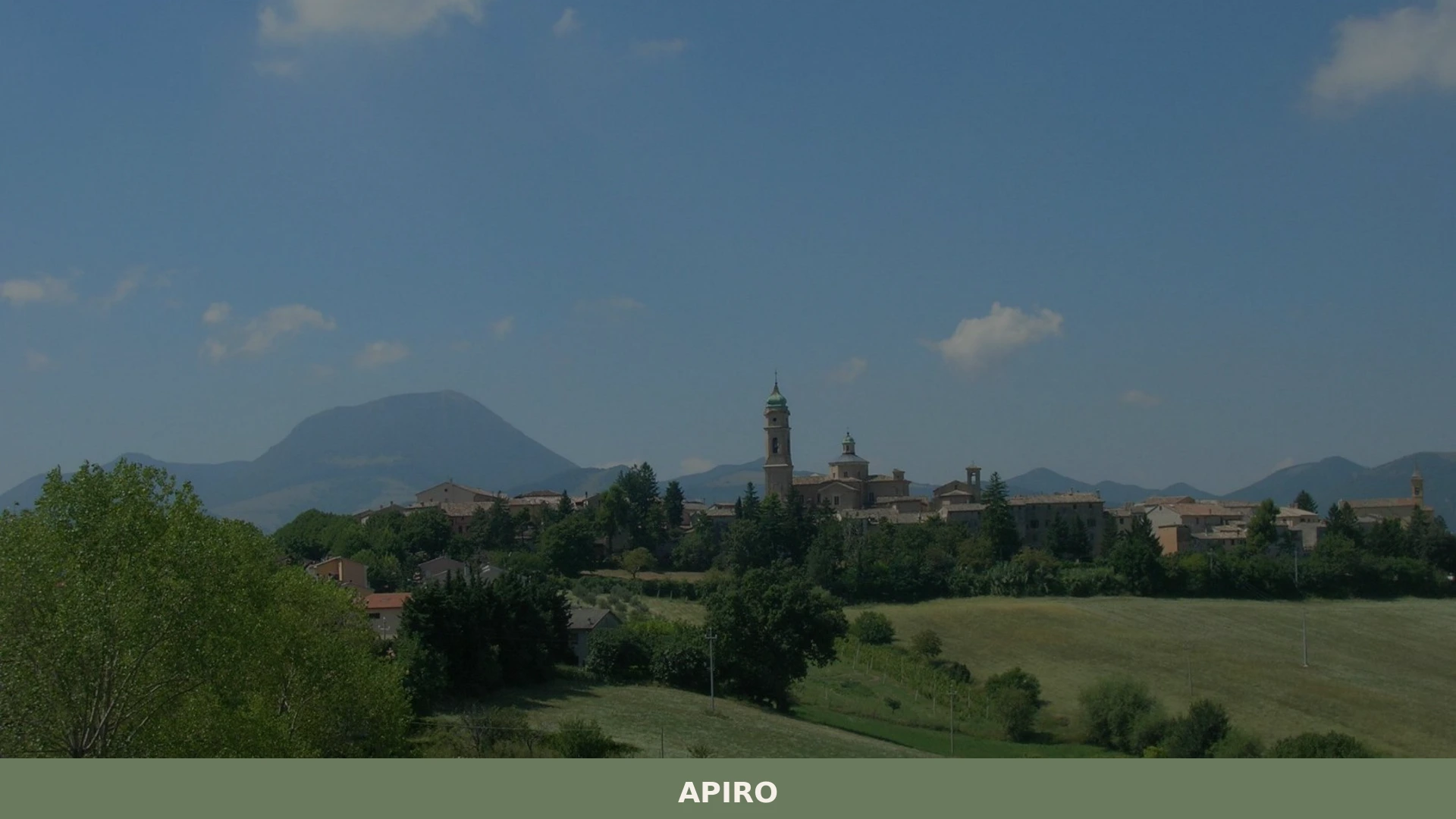
The road into Apiro climbs through a fold of the Apennine foothills in the Province of Macerata, where the terrain shifts from broad valley floors to tight ridgelines carrying small clusters of stone buildings.
At the centre of the old town, the former church of Sant’Urbano stands with its converted interior, its walls now holding religious paintings and artifacts rather than a congregation.
The church of San Francesco delle Favete, a 14th-century Franciscan structure, occupies a position a few kilometres outside the historic core, visible against the agricultural landscape that stretches between the hill settlements of this inland stretch of Marche.
For visitors researching what to see in Apiro, the village sits about 40 kilometres (25 mi) southwest of Ancona and 25 kilometres (16 mi) northwest of Macerata, placing it at a practical midpoint between two provincial centres. The Apiro highlights include the repurposed Sant’Urbano church museum, the medieval San Francesco delle Favete, and the surrounding countryside typical of the Macerata interior. Visitors to Apiro find a compact hill settlement where the built fabric of the old town remains largely intact, suited to those combining several stops across the Marche interior in a single day.
History of Apiro
Apiro’s position in the Apennine foothills of the Province of Macerata reflects a settlement pattern common across inland Marche, where communities established themselves on elevated ground to manage defence, water access, and control of the surrounding agricultural land.
The village belongs to a network of small municipalities that developed through the medieval period under shifting overlapping jurisdictions, with the Church, local signorial powers, and eventually the Papal States each leaving administrative and architectural marks on the territory. The Province of Macerata as an administrative unit formalised relationships between these hill settlements that had been developing organically for centuries.
The presence of a Franciscan church dated to the 14th century immediately outside the old town boundary provides a documented point of reference for Apiro’s medieval history.
The church of San Francesco delle Favete, built in the 1300s, indicates that the Franciscan order had established a presence in the area during the same period when the order was expanding its network of rural and semi-rural foundations across central Italy.
The location of the church a few kilometres from the main settlement is consistent with Franciscan practice of that period, which often placed houses of worship and community service at the edges of inhabited centres rather than within the fortified core. Comparable Franciscan foundations survive in other Marche communities such as Fermo, where medieval religious architecture similarly shaped the urban and peri-urban fabric of the settlement.
The church of Sant’Urbano represents a different trajectory in Apiro’s history: a religious building that has passed through functional conversion and now operates as a museum of religious artifacts and paintings. This kind of adaptive reuse is documented across many small Italian municipalities, particularly from the latter half of the 20th century onward, when declining congregations and preservation requirements led local authorities and dioceses to repurpose built fabric rather than allow deterioration.
The Sant’Urbano museum preserves the material religious culture of the area in a setting that retains the spatial character of the original church, giving the collection a specific architectural context that a purpose-built exhibition space would not provide.
What to see in Apiro, Marche: top attractions
Museo di Sant’Urbano (Sant’Urbano Church Museum)
The interior of Sant’Urbano still carries the proportions of a church — high walls, the orientation of a nave, the particular quality of light entering through openings designed for devotional space — yet the building now functions as a dedicated museum of religious artifacts and paintings.
The conversion has preserved the architectural shell while redirecting its use toward the conservation and display of works from the local religious tradition. Visitors moving through the space encounter paintings that would have originally served liturgical purposes in this and other local churches, giving the collection a clear regional identity.
The museum is the primary indoor cultural destination in Apiro and warrants a methodical visit; arriving on a weekday morning generally means fewer visitors and better conditions for examining individual works.
Church of San Francesco delle Favete
Built in the 14th century, the church of San Francesco delle Favete stands several kilometres outside the old town of Apiro, set within the agricultural landscape that defines this part of the Macerata interior. The fabric of the building dates its origins to the 1300s, making it one of the oldest documented structures associated with the village. The exterior reflects the restrained character of Franciscan architecture of that period, with stonework that has been subject to repair and consolidation over the intervening seven centuries.
Reaching the church requires leaving the historic centre and following the road that connects the old town to the surrounding countryside; the walk or short drive also provides a clear view of the topography that positions Apiro relative to the wider valley system. Those interested in medieval ecclesiastical architecture in Marche should allocate time specifically for this church, as it is separate from the main cluster of sites in the old town.
The Old Town of Apiro
The historic centre of Apiro occupies the elevated ground typical of hill settlements in the Province of Macerata, with a street layout and building scale that reflect the constraints of the site.
Stone construction dominates, with narrow passages connecting small open spaces that function as informal gathering points for the local population. The fabric of the old town has not been subject to large-scale modern intervention, which means the visual relationship between buildings — rooflines, wall materials, the rhythm of doorways and window openings — remains consistent across most of the core.
Walking the perimeter of the old town provides orientation and a clear sense of how the settlement relates to the surrounding landscape, including the agricultural land and the ridge systems that mark the Apennine foothills at this point. What to see in Apiro necessarily includes this spatial experience, which cannot be replicated from any single monument or building.
The Surrounding Countryside and Apennine Foothills
The territory of Apiro extends into the Apennine foothills of the Province of Macerata, covering agricultural land, pasture, and wooded slopes that are characteristic of this part of inland Marche.
The elevation of the village provides clear views across the surrounding terrain, including toward Macerata 25 kilometres (16 mi) to the southeast and in the direction of Ancona 40 kilometres (25 mi) to the northeast. The landscape has historically supported cereal cultivation, livestock grazing, and mixed farming, all of which remain visible in the field patterns and land use of the surrounding campagna, meaning the agricultural land immediately outside the settlement.
Those visiting in spring or early summer will find the fields at their most varied in terms of crop cover, while autumn brings the particular light and reduced foliage that makes the ridge profiles more readable from the old town. The foothills here share character with the agricultural interior around Isola del Piano in northern Marche, where similar terrain shapes both the landscape and the farming traditions.
The Provincial Road Network and Approach Routes
The approach roads to Apiro pass through a sequence of landscapes that are representative of the Macerata interior: cultivated valleys, wooded slopes, and the stepped terracing that marks hillsides modified for agriculture over centuries.
The road infrastructure connecting Apiro to the provincial network is a practical subject for visitors, but the routes themselves carry geographic information that helps explain the village’s historical position — its relative isolation from major communication axes and its functional relationship to nearby settlements.
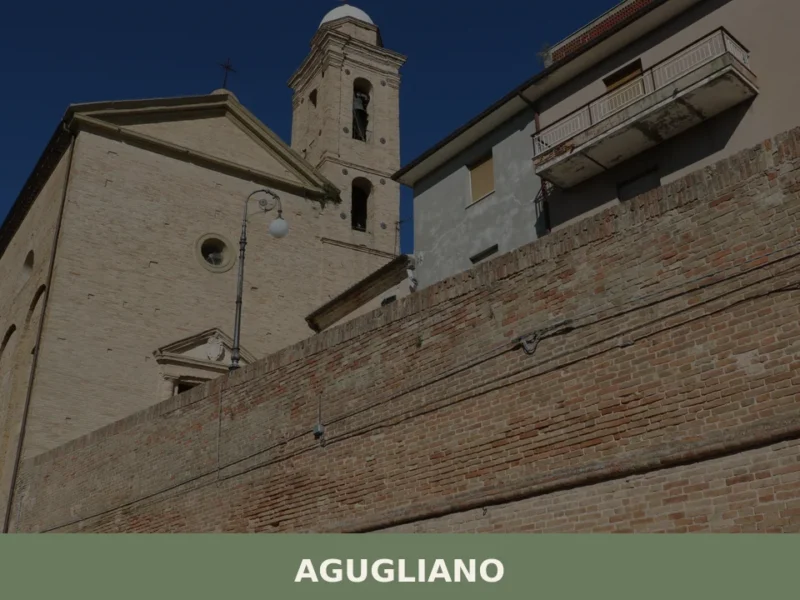
The 25 kilometres (16 mi) separating Apiro from Macerata can be covered by road in approximately 35 to 40 minutes depending on the route taken, while the 40 kilometres (25 mi) to Ancona typically requires around 50 to 60 minutes. Agugliano, closer to Ancona along the provincial road system, is an example of a Marche village whose position on better-connected routes produced a different development history than that of more inland settlements like Apiro.
Local food and typical products of Apiro
The food culture of inland Macerata, within which Apiro sits, reflects the agricultural base of the territory: cereal crops, legumes, sheep and cattle grazing, and seasonal vegetables from kitchen gardens have structured the local diet for generations.
The Marche region occupies a transitional position in Italian culinary geography, sharing some traditions with the Adriatic coast to the east and others with the Apennine interior to the west, while maintaining a range of preparations specific to the hill and mountain communities of the province. In smaller settlements like Apiro, food has historically been produced, processed, and consumed within the local economy, with seasonal availability determining what appears on the table.
The grain-growing capacity of the valleys surrounding Apiro underpins a pasta-centred cooking tradition consistent with the broader Macerata interior.
Vincisgrassi, a baked pasta dish made with layers of egg pasta, a slow-cooked meat ragù incorporating chicken giblets, and a béchamel-style sauce, is the most documented preparation of the Macerata province and would have been present in the domestic cooking of hill settlements including Apiro.
Minestra di farro, a soup made with farro — the ancient grain variety also known as emmer wheat — cooked with legumes such as lentils or chickpeas and seasoned with local herbs, represents the older stratum of the diet, when grain soups and porridges were the primary caloric foundation for agricultural communities. Sheep’s milk cheese, produced from flocks grazing the foothills, appears in various forms in the local diet, both fresh and aged.
The Marche region supports a number of products carrying protected designation status, and the broader Macerata territory is associated with cured meats and cheeses produced from both sheep and cattle. While Apiro itself is a small municipality without a specific certified product of its own documented in available sources, the provincial food economy means that salumi — cured pork products including lonza (cured pork loin) and coppa (cured neck) — typical of the Macerata interior are available in local shops and at farms in the surrounding area.
Visitors should be aware that smaller shops in hill villages may keep limited hours, and that cash payment is often expected at farm stalls and market stands.
The agricultural calendar shapes the availability of fresh produce around Apiro.
Spring brings wild greens such as cicoria selvatica (wild chicory) and field herbs used in both cooked preparations and fresh salads. Autumn is the season for legume harvests and for the first pressing of olive oil from groves in the lower valley areas. Local markets in the Macerata area provide the most direct access to seasonal products from the surrounding territory; the main market in Macerata, 25 kilometres (16 mi) away, operates on a regular weekly schedule and draws producers from across the province.
Festivals, events and traditions of Apiro
Small Marche municipalities of Apiro’s size typically organise their public calendar around the feast of the patron saint, a cycle that combines a religious procession through the streets of the old town with a public gathering and, in most cases, a communal meal or food market.
The patron of Apiro is Sant’Urbano, whose name is preserved in the former church that now houses the village museum, indicating a long-standing relationship between the settlement’s identity and the saint’s veneration.
The feast day of Sant’Urbano falls on 25 May in the Roman Catholic calendar, and in communities where the saint is the patron, this date anchors the main annual public celebration, typically with a morning Mass, an afternoon procession, and evening festivities.
Beyond the patron saint’s feast, the broader Macerata calendar includes a number of sagre — traditional local food festivals oriented around a specific agricultural product or local dish — that take place across the summer and early autumn months in the hill municipalities of the province. These events draw visitors from the surrounding territory and provide an opportunity to encounter local food production in a public setting.
Specific confirmed events for Apiro beyond the Sant’Urbano feast are not documented in available sources, but the general pattern of summer festivals across the Macerata interior means that a visit in July or August is likely to coincide with some form of local public activity in the broader area.
When to visit Apiro, Italy and how to get there
The best time to visit Apiro and the surrounding Macerata interior falls in the period from late April through June and from early September through October. These months offer moderate temperatures suitable for walking in the old town and the surrounding countryside, with spring bringing green field cover and wildflowers in the foothills, and autumn providing clear air and the harvest activity that animates the agricultural landscape.
July and August are the hottest months and also the busiest period for Italian domestic tourism in the region, meaning that roads and services in smaller hill towns can be stretched at peak times, particularly on weekends. Winter remains accessible by road but many smaller businesses in villages of Apiro’s size reduce hours significantly between November and March.
Reaching Apiro by car from Ancona takes approximately 50 to 60 minutes, covering the 40 kilometres (25 mi) southwestward via the provincial road network. From Macerata, the 25 kilometres (16 mi) northwestward can be completed in around 35 to 40 minutes by road.
The nearest motorway access is via the A14 Adriatica motorway, which runs along the Adriatic coast; drivers approaching from the north or south should exit at Ancona Sud or Civitanova Marche depending on their direction of travel, then follow the provincial roads inland. The nearest major railway hub is Ancona, served by Trenitalia with direct connections to Rome, Bologna, and Milan; from Ancona station, a car or taxi is required to complete the journey to Apiro, as direct public transport to the village is limited.
Ancona Falconara Airport, located approximately 45 kilometres (28 mi) from Apiro, provides the nearest air access, with domestic routes and some European connections; a hired car from the airport is the most practical option for reaching the village. For those travelling from Rome, the journey covers approximately 250 kilometres (155 mi) by road, typically requiring 2.5 to 3 hours, making Apiro feasible as a destination within a longer central Italy itinerary.
International visitors should note that English is not widely spoken in smaller shops and service points in villages of this size, and carrying euro cash is practical for purchases at local markets, farm stalls, and smaller bars.
Visitors extending their time in the Macerata area can combine Apiro with Belforte all’Isauro, a Marche hill municipality that shares the provincial road network and the upland character of the territory, allowing for a two-centre day across the interior without excessive driving distances. Planning what to see in Apiro as part of a broader Marche itinerary makes the most of the relatively short distances between hill settlements in the Province of Macerata.
Frequently asked questions about Apiro
What is the best time to visit Apiro?
The best time to visit Apiro is during the spring and early summer months when the countryside is lush and vibrant, perfect for scenic walks and exploring the village. May is particularly special as Apiro celebrates its patron saint, Papa Urbano I, on May 25 with local festivities. Visitors can enjoy not only mild weather but also participate in these rich cultural celebrations.
What to see in Apiro? Main monuments and landmarks
In Apiro, notable sites include the Museo di Sant'Urbano, a former church now housing religious artifacts and paintings, and the Church of San Francesco delle Favete, a 14th-century structure situated outside the town. Both offer unique insights into the village's historical and artistic heritage. Check opening hours before visiting as they can vary.
Who is Apiro suitable for? Families, couples, hikers, solo travelers?
Apiro is ideal for couples and history enthusiasts, offering a blend of cultural landmarks and picturesque landscapes. The village's quiet charms and scenic surroundings also make it a perfect retreat for solo travelers looking to unwind and explore the Marche countryside. Families may enjoy the cultural events and natural beauty, making it a versatile destination for various interests.
📷 Photo Gallery — Apiro
Nearby Villages near Apiro
In Marche More villages to discover
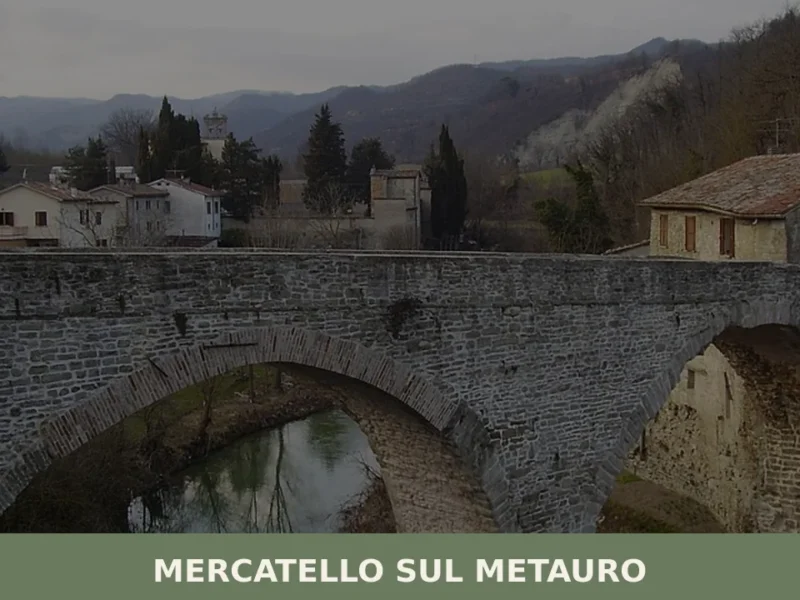
Mercatello sul Metauro
Hills
Mercatello sul Metauro has a current population of 1,326 and sits at an elevation of 429 metres in the middle Metauro valley, in the province of Pesaro and Urbino. The village owes its identity to one specific figure: Saint Veronica Giuliani, a Capuchin mystic born here in 1660, beatified in 1804 and canonised in 1839. […]
Isola del Piano
Hills
Discover Isola del Piano, a charming village in Marche, Italy. Explore its rich history, organic traditions, stunning landscapes, and authentic Italian culture.
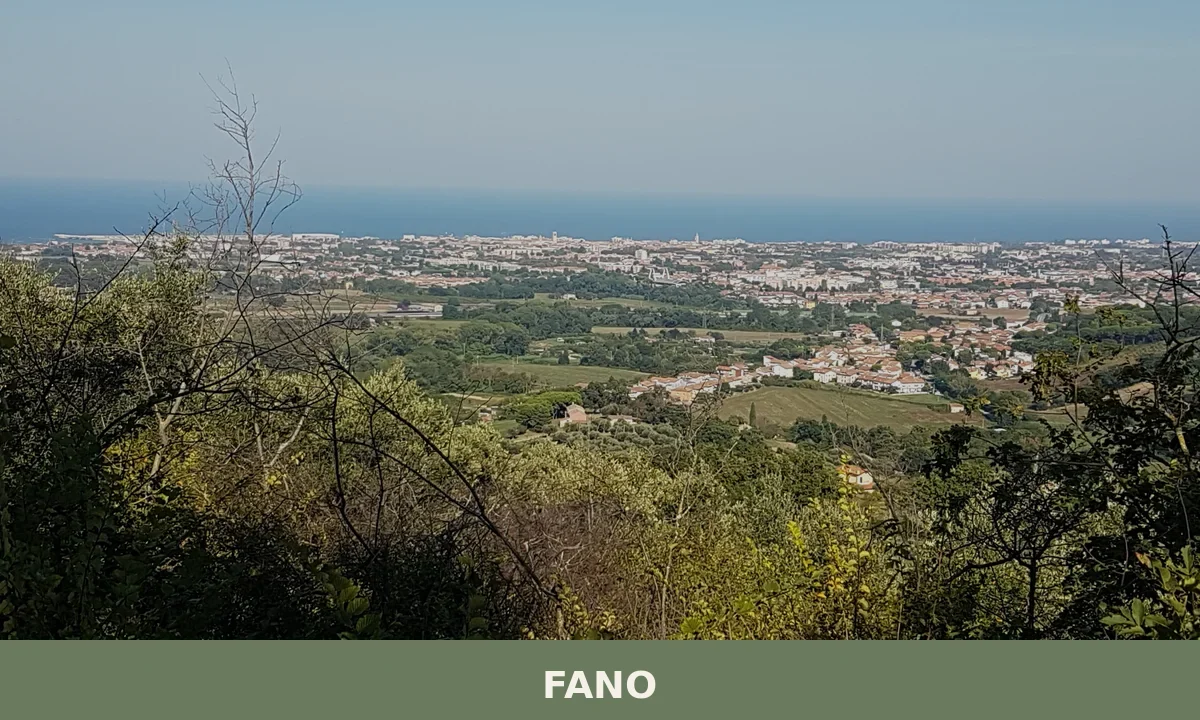
Fano
 Sea
Sea
Fano holds one of Italy's oldest carnivals and a Roman triumphal arch dating to 9 AD. Two thousand years of layered history await on the Adriatic coast.
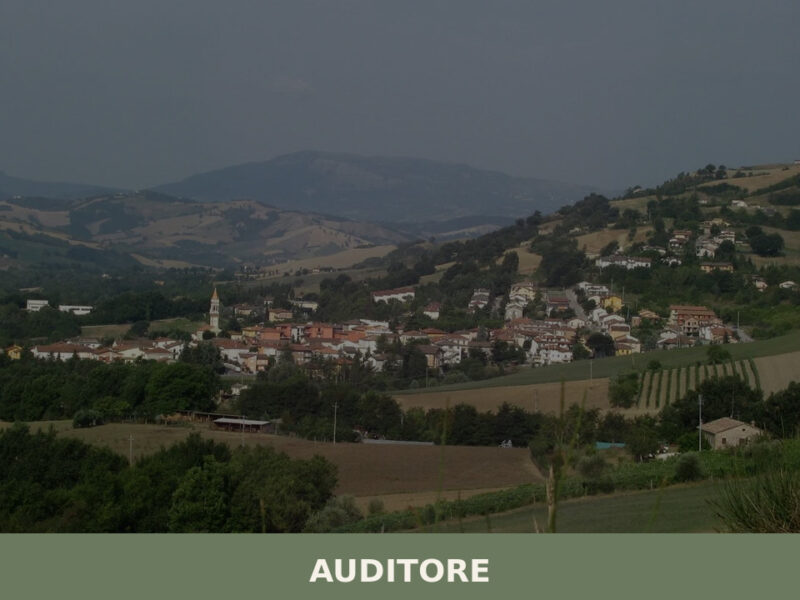
Auditore
Hills
Morning light falls across a line of stone houses the colour of dry wheat, and somewhere below the rooftops a church bell marks the hour with a single, unhurried stroke. Auditore sits in the hill country of the province of Pesaro e Urbino, a settlement of 1,631 people where the Foglia river valley opens toward […]
Petritoli
Hills
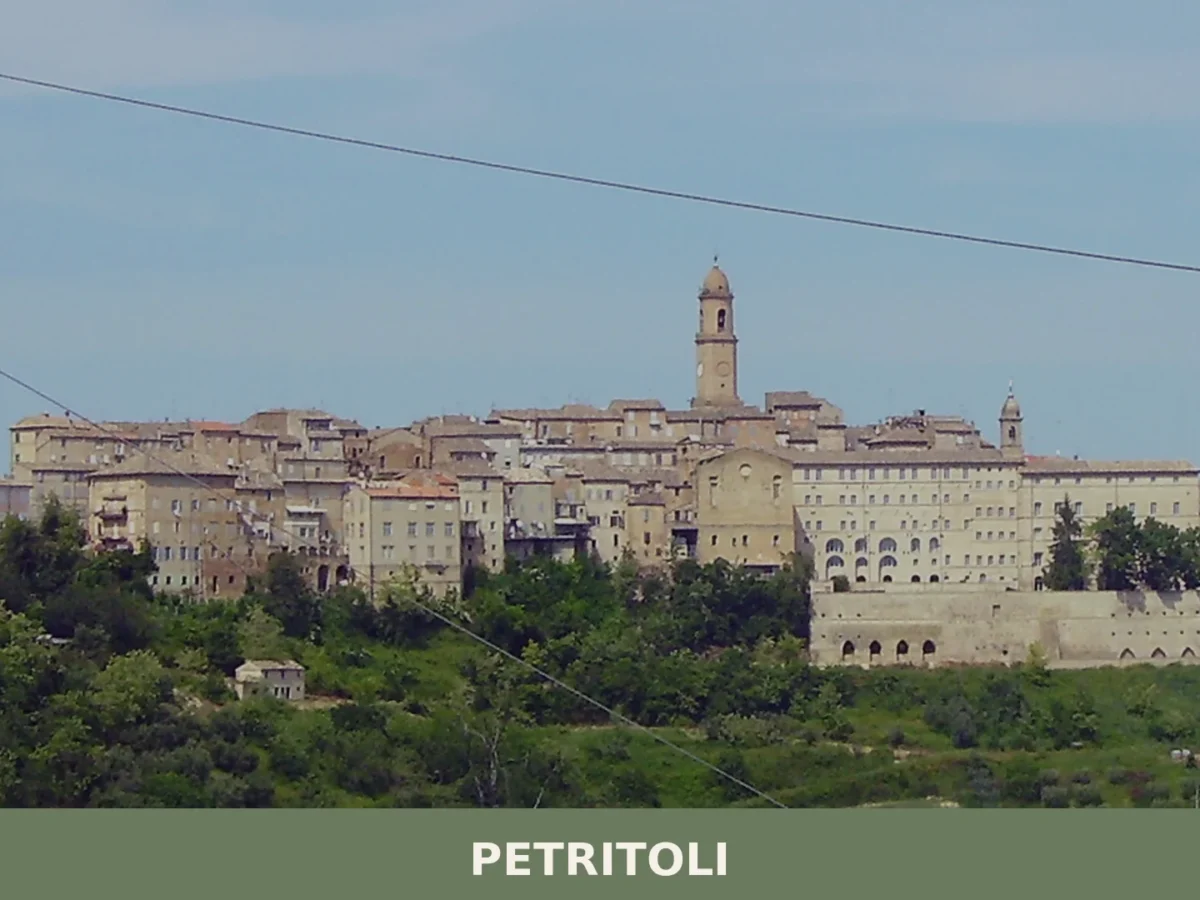
Petritoli is a hill town of around 2,100 inhabitants in the province of Fermo, Marche, set at 335 metres above sea level across seven hills on the left bank of the river Aso.
Appignano
 Plains
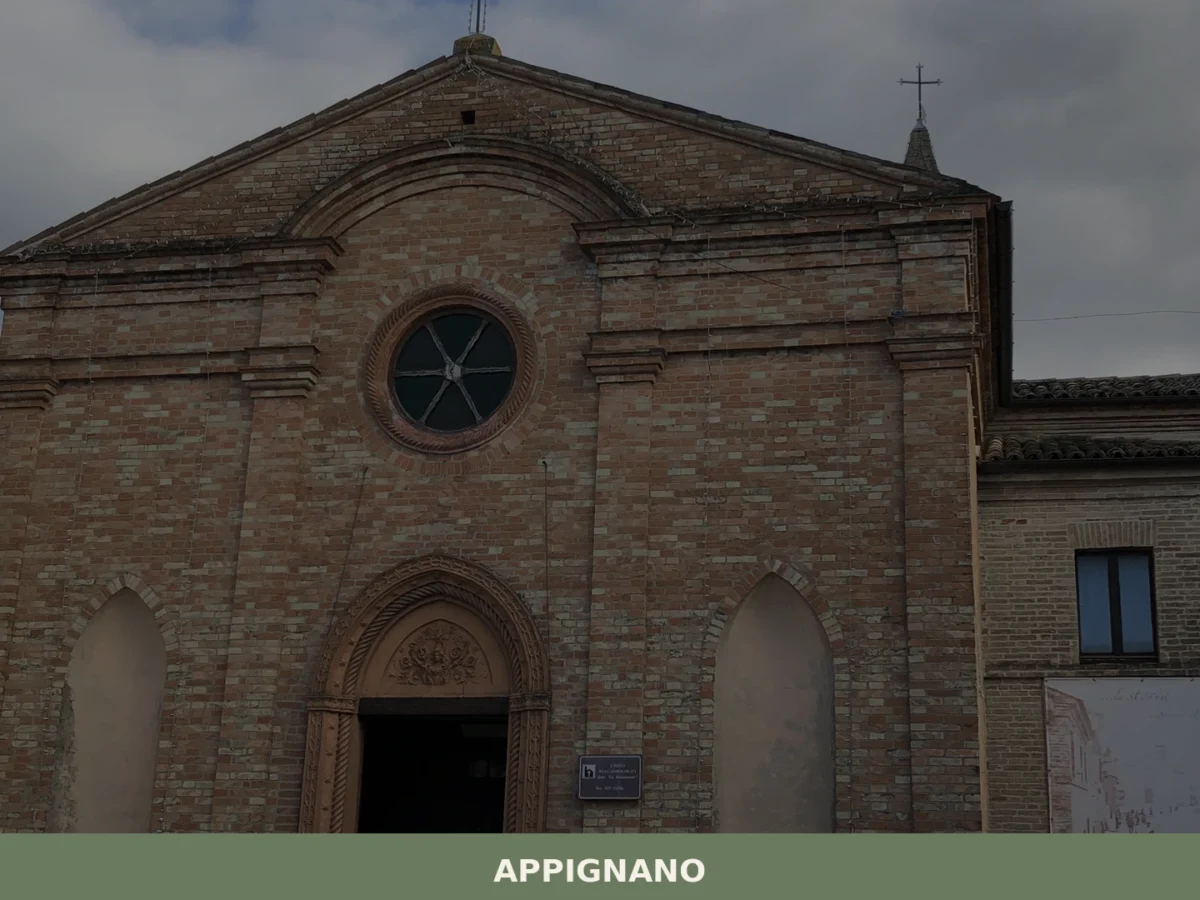
What to see in Appignano, Marche, Italy: discover the church of San Giovanni, local food traditions, and a village 35 km from Ancona. Explore the full guide.
Acquasanta Terme
 Mountain
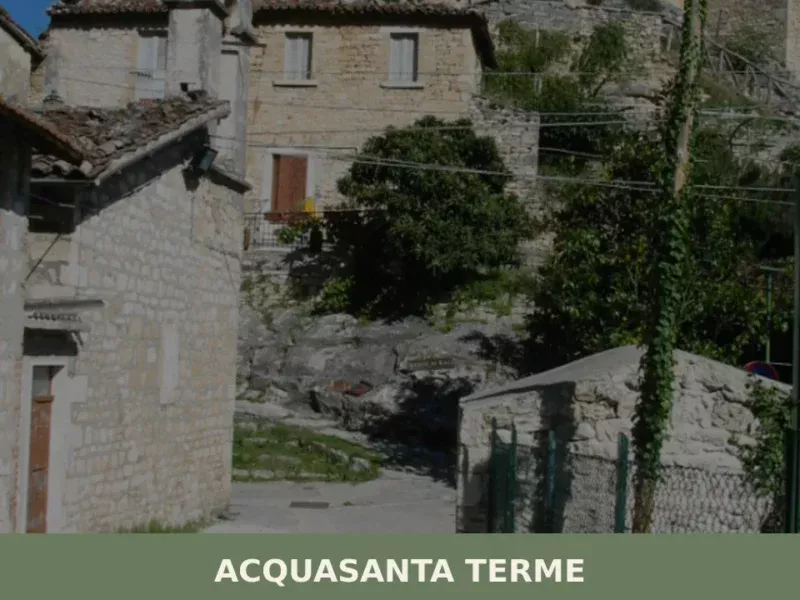
Discover what to see in Acquasanta Terme: Roman thermal baths, Tronto gorge, medieval hamlets and Apennine landscapes in Marche's Ascoli Piceno province.
Monte Cerignone
Hills
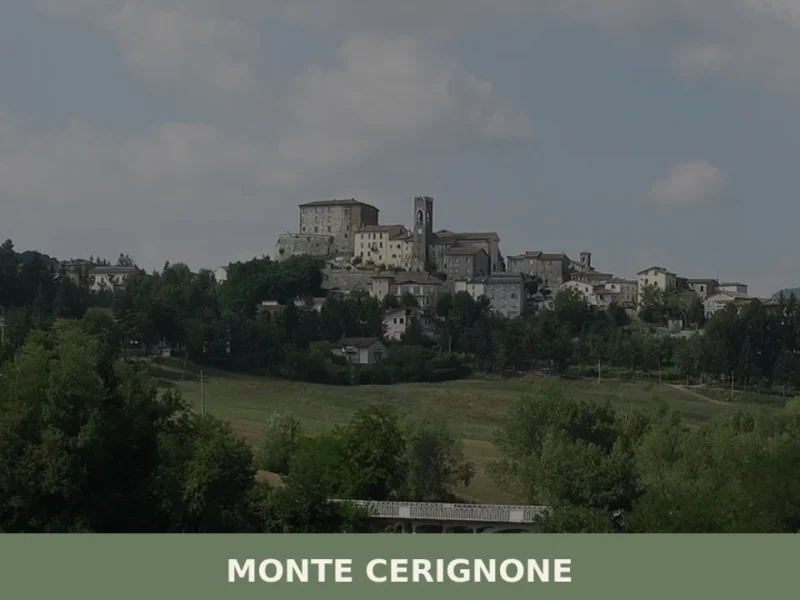
What to see in Monte Cerignone: discover 5 must-see attractions, from Malatesta Fortress to St. Blaise Church. Plan your trip to this Marche village.
Macerata
Hills
What to see in Macerata: discover the 5 main attractions, including the Sferisterio and Piazza della Libertu00e0. Plan your visit to this Marche village.
Acquaviva Picena
Sea
Discover what to see in Acquaviva Picena: medieval fortress, town walls, local food and travel tips for this hilltop village in Ascoli Piceno, Marche.





🏡 Know Apiro better than we do?
If you’re a local or have been there, your knowledge matters: add what’s missing or fix a detail on this page.