


Marostica
 Hills
Hills
Marostica draws visitors with its world-famous living chess match and over 600 years of Scaligeri and Venetian architecture. The IGP cherry alone is worth the detour.
Marostica Veneto: Chess, Medieval Walls and Cherry Orchards
Every two years, in the second weekend of September, the main square of a small walled town at the foot of the Asiago Plateau fills with over 500 costumed figures, horses, drummers and flag-throwers. The squares on the ground are not painted but cut into the stone. The pieces are not carved in wood but are living human beings. The game begins, and a medieval city becomes a theatre.
Marostica Veneto draws two very different kinds of visitor: those who come for the living chess match, one of Italy’s most distinctive folk spectacles, and those who come for the Ciliegia di Marostica, a Protected Geographical Indication cherry grown on the surrounding hills that ripens in late spring and gives the whole territory its most recognisable flavour. Both reasons are completely legitimate, and both will lead you to discover a walled medieval city of considerable depth.
History and Origins of Marostica Veneto
The name itself has resisted easy explanation for centuries. Scholars of earlier eras proposed derivations from Gaius Marius, the Roman general, suggesting that he had camped here during the civil war against Sulla, giving rise to Marii ostium or Marius stetit. Later philologists dismissed these theories as creative but unfounded. The toponomast Dante Olivieri advanced more plausible hypotheses: if the name is pre-Roman or Roman in origin, it may descend from a personal name such as Marosto with the suffix -ĭca denoting belonging. A more recent theory links the name to the term marra, meaning a heap of rocky debris, combined with ostica, referring to the sedimentary hills that define the northern part of the municipality toward the hamlets of Valle San Floriano and Vallonara.
Human settlement in this zone goes back well before any written record. The sunny slopes at the edge of the plain attracted communities from prehistoric times, and finds connected to the Paleoveneti concentrate around the hill of Pauso, closely associated with the nearby necropolis of Angarano from the period known as Este I, roughly the thirteenth to seventh centuries before the common era. After the fall of Rome, the town passed through Ostrogothic, Byzantine and Lombard hands, and a document dated 753 already references a castle on Monte Pauso, confirming that the site held strategic significance long before the medieval town took shape. In the early tenth century, following Magyar invasions that defeated the Italian king Berengario I on the banks of the Brenta, the emperor granted the territory to the bishop of Padua, with the obligation to build defensive fortifications.
The medieval centuries were turbulent. The Ezzelini dynasty controlled the area from before 1140, and the town changed hands several times between that family and the Commune of Vicenza, which purchased it in 1218 for forty thousand Veronese lire only to lose it again to Ezzelino III in 1235. After his defeat at the battle of Cassano d’Adda in 1259, Marostica returned to Vicenza, then passed to Padua, and in 1311 came under the Scaligeri of Verona. It was under this dynasty that the town acquired its definitive urban character: the two castles were built, and the circuit of walls was begun in 1372. The Visconti held the town briefly from 1387 before the Republic of Venice took control in 1404, establishing a podesteria that would govern the town for nearly four centuries. Napoleon’s arrival in 1797 ended Venetian rule abruptly, and the Veneto eventually became part of the Kingdom of Italy in 1866, following the Third War of Independence.
During the First World War, Marostica served as a staging post for troops fighting on Monte Grappa and the Altopiano dei Sette Comuni. The celebrated Brigata Sassari passed through the hamlet of Vallonara, leaving a trace in local memory that has never entirely faded.
What to See in Marostica: Top Attractions
Piazza Castello and the Chess Square
The central square of Marostica is paved in a chessboard pattern of light and dark stone, large enough to accommodate human-scale pieces moving across sixty-four squares. The tradition of staging a living chess match here began in 1923, drawing on a legend set in 1454 in which two noblemen competed for the hand of a local lord’s daughter by playing chess rather than fighting a duel. Historical documentation for the 1454 event does not exist, but the modern spectacle that the story inspired has become genuinely extraordinary. Held every two years in even-numbered years, the match involves hundreds of participants in period costume, with torchlight, drumming and elaborate choreography. If you plan to attend, book accommodation and tickets months in advance. Even outside the event years, the square itself rewards a slow visit: the proportions, the surrounding arcaded buildings and the backdrop of the lower castle create a coherent medieval scene without reconstruction.
Castello Inferiore
The lower castle sits at the western edge of the main square and forms its most prominent architectural backdrop. Built under the Scaligeri in the fourteenth century, it was later adapted during the Venetian period to serve administrative functions, housing the seat of government after it was relocated from the upper castle. The internal courtyard contains a chapel whose interior was renovated during the seventeenth century by a Venetian administrator. Today the space functions as the town’s council chamber. The castle also contains the Museo Internazionale degli Scacchi Giovanni Longo, Italy’s dedicated chess museum, which documents the history of the game through pieces, boards and archival materials from across the world. Visiting the museum and the castle together takes roughly ninety minutes at a comfortable pace.
Castello Superiore and the Walls
A path climbs from the edge of town to the upper castle, set on the ridge above and connected to the lower castle by a long stretch of intact medieval walls that loop around the inhabited centre. The walls were begun under the Scaligeri in 1372 and were subject to restoration work completed in 1936. Walking the circuit gives a clear sense of how comprehensively the Scaligeri fortified the town and how little the basic defensive envelope has changed. The upper castle itself is more ruined than its counterpart below, but the views over the valley, the cherry orchards and the distant profile of the Asiago Plateau justify the climb entirely. The route is accessible on foot and takes about thirty minutes each way from the town centre.
Palazzo del Doglione
On the northern side of the main square stands the Palazzo del Doglione, a building with a history considerably older than its current appearance suggests. The structure originated as a fortified customs post — a rocca di mezzo — on what was once the main road connecting Bassano del Grappa to Vicenza. Already documented in 1218, it served the Venetian administration as the seat of the chancellery, the Monte di Pietà and the town armoury. The building and its tower were substantially rebuilt in the 1930s after structural deterioration made the earlier fabric unsafe. The tower now belongs to the municipality; the palazzo has housed banking functions for much of its modern life. Despite the reconstructions, the building’s position and the stories layered within it make it a useful starting point for understanding how the town’s commercial and administrative geography was organised.
Churches of Marostica
The town contains a notable concentration of religious buildings within its walls, most of them developed or significantly expanded during the fifteenth century under Venetian rule. The parish church of Sant’Antonio Abate dates to 1383, from the Scaligeri period, and its associated scoletta of the Santissimo Sacramento represents a characteristic type of Venetian lay confraternity architecture. The church of the Madonna del Carmine, completed between 1618 and 1619, effectively marked the end of the building programme inside the walls. The complex of San Rocco preserves a Dominican church and convent completed after 1516, while San Gottardo and the Santi Fabiano e Sebastiano complex also date from the fifteenth-century building campaign. The parish church of Santa Maria Assunta functions as the town’s cathedral. None of these buildings is monumental in scale, but together they trace the entire arc of Marostica’s religious urban development from the Scaligeri to the late Venetian period.
Food and Local Products of Marostica
The Ciliegia di Marostica holds Protected Geographical Indication status and defines the agricultural identity of the area more than any other product. Several distinct varieties are grown on the terraced hills surrounding the town, each ripening at a slightly different point in the season between late May and late June. The combination of volcanic and alluvial soils, the shelter provided by the Asiago Plateau and the temperature variation between day and night produces fruit with a sugar concentration and firmness that growers in the area have cultivated for centuries. During the harvest period, roadside stalls and farm shops open throughout the territory, and the town holds a dedicated cherry festival that draws visitors from across the Veneto and beyond. Buying directly from producers in the hamlets above the town, such as Valle San Floriano or Vallonara, is both more economical and more interesting than purchasing from shops in the centre.
Beyond cherries, the broader food culture of Marostica reflects its position at the boundary between the Veneto plain and the pre-Alpine zone. Corn-based dishes, notably polenta in its various incarnations, form a backbone of the local diet alongside braised meats and freshwater fish from the rivers and streams that descend from the plateau. The sopressa vicentina, a large cured pork salami with a distinctive soft texture and mild spicing, is produced by several local butchers and farms and makes an ideal purchase for travellers. Paired with the local Breganze wines — produced in the DOC zone a short distance to the south — it constitutes a thoroughly regional aperitivo. The Breganze appellation covers both white wines based on Tocai and Pinot Bianco and reds based on Merlot and Cabernet, giving visitors plenty of options for pairing with the range of local preparations.
Restaurants in Marostica tend toward the solid and unfussy rather than the experimental. The best of them source their cherries and vegetables from nearby farms and their meat from the surrounding hills. For a more complete picture of the food territory, consider extending a visit to neighbouring areas: the thermal zone around Abano Terme and the valley toward Alano di Piave both sit within a reasonable drive and add contrasting food and landscape experiences to an itinerary based in Marostica. The town has a Thursday morning market in the main square that covers both food products and general goods, and this is the most immediate way to connect with what is actually being grown and produced in the surrounding countryside at any given season.
When to Visit Marostica and How to Get There
The question of timing depends almost entirely on what draws you to the town. Cherry season from late May through June combines good weather, the best local produce and relatively light crowds outside the immediate town centre. The living chess event, held in even-numbered years on the second weekend of September, creates an atmosphere unlike anything else in the Veneto, but it also brings large crowds and significantly higher accommodation prices in the entire area. If your interest is the medieval architecture and the castle walls without the pressure of crowds, March, April and October all offer mild temperatures, clear skies and a much quieter experience. The patron saint’s feast of San Simeone provides a further occasion for local celebrations worth timing a visit around. Winter brings cold and occasional snow, but the town’s enclosed character and the warmth of its restaurants make it a viable low-season destination for anyone travelling through the area between Vicenza and Padova.
Marostica sits at 103 metres above sea level in a zone that benefits from a temperate continental climate. Summers are hot and humid, with the heaviest rainfall concentrated in spring and again in autumn. If you arrive by car, the town is straightforward to reach from the A31 Valdastico motorway, with a direct connection via the SS248 from Bassano del Grappa, roughly eight kilometres to the east. Parking is available outside the main gates. By train, the nearest mainline station is Bassano del Grappa, served by regional trains from Vicenza and Padova, with local bus connections covering the final stretch to Marostica. Visitors travelling from further afield who use Padova or the Veneto hill towns as a base will find Marostica easily slotted into a broader itinerary across the province of Vicenza.
| Departure | Distance | Time |
|---|---|---|
| Vicenza | 28 km | 35 min by car |
| Bassano del Grappa | 8 km | 12 min by car / 20 min by bus |
| Padova | 55 km | 55 min by car |
| Venice (Venezia) | 90 km | 1 hr 10 min by car |
| Verona | 85 km | 1 hr by car |
The official municipal website at comune.marostica.vi.it carries updated information on events, the chess match programme and local services. The town holds the Bandiera Arancione recognition from the Touring Club Italiano, a quality certification for smaller tourist destinations that confirms the standard of cultural and environmental offer. For a single-day visit, the castle circuit, the chess museum and the main square form a self-contained programme. For those who want more, the surrounding hills, the cherry farms and the connections toward the rest of the province make Marostica Veneto a natural base for two or three nights of exploration in a part of the Veneto that receives far less attention than it deserves.
Frequently asked questions about Marostica
Come si raggiunge Marostica in auto o in treno?
In auto, Marostica si raggiunge dall'autostrada A31 Valdastico, uscita Dueville/Marostica, oppure dall'A4 Venezia-Milano, uscita Vicenza Est, proseguendo verso nord sulla SR248. In treno, la stazione più vicina è Vicenza (circa 30 km), servita da Trenitalia; da lì si prosegue in autobus con la linea FTV diretta a Marostica. Da Bassano del Grappa, distante circa 7 km, partono collegamenti bus frequenti.
Quanto tempo serve per visitare Marostica e dove si parcheggia?
Una visita completa del centro storico, incluse le mura medievali e i due castelli, richiede circa 3-4 ore. Il parcheggio principale è situato fuori dalla cinta muraria, in prossimità di Porta Bassano e Porta Vicenza, ed è generalmente gratuito. In occasione della Partita a Scacchi o nei weekend di punta estivi, si consiglia di arrivare nelle prime ore del mattino per trovare posto con facilità.
Quali sono i sentieri e i percorsi outdoor nei dintorni di Marostica?
Le colline attorno a Marostica, parte dei Colli Alti Vicentini, offrono diversi sentieri CAI segnalati che collegano il Castello Superiore al territorio collinare circostante. Il percorso delle ciliegie è un itinerario cicloturistico e a piedi tra i frutteti della zona IGP, particolarmente suggestivo in primavera. Il comprensorio è inoltre collegato alla rete ciclabile della Riviera Berica e ai percorsi verso l'Altopiano di Asiago.
Quando si festeggia il patrono San Simeone a Marostica?
Il patrono di Marostica è San Simeone, la cui festa liturgica cade il 28 ottobre. Le celebrazioni si svolgono tipicamente con funzioni religiose nella chiesa parrocchiale del centro storico. Per informazioni aggiornate sul programma civile e religioso della festa patronale si consiglia di consultare il sito del Comune di Marostica o la Pro Loco locale.
Esiste una curiosità storica sul Castello Superiore di Marostica?
Il Castello Superiore, costruito dagli Scaligeri nel XIV secolo a 374 metri di quota, era collegato al Castello Inferiore in piazza da una doppia cinta muraria di circa 800 metri ancora intatta. Durante il dominio veneziano (dal 1404) le mura furono ampliate e consolidate. Il castello superiore è oggi di proprietà privata ma viene occasionalmente aperto al pubblico in occasione di eventi culturali e offre una vista panoramica sull'intera pianura vicentina fino a Venezia.
📷 Photo Gallery — Marostica


In Veneto More villages to discover
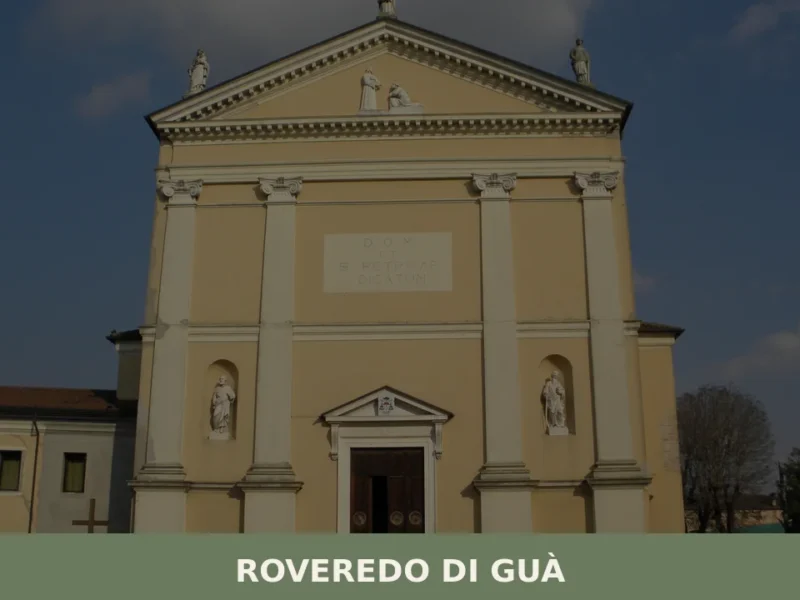
Roveredo di Guà
 Plains
Roveredo di Guà has 1,542 inhabitants and covers an area of just 8 square kilometres on the lower Veronese plain, 16 metres above sea level, along the course of the Guà canal — a branch of the Adige river system that has determined the shape and economy of this territory. Understanding what to see in […]
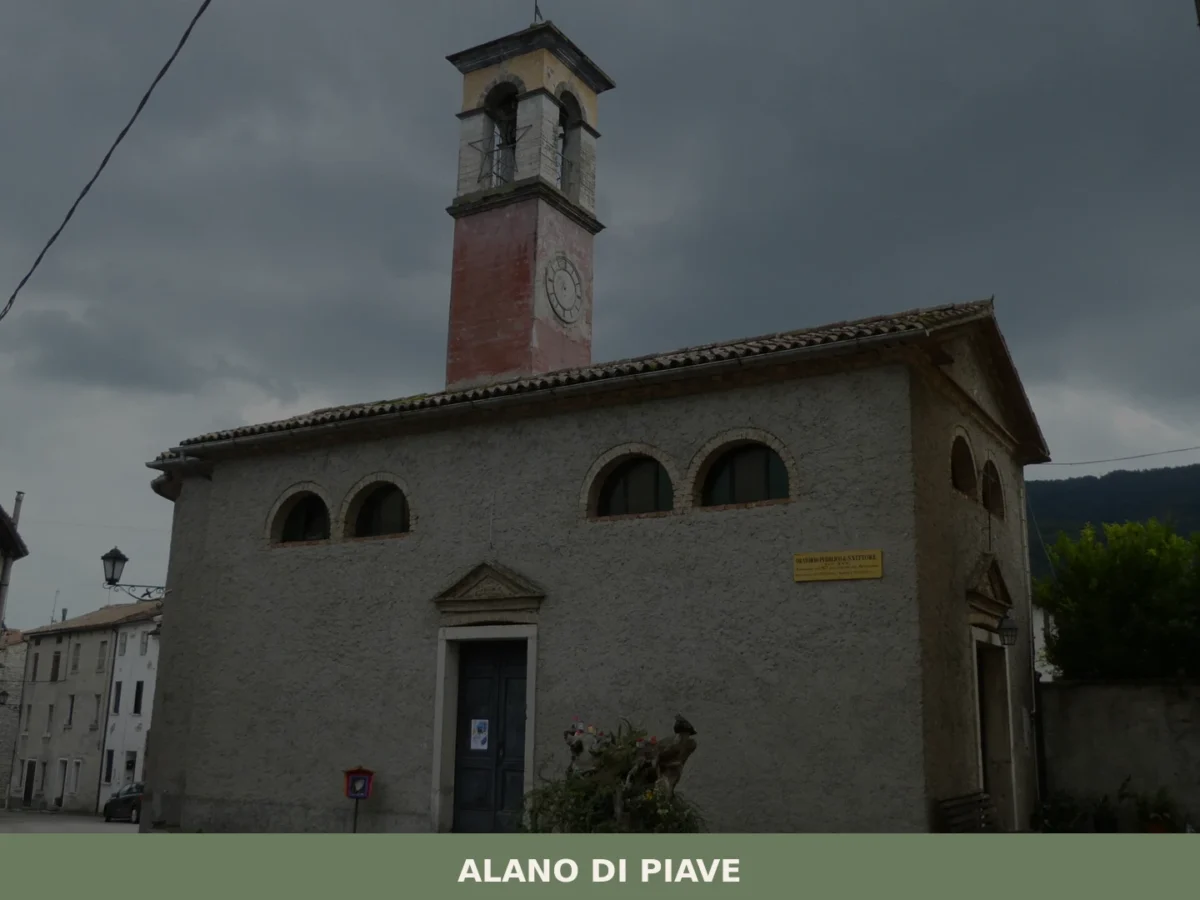
Alano di Piave
 Mountain
What to see in Alano di Piave? Explore the 5 main attractions of this Venetian village, blending history and nature. Your complete guide to not miss a thing. Plan your visit!
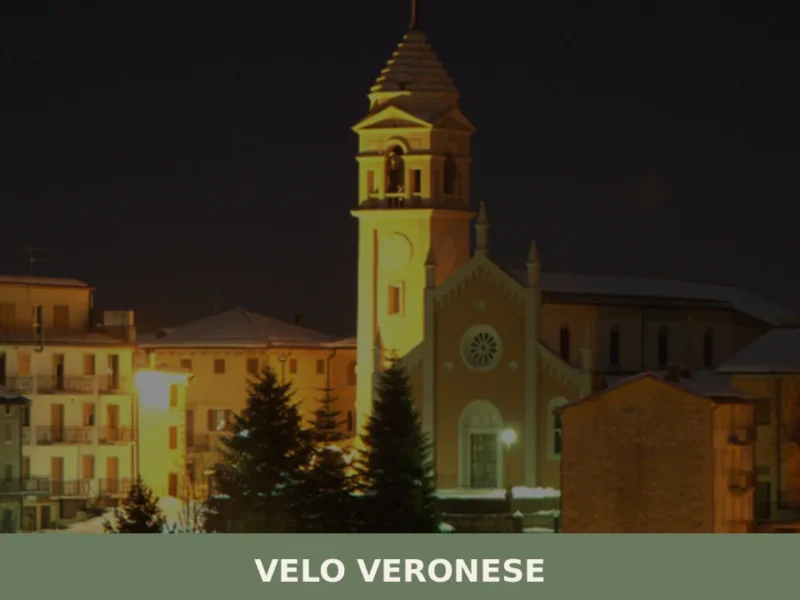
Velo Veronese
Mountain
At 1,087 metres above sea level, on the eastern slope of the Lessinia range in the Verona province, Velo Veronese has 770 inhabitants spread between its central nucleus and the scattered contrade (hamlets) across the plateau. Anyone wondering what to see in Velo Veronese should know that this municipality is the main gateway to the […]
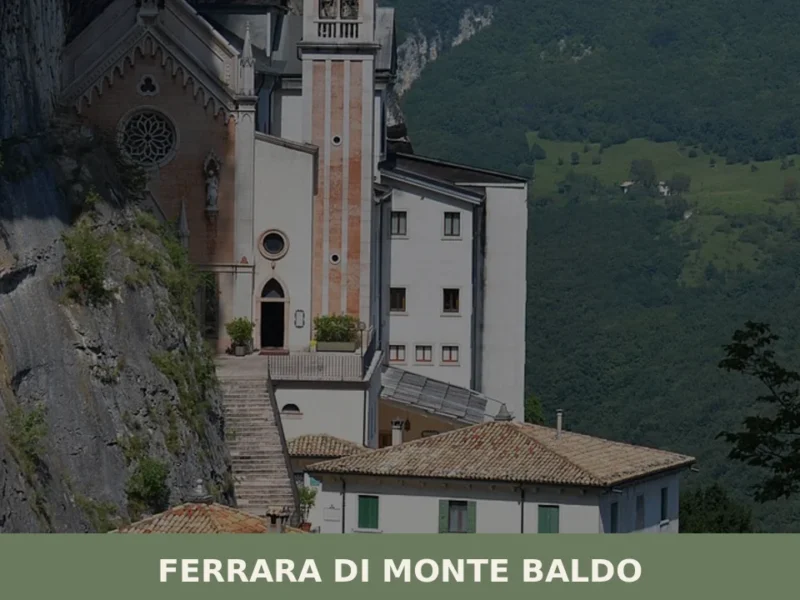
Ferrara di Monte Baldo
Mountain
With its 223 registered inhabitants and an elevation of 856 metres above sea level, Ferrara di Monte Baldo is the least populated municipality in the province of Verona. Its territory extends along the western slope of Monte Baldo, the ridge that separates the Val d’Adige from Lake Garda. Understanding what to see in Ferrara di […]
Brentino Belluno
Plains
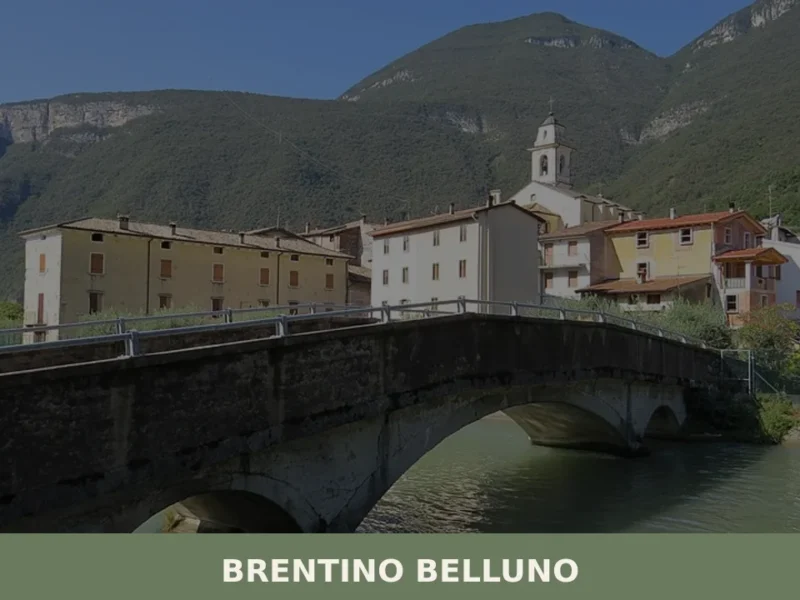
At 137 metres above sea level, where the Adige Valley narrows between Monte Baldo and the Lessini Mountains, Brentino Belluno is a municipality of 1,363 inhabitants created in 1929 through the administrative merger of two distinct settlements: Brentino, on the left bank of the Adige, and Belluno Veronese, clinging to the eastern slope of Monte […]
San Zeno di Montagna
Mountain
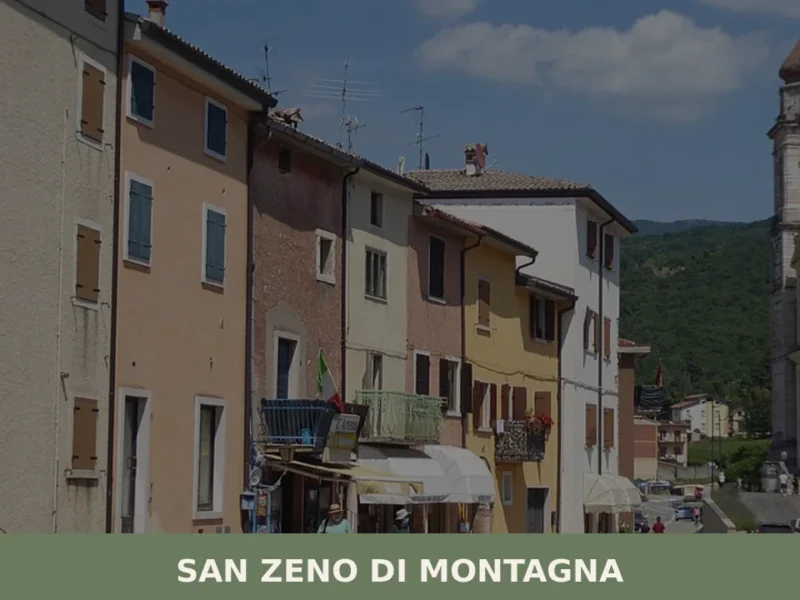
At 680 metres above sea level, on the eastern slope of Monte Baldo, San Zeno di Montagna has 1,376 inhabitants spread across a constellation of contrade — Lumini, Castello, Villanova, Ca’ Montagna — each retaining its own architectural and topographic identity. The municipal territory extends from 300 to 2,200 metres in altitude, a range that […]

Sommacampagna
Plains
Sommacampagna offers 3 DOC wine appellations and two landmark Risorgimento battle sites on the Custoza morainic hills, just 12 km from Verona.
Erbezzo
Mountain
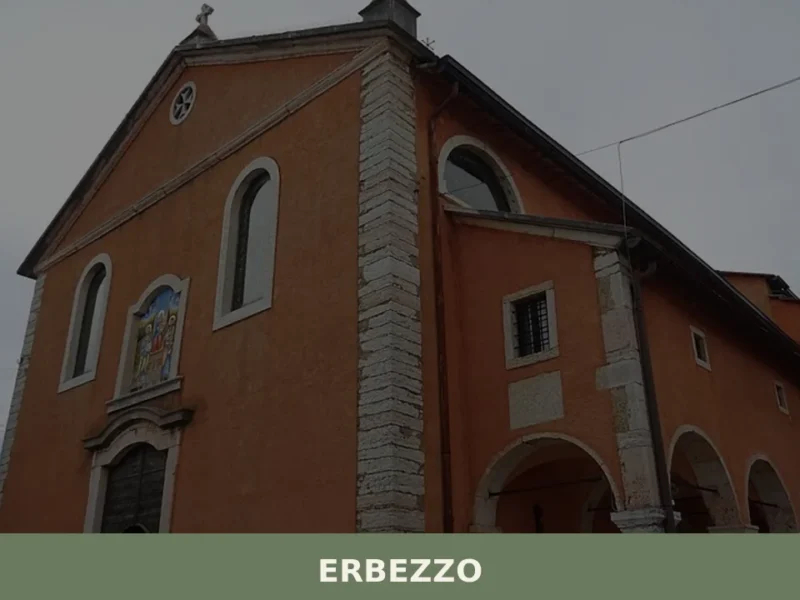
At 1,118 metres above sea level, on the eastern edge of the Veronese Lessinia, Erbezzo has 756 inhabitants spread between the municipal centre and a handful of hamlets scattered across the pastures. It is the highest municipality in the province of Verona and one of the few where the pastoral economy has never fully given […]
San Mauro di Saline
Mountain
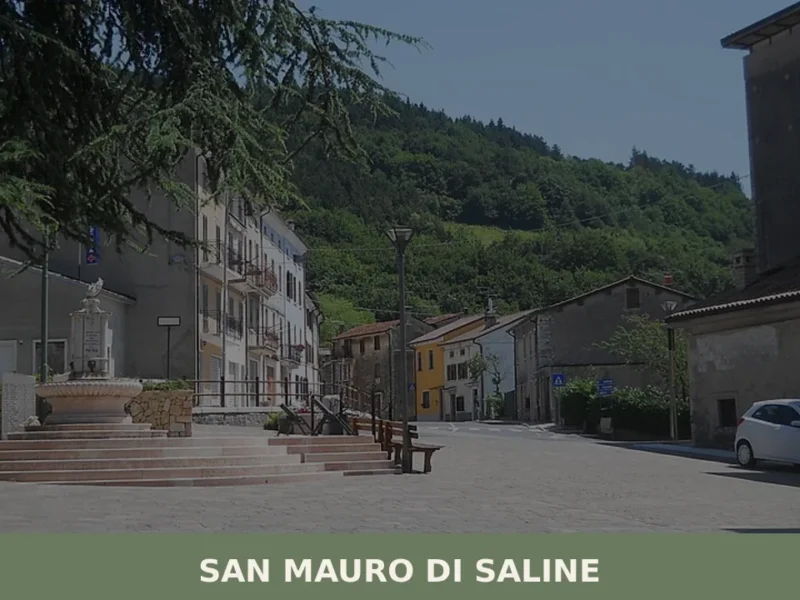
At 804 metres above sea level, on the eastern slope of the Veronese Lessini Mountains, San Mauro di Saline has a current population of 558 inhabitants spread between the municipal centre and the scattered hamlets along the pastures. The village’s name derives from the saline — the brackish water pools that historically surfaced in this […]
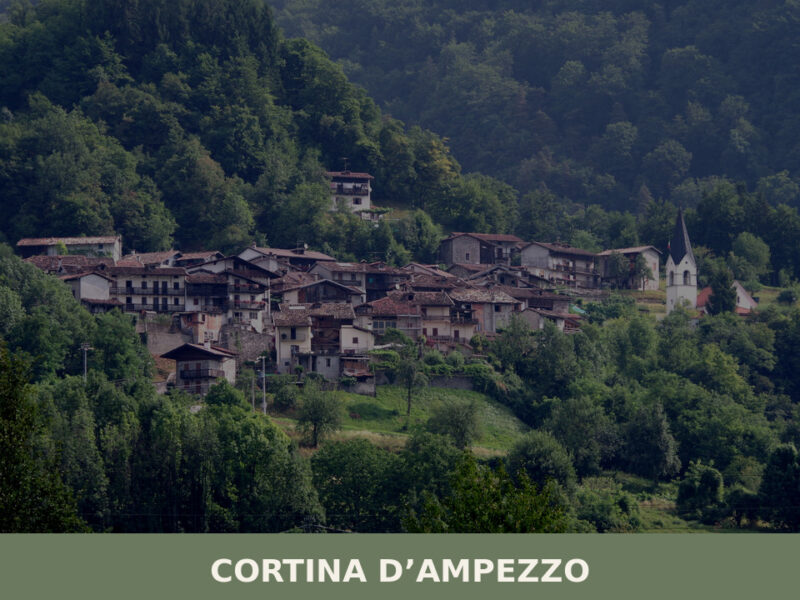
Cortina d’Ampezzo
Mountain
A complete guide to what to see in Cortina d'Ampezzo — from Dolomite peaks and WWI tunnels to Ladin cuisine and centuries-old communal traditions.


🏡 Know Marostica better than we do?
If you’re a local or have been there, your knowledge matters: add what’s missing or fix a detail on this page.