
 Montagna
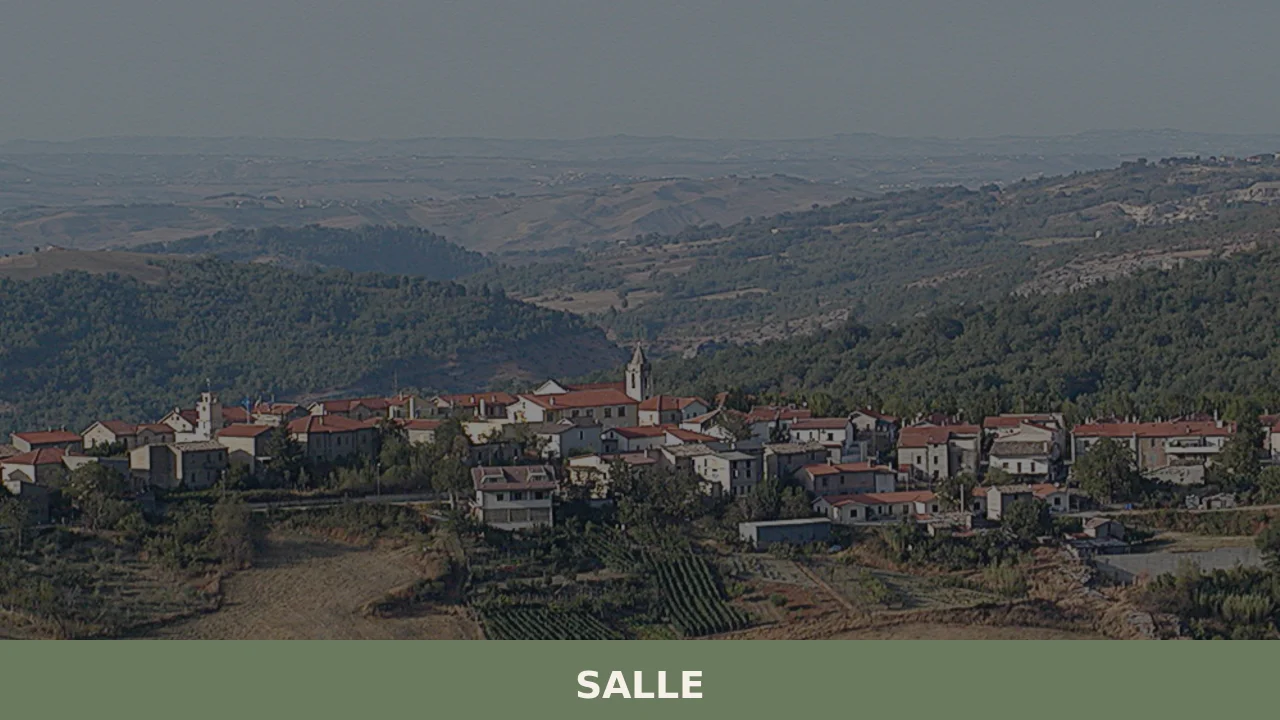
From its elevation of 680 m (2,231 ft) above sea level, the village of Salle overlooks the Orta Valley, where the river carves through limestone gorges towards the Majella massif. Stone houses, built from local materials, cluster tightly along ancient pathways, revealing centuries of human habitation in this mountainous landscape. The air often carries the […]
From its elevation of 680 m (2,231 ft) above sea level, the village of Salle overlooks the Orta Valley, where the river carves through limestone gorges towards the Majella massif.
Stone houses, built from local materials, cluster tightly along ancient pathways, revealing centuries of human habitation in this mountainous landscape.
The air often carries the scent of wild herbs and damp earth, a constant reminder of the surrounding natural environment.
This setting provides a distinct sense of place, blending human history with the rugged beauty of the Abruzzese Apennines.
For those wondering what to see in salle, this village, home to approximately 280 residents, offers a rich array of experiences. Visitors to Salle find compelling historical sites, such as the imposing Castello di Salle, and opportunities to explore the dramatic natural landscapes of the Majella National Park.
The Salle highlights include its well-preserved medieval architecture and the renowned local gastronomic traditions, inviting exploration beyond its surface.
The origins of Salle, a village in the Abruzzo region of Italy, trace back to the early medieval period, with documented settlements appearing around the 10th century.
While the name “Salle” derives from the French word for ‘hall’ or ‘room,’ its specific application to this Italian village is believed to relate to a significant communal building or administrative center from its early development.
The strategic position of the settlement, controlling routes through the Orta Valley, made it a desirable location, leading to its fortification over successive centuries.
Early records indicate a dependency on larger feudal estates in the area.
During the 13th century, Salle came under the dominion of the powerful d’Aquino family, who oversaw the construction and expansion of the Castello di Salle, transforming it into a formidable defensive stronghold.
This period marked a significant era of development for the village, with the castle serving as both a residence and a military outpost protecting the surrounding territories. Historical documents from 1279 detail the castle’s structure and the village’s population, indicating a community of around 50 families engaged primarily in agriculture and pastoralism.
The village continued to evolve through the Renaissance, often caught in regional power struggles.
The 18th and 19th centuries brought periods of both prosperity and hardship, including the devastating 1706 earthquake which caused significant damage to many structures in the region, requiring extensive reconstruction efforts in Salle. Despite these challenges, the community rebuilt and maintained its identity, preserving much of its historical fabric.
For those planning what to see in salle, the village today maintains a population of approximately 280 inhabitants, a figure that reflects the gradual demographic shifts common in many smaller Italian mountain communities.
Much like Citerna in Umbria, which also faced significant historical challenges, Salle has transitioned from a purely agricultural economy to one that increasingly embraces tourism, inviting visitors to explore its past and natural surroundings.
The imposing stone walls of the Castello di Salle dominate the village skyline, a testament to its medieval past.
Originally constructed in the 13th century under the d’Aquino family, the castle underwent several modifications, including a significant restoration in the 16th century. Visitors can explore the preserved courtyards and the remnants of its defensive towers, imagining the lives of its former inhabitants, offering a key part of what to see in salle. From the battlements, a sweeping view across the Orta Valley and towards the distant peaks of the Majella National Park unfolds.
Access to the castle grounds is generally open during daylight hours, with guided tours available on weekends during peak season.
Located in the heart of the historic center, the Chiesa di San Salvatore features a simple yet elegant Romanesque facade crafted from local white stone.
Dating back to the 12th century, the church houses a series of well-preserved frescoes from the 15th century depicting scenes from the life of the patron saint.
Inside, the cool, quiet nave offers a sense of reverence, with natural light filtering through small, arched windows. The main altar is adorned with a carved wooden crucifix from the 17th century, a notable example of local craftsmanship. Visitors should note that the church is typically open for worship and visits between 9:00 AM and 6:00 PM daily.
Accessed via a winding path that descends 300 m (984 ft) into the valley, the Grotte del Cavallone represent one of Abruzzo’s most significant karst cave systems. Discovered in 1704, these caves feature vast chambers adorned with intricate stalactites and stalagmites, some reaching heights of over 10 m (33 ft). The temperature inside remains a constant 10°C (50°F) year-round, offering a cool respite in summer.
Guided tours, lasting approximately one hour, lead visitors through illuminated passages, revealing the geological wonders of the Majella massif.
Sturdy footwear is recommended due to the uneven terrain and damp conditions.
Situated within a restored 18th-century building on the edge of the village, the Museo del Lupo Appenninico offers an insightful look into the ecology and conservation of the Apennine wolf.
Opened in 2005, the museum features interactive exhibits, taxidermy specimens, and detailed information on the wolf’s habitat and behavior within the Majella National Park. Educational displays cover the species’ historical presence in the region and ongoing efforts to protect its population. The museum provides valuable context for understanding the local wildlife. It is particularly engaging for families and those interested in natural history, with opening hours from 10:00 AM to 5:00 PM, Tuesday through Sunday.
The Belvedere della Valle d’Orta offers a panoramic vista, accessible by a short 1.5 km (0.9 mi) walk from the village center.
From this viewpoint, positioned at an altitude of 750 m (2,460 ft), visitors can observe the dramatic geological formations of the Orta River gorge and the sprawling green expanse of the national park. The view stretches for many kilometers, encompassing distant peaks and other small villages. This spot is particularly striking at sunrise or sunset, when the changing light illuminates the varied textures of the landscape, creating a memorable visual experience.
A small interpretive panel at the viewpoint identifies key geographical features.
The gastronomic traditions of Salle are deeply rooted in the agricultural and pastoral heritage of the Abruzzo region, reflecting centuries of local resourcefulness.
Visitors exploring what to see in salle often find the local cuisine a significant highlight, characterized by robust flavors, often featuring ingredients sourced directly from the surrounding mountains and valleys.
Influences from both the Apennine highlands and the nearby Adriatic coast create a diverse culinary landscape, though the emphasis remains on hearty, seasonal fare. Many dishes utilize wild herbs, legumes, and the rich meats from local livestock.
Among the typical dishes, visitors to Salle can savor Maccheroni alla Chitarra, a fresh egg pasta cut with a special instrument (a chitarra, meaning ‘guitar’), traditionally served with a rich lamb or mixed meat ragù. Another staple is Agnello Cacio e Ovo, a savory lamb stew prepared with eggs and Pecorino cheese, offering a creamy, flavorful profile.
For those who enjoy more rustic flavors, Polenta con Salsiccia e Spuntature features slow-cooked polenta accompanied by local sausages and pork ribs, a dish particularly popular during colder months.
These preparations highlight the region’s commitment to traditional cooking methods and authentic ingredients.
Salle and its environs are also known for several distinctive products.
The Pecorino di Salle (CERT) is a hard sheep’s milk cheese, aged for at least 60 days, produced in the municipalities of Salle, Caramanico Terme, and San Valentino in Abruzzo Citeriore. Another highly prized local specialty is the Tartufo della Majella, referring to the various species of truffles, both black and white, harvested in the Majella National Park. These truffles are used to enhance many local dishes, from pasta to eggs, and are often featured in seasonal culinary events.
Local producers offer these products directly, ensuring freshness and quality.
Throughout the year, local markets provide opportunities to purchase these regional delicacies. In Salle, a small weekly market is held every Friday morning in the main piazza, offering fresh produce, cheeses, and artisanal goods. During late autumn, the village hosts a modest sagra, a traditional local food festival, dedicated to the truffle, where visitors can sample and purchase freshly harvested truffles and related products.
This event offers a direct connection to the agricultural rhythms of the area.
The cultural calendar of Salle is marked by several traditional events that reflect the community’s deep-seated heritage and religious devotion.
The most significant annual celebration is the feast of San Salvatore, the village’s patron saint, observed on August 6th.
This day begins with a solemn morning mass, followed by a procession through the village streets, where a statue of the saint is carried by local parishioners. The procession is often accompanied by a local band playing traditional music, creating a festive yet reverent atmosphere. The evening culminates with communal gatherings, often featuring traditional food and a display of fireworks over the valley.
Beyond the patron saint festival, Salle also hosts an annual Festa del Tartufo (Truffle Festival) in late October, celebrating the prized local truffles harvested from the Majella National Park.
This event attracts visitors and vendors from across the region, offering tastings, cooking demonstrations, and opportunities to purchase fresh truffles and truffle-based products, adding another dimension to what to see in salle.
Another tradition, particularly observed during the Christmas season, involves the recreation of a traditional Nativity scene, often incorporating local crafts and settings within the historic center. These events provide insight into the enduring customs and communal spirit of Salle.
The best time to visit Salle, Italy, largely depends on your preferences for climate and activities.
For those planning what to see in salle, spring (April to June) and early autumn (September to October) offer pleasant temperatures, ideal for hiking in the Majella National Park and exploring the village on foot.
During these periods, the landscape is vibrant with wildflowers or rich autumn colors, and the crowds are generally smaller. Summer (July and August) brings warmer weather, which is perfect for outdoor activities, though it is also the peak tourist season, particularly around local festivals.
Winter months can be cold and snowy, appealing to those seeking quiet retreats or winter sports in nearby areas, though some attractions might have reduced hours.
Salle is generally accessible, though its location in the Apennine mountains means some terrain can be steep and uneven, especially around the castle and natural attractions. For those arriving by car, the village is reachable via the A25 motorway (Autostrada dei Parchi), taking the Bussi sul Tirino exit, which is approximately 15 km (9.3 mi) from Salle. The nearest major train station is Pescara Centrale, located about 60 km (37 mi) away, with regular services connecting to Rome and other major Italian cities via Trenitalia.
From Pescara, local buses or rental cars are necessary to reach Salle.
The nearest airport is Pescara Abruzzo Airport (PSR), situated approximately 55 km (34 mi) from the village, with an estimated travel time of about 50 minutes by car.
For those considering a day trip from a major hub, Rome is approximately 190 km (118 mi) away, a drive of about 2 hours and 30 minutes, making Salle a feasible, though extended, excursion.
International visitors will find that while English may be limited in smaller shops and local eateries, the warmth of the community compensates for any language barrier. It is always useful to carry some Euros cash, as not all establishments in smaller villages accept credit cards. Planning your journey, especially public transport connections, in advance is advisable, as services can be less frequent than in larger urban centers.
Visitors should also consider exploring nearby villages like Prata Sannita in Campania, which shares a similar historical development with medieval fortifications, offering a broader experience of Italy’s lesser-known regions.
Accommodation options near Salle cater to a range of preferences, offering authentic experiences rooted in the Abruzzese landscape.
Visitors can find several family-run agriturismi, farm stays that provide comfortable lodging and often serve traditional meals prepared with local ingredients.
These establishments, typically located within a few kilometers of the village, offer a peaceful retreat amidst olive groves or vineyards. Additionally, a selection of charming bed and breakfasts operates within Salle’s historic center, providing intimate settings and direct access to the village’s attractions.
These often occupy renovated historic buildings, offering a glimpse into traditional Abruzzese living.
For those preferring self-catering options, various holiday rentals and small apartments are available for short-term stays, particularly during the peak summer months.
While there are no large hotels directly within Salle, nearby towns like Caramanico Terme, approximately 10 km (6.2 mi) away, offer a wider array of hotel facilities, including spa resorts. Booking in advance, especially during festival periods or the high season, is highly recommended to secure preferred lodging.
Many accommodations provide stunning views of the Majella mountains or the Orta Valley, enhancing the overall visitor experience.
Visitors to Salle, Abruzzo can also consider extending their exploration to other historically rich Italian villages. For instance, Belmonte Calabro in Calabria offers a distinct southern Italian experience, sharing a common thread of medieval fortifications and a strong connection to regional traditions, providing a broader understanding of Italy’s diverse heritage.
 Hills
Hills
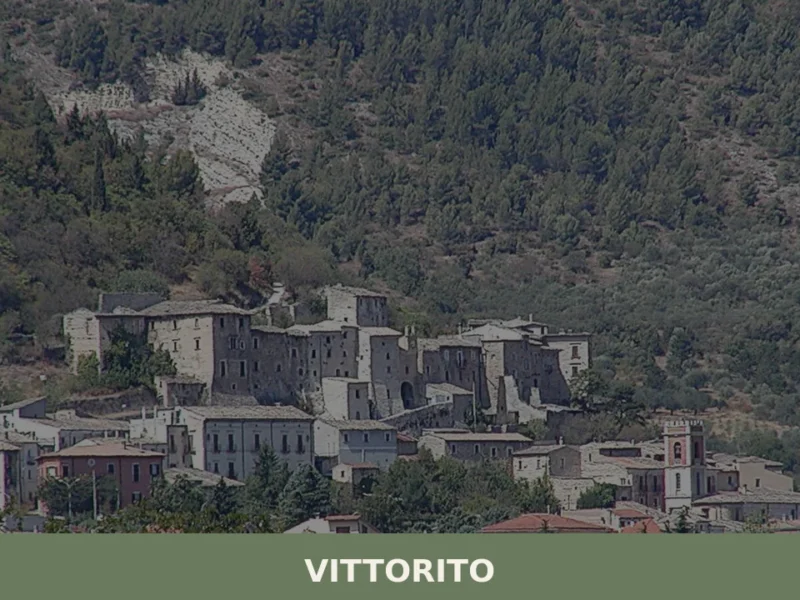
What to see in Vittorito: 5 attractions in this Abruzzo village, including the Church of San Pietro, the castle, and the historic centre. Discover the full guide.
 Mountain
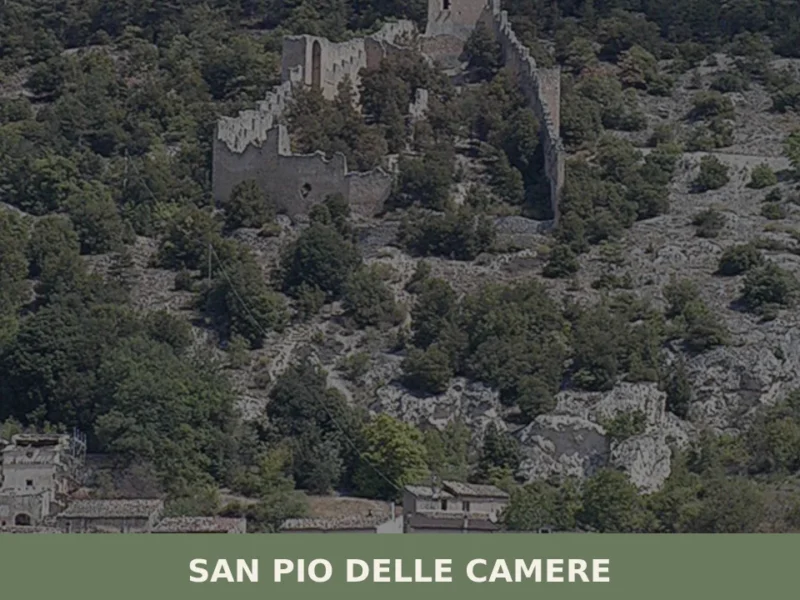
What to see in San Pio delle Camere, Abruzzo, Italy: explore 5 top attractions including a medieval castle and Peltuinum ruins. Discover this L'Aquila village.
 Mountain
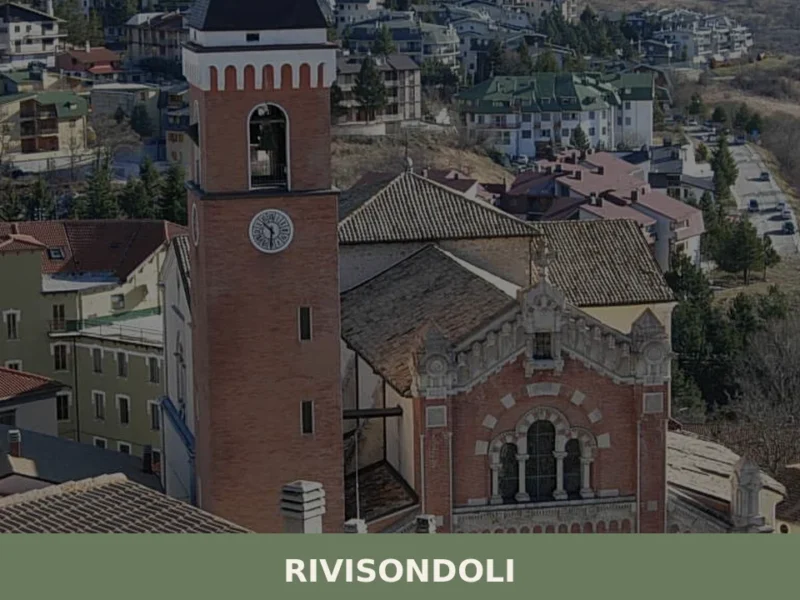
What to see in Rivisondoli, Italy: ski slopes, medieval history since 724 AD, and mountain cuisine. Explore this 684-resident Abruzzo village. Discover it now.
📝 Incorrect information or updates?
Help us keep the Salle page accurate and up to date.