


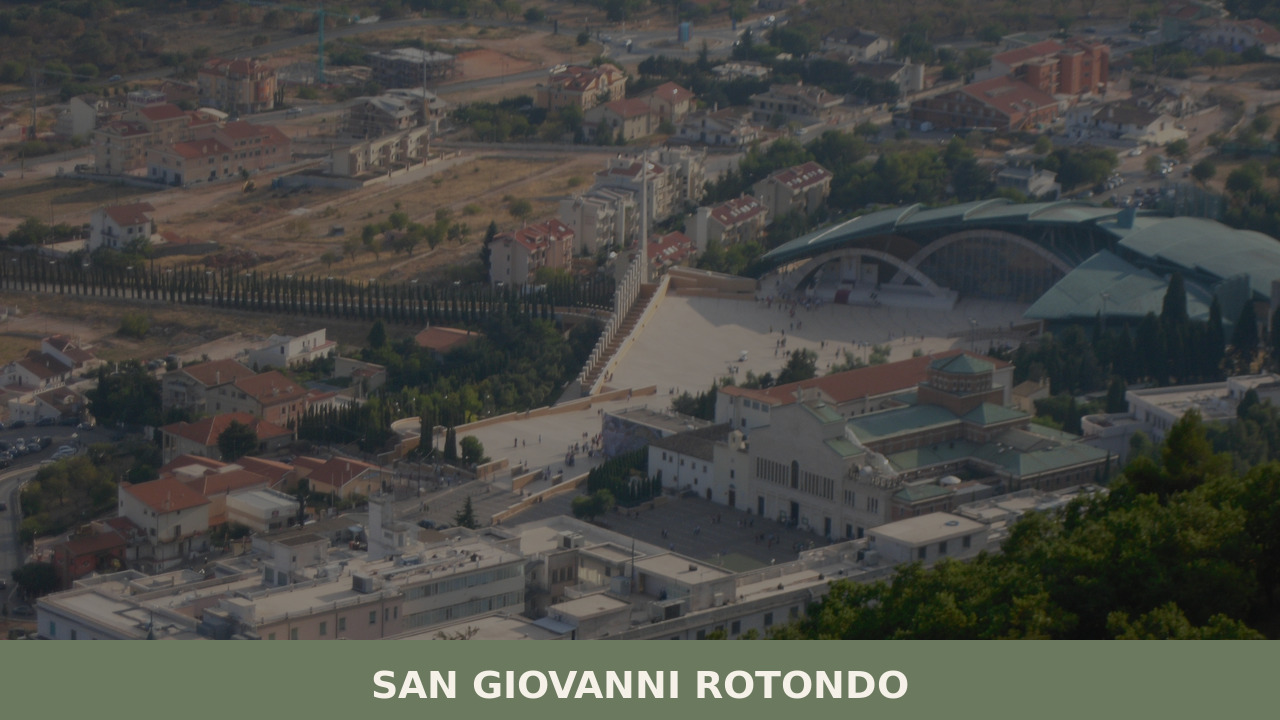
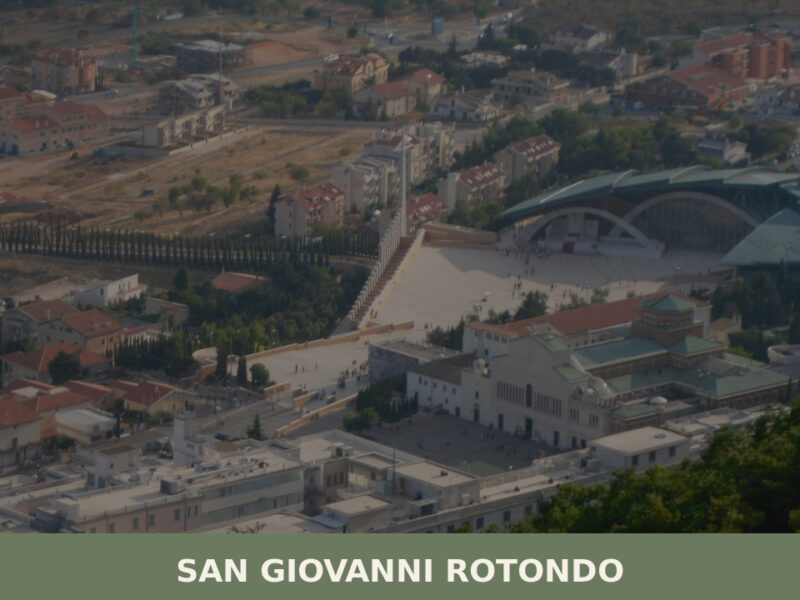
San Giovanni Rotondo
 Hills
Hills
San Giovanni Rotondo, in the Apulian Gargano, combines faith, medieval history, and nature. Discover the must-see attractions, traditional dishes, and tips for visiting Padre Pio’s hometown.
Discover San Giovanni Rotondo
Perched at 566 metres above sea level on the sun-drenched slopes of the Gargano promontory, San Giovanni Rotondo is a place where faith, history, and breathtaking Apulian landscapes converge. Known worldwide as the home of Padre Pio, this town of over 26,000 inhabitants in the province of Foggia draws millions of pilgrims and curious travellers every year. If you’re wondering what to see in San Giovanni Rotondo, prepare to be surprised: beyond its sacred shrines, you’ll find medieval lanes, dramatic mountain scenery, and a culinary tradition rooted in the soul of Puglia.
History of San Giovanni Rotondo
The origins of San Giovanni Rotondo stretch back to antiquity. The town’s distinctive name is believed to derive from a round temple — a rotonda — dedicated to the god Janus, which early Christians later consecrated as a baptistery devoted to Saint John the Baptist. Archaeological evidence suggests that the area was inhabited since at least the Daunian period, and the settlement grew around this sacred circular structure that still survives in part today.
During the medieval era, San Giovanni Rotondo developed as a fortified hilltop town, benefiting from its strategic position along pilgrimage routes crossing the Gargano massif. Norman, Swabian, and Angevin rulers left their marks on its architecture and civic life. The town endured earthquakes, feudal struggles, and periods of hardship, yet its community persisted, anchored by agriculture, pastoralism, and an unshakeable devotion to its patron saints.
The figure who transformed San Giovanni Rotondo from a quiet mountain village into an international destination was Padre Pio of Pietrelcina (1887–1968). The Capuchin friar arrived at the Convent of Santa Maria delle Grazie in 1916 and remained here for over fifty years, reportedly bearing the stigmata and drawing countless followers. His canonisation in 2002 cemented the town’s status as one of the most visited pilgrimage sites in Europe, reshaping its economy, infrastructure, and identity.
What to see in San Giovanni Rotondo: 5 must-visit attractions
1. Sanctuary of Santa Maria delle Grazie
The historic Capuchin convent and adjoining church where Padre Pio celebrated Mass for decades form the spiritual heart of the town. Visitors can see the original small church, the friar’s cell, and the crypt where his body was first interred. The atmosphere is profoundly contemplative, offering an intimate glimpse into the daily life of one of Catholicism’s most beloved modern saints.
2. Church of San Pio — Renzo Piano’s Masterpiece
Inaugurated in 2004 and designed by the celebrated architect Renzo Piano, this monumental church can accommodate over 6,000 worshippers, making it one of the largest churches in Italy. Its sweeping stone arches, natural lighting, and harmonious integration with the Gargano landscape represent a bold dialogue between contemporary architecture and centuries-old faith. The adjoining square offers panoramic views across the valley.
3. The Baptistery of San Giovanni — La Rotonda
This ancient circular structure, from which the town takes its name, dates back to late antiquity and was likely built upon a pre-existing pagan temple. Converted into a Christian baptistery dedicated to Saint John the Baptist, it is one of the oldest and most historically significant buildings in the Gargano. Its modest dimensions belie its enormous importance to the town’s identity and origins.
4. The Old Town (Centro Storico)
The medieval quarter of San Giovanni Rotondo rewards unhurried exploration. Narrow limestone alleyways wind past ancient doorways, small chapels, and modest palazzi that speak of centuries of mountain life. The Church of Sant’Orsola, the Church of San Giuseppe, and fragments of the original town walls punctuate the stroll. In summer, local artisans and small trattorie animate these quiet streets with warmth and colour.
5. Casa Sollievo della Sofferenza
Founded by Padre Pio in 1956, the “Home for the Relief of Suffering” is a major hospital and research centre that embodies the friar’s charitable mission. While it functions as a working medical facility, its story — built largely through donations from followers around the world — is an extraordinary chapter in the town’s modern history. Visitors can admire its grounds and learn about its founding vision.
Local food and typical products
The cuisine of San Giovanni Rotondo is deeply rooted in the pastoral and agricultural traditions of the Gargano highlands. Expect hearty, flavourful dishes shaped by the mountain climate: handmade orecchiette and cavatelli dressed with rich lamb ragù, wild chicory sautéed with local olive oil, and pancotto — a humble bread soup elevated by seasonal vegetables and a generous drizzle of extra-virgin oil from Gargano-grown Ogliarola olives. Grilled lamb and kid goat are staples, especially during festive periods. The area also produces excellent caciocavallo podolico, a prized aged cheese made from the milk of the rare Podolica cattle that graze the Gargano uplands.
For something sweet, look for ostie ripiene — thin wafers filled with toasted almonds, honey, and spices — a confection with ancient roots in the region. Local bakeries also prepare taralli flavoured with fennel seeds or black pepper, perfect with a glass of wine from the Daunia hills. Restaurants in the old town and along the roads leading to the sanctuary serve authentic Gargano fare at honest prices, often using ingredients sourced from nearby farms. A meal here is as much a cultural experience as a culinary one.
Best time to visit San Giovanni Rotondo
San Giovanni Rotondo enjoys a pleasant sub-mountain Mediterranean climate. Summers are warm but milder than on the Puglian coast, with average highs around 28°C, making the town a comfortable base for exploring the Gargano in July and August without the oppressive coastal heat. Spring (April to June) is arguably the finest season: wildflowers blanket the hillsides, the air is crisp, and the town is lively but not overwhelmed by peak-season crowds. Autumn brings golden light and harvest flavours, ideal for food lovers.
Key dates on the calendar include the feast of Padre Pio on 23 September, which draws enormous crowds of pilgrims, and the feast of San Giovanni Battista on 24 June, the town’s patron saint celebration with processions and local festivities. If you prefer a quieter experience, visit on weekdays outside religious holidays. Winter can be cold at 566 metres — occasional snowfall dusts the rooftops — but the town takes on a serene, almost mystical quality that rewards intrepid off-season visitors.
How to get to San Giovanni Rotondo
San Giovanni Rotondo is located in the province of Foggia, on the southern slopes of the Gargano massif. By car, take the A14 motorway (Bologna–Taranto) and exit at Foggia or San Severo, then follow the SS89 and SP45 regional roads through the Gargano hills — the drive from Foggia is approximately 40 km and takes around 45 minutes. From Bari, the journey is roughly 180 km (about two hours).
The nearest main railway station is Foggia, which is well connected to Naples, Rome, Bari, and other major Italian cities via Trenitalia and Italo high-speed services. From Foggia station, regional bus services operated by local companies reach San Giovanni Rotondo in about one hour. The closest airports are Bari Karol Wojtyła Airport (approximately 170 km) and Naples Capodichino Airport (approximately 250 km). During the pilgrimage season, some tour operators run direct coach services from both airports. Renting a car is highly recommended for exploring the wider Gargano area at your own pace.
More villages to discover in Puglia
San Giovanni Rotondo makes an excellent starting point for a broader exploration of the Gargano peninsula, one of Italy’s most spectacular and underrated coastal landscapes. Just an hour’s drive northeast, the dazzling white town of Vieste sits perched on a rocky headland overlooking the Adriatic, offering sea-stack scenery, sandy beaches, and a charming old quarter that feels like a world away from the mountain spirituality of San Giovanni Rotondo. It’s the ideal coastal counterpoint to a highland pilgrimage.
Closer still, nestled between the Gargano’s forested interior and the turquoise sea, the village of Mattinata enchants visitors with its whitewashed houses cascading down olive-clad slopes toward a gorgeous bay. Known for its pristine beaches and access to dramatic hiking trails, Mattinata pairs beautifully with a stay in San Giovanni Rotondo — mountain air and sacred art in the morning, a swim in crystalline waters by afternoon. Together, these villages reveal the extraordinary diversity of Puglia’s Gargano coast.
Frequently asked questions about San Giovanni Rotondo
Are there marked hiking trails near San Giovanni Rotondo suitable for trekking?
San Giovanni Rotondo sits within the Gargano National Park, which is crossed by a network of CAI (Club Alpino Italiano) marked trails. The area is also part of the long-distance pilgrimage route known as the Via Sacra Micaelica, an ancient path connecting Monte Sant'Angelo to other sacred sites across the Gargano massif. The forested slopes around the town offer well-documented routes through oak and beech woodland, making it a valid base for day hikes in the park.
How long should I plan for a visit to San Giovanni Rotondo?
A focused one-day visit is feasible from Foggia (about 40 km away) or even from Bari (roughly 180 km, two hours by car), allowing time for the main pilgrimage sites and the old town. However, to explore the Gargano National Park, visit nearby Vieste or Mattinata, and experience local food properly, a minimum of two nights is recommended. Weekdays outside major religious feast days offer a noticeably more relaxed pace.
Is San Giovanni Rotondo inside a protected natural area?
Yes. San Giovanni Rotondo falls within the boundaries of the Parco Nazionale del Gargano, established in 1991 and one of Italy's most biodiverse protected areas. The park encompasses the entire Gargano promontory, including the Foresta Umbra — a dense inland forest of ancient beeches and oaks — as well as the Lesina and Varano lakes. This protected status makes the surrounding landscape particularly well preserved and accessible for nature-based tourism.
When was Padre Pio canonised, and who performed the ceremony?
Padre Pio of Pietrelcina was canonised on 16 June 2002 by Pope John Paul II in Saint Peter's Square in Rome. The ceremony drew an estimated 300,000 pilgrims, one of the largest canonisation gatherings in modern history. His feast day is celebrated on 23 September, which annually draws enormous crowds of devotees to San Giovanni Rotondo, where he lived and ministered at the Convent of Santa Maria delle Grazie from 1916 until his death in 1968.
Is there parking available near the main sanctuaries in San Giovanni Rotondo?
San Giovanni Rotondo has developed substantial parking infrastructure to accommodate the millions of pilgrims who visit annually. Large public car parks are located in the area surrounding the Sanctuary of Santa Maria delle Grazie and the Renzo Piano-designed Church of San Pio, with signage directing arriving vehicles from the main access roads. Given the scale of pilgrimage traffic, arriving early in the morning is advisable, particularly during the feast of Padre Pio on 23 September and other major religious dates.
Nearby Villages near San Giovanni Rotondo

In Apulia More villages to discover
Sant’Agata di Puglia
 Mountain
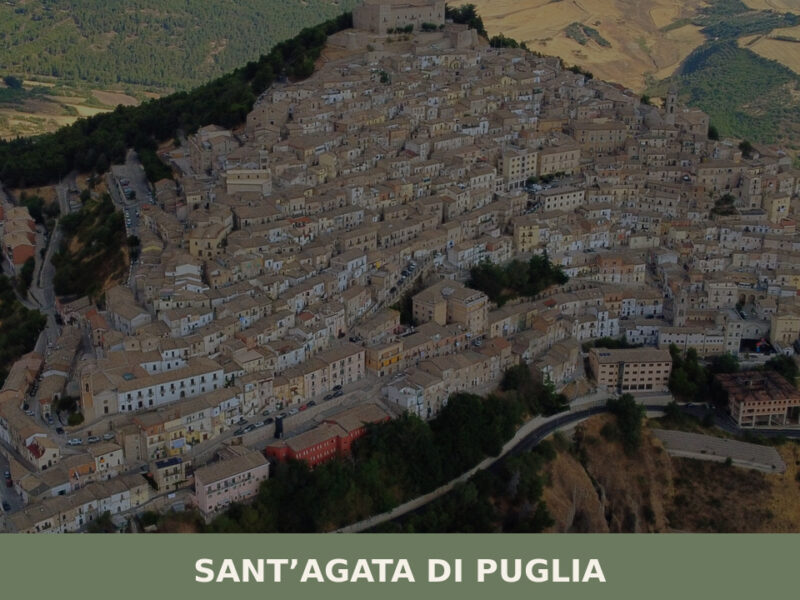
A ridge-top village at 794 metres in the Daunia hills, Sant'Agata di Puglia rewards slow exploration with its Norman castle, stepped stone alleyways, and mountain cooking.
Bari
 Sea
Sea
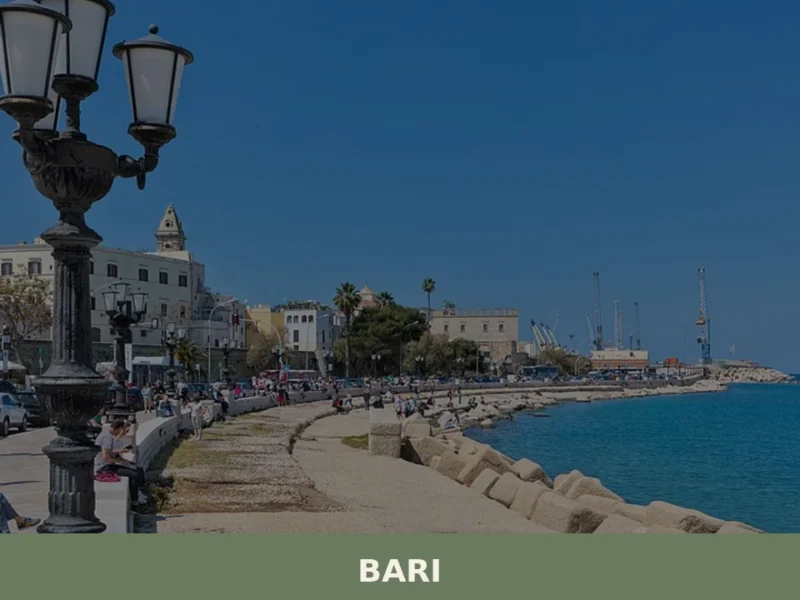
In Bari, the dawn over the Adriatic Sea paints the ancient walls of the old town in shades of pink, while the first rays of sunlight illuminate the imposing façade of the Basilica di San Nicola, the focal point of a city that has welcomed pilgrims and merchants for centuries. Here, history is etched into […]
Castellaneta
Sea
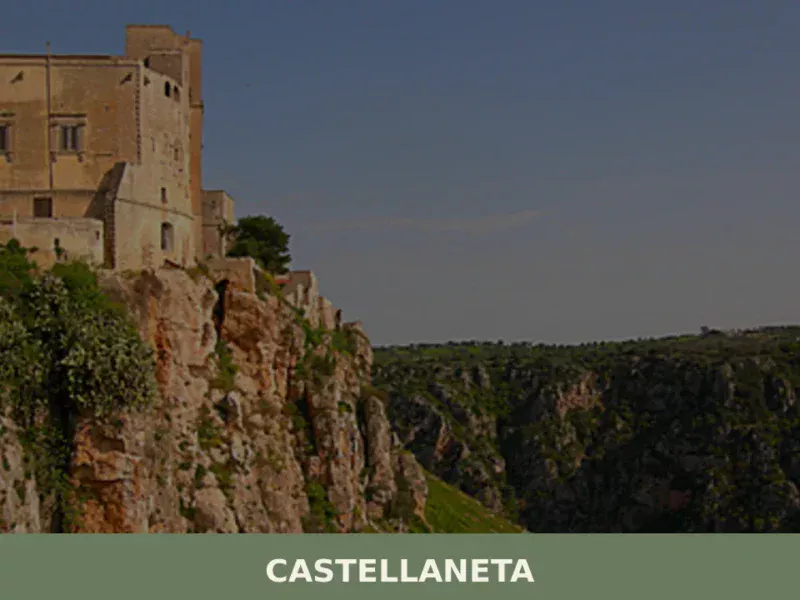
Castellaneta, a comune of around 15,784 inhabitants in the province of Taranto, sits above a dramatic ravine system carved into the Apulian plateau — a geological fact that has determined the town’s layout, its defensive logic, and the views that define it today. Visitors drawn to this corner of southern Puglia often arrive expecting little […]
Ischitella
 Lake
Sea
Lake
Sea
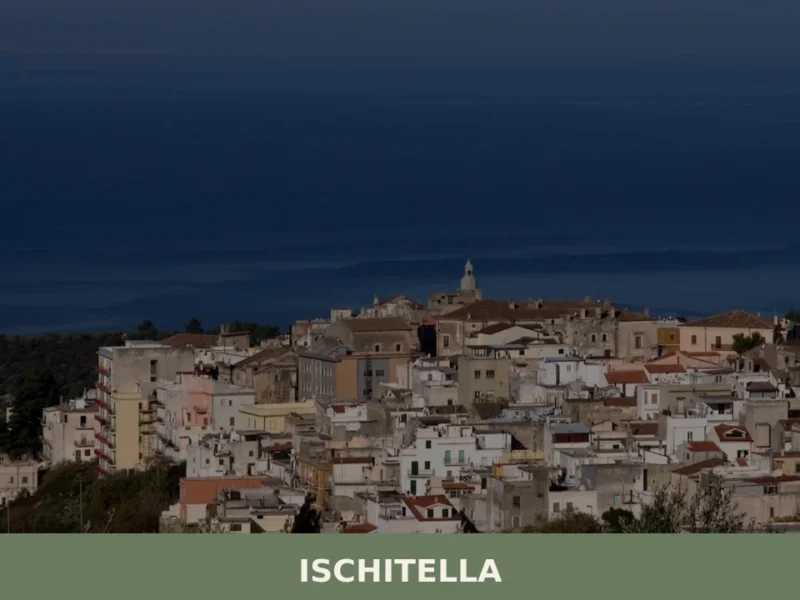
A ridge-top village on the Gargano promontory, Ischitella offers Norman walls, Baroque churches, ancient olive groves, and access to the Foresta Umbra.
San Nicandro Garganico
Sea
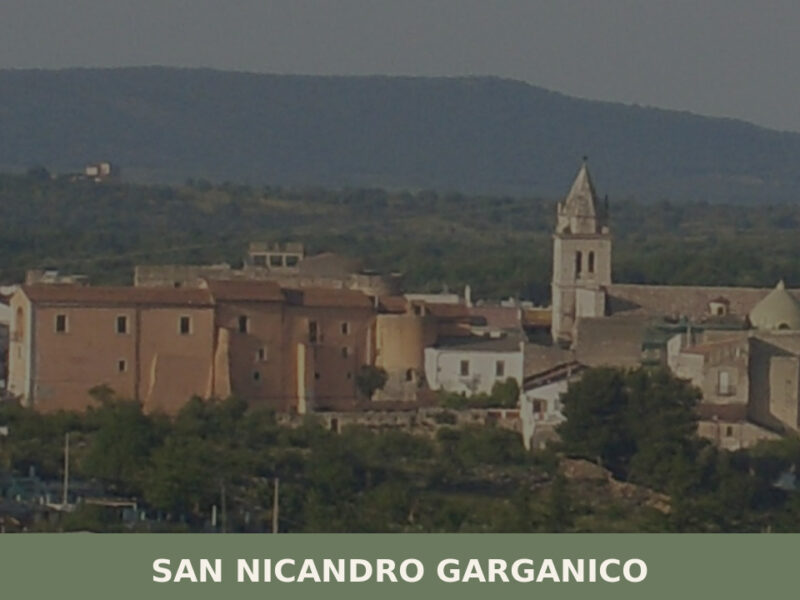
A hilltop settlement on the Gargano promontory with a Norman castle, prehistoric dolmen, and a living agricultural culture shaped by wheat, olives, and limestone.
Carovigno
Sea
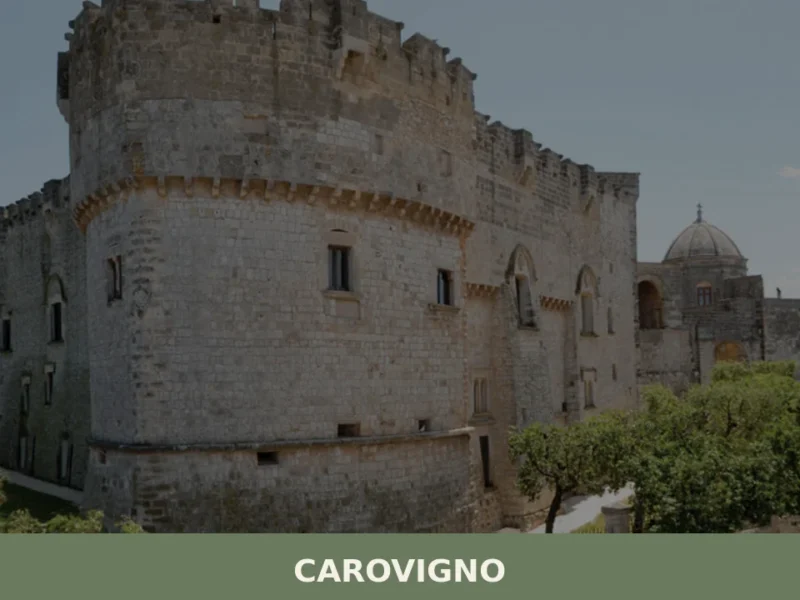
Discover what to see in Carovigno, Puglia: medieval castle, rupestrian churches, Torre Guaceto nature reserve, olive oil traditions and practical travel tips.
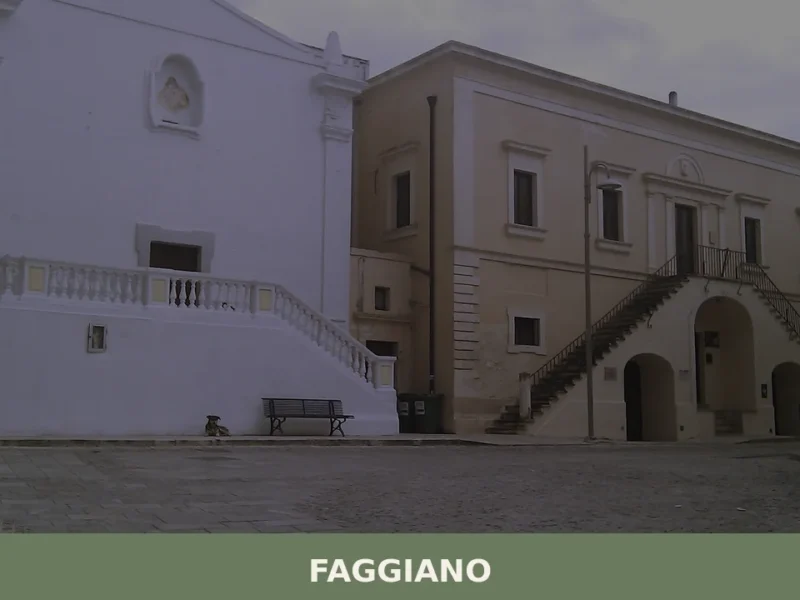
Faggiano
 Plains
Discover what to see in Faggiano, a Taranto province comune in Puglia: history, food, best time to visit, and how to get there.
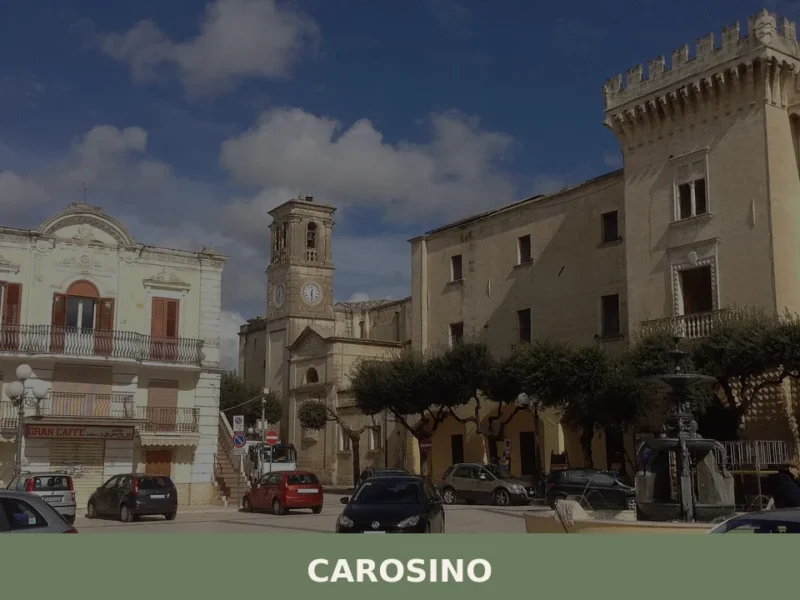
Carosino
Plains
Carosino is a comune of 6,371 inhabitants in the province of Taranto, positioned in the Ionian arc of Puglia where the landscape flattens into olive groves and vineyards before reaching the coast. Known locally by its Salentine dialect name Carusinu, the town sits within a territorial context defined by centuries of agricultural production and the […]
Volturara Appula
Hills
A hill village of 378 residents at 489 metres in the Daunian Subapennines. Volturara Appula offers medieval lanes, panoramic views over the Tavoliere, and the quiet of a place most travellers never find.
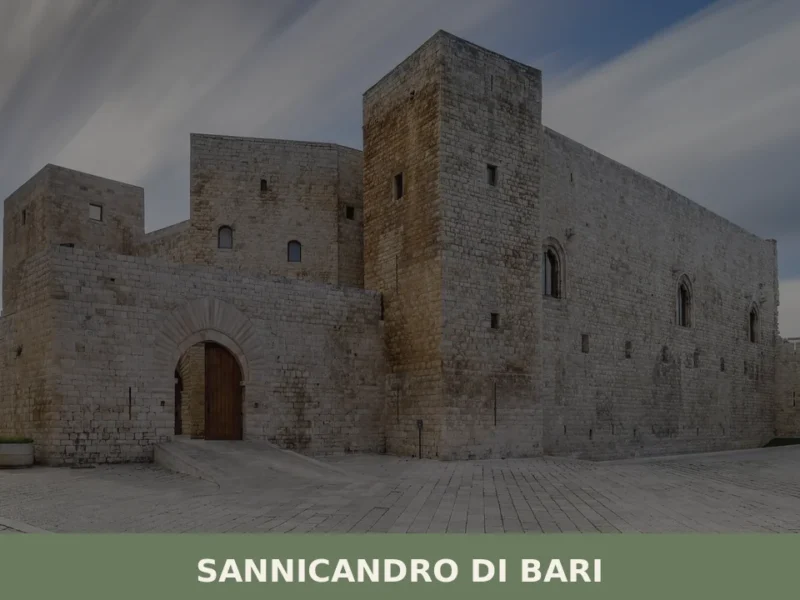
Sannicandro di Bari
Plains
What to see in Sannicandro di Bari? Discover the Norman-Swabian Castle and 4 historic churches. A complete guide to exploring the village and the Bari plain.





🏡 Know San Giovanni Rotondo better than we do?
If you’re a local or have been there, your knowledge matters: add what’s missing or fix a detail on this page.