


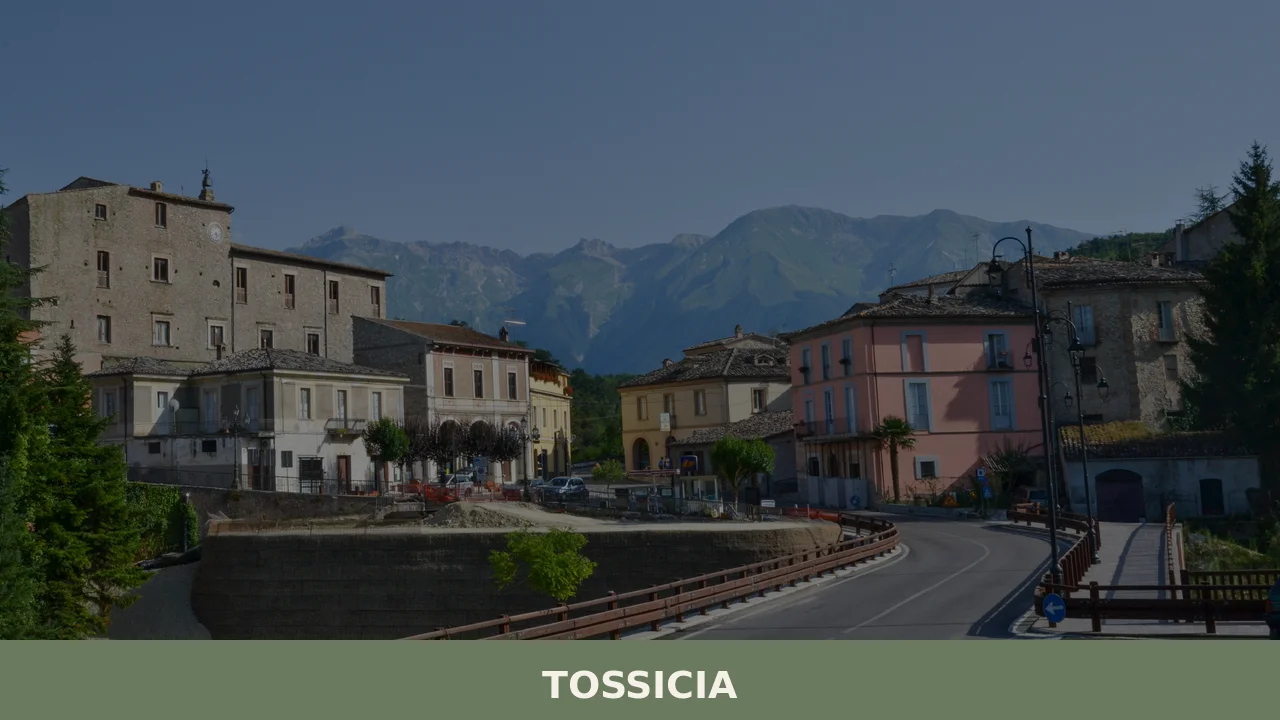
Tossicia
 Mountain
what to see in tossicia: Explore Italy’s Abruzzo region. This village of 1,397 offers access to Gran Sasso e Monti della Laga National Park and mountain trails. Discover more.
Discover Tossicia
The crisp mountain air, carrying the scent of pine and distant pastures, sweeps through Tossicia, a small community of 1,397 inhabitants in the province of Teramo.
This settlement, known locally as Tussëcië in the Abruzzese dialect, is situated in eastern Italy, an integral part of the larger Abruzzo region.
Its elevation and proximity to significant natural landscapes define much of its character.
For those wondering what to see in Tossicia, the primary draw is its direct location within the expansive Gran Sasso e Monti della Laga National Park, a protected area offering immense natural beauty. Visitors to Tossicia find opportunities to explore mountain trails and experience the authentic atmosphere of a traditional Abruzzese village.
The village, with its single main church and modest population, serves as a gateway to both rugged peaks and serene valleys in this part of Italy.
History of Tossicia
Tossicia holds the administrative status of a comune, a municipality within the province of Teramo, a designation that traces its roots back through centuries of Italian civic organization. While specific historical records detailing the exact founding date or early etymology of Tossicia are not readily available, the broader Abruzzo region has a documented past stretching to pre-Roman times.
For those interested in what to see in Tossicia, understanding this historical context provides a deeper appreciation for the enduring character of the village.
Life in these mountain communities has long been shaped by their geographical isolation and the rhythms of agricultural and pastoral economies. Throughout the medieval period, many Abruzzese villages developed around fortified structures, serving as strategic points along ancient routes or as defensive strongholds against various invaders.
The development of such settlements was often dictated by the need for protection and the availability of natural resources within the rugged landscape.
The integration of Abruzzo into larger political entities, from the Kingdom of Sicily to the Kingdom of Naples and eventually the unified Kingdom of Italy, brought gradual changes to villages like Tossicia. Despite these broader historical shifts, the core identity of these communities often remained tied to local traditions and their immediate natural environment. Today, Tossicia, with its population of 1,397, continues to embody the enduring character of a mountain town within the fabric of modern Italian life.
What to see in Tossicia, Abruzzo: top attractions
Gran Sasso e Monti della Laga National Park
The most prominent natural feature surrounding Tossicia is the , an immense protected area spanning 1,413 km² (546 sq mi) across three provinces, including Teramo where Tossicia is located.
This park encompasses diverse ecosystems, from the highest peaks of the Apennines, such as Corno Grande at 2,912 m (9,554 ft), to lush forests and high-altitude grasslands. Visitors can engage in various outdoor activities, including hiking, wildlife observation, and exploring glacial valleys.
The park’s official establishment in 1991 ensures the preservation of its unique flora and fauna, offering a pristine natural environment for exploration.
The Historic Center of Tossicia
While not home to grand monuments, the compact historic center of Tossicia offers a glimpse into traditional Abruzzese village life. Its network of narrow streets and stone houses reflects centuries of development, adapting to the contours of the mountain terrain. Walking through the center, one observes the practical architecture designed for mountain living, often featuring robust stone construction. The village, with its population of 1,397, provides a quiet atmosphere for those seeking an unhurried experience. It is worth observing the details of the older buildings, which often incorporate local materials, a testament to traditional craftsmanship.
Panoramic Views from Tossicia
Given Tossicia’s location within the Gran Sasso e Monti della Laga National Park, numerous vantage points around the village offer expansive views of the surrounding mountainous landscape.
From higher elevations, visitors can often discern the imposing peaks of the Gran Sasso massif to the west and the gentler, forested slopes of the Monti della Laga to the east. These panoramas provide excellent opportunities for photography, particularly during sunrise or sunset when the light paints the valleys and ridges in dramatic hues, enriching the experience of what to see in Tossicia.
Clear days can offer visibility stretching for dozens of kilometers (miles), revealing the vastness of the Abruzzese Apennines.
Local Mountain Trails
For those interested in exploring the natural environment, several local mountain trails originate near Tossicia, leading into the immediate vicinity of the Gran Sasso e Monti della Laga National Park. These paths vary in difficulty, from gentle walks suitable for most abilities to more challenging ascents into higher altitudes, offering a significant part of what to see in Tossicia for outdoor enthusiasts. Hikers might encounter diverse flora, including wildflowers in spring and summer, and observe local wildlife such as deer or various bird species. Many trails offer interpretive signs in Italian, providing insights into the local ecosystem.
A typical walk might cover 3-5 km (1.9-3.1 mi) in an hour, providing a refreshing immersion in nature.
Church of San Michele Arcangelo
As with many Italian villages, Tossicia likely centers around a principal church, often dedicated to a patron saint such as San Michele Arcangelo. These religious structures typically serve as focal points for community life and spiritual gatherings.
While specific architectural details for a church in Tossicia are not documented, such buildings often feature simple, robust construction, reflecting local building traditions and available materials like stone. Visitors can quietly observe the interior, which typically contains religious art or artifacts from past centuries, offering a sense of local history and devotion. The church bells often mark the hours, a traditional sound in rural Italy.
Local food and typical products of Tossicia
The culinary traditions surrounding Tossicia are deeply rooted in the broader gastronomic heritage of Abruzzo, a region celebrated for its hearty and rustic cuisine, adding another dimension to what to see in Tossicia. This cooking style is heavily influenced by the mountainous landscape and the historical reliance on pastoral farming, local agriculture, and seasonal ingredients. Dishes often feature robust flavors derived from lamb, pork, legumes, and wild herbs gathered from the surrounding Gran Sasso e Monti della Laga National Park.
The region’s cuisine reflects a resourceful approach to food, utilizing every part of an animal and preserving seasonal bounty through traditional methods.
Among the characteristic dishes one might encounter in the Abruzzo region are various pasta preparations, such as Maccheroni alla Chitarra, square-cut egg pasta often served with a rich lamb or pork ragù.
Another staple is Arrosticini, skewers of diced lamb cooked over an open flame, a specialty particularly prevalent in the Teramo province. Legumes like lentils and chickpeas are frequently incorporated into soups and stews, providing nourishing meals, especially during colder months. Many recipes emphasize the quality of local olive oil and the aromatic contributions of saffron, sometimes cultivated in the nearby plains.
While specific certified products directly attributed to Tossicia are not detailed in available sources, the Abruzzo region as a whole boasts several Protected Designation of Origin (PDO) and Protected Geographical Indication (PGI) products. These include the Zafferano dell’Aquila (PDO) saffron, cultivated in the Navelli plain near L’Aquila, and various olive oils from specific sub-regions.
Local cheeses, often made from sheep’s milk, are also common, reflecting the area’s strong pastoral traditions.
These regional specialties highlight the commitment to quality and traditional production methods across Abruzzo.
Information regarding specific food fairs or markets held within Tossicia itself is not available in the provided documentation. However, it is common for villages throughout the Abruzzo region to host seasonal markets and sagre (a traditional local food festival) dedicated to local produce, cheeses, or wines. These events typically take place during the harvest season in autumn or during summer months, offering opportunities to sample regional specialties and purchase artisanal goods directly from producers. Visitors seeking such experiences might find them in larger towns within the Teramo province.
Festivals, events and traditions of Tossicia
In many Italian villages, the patron saint festival is a cornerstone of community life, and Tossicia, like its counterparts across Abruzzo, would traditionally observe such an occasion. These celebrations often involve a religious procession carrying a statue of the saint through the village streets, accompanied by local bands and community members. These events are not merely religious but also social gatherings, reinforcing communal bonds.
While the specific patron saint or exact date of Tossicia’s festival is not documented, such events are typically held in summer or early autumn, bringing together residents and former inhabitants.
Beyond religious observances, the Abruzzo region maintains a rich tapestry of folk traditions, often expressed through music, dance, and craftwork.
Many villages hold annual events that celebrate historical trades or agricultural cycles, although specific details for Tossicia are not provided. These traditions, passed down through generations, contribute to the distinctive cultural identity of the region. Visitors during the summer months might encounter impromptu musical performances or artisan markets in nearby towns, reflecting the ongoing vitality of these cultural practices in the Teramo province.
When to visit Tossicia, Italy and how to get there
The best time to visit Abruzzo, and consequently Tossicia, largely depends on the desired activities.
For hiking and exploring the Gran Sasso e Monti della Laga National Park, the warmer months from late spring (May) through early autumn (October) are ideal, offering pleasant temperatures and accessible trails. Winter brings opportunities for snow sports in designated areas, though village access can sometimes be affected by heavy snowfall. The village itself is relatively small, with streets that may be steep in parts, but generally navigable on foot, though some areas might be challenging for strollers or those with limited mobility. English may be limited in smaller shops and carrying some Euros cash can be useful for international visitors.
Reaching Tossicia, Abruzzo, Italy typically involves a combination of air and road travel.
The nearest major airport is Abruzzo Airport (PSR) in Pescara, located approximately 70 km (43.5 mi) to the southeast.
From the airport, visitors can rent a car and drive towards Tossicia, a journey that usually takes about 1 hour and 15 minutes via the A24 motorway, exiting at Teramo or San Gabriele-Colledara. The closest major train station is also in Teramo, offering connections to larger Italian cities. While public transport options exist, a car is highly recommended for exploring Tossicia and the surrounding national park, providing flexibility and access to more remote areas. Teramo is approximately 20 km (12.4 mi) from Tossicia.
For those considering a day trip from nearest major city, Tossicia is reachable from Rome, Italy, which is approximately 170 km (106 mi) to the west. A drive from Rome typically takes about 2 hours and 30 minutes, primarily via the A24 motorway, making it a feasible option for a longer day excursion or an overnight stay.
Visitors from more distant Italian hubs like Florence (around 400 km or 249 mi) or Naples (around 250 km or 155 mi) would find Tossicia better suited as part of a multi-day Abruzzo itinerary rather than a single day trip. The scenic drive through the Apennines adds to the experience, showcasing the diverse landscapes of central Italy.
Beyond exploring what to see in Tossicia, visitors to Abruzzo can extend their journey to other significant locations within the region.
The town of Castel di Sangro, for example, offers a different perspective on Abruzzese mountain life, situated further south in the Alto Sangro valley. Similarly, Elice, located closer to the coast in the province of Pescara, presents a contrast with its medieval castle and agricultural landscape. These villages provide further insight into the diverse cultural and natural offerings of Abruzzo, Italy.
Frequently asked questions about Tossicia
What is the best time to visit Tossicia?
The best time to visit Tossicia for outdoor enthusiasts is from late spring to early autumn (May to October). This period offers ideal conditions for hiking and exploring the Gran Sasso e Monti della Laga National Park, with pleasant temperatures and lush landscapes. While Tossicia's patron saint is Santa Sinforosa, the exact date of her patronal feast is not specified in available records. However, such traditional celebrations typically occur in the summer or early autumn, offering a glimpse into local community life. Winter provides a different charm for those seeking snowy mountain scenery, though some trails might be less accessible.
What to see in Tossicia? Main monuments and landmarks
Tossicia's primary attraction is its direct access to the vast Gran Sasso e Monti della Laga National Park, offering immense natural beauty and outdoor activities. Within the village, explore the compact Historic Center, with its network of narrow streets and traditional stone houses, providing an authentic glimpse into Abruzzese life. The Church of San Michele Arcangelo serves as a community focal point, reflecting local building traditions. Don't miss the panoramic views from various vantage points around Tossicia, showcasing the majestic Gran Sasso massif and the Monti della Laga.
What are the main natural or scenic attractions of Tossicia?
Tossicia is a gateway to the spectacular Gran Sasso e Monti della Laga National Park, an immense protected area perfect for exploring diverse ecosystems, from high peaks to lush forests. Visitors can enjoy breathtaking Panoramic Views from various vantage points around the village, offering expansive vistas of the Gran Sasso massif and Monti della Laga, ideal for photography. Additionally, several Local Mountain Trails originate near Tossicia, catering to various hiking abilities and providing opportunities for wildlife observation and immersing oneself in nature within the immediate vicinity of the National Park.
Where to take the best photos in Tossicia?
For stunning photographs in Tossicia, focus on the numerous vantage points found at higher elevations around the village. These spots offer expansive panoramic views of the surrounding mountainous landscape, including the imposing peaks of the Gran Sasso massif to the west and the gentler, forested slopes of the Monti della Laga to the east. The best times for photography are often during sunrise or sunset, when the natural light creates dramatic hues across the valleys and ridges, enriching your visual experience of the Abruzzese Apennines and providing memorable shots.
Are there museums, churches or historic buildings to visit in Tossicia?
In Tossicia, you can visit the Church of San Michele Arcangelo, which typically serves as the principal religious and community focal point. While specific architectural details are not extensively documented, such churches often feature robust construction and house religious art or artifacts from past centuries, offering a sense of local history and devotion. Additionally, the entire Historic Center of Tossicia, with its network of narrow streets and traditional stone houses, offers a living glimpse into centuries of Abruzzese village life and local craftsmanship. There are no museums explicitly mentioned in the available information.
What can you do in Tossicia? Activities and experiences
Tossicia is ideal for nature and authentic village experiences. You can explore the Gran Sasso e Monti della Laga National Park through various hiking trails, suitable for different skill levels, and observe local flora and fauna. Wander through the Historic Center to experience the quiet, traditional Abruzzese atmosphere and admire the robust stone architecture. Photography enthusiasts will find ample opportunities with the panoramic mountain views. Enjoy the robust local cuisine, featuring dishes like Arrosticini and Maccheroni alla Chitarra. While specific events in Tossicia are not detailed, nearby towns often host seasonal food festivals (sagre) worth exploring.
Who is Tossicia suitable for? Families, couples, hikers, solo travelers?
Tossicia is perfectly suited for hikers, nature lovers, and outdoor enthusiasts eager to explore the Gran Sasso e Monti della Laga National Park and its extensive network of mountain trails. It's also an excellent destination for those seeking a quiet, unhurried experience and an authentic glimpse into traditional Abruzzese village life. Couples and solo travelers looking for serene natural beauty and cultural immersion will find it appealing. Families can enjoy gentle walks and the refreshing mountain air, making it a versatile destination for various visitors who appreciate untouched landscapes and genuine local charm.
What to eat in Tossicia? Local products and specialties
In Tossicia, you can savor the hearty and rustic cuisine of Abruzzo. Specialties include Arrosticini, delicious skewers of diced lamb particularly prevalent in the Teramo province, and Maccheroni alla Chitarra, a square-cut egg pasta often served with rich lamb or pork ragù. The local gastronomy also features nourishing legume-based soups, excellent local olive oil, and aromatic saffron. Look for regional PDO products like Zafferano dell'Aquila (cultivated in the nearby Navelli plain) and traditional sheep's milk cheeses, reflecting the area's strong pastoral traditions and commitment to quality.
📷 Photo Gallery — Tossicia
Nearby Villages near Tossicia

In Abruzzo More villages to discover

Casalbordino
 Hills
Hills
 Sea
Sea
What to see in Casalbordino, Italy: a sanctuary dating to 1576, 7.5 km of sand beach, and a nature reserve. Discover top attractions and travel tips.
Pennadomo
Hills
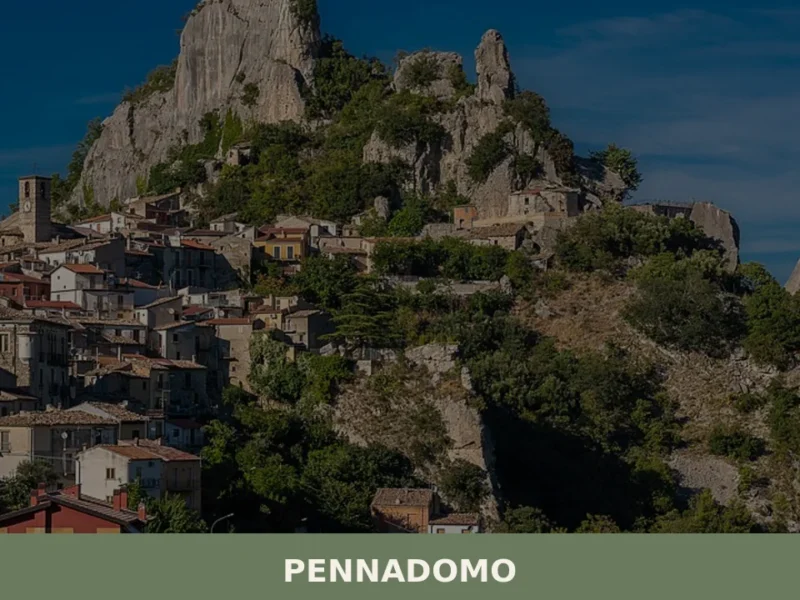
What to see in Pennadomo, Italy: 5 attractions at 460 m in Chieti province. Discover the feast of San Lorenzo, local food traditions and how to get there.
Quadri
Mountain
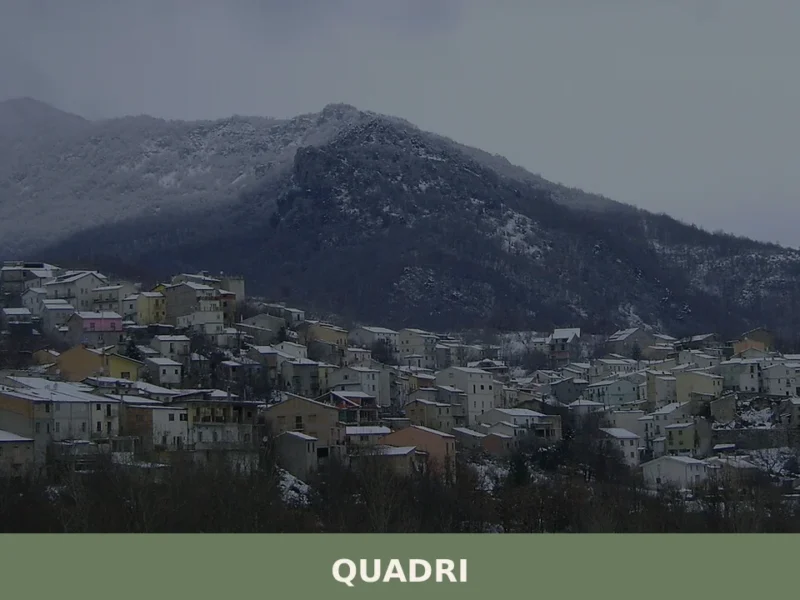
The limestone of the alleyways climbs straight up toward the ridge, and from up there the valley opens onto slopes where beech forests give way to pastures. Quadri belongs to the province of Chieti, in the heart of inland Abruzzo, at an altitude that isolates the village from the main transit routes and keeps it […]
Filetto
Hills
Filetto, a settlement of 854 inhabitants, is located at 403 meters above sea level in the heart of the province of Chieti. This settlement, documented in historical sources dating its presence back to the medieval era, extends across a hill overlooking the Foro Valley. Its urban layout reflects the layering of different periods, with buildings […]
Turrivalignani
Hills
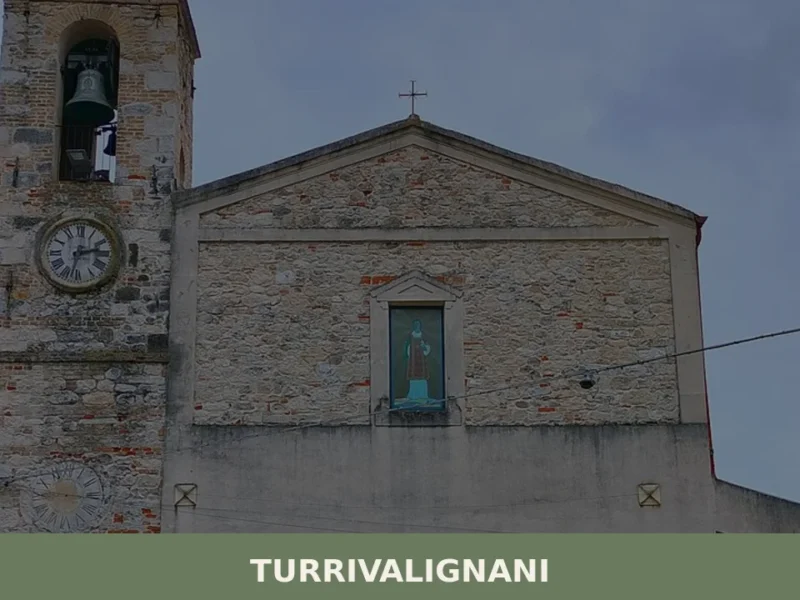
What to see in Turrivalignani? Discover the ancient village, the Church of San Nicola, and nature trails. Plan your visit to Abruzzo!
Pescara
Sea
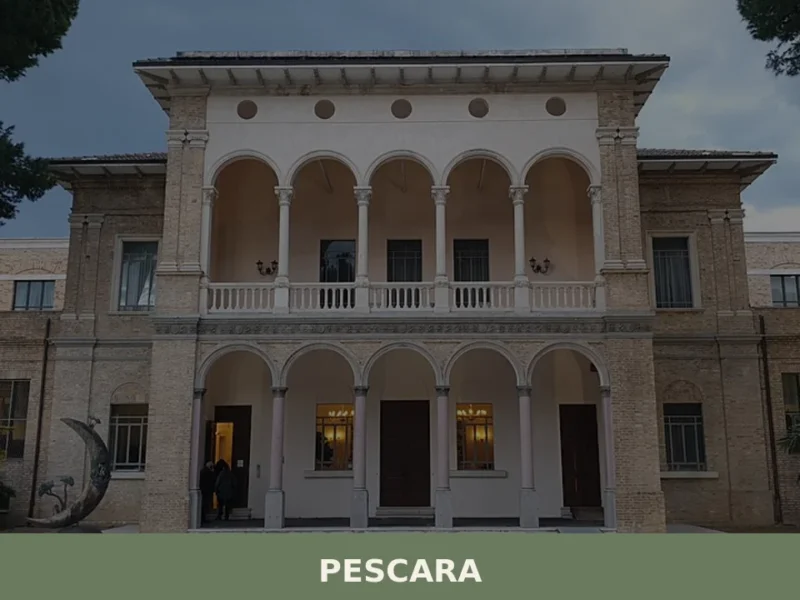
In Pescara, where the Aterno river meets the Adriatic, the city stretches across a coastal plain just 4 metres above sea level. Its forked layout, divided by the watercourse that once served as its natural boundary, has shaped the identity of this centre of nearly 119,000 inhabitants in the province of the same name. On […]
Palombaro
Hills
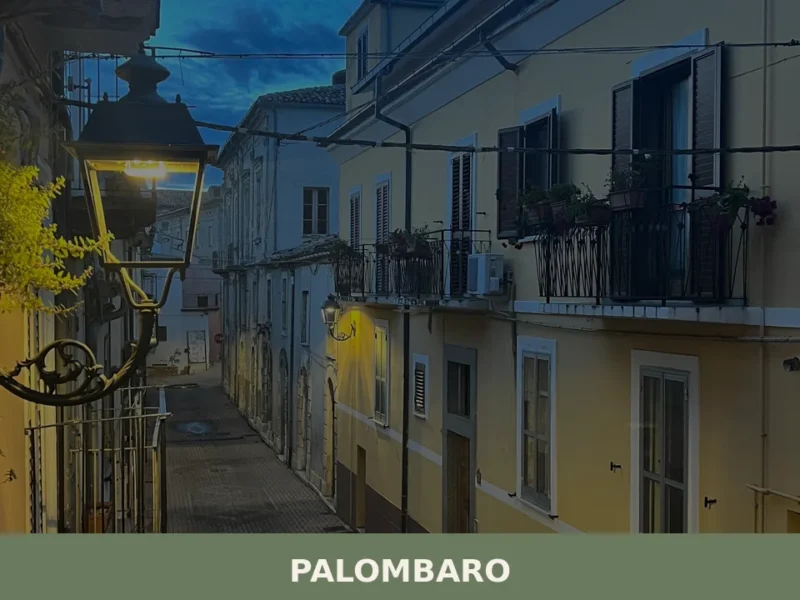
What to see in Palombaro: 5 attractions in this village at 536 m above sea level in the province of Chieti. Discover the historic centre, the medieval tower and the Madonna della Libera festival.
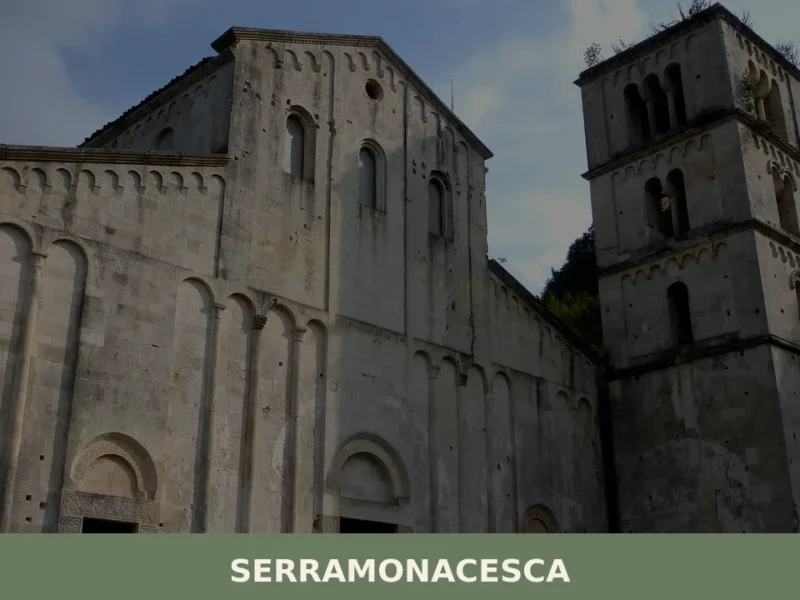
Serramonacesca
Hills
What to see in Serramonacesca, Abruzzo, Italy: discover 6 top attractions including the Abbey of San Liberatore, rock-cut tombs, and a medieval tower. Population 560.
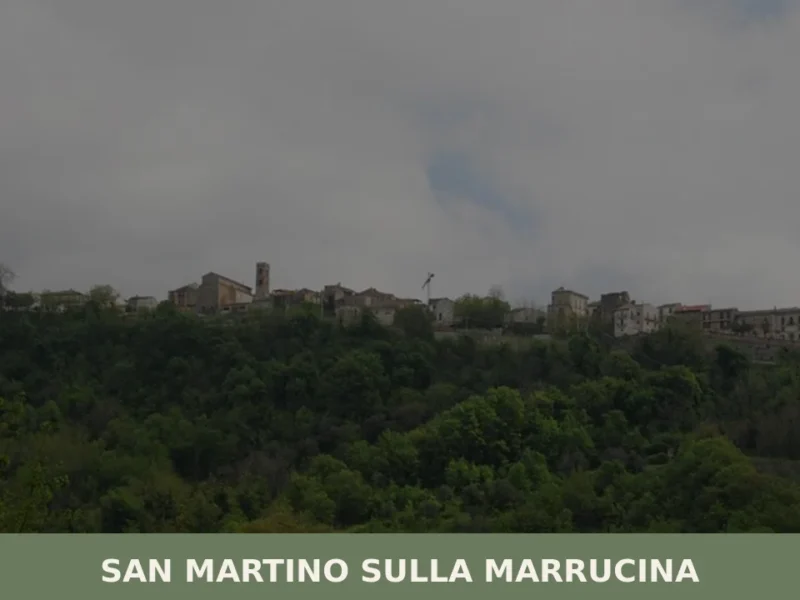
San Martino sulla Marrucina
Hills
With its 868 inhabitants, San Martino sulla Marrucina presents itself as a small municipality in the province of Chieti, in the heart of Abruzzo. The village is a reference point for those seeking the tranquility and authenticity of the region’s rural centers, away from the most beaten tourist paths. In this article History and Origins […]
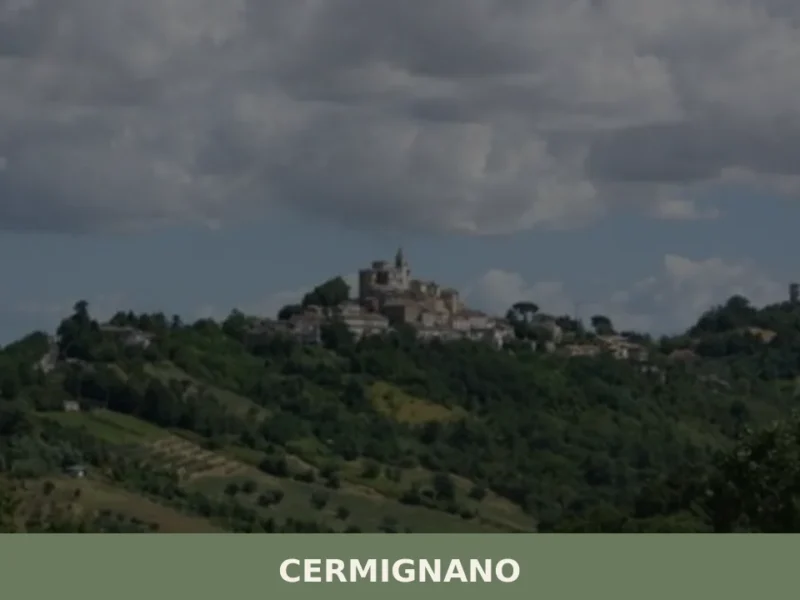
Cermignano
Hills
From the heights of Cermignano, at 563 meters above sea level, the gaze embraces the Abruzzese valleys, shaped by a succession of hills sloping down towards the Adriatic Sea. This small center, inhabited by 1,440 people, retains the typical appearance of the rural villages in the province of Teramo, where life still flows at rhythms […]


🏡 Know Tossicia better than we do?
If you’re a local or have been there, your knowledge matters: add what’s missing or fix a detail on this page.