


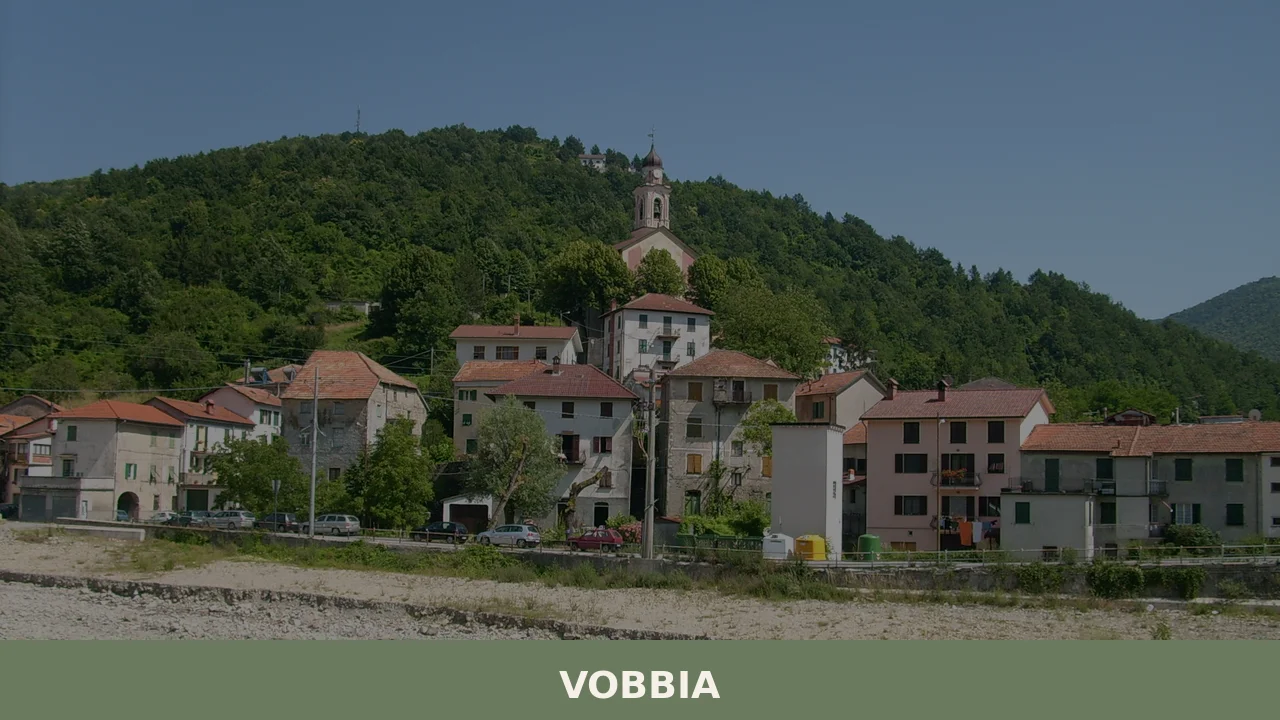
Vobbia
 Mountain
What to see in Vobbia, Italy? Explore this Ligurian village of 453 inhabitants, a gateway to Antola Regional Natural Park and its scenic trails. Discover local architecture and panoramic views.
Discover Vobbia
With a population of 453 inhabitants, Vobbia stands as a quiet comune (municipality) in the Metropolitan City of Genoa, situated within the verdant landscape of Liguria.
Located approximately 20 kilometres (12 mi) northeast of the bustling regional capital, this village offers a distinct contrast to the coastal vibrancy often associated with the Italian Riviera.
Its position among bordering municipalities like Busalla, Crocefieschi, and Valbrevenna highlights its role as a natural crossroads in the inland valleys.
The topography here, with its rolling hills and river systems, has shaped the community’s development over centuries.
For those asking what to see in Vobbia, this compact Ligurian settlement, home to 453 residents, provides a tranquil base for exploring the region’s natural beauty. Visitors to Vobbia find opportunities to delve into the Antola Regional Natural Park, known for its extensive hiking trails, and to observe the traditional stone architecture characteristic of inland Liguria. The Vobbia highlights include direct access to mountain landscapes and glimpses into a slower pace of Italian life, away from the more frequented tourist routes.
Planning a visit here allows for a focused exploration of the Ligurian interior.
History of Vobbia
The origins of Vobbia, a comune within the Metropolitan City of Genoa, are deeply intertwined with the geographical contours of Liguria’s interior.
As a recognized administrative entity for centuries, its existence reflects a historical pattern of human settlement in the valleys northeast of Genoa. The village’s strategic position, bordering communities such as Busalla, Crocefieschi, and Isola del Cantone, suggests its historical significance as a point of connection or demarcation between different valley systems.
Its administrative classification as a comune indicates a long-standing civic structure, evolving through various historical periods while maintaining its local identity and community ties.
Throughout its documented history, Vobbia has remained an integral part of the Ligurian territory, consistently falling under the jurisdiction of Genoa, initially as part of the Republic of Genoa and later within its provincial structures.
The designation of Vobbia as a comune within the Metropolitan City of Genoa solidifies its contemporary administrative status in Italy.
This continuity underscores a resilient community that has adapted to changing political landscapes, from medieval feudal arrangements to modern republican governance, always maintaining its presence in the regional fabric.
The village’s current population of 453 inhabitants reflects its status as a small, yet enduring, settlement in the Ligurian Apennines, with its character shaped by its environment.
The area surrounding Vobbia, including its proximity to the Parco Naturale Regionale dell’Antola, suggests a history shaped by agricultural practices, pastoralism, and the natural resources of the mountains.
While specific historical events for Vobbia are not extensively documented in general sources, its enduring presence as a comune in Liguria speaks to a steady evolution rather than dramatic shifts.
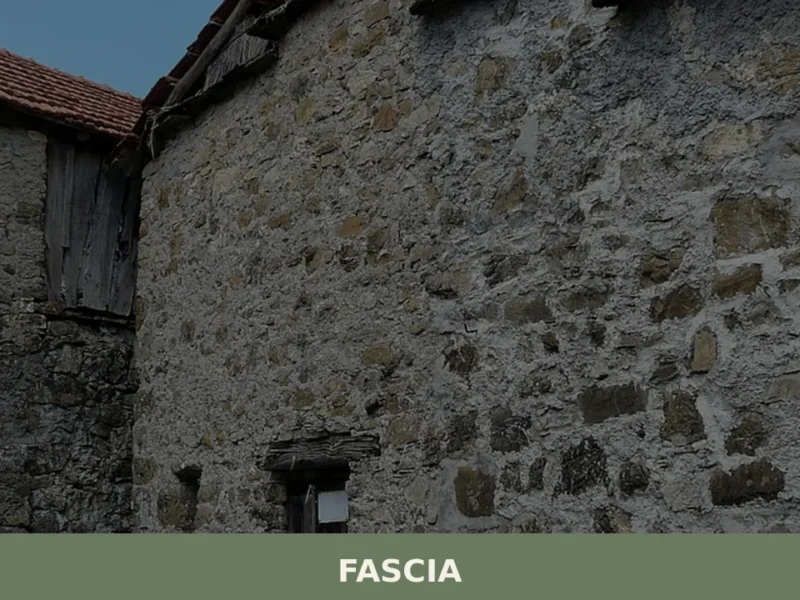
Its relationship with neighboring villages like Fascia, another inland Ligurian community, likely involved shared resources, trade routes, and cultural exchanges over centuries, contributing to the distinct character of this lesser-known part of the region, and providing more context for what to see in Vobbia.
What to see in Vobbia, Liguria: top attractions
Visitors keen to understand what to see in Vobbia will find that the village, while compact, serves as an excellent gateway to natural landscapes and offers insights into traditional Ligurian life.
The primary draw is its immediate natural environment, with several points of interest providing distinct experiences for those exploring the region. From expansive parklands to the quiet functionality of its village streets, Vobbia presents opportunities for both active exploration and peaceful reflection.
Each of these elements contributes to the unique identity of this inland Ligurian destination.
Parco Naturale Regionale dell’Antola
The Antola Regional Natural Park, directly referenced as a significant area of interest near Vobbia, encompasses a mountainous landscape ideal for outdoor enthusiasts.
This protected area, extending across the Ligurian Apennines, offers numerous hiking trails that vary in difficulty, providing access to diverse flora and fauna.
Vobbia’s location makes it a practical starting point for exploring the park’s lower reaches or for planning ascents to higher elevations, some reaching over 1,500 metres (4,921 ft). The park is characterized by its rolling peaks, deep valleys, and extensive forests, which provide a habitat for various wildlife species and offer expansive views.
Vobbia Village Center
The heart of Vobbia reveals the characteristic layout of a small Ligurian comune, inviting visitors to observe its functional and unadorned beauty.
One can walk along streets that wind between stone and plaster houses, leading to a central area that typically includes the town hall and a local parish church. These civic structures, though not grand in scale, embody the community’s history and daily life, providing a tangible connection to the village’s 453 inhabitants.
Observing the simple yet robust construction methods offers a glimpse into regional building traditions, shaped by local materials and pragmatic needs over centuries, reflecting a timeless approach to construction.
Panoramic Vistas of the Vobbia Valley
Given its position in the Ligurian Apennines, Vobbia naturally affords expansive views across the surrounding valleys and hills.
From various points within and around the village, visitors can witness the undulating landscape of the Vobbia Valley, characterized by its mix of cultivated terraces and wilder, forested slopes. These vistas provide a clear sense of the region’s topography, with distant peaks and the winding course of local streams shaping the horizon.
The elevation changes in the area, often hundreds of metres (feet), contribute to the dramatic backdrop that defines this part of inland Liguria, offering quiet spots for contemplation and photography.
Traditional Ligurian Architecture
The buildings within Vobbia showcase the traditional architectural styles common to inland Liguria, reflecting centuries of local craftsmanship and adaptation to the environment.
Structures often feature robust stone foundations, walls rendered in muted tones of plaster, and roofs constructed from terracotta tiles. These architectural elements are not merely decorative but speak to the practicalities of mountain living, providing insulation and durability against varying weather conditions.
Observing these homes and public buildings allows visitors to appreciate the functional aesthetics that have defined Ligurian villages for generations, a tangible aspect of the local heritage and a testament to enduring building practices.
Walking Paths and Natural Surroundings
Beyond the designated trails of the Antola Park, the immediate vicinity of Vobbia offers a network of informal walking paths that explore the local natural surroundings.
These paths, often former mule tracks or agricultural routes, meander through small woodlands, past terraced fields, and alongside minor waterways. They provide accessible opportunities for short strolls or longer hikes, allowing visitors to experience the local flora and fauna at a more intimate level.
The varied terrain around Vobbia, with its gentle slopes and occasional steeper inclines, provides a mild challenge for walkers seeking to immerse themselves in the Ligurian countryside, offering a direct connection to the natural environment.
Local food and typical products of Vobbia
The available sources do not provide specific details regarding the local gastronomic traditions or typical products unique to Vobbia.
Consequently, it is not possible to describe particular dishes, ingredients, or certified products directly associated with this specific comune. This absence of dedicated information means that any culinary exploration in Vobbia would generally align with the broader gastronomic offerings of inland Liguria, which are distinct from the coastal areas.
Inland Ligurian cuisine, while not specifically detailed for Vobbia, typically emphasizes ingredients sourced from the land rather than the sea.
Dishes often feature wild herbs, mushrooms, chestnuts, potatoes, and various cheeses from pastoral traditions.
Common preparations might include hearty soups, pasta with vegetable-based sauces, and roasted meats, reflecting the resources available in the Apennine foothills.
While no specific certified products like Pecorino or Focaccia di Recco are attributed to Vobbia in the provided data, visitors can generally expect a cuisine that values simplicity, fresh ingredients, and robust flavors characteristic of the Ligurian Apennines, often prepared using time-honored methods.
Festivals, events and traditions of Vobbia
The provided sources do not contain specific information about festivals, events, or unique traditions held within Vobbia.
Therefore, it is not possible to detail particular patron saint festivals, local markets, or cultural celebrations unique to the village, including their dates or specific rituals.
This lack of specific data means that visitors seeking local events would need to consult broader regional calendars for Liguria, rather than Vobbia-specific listings, to find relevant celebrations.
In general, small Italian villages like Vobbia often celebrate their patron saint’s day with local processions, religious services, and community gatherings, typically involving music and traditional food.
Seasonal agricultural festivals, or sagre, are also common throughout Liguria, celebrating harvests or local products, usually in the warmer months.
While Vobbia undoubtedly participates in the wider cultural fabric of Liguria, specific details about such events in this particular comune are not available in the provided documentation, requiring external research for current event schedules.
When to visit Vobbia, Italy and how to get there
Determining the best time to visit Liguria, and specifically what to see in Vobbia, largely depends on the activities planned, with spring (April to May) and autumn (September to October) generally offering the most pleasant conditions. During these seasons, the weather is mild, making it ideal for hiking in the Antola Regional Natural Park and exploring the village on foot.
Summers (June to August) can be hot, with temperatures often exceeding 30°C (86°F), which might be less comfortable for strenuous outdoor activities but suitable for those who prefer warmer climates and longer daylight hours for leisurely exploration.
Winters (November to March) are typically mild but can be damp, with occasional snowfall in the higher elevations of the Apennines.
Vobbia, Liguria, Italy, with its population of 453 inhabitants, is primarily accessed by road, reflecting its inland location and smaller size.
For international travelers, the nearest major airport is Genoa Cristoforo Colombo Airport (GOA), located approximately 30 kilometres (18.6 mi) southwest of Vobbia. From the airport, visitors can rent a car or take public transport to Genoa city center and then proceed towards Vobbia.
The village is situated about 20 kilometres (12 mi) northeast of Genoa, making it a viable day trip from the regional capital, offering a different perspective on Ligurian life away from the coast.
For those arriving by car, Vobbia is conveniently reached via the A7 motorway (Milan-Genoa). The recommended exit is Busalla, which is one of Vobbia’s bordering municipalities. From the Busalla exit, Vobbia is a further drive of approximately 10-15 kilometres (6-9 mi) through winding provincial roads, offering scenic views of the Ligurian countryside.
The nearest train station is also in Busalla, offering connections to Genoa and other regional hubs via the Genoa-Turin railway line.
While public transport options directly to Vobbia are limited due to its small size, a combination of train to Busalla and then a local bus or taxi would be the most practical approach. It is advisable for international visitors to carry some Euros cash, as smaller shops and services in a village of this size may not always accept credit cards, and English may be less commonly spoken than in larger tourist centers.
Visitors seeking to extend their exploration of inland Liguria beyond Vobbia might consider a journey to Borghetto di Vara.
This village, also situated away from the immediate coastline, offers another perspective on the region’s diverse landscapes and traditional communities, providing a complementary experience to Vobbia’s tranquil setting within the Antola foothills. Both locations allow for an appreciation of Liguria’s less-explored interior.
Frequently asked questions about Vobbia
What is the best time to visit Vobbia?
The most opportune times to visit Vobbia are during spring (April to May) and autumn (September to October). These seasons offer mild and pleasant weather conditions, making them ideal for engaging in outdoor activities such as hiking within the Antola Regional Natural Park and exploring the village on foot. While specific festival dates for Vobbia are not provided, small Italian villages often celebrate their patron saint, Maria (mother of Jesus), with local events, which typically occur in warmer months.
What to see in Vobbia? Main monuments and landmarks
Vobbia, while compact, offers a glimpse into traditional inland Ligurian life. Visitors can explore the Vobbia Village Center, characterized by its functional stone and plaster houses, which typically features a local parish church and the town hall. These civic structures, though not grand, embody the community's history and daily rhythm. The village's architecture itself is a highlight, showcasing robust stone foundations and terracotta tile roofs, reflecting centuries of local craftsmanship adapted to mountain living.
What are the main natural or scenic attractions of Vobbia?
Vobbia is a gateway to significant natural beauty. The primary attraction is the immediate access to the Antola Regional Natural Park, offering extensive hiking trails across a mountainous landscape with diverse flora and fauna, and elevations over 1,500 meters. Visitors can also enjoy panoramic vistas of the Vobbia Valley from various points, revealing an undulating landscape of cultivated terraces, forested slopes, and distant peaks. Informal walking paths around the village provide further opportunities to explore woodlands and waterways.
Where to take the best photos in Vobbia?
For captivating photographs, Vobbia offers several scenic points. The expansive views across the Vobbia Valley, with its mix of cultivated terraces and wild forested slopes, provide a dramatic backdrop for landscape photography. Various points within and around the village afford clear senses of the region's topography, featuring distant peaks and winding streams. Additionally, the Antola Regional Natural Park itself, accessible from Vobbia, presents numerous opportunities for stunning nature shots along its hiking trails.
Are there museums, churches or historic buildings to visit in Vobbia?
In Vobbia, visitors can experience the authentic character of a small Ligurian comune through its existing structures. The village center typically includes a local parish church and the town hall, which, while not grand monuments, are historical civic buildings that reflect the community's long-standing identity. Observing the traditional Ligurian architecture, with its robust stone foundations and muted plaster walls, offers insight into centuries of local craftsmanship and sustainable building practices.
What can you do in Vobbia? Activities and experiences
Vobbia is ideal for those seeking a tranquil experience amidst nature. The main activity is exploring the Antola Regional Natural Park, which offers extensive hiking trails varying in difficulty. Visitors can also enjoy leisurely strolls or longer hikes on the informal walking paths surrounding the village, meandering through woodlands and past terraced fields. Beyond active pursuits, Vobbia provides an opportunity to observe traditional Ligurian architecture and immerse oneself in a slower, authentic pace of Italian life.
Who is Vobbia suitable for? Families, couples, hikers, solo travelers?
Vobbia is particularly suitable for hikers and nature enthusiasts, given its direct access to the extensive trails of the Antola Regional Natural Park. It also appeals to solo travelers, couples, and families seeking a quiet escape and a slower pace of Italian life, away from bustling tourist routes. Visitors interested in traditional Ligurian inland culture and architecture will find Vobbia a tranquil base for exploration and peaceful reflection.
📷 Photo Gallery — Vobbia
Nearby Villages near Vobbia
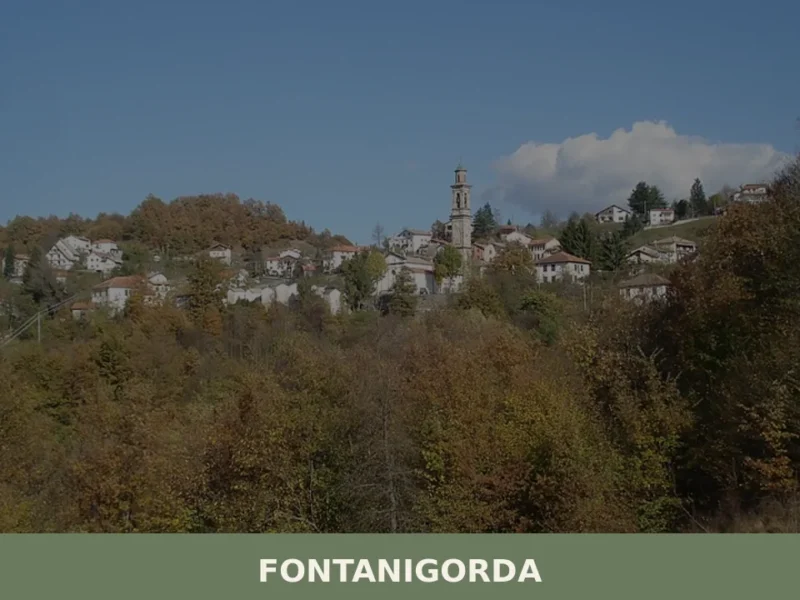
In Liguria More villages to discover
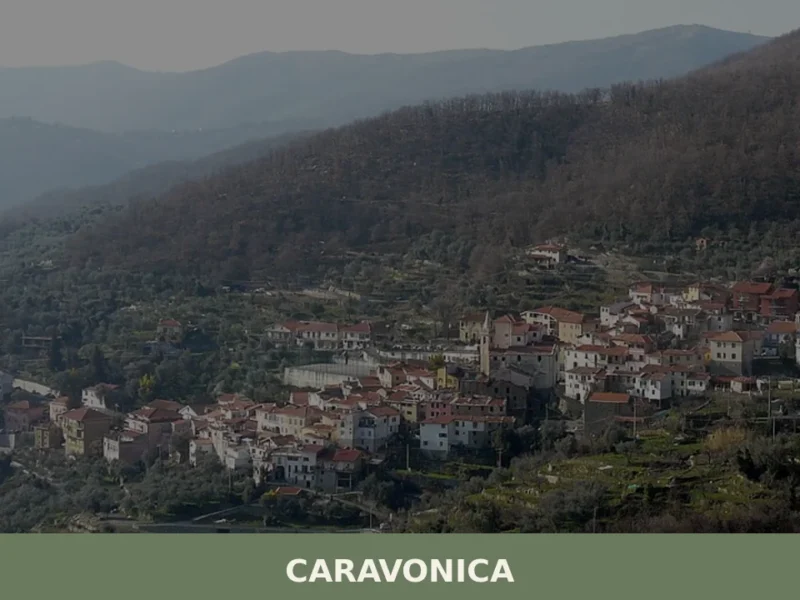
Caravonica
 Hills
Hills
The scent of wild rosemary drifts on the morning air, carried by a breeze that has travelled from the Ligurian Sea and across the terraced olive groves. Morning light, still soft, begins to illuminate the ochre and terracotta facades of Caravonica “”, a village clinging to a hillside in the Imperia province. At 360 meters […]
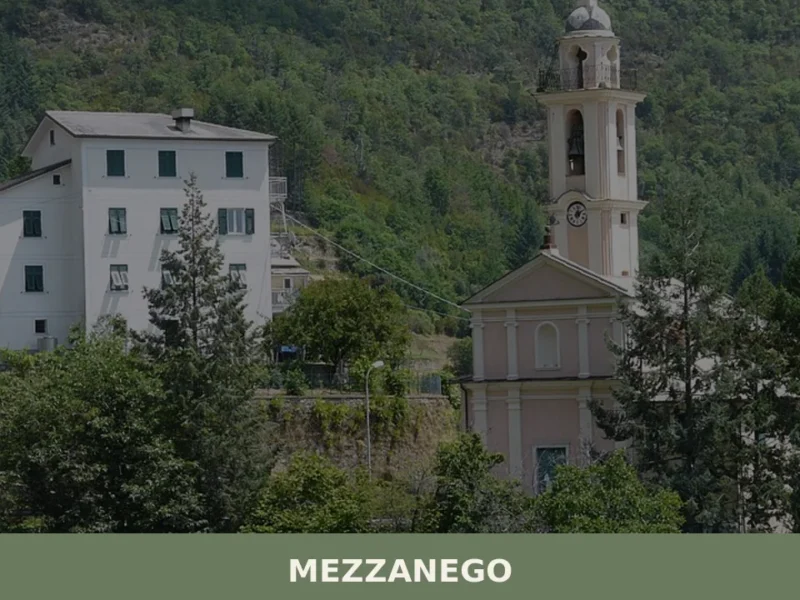
Mezzanego
 Plains
What to see in Mezzanego? Discover the 5 main attractions, from historic churches to the Slate Museum. Plan your trip and visit this Ligurian village.
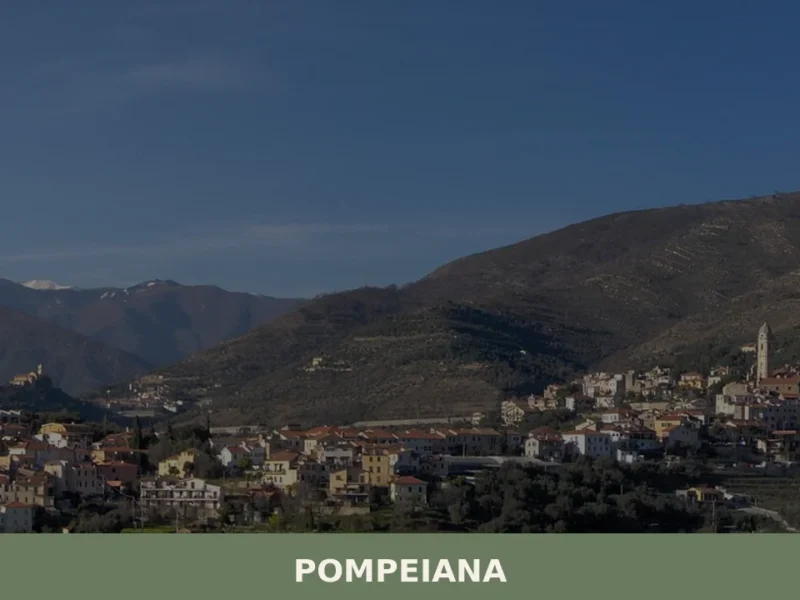
Pompeiana
 Sea
Sea
what to see in pompeiana, Italy. Discover this Imperia village of 837 residents, explore its historic center and surrounding olive terraces. Read our guide to Liguria.

Arenzano
Sea
What to see in Arenzano, Liguria, Italy: explore a 16th-century patrician villa, a Saracens' Tower, and a coastal sanctuary. Population 11,445. Discover it all.
Ranzo
Mountain
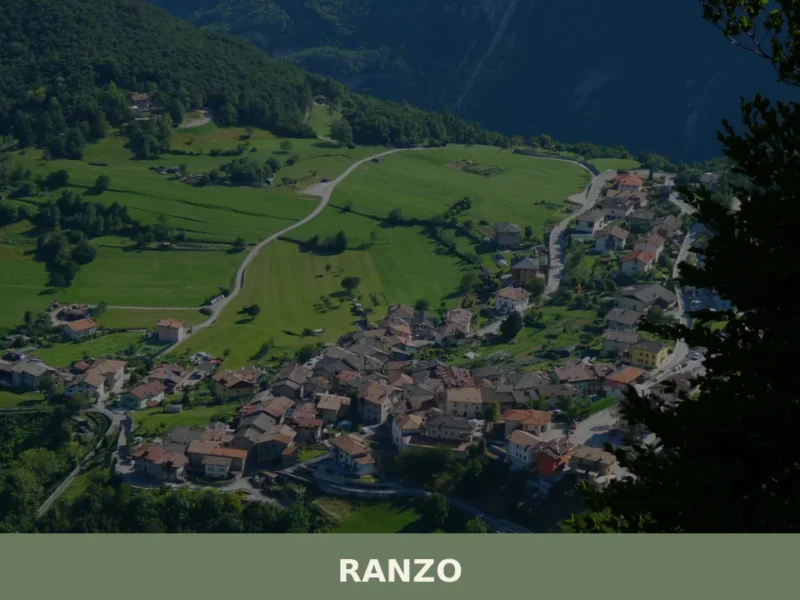
What to see in Ranzo, Liguria, Italy: explore a village of 550 inhabitants, 80 km from Genoa. Discover top attractions, local food, and how to get there.
Airole
Plains
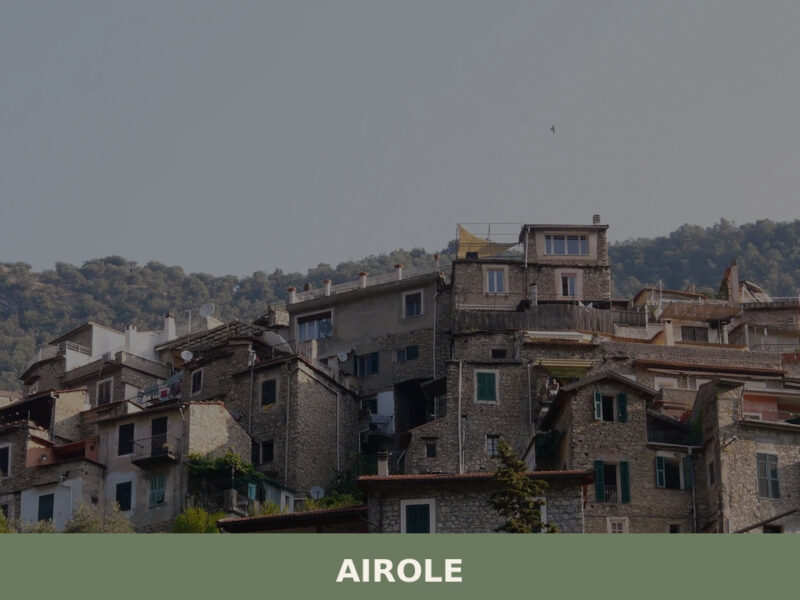
A compact Ligurian hill village of 365 inhabitants in the Roia valley. Discover what to see in Airole, from medieval stone alleys to terraced olive groves.
Savona
Sea
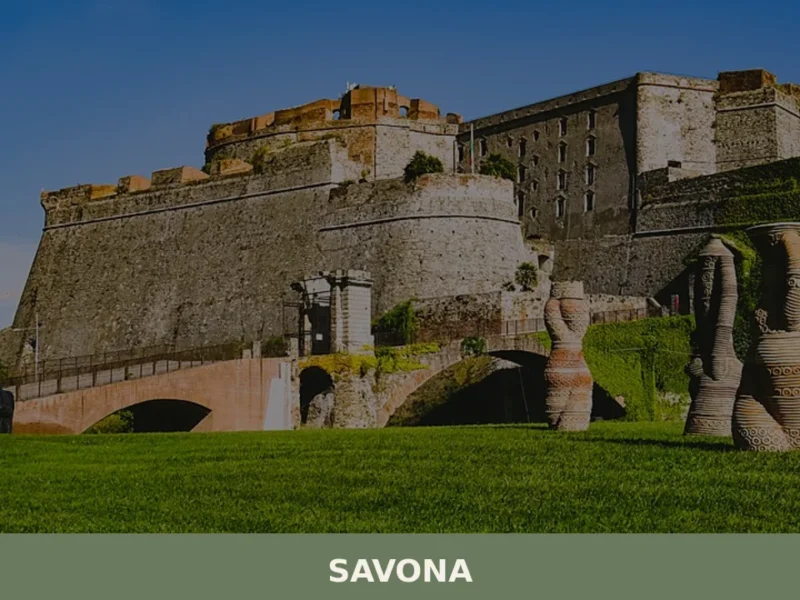
A port town of 58,500 souls on Liguria's western coast, Savona bridges medieval urban fabric with centuries of maritime trade and religious devotion.
Vasia
Hills
What to see in Vasia, Liguria, Italy: explore a village of 418 inhabitants 9 km from Imperia. Discover top attractions, local food, and how to get there.
Rovegno
Mountain
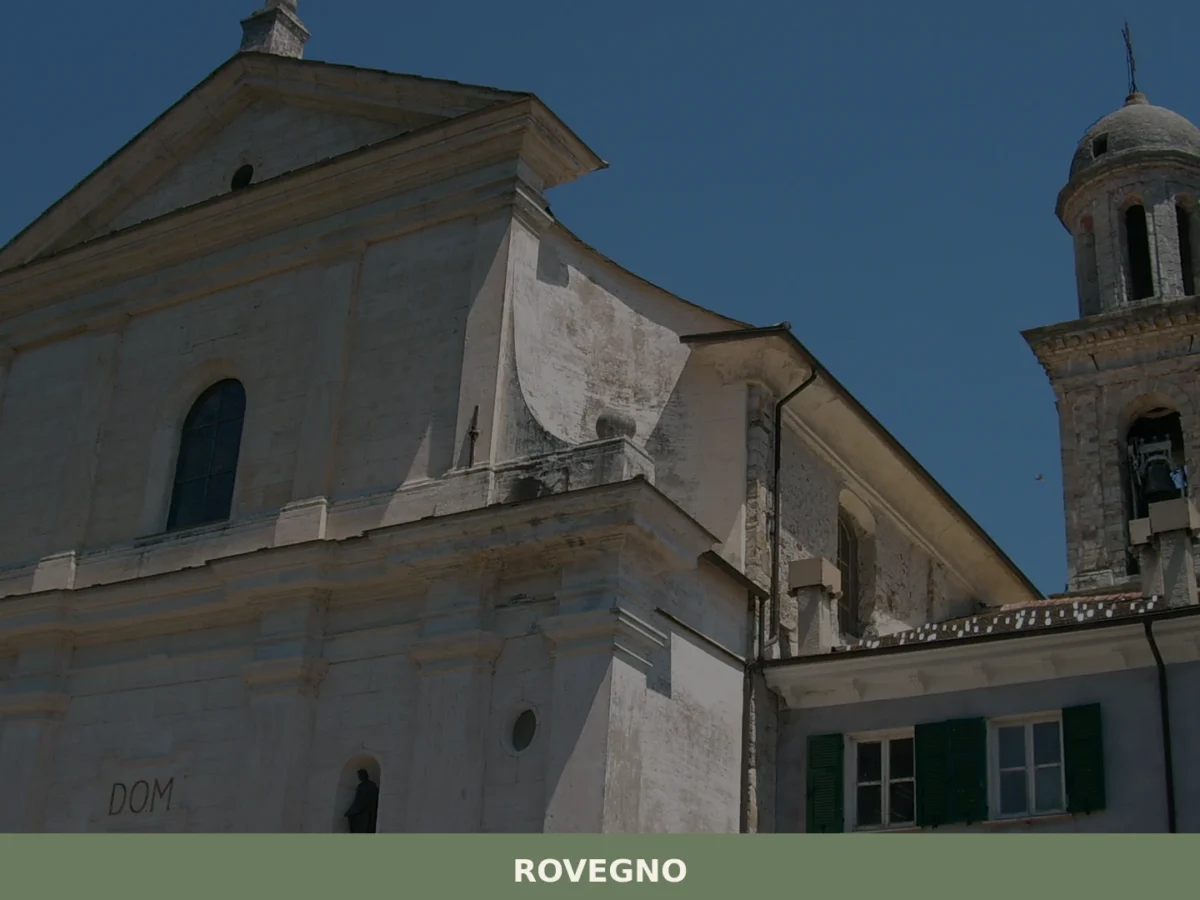
What to see in Rovegno, Italy: Explore the Val Trebbia, 35 km (22 mi) from Genoa. Discover its valley landscape and the surrounding municipalities. Read our guide.
Olivetta San Michele
Mountain
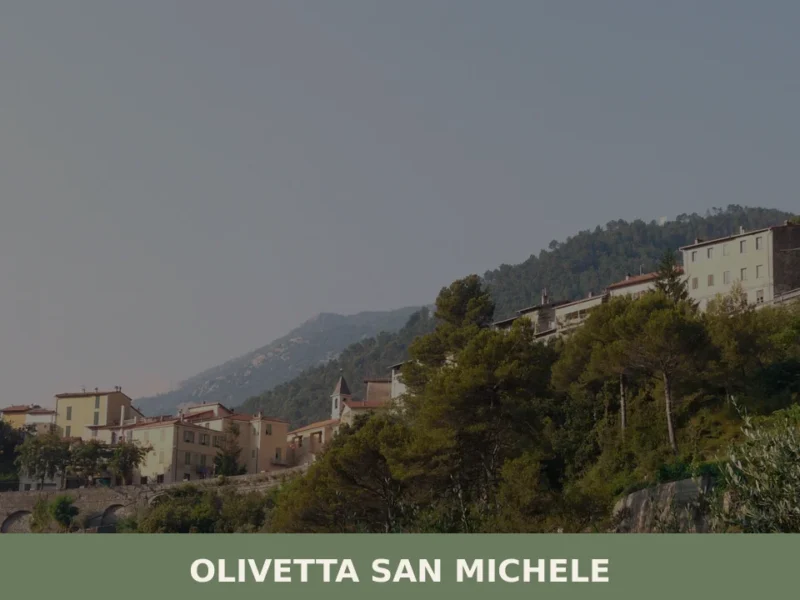
What to see in Olivetta San Michele? Discover 5 unique aspects of this Ligurian village, between history and nature. Read the full guide and plan your visit!


🏡 Know Vobbia better than we do?
If you’re a local or have been there, your knowledge matters: add what’s missing or fix a detail on this page.