


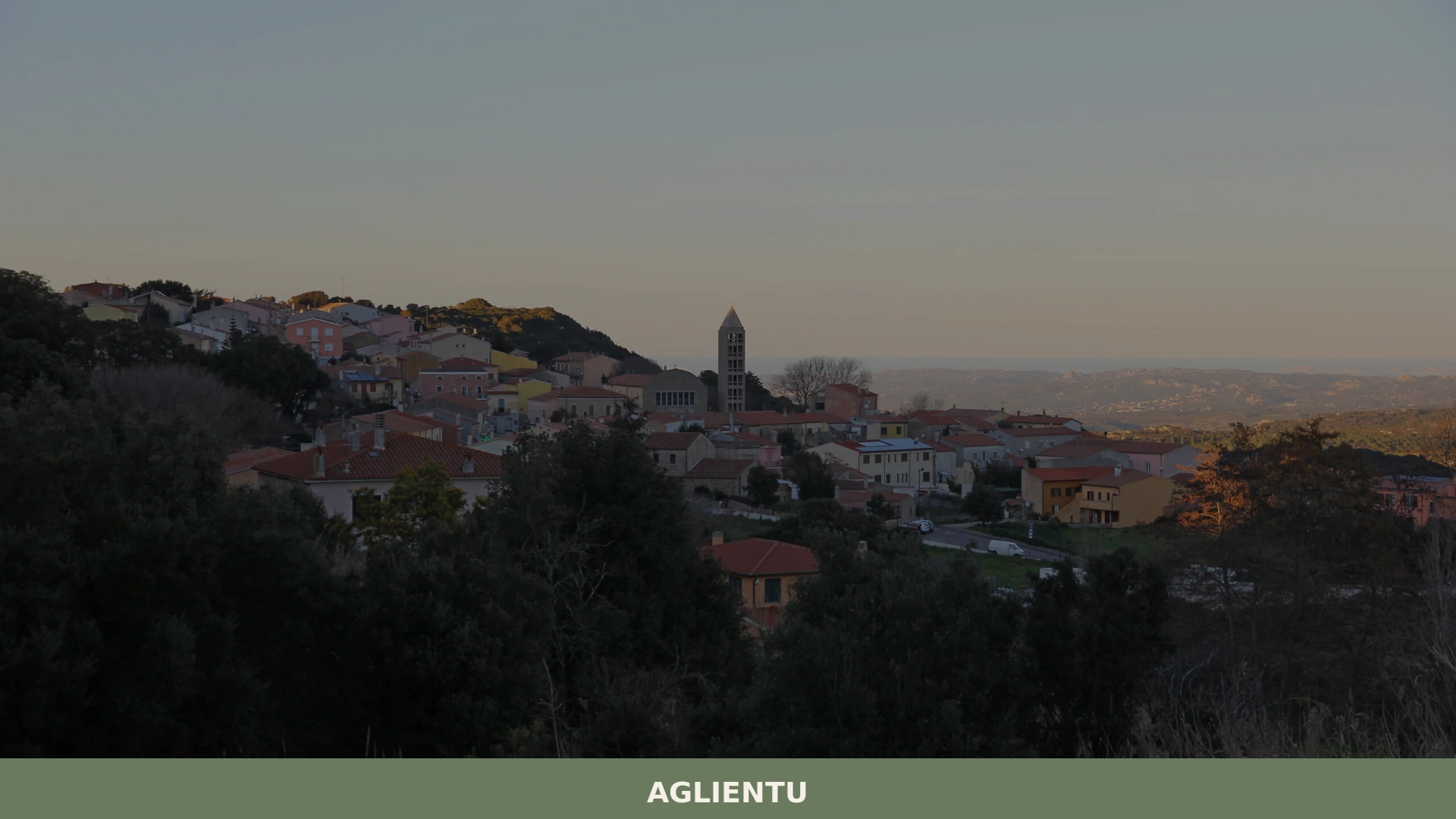

Discover what to see in Aglientu, a Gallura village in north Sardinia: granite coasts, cork oak landscapes, Nuragic sites, and local pecorino culture.
Discover Aglientu
Aglientu is a comune of approximately 1,201 inhabitants in the Gallura sub-region of north-eastern Sardinia, registered under the province of Gallura Nord-Est Sardegna. Known in the local Gallurese dialect as Santu Francìscu di l’Aglièntu, the village sits in one of the most geologically distinct corners of the island, where granite outcrops define the landscape as definitively as the language does the community. For anyone researching what to see in Aglientu, the answer begins not with a single monument but with a territory — its coast, its interior scrubland, and the human history embedded in both.
History of Aglientu
The Gallurese name Santu Francìscu di l’Aglièntu connects the settlement directly to a Franciscan religious dedication, pointing toward the influence of the Franciscan order in the ecclesiastical organisation of northern Sardinia during the medieval and early modern periods.
The toponym Aglientu itself is thought to derive from a pre-Romance root related to water sources or watercourses — a pattern common across Gallurese place names, where landscape features were encoded into settlements long before administrative borders were formalised. This linguistic layering reflects the broader history of Gallura, a territory with Corsican, Pisan, and Aragonese influences folded over an older Nuragic and Roman substrate.
Gallura as a region passed through a succession of political hands that left its mark on village-level administration throughout the area. During the Giudicato period — the system of autonomous Sardinian kingdoms that shaped the island between roughly the ninth and fifteenth centuries — the territory of what is now the Aglientu commune fell within the Giudicato of Torres (also known as Logudoro), the northern Sardinian kingdom that controlled a substantial portion of the island before its dissolution in the thirteenth century.
Following the Aragonese conquest of Sardinia from the early fourteenth century onward, the region entered a long phase of feudal reorganisation that would persist until the abolition of feudalism in 1836, a reform that fundamentally restructured land tenure and civil administration across Sardinian communes, including those of Gallura.
In the modern administrative sense, Aglientu was constituted as an independent municipality relatively late in the history of Italian local government. The municipality belongs to the Gallura Nord-Est Sardegna province, itself a territorial reorganisation that reflects the ongoing political renegotiation of Sardinia’s internal administrative geography in the twenty-first century.
The local economy has historically rested on pastoral activities — sheep and goat herding, cork oak harvesting, and subsistence agriculture — all of which remain visible in the surrounding landscape of macchia and oak woodland. The opening of the northern Sardinian coastline to summer tourism from the second half of the twentieth century introduced a second economic layer that continues to run alongside, rather than replace, the older pastoral one.
What to see in Aglientu: 5 must-visit attractions
The Gallura Coastline and Beaches of the Aglientu Territory
The commune’s coastal strip along the northern Sardinian shore includes a sequence of granite-backed coves and sandy stretches that remain far less commercialised than those of the nearby Costa Smeralda.
The granite formations here — pink and grey Hercynian rock, some estimated at over 300 million years old — form natural windbreaks and give each inlet a distinct enclosed character.
The Parish Church of San Francesco
The village’s principal church, dedicated to Saint Francis and referenced directly in the Gallurese toponym Santu Francìscu di l’Aglièntu, represents the settlement’s most historically rooted architectural point. Its dedication confirms the Franciscan imprint on local ecclesiastical life and provides a physical anchor for the village’s identity in the upper part of the built settlement.
The Cork Oak Woodland and Macchia Landscape
The interior territory around Aglientu retains significant coverage of sughera — the cork oak (Quercus suber) — which has been harvested commercially in Gallura for centuries. Cork stripping, carried out on a nine-to-twelve-year rotation cycle that does not kill the tree, is still practised in this area and gives the interior a distinctive scarred-trunk appearance that is both an economic practice and a form of land management with documented roots in Sardinian agro-pastoral culture.
Nuragic Traces in the Aglientu Territory
The broader commune contains evidence of Nuragic occupation, the Bronze Age civilisation that built thousands of stone tower structures across Sardinia between approximately 1700 and 900 BCE.
These sites — typically dispersed across the Gallura plateau — offer access to a layer of human presence on the land that predates any written record of the territory by more than two millennia.
The Village Centre and Its Gallurese Architecture
The built fabric of the village centre reflects the vernacular stone construction of Gallura, characterised by low granite houses with thick walls designed to manage both summer heat and the force of the maestrale — the north-westerly wind that presses hard across this corner of Sardinia. The spatial organisation of the village, with its compact nucleus around the church, follows a pattern recognisable across the small comuni of northern Sardinia. The official municipality of Aglientu maintains current information on local heritage sites and civic events.
Local food and typical products
The table in Aglientu and across Gallura reflects the pastoral economy that has underpinned the region for centuries.
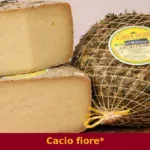
Sheep’s milk cheese is the cornerstone product: pecorino sardo, which holds DOP (Denominazione di Origine Protetta) status, is produced in various stages of aging — from the soft dolce form aged less than two months to the harder, sharper maturo aged beyond sixty days. Alongside it, fiore sardo, the oldest Sardinian DOP cheese, made from raw sheep’s milk and smoked over aromatic wood, appears on tables in the area. Pork charcuterie, including capocollo and salsiccia sarda, completes the picture of a highland meat-and-dairy economy translated directly into local eating habits. The official Sardinia tourism board provides a comprehensive overview of regional food traditions and DOP products for visitors planning to explore local producers.
Bread in Gallura takes the form of civraxiu and the thinner, crispbread-style pane carasau, the latter serving historically as a travelling bread for shepherds who needed provisions lasting weeks away from home. Local restaurants and agriturismo operations in the Aglientu area tend to serve food drawn from this pastoral repertoire rather than from a tourist-adapted menu — a practical result of the small population and the still-active agricultural base. Visitors looking for local wine will encounter Cannonau, the dominant Sardinian red grape, grown in various parts of the island and associated with the island’s reputation — contested but persistent in nutritional literature — for exceptional longevity among its rural population.
Best time to visit Aglientu
The northern Sardinian coast operates on a sharply defined seasonal rhythm.
July and August bring the highest concentrations of visitors to the coastal territory of the commune, with temperatures regularly exceeding 30°C and the maestrale providing intermittent relief from the heat. During these months, coastal access is busiest and accommodation prices are at their peak. For anyone whose primary interest is what to see in Aglientu beyond the beaches — the landscape, the architecture, the food culture — May, June, and September offer the same daylight and warmth with significantly fewer people. The scrubland is still green in May and June before the summer desiccation takes hold, and the granite coast has a different visual character in lower-angle autumn light.
The inland territory is accessible year-round, though the road network becomes wetter and occasionally difficult after heavy winter rain. The Gallura uplands can receive snow at higher elevations, though Aglientu’s altitude keeps it generally above the worst coastal humidity while remaining below the snowline. Local religious festivals tied to the Franciscan calendar, including events around the feast of San Francesco on 4 October, provide a point of entry into community life that is entirely separate from the summer coastal season and offers a more accurate picture of how the village functions as a living settlement.
How to get to Aglientu
Aglientu lies in the far north of Sardinia, in the Gallura sub-region.
The nearest international airport is Olbia Costa Smeralda Airport (OLB), approximately 70 kilometres to the south-east of the village, with frequent connections to mainland Italian cities and to several European destinations, particularly during the summer season. From Olbia, the most practical route to Aglientu is by car via the SS127 and connecting provincial roads — a drive of roughly one hour to one hour and fifteen minutes depending on traffic conditions in summer.
- Nearest airport: Olbia Costa Smeralda (OLB) — approx. 70 km, 60–75 min by car
- Nearest railway station: Olbia — no direct rail link to Aglientu; car or bus connection required from Olbia
- From Sassari: approx. 90 km north-east via the SS200 and SS127, roughly 1 hour 30 min by car
- From Cagliari: approx. 300 km south — allow at least 3 hours by car via the SS131 north to Sassari, then north-east toward Gallura
- Ferry access: regular ferry services operate to Olbia and Santa Teresa Gallura from Genova, Livorno, Civitavecchia, and Palermo; Santa Teresa Gallura is approximately 20 km west of Aglientu
A private vehicle is effectively essential for exploring Aglientu and its surrounding territory. Local bus connections exist but are infrequent and designed primarily for residents rather than visitors. The official Regione Sardegna website publishes updated public transport timetables for the island’s provincial bus networks.
Where to stay in Aglientu
Accommodation in the Aglientu area divides broadly between the village centre itself and the coastal zone within the commune’s territory.
The village centre offers a small number of B&B options and guesthouses operating primarily in summer, with agriturismo properties scattered across the inland countryside providing an alternative for visitors interested in the pastoral landscape and local food production. The agriturismo model — farm-stay accommodation that combines lodging with meals prepared from the property’s own produce — is well established across Gallura and offers some of the more grounded experiences of local rural life available in north Sardinia.
For the summer coastal season, holiday rental properties and small residence-style hotels are the dominant form of accommodation near the beaches within the commune. Booking well in advance — by February or March for July and August stays — is a practical necessity, as the northern Sardinian coast fills quickly and the volume of available accommodation is modest compared to better-known resort areas further south. Visitors travelling outside the June-to-September window will find fewer options open but greater flexibility and lower prices in the properties that do operate year-round.
More villages to discover in Sardegna
Sardinia’s geography produces communities with strongly distinct characters across relatively short distances.
To the south of Gallura, the historic city of Nuoro sits in the mountainous Barbagia region and functions as the cultural capital of the island’s interior, home to significant ethnographic and literary institutions connected to figures such as Nobel laureate Grazia Deledda. Further south still, Cagliari, the regional capital, offers the full layered complexity of a port city with Phoenician, Roman, Pisan, Aragonese, and Savoyard traces accumulated across three thousand years of continuous occupation.
For visitors who want to extend their understanding of Sardinia’s historical geography into the south-west of the island, Sanluri in the Campidano plain offers one of the few surviving medieval castles on the island, the site of the 1409 Battle of Sanluri between Aragonese forces and the Arborean resistance — a decisive moment in Sardinian political history.
For a contrasting experience of the island’s industrial and social twentieth century, Carbonia, founded in 1938 as a planned mining town under the Fascist regime, represents an entirely different chapter of Sardinian history and is one of Italy’s most coherent examples of rationalist urban planning at the settlement scale.
Frequently asked questions about Aglientu
What is the best time to visit Aglientu?
The ideal time depends on your priorities. For beach-focused holidays, July and August offer warm temperatures and abundant sunshine, though the coast will be busiest. For exploring the landscape, architecture, and food culture with fewer crowds, May, June, or September are excellent choices, offering pleasant warmth and daylight. The scrubland is also greener in spring. To experience local community life and traditions, consider visiting around October 4th for the Festa Patronale dedicated to San Francesco, the village's patron saint. The inland areas are accessible year-round.
What are the historical origins of Aglientu?
Aglientu's origins are deeply rooted in its landscape and religious dedication. Its Gallurese name, Santu Francìscu di l'Aglièntu, reflects the significant influence of the Franciscan order, while u0022Aglientuu0022 itself likely derives from a pre-Romance root associated with water sources. Historically, the territory was part of the Giudicato of Torres before falling under Aragonese rule. The modern municipality was constituted relatively late, with its economy traditionally based on pastoral activities like sheep herding and cork harvesting, augmented by coastal tourism in recent decades.
What to see in Aglientu? Main monuments and landmarks
Aglientu offers a blend of natural beauty and historical traces. The Parish Church of San Francesco, central to the village's identity and named in its Gallurese toponym, is a key architectural landmark. Beyond the village, explore the stunning Gallura Coastline, featuring less commercialised, granite-backed coves. Evidence of Nuragic occupation, dating back to the Bronze Age, is dispersed across the surrounding plateau, offering a glimpse into ancient Sardinian civilization. Don't miss the distinctive vernacular architecture of the village center, built with local granite.
What are the main natural or scenic attractions of Aglientu?
Aglientu is renowned for its striking natural landscapes. The Gallura Coastline within the commune's territory boasts spectacular granite formations and pristine, uncrowded coves, offering a rugged beauty distinct from more commercialised areas. Inland, the Cork Oak Woodland (sughera) and Macchia landscape present a unique panorama, where centuries of cork harvesting have shaped the trees with their characteristic scarred trunks. These ancient granite outcrops define the entire region, providing dramatic scenery and natural windbreaks across the territory.
Are there museums, churches or historic buildings to visit in Aglientu?
Yes, the Parish Church of San Francesco is the most historically rooted architectural point in Aglientu, embodying the village's identity and Franciscan heritage. While there are no dedicated museums, the broader commune contains significant Nuragic traces – Bronze Age stone structures dispersed across the Gallura plateau – which serve as open-air historical sites. The village center itself, with its vernacular granite houses, offers a living example of traditional Gallurese architecture. Information on specific opening hours for the church is best verified locally upon arrival.
What can you do in Aglientu? Activities and experiences
In Aglientu, you can immerse yourself in nature and local culture. Explore the beautiful, less crowded beaches and granite coves along the Gallura coastline, perfect for swimming and sunbathing. Hike or drive through the unique Cork Oak Woodlands, observing the traditional cork stripping process. Discover ancient Nuragic traces scattered across the landscape. Stroll through the village center to admire the traditional Gallurese granite architecture and visit the Parish Church of San Francesco. Indulge in authentic local cuisine, rich in DOP cheeses and traditional pastoral products, paired with Cannonau wine.
Who is Aglientu suitable for? Families, couples, hikers, solo travelers?
Aglientu is ideal for travelers seeking an authentic Sardinian experience away from mass tourism. It appeals strongly to nature lovers and hikers eager to explore its unique granite coastline, cork oak woodlands, and macchia landscapes. Cultural enthusiasts will appreciate the village's traditional Gallurese architecture, Nuragic history, and genuine pastoral food culture. Couples and families looking for quieter, less commercialised beaches will find Aglientu's coves perfect, especially during the shoulder seasons. It’s also suitable for solo travelers seeking peaceful exploration and a true taste of local life.
What to eat in Aglientu? Local products and specialties
Aglientu's cuisine reflects its strong pastoral heritage. Must-try local products include DOP sheep's milk cheeses like Pecorino Sardo (available in various stages of aging) and Fiore Sardo, an ancient raw milk cheese smoked over aromatic wood. Pork charcuterie, such as capocollo and salsiccia sarda, is also highly characteristic. For bread, sample civraxiu or the traditional pane carasau, historically a staple for shepherds. Complement your meal with a robust Cannonau, Sardinia's dominant red wine. Local restaurants focus on this authentic repertoire.
Nearby Villages near Aglientu
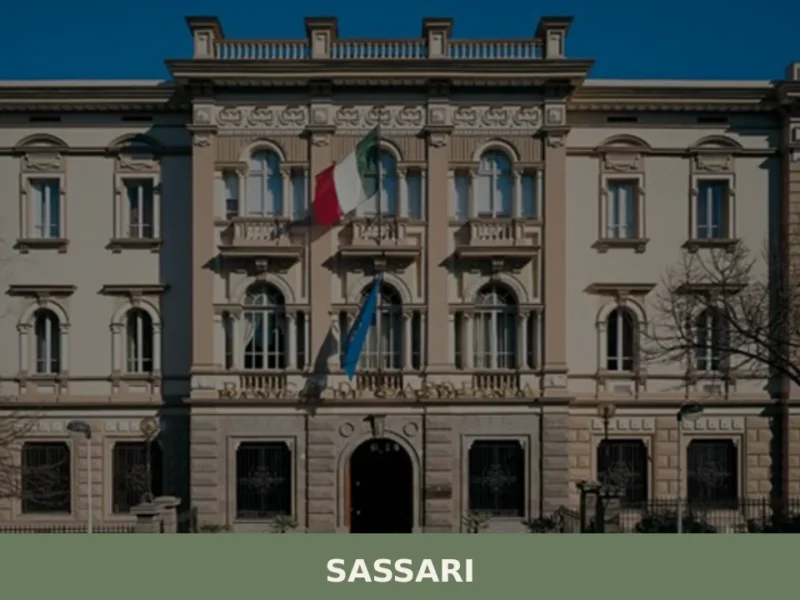
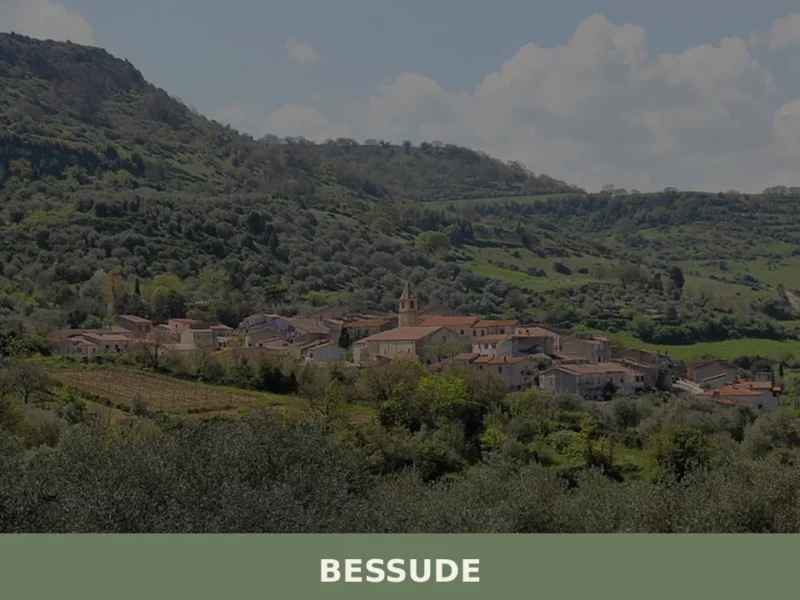
In Sardinia More villages to discover
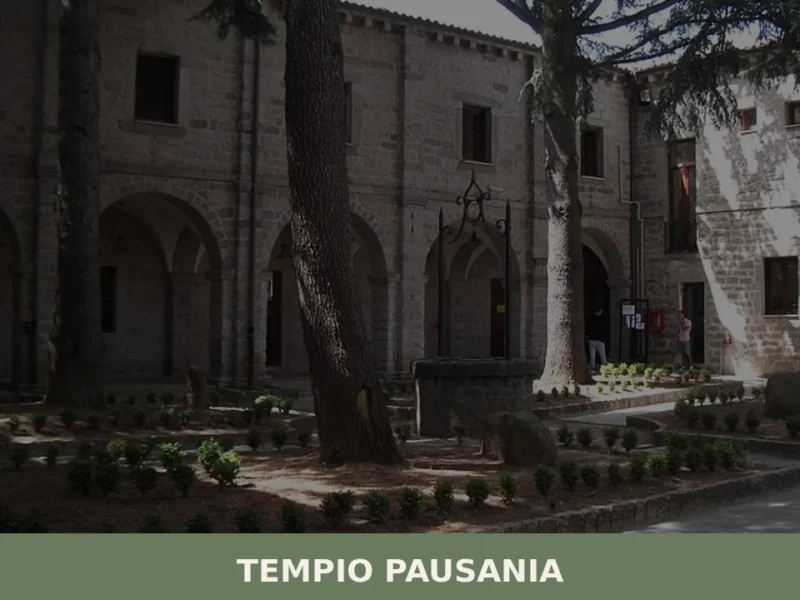
Tempio Pausania
 Hills
Hills
Tempio Pausania is a historic Gallurese town of 13,973 residents at 568 metres on Monte Limbara, seat of a diocese and gateway to the granite landscapes of north-eastern Sardinia.
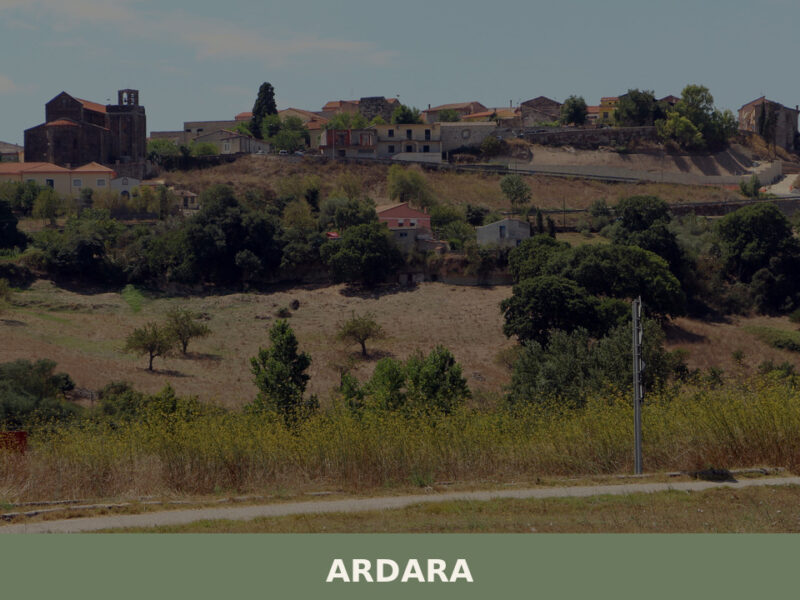
Ardara
Hills
Morning light strikes the dark basalt walls of an old church, turning the stone the colour of wet coal. A rooster calls from somewhere behind the municipio. Ardara sits on a low rise at 296 metres above sea level in the province of Sassari, a village of 729 people that once served as the capital […]
Cagliari
 Sea
Sea
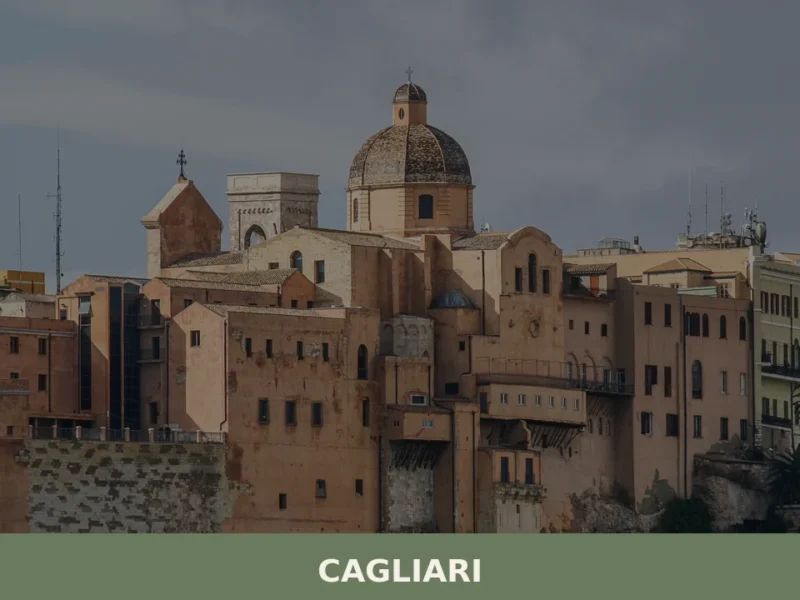
Discover Cagliari, a charming village in Sardegna, Italy. Explore its rich history, stunning landscapes, and local culture in the heart of Sardinia.
Benetutti
Hills
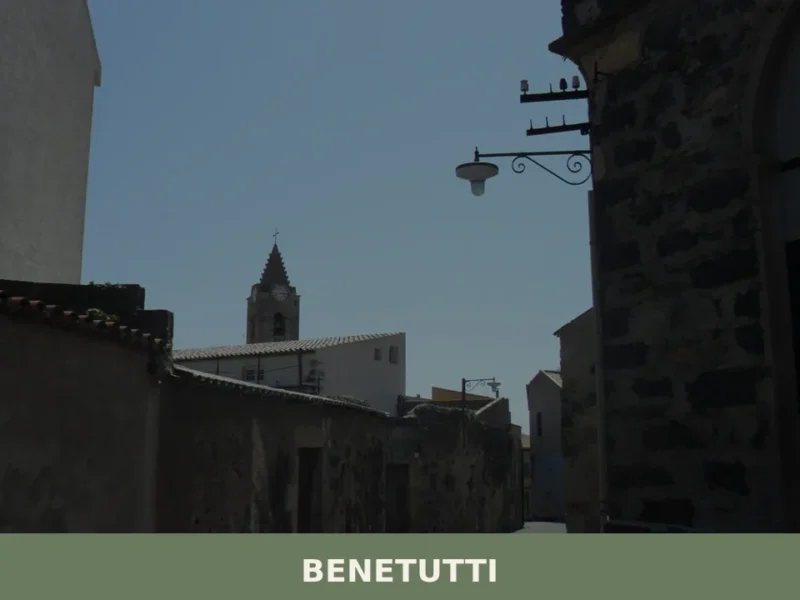
The thermal springs of San Saturnino, known since Roman times for their waters emerging at 43°C, define the identity of Benetutti more than any other element. This village of 1,686 inhabitants, at 406 metres above sea level in the province of Sassari, occupies a stretch of the Rio Tirso valley between granite formations and expanses […]
Bauladu
 Plains
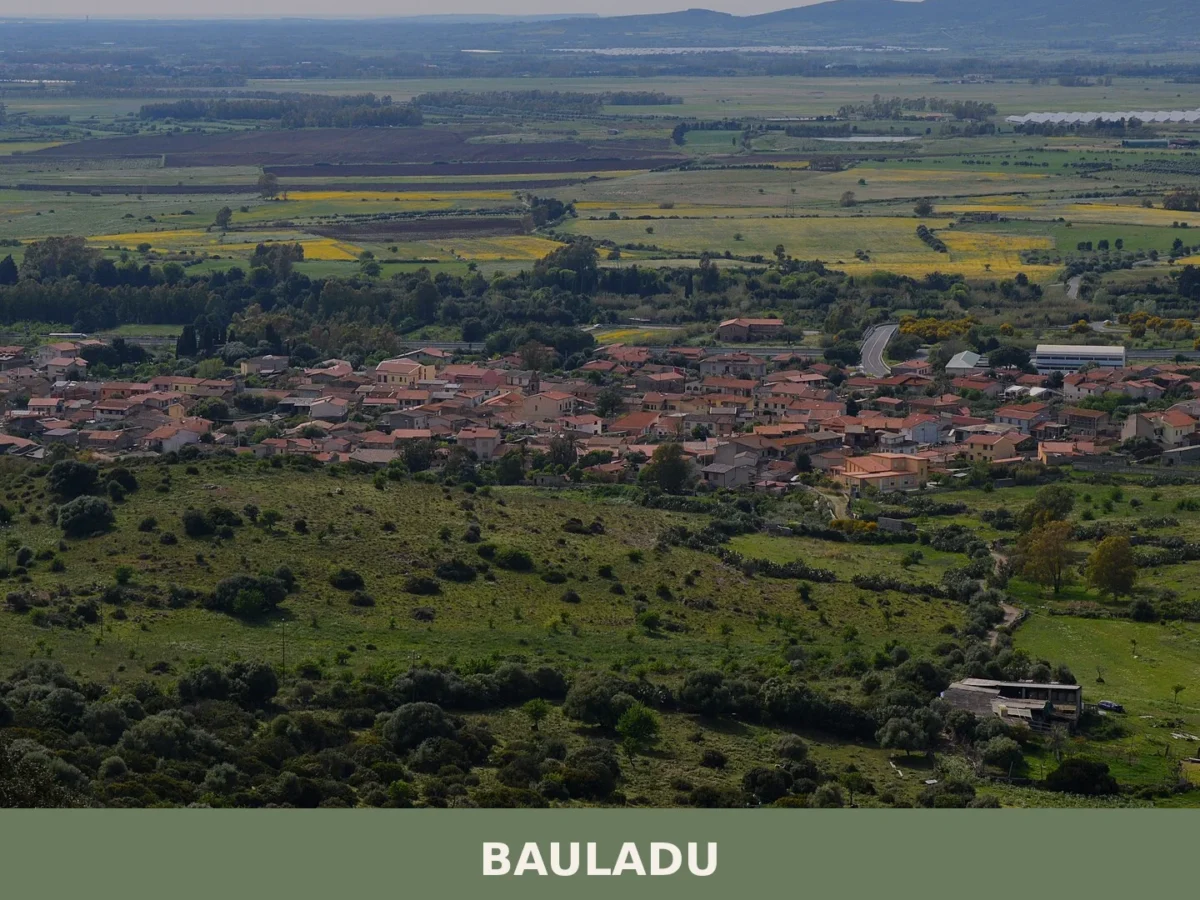
Bauladu is a small municipality of 706 inhabitants in the province of Oristano, Sardegna, with nuragic roots, a medieval parish church and a landscape shaped by volcanic hills and the rio Cìspiri.
Oristano
Sea
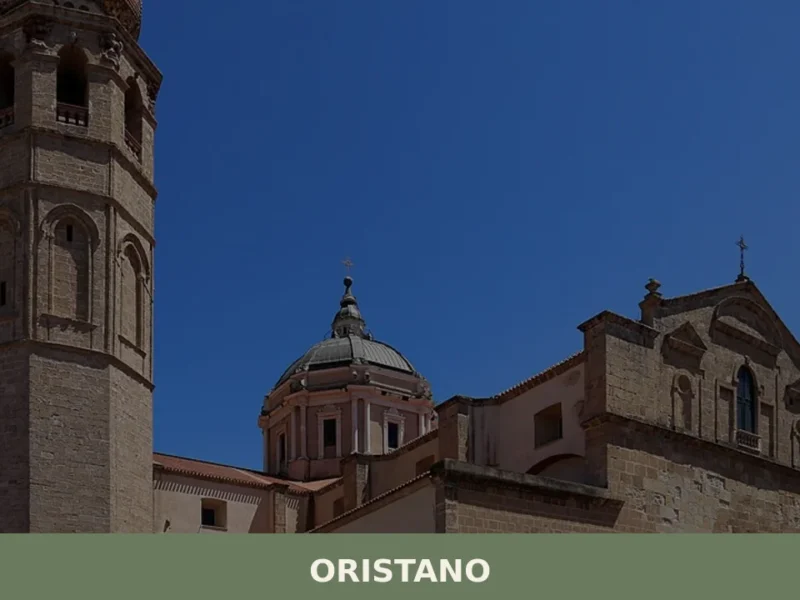
What to see in Oristano: 31,095 inhabitants, medieval Giudicato history, the Sartiglia festival and Cabras bottarga. Discover towers, museums and the cathedral. Plan your visit now.
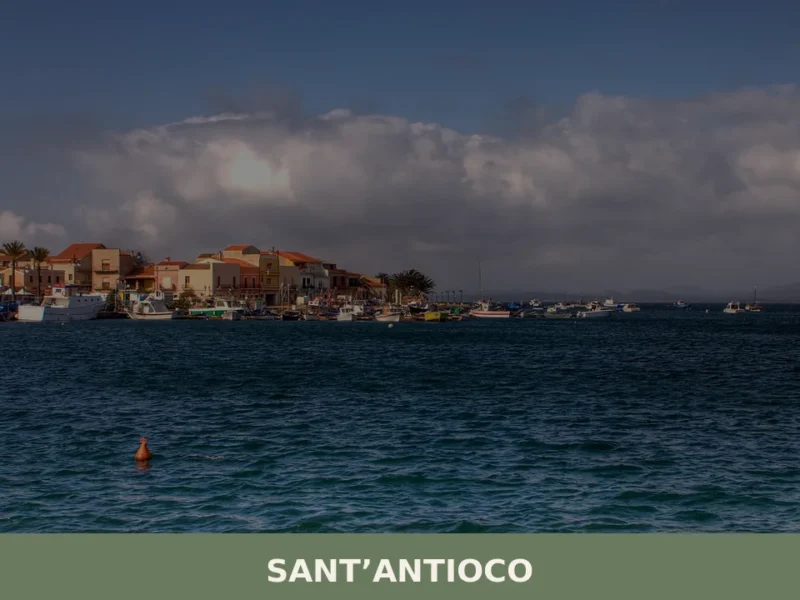
Sant’Antioco
Sea
Sant'Antioco is a lagoon-fringed island town in southwestern Sardinia where Phoenician ruins, cave dwellings and flamingo-filled shallows occupy the same compact, sea-level landscape.

Orotelli
Hills
Population 2,140. A plateau village marked by granite outcrops, divided by geological syncline, with medieval ecclesiastical heritage and nuragic foundations in the Nuoro province.
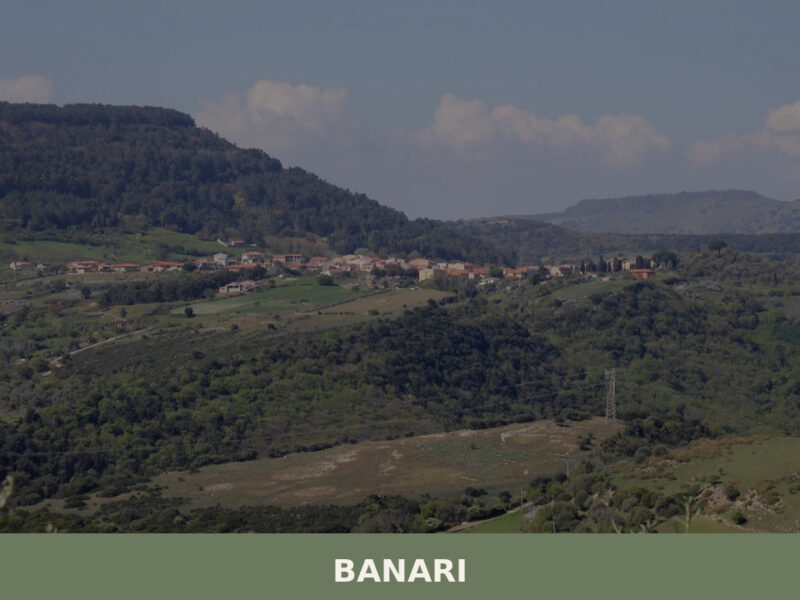
Banari
Hills
Morning light catches the limestone facades along Via Roma, turning them the colour of raw honey. A rooster calls from behind a courtyard wall. Somewhere below, the Meilogu plain stretches north toward Sassari, its patchwork of olive groves and grain fields still holding the night’s mist. Banari — population 516, perched at 419 metres above […]
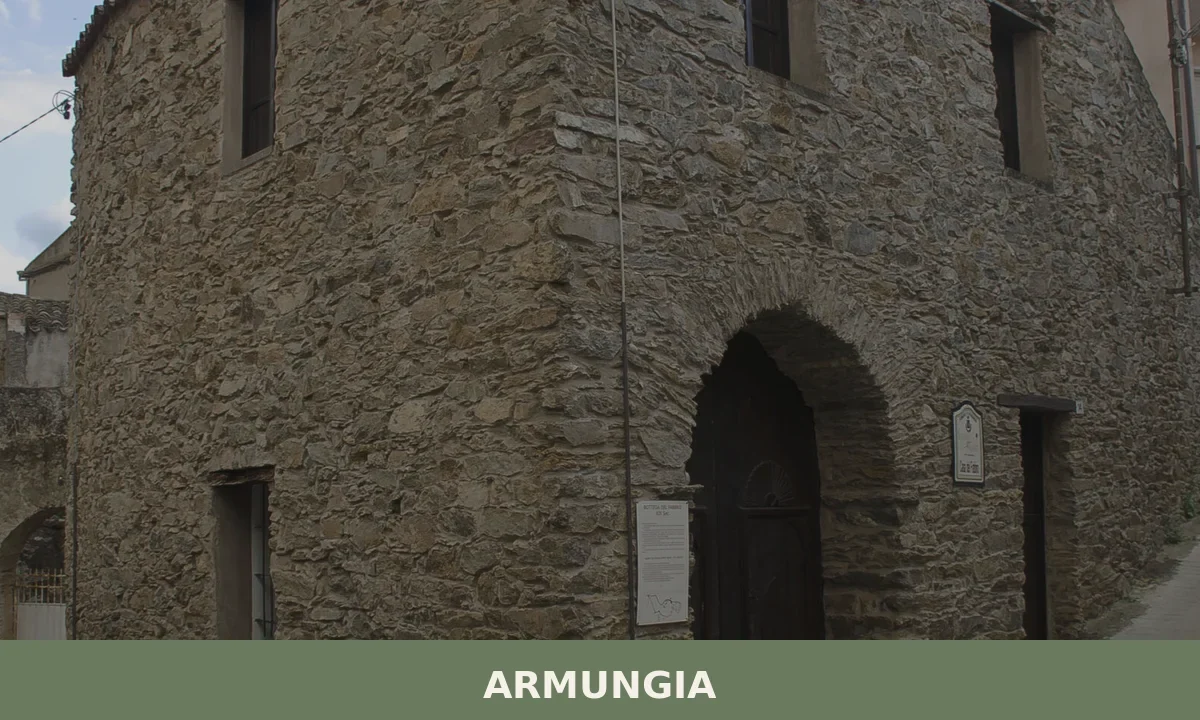
Armungia
 Mountain
490 residents, three interconnected museums and a Bronze Age nuraghe accessible from the village centre make Armungia a concentrated cultural stop in inland Sardinia.

🏡 Know Aglientu better than we do?
If you’re a local or have been there, your knowledge matters: add what’s missing or fix a detail on this page.