


Altidona
 Sea
Sea
Discover what to see in Altidona, a Marche village in the Province of Fermo. History, attractions, local food, and practical travel tips.
Discover Altidona
Altidona is a comune of roughly 3,800 inhabitants in the Province of Fermo, in the southern stretch of the Marche region. Known locally by its dialect name Ardidona, the town sits in a landscape where the Adriatic coastline is close enough to shape both its economy and its daily rhythms. Travellers asking what to see in Altidona will find a compact historic centre, a coastline within easy reach, and an agricultural tradition rooted in the hills of the Fermano. This guide covers the essential stops, the local food, and the practical details for a first visit.
History of Altidona
The name Altidona — and its dialect form Ardidona — has been the subject of local etymological debate, with some scholars connecting it to Latin roots suggesting elevated ground near the Tenna river valley. The settlement belongs to a cluster of medieval hill towns that developed across the Marche interior as communities sought defensible positions above the Adriatic coastal plain during the early medieval period. By the medieval centuries, the area fell within the complex feudal geography of the March of Ancona, where ecclesiastical and noble families competed for territorial control over small comuni like Altidona.
During the period of papal temporal authority over the Marche, Altidona — like most comuni in the region — was absorbed into the administrative structures of the Papal States. This arrangement persisted for centuries, shaping the village’s institutional life, its church architecture, and its land tenure patterns. The presence of ecclesiastical landholdings across the Fermano hills had direct consequences for local agriculture: sharecropping arrangements known as mezzadria defined the working lives of most rural families here well into the twentieth century.
The administrative reorganisation that followed Italian unification in 1861 placed Altidona within the Province of Ascoli Piceno. The more recent creation of the Province of Fermo — established in 2004 after a long campaign by local municipalities — transferred the comune to the new provincial unit, where it remains today. This administrative shift reflected a broader reassertion of Fermano identity across the southern Marche, a territory that had historically maintained distinct commercial and cultural ties to the city of Fermo rather than to Ascoli Piceno.
What to see in Altidona: 5 must-visit attractions
The Historic Centre
The compact upper town preserves the typical layout of a Marchigian hill comune: a main piazza flanked by civic and religious buildings, narrow parallel streets, and stone archways connecting the older residential blocks. The street plan itself reflects medieval organisation, with the parish church occupying the dominant position in the central square.
Parish Church of Sant’Andrea Apostolo
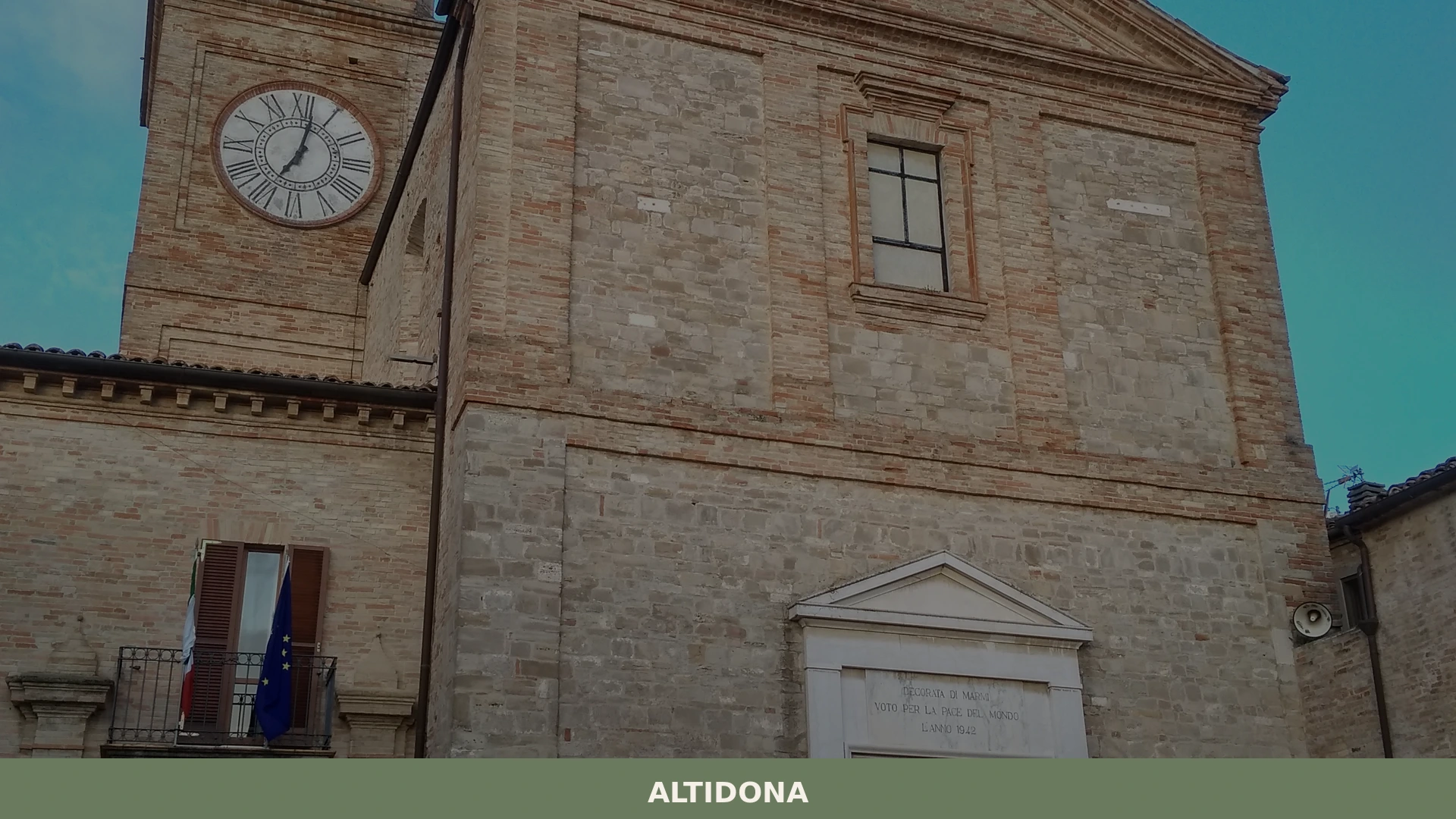
The main parish church is dedicated to Saint Andrew the Apostle and stands at the centre of the village’s religious life. Its interior retains works of sacred art accumulated across several centuries, a common feature of Fermano parish churches that served as repositories for local devotional commissions. The façade faces the central piazza and defines the character of the main public space.
The Panoramic Viewpoints over the Adriatic
At an elevated position relative to the coast, Altidona’s upper streets offer clear sightlines east toward the Adriatic. On days without coastal haze, the view extends across the cultivated hillside terraces to the sea below — a precise, measurable distance of roughly 5 kilometres from the village centre to the nearest shoreline.
The Surrounding Agricutural Landscape
The territory of Altidona is characterised by the Marchigian colli: low rounded hills planted with vineyards, olive groves, and arable fields. This landscape is not incidental scenery but a working agricultural system, and the road network that connects the village to surrounding farms and to the coast road passes through it directly. Walking or driving these roads gives a clear sense of how the local economy is structured.
The Coastal Fraction
Altidona’s municipality includes a coastal fraction on the Adriatic shore, accessible from the hill centre by a road descending through the farmland. The beach here is part of the broader Riviera delle Palme coastal strip — a sandy Adriatic shoreline extending through the Fermano — and provides the village with a direct relationship to the sea economy that many purely inland comuni of the Marche do not share.
Local food and typical products
The food of Altidona and the surrounding Fermano territory draws on both the agricultural interior and the Adriatic coast. Brodetto, the local fish stew cooked with a mix of Adriatic catch and vinegar, is the defining dish of the coastal stretch from Porto San Giorgio south toward San Benedetto del Tronto. Inland, the hills produce the raw materials for dishes built on cured meats, pecorino cheese aged in local farmhouses, and hand-rolled pasta shapes like vincisgrassi — the Marchigian baked pasta that functions as a regional equivalent of lasagne. Olive oil from the Marche hills, while not carrying a specific DOP designation tied to Altidona itself, benefits from the same terrain and climate that characterises much of the Fermano agricultural zone.
For eating in and around Altidona, the most reliable options tend to be agriturismo establishments operating in the surrounding countryside, where the kitchen is directly linked to the farm’s own production. The village itself is small enough that dining options are limited during the low season, but the coastal fraction becomes considerably more active in summer, with restaurants oriented toward both local residents and Adriatic holidaymakers. The official municipality website can provide updated information on local businesses and seasonal openings.
Best time to visit Altidona
The Adriatic coast of the Marche has a climate that makes late spring and early autumn the most practical seasons for visiting. May and June bring warm, settled weather before the full summer season compresses the coastal fraction with visitors. September and October allow access to the beach and the countryside simultaneously, with harvests underway in the olive groves and vineyards. Summer — July and August particularly — draws significant numbers to the Riviera delle Palme coastal strip, which affects both accommodation prices and the atmosphere along the shore. The hill centre, by contrast, stays relatively quiet year-round.
Local religious and civic festivals follow the patterns common across the Marche: the feast day of the patron saint Sant’Andrea falls on 30 November, though the village’s summer calendar tends to concentrate events between June and August when the coastal population swells. Visitors interested in agricultural traditions would do better in September, when the grape and olive harvests bring a visible working rhythm back to the Fermano countryside.
How to get to Altidona
Altidona sits between the A14 Adriatic motorway and the inland hills of the Fermano, making it accessible by road from both the coast and the interior. The nearest motorway exit on the A14 Autostrada Adriatica is Porto San Giorgio / Fermo, approximately 10–15 kilometres north. From there, provincial roads connect toward Altidona through the hillside comune network.
- By car from Fermo: approximately 15–20 minutes via provincial roads heading southeast toward the coast.
- By car from Pescara: approximately 1 hour 20 minutes north on the A14.
- By car from Ancona: approximately 1 hour south on the A14 to the Porto San Giorgio / Fermo exit.
- Nearest railway station: Porto San Giorgio, on the Bologna–Lecce Adriatic line. From there, road transport (car or local bus) is required to reach Altidona.
- Nearest airports: Ancona Falconara (AOI), approximately 90 kilometres north; Pescara Abruzzo (PSR), approximately 110 kilometres south. Both have connections to major Italian and European cities.
Local bus services operated through the Marche regional transport network connect some of the Fermano hill comuni to the coast road and to Fermo itself, though services are infrequent and a private vehicle remains the most practical option for exploring the territory in depth.
Where to stay in Altidona
Accommodation in Altidona divides between the hill centre and the coastal fraction. The village centre offers limited options — mostly small B&B or room-rental arrangements — but its position above the coastal plain means it stays cooler in summer and gives direct access to the agricultural landscape. The coastal fraction provides a broader range of holiday apartments and small guesthouses, particularly during the summer season when the Riviera delle Palme draws visitors to the Adriatic shore. Agriturismo properties in the countryside between the hill and the coast are often the most practical choice for visitors who want proximity to both environments.
Booking directly through agriturismo operators or through the municipal accommodation listings tends to give better results than relying solely on large platforms, which may not capture all the smaller seasonal operations. For stays in July or August, particularly near the coast, reserving two to three months in advance is realistic for the better-regarded properties in the Fermano area.
More villages to discover in Marche
The Province of Fermo sits within a broader territory that extends north and west through some of the Marche’s most varied hill country. Those who travel beyond the Fermano into the Province of Pesaro-Urbino will find a different but equally coherent landscape of small comuni and medieval settlements. Fratte Rosa, in the upper Metauro valley, is known for its ceramics tradition — a craft that has defined the local economy for generations and produced a visible material culture still present in the village today. Further into the same upland zone, Lunano offers a compact example of the smaller comuni that populate the Apennine foothills north of Urbino.
To the south and east of Fermo, the landscape shifts toward the more dramatic terrain of the Tronto valley and the Monti Sibillini. Ascoli Piceno — with its travertine piazza and long civic history — functions as the natural urban reference point for the southern Marche and makes a practical day trip from the Fermano coast. For those interested in the border zone between the Marche and Emilia-Romagna, Monte Cerignone in the Montefeltro area represents the kind of small comune where the political and cultural geography of the region becomes most legible in the landscape itself.
Frequently asked questions about Altidona
What is the best time to visit Altidona?
The ideal time to visit Altidona is during late spring (May-June) or early autumn (September-October). These months offer pleasant weather perfect for exploring both the historic hill town and the nearby Adriatic coast, with fewer crowds than peak summer. September is particularly engaging for those interested in agricultural traditions, as grape and olive harvests are underway. While the patron saint Sant'Andrea's feast is in November, the village celebrates San Ciriaco di Roma on August 8th, offering a local cultural experience. Summer (July-August) sees the coastal fraction become very lively, while the hill centre remains quieter.
What to see in Altidona? Main monuments and landmarks
In Altidona, begin by exploring the compact Historic Centre, characterized by its medieval layout, narrow streets, and stone archways leading to the main piazza. Dominating this square is the Parish Church of Sant'Andrea Apostolo, a repository of local sacred art, generally open during worship hours. Don't miss the Panoramic Viewpoints scattered throughout the upper town, offering stunning vistas east towards the Adriatic Sea, approximately 5 kilometres away. Finally, the Coastal Fraction provides direct access to the sandy beaches of the Riviera delle Palme, perfect for seaside relaxation.
What are the main natural or scenic attractions of Altidona?
Altidona's natural charm lies in its elevated position and proximity to the Adriatic. The most prominent attractions are the Panoramic Viewpoints within the historic centre, offering expansive views over the cultivated hills and the sea. The Surrounding Agricultural Landscape itself is a scenic highlight, with gentle Marchigian 'colli' covered in vineyards, olive groves, and arable fields, ideal for scenic drives or walks. Furthermore, the Coastal Fraction provides direct access to the sandy shores of the Riviera delle Palme, perfect for enjoying the Adriatic Sea.
Where to take the best photos in Altidona?
For the best photographs in Altidona, head to the Panoramic Viewpoints located within the historic upper town. From these elevated spots, you can capture sweeping vistas of the cultivated agricultural landscape cascading down to the Adriatic Sea, creating a striking contrast between rural tranquility and coastal expanse. The medieval Historic Centre itself, with its stone archways and narrow alleys, offers charming photographic opportunities, particularly around the main piazza and the Parish Church of Sant'Andrea Apostolo.
Are there museums, churches or historic buildings to visit in Altidona?
Altidona offers a glimpse into its past through its well-preserved Historic Centre and main church. The Parish Church of Sant'Andrea Apostolo is the principal religious building, housing works of sacred art accumulated over centuries. While specific visiting hours are not provided, it is typically accessible during mass times. The compact Historic Centre itself, with its medieval street plan, stone archways, and traditional residential blocks, functions as an open-air historical experience. There are no dedicated museums mentioned for Altidona.
What can you do in Altidona? Activities and experiences
In Altidona, visitors can explore the charming Historic Centre and its medieval architecture. Scenic drives or walks through the Surrounding Agricultural Landscape offer a chance to appreciate the working vineyards and olive groves. For seaside relaxation, head to the Coastal Fraction to enjoy the sandy beaches of the Riviera delle Palme. Food enthusiasts can indulge in local specialties like brodetto or vincisgrassi at nearby agriturismo establishments, which often link directly to farm production for an authentic culinary experience.
Who is Altidona suitable for? Families, couples, hikers, solo travelers?
Altidona is ideal for travelers seeking a blend of authentic Marche hill town charm and easy access to the Adriatic coast. It's perfect for couples looking for tranquil escapes, scenic views, and local culinary experiences, especially at nearby agriturismi. Families will appreciate the quiet atmosphere of the hill centre and the sandy beaches of the coastal fraction during summer. Those interested in agricultural landscapes and gentle walks will enjoy exploring the surrounding countryside. Solo travelers can find a peaceful base with opportunities to explore both inland and coastal attractions.
What to eat in Altidona? Local products and specialties
The cuisine of Altidona and the Fermano area blends coastal and agricultural traditions. A must-try coastal specialty is Brodetto, a rich fish stew made with various Adriatic catches and vinegar. Inland, savour dishes featuring local cured meats and pecorino cheese aged in farmhouses. Don't miss Vincisgrassi, a baked pasta dish akin to lasagna, characteristic of the Marche region. High-quality olive oil from the surrounding hills is also a staple. For the most authentic experience, seek out agriturismo establishments in the countryside.
Nearby Villages near Altidona
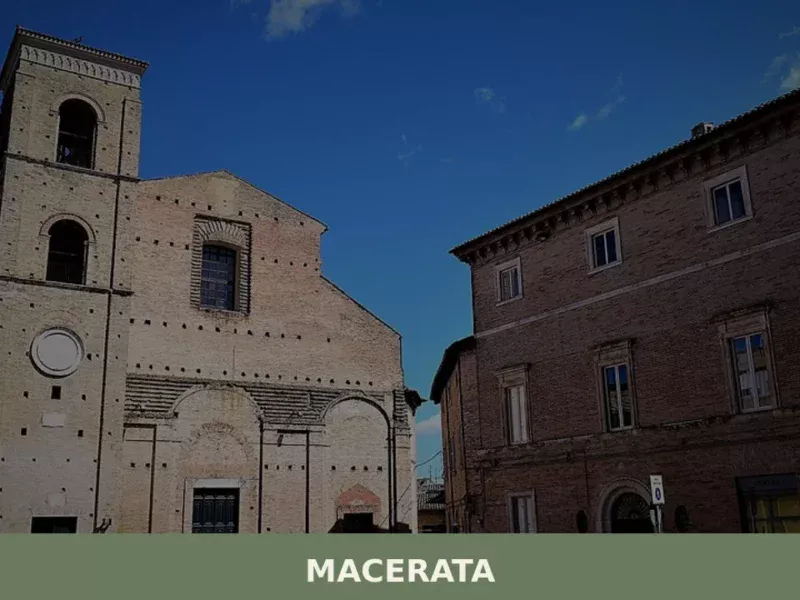
In Marche More villages to discover
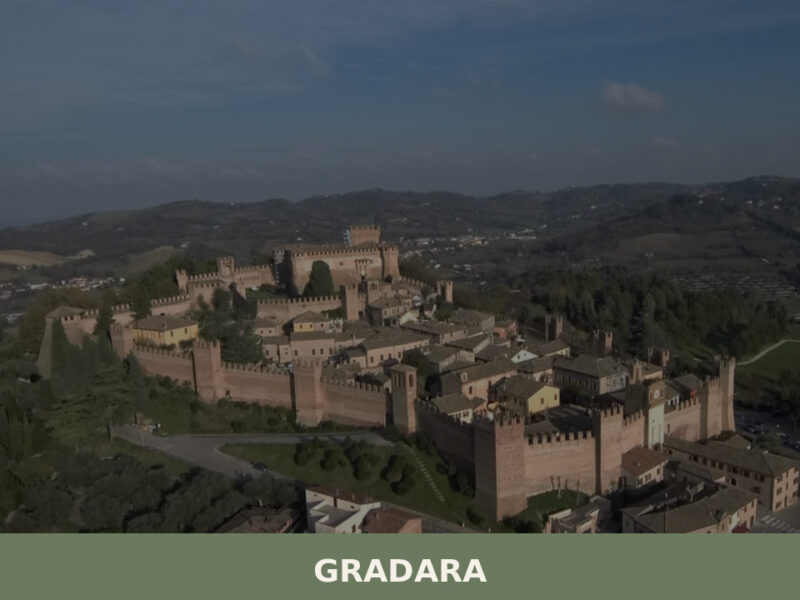
Gradara
 Plains
What to See in Gradara: discover Malatesta Castle and 4 other must-see attractions. Plan your trip to this Marche village of 4,889 inhabitants.

Camerata Picena
 Mountain
Discover Camerata Picena, a charming hilltop village in Ancona province with medieval churches, scenic views, and authentic Marche countryside.

Barbara
 Hills
Hills
What to see in Barbara, Marche, Italy: 5 top attractions, local food, festivals and how to get there. Population 1,484. Discover this Ancona province comune.
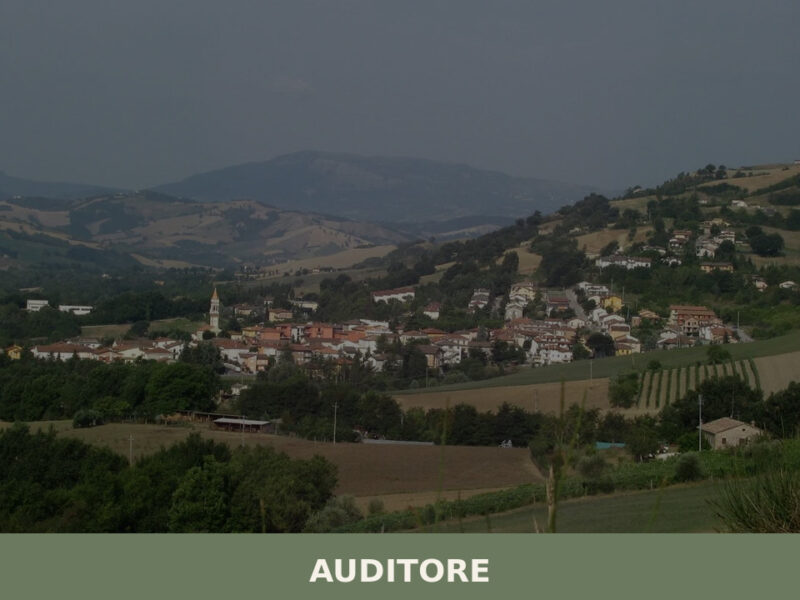
Auditore
Hills
Morning light falls across a line of stone houses the colour of dry wheat, and somewhere below the rooftops a church bell marks the hour with a single, unhurried stroke. Auditore sits in the hill country of the province of Pesaro e Urbino, a settlement of 1,631 people where the Foglia river valley opens toward […]
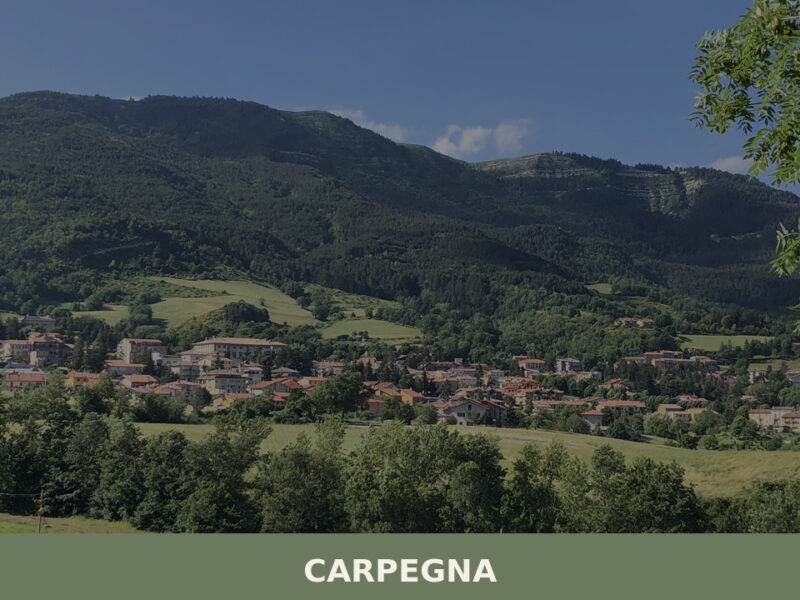
Carpegna
Mountain
Morning mist lifts off Monte Carpegna in slow, deliberate layers, revealing stone walls the colour of raw honey and a bell tower that has marked the hours here for centuries. The village sits at the foot of its namesake peak in the province of Pesaro e Urbino, home to just 1,672 residents who move through […]
Arcevia
Hills
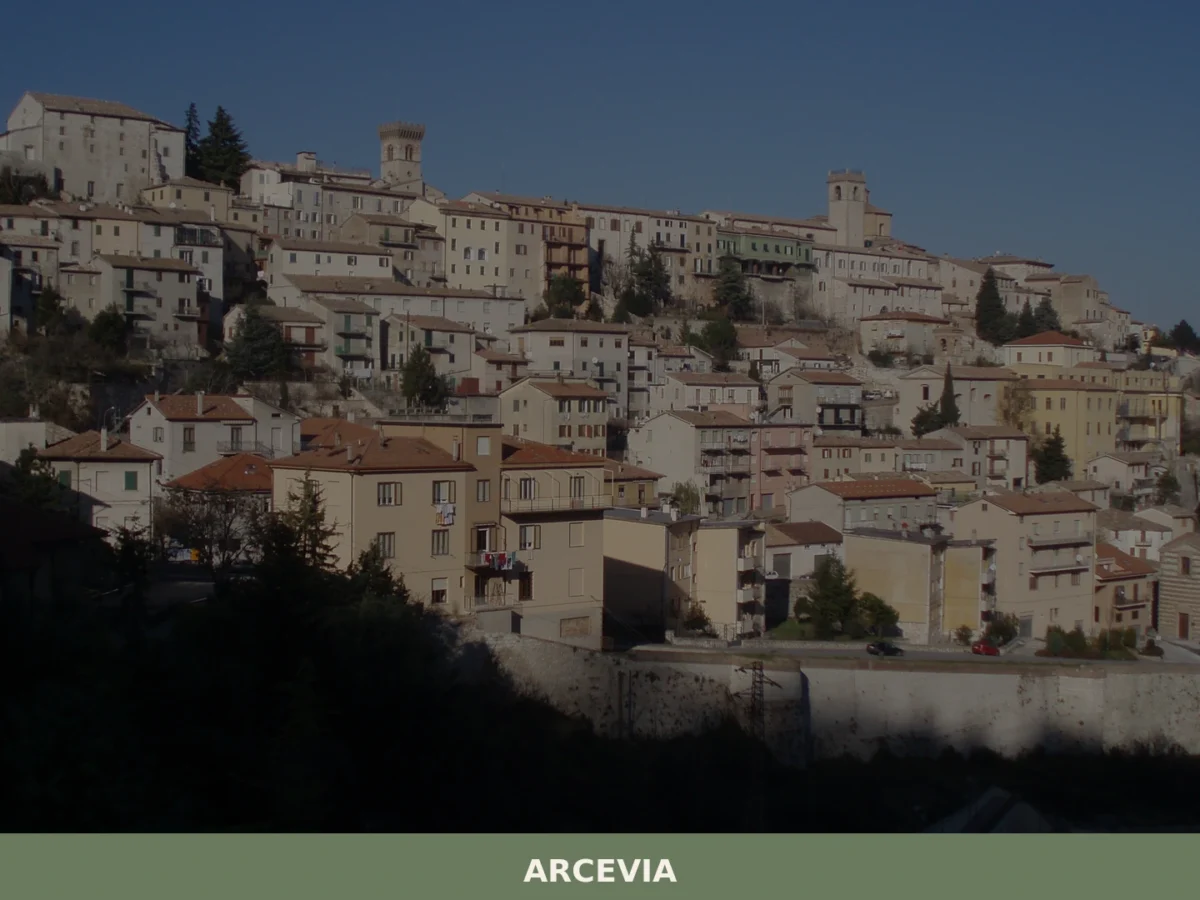
A hill at 535 metres (1,755 ft) above the Misa and Nevola river valleys: this is where Arcevia stands, its streets running along a ridge in the province of Ancona, roughly 50 kilometres (31 mi) south-west of the regional capital. The town was fortified by Pippin the Younger, fought over by condottieri, renamed by a […]
Mercatino Conca
Hills
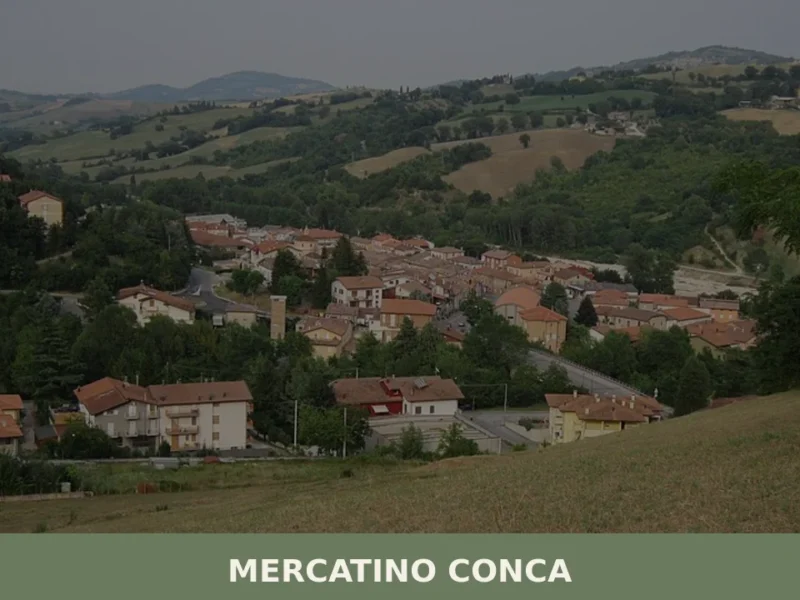
At 275 meters above sea level, in the province of Pesaro and Urbino, lies Mercatino Conca, a settlement with 1,033 residents. The name itself, “Mercatino” (meaning “little market”), suggests a historical commercial function, likely linked to its position in the Conca river valley, a crossroads for trade and activities since ancient times. For those wondering […]
Borgo Pace
Hills
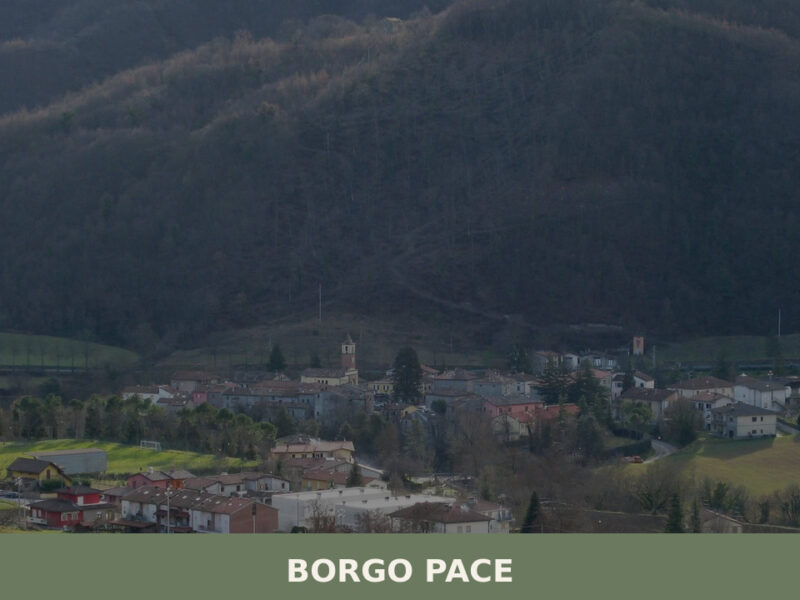
Two rivers converge here — the Meta and the Auro — and their meeting point gives this settlement its ancient rhythm. In the early morning, mist lifts off the water and clings to stone walls darkened by centuries of wood smoke. Borgo Pace sits at the edge of the Apennine watershed in the province of […]
Apecchio
Hills
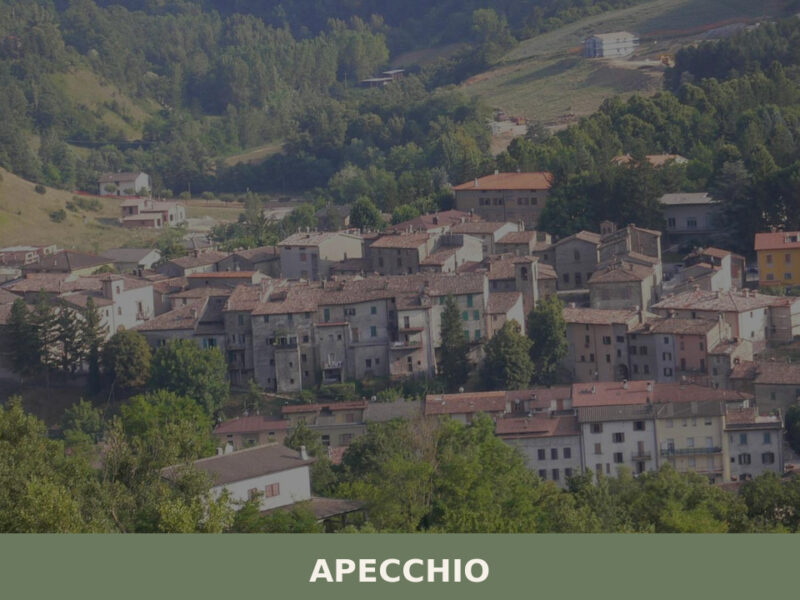
Morning mist lifts off the Biscubio river and the medieval bridge emerges in grey stone, its arches still carrying the weight of six centuries. A bell tower marks the hour above terracotta rooftops, and the smell of woodsmoke mixes with damp earth from the surrounding Apennine slopes. At 493 metres above sea level, this small […]
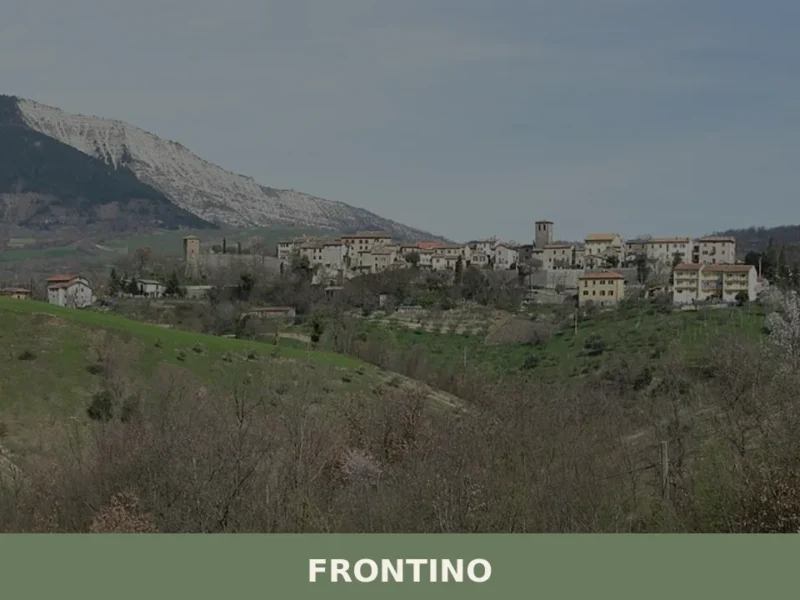
Frontino
Hills
Frontino has around 300 inhabitants today, spread across a hilly area in the province of Pesaro and Urbino at 519 metres above sea level, along the eastern slope of the Apennines separating the Marche from Tuscany and Romagna. The municipality, one of the least populated in the entire region, retains a compact and legible urban […]





🏡 Know Altidona better than we do?
If you’re a local or have been there, your knowledge matters: add what’s missing or fix a detail on this page.