


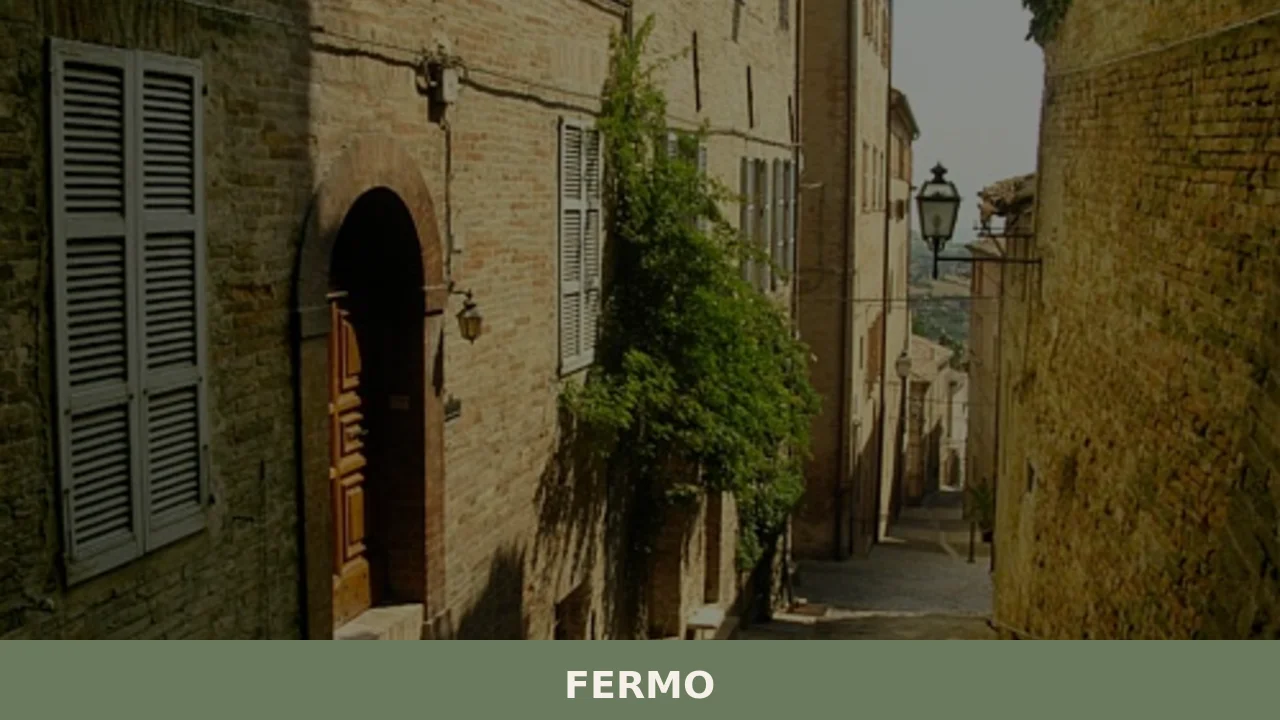
Fermo
 Sea
Sea
What to see in Fermo? Discover the 5 must-visit attractions of this village in Marche with our complete guide. Plan your perfect visit!
Discover Fermo
With its 37,221 inhabitants, Fermo stands as the capital of the eponymous province in Marche, approximately 6 kilometers from the Adriatic coast.
This city, an archiepiscopal see, presents a profile that stands out between the blue of the sea and the green of the hills, narrating a millennial history rooted in remote eras.
Its streets and squares preserve the echo of an illustrious past, where every stone seems to tell stories of peoples, dominations, and cultural flourishing.
For those wondering what to see in Fermo, the city offers a rich itinerary that winds through at least 5 main attractions, capable of revealing the authentic soul of this Marche village.
Visitors to Fermo will find a well-preserved historic center, the majestic Metropolitan Cathedral, and an urban fabric that invites the discovery of unexpected glimpses.
The things not to miss in Fermo include Roman testimonies, medieval architecture, and Renaissance palaces, all elements that contribute to creating a travel experience rich in meaning.
History and origins of Fermo
The origins of Fermo are lost in the mists of time, with traces of Picene and Roman settlements attesting to its ancient strategic and commercial importance. The city assumed a prominent role already in Roman times, becoming a colony under the name of Firmum Picenum, a fundamental stronghold for territorial control. After the fall of the Western Roman Empire, Fermo experienced a period of uncertainty, passing under various barbarian dominations, but managed to maintain its identity and a certain degree of autonomy.
During the Middle Ages, Fermo established itself as a free commune, reaching the apex of its power between the 12th and 14th centuries, when its territory extended over a vast portion of Marche.
Its geographical position, close to the sea but well-defended inland, favored the development of trade and cultural exchanges, making it a lively and influential center.
In this period, the city acquired important civic and religious structures, many of which are still visible today, testifying to its prosperity and prestige, similar to that of other Marche cities like Macerata, which shares a rich medieval heritage.
Subsequently, Fermo entered the orbit of the Papal States, while enjoying a particular autonomy as the seat of an important Marca (March). The following centuries saw the city go through periods of development alternated with moments of crisis, linked to the political and military events of the Italian peninsula.
Despite the turmoil, Fermo has managed to preserve its historical and artistic heritage, which today presents itself as a fascinating open book on the history of Italy, a legacy that continues to attract visitors eager to discover its secrets.
What to see in Fermo: main attractions
The Metropolitan Cathedral
The Metropolitan Cathedral of Fermo, dedicated to Santa Maria Assunta, stands on the highest point of the city hill, offering a view that stretches from the Adriatic Sea to the Sibilline Mountains.
Its stone facade, although altered over the centuries, preserves Romanesque and Gothic elements that narrate the long history of the building, whose origins date back to around the 11th century on a pre-existing early Christian place of worship.
The interior, the result of successive Baroque and Neoclassical transformations, houses important works of art, including frescoes and sculptures that enrich the visual experience of visitors.
The bell tower, with its imposing mass, represents a landmark in the urban landscape and bears witness to the different construction phases that have affected the cathedral over the centuries.
Inside, the crypt preserves the relics of Saint Savino, patron saint of the city, and offers an evocative journey into the historical depths of the building.
The Cathedral is not just a place of worship, but a true treasure chest of art and history, essential for anyone wishing to discover Fermo’s cultural heritage.
Piazza del Popolo
Piazza del Popolo, the beating heart of Fermo, is a magnificent example of a Renaissance square, characterized by harmonious symmetry and elegant arcades that surround it on three sides.
Its current layout largely dates back to the 15th and 16th centuries, when the city experienced a period of great splendor under papal rule and the influence of the Renaissance.
This square is not only a place for meeting and strolling, but an urban salon overlooked by some of the city’s most significant buildings, making it a focal point for anyone wishing to understand Fermo’s identity.
At the center of the square stands the statue of Sixtus V, a pope originally from the Marche region, which testifies to the deep connection between Fermo and the Papal States. The arcades, with their regular arches, house cafes and historic shops, inviting visitors to a contemplative stop.
The paving, often in herringbone brick, contributes to defining the aesthetic of this open space, which annually hosts cultural events and manifestations, representing a gathering place that has retained its charm over time.
Palazzo dei Priori
Palazzo dei Priori, majestically overlooking Piazza del Popolo, is one of Fermo’s iconic buildings and has been the hub of civic power since the Middle Ages.
Its construction began in the 13th century, but the building underwent numerous modifications and enlargements over the centuries, taking on its current appearance primarily between the 15th and 16th centuries with the addition of Renaissance elements.
The terracotta and stone facade, with its large clock and noble coats of arms, tells the story of the families and institutions that governed the city.
Inside, the Palazzo houses the Pinacoteca Civica (Civic Art Gallery), which preserves works of art by local and national artists, offering an overview of the artistic production of the Marche region from the 14th to the 20th century. Among the most significant rooms is the Sala del Mappamondo (Globe Room), a historical library that holds ancient volumes and an imposing 18th-century globe, testifying to the interest in knowledge and culture that animated Fermo in times past.
A visit to Palazzo dei Priori allows one to appreciate not only the architecture but also the rich cultural and administrative heritage of the city.
Teatro dell’Aquila
Fermo’s Teatro dell’Aquila is a jewel of Italian theatrical architecture, inaugurated in 1790 and considered one of the largest and best-preserved historic theaters in the Marche region.
Its imposing Neoclassical structure, with an original capacity of over a thousand seats, reflects the taste of the era and the importance that culture and entertainment held for Fermo’s nobility and bourgeoisie. The exterior facade, sober yet elegant, anticipates the magnificence of the interiors, where stuccoes, frescoes, and decorations create a highly evocative atmosphere.
The theater’s interior features five tiers of boxes and a gallery, all finely decorated, converging towards the grand proscenium.
The historic curtain, painted by Giovan Battista Bassi, depicts the allegory of the Glory of the Eagle, the city’s heraldic symbol.
Even today, the Teatro dell’Aquila hosts a rich season of prose, opera, and concerts, keeping its cultural function alive and offering visitors the opportunity to immerse themselves in an artistic experience within a historical context of rare beauty.
The website of the Municipality of Fermo provides updated information on shows and events.
The Roman Cisterns
Fermo’s Roman Cisterns represent one of the most significant testaments to Roman hydraulic engineering in the region, an underground complex of
extraordinary breadth and complexity. Built in the 1st century AD, these cisterns were designed to guarantee the water supply of the city of Firmum Picenum, a vital work for the life of the colony.
The system consists of thirty parallel and communicating galleries, arranged over an area of approximately 2,000 square meters, which could hold thousands of cubic meters of water.
A visit to this hypogeum offers a unique experience, allowing one to admire the constructive ingenuity of the Romans and their ability to manage fundamental resources like water.
The walls and vaults, made of opus caementicium and covered with waterproof *cocciopesto*, are still in excellent condition today.
This imposing underground water system not only testifies to Fermo’s importance in antiquity, but also constitutes a fascinating archaeological route that reveals a lesser-known but equally impressive aspect of the city’s historical heritage.
Typical Cuisine and Products of Fermo
The cuisine of Fermo, deeply rooted in the traditions of the Marche region, reflects the richness of its territory, which stretches from the Adriatic Sea to the inland hills.
Local gastronomy is based on simple and genuine ingredients, the result of careful agriculture and fishing that respects natural rhythms.
The culinary influences are typical of the region, with a strong link to peasant tradition and the wisdom of recipes handed down from generation to generation, where homemade pasta and local meats play a central role.
Among the typical dishes that can be savored in Fermo, first courses based on egg pasta stand out, such as the maccheroncini di Campofilone, often seasoned with mixed meat ragù.
Other specialties include vincisgrassi, a rich and complex lasagna, and tagliolini al sugo di papera (tagliolini with duck sauce). As for main courses, pork is a protagonist in many preparations, including roast pork and various artisanal cured meats.
Fresh fish, given the proximity to the sea, is equally present on tables, with simple preparations that enhance the flavor of local catches.
In the database of certified products, there are no specific entries for the Fermo area. However, the province, like the rest of the Marche region, is rich in quality agri-food products. Among these, one can find extra virgin olive oils produced with indigenous cultivars, Pecorino and goat cheeses from local farms, and a variety of legumes and vegetables that form the basis of many traditional recipes.
Wine production, while not having specific certifications for the immediate area of Fermo in the provided sources, is nonetheless widespread in the region, with white wines like Verdicchio and red wines like Rosso Piceno.
For those wishing to buy local products or taste specialties, weekly markets are an excellent opportunity to get in touch with local producers.
Throughout the year, food festivals (sagre) and village fairs (feste di paese) may be organized, especially in the summer and autumn months, celebrating local produce and culinary traditions.
These events offer the opportunity to taste typical dishes in a convivial atmosphere and discover the authenticity of the flavors of Fermo and its surroundings, including villages like Fratte Rosa, known for its artisanal and gastronomic traditions.
Festivals, Events, and Traditions of Fermo
Fermo, despite being a city rich in history and culture, does not have specific events or festivals detailed in the provided sources, such as the precise date of the patron saint’s feast day or the names of traditional food festivals.
However, it is customary for Italian cities of such importance to celebrate their patron saint, usually with a religious procession and civil demonstrations involving the community.
These celebrations are moments of strong civic identity, often including music, dances, and market stalls.
Similarly, in many localities in Marche, the summer and autumn seasons are punctuated by gastronomic festivals that highlight typical products of the land and sea, offering residents and visitors the opportunity to taste local specialties in a festive context.
Although not specified for Fermo in the sources, it is plausible that the city and its surroundings host events related to food and wine culture, which help keep traditions alive and promote the excellences of the territory.
When to visit Fermo and how to get there
The best time to visit Fermo extends from spring to autumn, particularly in the months of May, June, and September. In these months, the climate is mild and pleasant, ideal for exploring the historic center on foot and enjoying panoramic walks without the intense heat of full summer. July and August, although warmer, offer the possibility of combining a cultural visit with days at the beach, given the short distance from the coast.
Autumn, with its warm colors and cool temperatures, is suitable for those seeking a quieter experience and wishing to appreciate the local cuisine.
To get to Fermo, several transport options can be considered.
If traveling by car, the city is reachable via the A14 Adriatica motorway, with the recommended exit at Fermo-Porto San Giorgio, about 10 kilometers from the historic center.
From here, continue on well-signposted provincial roads. The nearest train station is Porto San Giorgio-Fermo, served by regional and interregional trains; from here, public buses connect the station with the center of Fermo. For those who prefer to fly, the most convenient airport is Ancona-Falconara (Marche Airport), approximately 70 kilometers away, from which it is possible to rent a car or use public transport services to reach Fermo. Detailed information on train connections is available on the Trenitalia website.
| Starting Point | Distance | Estimated Time |
|---|---|---|
| Ancona | 70 km | 50 min |
| Rome | 250 km | 2 h 45 min |
| Bologna | 290 km | 2 h 50 min |
Frequently asked questions about Fermo
What is the best time to visit Fermo?
The best time to visit Fermo is from late spring to early autumn (May to September), when the mild climate and long days allow you to fully enjoy the hilltop historic center and the nearby Adriatic coast. August is particularly lively: on 15 and 16 August the city celebrates its patron feast, the Assunzione della Vergine Maria, with religious ceremonies, music, and local festivities. Spring and early June offer cooler temperatures and fewer crowds, ideal for exploring the monuments at a relaxed pace.
What are the historical origins of Fermo?
Fermo's origins date back to the Picene civilization, followed by Roman colonization when the city was known as Firmum Picenum, established as a Latin colony in 264 BC. It became a key military and commercial hub in the Picenum region. After the fall of the Western Roman Empire it passed through Lombard and Byzantine rule, later emerging as a powerful free commune in the 12th–14th centuries. It subsequently became part of the Papal States, serving as the capital of an important March (Marca) of the Church.
What to see in Fermo? Main monuments and landmarks
Fermo's must-sees include: the Metropolitan Cathedral of Santa Maria Assunta, crowning the city hill with Romanesque-Gothic elements and a crypt housing relics of Saint Savino; the elegant Renaissance Piazza del Popolo with its arcades and statue of Pope Sixtus V; Palazzo dei Priori, home to the Civic Art Gallery and the Sala del Mappamondo; the neoclassical Teatro dell'Aquila (inaugurated 1790); and the remarkable 1st-century AD Roman Cisterns, an underground network of 30 galleries covering 2,000 sq m. Check the Municipality of Fermo's website for current opening hours and admission fees.
What are the main natural or scenic attractions of Fermo?
Fermo sits at 319 metres on a hill just 6 km from the Adriatic coast, offering panoramic views stretching from the sea to the Sibillini Mountains. The surrounding territory includes rolling green hills typical of the Marche interior. The nearby Adriatic coastline, accessible via the marina of Porto San Giorgio, provides beaches and coastal landscapes. The hilltop position of the city itself is a natural belvedere, with views encompassing a broad sweep of the Marche countryside and seascape.
Where to take the best photos in Fermo?
The terrace and esplanade in front of the Metropolitan Cathedral offer one of the most celebrated panoramas in the Marche region, with the Adriatic Sea on one side and the Sibillini Mountains on the other — best photographed at sunrise or golden hour. Piazza del Popolo, with its symmetrical arcades and warm terracotta tones, is ideal for architectural shots, especially in the early morning before crowds arrive. The entrance to the Roman Cisterns provides dramatic underground perspectives with ancient vaulted galleries.
Are there museums, churches or historic buildings to visit in Fermo?
Yes. The Pinacoteca Civica inside Palazzo dei Priori holds works from the 14th to 20th century and the famous Sala del Mappamondo with an 18th-century globe. The Metropolitan Cathedral houses significant Baroque and Neoclassical art and a medieval crypt. The Roman Cisterns are open to visitors as an archaeological site. The Teatro dell'Aquila, one of the largest historic theatres in Marche, hosts a regular cultural season. For current opening hours, admission prices, and show schedules, consult the official Municipality of Fermo website.
What can you do in Fermo? Activities and experiences
In Fermo you can explore an exceptionally well-preserved medieval and Renaissance historic centre on foot, visit the underground Roman Cisterns, attend opera or theatre performances at the historic Teatro dell'Aquila, and enjoy local food and wine at trattorias serving traditional Marche cuisine. The city's proximity to the Adriatic coast (6 km) makes it easy to combine a cultural visit with a beach day at nearby Porto San Giorgio. The patron feast on 15–16 August offers an authentic local celebration with religious processions and community events.
Who is Fermo suitable for? Families, couples, hikers, solo travelers?
Fermo is well suited to a wide range of visitors. Culture lovers and history enthusiasts will appreciate the Roman Cisterns, the Cathedral, and the Pinacoteca. Couples will enjoy the romantic atmosphere of Piazza del Popolo and sunset panoramas over the sea. Families can combine city culture with nearby Adriatic beaches. Theatre and music fans should check the Teatro dell'Aquila season. Solo travellers and photographers will find rich material in the layered historic centre. Its compact, walkable layout and dual sea-and-hills setting make it accessible and rewarding for virtually all travel styles.
What to eat in Fermo? Local products and specialties
Fermo's table draws on both sea and hills. The most celebrated local pasta is Maccheroncini di Campofilone IGP, an ultra-thin egg pasta from the nearby town, traditionally served with mixed meat ragù. Vincisgrassi, a rich baked lasagna typical of the Marche region, is another staple. Tagliolini with duck sauce and roast pork with local herbs appear on many menus. Given Fermo's proximity to the Adriatic, fresh fish and seafood feature prominently, often prepared simply to highlight the quality of local catches. Local olive oil and Marche DOC wines complete the experience.
Nearby Villages near Fermo
In Marche More villages to discover
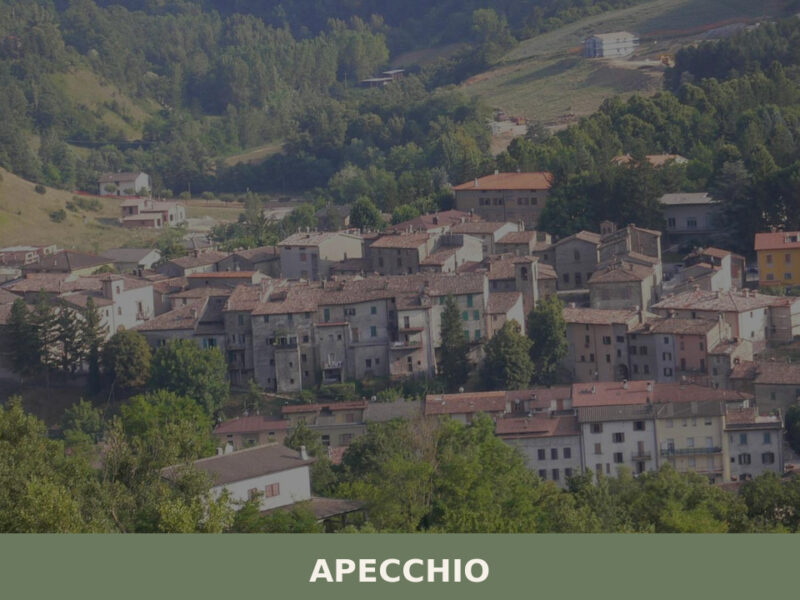
Apecchio
 Hills
Hills
Morning mist lifts off the Biscubio river and the medieval bridge emerges in grey stone, its arches still carrying the weight of six centuries. A bell tower marks the hour above terracotta rooftops, and the smell of woodsmoke mixes with damp earth from the surrounding Apennine slopes. At 493 metres above sea level, this small […]
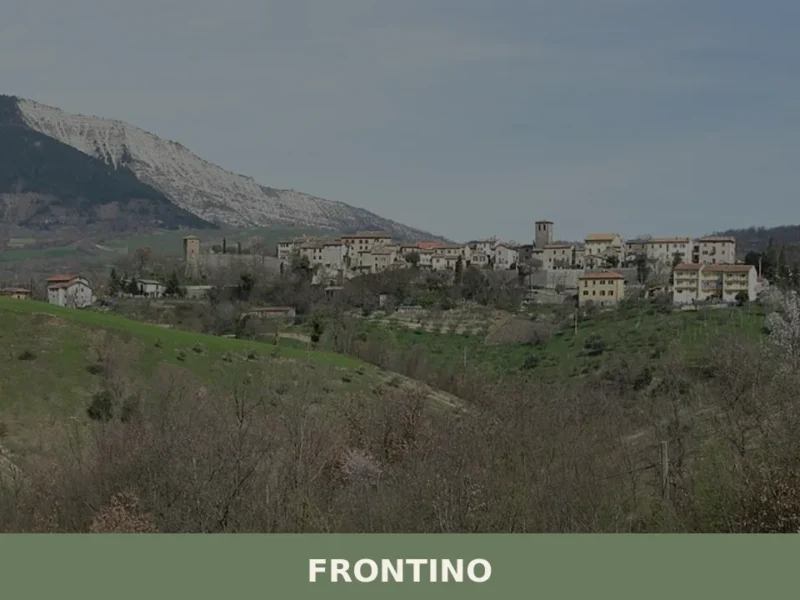
Frontino
Hills
Frontino has around 300 inhabitants today, spread across a hilly area in the province of Pesaro and Urbino at 519 metres above sea level, along the eastern slope of the Apennines separating the Marche from Tuscany and Romagna. The municipality, one of the least populated in the entire region, retains a compact and legible urban […]
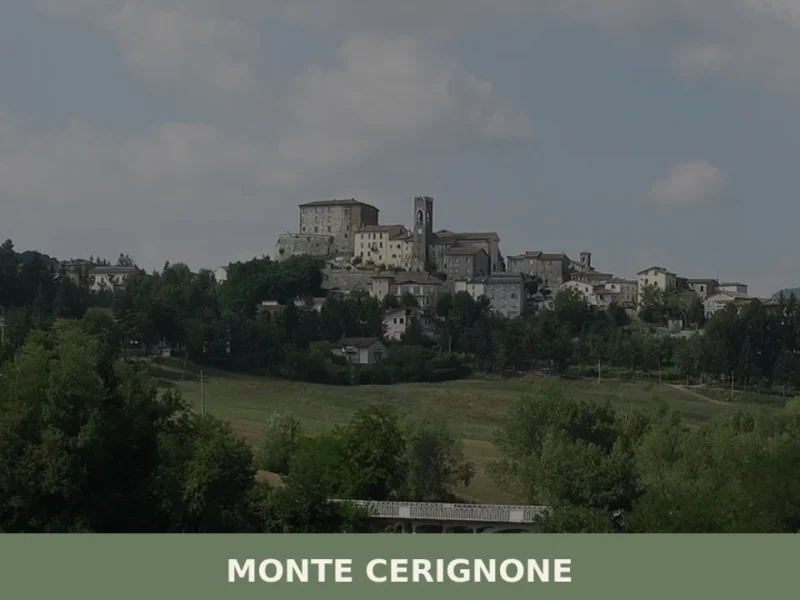
Monte Cerignone
Hills
What to see in Monte Cerignone: discover 5 must-see attractions, from Malatesta Fortress to St. Blaise Church. Plan your trip to this Marche village.
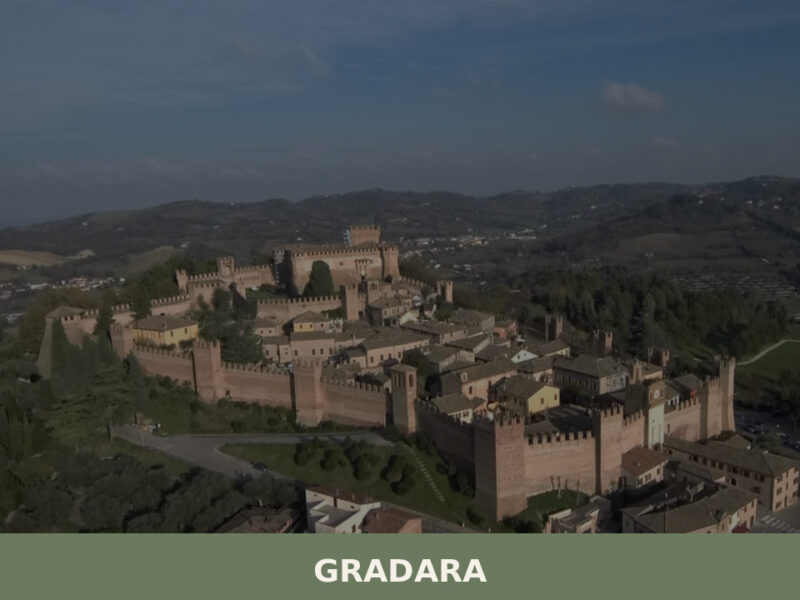
Gradara
 Plains
What to See in Gradara: discover Malatesta Castle and 4 other must-see attractions. Plan your trip to this Marche village of 4,889 inhabitants.

Camerata Picena
 Mountain
Discover Camerata Picena, a charming hilltop village in Ancona province with medieval churches, scenic views, and authentic Marche countryside.
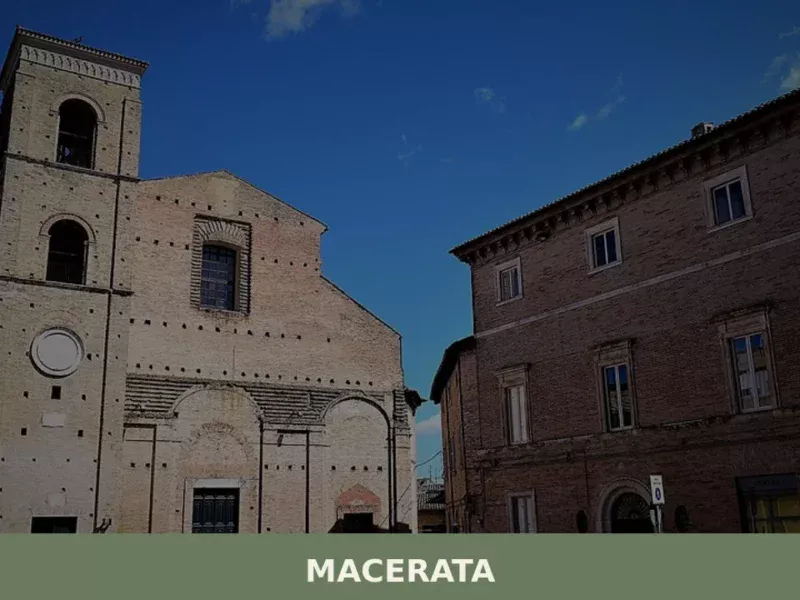
Macerata
Hills
What to see in Macerata: discover the 5 main attractions, including the Sferisterio and Piazza della Libertu00e0. Plan your visit to this Marche village.
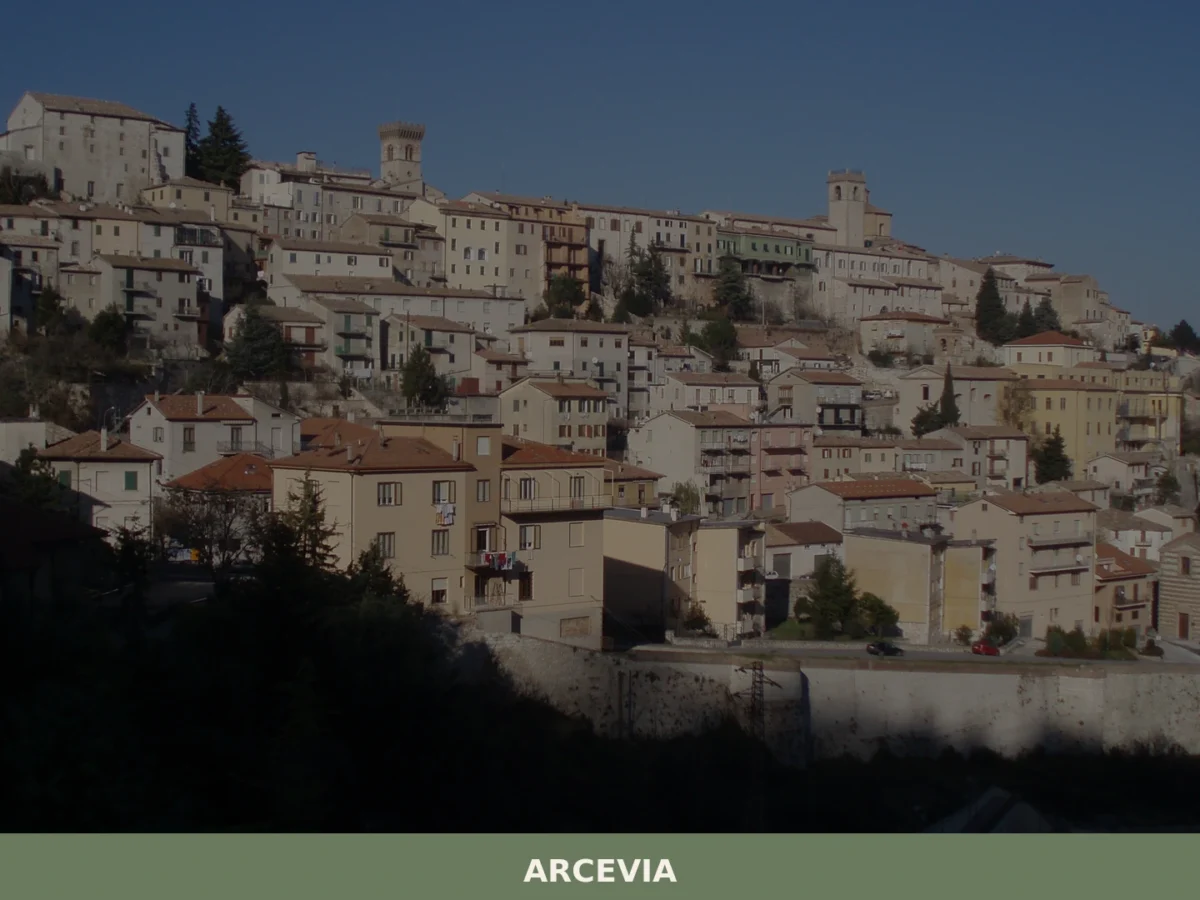
Arcevia
Hills
A hill at 535 metres (1,755 ft) above the Misa and Nevola river valleys: this is where Arcevia stands, its streets running along a ridge in the province of Ancona, roughly 50 kilometres (31 mi) south-west of the regional capital. The town was fortified by Pippin the Younger, fought over by condottieri, renamed by a […]
Isola del Piano
Hills
Discover Isola del Piano, a charming village in Marche, Italy. Explore its rich history, organic traditions, stunning landscapes, and authentic Italian culture.
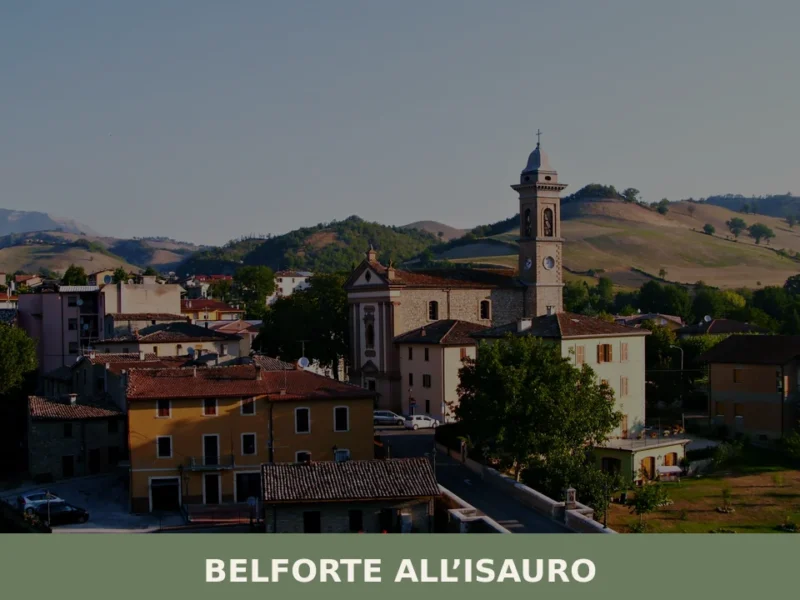
Belforte all’Isauro
Hills
Morning light catches the stone walls of the old borgo before it reaches the valley floor, warming the façades to a pale amber. Below, the Isauro river — a modest tributary of the Foglia — moves quietly between wooded banks. With fewer than 800 inhabitants, Belforte all’Isauro occupies a stretch of the upper Montefeltro where […]
Fratte Rosa
Hills
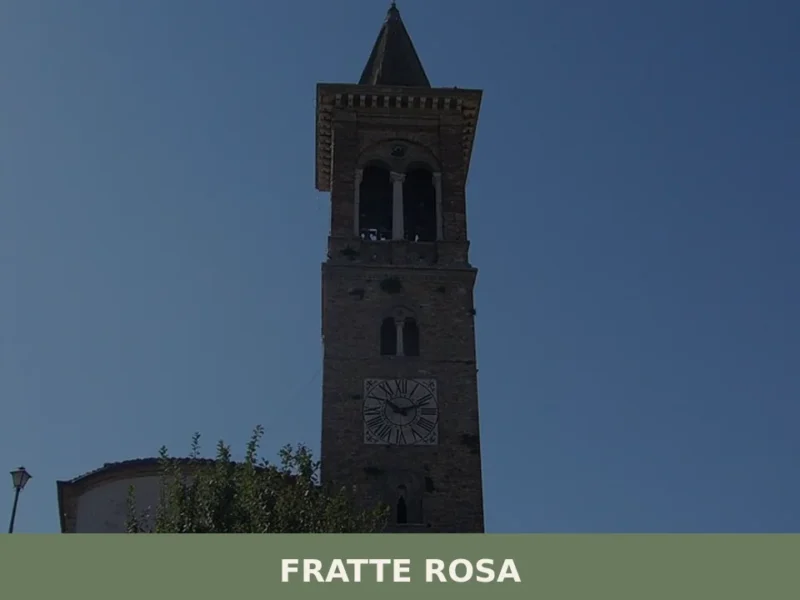
With its 847 inhabitants and an altitude of 419 meters above sea level, Fratte Rosa is located in the province of Pesaro and Urbino, a hilly area of the Marche region. The village’s name “Rosa” is historically linked to the color of a local clay, an essential component for the practice of pottery, documented in […]


🏡 Know Fermo better than we do?
If you’re a local or have been there, your knowledge matters: add what’s missing or fix a detail on this page.