


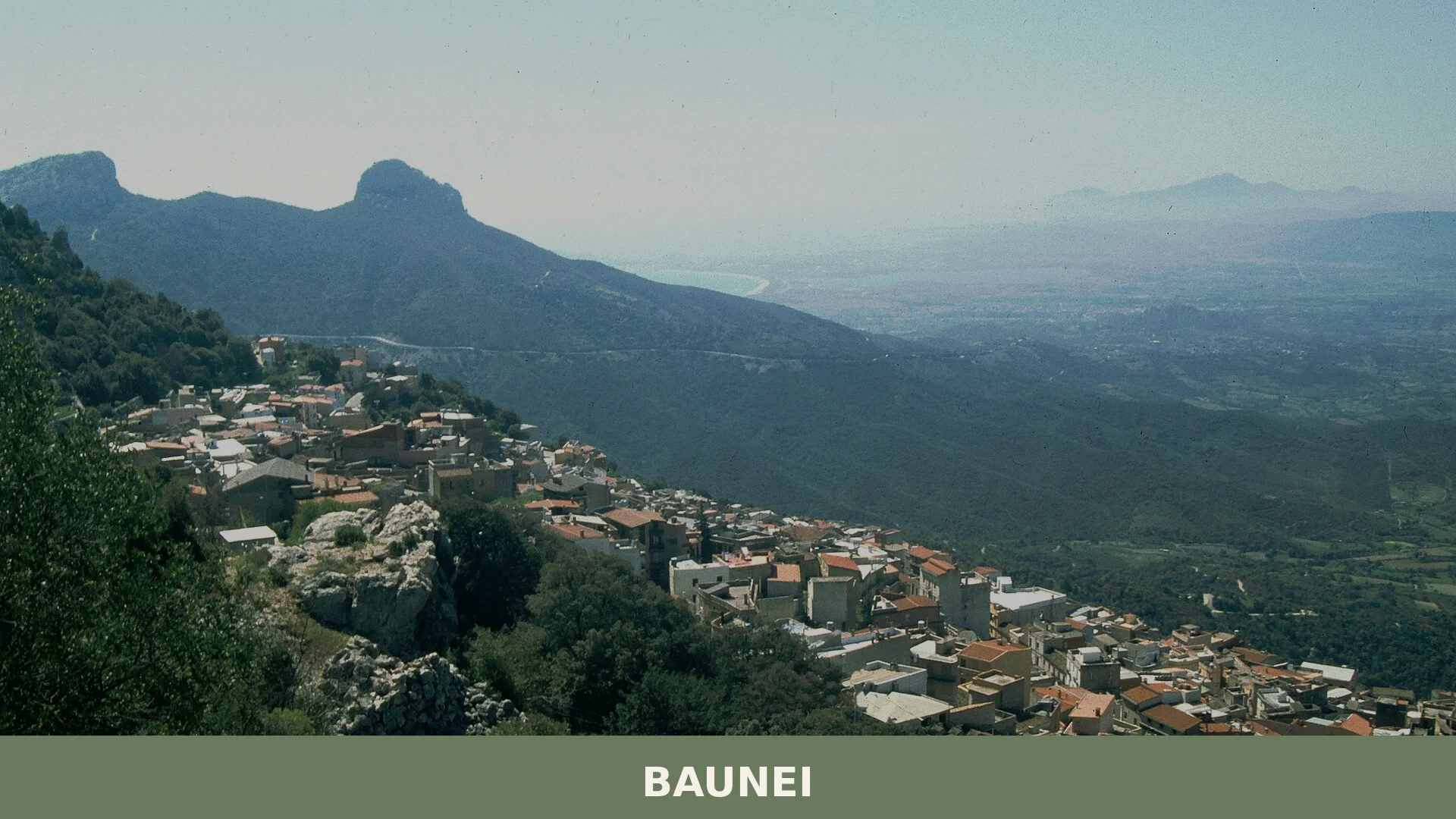

Baunei is a commune of around 3,678 inhabitants in Ogliastra, eastern Sardinia, where a high calcareous plateau meets 40 kilometres of dramatic Tyrrhenian coastline inside a national park.
Discover Baunei
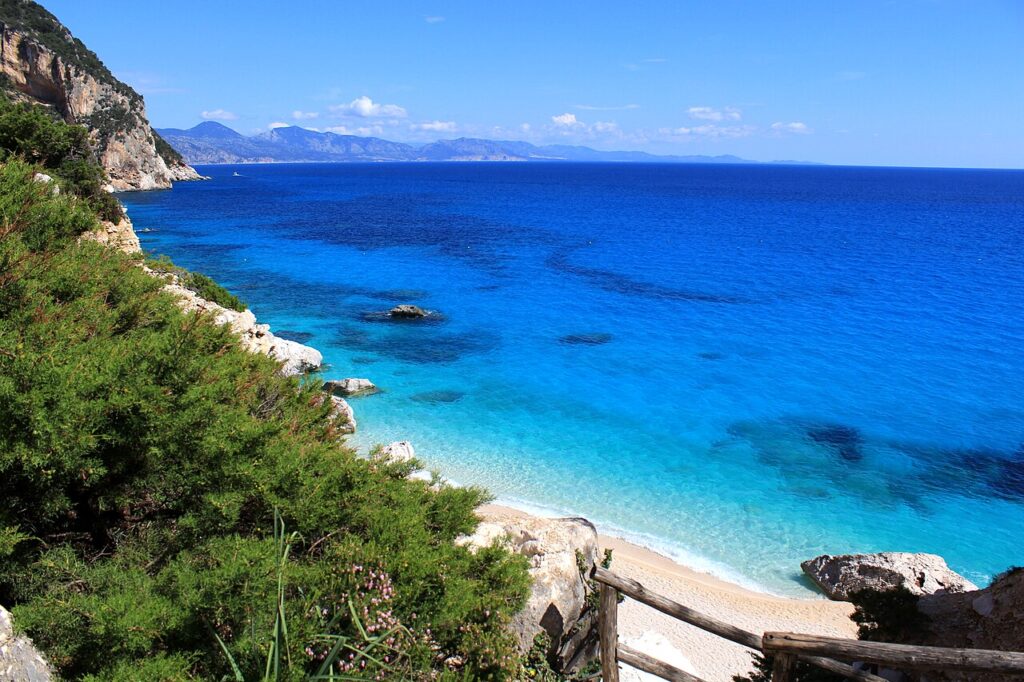
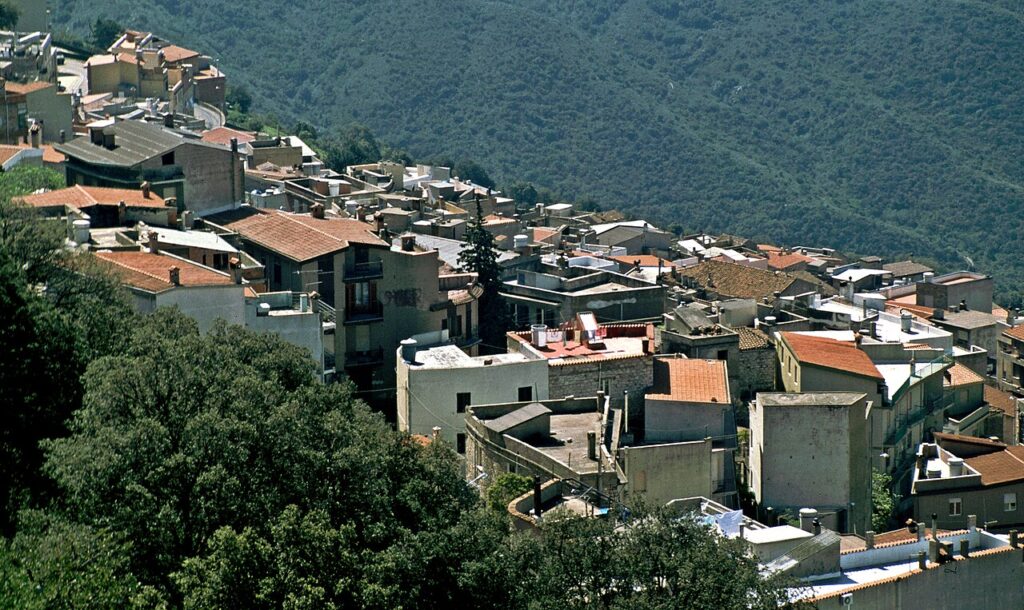
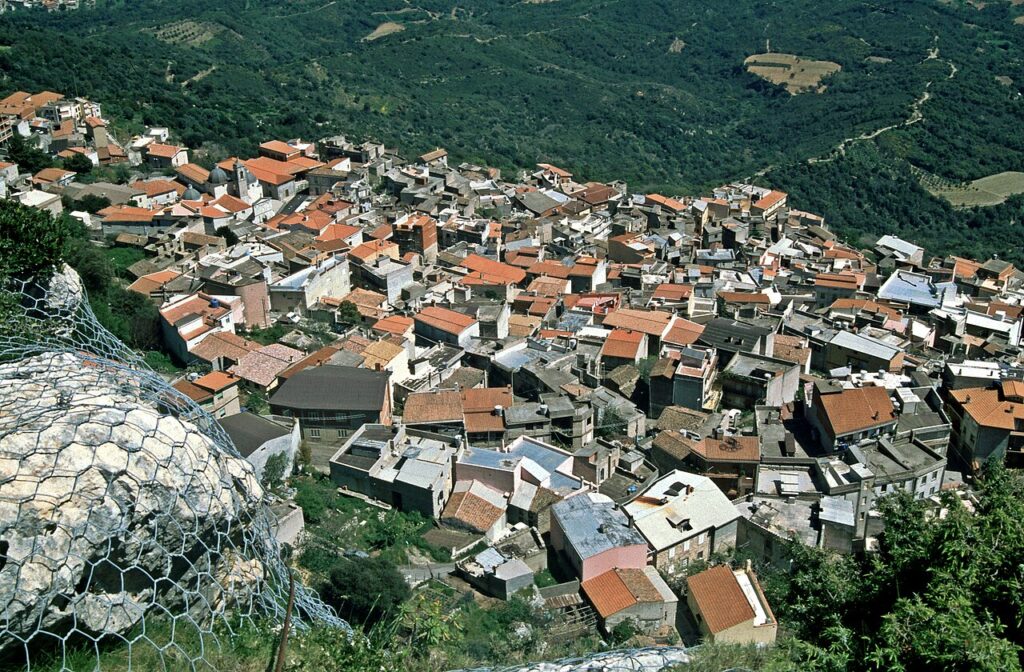
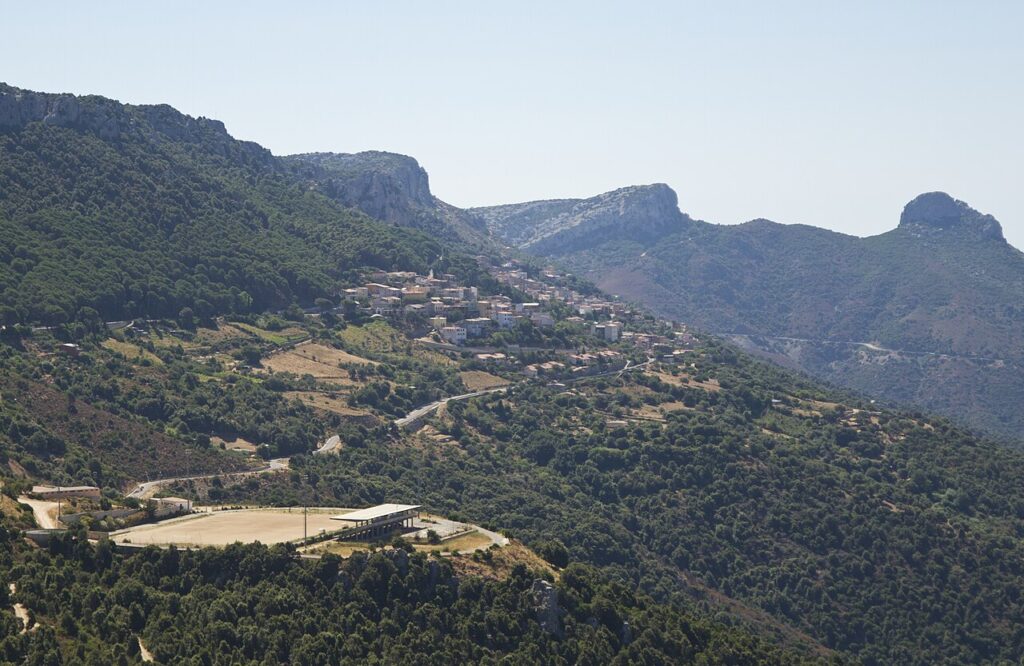
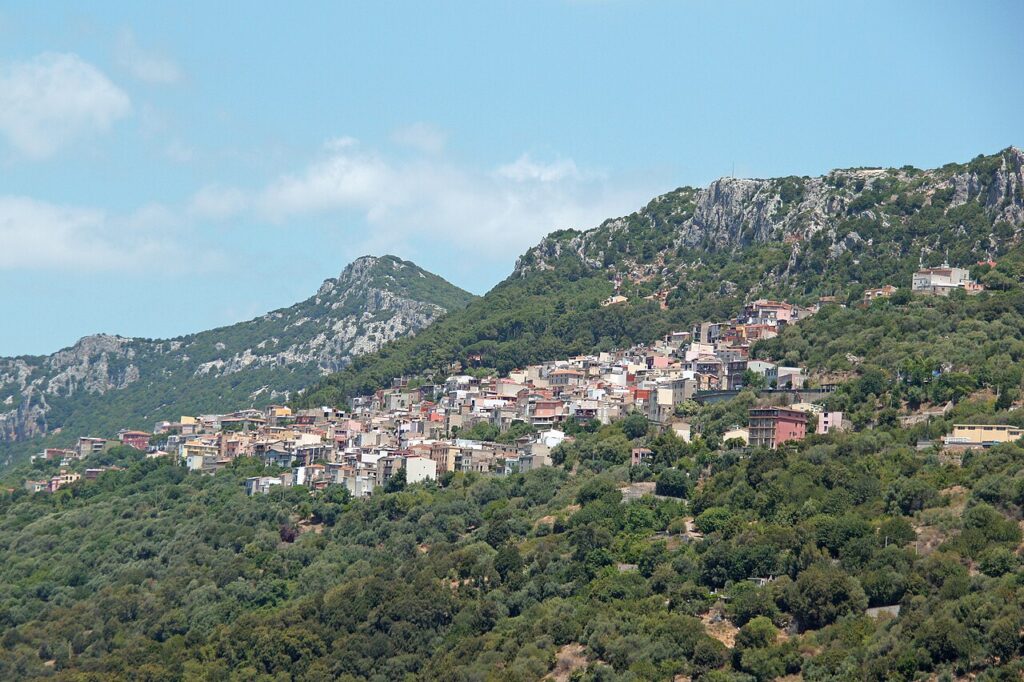
Baunei is a comune of around 3678 inhabitants in the province of Ogliastra, eastern Sardinia, sitting at 480 metres above sea level on a calcareous ridge that drops, over some 40 kilometres of largely untouched coast, into the Tyrrhenian Sea. Its 216.45 square kilometres of territory take in deep narrow valleys known locally as codule, karst dolines, canyons, sea cliffs, and hidden coves — among them Cala Goloritzé, Cala Mariolu, and Cala Luna — all within the boundaries of the Parco Nazionale del Golfo di Orosei e del Gennargentu.
Inhabited since the Neolithic, marked by more than 120 nuragic settlements, and carrying a linguistic tradition rooted in the Limba de mesania variant of Sardinian, Baunei village in Sardinia rewards visitors who look beyond the shore: the plateau of Golgo conceals the great karst void of Su Sterru and a rural church dedicated to San Pietro, while the fraction of Santa Maria Navarrese, 8 kilometres away on the gulf of Arbatax, offers a small harbour and direct access to the sea.
History of Baunei village in Sardinia: from feudal contea to modern commune
Baunei is a settlement with roots reaching back to the Neolithic period, passed through Pisan and Aragonese rule, spent centuries as part of the feudal Contea di Quirra, and became a self-governing commune only in 1839 following the abolition of the feudal system. The earliest physical evidence of human presence comes from the cave known as de su marinaiu, at Cala Luna (Cala Elune). In the medieval period the village belonged to the giudicato of Cagliari and formed part of the curatoria of Ogliastra; when that giudicato fell in 1258, the territory passed to the Republic of Pisa. The name Baunei appears in written records for the first time in 1316, in a list of villages belonging to the curatoria of Ogliastra, Quirra, Sarrabus, and Colostrai.
Following the Aragonese conquest of Sardinia in 1324, Baunei entered the Kingdom of Sardinia, one of the constituent realms of the Crown of Aragon. The ripartimiento de Cerdeña of 1358 lists the Aragonese taxes due to local feudal lords. In 1363 the village was incorporated into the Contea di Quirra, a fief held by the Carroz family, together with the neighbouring villages of Ardali and Manuri. In 1603 King Philip III of Spain elevated the contea to a marchesato; lordship passed first to the Centelles and then to the Osorio. Ardali and Manuri were abandoned during this period, while Baunei absorbed the territories of two other depopulated villages, Osono and Eltili, gradually consolidating the extensive municipal area it retains today.
Churches, Rocks and Coastline: the Built and Natural Heritage of Baunei
Baunei’s territory holds a parish church in the village centre, the coastal fraction of Santa Maria Navarrese, the limestone pinnacle of Pedra Longa, the karst sinkhole of Su Sterru on the Golgo plateau, and a string of coves — among them Cala Goloritzé, Cala Mariolu and Cala Luna — reached by mule track or by sea along roughly 40 kilometres of largely undeveloped coast.
Parish Church of San Nicola di Bari
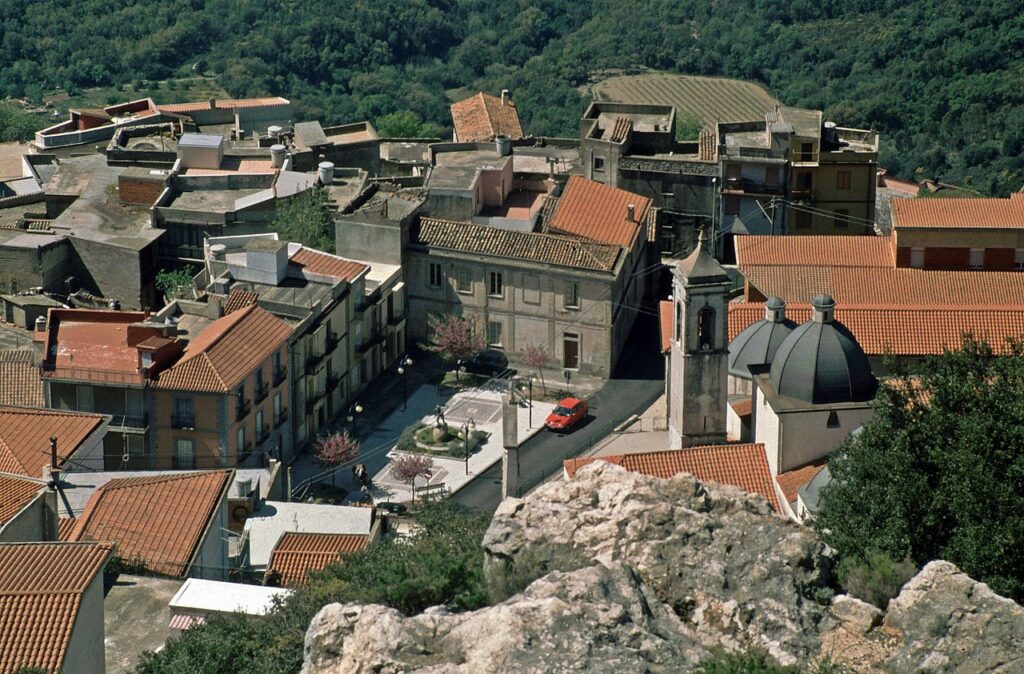
Standing in the steep historic centre of Baunei, the parish church dedicated to San Nicola di Bari has a seventeenth-century core that was substantially reworked during the twentieth century. The building is distinguished by a domed roof and by an ornate portal that stands apart from the main body of the church, performing the visual role of a false façade.
Pedra Longa
A 128-metre limestone pinnacle rising directly from the sea, Pedra Longa is accessible via a paved road of 4 kilometres that branches off the SS 125. Behind it rise Monte Argennas (711 m), Monte Giradili (757 m) and Monte Ginnirco (811 m), their slopes falling steeply towards the Tyrrhenian coast.
The Golgo Plateau: Su Sterru and the Church of San Pietro
On the Golgo plateau, the karst sinkhole known as Su Sterru opens into the rock. Nearby stand the ancient water basins called As Piscinas and a rural church dedicated to San Pietro.
Santa Maria Navarrese
At 8 kilometres from the main village, the coastal fraction of Santa Maria Navarrese faces the gulf of Arbatax. Its small harbour was historically the site of repeated Barbary incursions, almost always repelled. The fraction borders the hamlet of Tancau sul Mare, administratively part of Lotzorai.
The Coves
The coast of Baunei includes Cala Mariolu — known in Sardinian as Ispuligedenie, meaning “snow fleas” — along with Cala Goloritzé, Cala dei Gabbiani, Piscine di Venere, Cala Luna (also called Cala Elune), Cala Biriala and Cala Sisine. Most are reached on foot along mule tracks or by boat. The grotto known as de su marinaiu at Cala Luna contains traces of human presence from the Neolithic period.
The Selvaggio Blu
The Selvaggio Blu is a recognised trekking route running through the Baunei coastline. It passes through terrain that requires careful navigation due to the extent and ruggedness of the territory.
Ogliastra Flavours: What to Eat Around Baunei
The area around Baunei sits within Ogliastra, a territory whose table is anchored by certified products including Culurgionis d’Ogliastra IGP — the distinctive filled pasta of the region — alongside Agnello di Sardegna IGP and aged cheeses such as Fiore Sardo DOP and Pecorino Sardo DOP. The province also produces Carciofo Spinoso di Sardegna DOP, the thorny artichoke native to Sardinian cuisine.
Local pastoral traditions, long the backbone of Baunei’s economy, connect naturally to this heritage of sheep-rearing and grazing. Capretto sardo (suckling kid) figures among the traditional preparations of the broader territory. Among spirits, distillates known locally as filu e ferru and liqueurs derived from wild plants — including genziana and cardo selvatico — belong to the wider Sardinian artisan tradition.
Wines produced under the Ogliastra IGT and Provincia di Nuoro IGT designations accompany meals throughout this part of the island, with the Mandrolisai DOC among the structured reds of the interior.
Planning your visit and getting there
Baunei can be reached easily from the lower Val Pellice and the Turin area. The practical distances and journey times below are kept concise on purpose, so the access information stays clear and consistent.
| Departure | Distance | Time |
|---|---|---|
| Lanusei | approx. 30 km | approx. 35 min |
| Nuoro | approx. 90 km | approx. 1 h 30 min |
| Pedra Longa (dalla SS 125) | 4 km | approx. 10 min |
| Santa Maria Navarrese | 8 km | approx. 15 min |
These practical reference points are enough to plan the journey without overloading the text with unstable logistics. Once on site, the village is best understood slowly, on foot and in relation to the surrounding landscape.
Frequently asked questions about Baunei
What is the best time to visit Baunei?
Late spring (May–June) and early autumn (September–October) offer ideal conditions with mild temperatures and calm seas for coastal exploration. Summer brings peak tourism and heat, while winter is cooler but still accessible. The patron saint feast of San Nicola occurs on December 6th, featuring traditional celebrations. Summer months are best for swimming and boat access to hidden coves like Cala Goloritzé and Cala Luna.
How do I reach Baunei from the nearest major city?
Baunei is approximately 200 kilometres south of Olbia airport and about 150 kilometres from Nuoro. The nearest coastal town is Arbatax, roughly 30 kilometres away with ferry connections. A car is essential; the village sits inland at 487 metres elevation. The fraction of Santa Maria Navarrese, 8 kilometres away, offers harbour access and is more easily reached by coastal roads from Arbatax.
What are the main outdoor activities in Baunei?
Hiking dominates, with access to karst formations, codule valleys, and sea cliffs. The Golgo plateau features Su Sterru, a significant karst void. Coastal routes lead to coves including Cala Mariolu and Cala Luna within Parco Nazionale del Golfo di Orosei e del Gennargentu. Sea kayaking and boat trips operate from Santa Maria Navarrese harbour, offering direct access to otherwise unreachable beaches and marine landscapes.
How long should I plan to spend in Baunei?
Two to three days allows exploration of village sites, the Golgo plateau and San Pietro church, plus one coastal excursion. A full week enables thorough hiking of interior valleys, multiple cove visits by boat, and leisure time in Santa Maria Navarrese. Day trips from Arbatax are feasible for coastal highlights, though overnight stays capture the plateau's rural character and evening atmosphere.
What historical significance does Baunei hold?
Baunei has continuous habitation since the Neolithic period and contains over 120 nuragic settlements, indicating substantial Bronze Age occupation. The village preserves Limba de mesania, a distinct Sardinian linguistic variant. Medieval history includes Pisan and Aragonese rule followed by feudal administration. This layered heritage—from prehistoric monuments to linguistic tradition—makes it a key site for understanding Sardinian cultural development and settlement patterns.
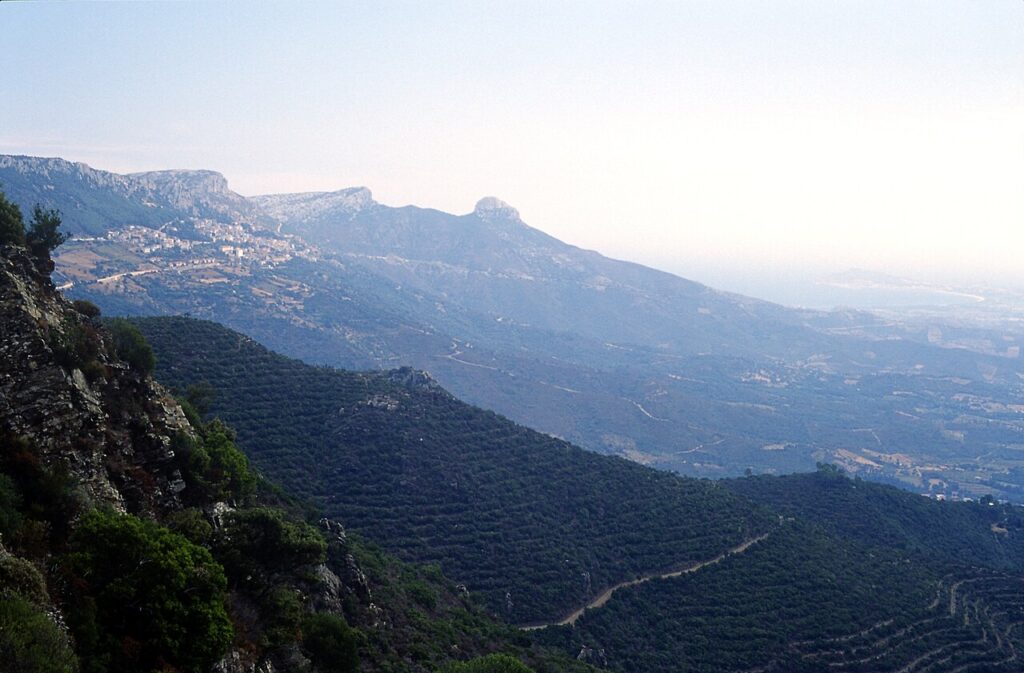
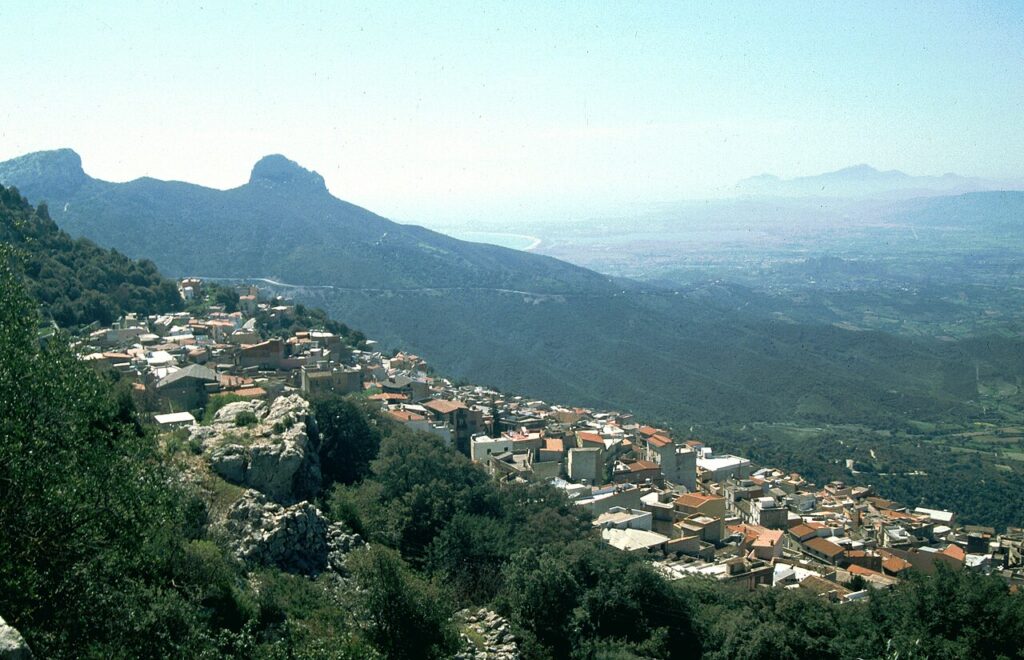
📷 Photo Gallery — Baunei
In Sardinia More villages to discover
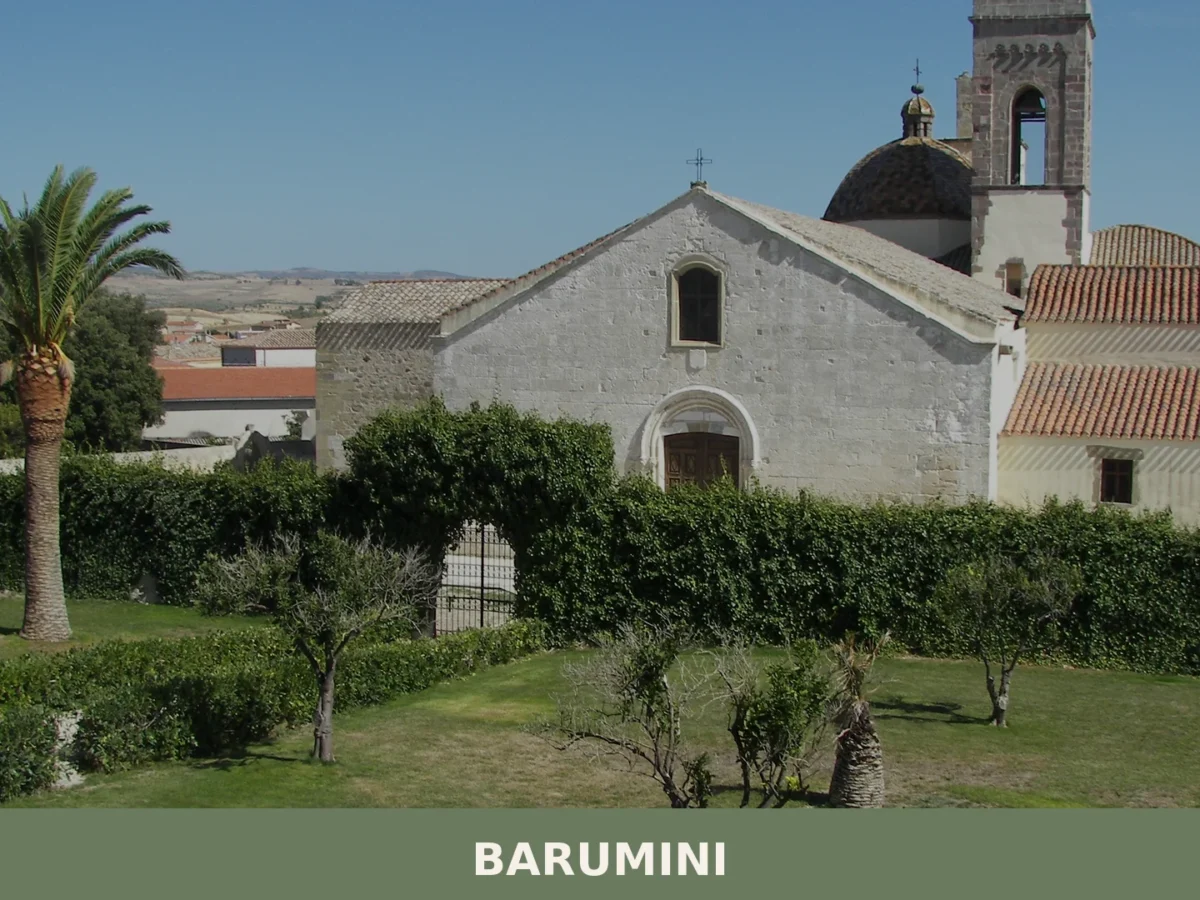
Barumini
 Plains
Barumini is a small Sardinian comune in the Marmilla whose UNESCO-listed nuragic complex of Su Nuraxi and a seventeenth-century palace museum make it one of the island's most concentrated cultural des
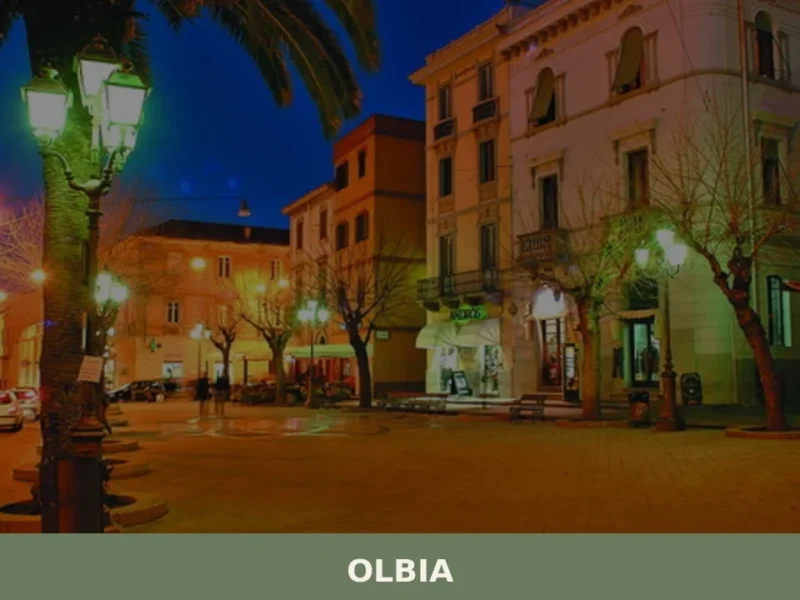
Olbia
 Sea
Sea
Discover Olbia, a charming village in Sardegna, Italy. Explore its rich history, stunning landscapes, and vibrant local culture in this Mediterranean treasure.
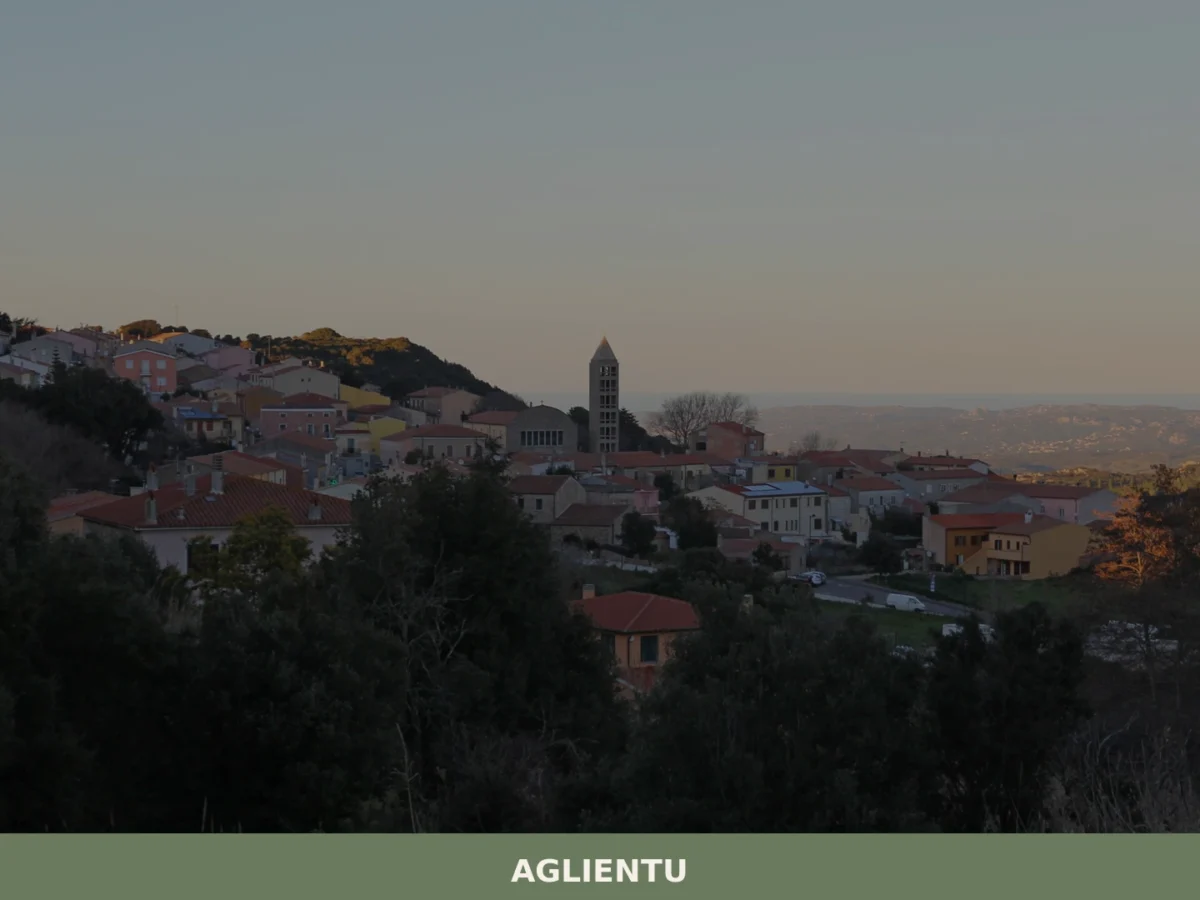
Aglientu
Sea
Discover what to see in Aglientu, a Gallura village in north Sardinia: granite coasts, cork oak landscapes, Nuragic sites, and local pecorino culture.
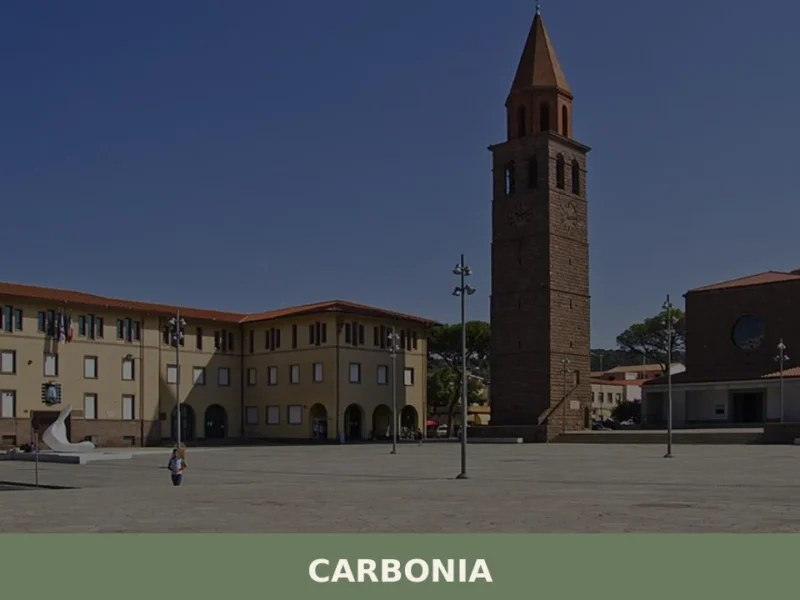
Carbonia
Plains
What to see in Carbonia: 28,684 residents, rationalist architecture, and Nuragic sites in Sulcis Iglesiente. Plan your visit to the Coal Museum and Monte Sirai.
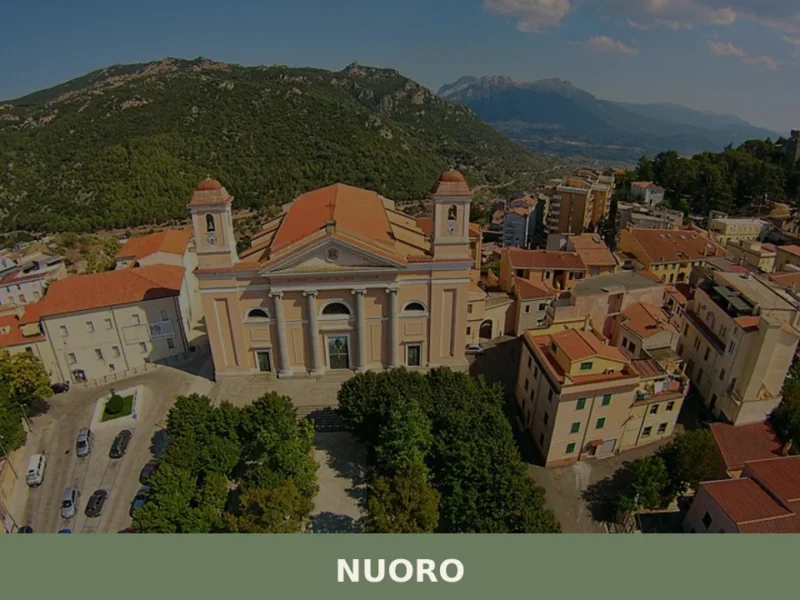
Nuoro
 Hills
Hills
What to see in Nuoro: a city at 547m with 36,379 residents and birthplace of Nobel laureate Grazia Deledda. Explore museums, Monte Ortobene and Barbaricino cuisine. Plan your visit now.
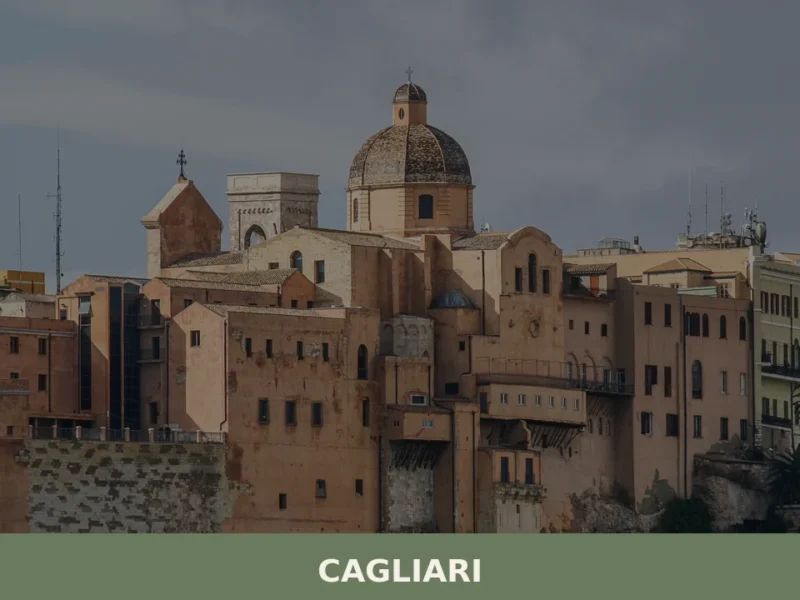
Cagliari
Sea
Discover Cagliari, a charming village in Sardegna, Italy. Explore its rich history, stunning landscapes, and local culture in the heart of Sardinia.
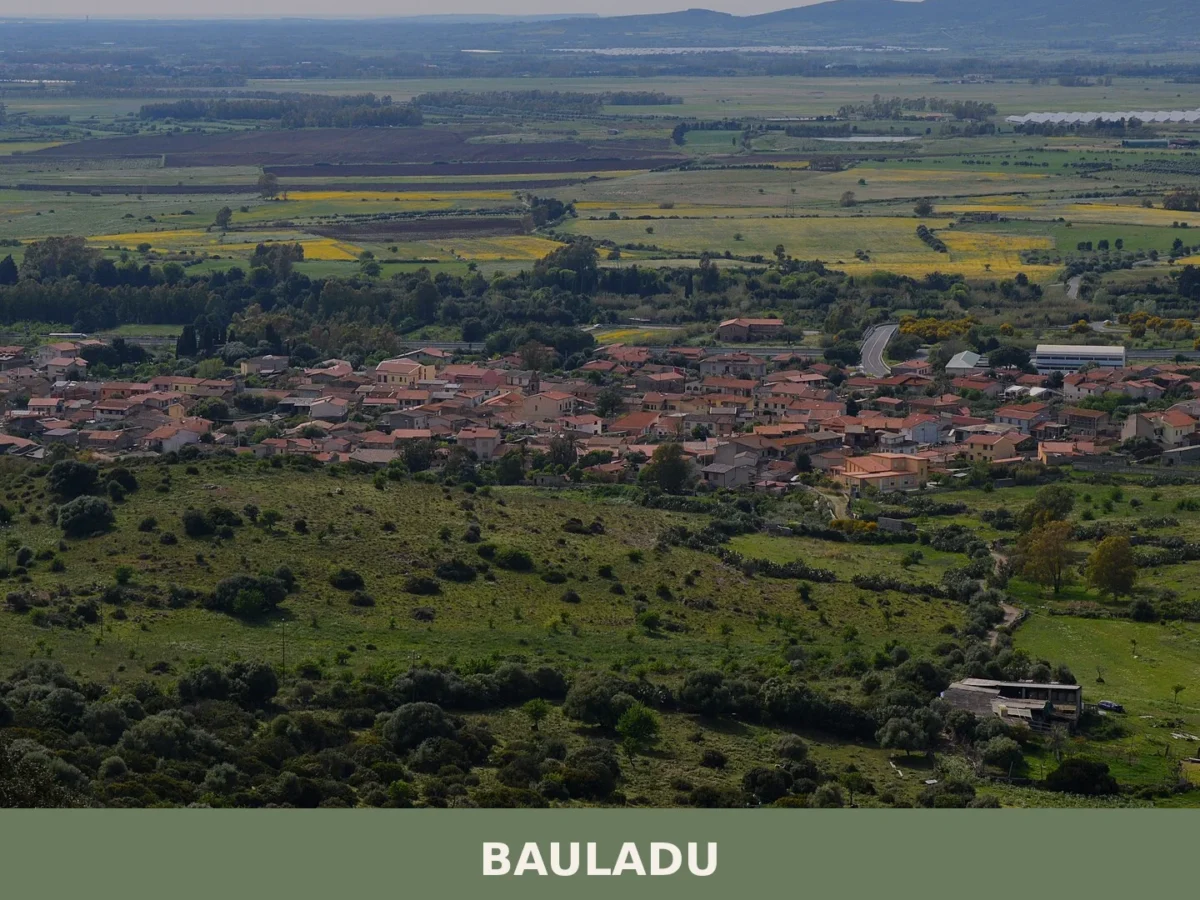
Bauladu
Plains
Bauladu is a small municipality of 706 inhabitants in the province of Oristano, Sardegna, with nuragic roots, a medieval parish church and a landscape shaped by volcanic hills and the rio Cìspiri.
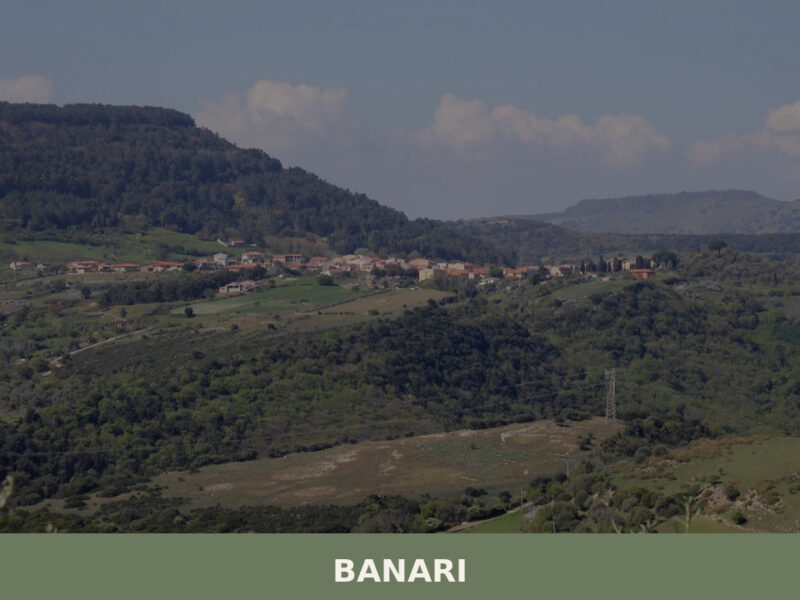
Banari
Hills
Morning light catches the limestone facades along Via Roma, turning them the colour of raw honey. A rooster calls from behind a courtyard wall. Somewhere below, the Meilogu plain stretches north toward Sassari, its patchwork of olive groves and grain fields still holding the night’s mist. Banari — population 516, perched at 419 metres above […]
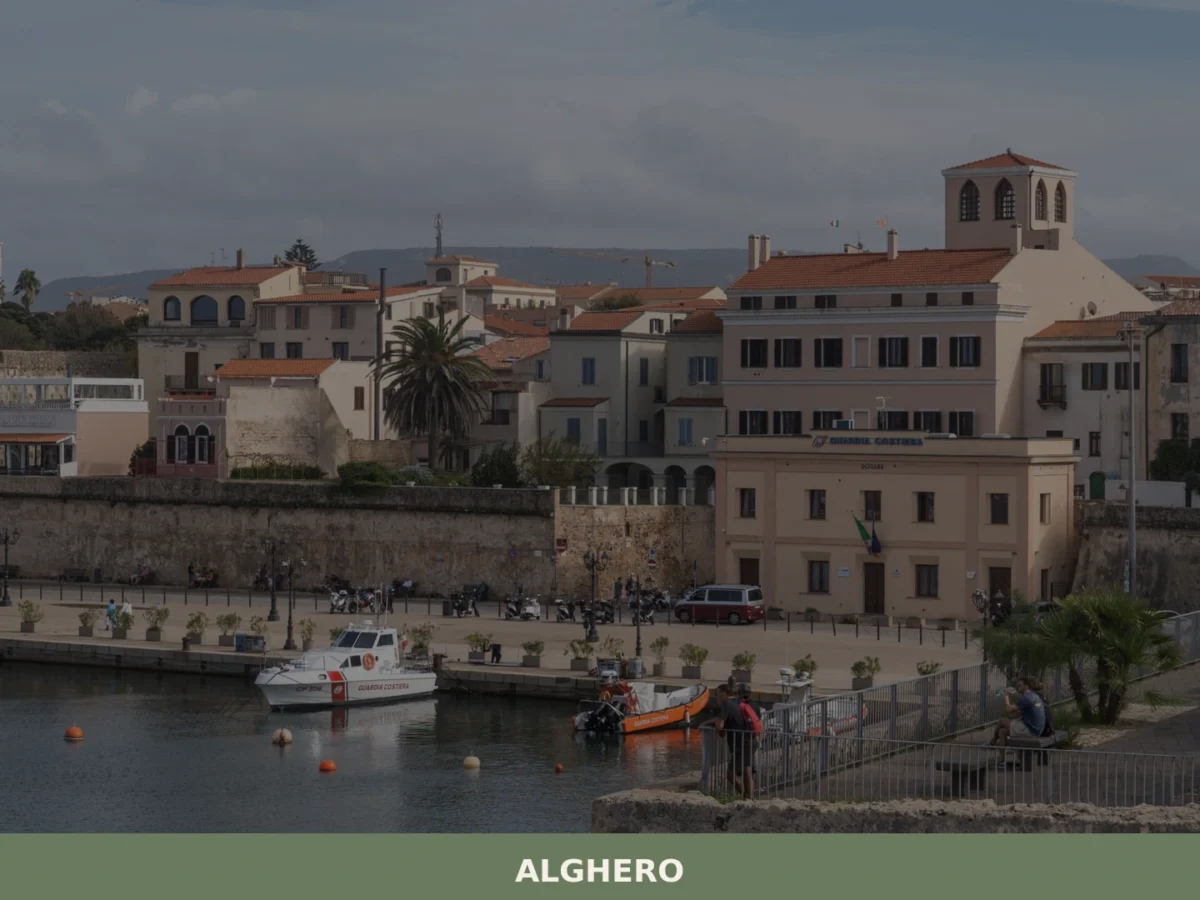
Alghero
Sea
What to see in Alghero: from the Aragonese walls to the Neptune's Grotto, discover the 5 top attractions. Read the full guide to plan your visit.
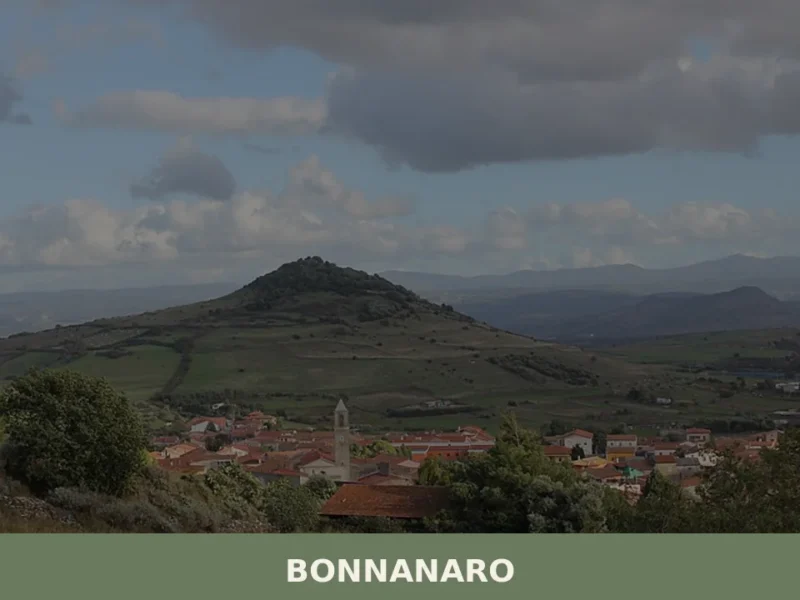
Bonnanaro
Hills
In 1388, when representatives of the Sardinian villages signed the peace treaty with the Crown of Aragon, among the signatories was the village of Bonnanaro, an agricultural centre already known for the fertility of its volcanic soils on the slopes of Monte Pelao. Today this village of 921 inhabitants, situated at 405 metres above sea […]
🏡 Know Baunei better than we do?
If you’re a local or have been there, your knowledge matters: add what’s missing or fix a detail on this page.