


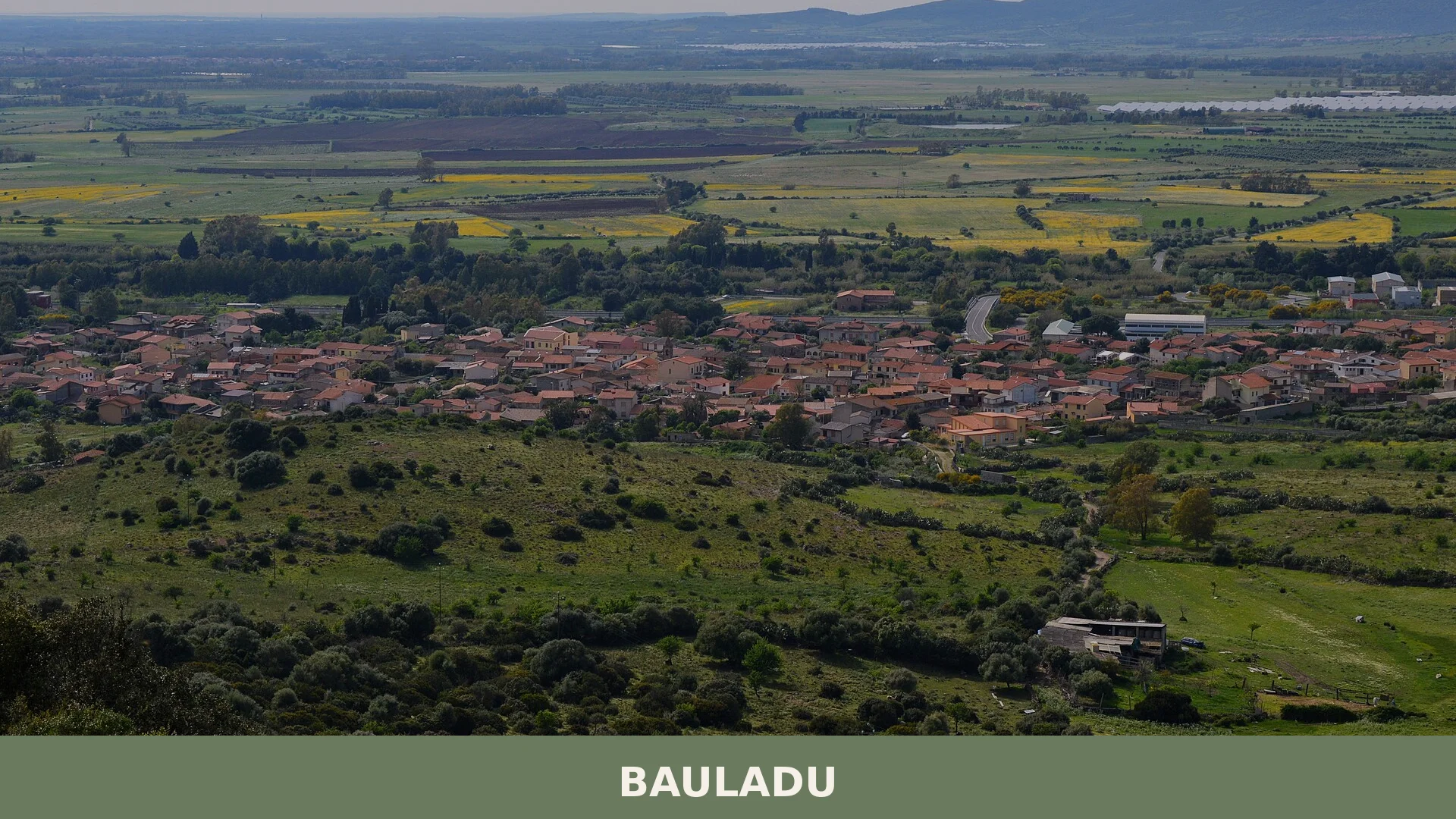

Bauladu is a small municipality of 706 inhabitants in the province of Oristano, Sardegna, with nuragic roots, a medieval parish church and a landscape shaped by volcanic hills and the rio Cìspiri.
Discover Bauladu
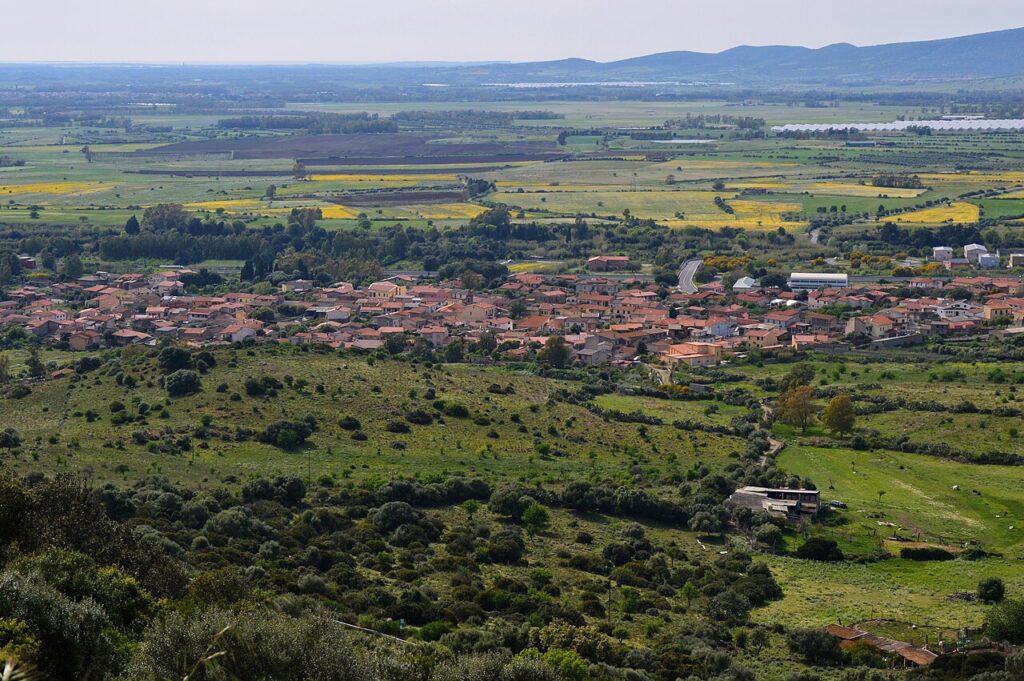
Bauladu is a small municipality of around 706 inhabitants in the province of Oristano, Sardinia, occupying roughly 24.21 square kilometres of terrain at the foot of a hill of volcanic origin, with its civic centre sitting at an elevation of about 82 metres. The territory is crossed by the Rio Cìspiri, and the area carries traces of human presence reaching back to the nuragic and Roman periods.
Bauladu village in Sardinia has moved through a long succession of powers — Arborean judges, Camaldolese monks, Aragonese lords, and feudal marquises — before emerging in 1839 as an autonomous commune following the abolition of the feudal system, a status it briefly lost in 1927 and recovered only after 1946. Today the community of some 700 bauladesi preserves this layered past in monuments such as the thirteenth-century Romanesque parish church of San Gregorio and the nuraghe known as Cràbia, while daily life continues in a corner of the Campidano di Oristano where a local variety of Sardinian, the limba de mesania, is still spoken.
Bauladu village in Sardinia: history and origins
Bauladu is a settlement in the Oristano province of Sardinia with roots stretching back to the nuragic and Roman periods, which later passed through medieval Aragonese rule before becoming an autonomous municipality in 1839 following the abolition of the feudal system.
During the Middle Ages, Bauladu belonged to the Giudicato di Arborea and formed part of the curatoria known as Campidano di Milis. In the twelfth century, the Arborean judges donated the settlement to the Camaldolese community of Bonarcado. When the giudicato fell in 1410, Bauladu was absorbed into the Marchesato di Oristano, and from 1420 onward it came under Aragonese dominion.
San Gregorio and the Nuraghe Cràbia: Bauladu’s Two Landmarks
Bauladu offers two distinct points of interest: the parish church of San Gregorio, a Romanesque building dating to the thirteenth century, and the nuraghe Cràbia, a prehistoric structure located in the surrounding countryside.
Parish Church of San Gregorio
Built in the thirteenth century in Romanesque style, the church underwent significant restructuring during the eighteenth century. It remains the main religious building in the village.
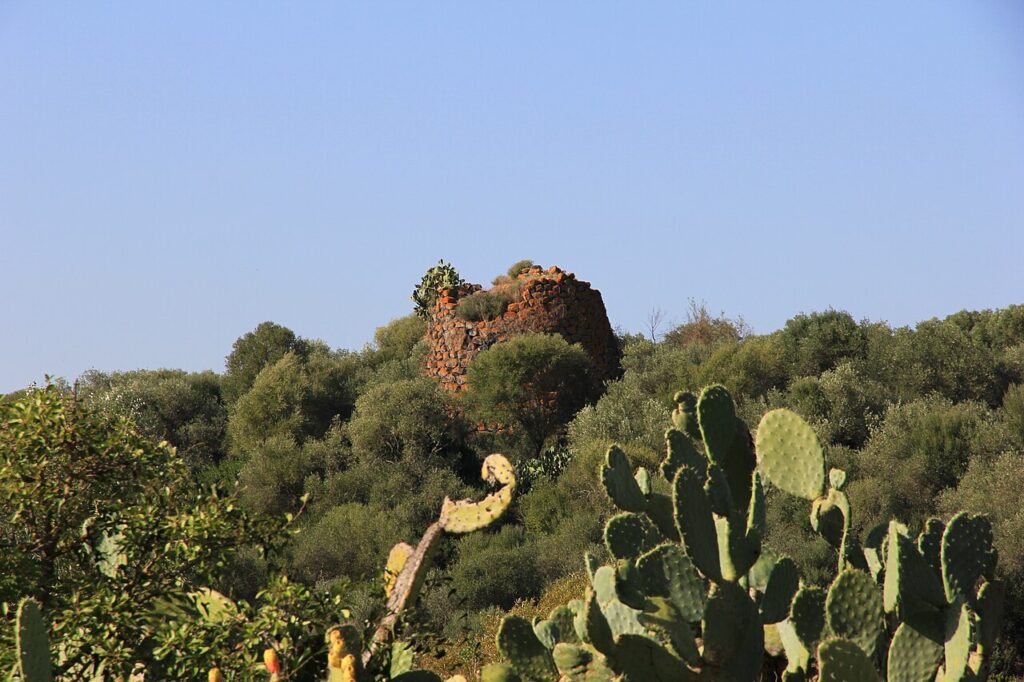
Nuraghe Cràbia
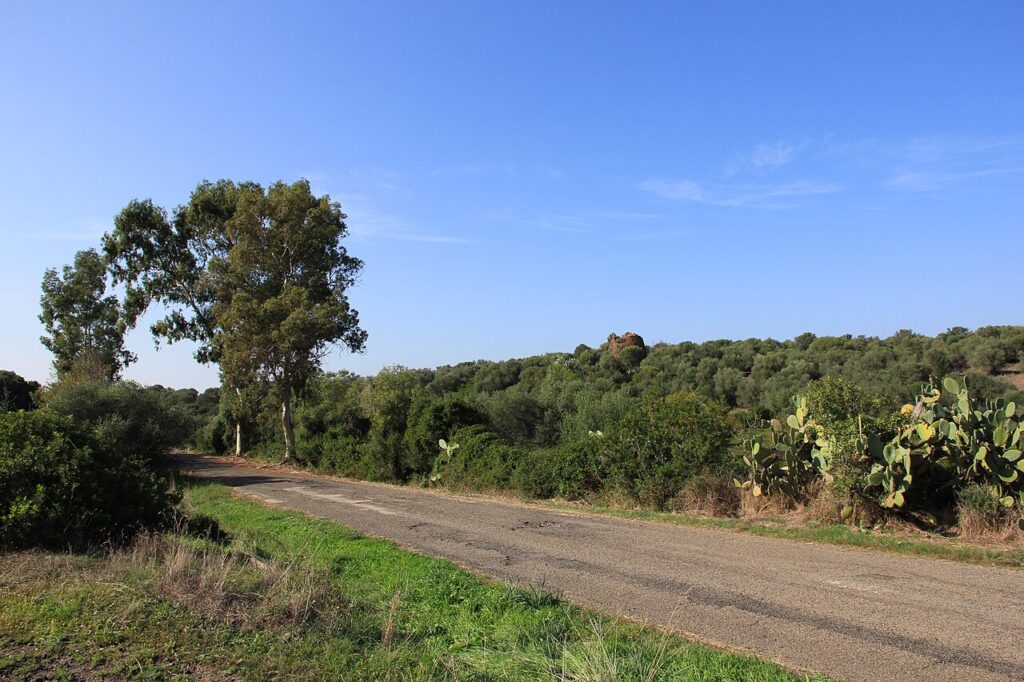
Situated on the outskirts of Bauladu, this nuragic tower stands as evidence of human presence in the area since prehistoric times.
Bauladu and Its Territory: Certified Flavours from the Oristano Area
Bauladu sits within the Oristano province, a territory recognised for several protected food products — including Agnello di Sardegna IGP, Carciofo Spinoso di Sardegna DOP, Fiore Sardo DOP, and Pecorino Sardo DOP — that reflect the pastoral and agricultural traditions of this part of Sardinia, though none of these designations belong exclusively to the village itself.
The broader regional larder also includes traditional preparations such as acquavite, the local spirit known as filu ‘e ferru, a genziana-based drink, and saba de figu morisca — a syrup made from prickly pear figs. These are Sardinian PAT products tied to the wider territory rather than to Bauladu alone, and they reflect centuries of island food culture shared across many communities in this part of the Campidano.
On the wine side, the zone around Bauladu falls within the production areas of several DOC appellations, among them Mandrolisai, Arborea, and Campidano di Terralba, alongside IGT designations such as Marmilla and Planargia. Vermentino di Gallura holds the region’s sole DOCG status, though its heartland lies further north.
Getting to Bauladu and Planning Your Stay in the Campidano di Oristano
Bauladu is best reached by car, sitting at around 82 metres above sea level in the Campidano di Oristano, roughly 20 kilometres north of the provincial capital Oristano; spring and early autumn offer the most comfortable conditions for exploring this inland Sardinian countryside.
The village lies in a quiet stretch of the Campidano plain, at the foot of a hill of volcanic origin, with the rio Cìspiri flowing through its territory. The nearest urban centre is Oristano, which serves as the main gateway for travellers arriving from the south, offering rail connections and the SS131 state road that runs through central Sardinia. From Abbasanta, a few kilometres to the north-east, the SS388 provides a convenient link into the Bauladu area, while the upland village of Aidomaggiore lies within easy reach for those wishing to combine a visit with the neighbouring Tirso valley landscape.
| Departure | Distance | Time |
|---|---|---|
| Oristano | approx. 15 km | approx. 15 min |
| Cagliari (aeroporto) | approx. 90 km | approx. 60 min |
| Alghero (aeroporto) | approx. 120 km | approx. 80 min |
With a population of 706 inhabitants and a surface area of just over 24.21 square kilometres, Bauladu is a compact destination. A half-day is sufficient to visit the thirteenth-century Romanesque parish church of San Gregorio and to walk out to the nuraghe Cràbia on the village outskirts. The closest airport with regular connections is Cagliari-Elmas, making Bauladu a natural stopping point on a wider circuit through the Oristano province.
Frequently asked questions about Bauladu
When is the best time to visit Bauladu?
September is ideal, especially around September 3rd when Bauladu celebrates the Feast of San Gregorio Magno, its patron saint. This festival offers visitors authentic local culture and traditions. The Sardinian summer (July–August) can be very hot. Spring (April–May) and autumn (September–October) provide pleasant weather perfect for exploring the Campidano di Oristano plains and visiting historical monuments like the thirteenth-century Church of San Gregorio.
What are the main historical monuments to see in Bauladu?
Two landmarks stand out: the Church of San Gregorio Magno, a thirteenth-century Romanesque structure, and the nuraghe Cràbia, a prehistoric megalithic tower representing Sardinia's Bronze Age heritage. Both monuments reflect Bauladu's layered history spanning from nuragic times through medieval periods. These sites provide insight into the settlement's continuous human presence over millennia and its cultural significance in the region.
How do I reach Bauladu from Cagliari or Oristano?
Bauladu is located in Oristano province in central Sardinia. The nearest major city is Oristano, approximately 30 kilometres away. The village sits in the Campidano di Oristano plains at 82 metres elevation. Travel by car is most practical for reaching this small municipality. Oristano has bus and train connections to larger Sardinian cities, from which you can arrange onward transport to Bauladu.
What language is spoken in Bauladu?
Residents speak Italian and Sardinian, specifically the local dialect known as limba de mesania (literally 'middle language'). This distinctive variety of Sardinian is still actively used in daily life, making Bauladu culturally significant for linguistic preservation. Visitors will find Italian widely understood, but hearing the local dialect reflects the village's commitment to maintaining its unique cultural identity within the broader Sardinian community.
How long should I plan to spend visiting Bauladu?
A half-day to full-day visit is appropriate for this small village of approximately 700 inhabitants. Allow 1–2 hours to explore the Church of San Gregorio and the Nuraghe Cràbia, plus time for leisurely walks through the village centre and surrounding Campidano plains. If combining with nearby attractions in Oristano province or attending the September 3rd patron saint festival, plan an overnight stay to fully experience local life and traditions.
📷 Photo Gallery — Bauladu
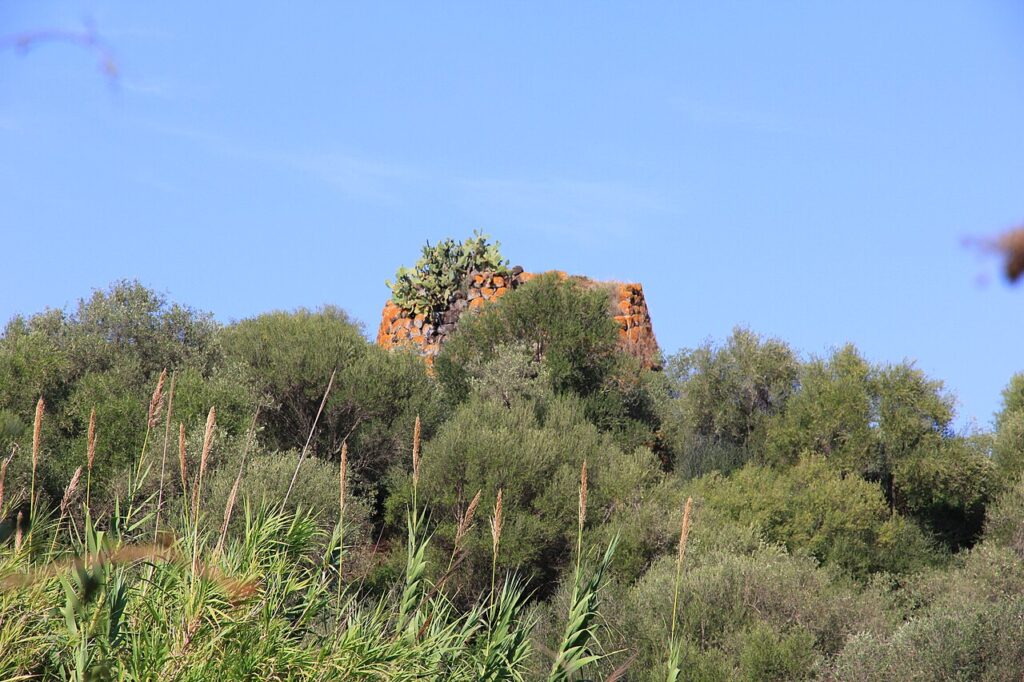
In Sardinia More villages to discover
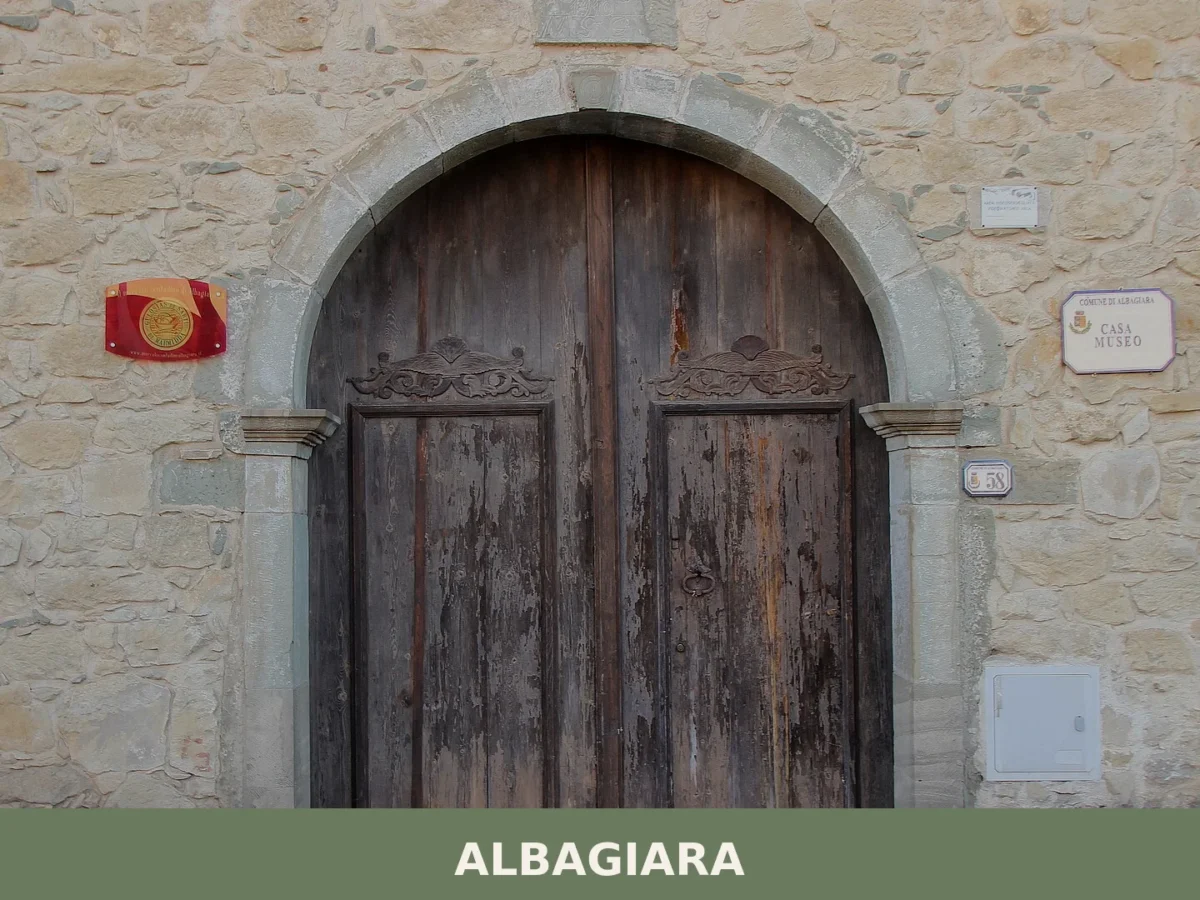
Albagiara
 Plains
A community of 273 inhabitants in the heart of Oristano province. Albagiara balances ancient archaeology with modern agricultural and artisan traditions.
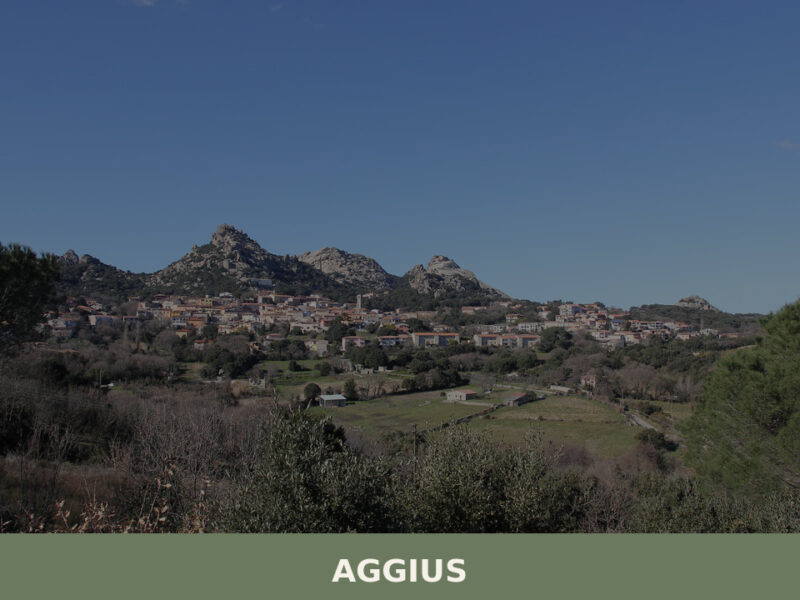
Aggius
 Hills
Hills
Granite boulders glow amber in the late afternoon, stacked like ancient sentinels across a valley floor that drops away toward the Gallura coast. Wind pushes through narrow lanes of grey stone houses, carrying the faint rhythm of a polyphonic chorus rehearsing behind closed shutters. At 514 metres above sea level, this village of just over […]
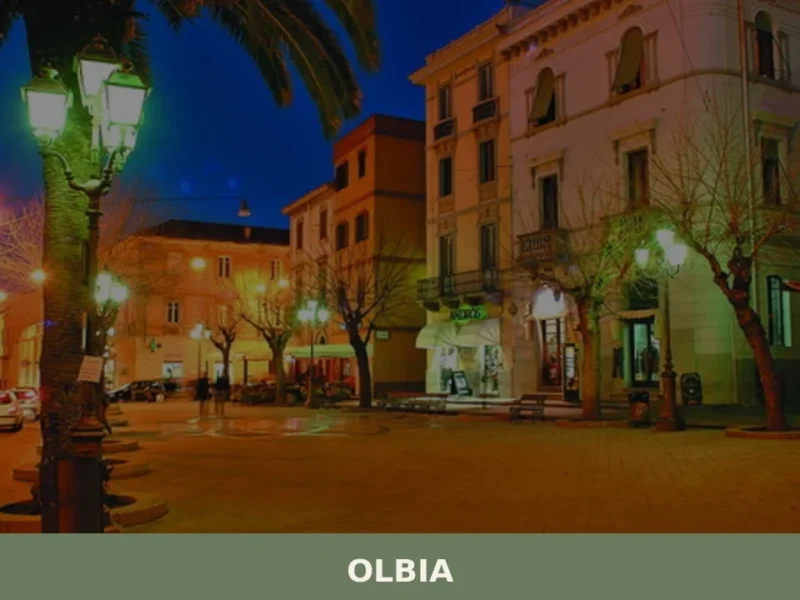
Olbia
 Sea
Sea
Discover Olbia, a charming village in Sardegna, Italy. Explore its rich history, stunning landscapes, and vibrant local culture in this Mediterranean treasure.
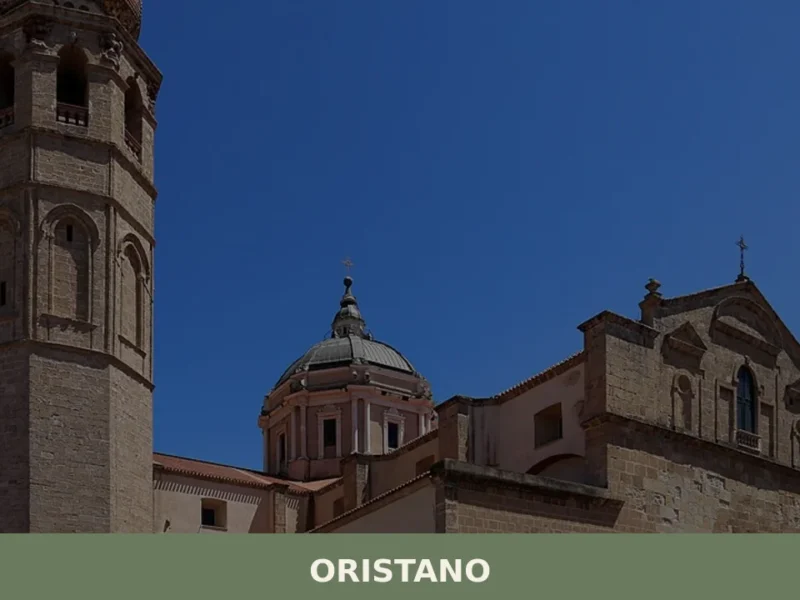
Oristano
Sea
What to see in Oristano: 31,095 inhabitants, medieval Giudicato history, the Sartiglia festival and Cabras bottarga. Discover towers, museums and the cathedral. Plan your visit now.
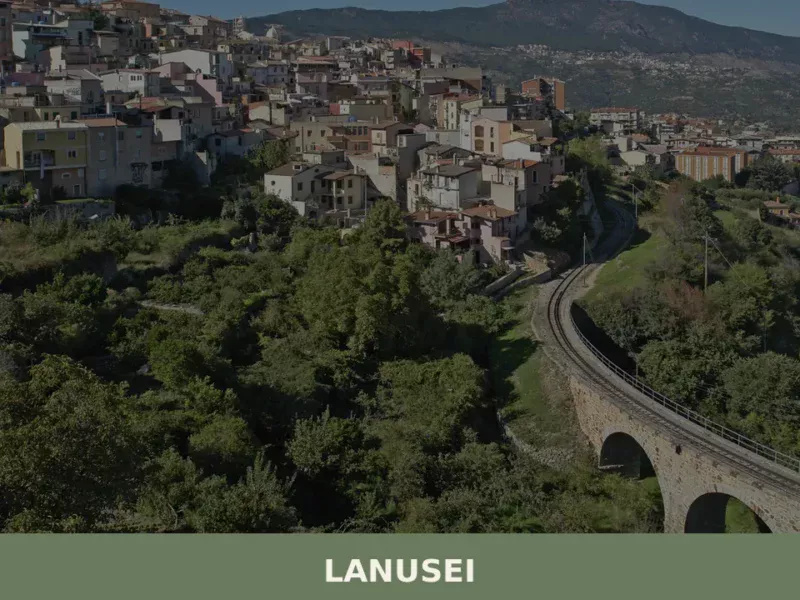
Lanusei
Sea
What to see in Lanusei, a Sardinian town at 595 m with 5,468 residents. Visit the Cathedral of Santa Maria Maddalena, the Natural History Museum and Gorropu Gorge. Plan your trip now.
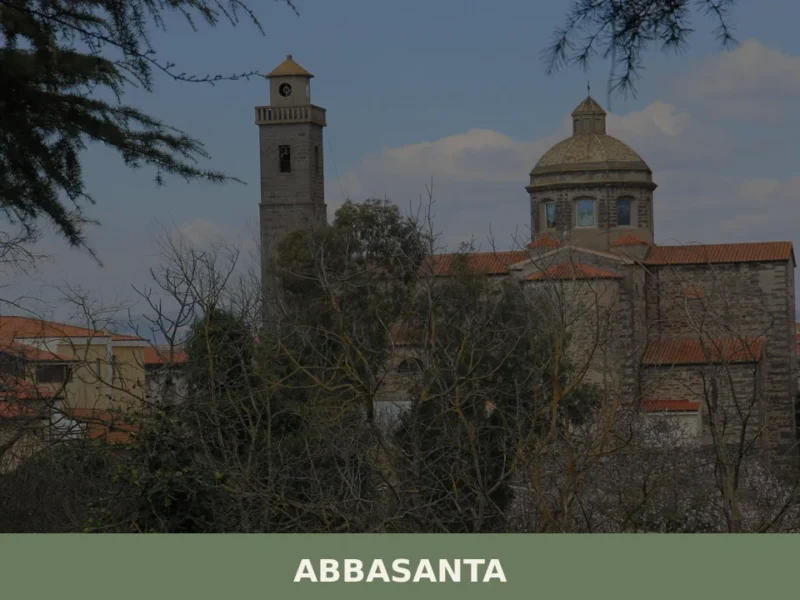
Abbasanta
Hills
Scopri Abbasanta, affascinante borgo sardo ricco di storia, cultura e tradizioni. Un viaggio autentico nel cuore della Sardegna da non perdere.
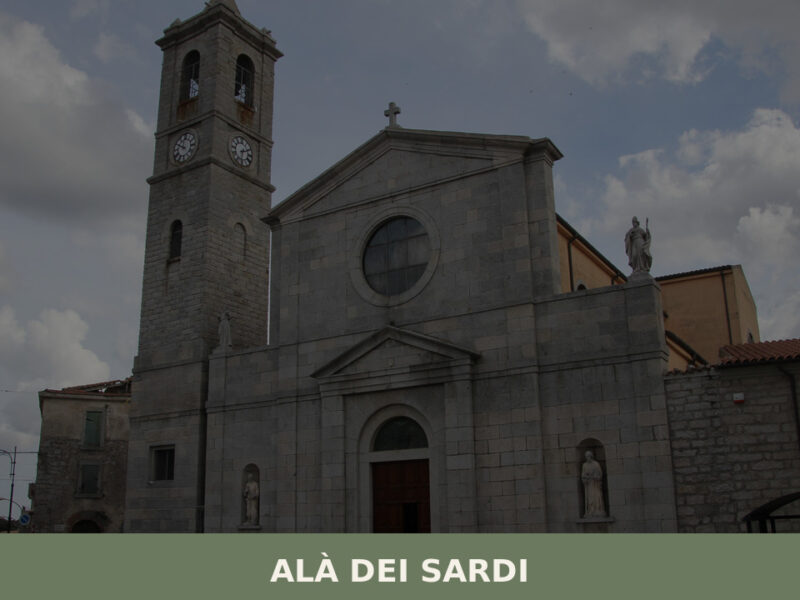
Alà dei Sardi
 Mountain
Morning mist rolls off the granite plateau and settles in the narrow streets, carrying the smell of woodsmoke and fresh bread from a communal oven that has not changed position in two centuries. At 663 metres above sea level, the air here is thinner, cooler, and quieter than on the coast below. Alà dei Sardi […]
Barrali
Plains
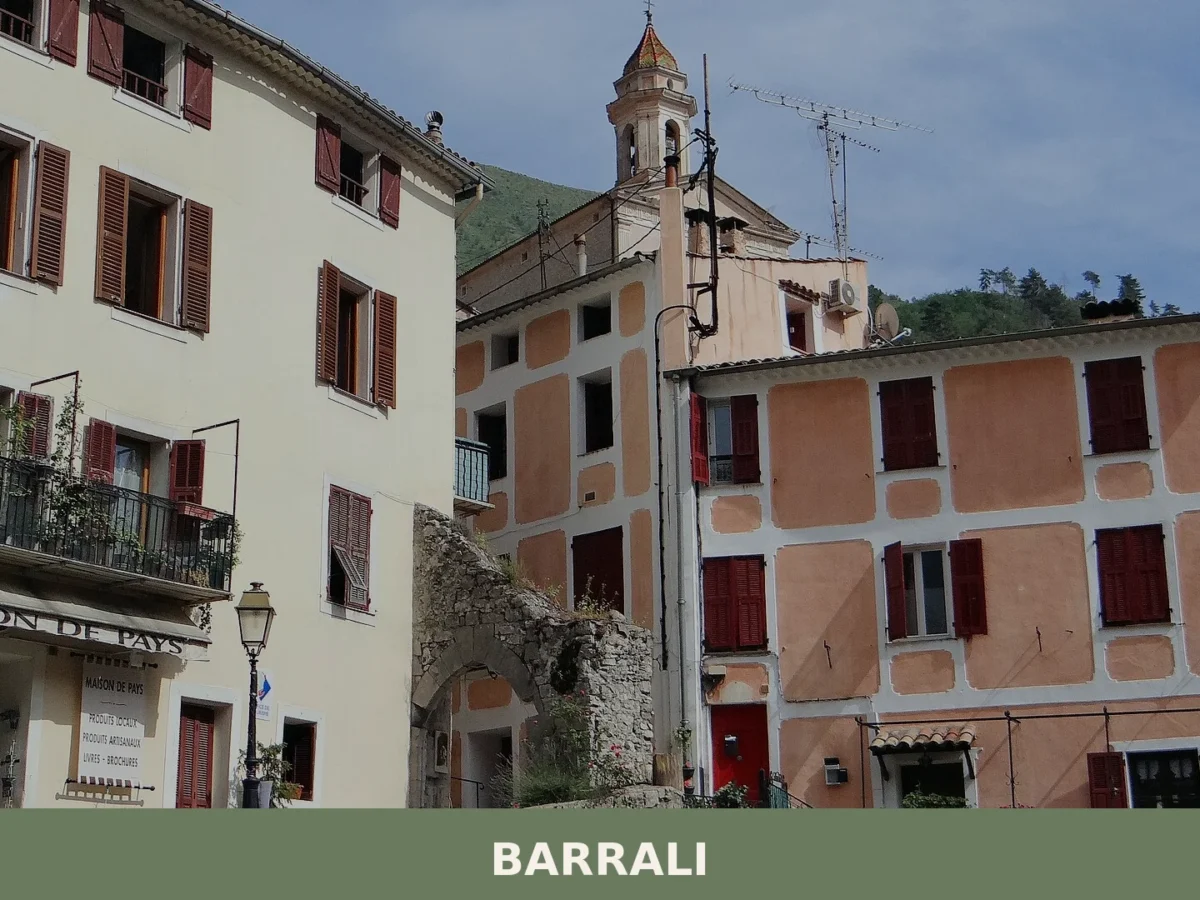
Barrali is a small comune of around 1,135 inhabitants in the Trexenta area of the Città metropolitana di Cagliari, with a history stretching from the Neolithic to modern municipal independence.
Sassari
Sea
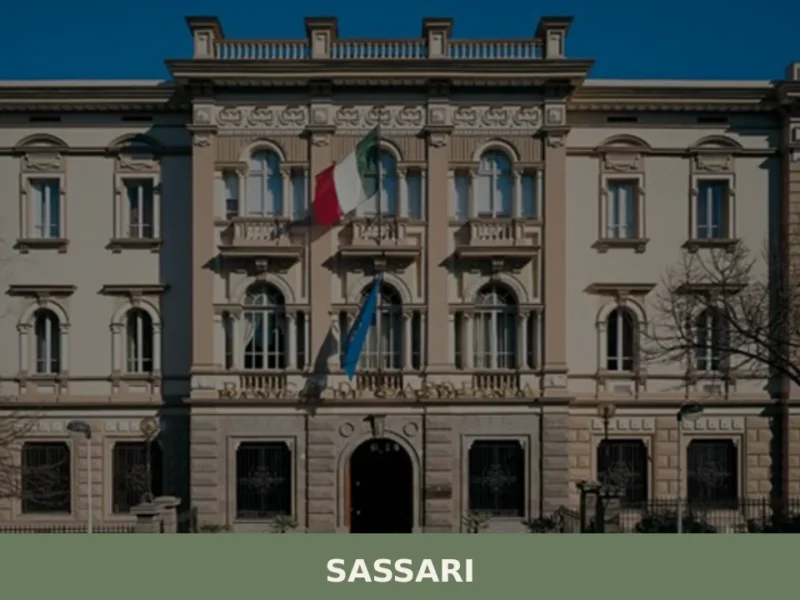
Discover Sassari, a captivating village in Sardegna, Italy. Explore its rich history, vibrant culture, stunning architecture, and authentic Italian charm.
Sanluri
Plains
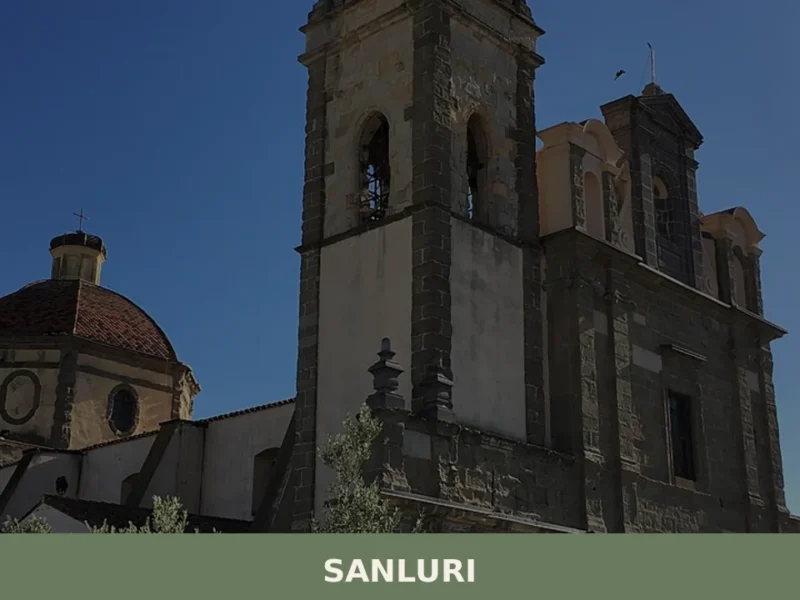
Discover Sanluri, a charming village in Sardegna, Italy, rich in history, culture, and stunning landscapes. Plan your visit today!

🏡 Know Bauladu better than we do?
If you’re a local or have been there, your knowledge matters: add what’s missing or fix a detail on this page.