


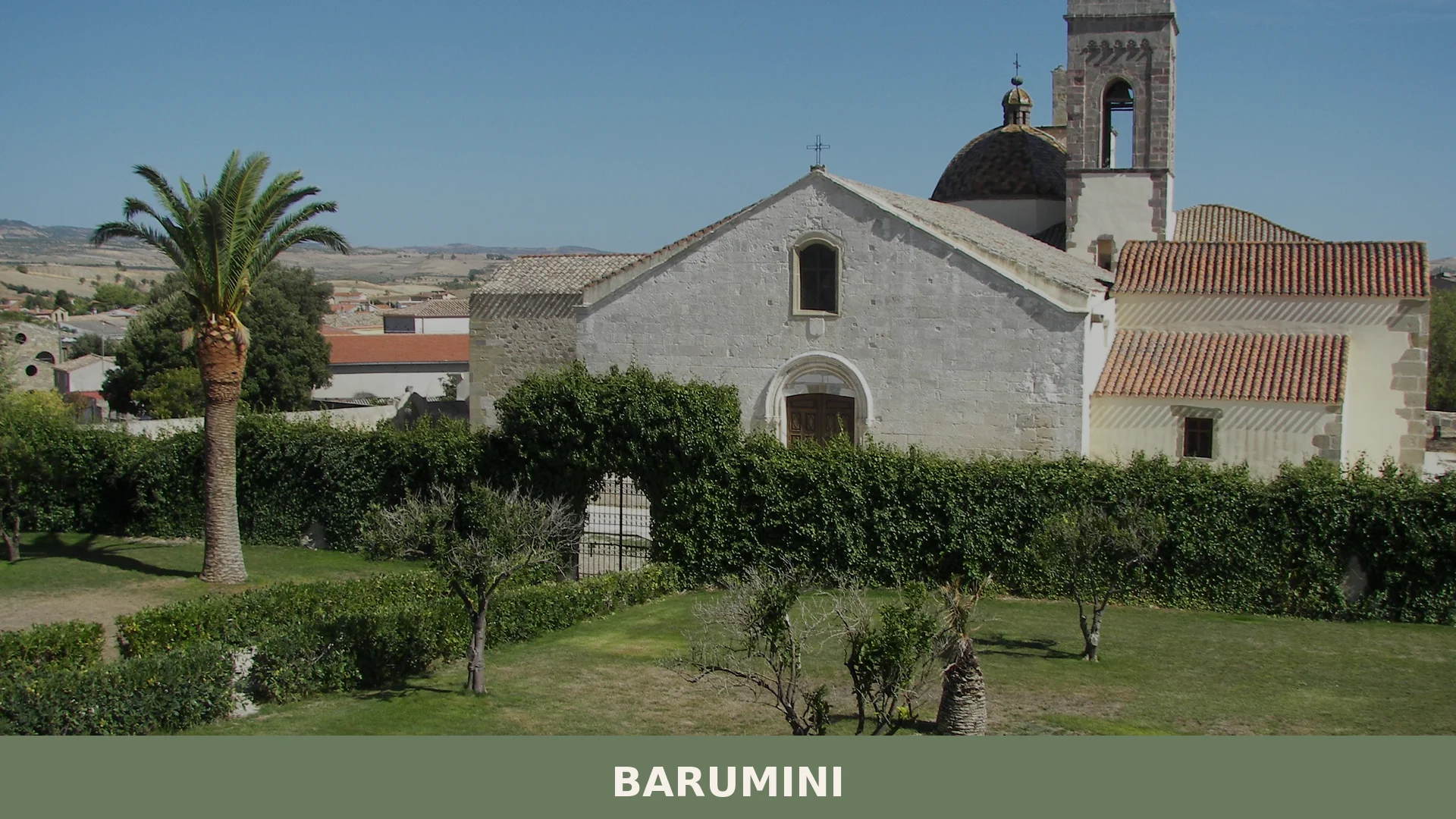

Barumini is a small Sardinian comune in the Marmilla whose UNESCO-listed nuragic complex of Su Nuraxi and a seventeenth-century palace museum make it one of the island’s most concentrated cultural des
Discover Barumini
Barumini is a small municipality of around 1312 inhabitants in the province of Medio Campidano, Sardinia, sitting at 202 metres above sea level in the historical sub-region of the Marmilla. Its archaeological site of Su Nuraxi — a complex nuragic monument built in successive phases between the mid-second millennium BC and the seventh century BC — was inscribed on the UNESCO World Heritage List in 1997, giving this compact comune of roughly 26.57 square kilometres a significance that far exceeds its size.
Barumini village in Sardinia accumulates more than three thousand years of continuous human presence within a remarkably small area: nuragic towers, a medieval role as capital of the Marmilla curatoria, Aragonese feudal rule after 1409, a seventeenth-century palace built unknowingly over a buried nuragic settlement, and a modern museum complex that opened in 2006. Each of these layers is still visible and, in most cases, physically accessible — which is what gives the village its unusual density as a cultural destination in the island’s interior.
Barumini village in Sardinia: history and origins
Barumini’s history reaches back to the nuragic period, when the monumental complex of Su Nuraxi was built in successive phases between the mid-second millennium BC and the seventh century BC, establishing the area as a significant centre of human settlement long before written records begin. In the Middle Ages the town belonged to the Giudicato of Arborea and served as the principal town of the Marmilla curatoria. After the Battle of Sanluri in 1409 it passed under Aragonese rule and entered the Kingdom of Sardinia as a feudal holding.
In 1541 the territory was incorporated into the barony of Las Plassas and granted to Azore Zapata, a name that left a lasting mark on the built fabric of the village. The Zapata family later commissioned the construction of a palace in the early seventeenth century on the highest point of the historic centre, unaware that it stood directly above the well-preserved remains of a nuragic settlement. That complex, lying close to the parish church, was identified by the archaeologist Giovanni Lilliu and named Nuraxi ‘e Cresia. A restoration project designed by architect Pietro Reali brought both the marchese’s palace and the underlying nuraghe to light, and the resulting museum — with sections dedicated to archaeology, history and ethnography — opened on 29 July 2006.
The feudal era came to a formal close in 1839, when the abolition of the feudal system led to the redemption of the town from its last lord, Lorenzo Zapata Spiga Vivaldi, Marquess of Las Plassas, and Barumini became a municipality governed by a mayor and elected council. The international recognition of its ancient heritage arrived in 1997, when UNESCO inscribed Su Nuraxi on its World Heritage List — an acknowledgement that the site stands among the most significant archaeological complexes in the Mediterranean world.
Su Nuraxi, Palazzo Zapata and the Churches of Barumini
Barumini holds a UNESCO World Heritage site, a nuragic complex discovered beneath a seventeenth-century palace, and more than a dozen churches spanning from the eleventh to the nineteenth century — a density of archaeological and architectural evidence unusual for a commune of just over 1312 inhabitants.
Su Nuraxi
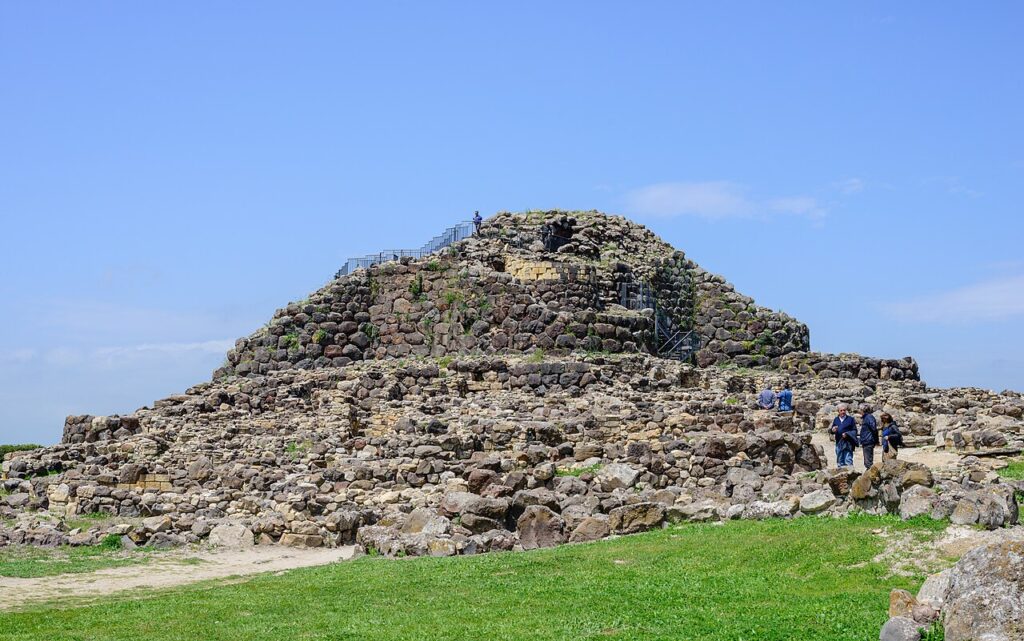
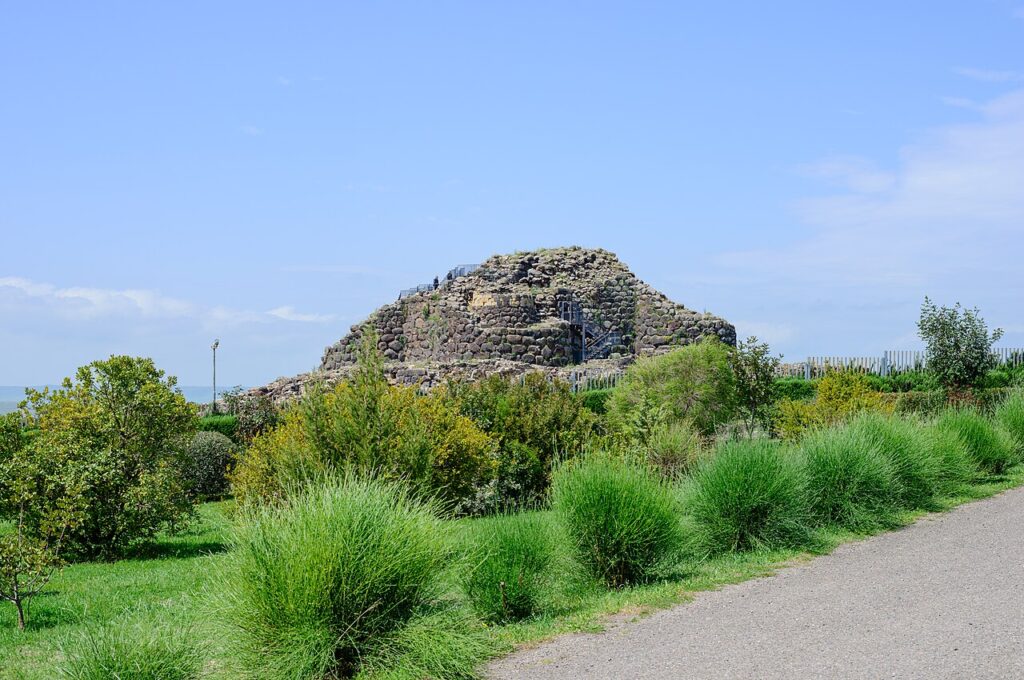
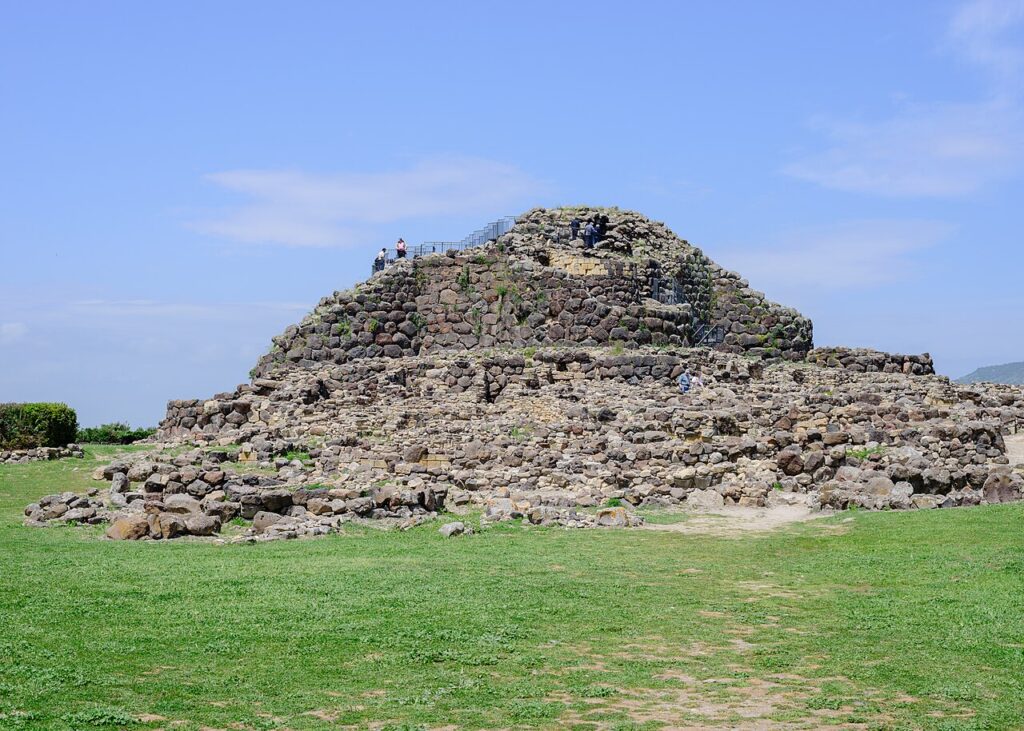
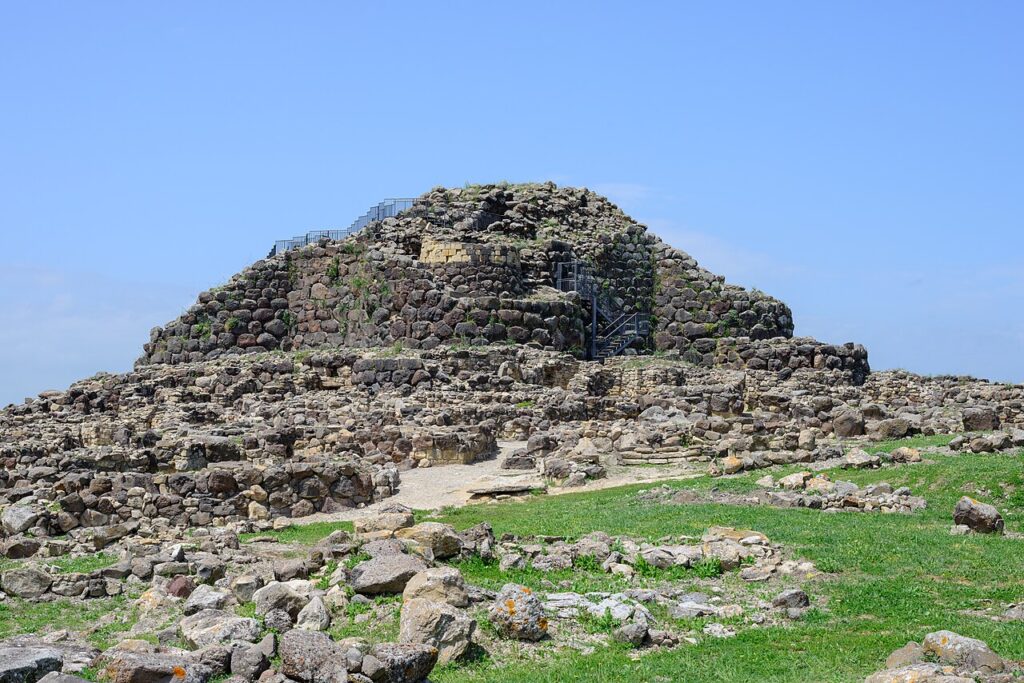
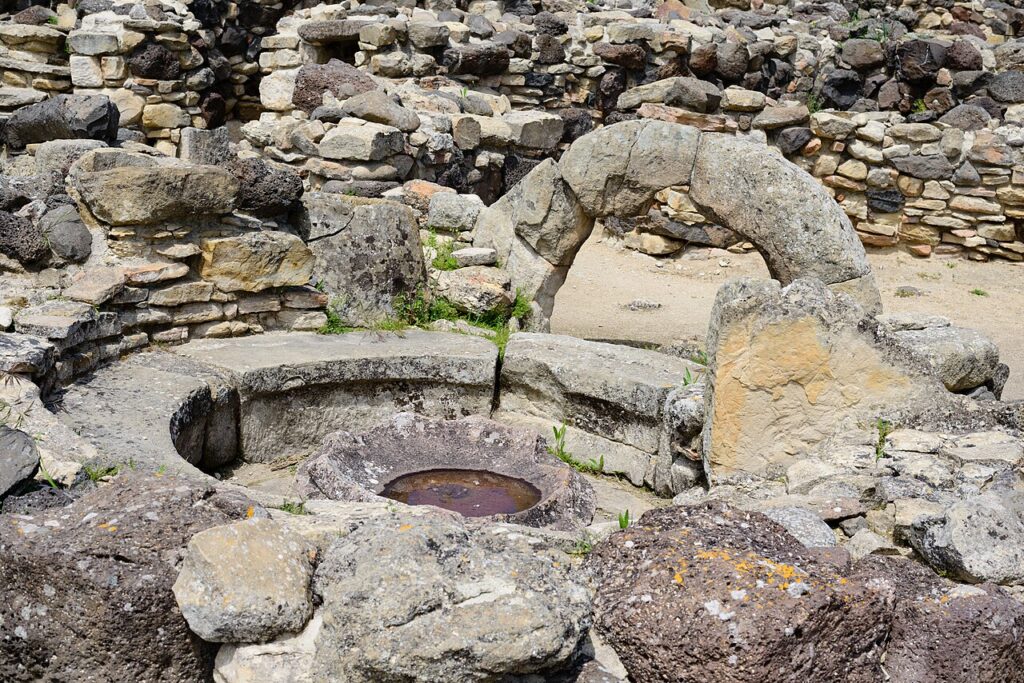
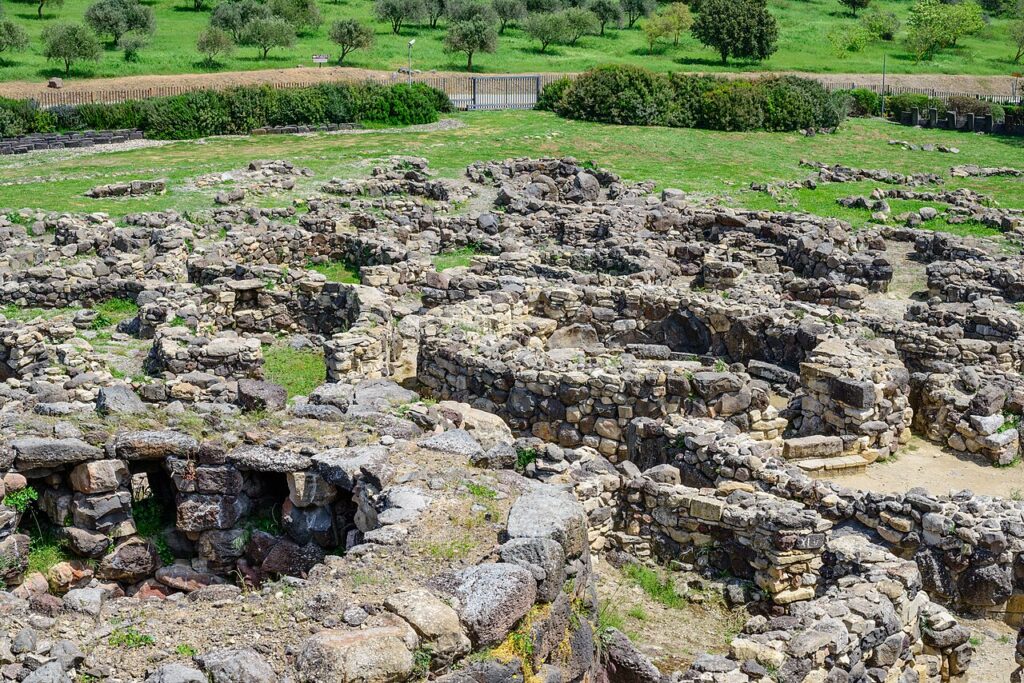
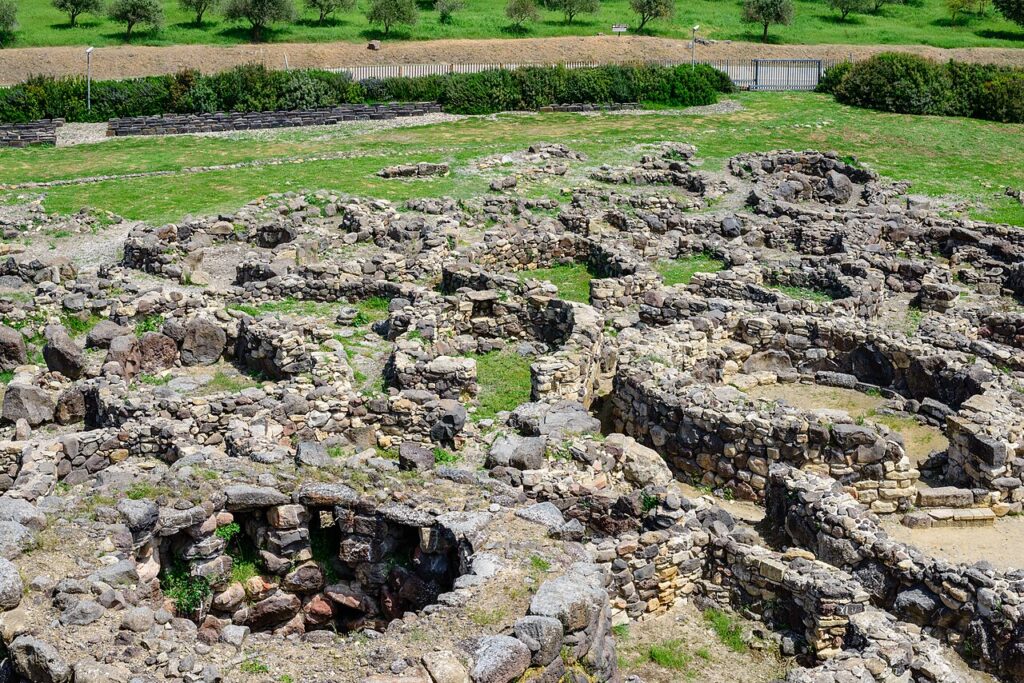
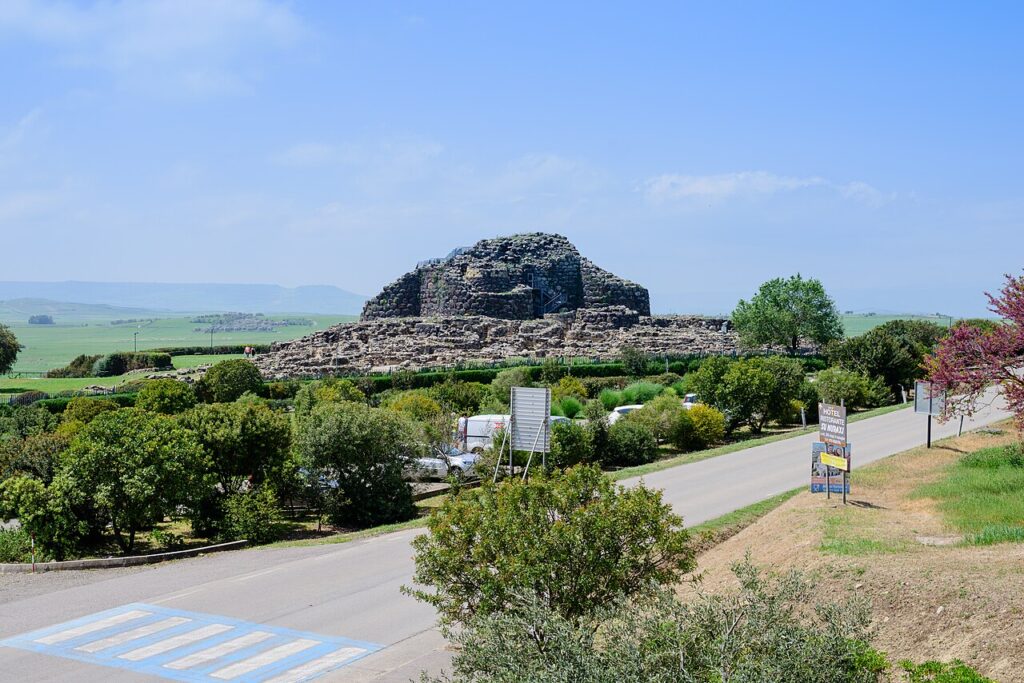
The archaeological area of Su Nuraxi is one of the most significant nuragic complexes in Sardinia, both in scale and structural complexity. It combines a large nuraghe with a surrounding village, built in successive phases between the mid-second millennium BC and the seventh century BC, with evidence of occupation continuing into the seventh century AD. The nuraghe itself consists of a central tower, or mastio, around which a quadrilobate bastion was constructed: four towers arranged at the corners, connected by curtain walls. The site was inscribed on the UNESCO World Heritage List in 1997. An adjoining modern facility, the Centro di Comunicazione e Promozione del Patrimonio Culturale Giovanni Lilliu, was built to support the cultural and tourism services connected to the site.
Palazzo Zapata and Nuraxi ‘e Cresia
Palazzo Zapata was built in the early seventeenth century on the highest point of the historic centre. During restoration work, the palace was found to rest on the well-preserved remains of a nuragic settlement, which archaeologist Giovanni Lilliu named Nuraxi ‘e Cresia, owing to its proximity to the parish church. Architect Pietro Reali oversaw the restoration project that brought both the palace and the underlying nuraghe to light together. The resulting museum complex — divided into archaeological, historical and ethnographic sections — opened on 29 July 2006. The three-sectioned Polo museale di Casa Zapata is considered a singular case: a seventeenth-century palace serving as exhibition space directly above an excavated nuragic site.
Churches
The commune contains an exceptional number of religious buildings across several centuries. The church of San Giovanni dates from the thirteenth century and features two naves separated by arches on pillars, two apses, and is described as Provençal in style. The church of San Nicola, positioned on a hill at the edge of the village, dates from the eleventh or twelfth century. The church of the Santissima Trinità, near a Roman bridge, also belongs to the thirteenth century. The church of San Lussorio, along the road towards the orti di Gesturi, is dated between the eleventh and fourteenth centuries.
From the sixteenth century, the church of the Immacolata Concezione survives with late Gothic elements visible in its square-shaft bell tower, its vaulted presbytery and certain side chapels. The church of Santa Lucia, also sixteenth century, is a small rural building surrounded by a portico of stone columns carrying nine pointed arches; it retains a carved wooden pulpit inside. The church of San Francesco belongs to the seventeenth century and stands beside a convent established by Franciscan friars in 1609; it has a single nave with two chapels on the left side. The church of Santa Tecla was rebuilt in the nineteenth century. Among the lost structures, the oratory of San Sebastiano in Palacio — once adjacent to Palazzo Zapata — was destroyed entirely during restoration works in 1903.
Food and Drink of Barumini and the Marmilla Territory
Barumini sits within a pastoral Sardinian landscape whose certified products centre on sheep farming and traditional dairy: the area produces Pecorino Sardo DOP, Fiore Sardo DOP, and Agnello di Sardegna IGP, alongside Zafferano di Sardegna DOP and the Carciofo Spinoso di Sardegna DOP. These are products of the broader provincial and regional territory rather than exclusives of Barumini itself, but they define the table you will encounter here.
Local distilling traditions produce filu ‘e ferru, the strong Sardinian acquavite, and artisan liqueurs made from wild thistle and gentian. Winemakers in the surrounding zone work under the Marmilla IGT designation, while the wider regional offer includes the Cagliari DOC and Campidano di Terralba DOC appellations, covering both red and white styles suited to the inland Campidano terrain.
Getting to Barumini and Planning Your Visit
Barumini is most easily reached by car from Cagliari — approximately 50 km to the south, a drive of around 45 minutes — making it a natural day trip or overnight stop in the Marmilla interior. From Sanluri, the nearest town of any size, the distance is roughly 20 km, covered in about 20 minutes. The village sits at 202 metres above sea level on a gently elevated plateau, and its surface area of about 26.57 square kilometres means that the historic centre and its main sites are all comfortably walkable once you arrive.
Spring and early autumn are the most comfortable seasons for visiting: the summer heat on the Campidano plain can be intense, while the festival calendar offers particular animation around late April (the sheep fair), mid-May for Sant’Isidoro, and mid-September for the feasts of San Francesco and Sant’Ignazio. The UNESCO-listed Su Nuraxi complex and the Casa Zapata museum are the principal draws and between them account for at least half a day.
Visitors interested in extending their stay in the province can combine Barumini with nearby Albagiara to the north or head west towards the coast at Arbus. Barumini is also a named stage on the Cammino Francescano in Sardegna, a 111-kilometre route for walkers.
| Departure | Distance | Time |
|---|---|---|
| Cagliari | approx. 60 km | approx. 1 hour |
| Sanluri | approx. 20 km | approx. 25 min |
| Arbus | approx. 50 km | approx. 55 min |
These practical references help organise the journey clearly, while the village itself is best understood slowly and on foot once you arrive.
Frequently asked questions about Barumini
What is the best time to visit Barumini?
Visit Barumini between April and October for pleasant Mediterranean weather ideal for exploring Su Nuraxi and walking the village. January 20th celebrates the feast of San Sebastiano, the patron saint, with traditional religious observances. Summer (July–August) draws more tourists but also brings heat; spring and autumn offer milder conditions. Winter months are cooler and wetter, though less crowded.
How do I reach Barumini from Cagliari?
Barumini is approximately 60 kilometres north of Cagliari. By car, take the SS131 Carlo Felice motorway toward Oristano, then follow regional roads toward the Marmilla region. Journey time is roughly one hour. Public transport options include regional buses connecting Cagliari to Barumini, though schedules are limited. No direct train service exists to the village.
How long should I spend visiting Barumini?
Plan a full day (6–8 hours) to properly experience Barumini. Allow 2–3 hours for Su Nuraxi archaeological site and its museum complex, opened in 2006. Additional time suits exploring Palazzo Zapata, the village churches, and walking through the historic centre to appreciate the layered cultural heritage spanning three thousand years of continuous settlement.
What makes Su Nuraxi historically significant?
Su Nuraxi is a monumental nuragic fortress built in successive phases between the late fourteenth and seventh centuries BC. It was inscribed on the UNESCO World Heritage List in 1997, one of Sardinia's most important archaeological sites. The complex demonstrates sophisticated Bronze Age engineering and represents one of the Mediterranean's most distinctive prehistoric architectural traditions from the nuragic civilization.
Is there parking available in Barumini village?
Yes, parking is available near Su Nuraxi archaeological site and throughout the village centre, though spaces can be limited during peak tourist season. Most visitors use car parks adjacent to the museum complex opened in 2006. Confirm current parking arrangements with local tourism information before arrival, as facilities may change seasonally.
📷 Photo Gallery — Barumini
In Sardinia More villages to discover
Ardara
 Hills
Hills
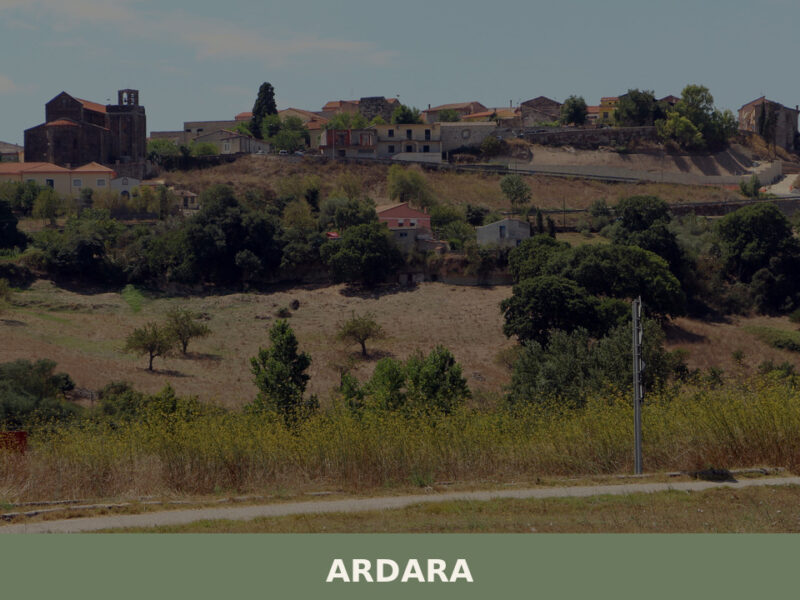
Morning light strikes the dark basalt walls of an old church, turning the stone the colour of wet coal. A rooster calls from somewhere behind the municipio. Ardara sits on a low rise at 296 metres above sea level in the province of Sassari, a village of 729 people that once served as the capital […]
Alghero
 Sea
Sea
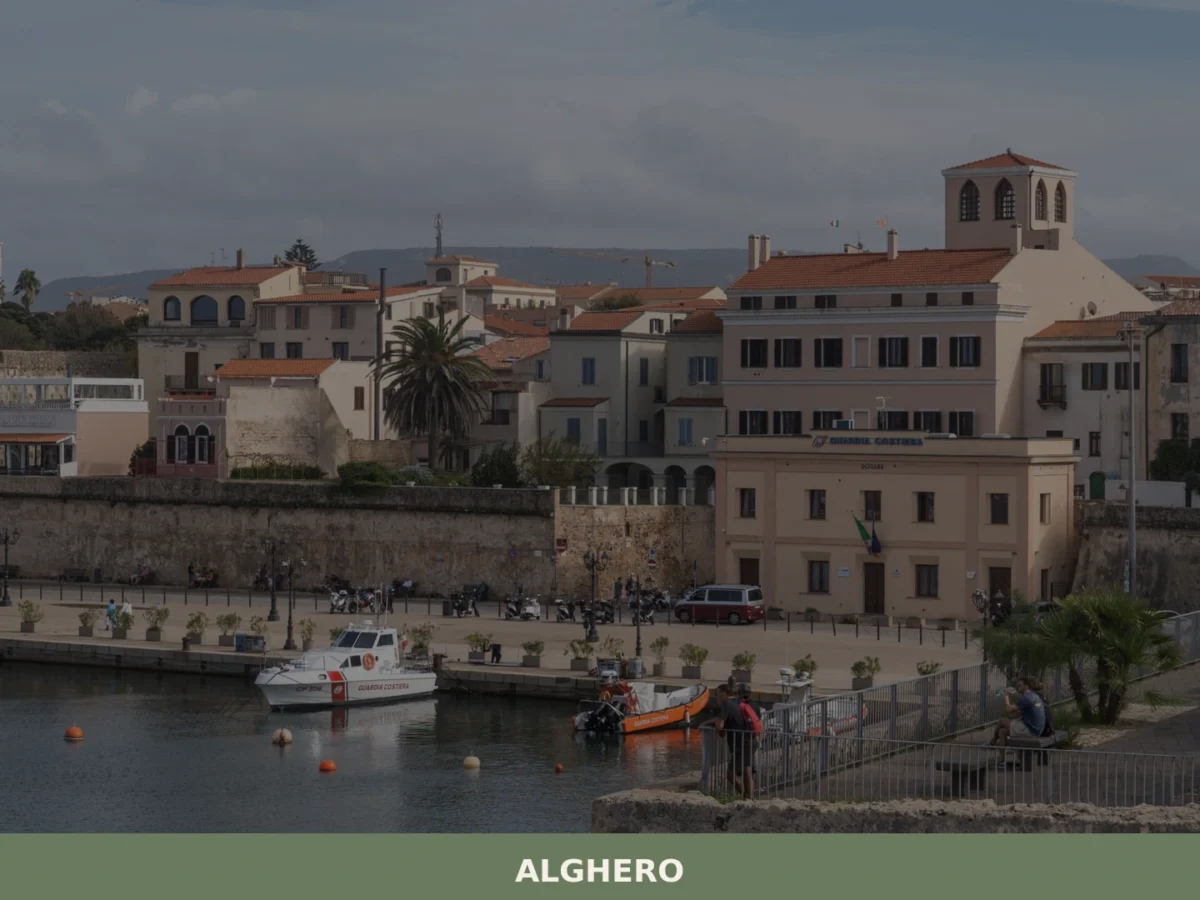
What to see in Alghero: from the Aragonese walls to the Neptune's Grotto, discover the 5 top attractions. Read the full guide to plan your visit.
Barrali
 Plains
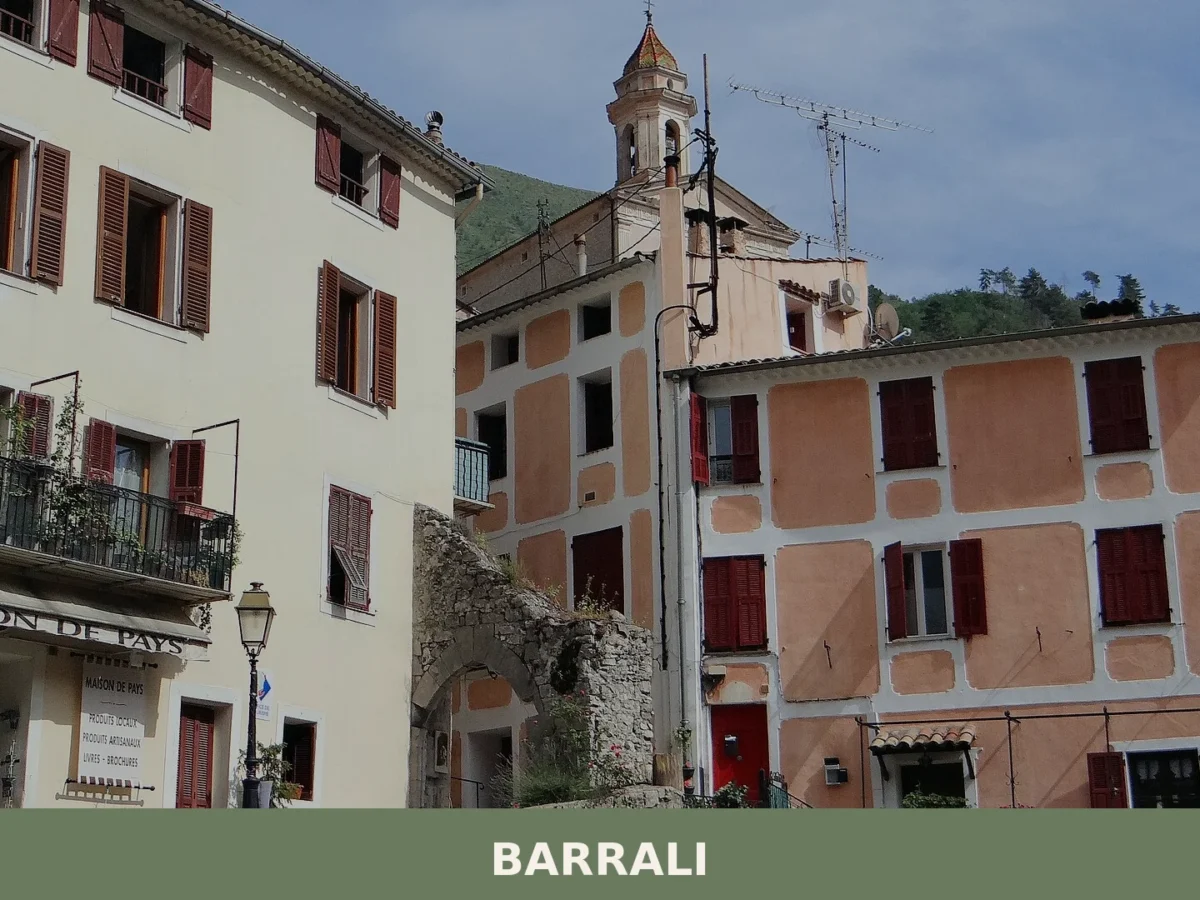
Barrali is a small comune of around 1,135 inhabitants in the Trexenta area of the Città metropolitana di Cagliari, with a history stretching from the Neolithic to modern municipal independence.
Nuoro
Hills
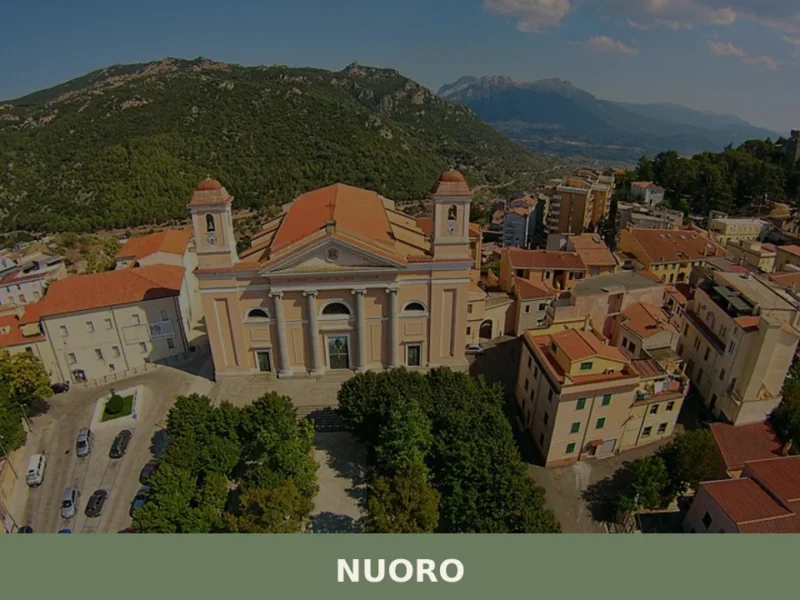
What to see in Nuoro: a city at 547m with 36,379 residents and birthplace of Nobel laureate Grazia Deledda. Explore museums, Monte Ortobene and Barbaricino cuisine. Plan your visit now.
Cagliari
Sea
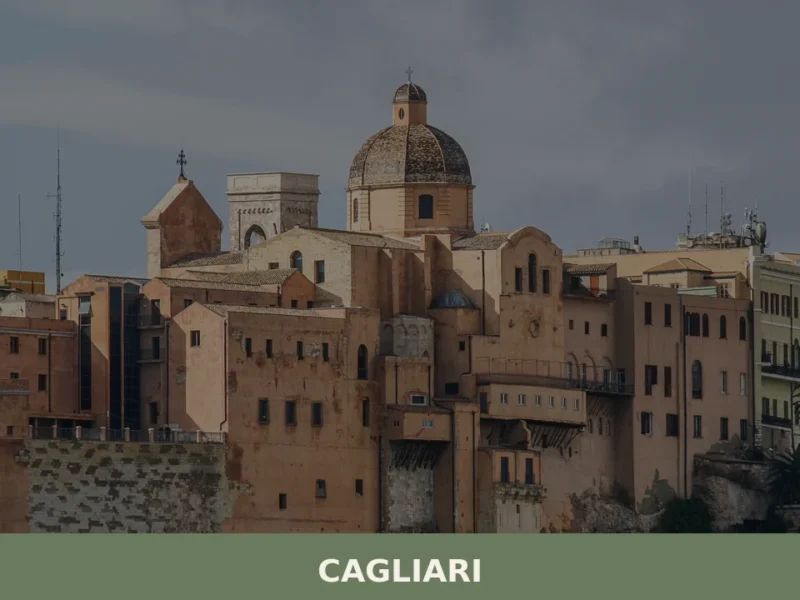
Discover Cagliari, a charming village in Sardegna, Italy. Explore its rich history, stunning landscapes, and local culture in the heart of Sardinia.
Olbia
Sea
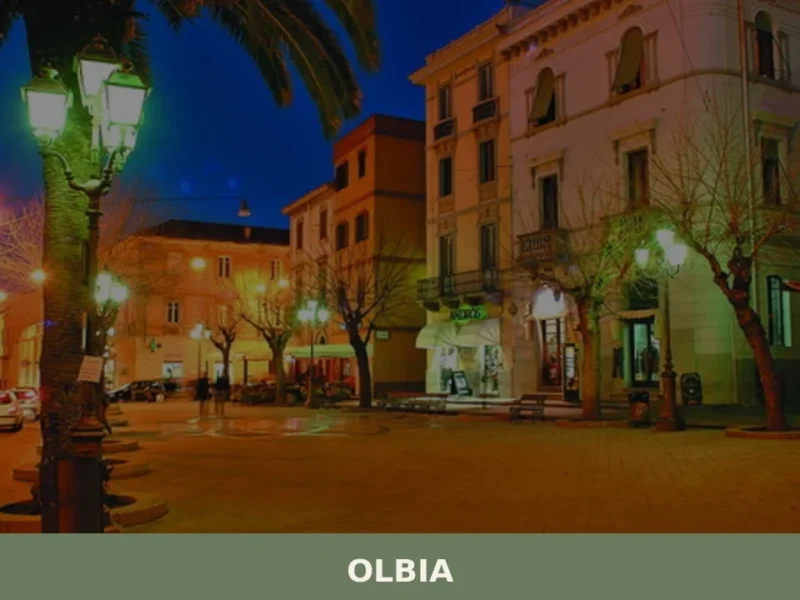
Discover Olbia, a charming village in Sardegna, Italy. Explore its rich history, stunning landscapes, and vibrant local culture in this Mediterranean treasure.
Bessude
Hills
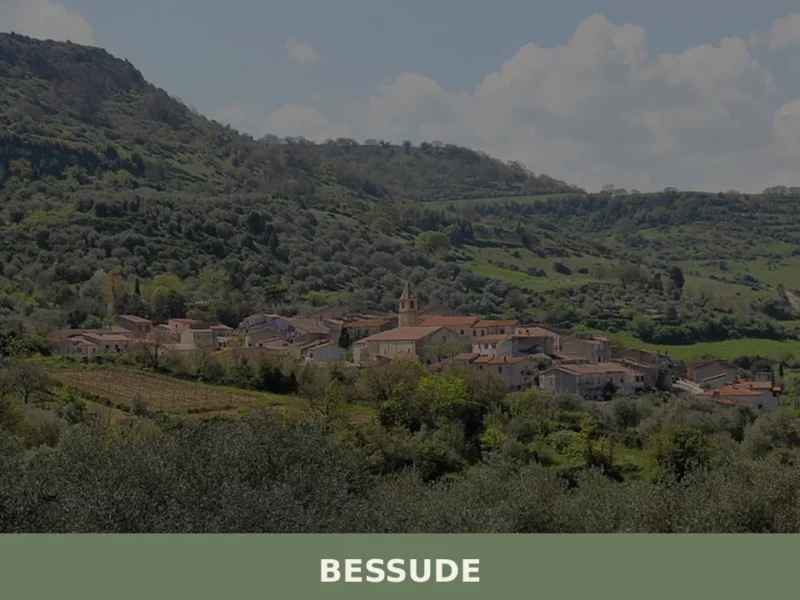
At 447 meters above sea level, with a population of 383 inhabitants as of 2023, Bessude is a small town in Logudoro-Meilogu, in the province of Sassari, whose existence is documented at least since 1341 in the Rationes Decimarum Sardiniae. The village, known for its hilly location and the Nuragic remnants that surround its territory, […]
Bonnanaro
Hills
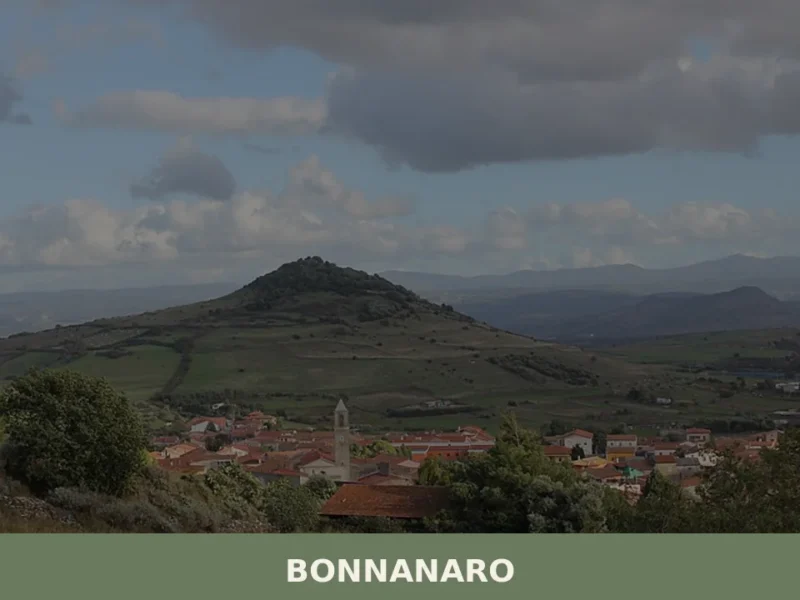
In 1388, when representatives of the Sardinian villages signed the peace treaty with the Crown of Aragon, among the signatories was the village of Bonnanaro, an agricultural centre already known for the fertility of its volcanic soils on the slopes of Monte Pelao. Today this village of 921 inhabitants, situated at 405 metres above sea […]
Albagiara
Plains
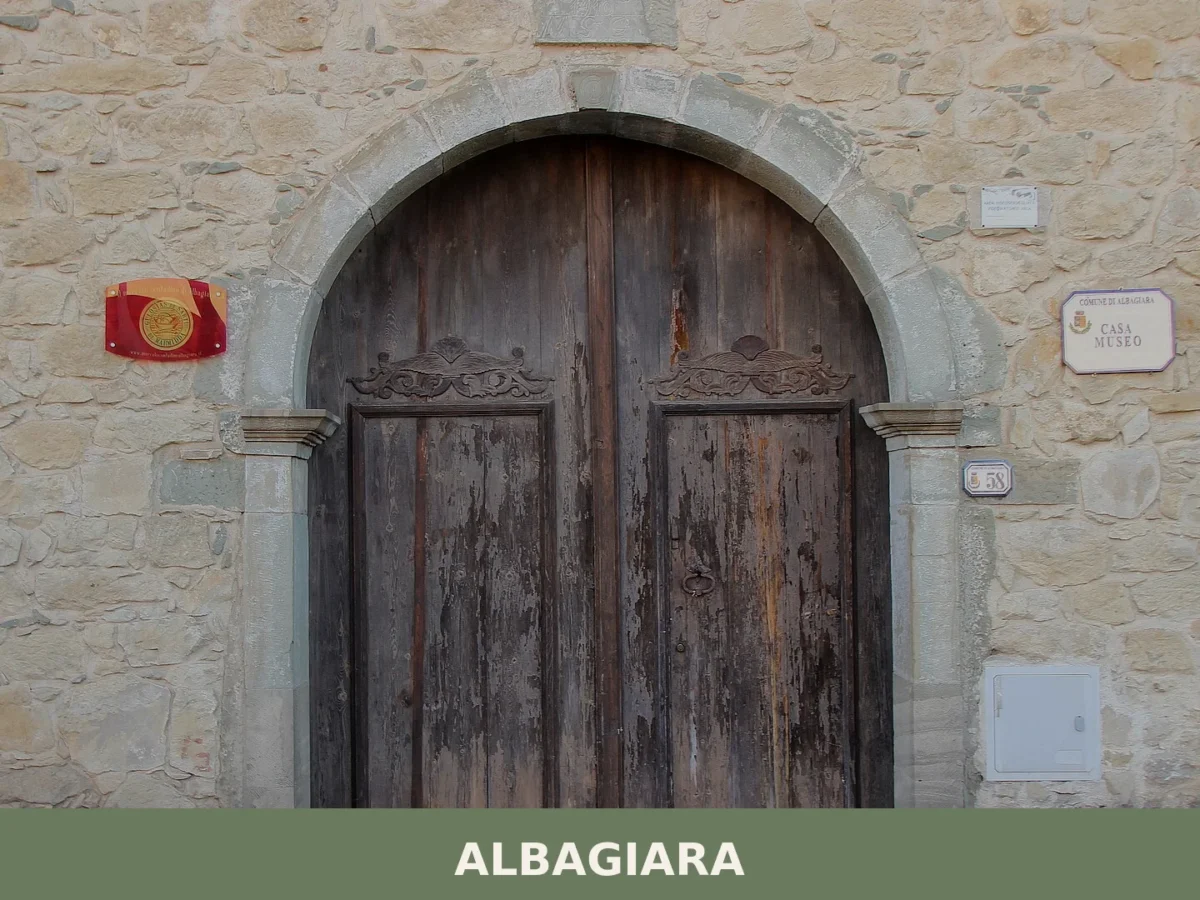
A community of 273 inhabitants in the heart of Oristano province. Albagiara balances ancient archaeology with modern agricultural and artisan traditions.
Oristano
Sea
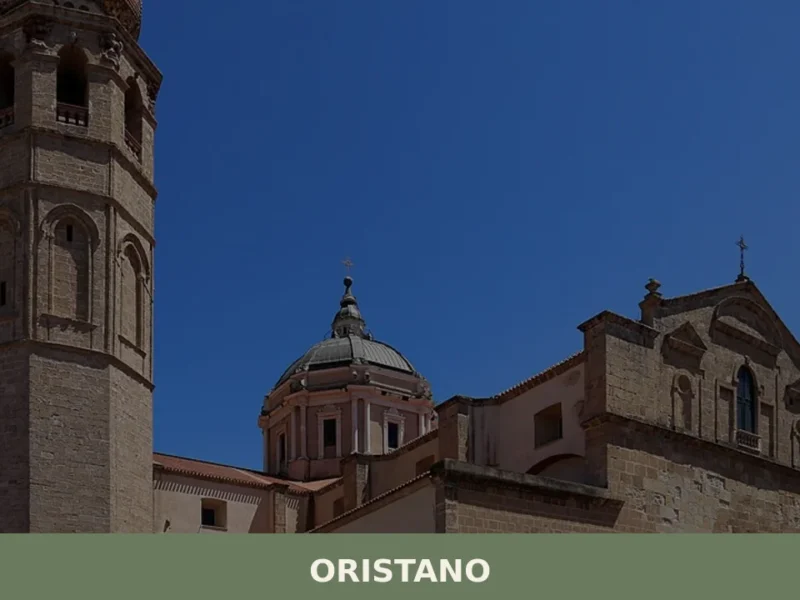
What to see in Oristano: 31,095 inhabitants, medieval Giudicato history, the Sartiglia festival and Cabras bottarga. Discover towers, museums and the cathedral. Plan your visit now.

🏡 Know Barumini better than we do?
If you’re a local or have been there, your knowledge matters: add what’s missing or fix a detail on this page.