


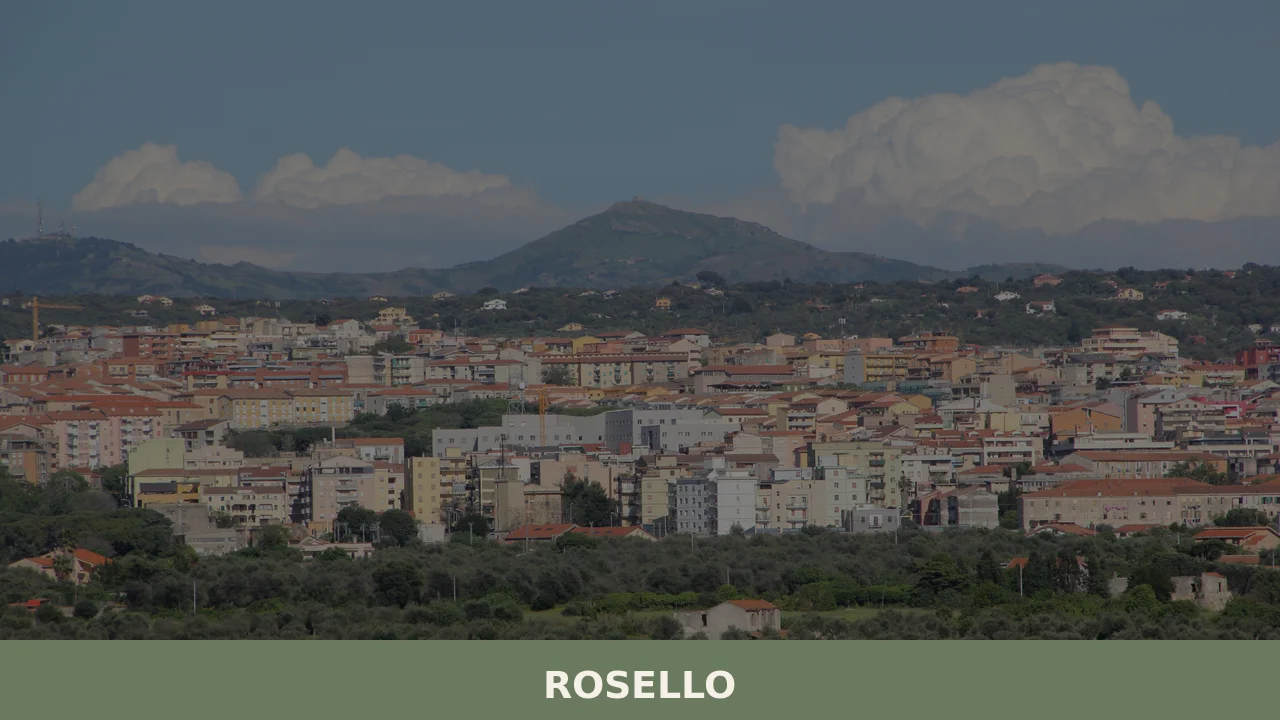
Rosello
 Mountain
what to see in rosello: Explore Rosello, Italy, a village founded in the 11th century, with its historic chapel and artistic legacy. Discover its WWII history and Abruzzese charm.
Discover Rosello
The village of Rosello, set amidst the landscapes of Abruzzo, traces its origins back to the 11th century, when Benedictine monks from the Abbey of San Giovanni in Verde first settled the area. This historical presence laid the groundwork for a community that would later be noted in the 12th century for its particular appeal.
The very stones of its older structures bear witness to these early beginnings, reflecting centuries of resilient life in central Italy.
For those wondering what to see in Rosello, this village in the province of Chieti offers a journey through significant historical periods and notable cultural artifacts.
Visitors can explore the site of the 11th-century monastic settlement and admire the renowned ‘Maria SS delle Grazie’ painting, created between 1500 and 1600. The Rosello highlights include its deep historical roots and the artistic legacy that has shaped its identity over centuries, providing a unique insight into the Abruzzo region.
History of Rosello
The historical roots of Rosello, a village within the province of Chieti in Italy’s Abruzzo region, extend deeply into the medieval period.
Its earliest documented habitation dates to approximately the 11th century, a significant period for understanding what to see in Rosello today through its historical lens, when Benedictine monks played a pivotal role in establishing settlements and cultivating the land. These monastic pioneers originated from the venerable Abbey of San Giovanni in Verde, bringing with them not only spiritual devotion but also organizational skills crucial for communal development.
Their presence marked the genesis of Rosello as a distinct community, transforming the landscape through careful stewardship and permanent structures.
The village’s early medieval development echoes similar patterns seen across the Abruzzo region, including communities like Anversa degli Abruzzi, which also boasts a rich historical tapestry.
Rosello officially enters the broader historical record in the 12th century, receiving a notable description from Giulio Caracciolo, who characterized it as a ‘charming village.’ This early recognition underscores its appeal even in medieval times, suggesting a community already possessing distinct qualities. Culturally, the village holds a significant artistic treasure: the ‘Maria SS delle Grazie’ picture, housed in the chapel near the local cemetery.
This important work is attributed to an artist of the Neapolitan School, with its creation period spanning the 16th century, specifically between 1500 and 1600, making it a central cultural highlight for centuries. Its presence testifies to Rosello’s enduring connection to broader Italian artistic traditions, even as a smaller community in the Abruzzo mountains.
The 20th century brought profound challenges to Rosello, particularly during the Second World War.
The village found itself strategically positioned along the Gustav Line, a formidable defensive fortification constructed by the German forces in Italy. This unfortunate geographical placement led to its extensive destruction in November 1943, when German soldiers razed much of the village during their retreat. Despite these devastating events, Rosello demonstrated resilience, rebuilding and preserving its heritage.
The wartime experience of Rosello shares parallels with other Italian villages that endured significant damage during the conflict, such as Campochiaro in the neighboring region of Molise, both bearing scars of that tumultuous period.
More recently, the village proudly claims Renato Percario as one of its notable sons; born on September 6, 1937, and passing on June 18, 2008, Percario achieved international acclaim as a chef, serving esteemed figures such as Princess Margaret, King Constantine, and Ivana Trump, bringing a touch of global recognition to his Abruzzese origins.
What to see in Rosello, Chieti: top attractions
Visitors eager to discover what to see in Rosello will find a blend of historical sites and natural surroundings that reflect the village’s enduring character. From significant artistic works to remnants of wartime history and the quiet beauty of its landscape, Rosello, Chieti, Italy, provides several points of interest for those exploring the Abruzzo region.
The Chapel of ‘Maria SS delle Grazie’
Standing modestly near the village cemetery, the chapel containing the ‘Maria SS delle Grazie’ picture represents a significant cultural highlight of Rosello.
The artwork itself, a revered image of the Virgin Mary, was created by an artist from the distinguished Neapolitan School sometime between 1500 and 1600.
This piece offers visitors a tangible connection to the artistic currents that influenced central Italy during the Renaissance and early Baroque periods. Observing the painting allows for reflection on centuries of local devotion and artistic craftsmanship. To appreciate this historical artwork, visitors should seek out the chapel’s specific location, often accessible during daylight hours, making it a focal point for understanding Rosello’s spiritual and artistic heritage.
Historical Traces of the Gustav Line
The landscape surrounding Rosello still bears subtle, yet poignant, historical traces of its position along the Gustav Line during World War II. In November 1943, the village suffered extensive destruction at the hands of German soldiers, a stark reminder of the conflict’s devastating impact on civilian communities. While specific fortifications may not be overtly visible, the very fabric of the rebuilt village and the stories passed down through generations speak to this period.
Exploring the village’s layout allows one to grasp the scale of reconstruction and the resilience of its inhabitants.
Understanding this context provides a deeper appreciation for Rosello’s modern appearance, highlighting its capacity to overcome immense adversity and rebuild its community.
The 11th-Century Monastic Origins
The foundational period of Rosello in the 11th century, initiated by Benedictine monks from the Abbey of San Giovanni in Verde, manifests in the village’s enduring historical character. While the original monastic structures may no longer stand in their entirety, the patterns of early settlement often dictate the layout of older parts of the village. Visitors can discern the influence of these early inhabitants by observing the materials and construction techniques of some of the older buildings. A walk through the narrow streets of the historic center provides a sense of the ancient roots that define Rosello, connecting the present-day community to its distant past.
Seeking out the oldest stone walls and pathways can offer a tangible link to these foundational centuries.
The Borders with Neighboring Comuni
Rosello’s geographical position, bordering the comuni of Agnone, Borrello, Roio del Sangro, and Villa Santa Maria, offers visitors a broader understanding of its regional context within Abruzzo. The varied terrain visible from the village’s periphery showcases the natural transition between different municipal territories. This network of bordering villages highlights Rosello’s role within a wider, interconnected mountain community, where local economies and traditions often intertwine.
From certain vantage points within Rosello, observers can appreciate the undulating hills and valleys that lead towards these adjacent settlements. Exploring these geographical relationships can inspire scenic drives or walks that reveal the diverse landscapes and local identities of this part of central Italy, spanning distances of just a few kilometers (miles) between villages.
Legacy of Renato Percario
The village of Rosello also takes pride in the legacy of Renato Percario, a renowned chef born here on September 6, 1937.
His distinguished career saw him serving culinary creations to prominent figures such as Princess Margaret, King Constantine, and Ivana Trump, a testament to his exceptional skill and global reach. Although his professional life largely unfolded beyond Rosello, his origins here are a source of local recognition and inspiration. While there might not be a dedicated museum, visitors can appreciate the stories of local achievement that contribute to the village’s identity.
Learning about Percario’s journey adds a unique dimension to the village’s narrative, connecting its quiet Abruzzese life to international acclaim.
Local food and typical products of Rosello
The culinary heritage of Rosello, like many villages in the Abruzzo region, is deeply rooted in traditional Italian gastronomy, often characterized by robust flavors and local ingredients.
While specific dishes unique to Rosello are not detailed in historical records, the broader Abruzzese cuisine emphasizes hearty pastoral fare, fresh mountain produce, and often handmade pasta. This region is known for its strong agricultural traditions, which historically provided the foundation for local diets. The proximity to both mountains and, further afield, the Adriatic coast, typically influences a diverse range of seasonal dishes across the province of Chieti.
Without specific information detailing certified products or unique culinary specialties directly linked to Rosello in the provided sources, it is important to consider the wider gastronomic landscape of the Chieti province. This area is renowned for its pecorino cheeses, cured meats, and olive oils, products that are staples across much of central Italy. Visitors exploring the region can expect to encounter these broader culinary traditions, which form an integral part of the local experience, even if specific Rosello-branded items are not explicitly documented.
The emphasis on seasonality and fresh, local ingredients remains a constant thread throughout the region’s cooking.
Given the lack of verifiable information regarding specific food fairs or markets within Rosello itself, visitors interested in local produce and traditional crafts might consider exploring larger towns in the vicinity.
These often host weekly markets where regional specialties from Abruzzo, such as artisanal cheeses, cured meats, and local wines, can be purchased. Such markets typically operate year-round, with peak activity during the summer months when tourist numbers are higher, offering an opportunity to taste and acquire authentic regional products. However, for Rosello specifically, no such events are recorded in the available historical data.
Festivals, events and traditions of Rosello
Regarding festivals, events, and traditions specific to Rosello, the available historical records do not detail any particular patron saint festivals, annual celebrations, or unique local customs. Many smaller Italian villages maintain strong traditions centered around religious holidays and harvest seasons, often featuring processions, music, and communal gatherings.
However, without explicit documentation for Rosello, it is not possible to describe specific dates, rituals, or public festivities.
Visitors interested in local cultural events should consult regional tourism guides or local municipal websites for information on broader Abruzzese traditions that might be observed in the area. Such events, when they occur, typically offer a deeper insight into the community’s heritage and social life, but concrete details for Rosello remain unverified.
When to visit Rosello, Italy and how to get there
Determining the best time to visit Rosello, Italy, largely depends on a visitor’s preferences, though the mention of city-dwellers having summer homes provides a strong clue. The warmer months, typically from June to September, offer pleasant weather ideal for exploring the village and its natural surroundings, consistent with the seasonal migration of summer residents.
For those planning their trip and considering what to see in Rosello, understanding the seasonal variations can enhance the experience.
During this period, temperatures are generally mild to warm, making outdoor activities comfortable. For those who prefer cooler temperatures and fewer crowds, the spring months of April and May, or the autumn period of October, present an appealing alternative, with the landscape often displaying vibrant seasonal colors. Winter visits, from November to March, can be quiet and potentially snowy, offering a different, serene experience of the Abruzzese mountains.
Understanding how to get to Rosello is key for planning your visit to this Abruzzese village. For international travelers, the nearest major airport is Abruzzo Airport (PSR) in Pescara, located approximately 100 km (62 mi) to the northeast.
From the airport, renting a car is often the most convenient option for the onward journey.
If arriving by car from major Italian cities, Rosello can be reached via the A25 motorway, exiting at Val di Sangro and then following provincial roads for about 40 km (25 mi). Alternatively, from Rome, the journey covers roughly 220 km (137 mi), typically taking around 2.5 to 3 hours by car, making it a feasible day trip or a comfortable transfer. The approach roads wind through scenic mountain terrain, offering views of the Abruzzese landscape.
While Rosello itself does not have a train station, the closest major railway hub is Pescara Centrale, which is well-connected to Italy’s national rail network. From Pescara, local bus services or private transfers would be necessary for the final leg of the journey to Rosello. Public transport options to smaller villages like Rosello can be limited, especially on weekends and holidays, so checking schedules in advance is advisable.
The challenges of reaching Rosello by public transport are common for many smaller Italian villages, including places like Fratte Rosa in the Marche region, where personal vehicle access often proves more convenient for exploration.
For those planning their visit, it is worth noting that in smaller Italian villages, English may not be widely spoken in local shops or eateries, and carrying some Euros in cash can be very useful for everyday transactions. This practical approach enhances the travel experience in less tourist-heavy areas.
Frequently asked questions about Rosello
What is the best time to visit Rosello?
The best time to visit Rosello is late spring (May–June) and early autumn (September–October), when mountain temperatures at 920 m are mild and the Abruzzo landscape is at its most vivid. The most significant local event is the Festa Patronale della Natività di Maria Vergine on 8 September, a traditional celebration that offers visitors an authentic glimpse into village life. Summer (July–August) is also pleasant for those seeking cooler mountain air, while winter brings snow and a quieter, more solitary atmosphere.
What are the historical origins of Rosello?
Rosello's origins date to the 11th century, when Benedictine monks from the Abbey of San Giovanni in Verde settled the area and established the earliest community. The village enters broader historical records in the 12th century, described by Giulio Caracciolo as a 'charming village.' During World War II, Rosello's position along the German Gustav Line led to its near-total destruction in November 1943. The village was subsequently rebuilt, preserving the memory of its medieval roots alongside its wartime resilience.
What to see in Rosello? Main monuments and landmarks
The principal cultural landmark is the Chapel of Maria SS delle Grazie, located near the village cemetery, which houses a devotional painting attributed to the Neapolitan School and dated between 1500 and 1600. The historic centre itself, with its stone streets and older buildings, reflects the village's 11th-century monastic origins. The village layout also bears witness to its reconstruction after the extensive destruction of November 1943, offering historically minded visitors a layered architectural and wartime narrative.
What can you do in Rosello? Activities and experiences
Rosello, set at 920 m in the Abruzzo mountains, is well suited to slow, exploratory visits. Visitors can walk the historic centre to discover the oldest stone structures and the Chapel of Maria SS delle Grazie, reflect on the village's World War II history along the former Gustav Line, and attend the Festa Patronale on 8 September. The surrounding mountain landscape invites scenic drives to neighbouring comuni such as Agnone, Villa Santa Maria, and Borrello, each offering their own local character and regional cuisine.
Who is Rosello suitable for? Families, couples, hikers, solo travelers?
Rosello is best suited to travellers who appreciate slow, authentic mountain experiences: history enthusiasts drawn to its medieval and wartime heritage, couples seeking a quiet and evocative Abruzzo escape, and solo travellers interested in off-the-beaten-path Italian villages. With a population of just 163 and an altitude of 920 m, it is not a destination for resort-style tourism, but rather for those who value genuine cultural encounters, architectural heritage, and the tranquil pace of a traditional Apennine community.
What to eat in Rosello? Local products and specialties
Rosello does not have certified DOP or IGP products exclusive to the village, but it sits within the gastronomic heartland of Chieti province in Abruzzo, a region renowned for pecorino cheeses, cured meats such as ventricina and salsiccia, handmade pasta including spaghetti alla chitarra, and locally produced olive oil. The mountain setting also points to hearty pastoral dishes typical of the Abruzzo Apennines. Visitors are advised to explore nearby larger towns for markets and restaurants offering these regional staples.
📷 Photo Gallery — Rosello
Nearby Villages near Rosello
In Abruzzo More villages to discover

Castel Frentano
 Hills
Hills
What to see in Castel Frentano, Italy: 5 top attractions, bocconotto dessert, 14th-century walls & WWII history. Discover this Chieti province village in Abruzzo.
Palmoli
Mountain
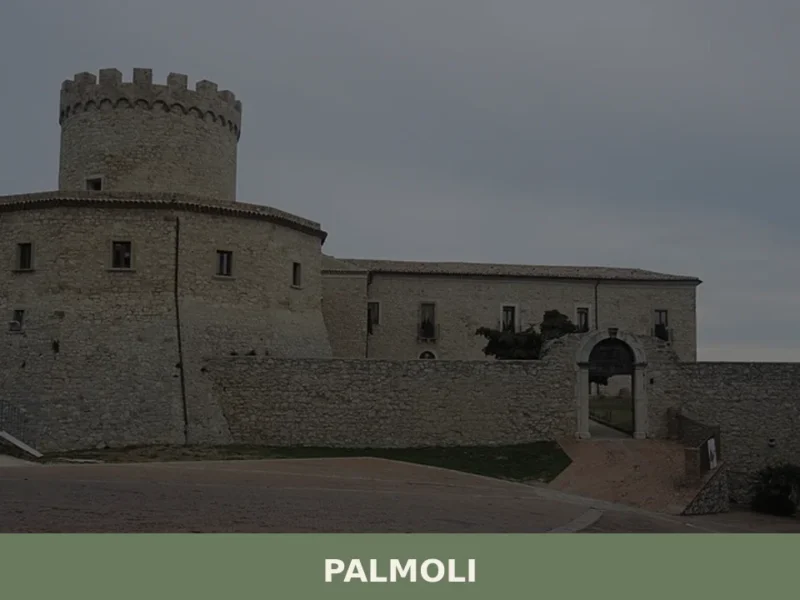
What to see in Palmoli: explore the village at 727 meters above sea level. Discover the Marchesale Castle and the Church of San Valentino. Plan your visit today!
Fara Filiorum Petri
Hills
Fara Filiorum Petri, a municipality in the province of Chieti with 1,942 inhabitants, stands at 227 meters above sea level. The toponym itself, of complex origin, suggests historical layering: “Fara” refers to Lombard settlements, while “Filiorum Petri” is linked to the feudal family of Filiorum Petri, who held control in subsequent eras. This duality names […]
Palombaro
Hills
What to see in Palombaro: 5 attractions in this village at 536 m above sea level in the province of Chieti. Discover the historic centre, the medieval tower and the Madonna della Libera festival.
Martinsicuro
 Sea
Sea
Martinsicuro, located 2 meters above sea level in the province of Teramo, has a population of 16,270 inhabitants. Its development is directly linked to the Adriatic coast and the presence of the Tronto river mouth. For those wondering what to see in Martinsicuro, the core interest lies in its identity as a seaside town that […]
Altino
Hills
What to see in Altino? Explore the 5 main attractions of this village with 3,067 inhabitants, from the Sweet Pepper Museum to the Mother Church. Plan your visit!
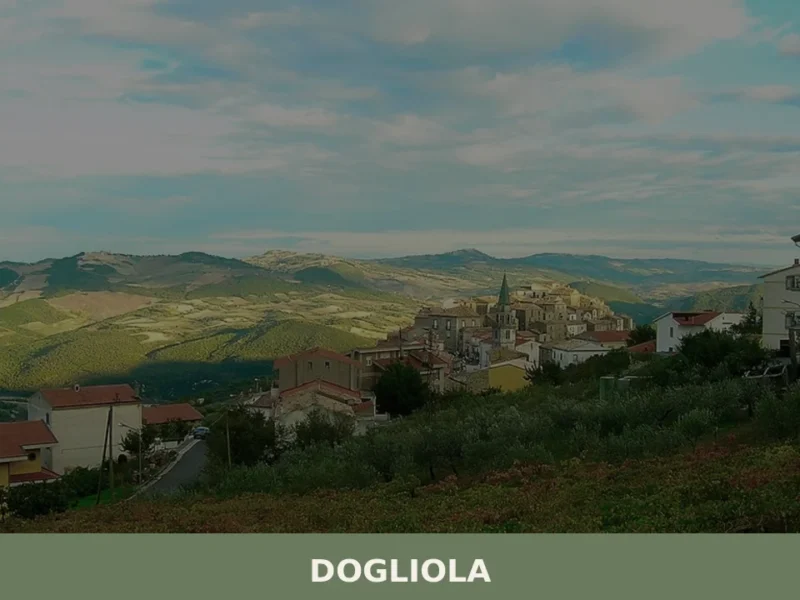
Dogliola
Hills
what to see in dogliola, Italy: Discover the 445 m elevation, 311 residents, and San Rocco festival. Explore rich history and stunning landmarks.
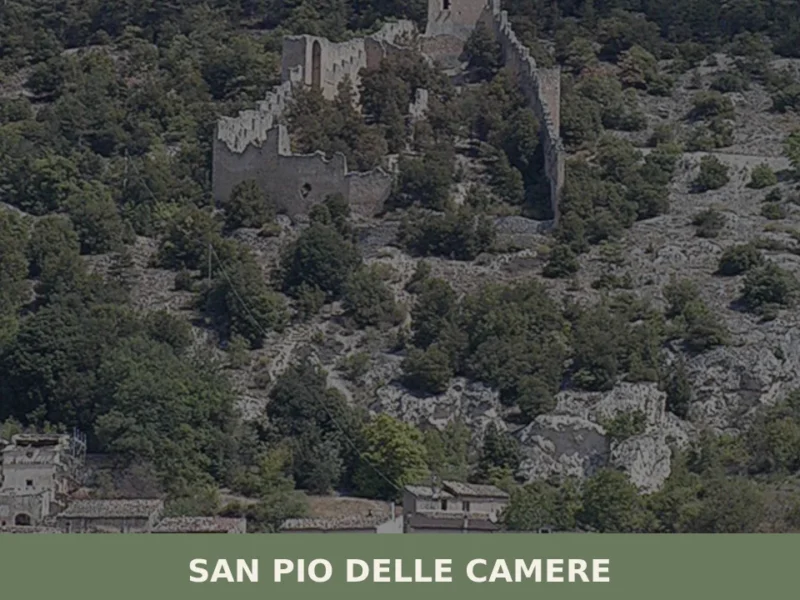
San Pio delle Camere
Mountain
What to see in San Pio delle Camere, Abruzzo, Italy: explore 5 top attractions including a medieval castle and Peltuinum ruins. Discover this L'Aquila village.
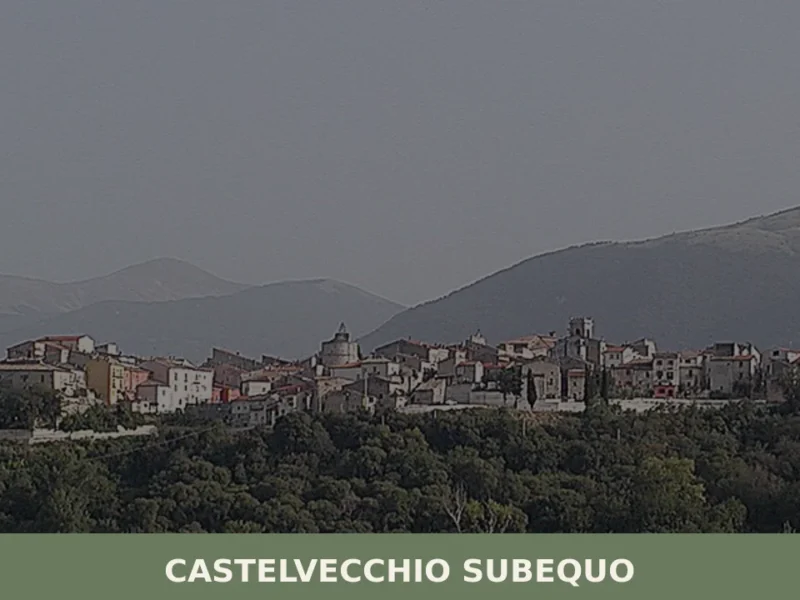
Castelvecchio Subequo
Hills
The convent of San Francesco in Castelvecchio Subequo preserves a cycle of fourteenth-century frescoes attributed to painters of the Giottesque school, among the few surviving examples in the central Apennine area. This fact alone is enough to justify a detour from the nearby A25 motorway towards a town of 832 inhabitants, at 490 metres above […]
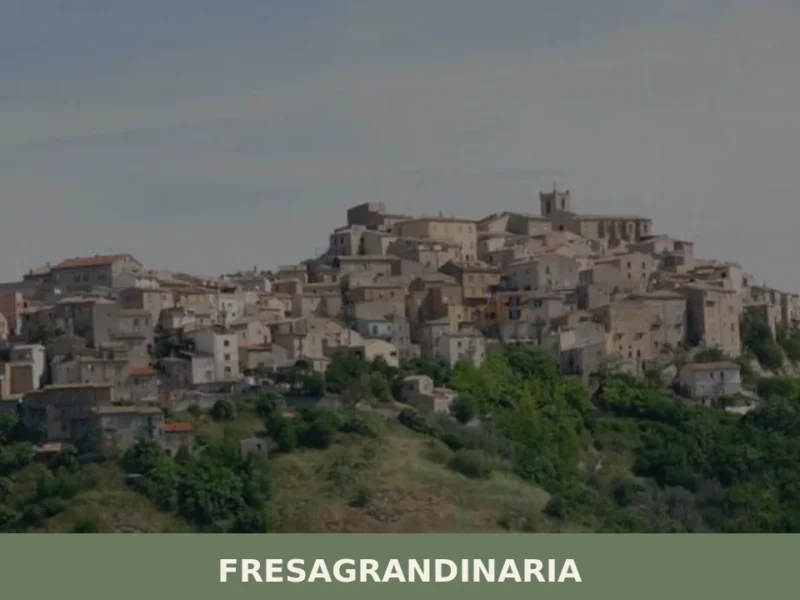
Fresagrandinaria
Hills
Nine hundred and twenty-three inhabitants, a hilltop ridge at 391 metres above sea level, and a double name that joins two distinct medieval communities: Fresa and Grandinaria, merged into a single settlement at least since the fifteenth century. Anyone arriving from the Treste valley floor immediately notices the compact outline of houses built in local […]

🏡 Know Rosello better than we do?
If you’re a local or have been there, your knowledge matters: add what’s missing or fix a detail on this page.