



Colle d’Anchise is a 709-inhabitant municipality in Campobasso province, Molise, with documented history from 1314, Longobard origins, and a layered architectural heritage spanning Samnite to baroque.
Discover Colle d’Anchise
The Colle d’Anchise village in Molise retains two churches, a ruined feudal castle in the locality known as Palazzo, and the remnants of a ducal palace — a layered built environment that reflects centuries of Samnite, Longobard, and medieval history. The church of Santa Maria degli Angeli, standing 649 metres tall with a loggia and a statue of the Virgin on its façade, dominates the village silhouette alongside the smaller Chiesetta di Santa Margherita, built over a Samnite temple and later restored during the Renaissance period.
Colle d’Anchise village in Molise: history and origins
Colle d’Anchise is a settlement in the province of Campobasso whose documented history spans from at least 1314, when the first written record of the local feud appears, though the village itself is traditionally attributed to Longobard foundation around the tenth century, and archaeological finds of Samnite origin have also been recovered in the area and are now held in Campobasso.
The village name is considered an adaptation of earlier, less euphonious forms — recorded as Cornachisio and Coraccisi — which were eventually reshaped into the current reference to Anchises, the father of Aeneas in classical tradition.
During the medieval period, Colle d’Anchise served as a commercial transit point, and a castle was built to oversee the surrounding territory. The feudal lordship passed through the hands of the Pandone, Mormile, and Tornacelli families, each leaving traces in the architectural fabric that still survives in the locality known as Palazzo.
Castles, Churches and Ruins at Colle d’Anchise
Colle d’Anchise preserves four historic structures worth visiting: a fortified feudal masseria in the locality known as Palazzo, the fragmentary remains of an older ducal palace nearby, the church of Santa Maria degli Angeli in the village centre, and the small church of Santa Margherita built over a Samnite temple.
Castello Feudale
Located in the locality called Palazzo, this structure was not a conventional castle but a fortified farmstead with bastions, rectangular in plan and divided into two sectors. It passed through the hands of three noble families — the Pandone, the Mormile and the Tornacelli — across the feudal period.
Resti del Palazzo Ducale
Higher up in the same locality stand the remains of what was the original castle of Colle. Little survives: a tower cut through its full height, the remnants of an entrance gate, a sloped retaining wall, and two internal wells that may once have served as the castellan’s cellars.
Chiesa di Santa Maria degli Angeli
Built in 1300, this church served as the principal place of worship for the noble Di Costanzo family, who had their coats of arms affixed inside. The interior was entirely remodelled in the mid-nineteenth century in a Baroque manner, with yellow and white stucco work and several altars, the richest of which is dedicated to the Madonna del Rosario. The façade features a central loggia sheltering a statue of the Virgin. The campanile carries two bells and the town’s public clock. The building stands 649 metres tall.
Chiesetta di Santa Margherita
This small church was raised on the foundations of a Samnite temple, and the ancient columns were incorporated into the interior. The building was subsequently restored during the Renaissance period. Its exterior is plain, with a simple façade and a small bell-gable in place of a tower.
Flavours of the Biferno Valley: What to Eat Around Colle d’Anchise
Colle d’Anchise sits within the Molise interior, a region whose table relies on centuries-old pastoral and agricultural traditions rather than on a single celebrated local product. The surrounding Biferno valley and the broader province of Campobasso produce cured meats, aged sheep’s-milk cheeses, and hand-drawn pasta shapes — including cavatelli and fusilli al ferretto — that form the backbone of meals in villages of this size throughout the area. Lamb and kid, raised on the upland pastures nearby, appear on local menus alongside foraged mushrooms and wild greens gathered from the hills around the comune. Olive oil pressed in the Campobasso province and local wines complete a table that reflects the honest economy of a small inland community.
Planning your visit and getting there
Colle d’Anchise can be reached easily from the lower Val Pellice and the Turin area. The practical distances and journey times below are kept concise on purpose, so the access information stays clear and consistent.
| Departure | Distance | Time |
|---|---|---|
| Campobasso | approx. 25 km | approx. 30 min |
| Bojano | approx. 15 km | approx. 20 min |
| Vinchiaturo | approx. 10 km | approx. 15 min |
These practical reference points are enough to plan the journey without overloading the text with unstable logistics. Once on site, the village is best understood slowly, on foot and in relation to the surrounding landscape.
Frequently asked questions about Colle d’Anchise
When is the best time to visit Colle d'Anchise?
August is ideal, particularly around 6 August, when the village celebrates its patron saint, San Sisto, with the annual feast day festivities. Summer offers pleasant mountain weather at 649 metres elevation. Spring and early autumn also provide mild conditions perfect for exploring the historic centre and surrounding Biferno Valley. Winter can be cold at this altitude, making summer and shoulder seasons more comfortable for sightseeing.
What are the main historical periods represented in Colle d'Anchise?
The village layers span multiple civilisations: Samnite remains from the first century (artefacts held in Campobasso), Longobard foundation around the tenth century, and documented feudal history from 1314 onwards. The Chiesetta di Santa Margherita was built directly over a Samnite temple and later underwent Renaissance restoration, making it a palimpsest of these distinct historical periods.
How long should I plan to spend in Colle d'Anchise?
A half-day visit (2–3 hours) suffices to explore the village core, including Santa Maria degli Angeli church, the smaller Chiesetta di Santa Margherita, and the ruins of the feudal castle at Palazzo and ducal palace remnants. For deeper historical appreciation and hiking in the surrounding Biferno Valley, allocate a full day or overnight stay to experience the mountain setting properly.
Why was the village renamed from Cornachisio to Colle d'Anchise?
The current name Colle d'Anchise represents a linguistic reshaping of earlier recorded forms—Cornachisio and Coraccisi—into a more euphonious reference honouring Anchises, the father of Aeneas in classical Roman tradition. This renaming reflects a humanist reinterpretation of the village's identity, connecting it to classical mythology while standardising its designation over time.
In Molise More villages to discover
Baranello
 Mountain
A documentary guide to Baranello in Molise — its civic museum, medieval churches, castle, and the quiet rhythms of an overlooked Italian hill village.
Bonefro
Mountain
A hilltop village of 1,201 inhabitants in Campobasso province, Bonefro preserves a layered historic centre, a medieval castle, and centuries-old fountains across the quiet ridges of eastern Molise.
Termoli
 Sea
Sea
Salt air sharpens every breath along the stone ramparts at dawn, and the Adriatic below shifts between grey-green and pale blue as fishing boats throttle out from the harbour, trailing diesel and the promise of the day’s catch. Termoli — a working coastal town of roughly 32,000 people in the province of Campobasso — sits […]
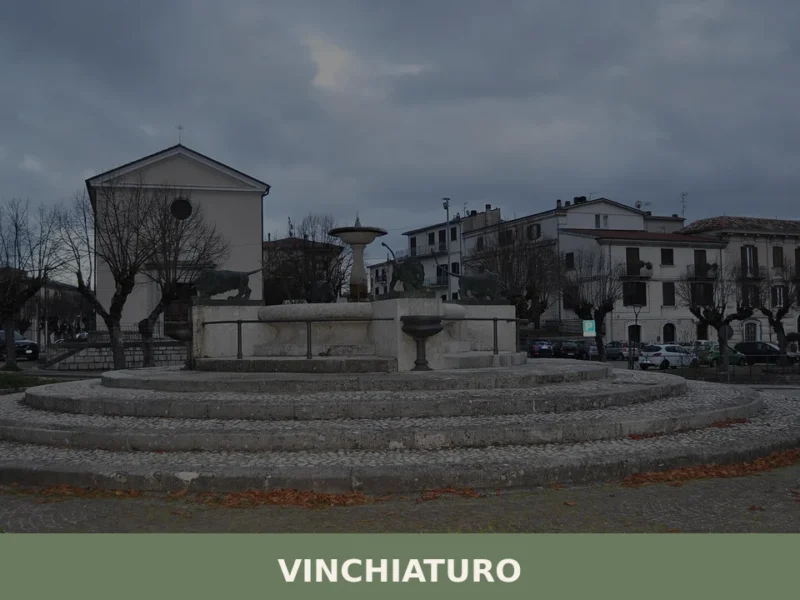
Vinchiaturo
Mountain
Morning mist settles into the valley below as church bells mark the hour from somewhere above the rooftops. At 620 metres above sea level, the air in Vinchiaturo carries a sharpness that cuts through the warmth of Molise’s interior hills. With just over 3,300 inhabitants, this is a village where the rhythm of daily life […]
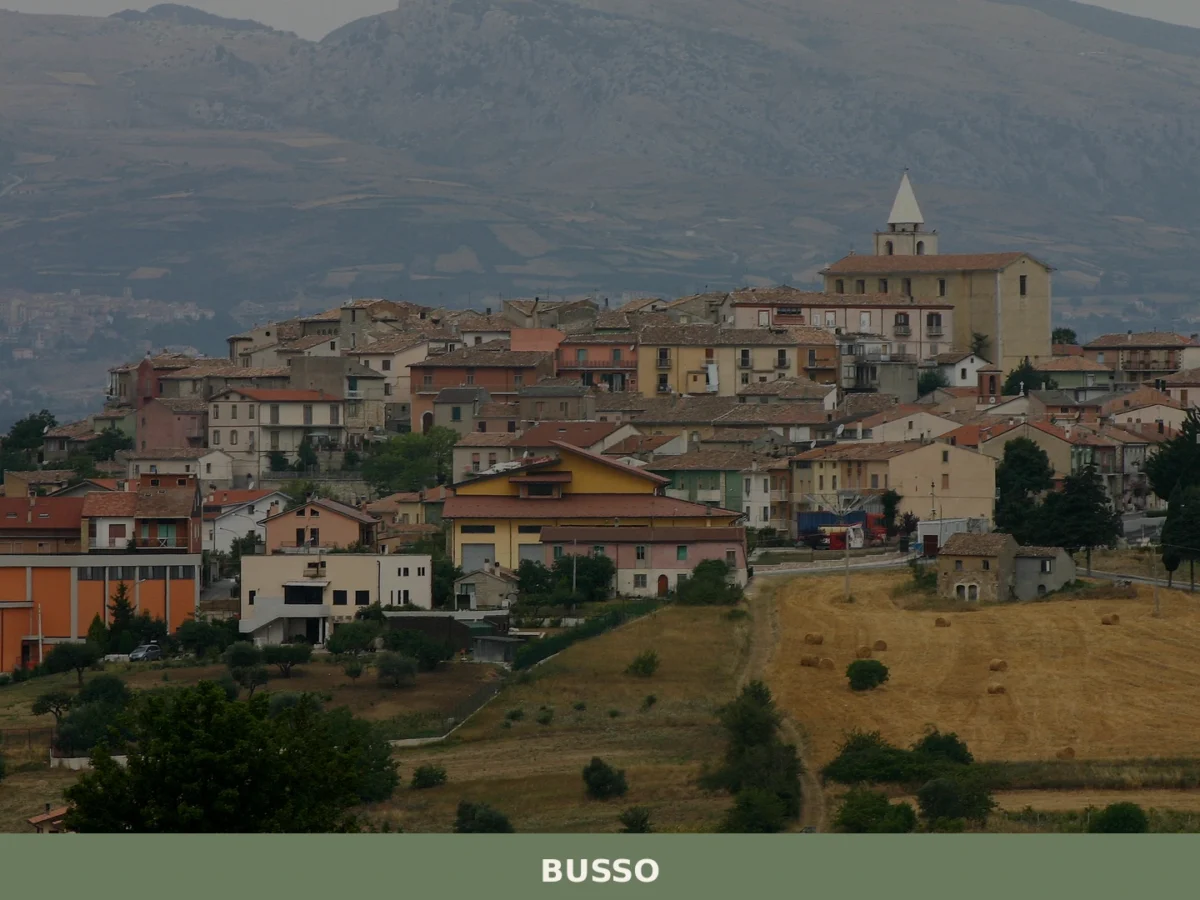
Busso
Mountain
What to see in Busso, Molise, Italy: explore 5 top attractions 10 km from Campobasso. Discover local food, festivals and how to get there. Complete travel guide.
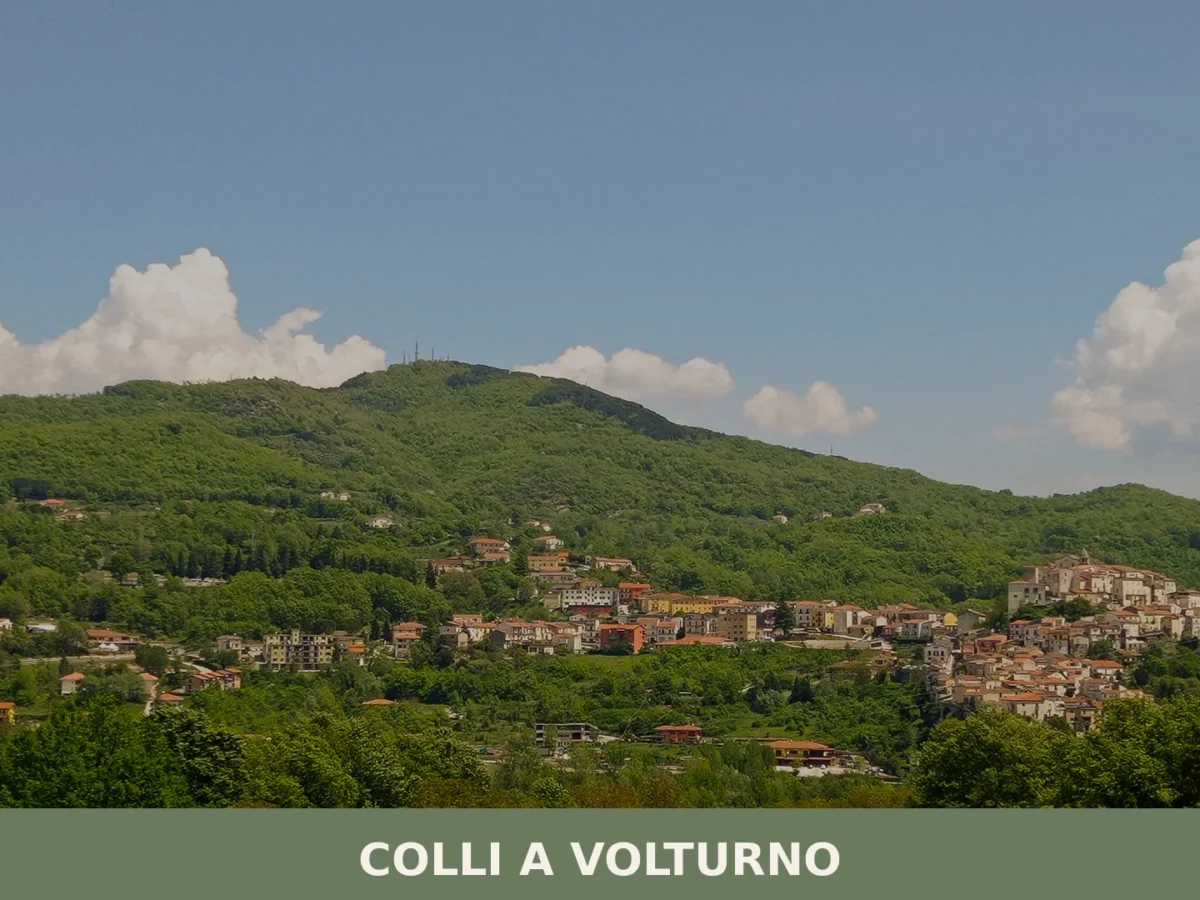
Colli a Volturno
 Hills
Hills
Colli a Volturno is a hillside comune of around 1,270 people in the province of Isernia, Molise, with Benedictine medieval origins, surviving castrum gates, and a landscape stretching across the Valle
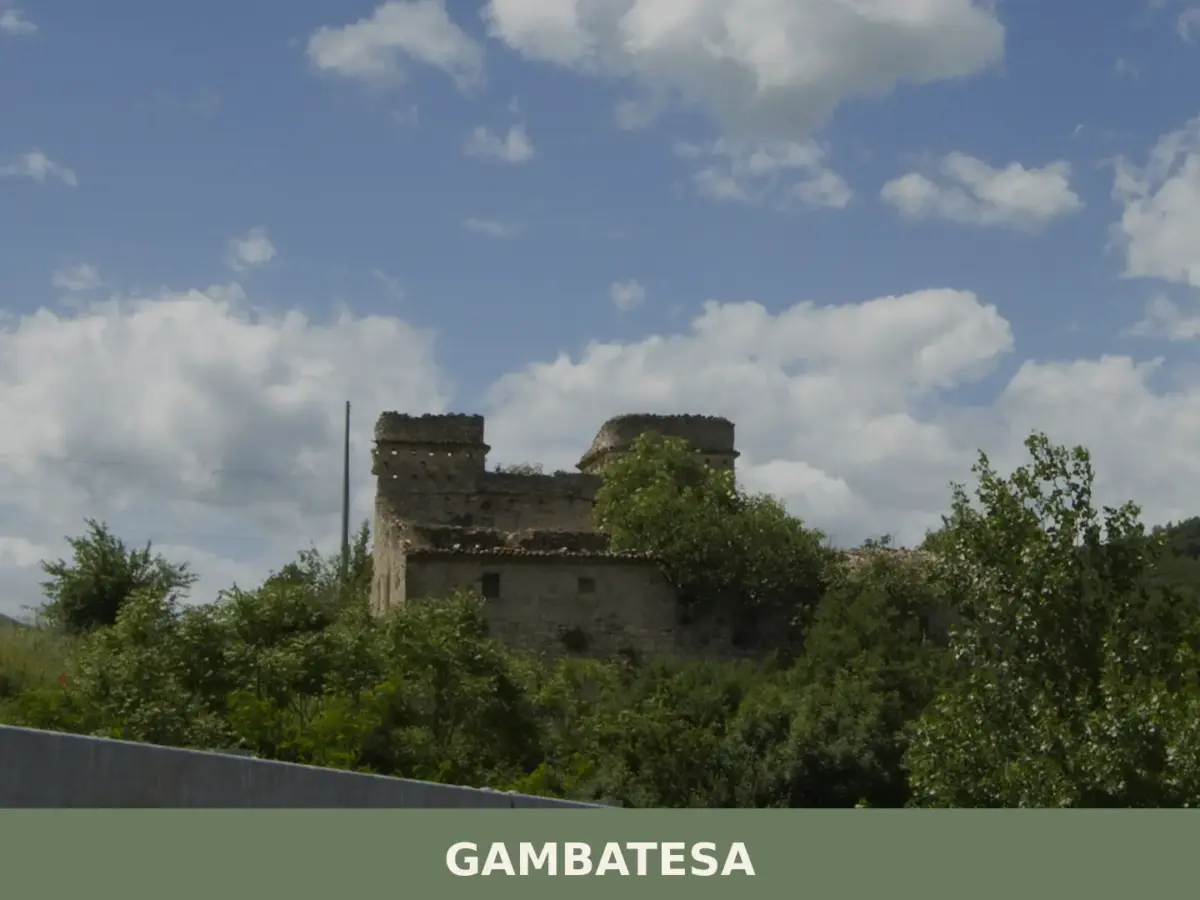
Gambatesa
Hills
Gambatesa is a hilltop commune in the province of Campobasso, Molise, built around a medieval castle that was transformed into a Renaissance residence by the Di Capua family and remains the centrepiec
Acquaviva Collecroce
Hills
Discover Acquaviva Collecroce, a charming Croatian-speaking village in Molise, Italy. Explore its unique culture, history, traditions, and stunning landscapes.
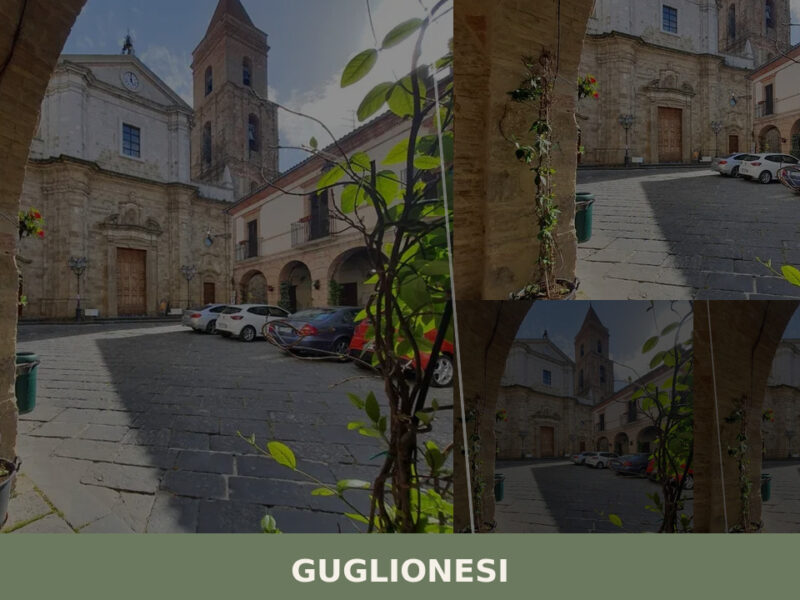
Guglionesi
Hills
A hill town of nearly five thousand people in Campobasso province, Guglionesi offers Romanesque churches, Samnite archaeological traces, and wide Adriatic views across the Biferno valley.
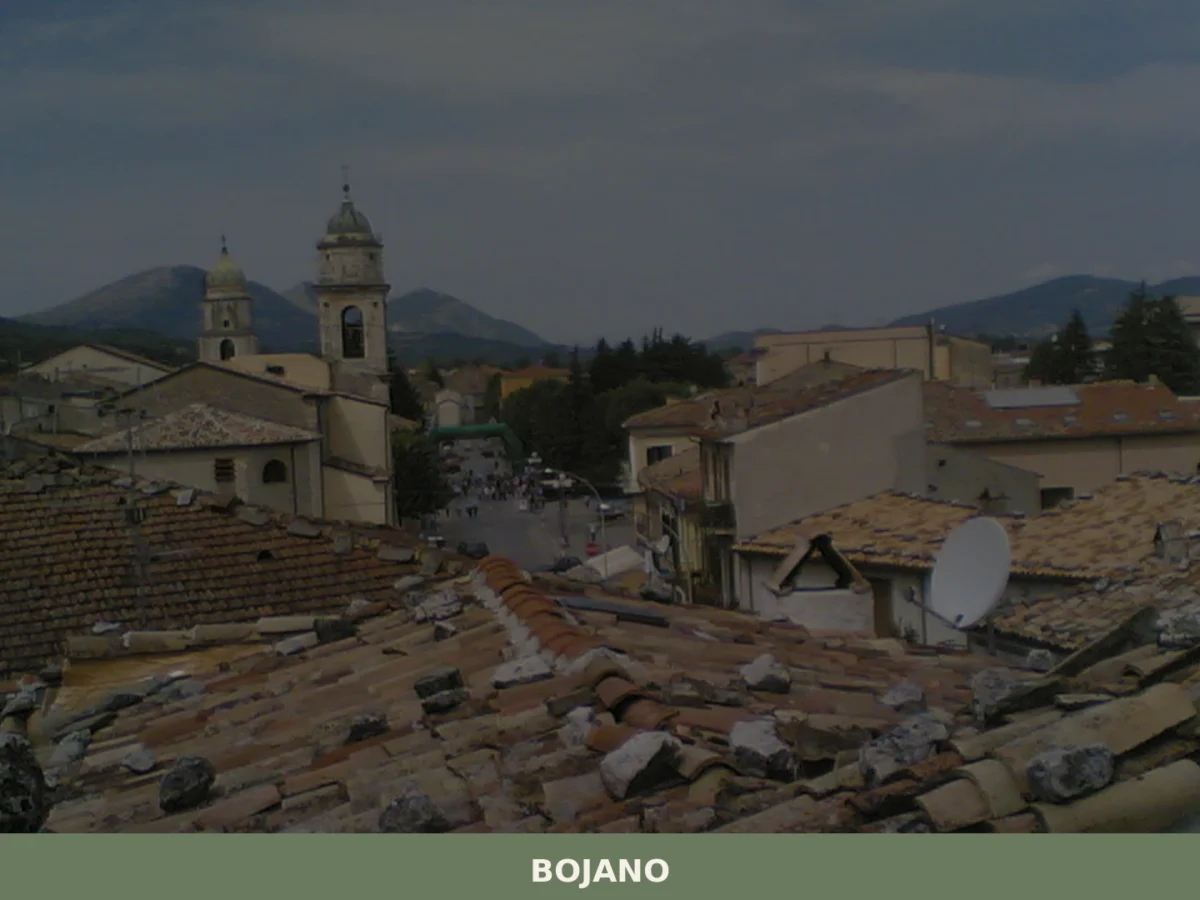
Bojano
Mountain
Discover what to see in Bojano, Molise u2014 from Samnite ruins and Norman castle remains to the Biferno valley and Matese mountain park. History, food, and travel tips.




🏡 Know Colle d’Anchise better than we do?
If you’re a local or have been there, your knowledge matters: add what’s missing or fix a detail on this page.