


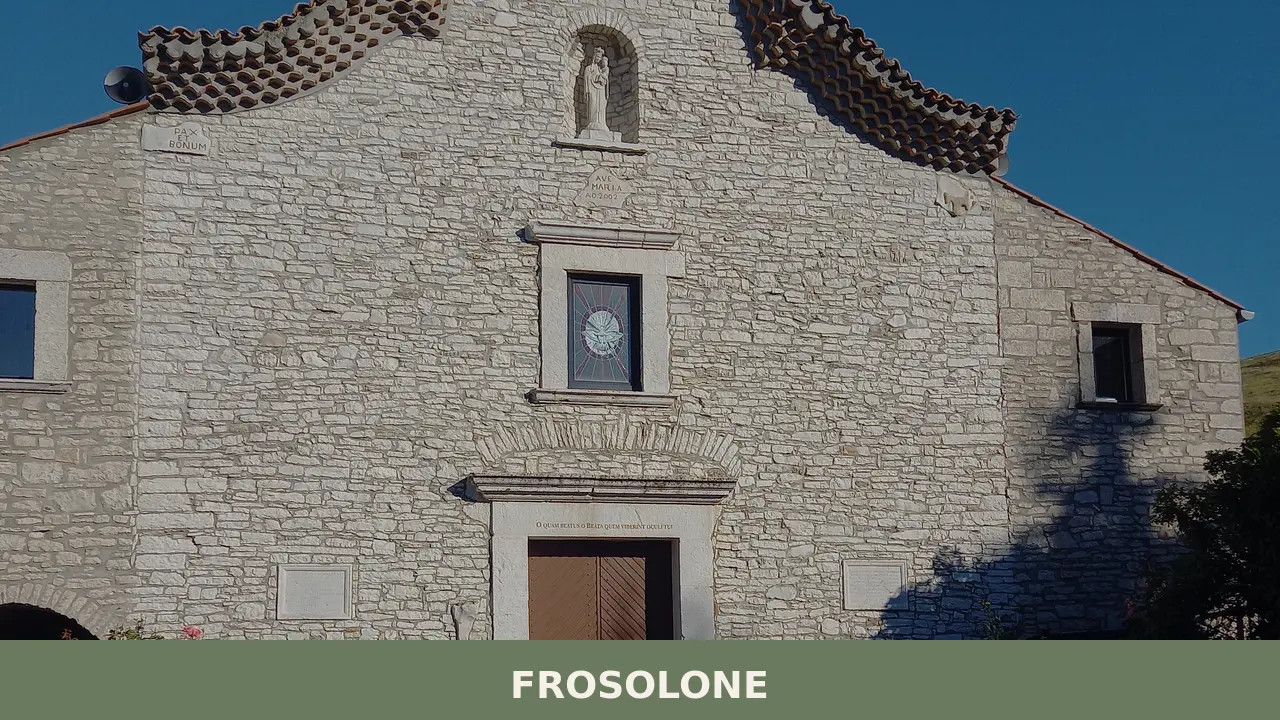

Frosolone is a mountain comune of 2,745 residents in Isernia province, Molise, renowned for its historic blade-making tradition and a hilltop old town with Samnite and medieval remains.
Discover Frosolone
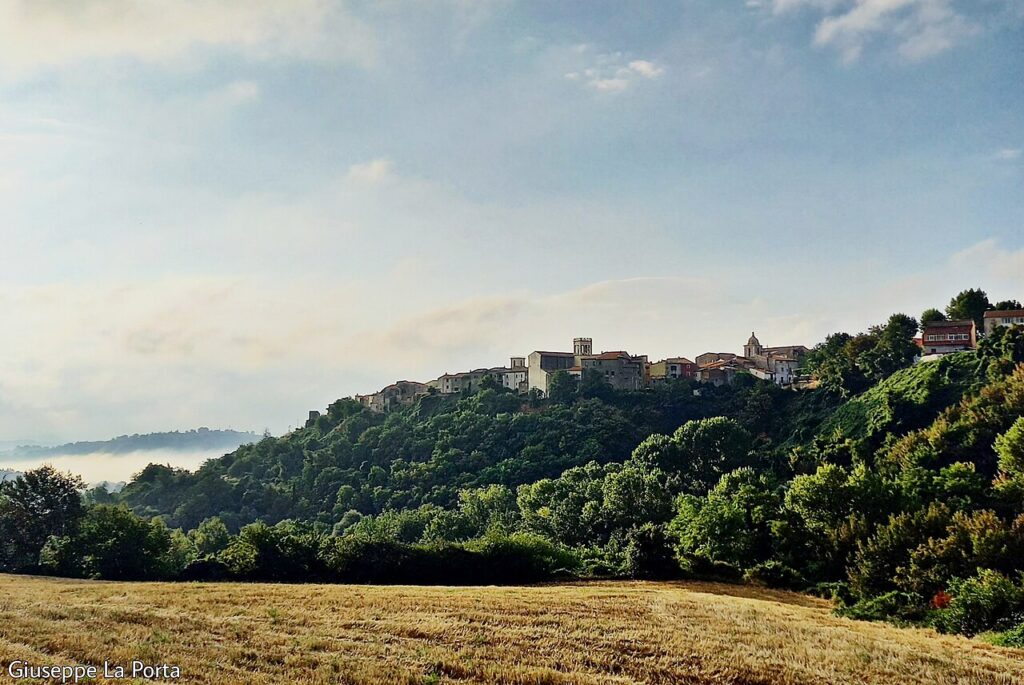
Frosolone is a mountain commune of roughly 2,745 residents in the province of Isernia, Molise, sitting at 894 metres above sea level on a ridge of the central Apennines, about 49.62 square kilometres in extent. It has been shaped over centuries by its Samnite and Lombard past, by the violence of major earthquakes, and above all by a craft tradition — the forging of scissors and knives — that remains the most distinctive thread running through its identity. The historic centre still carries the outline of its medieval walls, while a civic museum dedicated to bladed tools preserves hundreds of objects recovered from the families of those craftsmen who defined the town’s economy well into the twentieth century.
Few small Apennine towns wear their heritage as visibly as this one: the megalithic polygonal walls at Civitelle speak of a Samnite presence that predates Rome, and the churches of San Michele Arcangelo, San Pietro Apostolo, San Rocco, Sant’Antonio di Padova, and the Eremo di Sant’Egidio — dedicated to the patron saint whose feast falls on the first of September — punctuate the townscape at every turn. Frosolone village in Molise rewards the visitor who arrives on foot, taking the measure of a place where altitude, craftsmanship, and a quietly layered past converge in a way that no lowland town quite replicates.
Frosolone village in Molise: history from Samnite origins to modern times
Frosolone village in Molise traces its origins from pre-Roman Samnite settlement through medieval longobard fortification, a catastrophic earthquake in 1456 that reportedly killed over three hundred inhabitants, and a period of notable growth under Spanish rule, reaching nearly four thousand residents by the close of the eighteenth century and already distinguished for its production of scissors and knives.
Before the Roman period, the area around Frosolone was inhabited by Samnite peoples, as evidenced by polygonal megalithic enclosure walls still visible on the hillside above the village, in the locality known as Civitelle. The earliest documentary reference to the settlement appears in a document preserved at Montecassino, dating from the first half of the eleventh century, which mentions a watercourse called aqua Freselona. The perimeter of the historic centre broadly reflects the layout of walls built during the Lombard period, when a castle with three towers was erected; four principal gateways — Porta San Pietro, Porta Santa Maria, Porta Sant’Angelo, and a fourth whose existence remains debated — gave access to the four quarters of the early borgo. Around 1070, the Abbot of San Vincenzo al Volturno, Giovanni Marsicano, purchased from Berardo di Giovanni di Pietrabbondante a group of churches and agricultural properties for the Monastero di Santa Colomba di Frosolone, which depended on that abbey, confirming that this Benedictine monastery was already a significant presence at that time.
The catastrophic earthquake of 1456 effectively brought the medieval phase of Frosolone to a close: local tradition holds that the village was entirely destroyed and that a great many lives were lost. Recovery came during the Spanish period, when Frosolone underwent sustained development, acquiring a defensive outwork — a rivello — in the area now known as Largo XX Settembre. The castle was progressively enlarged into a full baronial palace, while the town’s sacred buildings were substantially restored and remodelled. By 1796 the population stood at around 3,876, and the village was already well known for its cutlery crafts. A further severe earthquake struck in 1805, described by sources of the time as having reduced the settlement almost entirely to rubble, interrupting what had been a long period of growth.
Forbici, chiese e mura: il patrimonio visibile di Frosolone
Frosolone offers visitors a recently restored civic museum dedicated to cutting tools, several historic churches within the old town, and the remains of medieval fortifications including gates that still mark the perimeter of the historic centre.
Museo Civico dei Ferri Taglienti
The principal attraction is the Museo Civico dei Ferri Taglienti, which has undergone recent restoration work. Its collections bring together hundreds of objects of historical value — scissors, knives and related tools — gathered from collectors and from the descendants of craftspeople who worked in Frosolone’s blade-making trades during the last century.
The old town gates
The perimeter of the historic centre preserves traces of its medieval fortifications. Of the four original gateways that gave access to the town’s quarters, two survive intact — Porta San Pietro and Porta Santa Maria — while Porta Sant’Angelo is partially preserved.
Churches
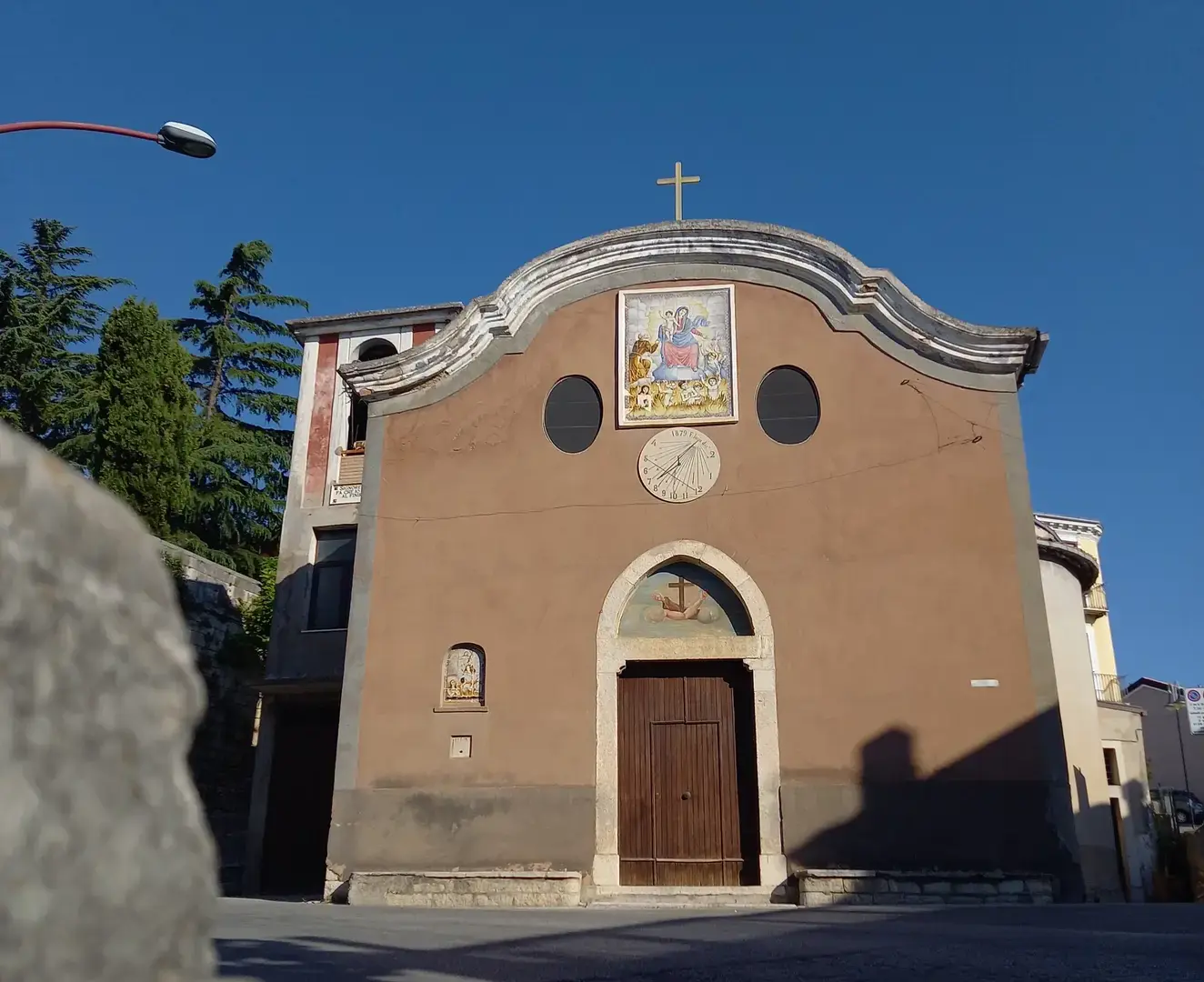
Several churches are present within the comune. The church of San Michele Arcangelo occupies a site that, according to local tradition recorded in the sources, was already in use as a place of worship in the earliest phases of the settlement. The churches of San Pietro Apostolo, San Rocco and Sant’Antonio di Padova are also part of the town’s religious fabric. Outside the built-up area, the Eremo di Sant’Egidio is dedicated to the patron saint of Frosolone, whose feast day falls on the first of September.
Frosolone and Its Mountain Territory: Knives, Cheese and Apennine Flavours
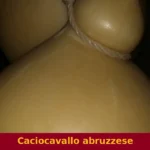
Frosolone and its surrounding area in the province of Isernia are best known for a centuries-old tradition of blade-making — scissors and knives crafted here for generations — alongside a rich pastoral food culture anchored in certified dairy products from the wider Molise region. The territory sits within the production area of Caciocavallo Silano DOP and Molise DOP cheeses, as well as Mozzarella di Bufala Campana DOP and Ricotta di Bufala Campana DOP. Cured meats recognised at national level include Salamini italiani alla cacciatora DOP and Vitellone bianco dell’Appennino Centrale IGP, reflecting the Apennine livestock tradition shared across this part of southern Italy.
Among regional specialities worth seeking out with appropriate caution — as they belong to the broader Molise pantry rather than Frosolone alone — are capocollo and traditional liqueurs such as nocino and amaro molisano. Local wines fall within the Pentro di Isernia DOC and Tintilia del Molise DOC denominations, the latter produced from a native Molise grape variety; the Rotae IGT and Osco / Terre degli Osci IGT designations also cover wines from this zone.
Planning your visit and getting there
Frosolone can be reached using the practical reference points below. Distances and journey times are kept concise so the access information stays clear and consistent.
| Departure | Distance | Time |
|---|---|---|
| Isernia | — | approx. 30 min |
| Campobasso | approx. 65 km | approx. 50 min |
| Agnone | approx. 45 km | approx. 40 min |
| Bagnoli del Trigno | approx. 20 km | approx. 25 min |
These practical reference points are enough to plan the journey without overloading the text with unstable logistics. Once on site, the village is best understood slowly, on foot and in relation to the surrounding landscape.
Frequently asked questions about Frosolone
When is the best time to visit Frosolone?
The most atmospheric time to visit Frosolone is around 1 September, when the town celebrates its patron saint Sant'Egidio with religious processions and local festivities. Summer (June–August) is ideal for exploring the surrounding Apennine landscape, with mild mountain temperatures averaging 20–25 °C at 894 metres altitude. Spring brings wildflower meadows across the ridgeline. Winter can be cold and snowy, appealing to visitors who enjoy an authentic, crowd-free Molisan mountain atmosphere.
How do you get to Frosolone by car?
By car, Frosolone is best reached via the A1 Milan–Naples motorway, exiting at Caianello and continuing along the SS85 Venafrana towards Isernia, then taking the SS647 Bifernina eastward and turning onto the SP78 towards Frosolone. From Isernia the drive is approximately 35 kilometres. Alternatively, from Campobasso head northwest along the SS17 and SS647, covering roughly 45 kilometres. The mountain roads are scenic but require care in wet or icy conditions.
Is there a train or bus service to Frosolone?
Frosolone has no direct railway station. The nearest rail connections are at Isernia, served by Trenitalia on the Vairano–Campobasso line. From Isernia, regional SATI or Autolinee Molise bus services connect to Frosolone, though schedules are limited and primarily serve local commuters. Visitors are strongly advised to travel by car for flexibility. Taxis or hire cars from Isernia offer the most practical alternative for those arriving by train.
How long should I plan for a visit to Frosolone?
A half-day allows a comfortable visit to the historic centre, the Civic Museum of Scissors and Knives, and the main churches. A full day lets you combine the town with the Samnite polygonal walls at Civitelle and a walk along the surrounding Apennine ridgeline. Staying overnight gives access to early morning light on the medieval streetscape and allows you to explore the Eremo di Sant'Egidio, the hermitage dedicated to the town's patron saint, situated in the surrounding hills.
What outdoor activities are available around Frosolone?
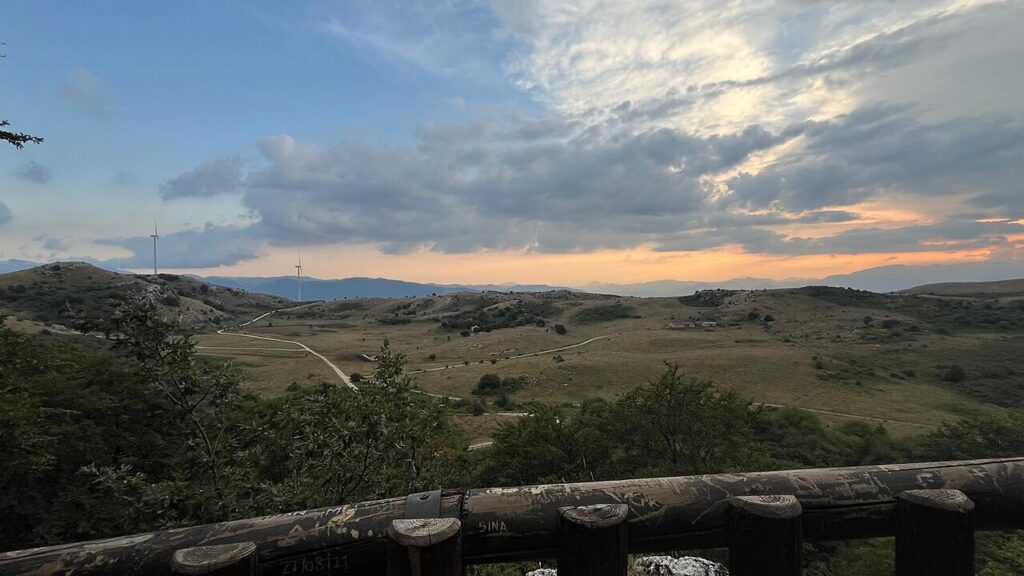
Frosolone sits within the central Apennines at 894 metres, offering well-documented trekking opportunities along CAI-marked trails that cross the Molise highlands. The area is popular for hiking, mountain biking, and birdwatching, particularly along the ridges connecting Frosolone to the Matese uplands. The terrain around the Samnite site of Civitelle also attracts walkers interested in combining archaeology with nature. Local agriturismos occasionally organise guided excursions; checking with the Isernia IAT tourist office before arrival is recommended for current trail conditions.
📷 Photo Gallery — Frosolone
In Molise More villages to discover
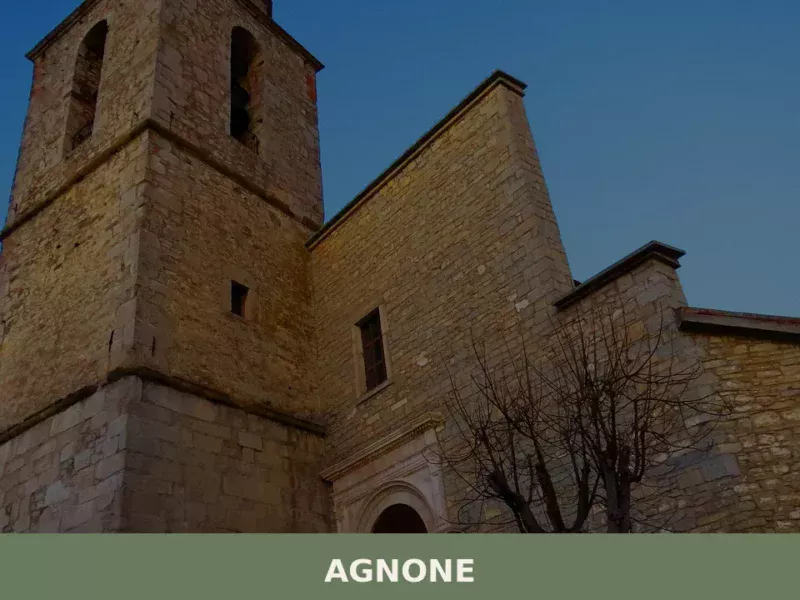
Agnone
 Mountain
Discover what to see in Agnone, Molise: the 1040 Marinelli bell foundry, medieval churches, Samnite museum, local food and practical travel tips.
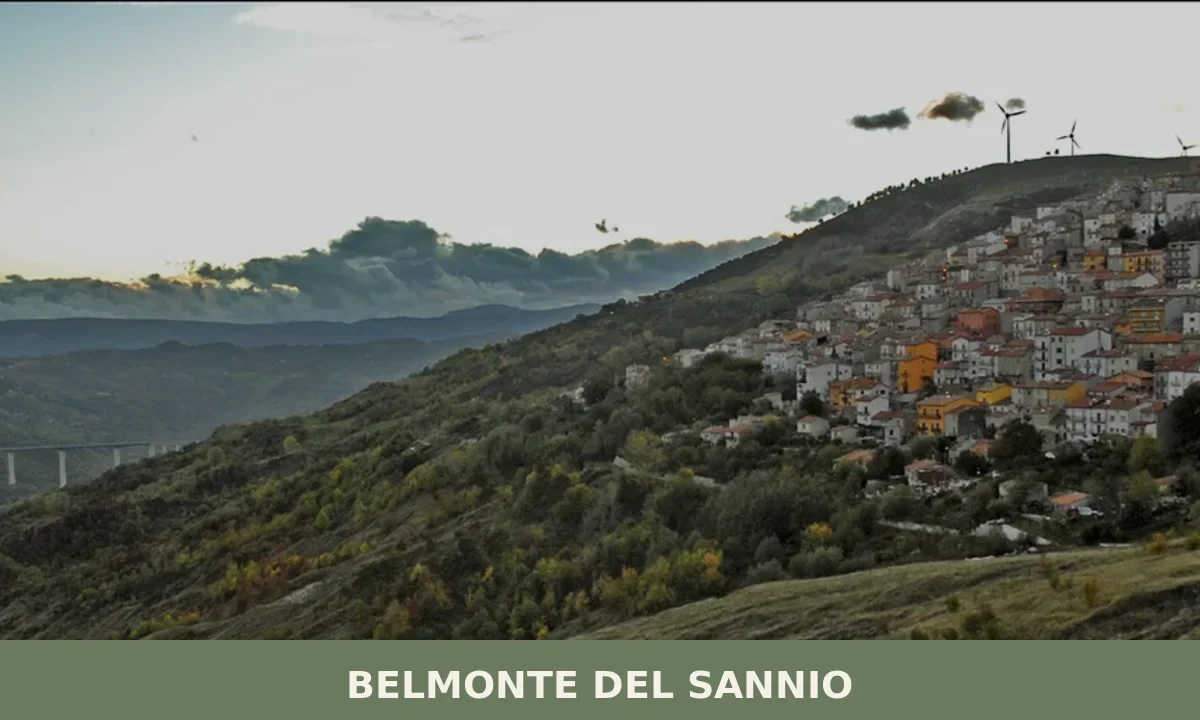
Belmonte del Sannio
Mountain
A 610-inhabitant mountain community where Sannite fortifications meet medieval stone architecture. At 864 metres altitude, where ancient warfare and feudal domains left their mark.
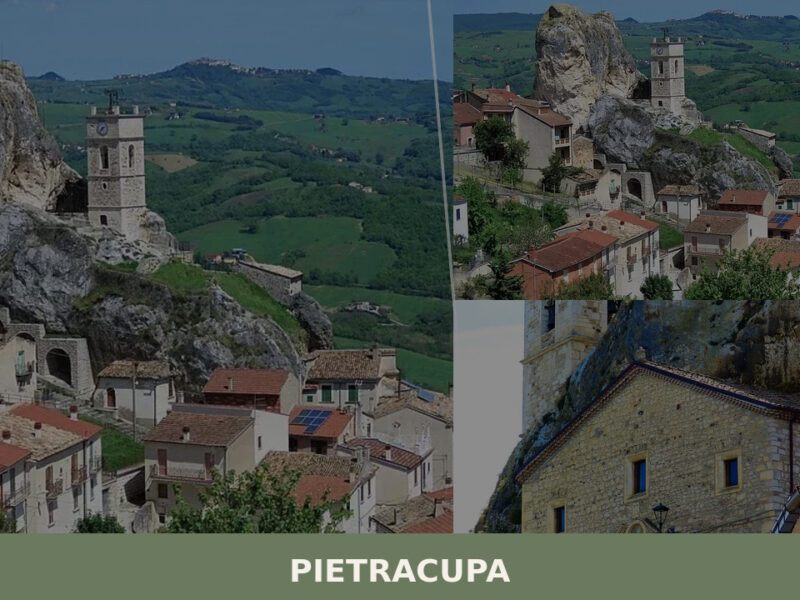
Pietracupa
Mountain
A 208-inhabitant village shaped by a massive rock outcrop in Molise's interior. Discover what to see in Pietracupa, from its grotto chapel to its silent panoramic ridgelines.
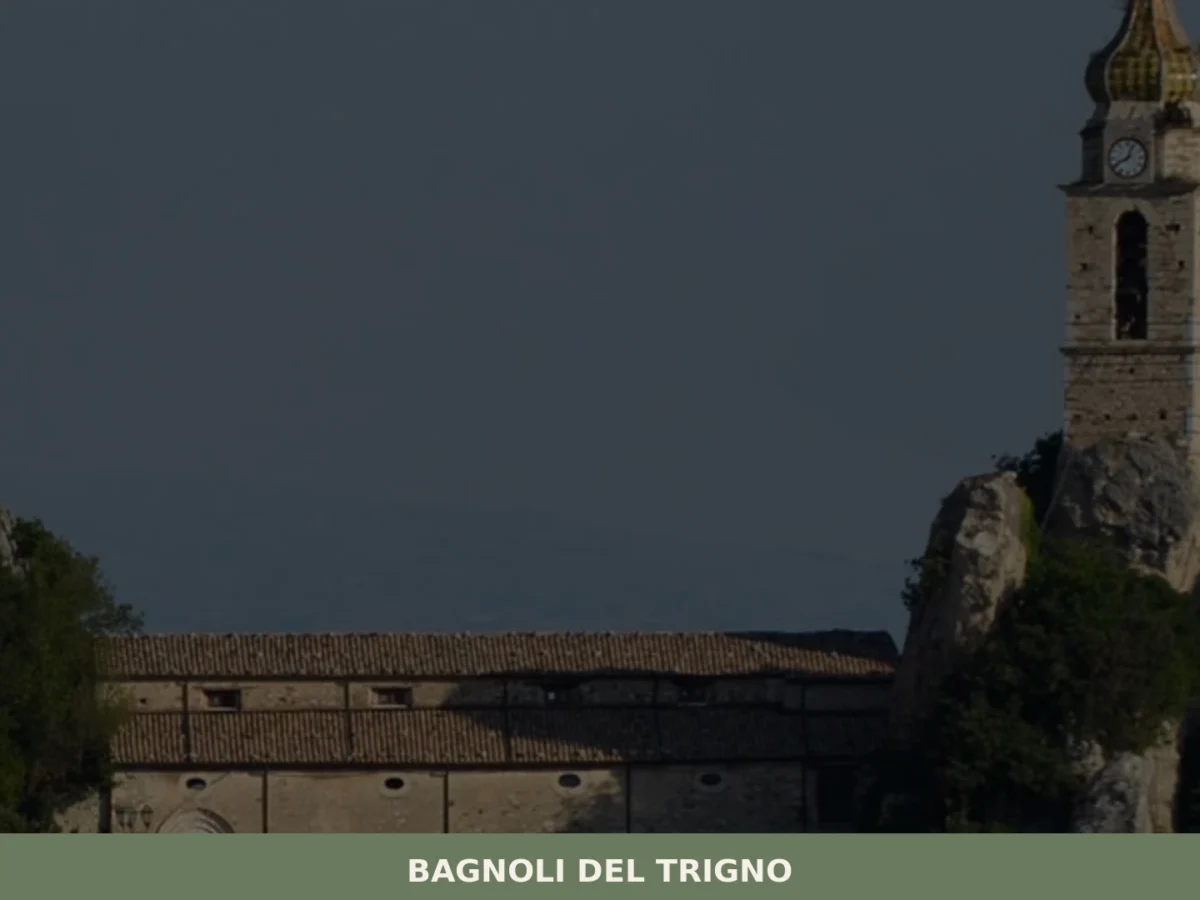
Bagnoli del Trigno
Mountain
Discover what to see in Bagnoli del Trigno: medieval streets, parish churches, Trigno valley landscapes and upland food traditions in the Province of Isernia, Molise.
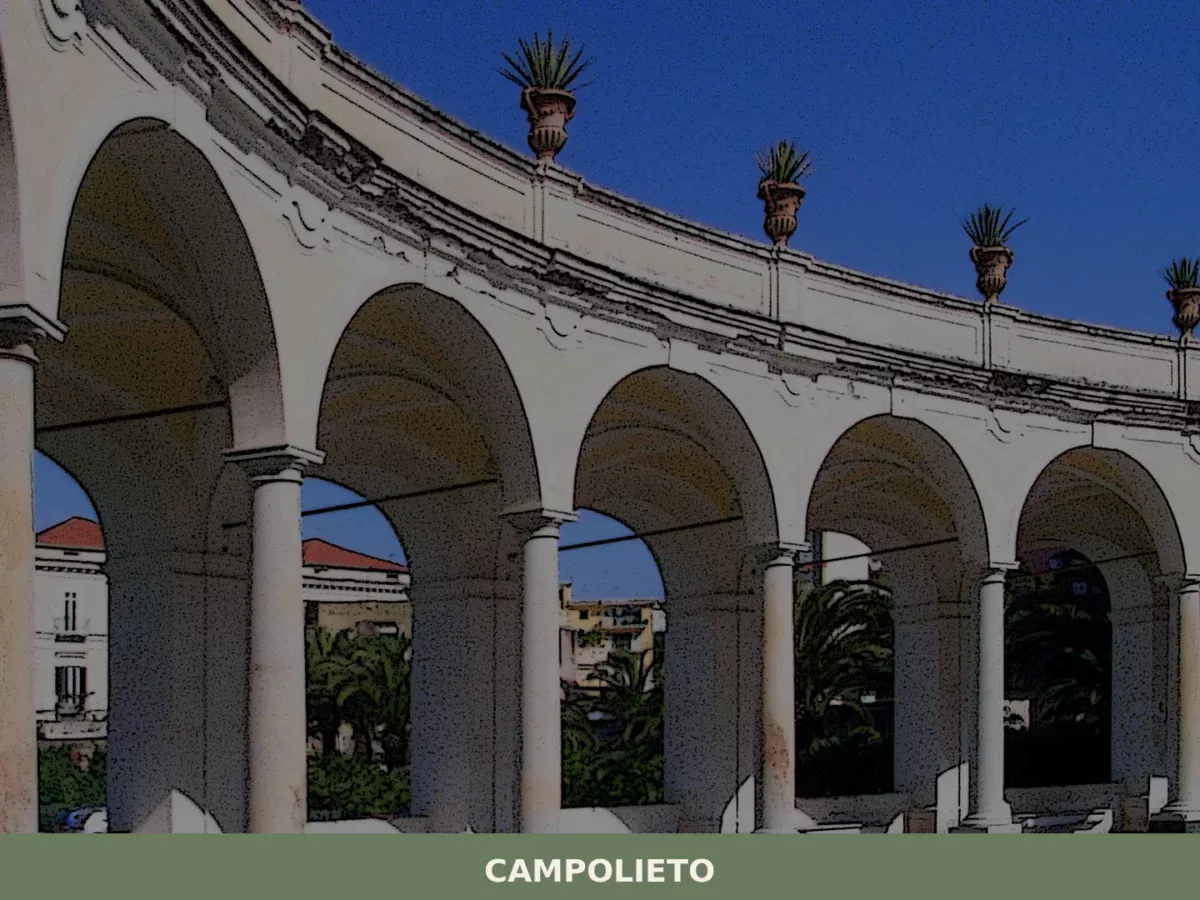
Campolieto
Mountain
What to see in Campolieto, Italy: 11 km from Campobasso, explore the historic centre, local cuisine and festivals. Discover this Molise village now.
Casacalenda
Mountain
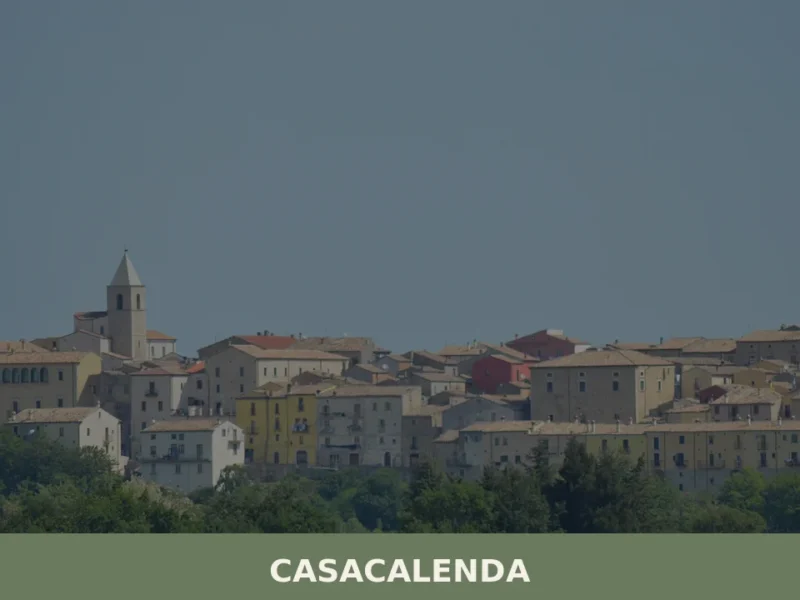
Morning light hits the limestone facades along Corso Roma and the sound is not silence but something close — a dog barking two streets away, the clatter of a shutter being folded back, the low idle of a Fiat Panda parked outside the only bar open before eight. Casacalenda sits at 631 metres above sea […]
Termoli
 Sea
Sea
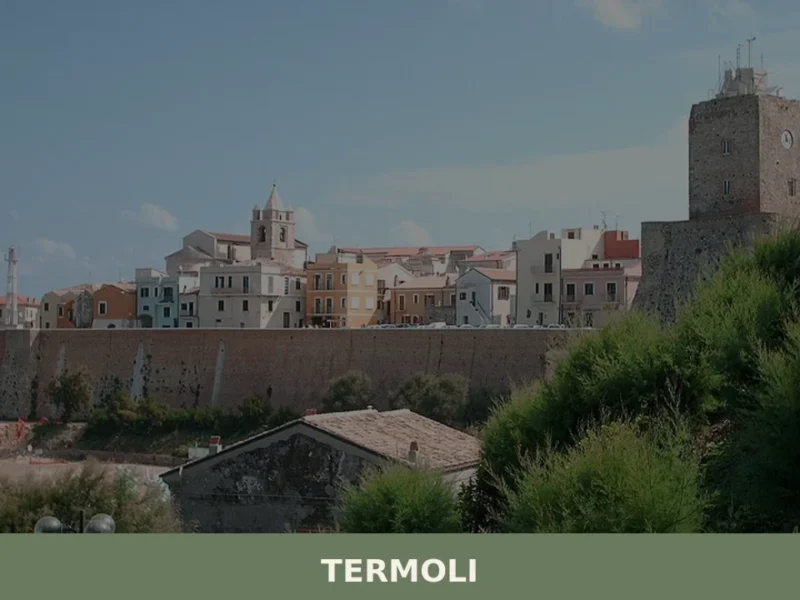
Salt air sharpens every breath along the stone ramparts at dawn, and the Adriatic below shifts between grey-green and pale blue as fishing boats throttle out from the harbour, trailing diesel and the promise of the day’s catch. Termoli — a working coastal town of roughly 32,000 people in the province of Campobasso — sits […]
Duronia
Mountain
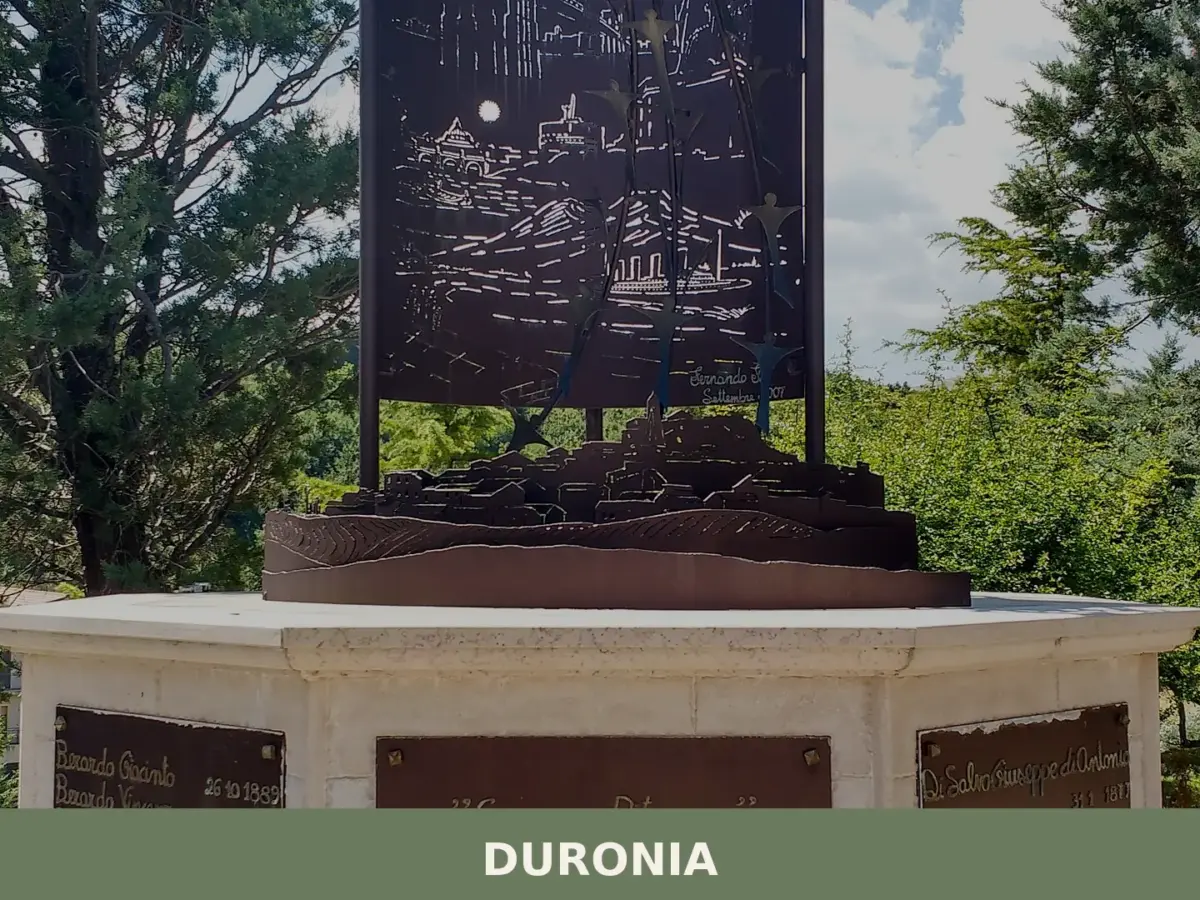
390 residents, 864 metres altitude, and a natural rock formation declared a regional monument — Duronia offers Samnite ruins, medieval stone and an ancient drovers' route.
Gambatesa
 Hills
Hills
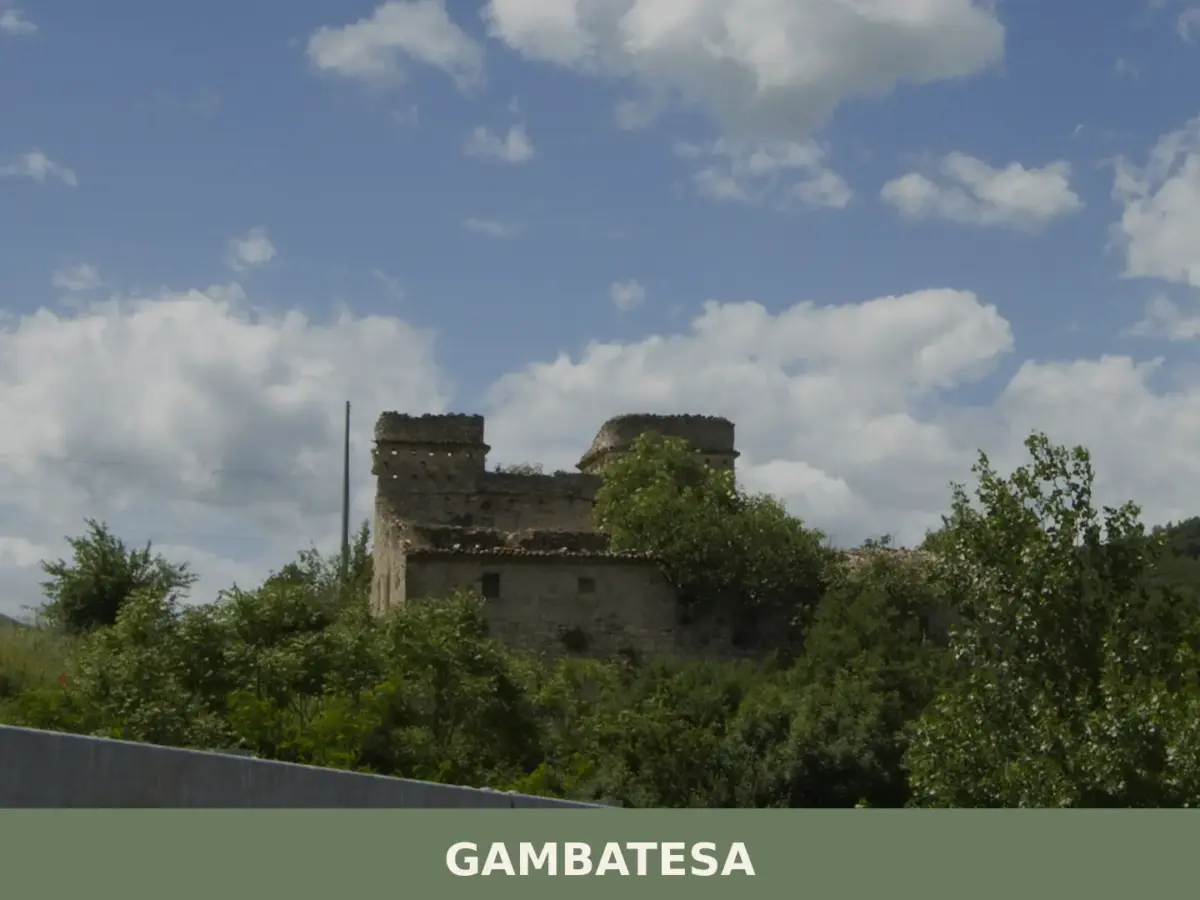
Gambatesa is a hilltop commune in the province of Campobasso, Molise, built around a medieval castle that was transformed into a Renaissance residence by the Di Capua family and remains the centrepiec
Bojano
Mountain
Discover what to see in Bojano, Molise u2014 from Samnite ruins and Norman castle remains to the Biferno valley and Matese mountain park. History, food, and travel tips.
🏡 Know Frosolone better than we do?
If you’re a local or have been there, your knowledge matters: add what’s missing or fix a detail on this page.