


Garaguso
 Mountain
What to see in Garaguso, Italy: a hilltop comune at 460 m with a Greek Heroon, an 18th-century palace, and Iron Age finds. Discover the top attractions now.
Discover Garaguso
The upper valley of the Cavone River narrows here, flanked by agricultural land that has been worked since the Iron Age. At 460 metres (1,510 ft), the hill on which Garaguso stands catches the wind off the Lucanian uplands, and the path leading to the old palace is carved directly into the rock — not a metaphor, but a literal passage cut through the hillside by the Revetria di Salandra family after the earthquake of 1694 forced the village to be rebuilt higher up.
Knowing what to see in Garaguso means reading several thousand years of continuous settlement into a compact hilltop comune in the province of Matera, southern Basilicata.
The town sits at 460 m (1,510 ft) and neighbours Grassano to the north, Salandra to the east, San Mauro Forte to the south, and Oliveto Lucano and Calciano to the west. Visitors to Garaguso find a Greek-era sacred complex, an eighteenth-century palace converted from a hunting lodge, and a parish church holding a clay sculpture that predates the Reformation by decades.
History of Garaguso
Archaeological evidence confirms human presence in the Garaguso area from prehistoric times, but the site’s significance becomes clearer in the Iron Age. Objects recovered from the territory document an indigenous culture that lasted from the Iron Age through to the fifth century BC, and these finds are now held at the National Archaeological Museum of Basilicata. Among the collection is marble dating from the first half of the fifth century BC, including a scale model of the local Heroon temple and a statue of a seated goddess — both of which point to a structured religious and civic life well before Roman consolidation of the region.
The presence of a Heroon — a sanctuary built to honour a hero or semi-divine figure in Greek religious tradition — signals that Greek cultural influence reached this inland hill town, not just the coastal colonies of Magna Graecia.
By 1060, the town had been incorporated into the ecclesiastical jurisdiction of the Bishop of Tricarico, a diocese whose authority shaped religious and civic structures across this part of Basilicata for centuries. In the feudal period, Garaguso passed through the hands of the Sanseverino family before transferring to the Salandra family, who held it until 1813. The political geography of the surrounding area was equally complex: the nearby village of Cirigliano, situated in the same mountainous zone of Matera province, experienced comparable cycles of feudal ownership during the medieval and early modern periods.
The earthquake of 1694 — one of the most destructive seismic events in the history of Basilicata — destroyed the original settlement, which had stood further down the slope. The Revetria di Salandra family rebuilt the town on higher ground in the eighteenth century, constructing a hunting lodge that would later be enlarged into the building now known as the Palace. Within that complex, a private family chapel was progressively expanded into the main parish church, dedicated to Saint Nicholas of Myra. A canvas painted in 1761 by Deodato da Tolve and a fifteenth-century clay sculpture of the Madonna della Puglia — an image type reflecting the devotional exchanges between Basilicata and Puglia — remain inside the church to this day.
What to See in Garaguso, Basilicata: Top Attractions
The Heroon of Garaguso
The site of the Heroon occupies ground that has held ritual significance since at least the early fifth century BC.
A Heroon is a Greek sacred precinct built around the cult of a heroised individual, and the existence of one at Garaguso confirms that Greek cultural practices extended well into the interior of Basilicata, far from the better-documented coastal sanctuaries. The marble remains recovered here — including a miniature architectural model of the temple itself — are now displayed at the National Archaeological Museum of Basilicata in Matera, roughly 40 km (24.9 mi) to the east. For visitors interested in the pre-Roman history of southern Italy, this site places Garaguso on a map that most itineraries overlook.
The Palace (former Hunting Lodge of the Revetria di Salandra Family)
A path carved into the rock leads up to the building that locals call the Palace, an eighteenth-century structure that began its life as a hunting lodge commissioned by the Revetria di Salandra family after the 1694 earthquake forced the village to relocate. The building centres on a courtyard that originally contained the family chapel — a private space that was subsequently enlarged to serve the entire parish. That expansion produced the current Church of Saint Nicholas of Myra. The rock-cut access path is the most visually arresting element of the approach: it is not a decorative feature but a functional engineering solution to a steep hillside. Come in the morning, when the light falls directly on the stone face of the cliff.
Parish Church of Saint Nicholas of Myra
The church dates to the eighteenth century, but its contents span four hundred years of religious material culture.
The Madonna della Puglia, a clay sculpture made in the fifteenth century, occupies a prominent position inside — its name reflecting the devotional links between communities on either side of the Apennine watershed. A canvas painted in 1761 by Deodato da Tolve, a documented Basilicatan painter, hangs within the same space, providing a precise mid-eighteenth-century date anchor for the church’s interior programme. Two relics of Gaudentius of Rimini — a leg bone donated in 1702 by Cardinal Gaspare Carpegna and an arm bone donated in 1794 by Fortunato Pinto, Bishop of Tricarico — are preserved here, giving the building an additional layer of interest for those tracing the relic networks of the early modern Catholic Church.
National Archaeological Museum of Basilicata (Matera) — Garaguso Collection
While not located within the village itself, the holdings from Garaguso at the National Archaeological Museum of Basilicata represent the most concentrated display of the town’s pre-Roman material culture. The collection includes iron-age objects documenting local indigenous society, marble sculpture from the first half of the fifth century BC, and the architectural model of the Heroon. The museum is in Matera, approximately 40 km (24.9 mi) from Garaguso, and is accessible by car in under an hour. Pairing a visit to the village with a morning at the museum in Matera produces a coherent narrative arc from excavation site to displayed object — a sequence that most day-trip routes through this part of Basilicata do not make explicit.
The Cavone River Valley
Garaguso occupies the upper section of the Cavone River valley, a landscape corridor that cuts through the agricultural interior of Matera province.
From the hill at 460 m (1,510 ft), the valley floor is visible to the south and east, giving a clear geographic orientation that explains why this particular hilltop was settled repeatedly from the prehistoric period onward. The surrounding land remains agricultural, with the character of a working rural economy rather than a preserved historic landscape. The borders with Grassano to the north and Salandra to the east define the immediate territory; those arriving from the direction of Salandra get the longest view of the hill before ascending. The terrain is steep in places, and sturdy footwear is advisable for the upper paths near the Palace.
Local Food and Typical Products of Garaguso
Garaguso, Basilicata, Italy sits within a gastronomic zone shaped by the agricultural character of Matera province and the broader culinary traditions of Lucanian hill farming. The Cavone valley’s terrain has historically supported cereal cultivation, livestock grazing, and the production of legumes — the foundational ingredients of a kitchen built on economy and seasonal availability. The influence of neighbouring Puglia is legible not only in the church’s devotional objects but in the pantry: dried pasta formats, fava bean preparations, and sheep’s milk cheeses cross the regional boundary as freely as pilgrims once did.
The pasta con i peperoni cruschi is one of the most direct expressions of inland Basilicatan cooking.
Peperoni cruschi are dried sweet red peppers — specifically the Senise variety, fried briefly in olive oil until they become brittle and intensely savoury — crumbled over a plate of hand-rolled pasta. The technique demands dry peppers and very hot oil; the result is a dish with contrasting textures that bears no resemblance to the wet, sauce-heavy pepper dishes of other Italian regions. Lagane e ceci, a broad flat pasta served with chickpeas in a simple broth seasoned with local olive oil and garlic, represents the older stratum of Lucanian cooking — a dish documented in Roman sources and still prepared in village kitchens across this province. Lamb, slow-cooked with wild herbs gathered from the surrounding hills, appears on tables during the colder months when the sowing season has ended and the agricultural calendar slows.
No certified PDO or IGP products are specifically attributed to Garaguso in the available sources, but the broader Matera province is documented as a production zone for Pane di Matera IGP, a large-format sourdough bread made from Senatore Cappelli durum wheat semolina with a characteristically thick crust and dense, golden crumb. Visitors will encounter this bread — loaves often weighing between 1 kg and 2 kg — in bakeries across the province, including towns close to Garaguso.
The olive oils of the Matera uplands, while not carrying a specific municipal designation tied to Garaguso, are a consistent presence in local cooking and worth seeking out at small producers in the surrounding villages.
The period around the feast of San Gaudenzio on 14 August brings informal food preparation and communal eating to the village. Markets and seasonal agricultural fairs in the broader Matera area tend to concentrate in late summer and autumn, aligned with the harvest calendar. Visitors who arrive in August will find the most activity centred on the festival itself; those who come in October will find the landscape at its most productive but the village at its quietest, with the mid-October sowing season absorbing most of the community’s attention.
Festivals, Events and Traditions of Garaguso
The patron saint of Garaguso is Gaudentius of Rimini, a fourth-century bishop martyred in what is now the Marche region of Italy. His feast is celebrated on 14 August — a date that deviates deliberately from the canonical commemoration on 14 October. The reason is practical and documented: the mid-October sowing season is a critical period in the agricultural calendar of this grain-growing territory, and the community historically could not afford to interrupt fieldwork for a major religious celebration. The August date aligns the festival with the late-summer pause between harvest and sowing, allowing the full procession, liturgy, and communal gathering to take place without competing with agricultural obligations.
The relic history of Gaudentius in Garaguso adds a specific material dimension to the feast.
A leg bone of the saint was donated to the parish in 1702 by Cardinal Gaspare Carpegna, who obtained it from Ostra — a town in the Marche — and an arm bone followed in 1794, donated by Bishop Fortunato Pinto of Tricarico. These relics are preserved in the Parish Church of Saint Nicholas of Myra and are central to the August festivities. The celebration on 14 August thus carries both a liturgical solemnity, anchored in the physical presence of the relics, and the character of a late-summer communal event that marks the boundary between the harvest period and the return to field preparation.
When to Visit Garaguso, Italy and How to Get There
The most practical window for visiting Garaguso is late spring (May to June) or early autumn (September to October). In May and June, the Cavone valley is fully green, temperatures at 460 m (1,510 ft) are moderate, and the roads leading up to the village are clear of the summer heat that makes the Matera interior uncomfortable between July and August. August is the festival month — the feast of San Gaudenzio on 14 August draws the village together — but accommodation in the surrounding area fills quickly and road traffic through Basilicata increases significantly.
September and October bring cooler air and the visible activity of the harvest, but travellers should note that the village itself becomes focused on agricultural work by mid-October. For those combining Garaguso with a visit to Matera — a natural pairing given that the archaeological finds from the Heroon are held in the city’s museum — a two-day itinerary works well in either spring or early autumn.
Getting to Garaguso requires a car. The village is not served by a direct rail line; the nearest useful station is Ferrandina-Scalo on the Trenitalia Taranto–Potenza line, approximately 25 km (15.5 mi) from Garaguso, from which a taxi or hire car is necessary for the final stretch. Matera itself is roughly 40 km (24.9 mi) to the east and is served by the Ferrandina-Scalo connection. From Matera, the drive to Garaguso takes approximately 45 minutes via the SP7 and connecting provincial roads.
Drivers coming from Naples on the A3 motorway should exit at Sicignano degli Alburni and continue east on the SS407 (Basentana) to the Grassano exit, then follow local signs south toward Garaguso — a total distance from Naples of approximately 180 km (111.8 mi). From Rome, the journey runs to approximately 370 km (229.9 mi), making it a feasible long day trip or, more comfortably, an overnight stop. International visitors should be aware that English is not widely spoken in smaller shops and services in this part of Basilicata; carrying euro cash is advisable, as card payment facilities are not universal in village businesses.
Those planning a broader route through this part of Matera province may find it practical to include the village of Tursi to the south, which lies within the same provincial territory and offers a different architectural and historical profile. Travellers who want to extend their itinerary north into the Potenza province might consider Baragiano, a compact hill village with its own documented medieval history, as an additional stop on the return route toward the A3 motorway.
🚶 Religious routes in Basilicata
- Via Francigena · 1970 km
- Cammino Basiliano · 1535 km
- Cammino Materano – Sei vie di fede nel Sud Italia · 430 km
- Percorso antico della fede Madonna del Pollino · 186 km
- Cammino della Madonna Nera · 52 km
Source: Italian Ministry of Tourism, open data 2024
📷 Photo Gallery — Garaguso


In Basilicata More villages to discover
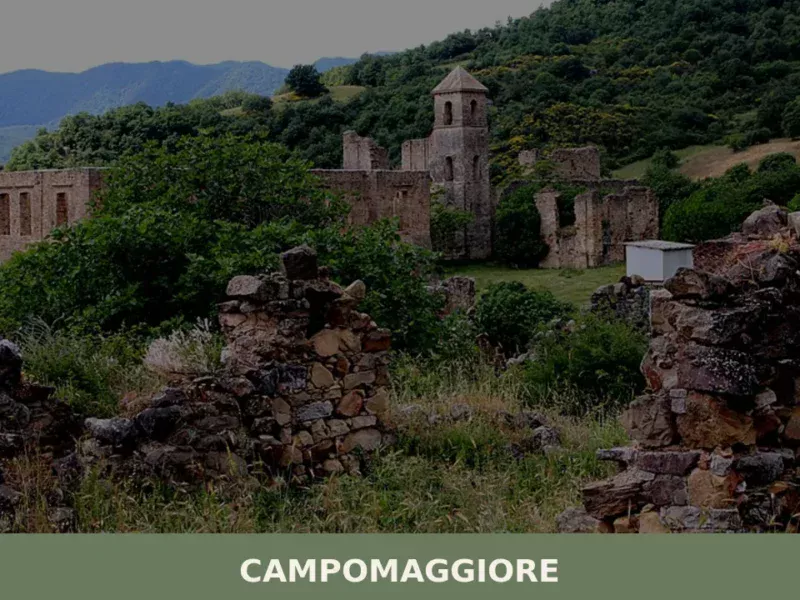
Campomaggiore
Mountain
As the morning mist reluctantly peels back from the Lucanian Apennines, a faint scent of wild herbs drifts through the narrow lanes of **Campomaggiore**. At 795 meters above sea level, this small community, home to 832 inhabitants, begins its day with a quiet rhythm. Sunlight catches the weathered stone of an ancient wall, illuminating moss […]
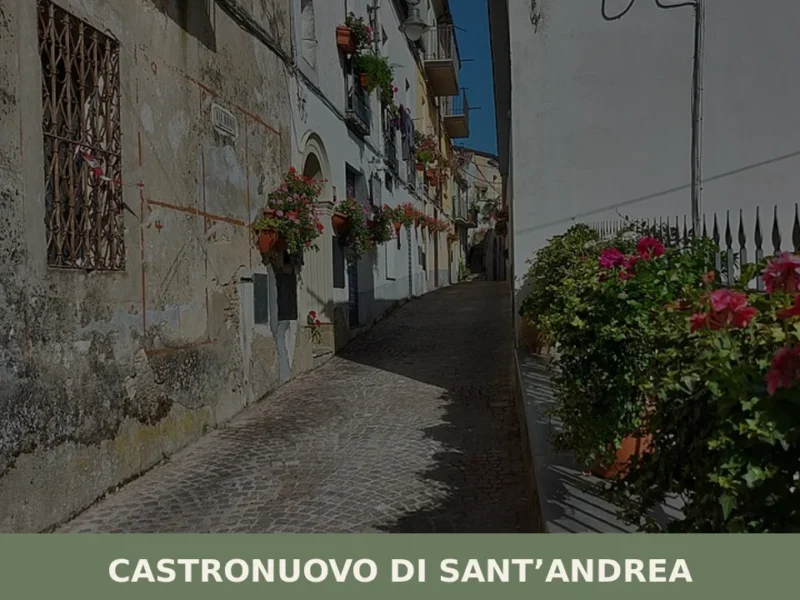
Castronuovo di Sant’Andrea
Mountain
With a population of 1,111 inhabitants, Castronuovo di Sant’Andrea is a Lucanian town located in the province of Potenza, in the heart of the southern Apennines. The settlement, whose origins are lost in the folds of history, presents an urban structure that reflects centuries of layers. For those wishing to understand the essence of this […]
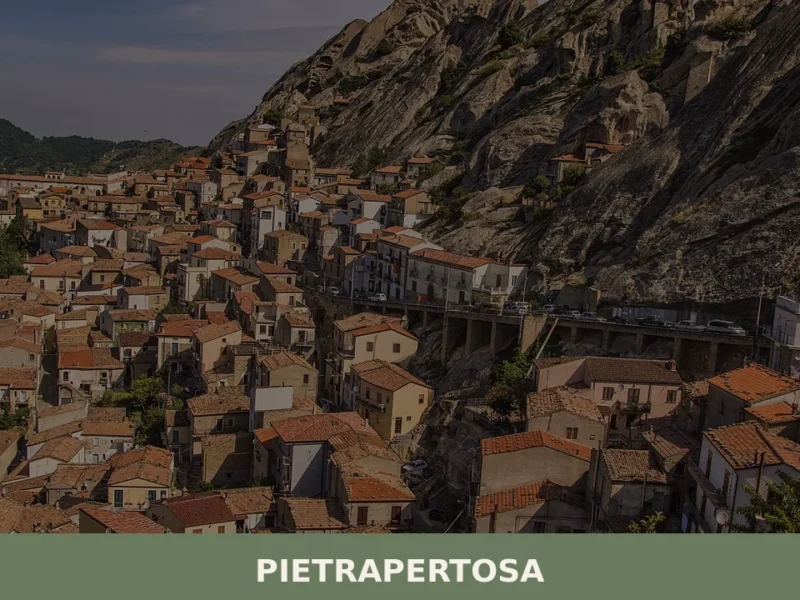
Pietrapertosa
 Sea
Sea
What to see in Pietrapertosa, Basilicata, Italy: from the Volo dell'Angelo zip line to Dolomiti Lucane rock formations. Discover top things to do. Read the guide.

Francavilla in Sinni
Mountain
What to see in Francavilla in Sinni, Basilicata, Italy: explore a town founded in 1426, the Sinni river valley, and local food traditions. Discover it all here.
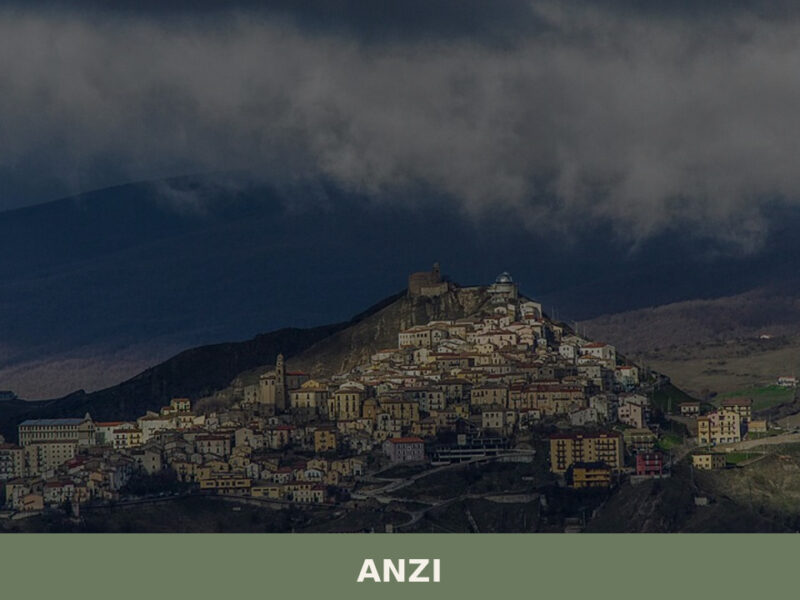
Anzi
Mountain
Anzi sits at 1,008 metres above sea level in the province of Potenza, making it one of the highest settlements in Basilicata. Home to 1,745 inhabitants, this small Lucanian village occupies a rocky spur along the upper valley of the Camastra river, surrounded by dense forests of oak and chestnut. For anyone researching what to […]
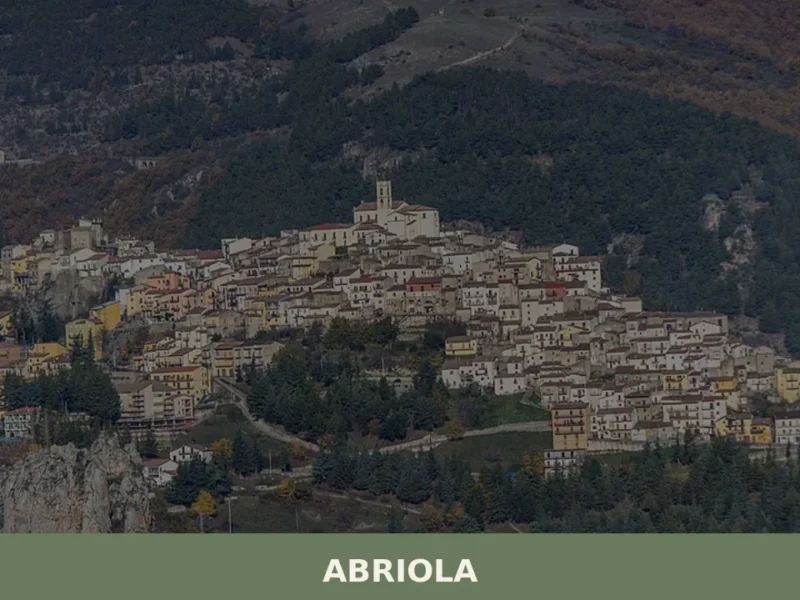
Abriola
Mountain
Discover what to see in Abriola, a mountain village in Basilicata at 957m. Sanctuary, historic centre, local food, trails, and practical travel tips.
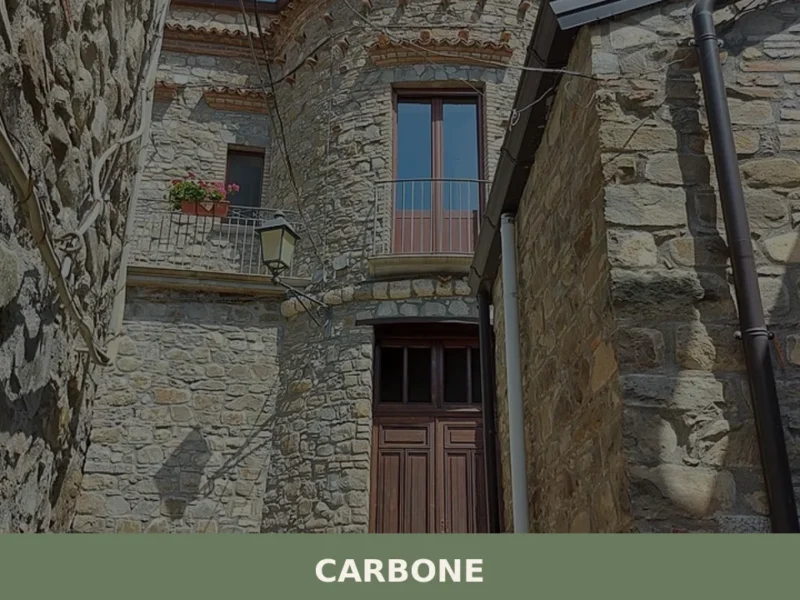
Carbone
Mountain
In the heart of Basilicata, 692 meters above sea level, lies Carbone, a settlement whose history is deeply connected to the 10th-century foundation of the Abbey of San Luca by Basilian monks. This monastic settlement, which became one of the most influential in Southern Italy, influenced the village’s identity, affecting its architecture and culture for […]
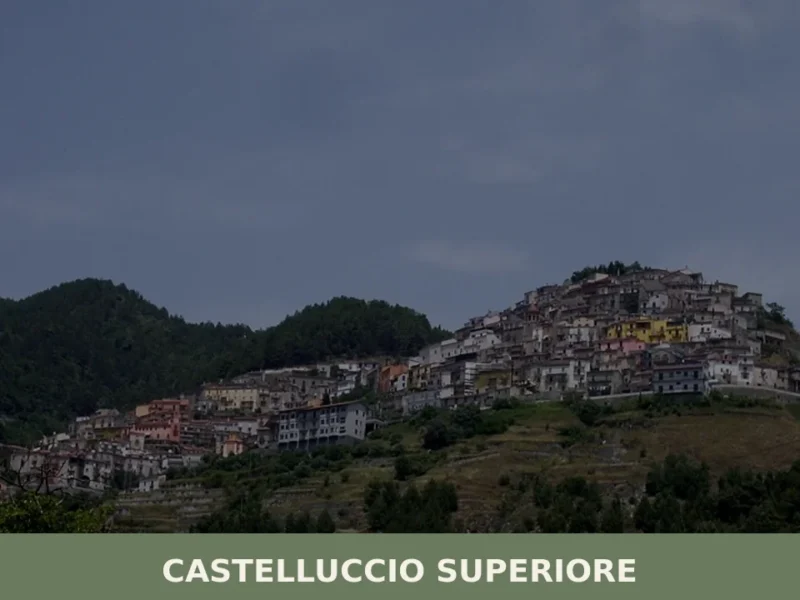
Castelluccio Superiore
Mountain
what to see in castelluccio superiore, Italy. Discover this mountain village at 680 m, explore its historic core, and experience the feast of Santa Margherita di Antiochia.
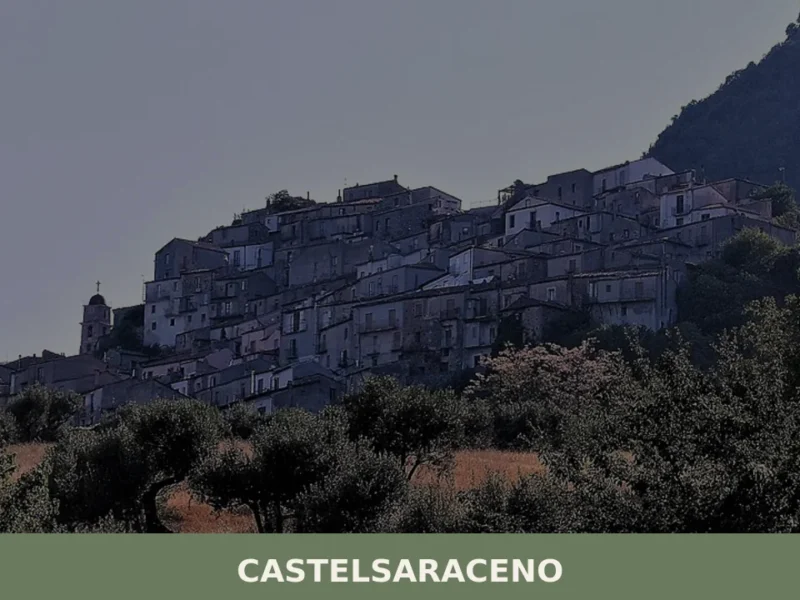
Castelsaraceno
Mountain
What to see in Castelsaraceno, Italy? Explore this mountain village at 916 m (3,005 ft) altitude. Discover the 586 m (1,923 ft) Tibetan Bridge and its historic core. Read our guide.
Bella
Mountain
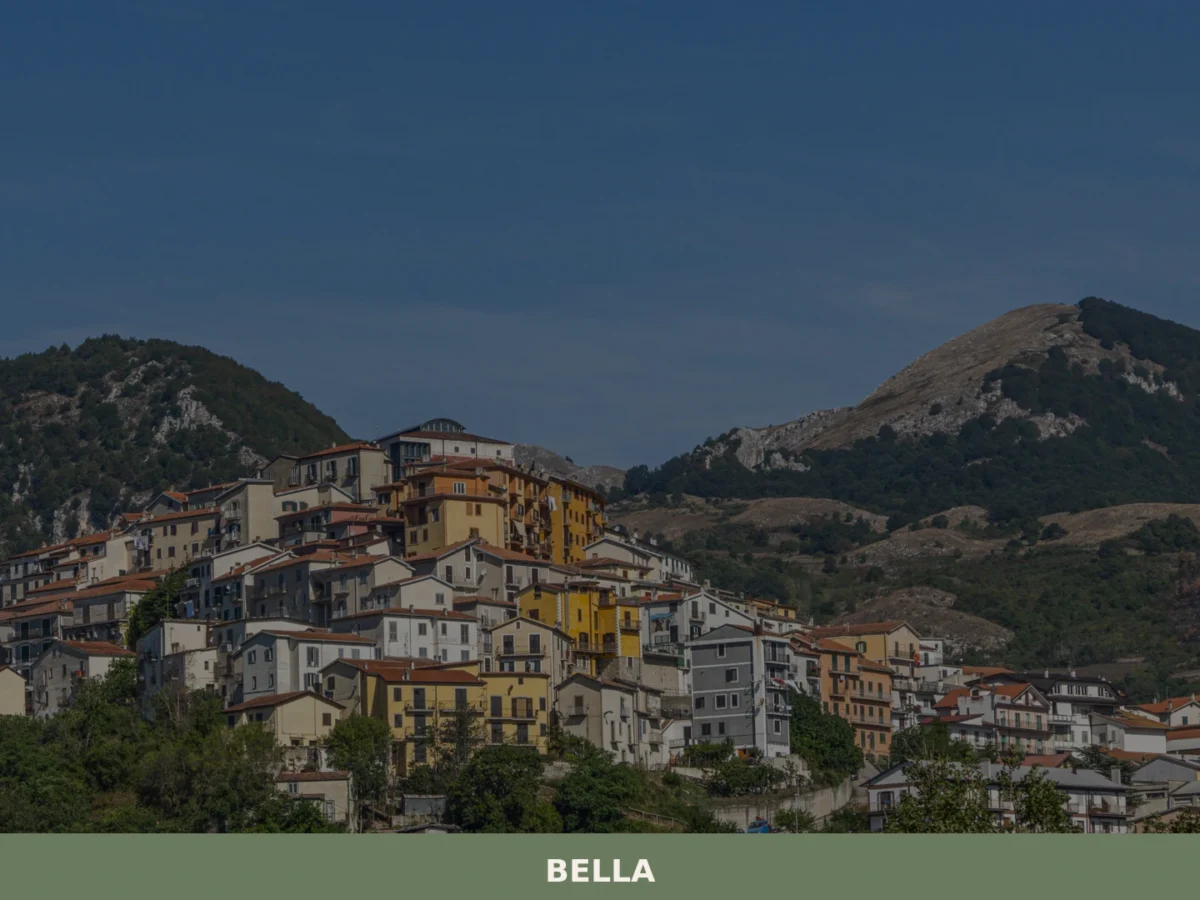
What to see in Bella, the Lucanian village of 4,516 inhabitants? Discover its must-see places and history. Plan your visit!


🏡 Know Garaguso better than we do?
If you’re a local or have been there, your knowledge matters: add what’s missing or fix a detail on this page.