


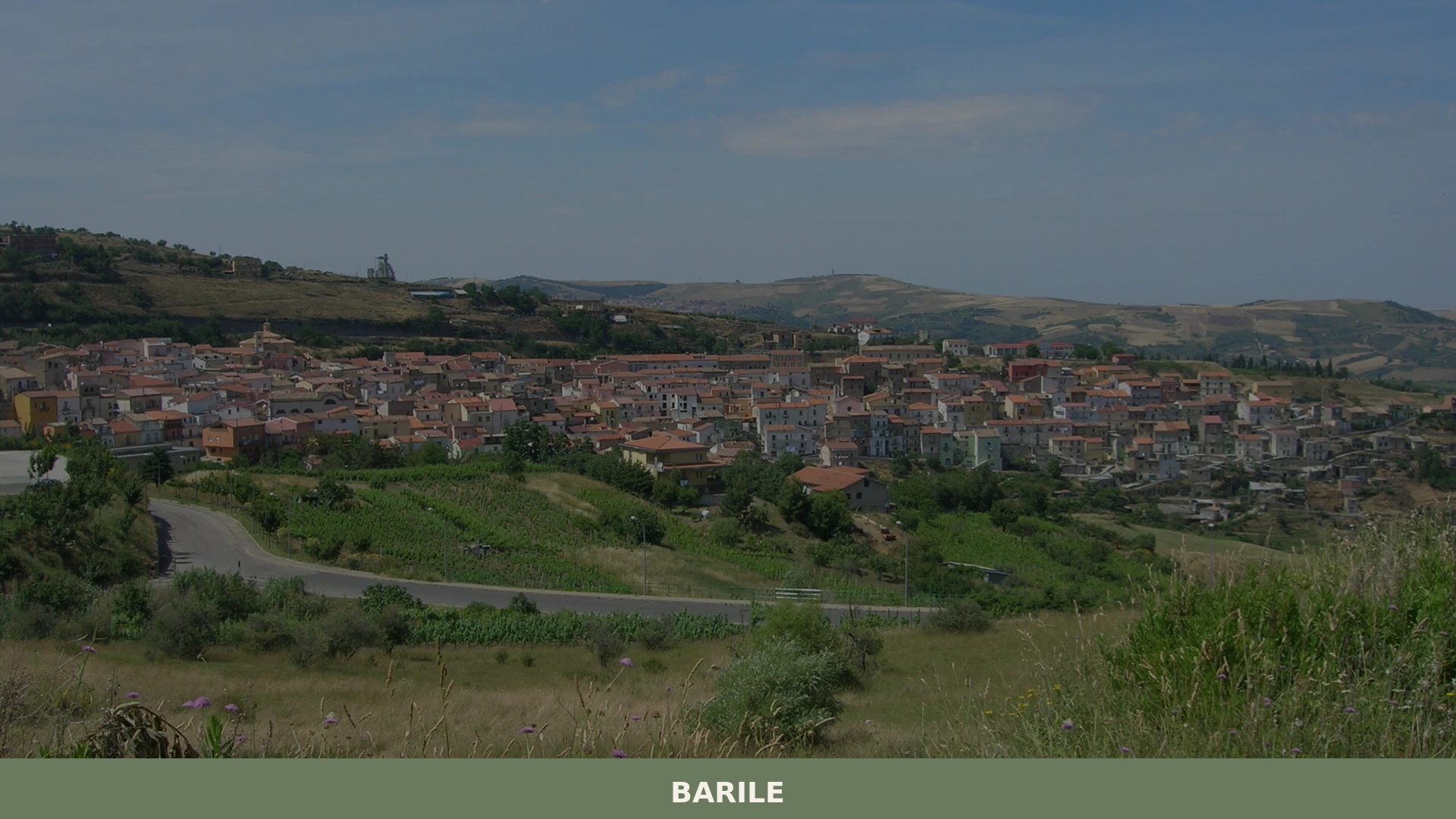
Barile
 Mountain
What to see in Barile? Discover 5 must-see attractions in this Basilicata village. The complete guide to visiting Barile awaits you. Plan your trip!
Discover Barile
The town square of Barile, framed by historic buildings, features the intricate carvings of La Fontana dello Steccato, a fountain built in 1713. Its three figures with apotropaic heads stand as a testament to an ancient belief system, designed to ward off malevolent influences.
Above these intriguing sculptures, a coat of arms proudly displays the Madonna of Constantinople with the Christ Child, connecting the fountain directly to the village’s deep religious and cultural roots.
For those planning what to see in Barile, this unique village in Basilicata, Italy, offers a rich tapestry of history and tradition.
Visitors to Barile can explore its ancient Arbëreshë heritage, dating back to 1447, and discover remarkable sites such as the historic Mother Church and the distinctive Seshë wine caves. The village provides a fascinating insight into a culture that has preserved its language and customs for centuries, making it a compelling destination for those seeking to understand what to see in Barile.
What to see in Barile: history and origins
The name Barile, also recognized as Barilli in Arbëreshë Albanian and Barìle in the local Lucano dialect, carries an intriguing etymology derived from the Italian word for ‘barrel’.
This designation subtly foreshadows the village’s deep-rooted connection to viticulture and the storage of agricultural bounty, a tradition that persists robustly today with its renowned wine production. Barile stands as an ancient Arbëreshë settlement, a foundational aspect of its identity that is powerfully reflected in the enduring language and customs maintained by its residents.
Barile, Basilicata, Italy, traces its origins to a significant migration event in the mid-15th century, specifically around the year 1447, when the first groups of Greek and Albanian immigrants arrived and established a new community.
These early settlers, often seeking refuge from geopolitical shifts in their native lands, meticulously cultivated and preserved their distinct cultural heritage over the centuries.
Consequently, the population of Barile continues to uphold strong ties with this Arbëreshë culture, conversing in both Italian and Arbëreshë, a unique Albanian dialect that functions as a living testament to their ancestral past and a vibrant part of their daily life.
Geographically positioned within the province of Potenza, Barile shares its administrative borders with the nearby comuni of Ginestra, Rapolla, Rionero in Vulture, Ripacandida, and Venosa, situating it firmly within the Vulture region of Basilicata. This regional placement has historically influenced its economic and social development, integrating it into broader historical narratives of southern Italy.
The remarkable preservation of the Albanian language and unique traditions in Barile exemplifies a profound cultural resilience, a characteristic shared with other Arbëreshë communities scattered across the Italian peninsula, including San Paolo Albanese, which also safeguards its distinctive heritage and offers further insights into what to see in Barile’s broader cultural context.
What to see in Barile, Basilicata: top attractions
Church of Madonna di Costantinopoli
The Church of Madonna di Costantinopoli presents a serene façade, hinting at its probable construction in the middle of the 17th century.
Inside, visitors are drawn to a remarkable wall fresco depicting the Madonna, rendered in a distinctive Byzantine style dating back to the 14th century. Local tradition recounts that Our Lady appeared in a dream to a farmer, guiding him to a specific spot where, upon digging, he would uncover this very image painted on the tuff rock. This sacred site thus connects a centuries-old artistic tradition with a deeply personal spiritual narrative for the community.
Mother Church
Standing as a central spiritual edifice, the Mother Church is dedicated to the protector of Barile, its grand interior providing a focal point for local devotion.
The church proudly houses a 15th-century Byzantine painting, a revered representation of the Madonna of Constantinople, which captures the artistic and religious influences that have shaped the region. Additionally, a 17th-century canvas within the church depicts the Virgin Mary pierced by seven stilettos, offering a striking visual narrative of sorrow and faith. These artworks provide a tangible link to centuries of artistic patronage and spiritual contemplation in the village.
Church of St.
Athanasius and St. Rocco
The Church of St. Athanasius and St. Rocco, likely established in 1640 under the guidance of Raffaele Daniele, the eldest of a local Brotherhood, exhibits a history marked by both construction and resilience. The structure has undergone multiple restorations following significant damage from earthquakes in 1931 and again in 1980, reflecting the challenges of preserving historical architecture in seismic zones. Within its restored walls, the church safeguards four paintings from the Neapolitan school, all dating to 1640, offering a precise glimpse into the artistic trends of that specific period.
These works serve as important historical and artistic markers for the community.
La Fontana dello Steccato
Dominating the town square with its intricate stonework, La Fontana dello Steccato, or “The Fountain of the Fence,” was meticulously constructed in 1713.
This public monument features three distinct figures with apotropaic heads, designed according to ancient beliefs to repel magic and malevolent influences from the fountain’s waters and the surrounding area. At the very top of the fountain, a finely carved coat of arms is visible, prominently displaying the Madonna of Constantinople with the Christ Child. This blend of folk superstition and religious iconography provides a fascinating insight into the cultural beliefs prevalent in Barile three centuries ago.
Seshë Caves
The remarkable Seshë are a series of caves, the name itself meaning “square” in the ancient Arbëreshë language, originally excavated directly into the rock by the first Albanian immigrants. Today, these historic subterranean spaces serve a practical purpose, providing ideal conditions for storing Aglianico wine due to their consistent cool temperatures.
The unique character of the Seshë cellars gained international recognition when they were featured in Pier Paolo Pasolini’s acclaimed film, “The Gospel according to Matthew” in 1964.
Every August, these very cellars transform into the vibrant setting for the “Cellar Wine & Art” cultural event, where various art forms such as music, painting, cinema, and sculpture converge with local Aglianico wine and diverse gastronomic products.
Local food and typical products of Barile
The gastronomic identity of Barile is intrinsically linked to its agricultural heritage and the specific terroir of the Basilicata region, particularly the Vulture area. This historical-geographical context has fostered a culinary tradition that, while distinct, also reflects broader southern Italian influences, resulting in robust and flavorful preparations that perfectly complement what to see in Barile.
The local cuisine emphasizes seasonal ingredients and traditional preparation methods, providing a genuine taste of the land that has sustained its communities for centuries, including the unique Arbëreshë cultural contributions.
While specific traditional dishes are not detailed in historical records for Barile, the region’s culinary ethos typically revolves around hearty, flavorful ingredients.
Locally produced wine plays a significant role in the gastronomic landscape, underpinning many social and cultural activities. The Seshë caves, for example, are historically utilized for storing Aglianico wine, indicating its long-standing importance to the local economy and culture. During the “Cellar Wine & Art” event, visitors can experience a convergence of art and diverse gastronomic products typical of the area, showcasing the breadth of local flavors.
Among the most prominent products of the region, and deeply associated with Barile, is its renowned Aglianico wine.
This robust red wine, often referred to simply as Aglianico wine, benefits from the volcanic soils of the Vulture area, which impart distinct characteristics to the grapes, contributing to its complex profile. While the provided sources do not specify a certified designation such as DOCG or list particular municipalities for its production beyond the general area, its presence in the village’s historical cellars and its feature in local cultural events underscore its significance as a quintessential product of Barile and the wider Basilicata region.
Festivals, events and traditions of Barile
Barile’s cultural calendar is punctuated by events that celebrate its unique heritage and local produce.
The most notable documented event is the “Cellar Wine & Art” cultural festival, which takes place every August within the atmospheric Seshë caves. This event offers a distinct blend of sensory experiences, where various forms of art—including music, painting, cinema, and sculpture—converge. Attendees have the opportunity to engage with these artistic expressions while sampling the local Aglianico wine and a range of gastronomic products typical of the area, creating a vibrant, multi-faceted celebration of local identity.
Beyond specific annual events, the profound and enduring tradition of Barile lies in its Arbëreshë heritage.
The village population has successfully preserved the Albanian language and culture over many centuries, a direct legacy from the Greek and Albanian immigrants who founded the settlement in 1447. This linguistic and cultural continuity is a daily tradition, manifesting in family customs, oral histories, and community bonds that distinguish Barile as a unique cultural enclave within Basilicata, Italy. This steadfast commitment to their roots forms an integral part of what visitors experience when they explore Barile and consider what to see in Barile.
When to visit Barile, Italy and how to get there
Determining the best time to visit Basilicata, and specifically Barile, largely depends on a visitor’s interests.
For those keen to immerse themselves in local culture and taste regional products, August stands out as an ideal month due to the “Cellar Wine & Art” cultural event held in the unique Seshë caves.
This period generally offers warm, sunny weather, typical of southern Italy, which is conducive to outdoor exploration and participation in village festivities. Visiting outside of peak summer months, such as in late spring (May-June) or early autumn (September-October), can also be appealing for those who prefer milder temperatures and fewer crowds while still enjoying pleasant conditions for discovering what to see in Barile.
While specific details regarding motorways, train stations, or airports directly serving Barile are not provided in the available sources, the village is situated in the province of Potenza, Basilicata, Italy. For international travelers, arriving in Italy via major hubs like Rome or Naples and then proceeding by rental car offers the most flexibility for exploring the Basilicata region.
Visitors should note that in smaller Italian villages like Barile, English may be limited in local shops and eateries, so carrying some Euros cash can be a practical tip for daily transactions. Planning a day trip from a nearest major city often involves navigating regional roads.
Exploring the wider Basilicata region can be a rewarding experience, with other fascinating villages accessible from Barile.
Consider extending your journey to Anzi, known for its panoramic views, or Cancellara, which offers its own unique historical appeal within the same province. For those interested in distinctive rock-hewn architecture and dramatic landscapes, Pietrapertosa presents another compelling destination in Basilicata, providing further opportunities to discover the region’s diverse offerings.
Frequently asked questions about Barile
What is the best time to visit Barile?
The best time to visit Barile depends on your interests. For cultural immersion and wine tasting, August is ideal when the 'Cellar Wine & Art' festival animates the Seshë caves with art, music, and local gastronomy. If you prefer religious traditions and milder weather, consider visiting in late spring or early summer, specifically the Tuesday after Pentecost, to experience the vibrant patron saint festival dedicated to Nostra Signora di Costantinopoli. Given its altitude of 664m, spring and autumn offer pleasant temperatures for exploring the village and surrounding Vulture area, avoiding the potential heat of deep summer or the chill of winter.
What are the historical origins of Barile?
Barile's origins are deeply rooted in its Arbëreshë heritage, dating back to approximately 1447. It was established by groups of Greek and Albanian immigrants who sought refuge in the region. These early settlers meticulously cultivated and preserved their distinct cultural traditions and language, which continue to thrive in Barile today. The village's name itself, derived from 'barrel,' hints at its long-standing viticultural tradition, a practice inherited and maintained by its resilient community over centuries.
What to see in Barile? Main monuments and landmarks
Barile offers several fascinating landmarks reflecting its rich history and Arbëreshë culture. Key attractions include the Church of Madonna di Costantinopoli, renowned for its 14th-century Byzantine fresco, and the Mother Church, housing a revered 15th-century Byzantine painting of the Madonna of Constantinople. Don't miss the Church of St. Athanasius and St. Rocco with its 17th-century Neapolitan school paintings. In the town square, admire La Fontana dello Steccato, a 1713 fountain with intriguing apotropaic heads. A unique highlight are the Seshë Caves, ancient Arbëreshë excavations now serving as wine cellars, famously featured in Pasolini's film 'The Gospel according to Matthew'.
Where to take the best photos in Barile?
For memorable photographs in Barile, focus on its distinctive historical and cultural sites. The town square, with the intricate La Fontana dello Steccato and its unique apotropaic figures, offers a picturesque backdrop. The historic Mother Church and the Church of Madonna di Costantinopoli provide opportunities to capture architectural beauty and ancient religious art. Additionally, the atmospheric Seshë Caves, with their rock-hewn interiors and connection to viticulture and cinema, offer unique photographic potential, especially during the 'Cellar Wine & Art' festival when they are vibrantly decorated.
Are there museums, churches or historic buildings to visit in Barile?
Yes, Barile boasts several significant churches and historic sites open to visitors. You can explore the Church of Madonna di Costantinopoli, known for its ancient Byzantine fresco, and the central Mother Church, which houses important 15th and 17th-century religious artworks. The Church of St. Athanasius and St. Rocco also presents historical paintings from the Neapolitan school. Beyond these, the Seshë Caves, carved into the rock by early Arbëreshë settlers, offer a unique glimpse into the village's heritage and its viticultural traditions. Specific opening hours are generally managed locally and can vary, so it's advisable to check upon arrival.
What can you do in Barile? Activities and experiences
In Barile, you can immerse yourself in its rich Arbëreshë heritage by exploring its historic churches, such as the Mother Church and the Church of Madonna di Costantinopoli. A highlight is visiting the Seshë Caves, ancient rock-hewn cellars perfect for Aglianico wine tasting, and experiencing the 'Cellar Wine & Art' festival every August, which blends music, art, cinema, and local gastronomy. Given its mountain theme and location in the Vulture region, the area also offers opportunities for scenic walks, discovering the landscape that shapes its renowned wine production and unique cultural identity.
Who is Barile suitable for? Families, couples, hikers, solo travelers?
Barile is an ideal destination for history and culture enthusiasts, particularly those interested in exploring unique Arbëreshë heritage and its preserved language. Couples and solo travelers seeking authentic experiences will appreciate its ancient churches, the intriguing Fontana dello Steccato, and the cinematic Seshë Caves. Wine lovers will find Barile compelling due to its strong connection to Aglianico wine production and the 'Cellar Wine & Art' festival. Its 'Montagna' theme and location in the Vulture area also make it suitable for visitors who enjoy scenic exploration and a slower pace, rather than intense hiking trails (as none are mentioned).
What to eat in Barile? Local products and specialties
The culinary identity of Barile is strongly tied to its agricultural roots and the rich terroir of the Vulture region. The most renowned local product is Aglianico wine, a robust red wine benefiting from the area's volcanic soils, stored traditionally in the Seshë caves. While specific traditional dishes are not detailed, the local gastronomy revolves around hearty, flavorful ingredients typical of Basilicata. Visitors can experience a broader range of 'diverse gastronomic products' during the annual 'Cellar Wine & Art' festival in August, where local flavors are celebrated alongside art and wine.
📷 Photo Gallery — Barile
Nearby Villages near Barile
In Basilicata More villages to discover

Genzano di Lucania
Mountain
Discover Genzano di Lucania, a stone-built hilltop village in Alta Basilicata, where ancient alleys, Apennine views, and local traditions shape everyday life.

Gallicchio
Mountain
Discover Gallicchio, a hilltop village in Potenza province with a medieval castle, historic streets, and stunning views over the Val d'Agri valley.
Calvera
Mountain
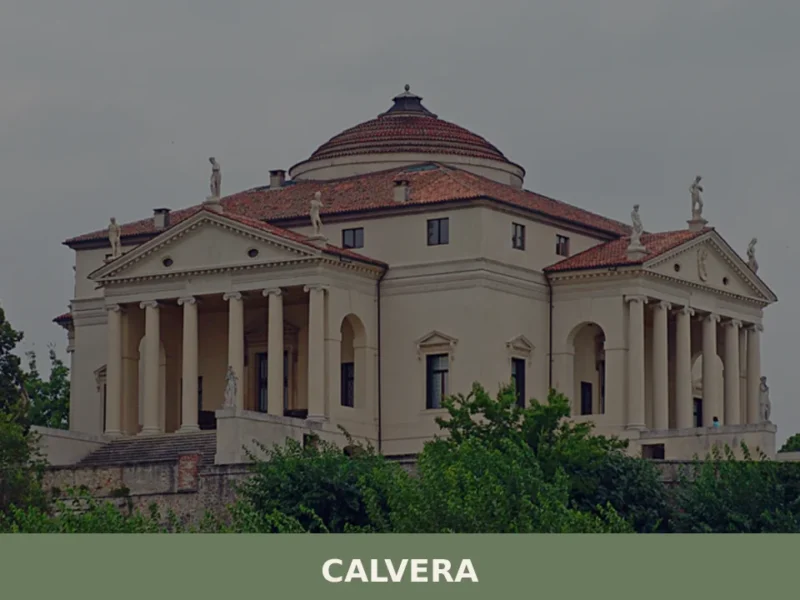
At 630 meters above sea level, in the heart of the province of Potenza, lies Calvera, a small Lucanian municipality distinguished by its elevated position and authentic atmosphere. The village, with its stone houses clinging to the hillside, offers panoramic views of the surrounding valley, bearing witness to a history of mountain life and a […]

Ferrandina
 Hills
Hills
What to see in Ferrandina, Basilicata, Italy: 6 historic churches, olive oil production, and a hilltop at 482 m. Discover top attractions and how to get there.
Bernalda
 Sea
Sea
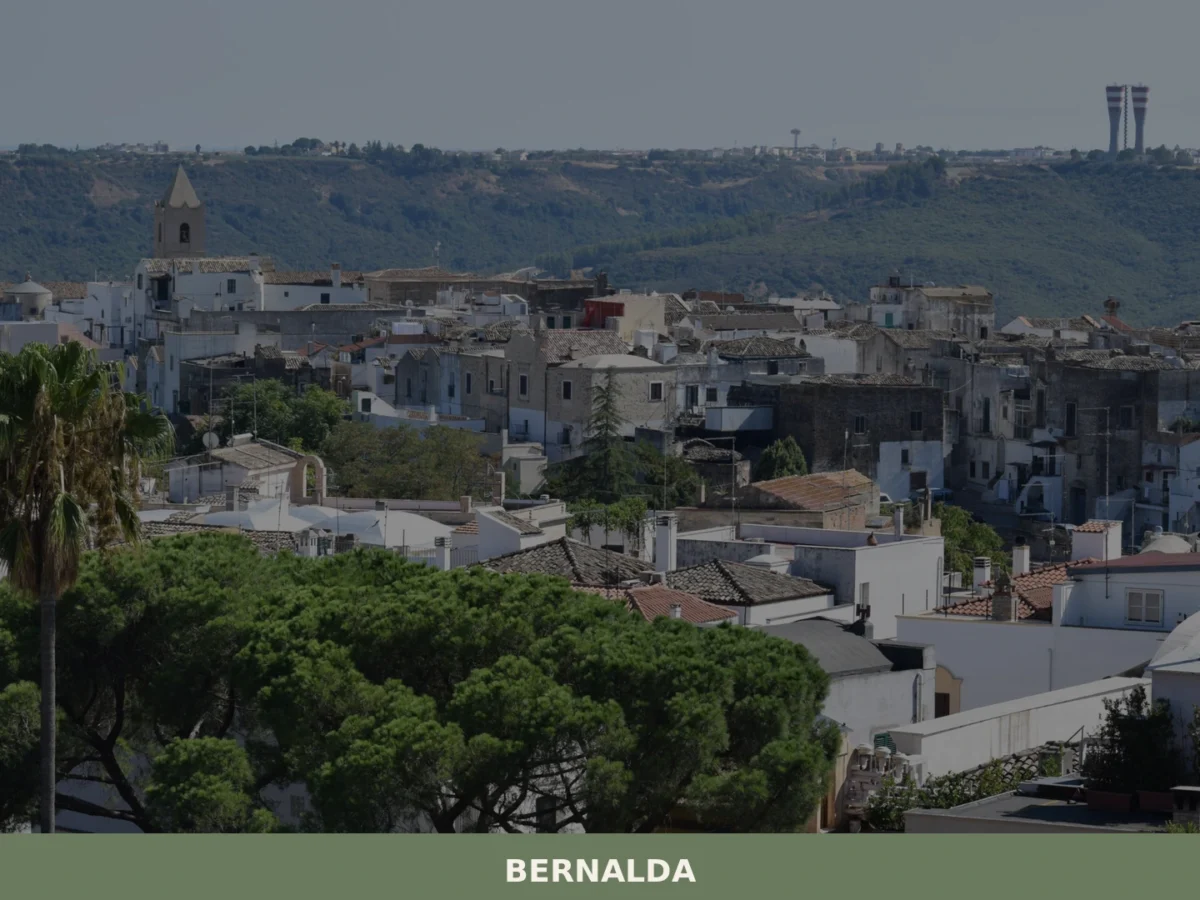
What to see in Bernalda: 5 attractions in this Basilicata village, from the historic center to Metaponto. Discover the complete guide and plan your visit.
Grumento Nova
Mountain
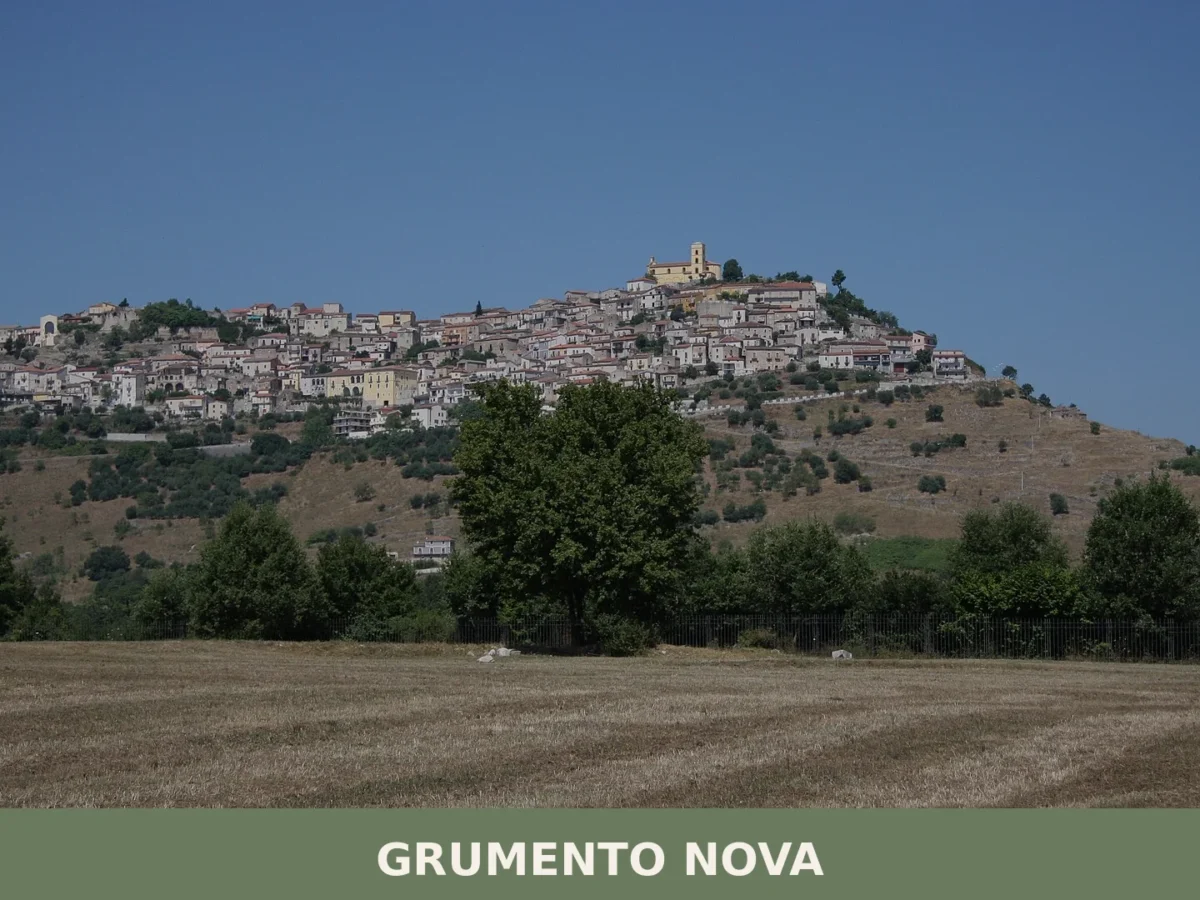
Grumento Nova is a mountain comune at 746 metres in Basilicata's Val d'Agri, where the ruins of Roman Grumentum and more than a thousand years of layered history await travellers seeking an authentic

Colobraro
Hills
What to see in Colobraro, Italy: explore the village at 630 m altitude known as 'that village'. Discover its curse legend, Sinni valley views & local food. Read the guide.
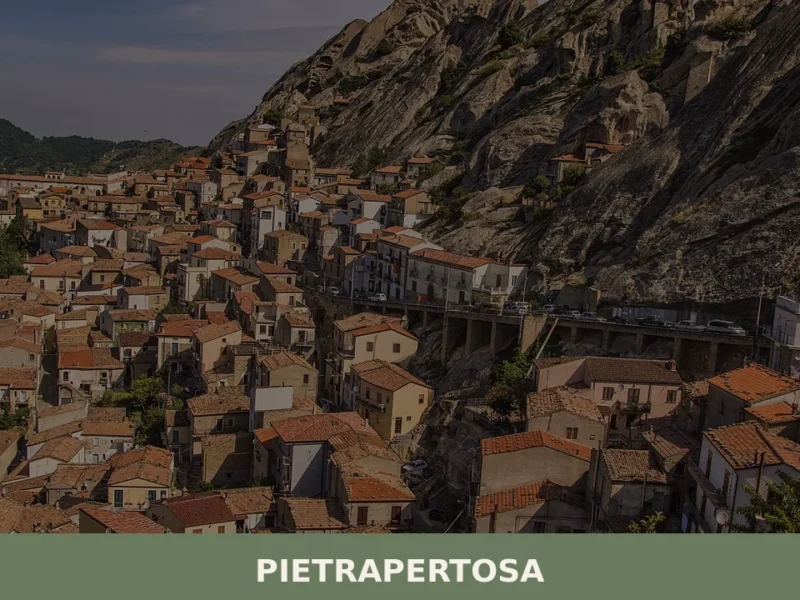
Pietrapertosa
Sea
What to see in Pietrapertosa, Basilicata, Italy: from the Volo dell'Angelo zip line to Dolomiti Lucane rock formations. Discover top things to do. Read the guide.
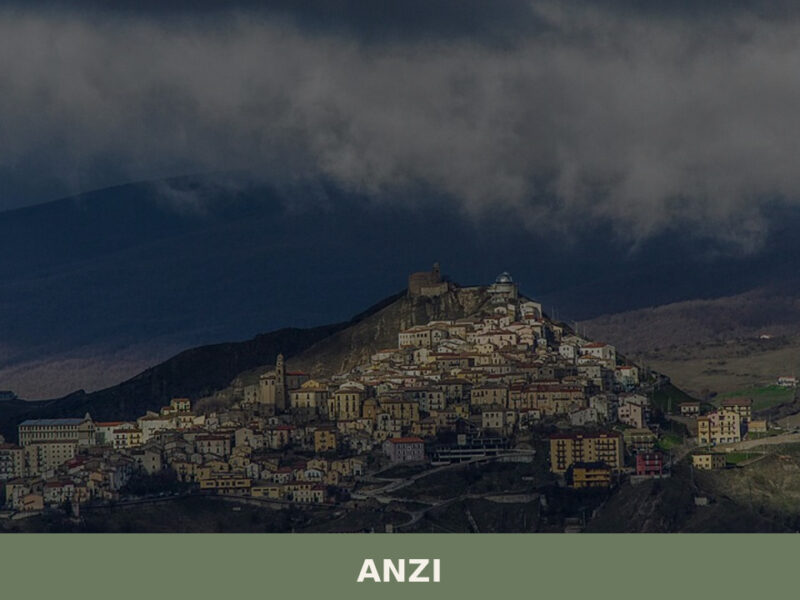
Anzi
Mountain
Anzi sits at 1,008 metres above sea level in the province of Potenza, making it one of the highest settlements in Basilicata. Home to 1,745 inhabitants, this small Lucanian village occupies a rocky spur along the upper valley of the Camastra river, surrounded by dense forests of oak and chestnut. For anyone researching what to […]
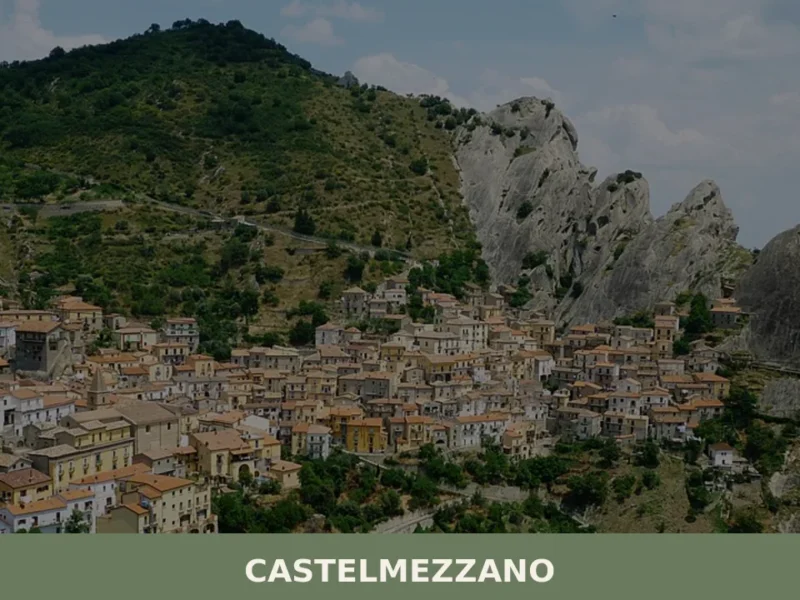
Castelmezzano
Mountain
what to see in castelmezzano, Italy: Discover its 710 inhabitants, ancient castle ruins, and thrilling Angel Flight. Explore Basilicata's stunning Dolomites.
🏡 Know Barile better than we do?
If you’re a local or have been there, your knowledge matters: add what’s missing or fix a detail on this page.