


Francavilla in Sinni
 Mountain
What to see in Francavilla in Sinni, Basilicata, Italy: explore a town founded in 1426, the Sinni river valley, and local food traditions. Discover it all here.
Discover Francavilla in Sinni
The river Sinni cuts across the northern edge of the municipal territory, marking the boundary between the upland village and the broader valley that stretches toward the Ionian coast. The town was founded in 1426, and the site of its former charterhouse — demolished in the early nineteenth century — still registers in local memory as a physical absence, a flattened area where Napoleonic troops once moved through on orders from Joachim Murat. The Nunzio Fittipaldi Stadium, home of F.C.
Francavilla, anchors the modern edge of the settlement.
Deciding what to see in Francavilla in Sinni takes on a clearer shape once you understand the geography: the town sits in the province of Potenza, Basilicata, Italy, at a point where the SS 653 highway connects the A2 motorway to the Ionian Coast across 86 km (53.4 mi) of road. Visitors to Francavilla in Sinni find a compact historic centre shaped by more than five centuries of continuous settlement, the remains of a monastic complex, and direct access to the Sinni river corridor that borders five neighbouring municipalities. The town rewards those willing to approach it on foot and with some patience for an area where English signage remains rare.
History of Francavilla in Sinni
The town’s name follows a pattern common across southern Italy: Francavilla, from the Latin franca villa, designated a settlement granted fiscal exemptions or particular freedoms — a franchigia — to attract new inhabitants. The suffix in Sinni identifies the river that defines the territory’s northern limit. The founding year of 1426 places the town’s formal establishment in the late medieval period, during a phase of reorganisation of settlements throughout what was then the Kingdom of Naples, when local feudal lords encouraged new nucleated communities by offering reduced taxation and guaranteed rights.
The most dramatic episode in the town’s documented history came in the early nineteenth century, when troops belonging to the Grande Armée of Napoleon occupied the area under the command of Joachim Murat, whom Napoleon had installed as King of Naples in 1808.
The charterhouse that had stood within or near the town’s territory was destroyed during this occupation. Charterhouses, or certose, were Carthusian monasteries typically built with substantial endowments and considerable architectural complexity; their destruction represented both a material and an institutional loss for the communities that depended on them.
After Italian unification in 1861, the area around Francavilla in Sinni became part of the broader zone affected by brigandage in southern Italy — a period of armed resistance and social conflict that lasted into the 1870s and left a documented mark on the Province of Potenza. The town borders Chiaromonte, Fardella, San Severino Lucano, Terranova di Pollino, and San Costantino Albanese, a constellation of small municipalities that share a common highland geography and a history shaped by the same sequence of feudal, Napoleonic, and post-unification pressures.
The territory of Cirigliano, a small Basilicata comune that similarly bears the imprint of medieval settlement logic, offers a useful point of comparison for those interested in how these upland communities were originally organised.
What to see in Francavilla in Sinni, Basilicata: top attractions
The Historic Centre and the Medieval Street Plan
The oldest part of Francavilla in Sinni holds a street pattern that follows the contour logic of a settlement founded in 1426, with lanes that narrow at bends and widen at nodal points where water or trade once circulated. Walking the main axis, the visitor reads the town’s social history in the varying heights of façades and the alternating use of local stone. The centre is compact enough to cover on foot in under two hours, but specific details — a carved doorway lintel, a recessed shrine with an oil lamp — require slow movement and close attention. The best light for this falls in the late morning, when the south-facing walls are fully illuminated.
The Site of the Former Charterhouse
Nothing of the original charterhouse structure survives above ground, having been destroyed in the early nineteenth century during the Napoleonic occupation under Joachim Murat.
The site nonetheless carries documentary weight: Carthusian foundations of this period were typically built to a standardised plan including a great cloister, individual hermit cells arranged around it, and a church of considerable length. Understanding what was removed helps calibrate the scale of the loss. Visitors interested in what to see in Francavilla in Sinni who approach this location with a map of Carthusian architectural typology will read the landscape differently than those arriving without context. The area is worth including as a deliberate stop rather than a detour.
The Sinni River Corridor at the Northern Municipal Boundary
The river Sinni crosses the northern part of the municipal territory, and the riparian zone along its banks offers a ground-level encounter with the hydrology that has defined this part of Basilicata for centuries. The Sinni rises in the Lucanian Apennines and eventually reaches the Ionian Sea near Policoro, approximately 51 km (31.7 mi) east of Francavilla in Sinni along the SS 653. The riverbank vegetation — willows, alders, and reed beds — provides habitat that contrasts sharply with the drier slopes of the upland town. Access to the northern bank requires a short drive from the centre; the terrain near the water is uneven and unsuitable for pushchairs.
The Nunzio Fittipaldi Stadium
The home ground of F.C.
Francavilla takes its name from Nunzio Fittipaldi, and its presence on the modern edge of the settlement marks the point where the town’s civic identity intersects with the Italian football culture that runs through communities of every size in the south. The stadium is a practical reference point for orientation when arriving by road, and on match days it draws a local attendance that gives visitors a direct view of how the town functions as a social unit. The football club itself, F.C. Francavilla, participates in the regional amateur competition structure. For travellers passing through on a weekend, checking the fixture calendar before arrival can add an unexpected dimension to the visit.
The SS 653 Highway Viewpoints Toward the Ionian Valley
The SS 653 — the state road that passes through or near Francavilla in Sinni — offers a sequence of eastward views as it descends from the highland interior toward the Ionian coastal plain. At certain points on this route, the elevation difference between the Lucanian uplands and the flat agricultural land near Policoro becomes visible in a single frame, illustrating the compressed geography of Basilicata’s eastern slope. The road connects the A2 motorway exit at Lauria Nord, 35 km (21.7 mi) to the west, to the coast at 51 km (31.7 mi) to the east.
Travellers who drive this corridor rather than rushing through it will understand why the valley of the Sinni historically divided two distinct settlement zones.
Local food and typical products of Francavilla in Sinni
The food culture of this part of the Province of Potenza belongs to the broader Lucanian culinary tradition, which developed under conditions of geographic isolation, limited arable land, and the necessity of preserving food through the long mountain winters. The highland interior of Basilicata historically relied on preserved meats, dried legumes, hard wheat pastas, and sheep’s milk cheeses as its dietary foundations. Francavilla in Sinni, sitting at the junction between the inland hill country and the Sinni valley floor, draws from both the upland pastoral economy and the more varied agriculture of the river corridor.
Among the pasta dishes documented in this area of Basilicata, lagane e ceci — wide, flat pasta strips cooked with chickpeas, garlic, and local olive oil — represents one of the oldest preparations, with roots in Roman-era recipes. Peperoni cruschi, sun-dried sweet red peppers that are then fried in olive oil until they become crisp and almost translucent, appear as both a condiment and a main flavouring agent in pasta and vegetable dishes.
The peppers are dried on strings across exterior walls and window frames during August and September, a visible sign of the season in villages across this part of Basilicata. Pignata, a slow-cooked lamb or mutton stew prepared in a terracotta vessel of the same name, remains a reference dish for the area’s pastoral heritage.
Cured meats produced in the broader Basilicata region include soppressata, a coarsely ground pork salami pressed into a flattened shape and cured for several weeks, and lucanica, a seasoned pork sausage whose name appears in Roman sources and is considered one of the oldest documented Italian sausage types. Both are produced by small-scale butchers and family operations rather than large industrial facilities in this zone.
Sheep’s milk cheeses, including aged pecorino produced from the milk of flocks that graze the municipal and adjacent territories, accompany both antipasto courses and the main table.
The autumn months — September through November — are the most productive period for local food shopping in this area, coinciding with the pepper drying season, the new olive oil pressing, and the early stages of salami curing. Visitors who arrive at this time will find the widest range of seasonal products available directly from producers. Cash is the standard payment method at small local vendors and market stalls, and carrying euros is practical given that card payment infrastructure can be limited in smaller shops.
Festivals, events and traditions of Francavilla in Sinni
The documented sources available for Francavilla in Sinni do not provide specific patron saint festival dates or detailed event schedules. What can be confirmed is that the town belongs to a cultural zone of Basilicata where the calendar of religious observance follows the Catholic liturgical year, with the most significant community gatherings concentrated around the patron saint’s feast day, typically marked by a procession through the historic centre, outdoor Mass, and an evening programme that may include music and fireworks.
The exact date of the patron feast in Francavilla in Sinni requires verification with the official municipal website of Francavilla in Sinni, which publishes the annual events calendar in Italian.
The broader area around the Sinni valley and the Pollino massif — which borders the municipality through its neighbour San Severino Lucano — hosts a series of summer events linked to the agricultural and pastoral calendar. These include local sagre, traditional food festivals dedicated to a single product or dish, which are organised by the pro loco, the volunteer civic associations that manage cultural programming in Italian municipalities of this size. Travellers planning a visit between June and August have the highest probability of encountering at least one such event in Francavilla in Sinni or in an immediately adjacent municipality.
When to visit Francavilla in Sinni, Italy and how to get there
The best time to visit Basilicata’s inland hill country, including Francavilla in Sinni, falls between late April and early June and again between mid-September and October.
Spring brings mild temperatures suitable for walking the historic centre and the river corridor, while autumn combines comfortable weather with the active agricultural season described above. July and August are hot — the interior of Basilicata regularly records temperatures above 35°C (95°F) at valley level — and the summer months also bring increased traffic on the SS 653 from coastal tourists returning inland. Winter access is generally reliable by road, though the upland sections can receive snow between December and February. Those travelling from Rome by car face a drive of approximately 320 km (199 mi), which is achievable in around three and a half hours via the A2 motorway, making Francavilla in Sinni a realistic destination for an extended day trip from the capital combined with an overnight stay.
If you arrive by car, the most direct route uses the A2 motorway southbound and exits at Lauria Nord, 35 km (21.7 mi) west of Francavilla in Sinni along the SS 653. The road is well maintained and runs through the Sinni valley. There is no direct train connection to the village itself; the nearest functional rail access point on the Trenitalia network for this area is via the Taranto–Reggio Calabria line, with connections at Policoro–Heraclea station, approximately 51 km (31.7 mi) to the east, from which a taxi or local bus service is required to reach Francavilla in Sinni.
The nearest airports with scheduled international connections are Lamezia Terme (approximately 130 km / 80.8 mi to the south) and Bari Karol Wojtyła (approximately 210 km / 130.5 mi to the north-east). For international visitors, it is practical to hire a car at the airport, as public transport connections to the Sinni valley interior are infrequent. English language ability is limited in smaller shops and service points in the village; carrying euros in cash rather than relying on card payment is a straightforward precaution.
Travellers building a wider Basilicata itinerary can use Francavilla in Sinni as a base for reaching adjacent municipalities. The village of Castelgrande, another medieval settlement in the Province of Potenza, shares the same highland geography and offers a complementary stop for those exploring the region by car.
Further north in the province, Brindisi Montagna and Baragiano represent further points on a self-driven circuit through Basilicata’s interior, each located in the same province and reachable within the same day if departure is early. Understanding what to see in Francavilla in Sinni within this wider network of small Lucanian towns gives the visit a clearer structural logic: the town is one node in a highland geography that rewards deliberate, unhurried movement rather than a single-stop approach.
📷 Photo Gallery — Francavilla in Sinni


In Basilicata More villages to discover
Balvano
 Hills
Hills
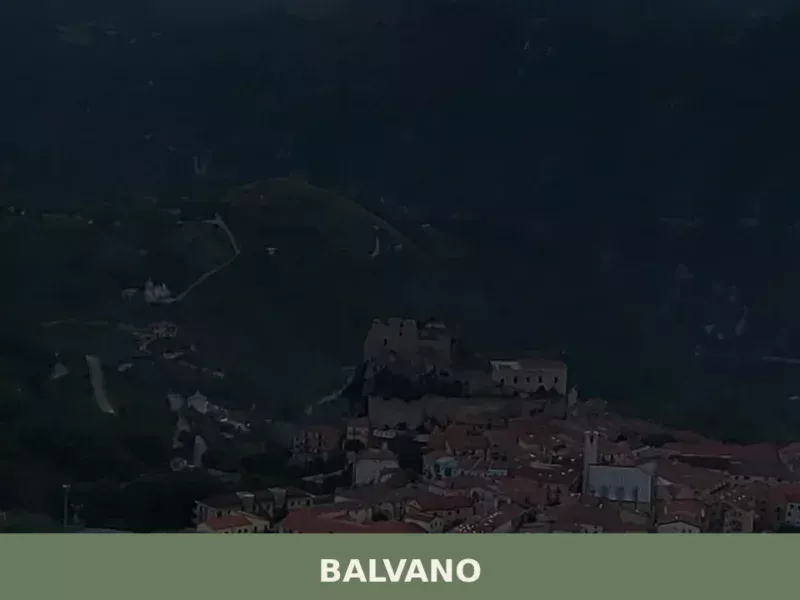
Balvano, a municipality in the province of Potenza, rises 425 meters above sea level, fitting into the hilly landscape of Basilicata. This altitude is not just a number, but the coordinate of a natural observatory from which the Platano valley can be viewed. With a population of 1,722 inhabitants, the village maintains the size of […]
Castelmezzano
Mountain
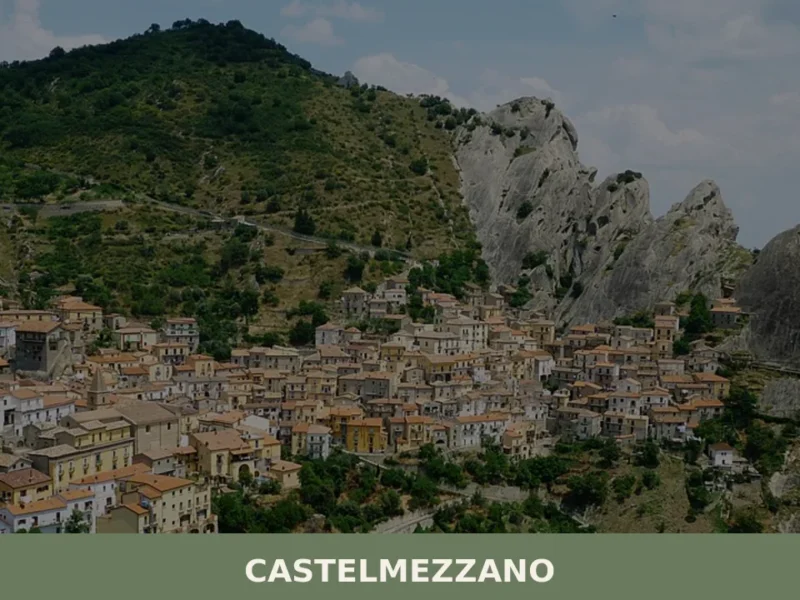
what to see in castelmezzano, Italy: Discover its 710 inhabitants, ancient castle ruins, and thrilling Angel Flight. Explore Basilicata's stunning Dolomites.
Trivigno
Mountain
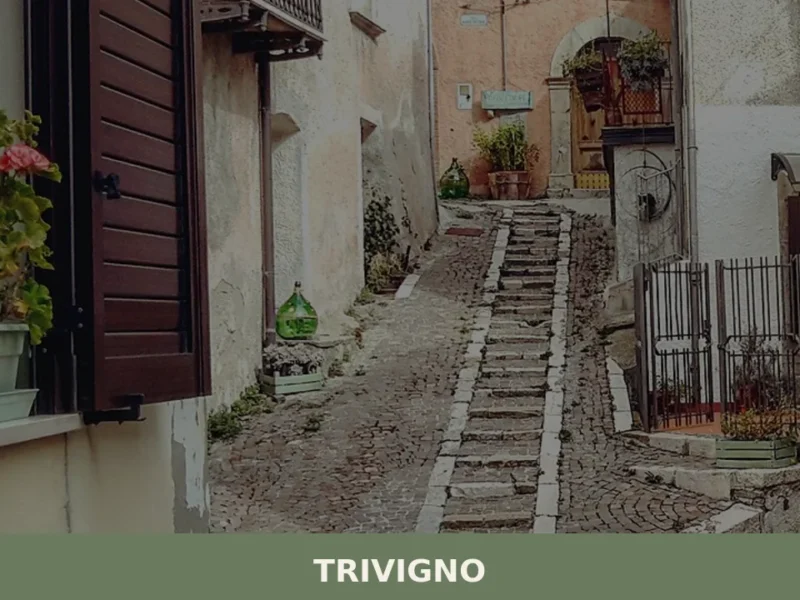
Trivigno has a current population of 570 and occupies a ridge at 725 metres above sea level in the middle Basento valley, in the province of Potenza. Its territory extends across fields of durum wheat and Turkey oak woods covering the eastern slopes up to the borders with neighbouring municipalities. Those looking for what to […]

Filiano
Mountain
What to see in Filiano, Basilicata, Italy: explore the Grotta dei Pisconi rock art, Pecorino di Filiano PDO, and a 16th-century hilltop comune. Discover it now.
Pietrapertosa
 Sea
Sea
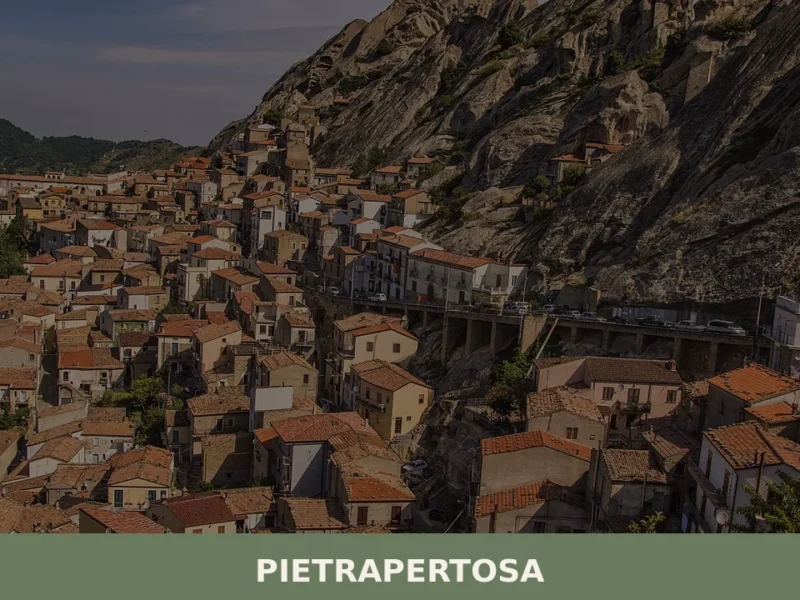
What to see in Pietrapertosa, Basilicata, Italy: from the Volo dell'Angelo zip line to Dolomiti Lucane rock formations. Discover top things to do. Read the guide.
Avigliano
Mountain
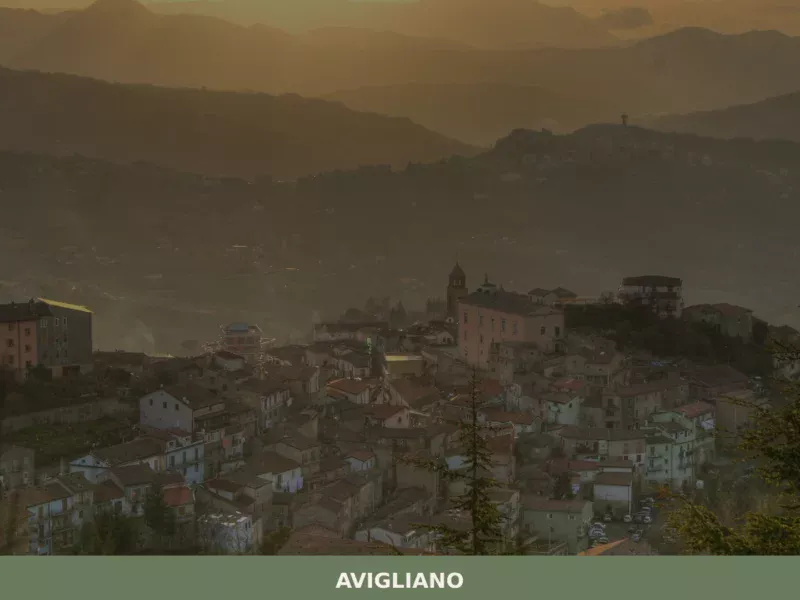
Discover what to see in Avigliano, a recognised cittu00e0 in Basilicata's Potenza province. History, attractions, food, and travel tips for this Apennine town.
Aliano
Hills
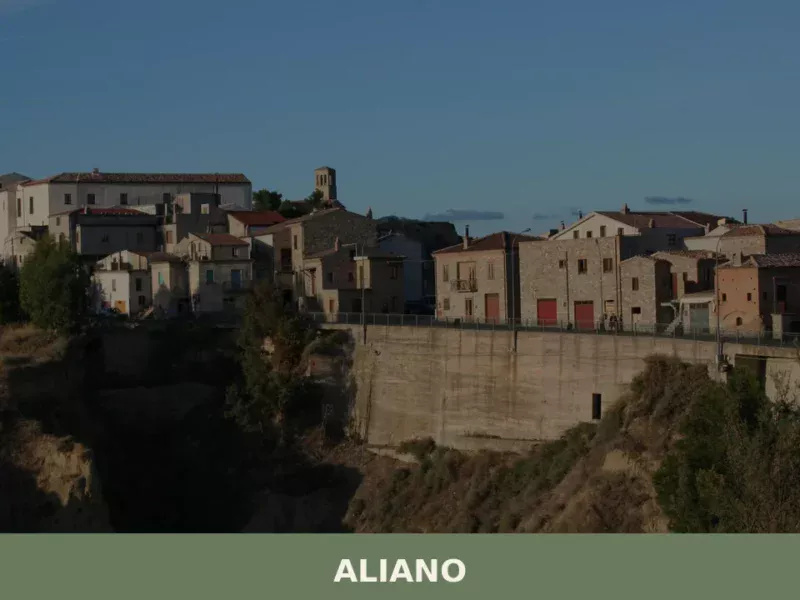
Discover what to see in Aliano, Basilicata: Carlo Levi's exile house, the dramatic calanchi landscape, local olive oil culture and practical travel tips.
Cersosimo
Hills
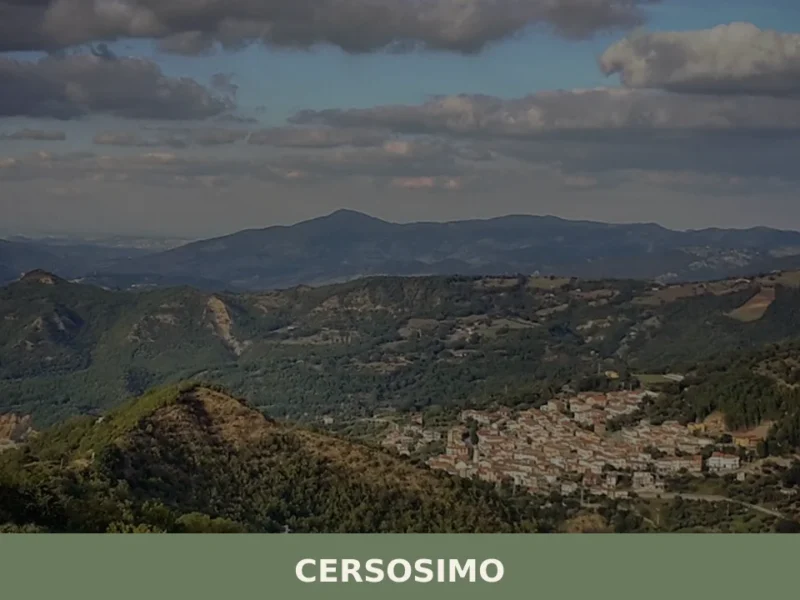
Discover what to see in Cersosimo, an authentic village in Basilicata. From the Mother Church to the castle remains, explore the history and typical cuisine of this hilltop center in the province of Potenza.
Bernalda
Sea
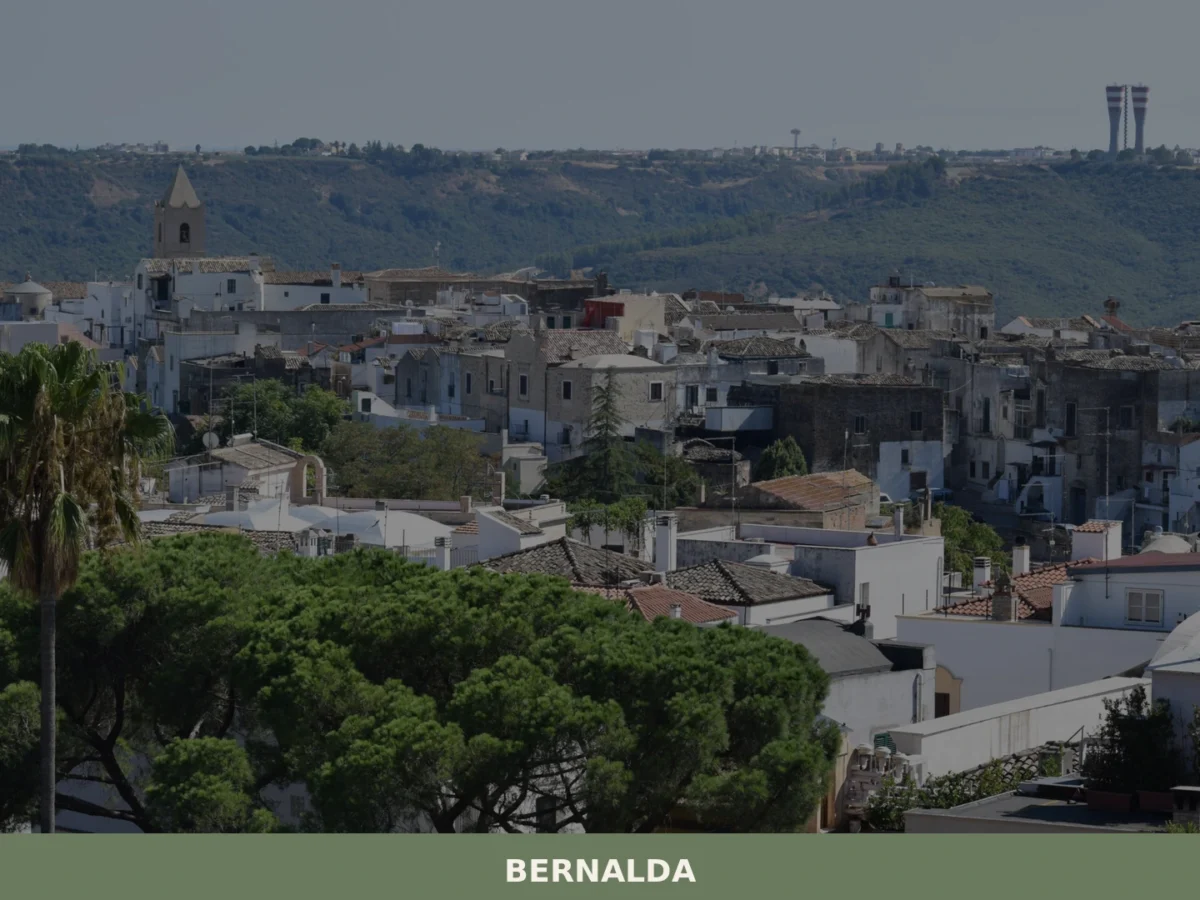
What to see in Bernalda: 5 attractions in this Basilicata village, from the historic center to Metaponto. Discover the complete guide and plan your visit.

Garaguso
Mountain
What to see in Garaguso, Italy: a hilltop comune at 460 m with a Greek Heroon, an 18th-century palace, and Iron Age finds. Discover the top attractions now.





🏡 Know Francavilla in Sinni better than we do?
If you’re a local or have been there, your knowledge matters: add what’s missing or fix a detail on this page.