


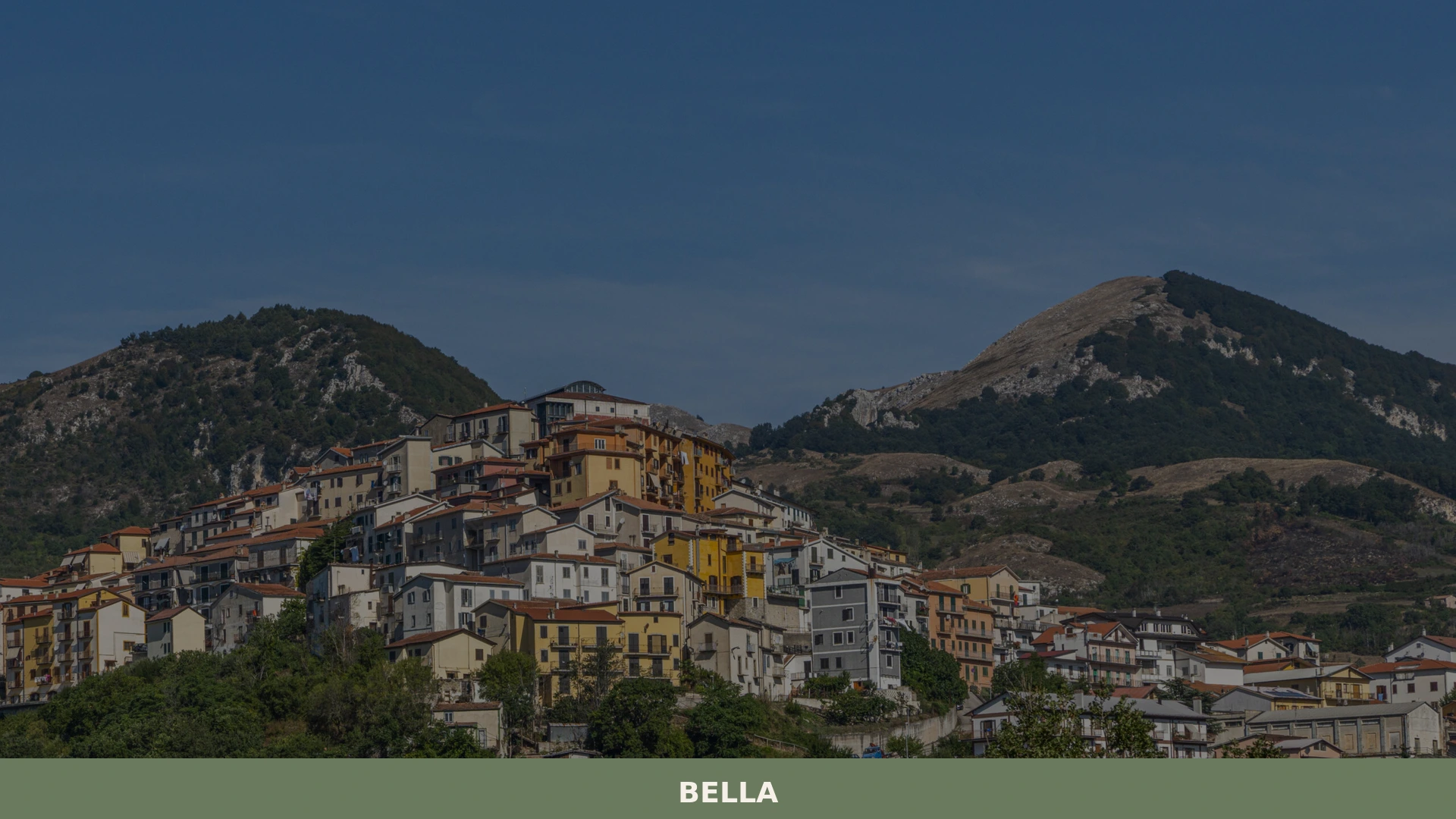
Bella
 Mountain
What to see in Bella, the Lucanian village of 4,516 inhabitants? Discover its must-see places and history. Plan your visit!
Discover Bella
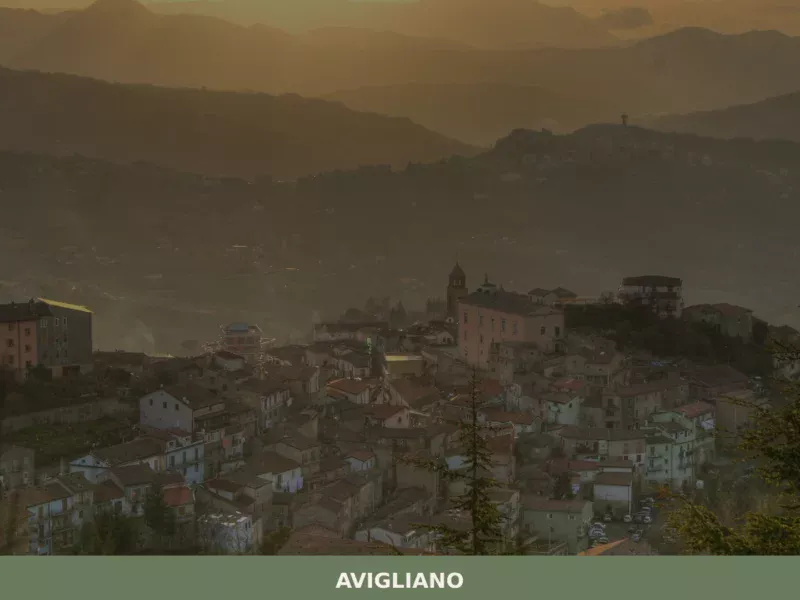
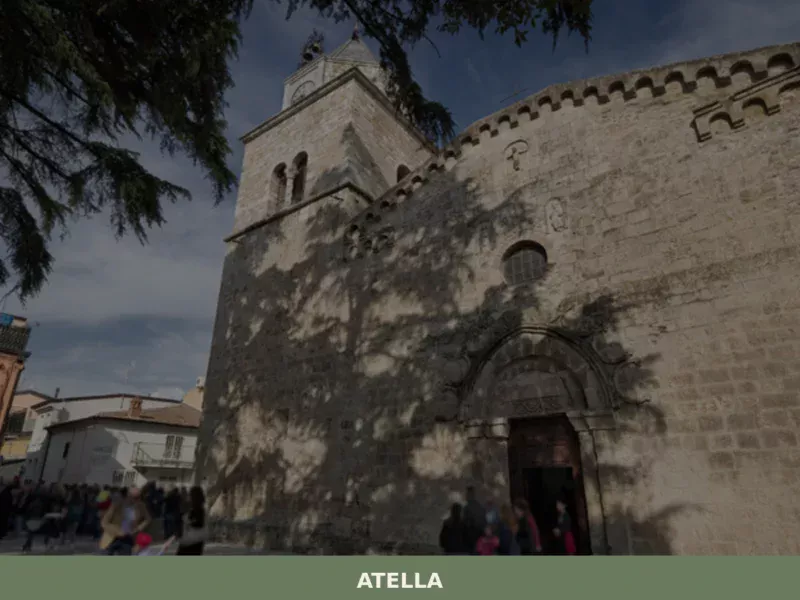
The administrative boundaries of Bella define a specific area within the southern Italian region of Basilicata, encompassing the town and its surrounding territory. This comune shares its borders with seven distinct municipalities: Atella, Avigliano, Balvano, Baragiano, Muro Lucano, Ruoti, and San Fele.
This precise geographical definition establishes Bella as a recognized entity within the larger provincial and regional framework of Italy.
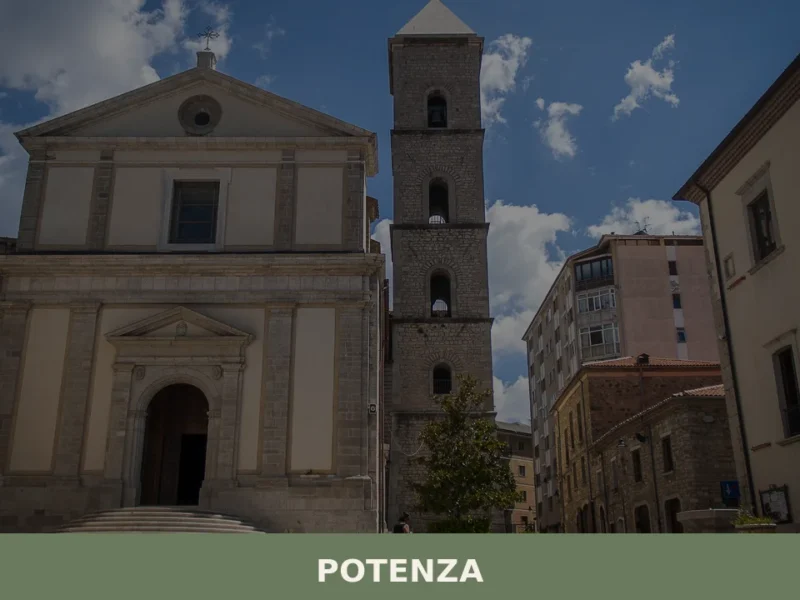
For visitors wondering what to see in Bella, the village presents itself as a comune in the province of Potenza, offering a glimpse into local Lucano identity.
The primary highlights for those exploring Bella include understanding its role as a regional administrative center and appreciating its specific location within Basilicata. Visitors can explore the general layout of the town and its immediate surroundings, identifying the geographical markers that define its place in the Italian landscape.
History of Bella
The administrative designation of Bella as a comune signifies a history rooted in local self-governance and established community structures within the broader Italian context.
Although specific historical timelines or prominent figures are not provided in the available data, the presence of its distinct Lucano name, L’Abbégg’, points to a profound connection with the ancient linguistic and cultural heritage of the Basilicata region. This deep-seated regional identity has undoubtedly influenced the community’s evolution across various historical periods, mirroring the wider socio-political developments of southern Italy.
Bella’s historical trajectory, as a comune within the province of Potenza, is intrinsically linked to the administrative and territorial transformations that have shaped Basilicata.
The surrounding municipalities, including Campomaggiore and Muro Lucano, share a similar regional context, with their own documented pasts often influencing the development of nearby settlements.
Understanding Bella’s geographical and administrative relationship to these communities is crucial for comprehending its historical identity, even in the absence of specific founding narratives for Bella itself.
The formal recognition of Bella as a town and comune in modern Italy confirms its enduring role within the contemporary administrative framework of the nation. Its continued existence as a distinct municipality, bounded by its neighbors such as Atella and Avigliano, implies a resilient social and political life that has adapted through different historical epochs.
While detailed chronicles of Bella’s specific past are not extensively documented in the provided sources, its sustained status as a recognized entity within Basilicata underscores its continuous presence and evolution, much like Acerenza.
What to see in Bella, Basilicata: top attractions
For those contemplating what to see in Bella, the primary visitor experience centers on the intrinsic character of the comune itself and its precise geographical placement within the province of Potenza.
The available sources do not specify particular historical monuments, religious structures, or distinct natural landmarks unique to Bella, complete with verifiable names or detailed descriptions. Consequently, travelers should approach Bella as an opportunity to observe a representative Lucanian administrative center, understanding its daily life and civic function.
An exploration of Bella inherently involves appreciating the foundational layout of a southern Italian town, which is typically defined by its urban fabric and the interplay with its surrounding agricultural or natural environments. Although specific points of interest like ancient ruins or prominent museums are not cited, the simple act of traversing the town’s streets can provide valuable insights into local customs and regional architectural styles.
The authentic sense of place here is derived from its sustained role as a functional community hub for its residents.
The broader region of Basilicata is widely recognized for its rugged topography and its array of historical settlements, and Bella contributes to this regional identity primarily through its administrative presence.
Visitors keen on grasping the local context can observe how the town integrates with its officially designated boundaries, which seamlessly connect it to neighboring comuni such as Balvano and Baragiano. This perspective offers a distinct understanding of what to see in Bella, particularly in a location where grand, named landmarks are not the primary focus.
Given the limited specific data regarding individual sites, a visit to Bella transforms into an immersive exploration of its general characteristics as a functioning community, rather than a guided tour through a list of individual attractions. The prevailing landscape, typical of inland Basilicata, serves as the constant backdrop for the town’s existence.
This approach fosters a deeper, more observational understanding of the region’s smaller administrative centers, setting them apart from more heavily documented tourist destinations.
Practical advice for visitors includes concentrating on the holistic experience of a Basilicata comune, allowing for a more authentic encounter.
One might observe the central square, local businesses, or municipal buildings, which collectively embody the functional core of Bella. While precise measurements, architectural styles, or historical dates for individual features are not explicitly provided, the town’s steadfast role as a vital local center for its inhabitants offers a unique point of interest for those seeking a genuine, unscripted travel experience in southern Italy.
Local food and typical products of Bella
The culinary traditions of Bella, as a comune in Basilicata, are likely shaped by the agricultural bounty and historical influences common to southern Italy. The region’s gastronomy typically relies on simple, hearty ingredients, reflecting a history of self-sufficiency and a close connection to the land.
While specific dishes or unique culinary techniques from Bella are not detailed in the provided sources, the broader Lucanian cuisine emphasizes local produce, legumes, and artisanal preparations, often passed down through generations.
In the absence of specific information about Bella’s unique dishes, one can infer that the local diet would incorporate staples found throughout Basilicata.
This often includes pasta dishes made with durum wheat, such as lagane or orecchiette, frequently served with robust vegetable sauces or meat ragùs. Lamb, pork, and various cured meats are also central to the regional palate, alongside cheeses derived from sheep’s or goat’s milk, showcasing traditional farming practices and deep-rooted culinary heritage.
Regarding certified products, the provided sources do not list any specific DOP (Denominazione di Origine Protetta) or IGP (Indicazione Geografica Protetta) items directly attributable to Bella or its immediate vicinity. Therefore, there are no verifiable products that can be listed with specific municipal origins here.
The region of Basilicata, however, is known for general categories of high-quality agricultural products that might be found in local markets, even if not formally certified to Bella.
Without specific data on food fairs or local markets within Bella, it is not possible to provide details on where or when to purchase particular items.
However, many towns in Basilicata host weekly markets where fresh produce, local cheeses, and other regional specialties can be acquired. Visitors exploring Bella might inquire locally about any recurring market days or small community events that celebrate regional food culture, typically during the warmer months from spring to early autumn.
Festivals, events and traditions of Bella
The traditions and community life of Bella, as a comune in the southern Italian region of Basilicata, would typically involve a calendar of local festivals and events, often centered around religious observances or agricultural cycles. While specific details regarding Bella’s patron saint festival, exact dates, or the unique ways in which such events unfold are not documented in the provided sources, these celebrations are a cornerstone of Italian village life.
They frequently feature processions, traditional music, and communal meals, fostering a strong sense of local identity.
In the broader Basilicata region, many towns commemorate their patron saints with annual festivities, often including elaborate parades and community gatherings that can span several days.
Without specific information for Bella, it is not possible to describe particular food fairs or other verified traditions unique to this comune. Visitors interested in experiencing regional culture should be aware that such events generally take place during summer months, especially August, or around specific religious holidays throughout the year.
When to visit Bella and what to see in Bella, Italy
For those planning a visit to Bella, Italy, and seeking what to see in Bella, the best time to visit Basilicata generally falls during the spring (April to June) and autumn (September to October) months. During these periods, the weather is typically mild and pleasant, making it ideal for exploring the town and its surrounding landscapes without the intense heat of summer.
These seasons also offer a more tranquil experience, as they usually precede or follow the peak tourist crowds that might be found in other parts of Italy, allowing for a more relaxed pace.
Accessibility to Bella, given its location as a comune in the province of Potenza, largely depends on private transportation.
The terrain in many parts of Basilicata can be hilly and winding, making a car the most practical option for exploring the region and reaching smaller towns. While specific motorways or exits leading directly to Bella are not detailed in the available information, travelers would typically access the area via major roads connecting to Potenza, the provincial capital. The journey involves navigating regional routes which can vary in condition.
To reach Bella, travelers can consider flying into a major regional airport, though specific distances and travel times to Bella itself are not provided. The nearest significant railway hub would likely be Potenza Centrale, which is connected to the national rail network. From Potenza, onward travel to Bella would require a local bus service or a rental car.
For international visitors, it is advisable to carry some Euros cash, as card payments may be less common in smaller local establishments, and English may be limited outside of major tourist centers.
Beyond Bella, visitors to Basilicata can further explore the region’s diverse offerings.
Nearby villages such as Pietrapertosa, renowned for its dramatic setting amidst the Lucanian Dolomites, and Calvello, another community with deep regional roots, provide additional opportunities to experience the unique character of this southern Italian landscape. These destinations offer varied perspectives on the administrative and natural beauty of Basilicata, enriching any travel itinerary.
📷 Photo Gallery — Bella
Nearby Villages near Bella
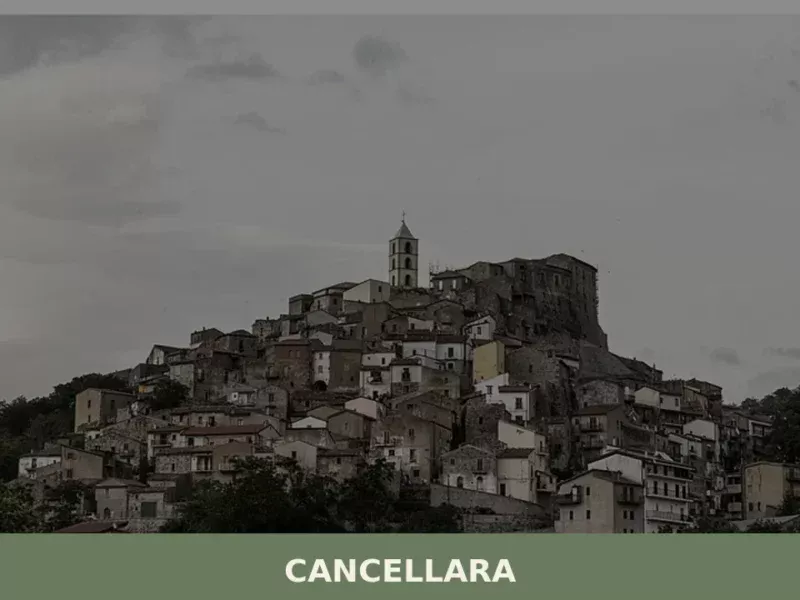
In Basilicata More villages to discover
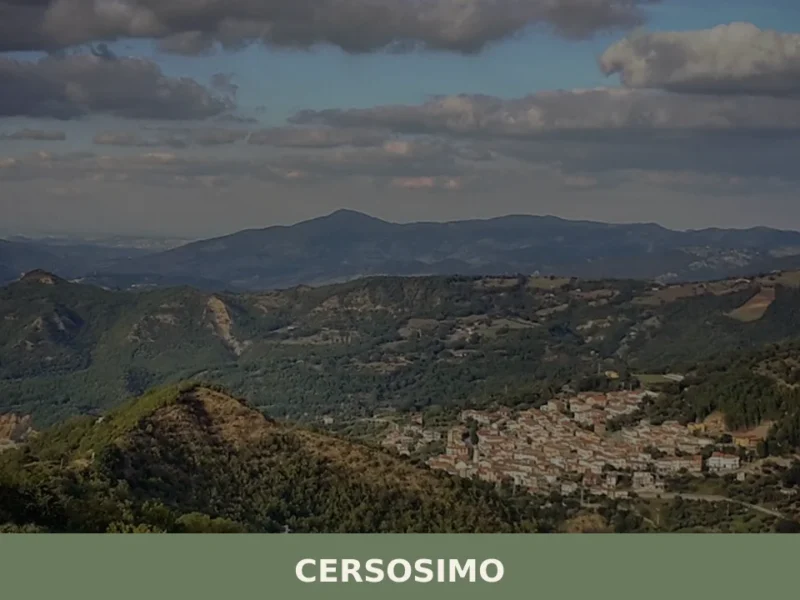
Cersosimo
 Hills
Hills
Discover what to see in Cersosimo, an authentic village in Basilicata. From the Mother Church to the castle remains, explore the history and typical cuisine of this hilltop center in the province of Potenza.

Gallicchio
Mountain
Discover Gallicchio, a hilltop village in Potenza province with a medieval castle, historic streets, and stunning views over the Val d'Agri valley.
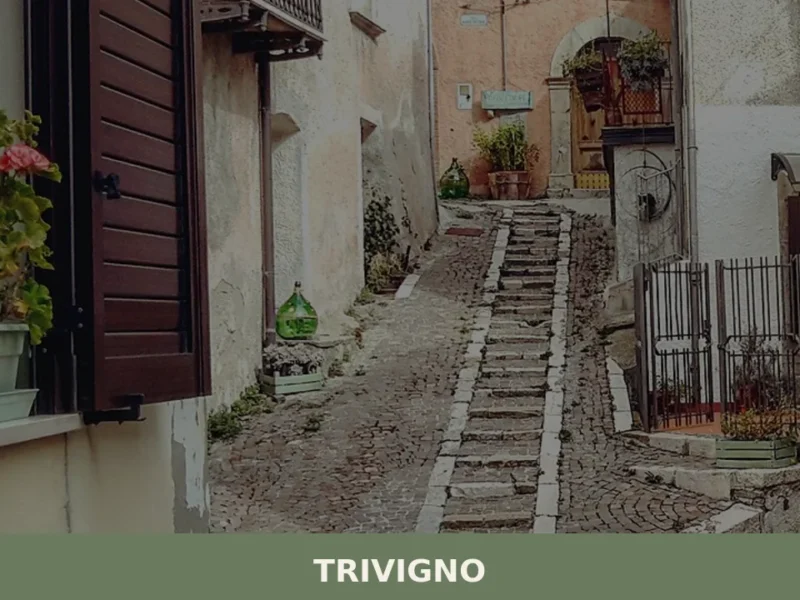
Trivigno
Mountain
Trivigno has a current population of 570 and occupies a ridge at 725 metres above sea level in the middle Basento valley, in the province of Potenza. Its territory extends across fields of durum wheat and Turkey oak woods covering the eastern slopes up to the borders with neighbouring municipalities. Those looking for what to […]
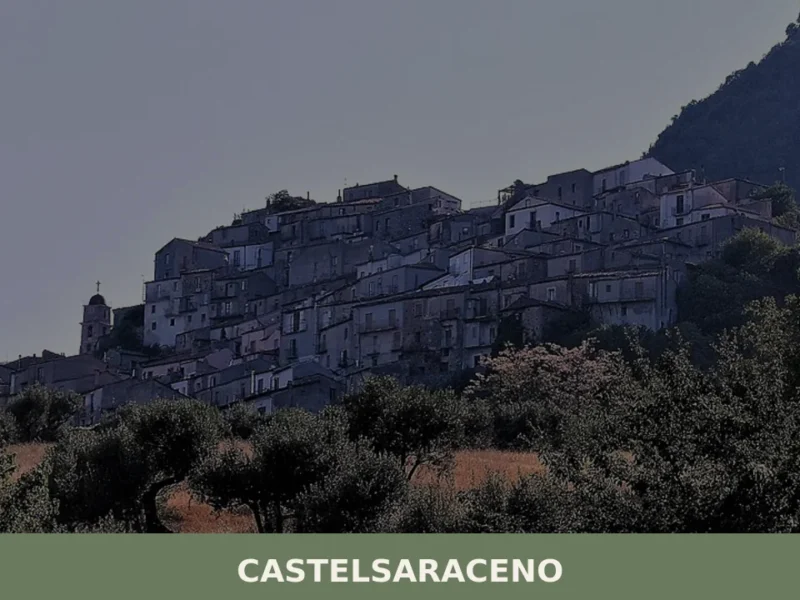
Castelsaraceno
Mountain
What to see in Castelsaraceno, Italy? Explore this mountain village at 916 m (3,005 ft) altitude. Discover the 586 m (1,923 ft) Tibetan Bridge and its historic core. Read our guide.
Armento
Mountain
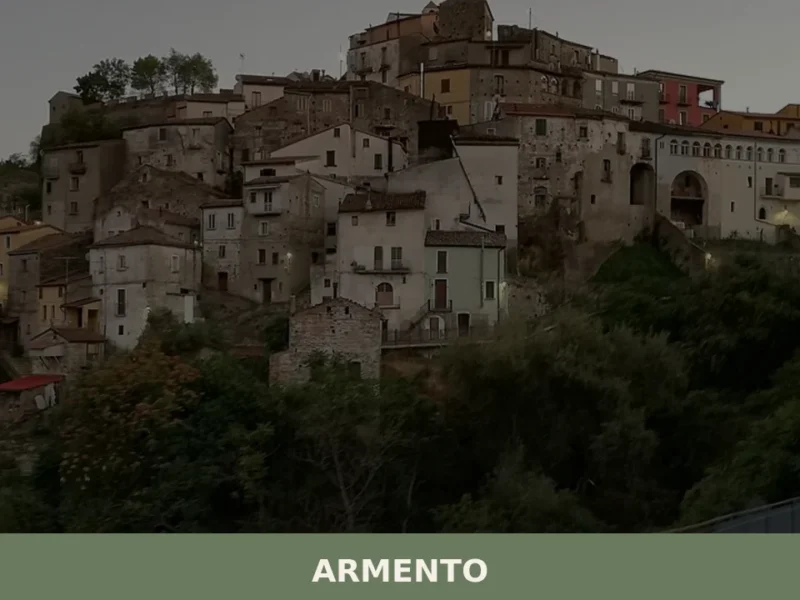
In 1814, a farmer unearthed a Lucanian funerary assemblage dating to the 4th century BC in the countryside around Armento: a golden crown, now held at the Antikensammlung in Munich, which confirmed the presence of a high-ranking Italic settlement in this part of the Val d’Agri. The village sits at 710 metres above sea level […]
Castelluccio Superiore
Mountain
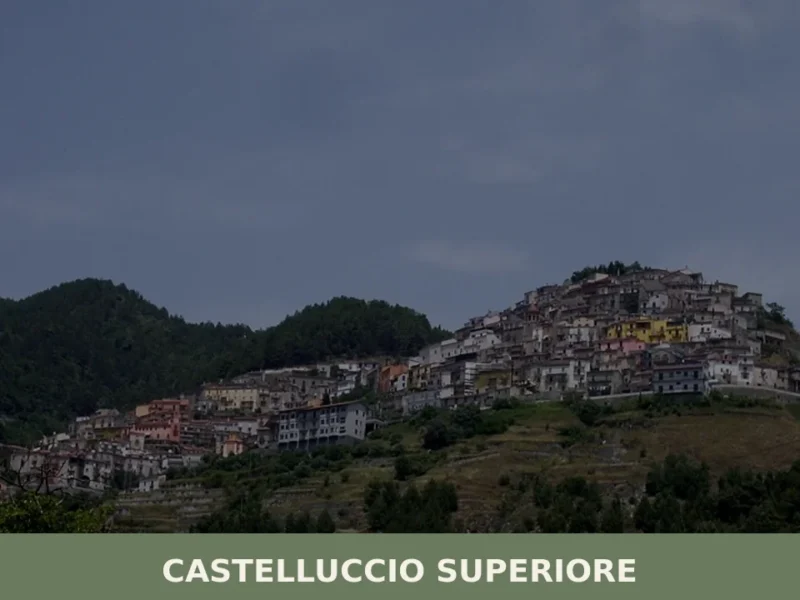
what to see in castelluccio superiore, Italy. Discover this mountain village at 680 m, explore its historic core, and experience the feast of Santa Margherita di Antiochia.
Chiaromonte
Mountain
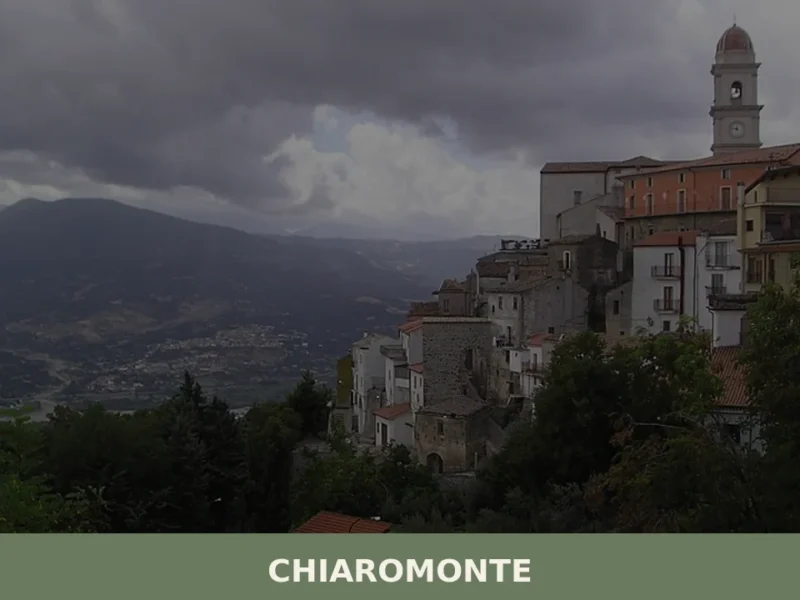
what to see in chiaromonte, Italy: Discover its 794m altitude and delve into its history, from ancient roots to the case study of Montegrano. Explore Basilicata.
Grassano
Hills
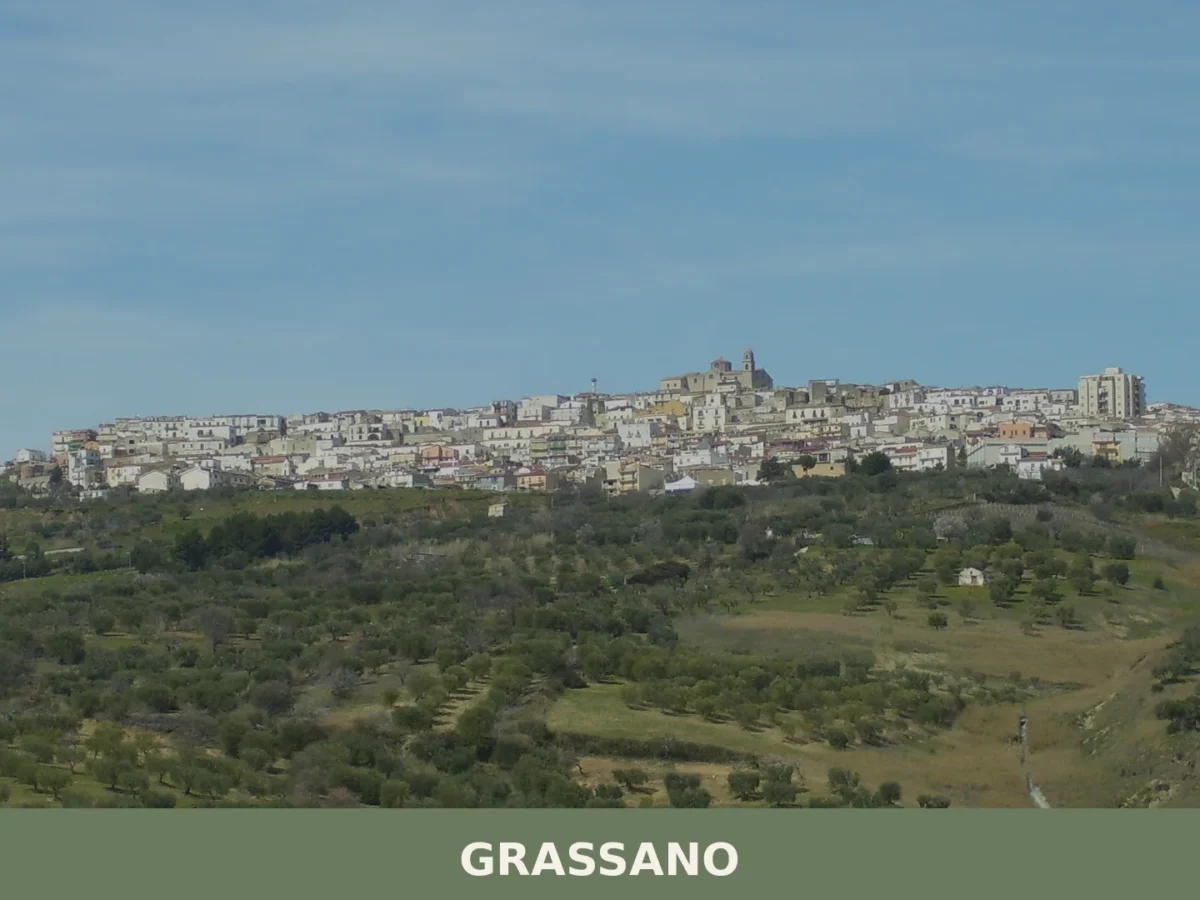
Grassano is a hill town of around 4,500 inhabitants in the province of Matera, Basilicata, with a medieval castle, a Knights of Malta Preceptory and a landscape shaped by two river valleys.
Anzi
Mountain
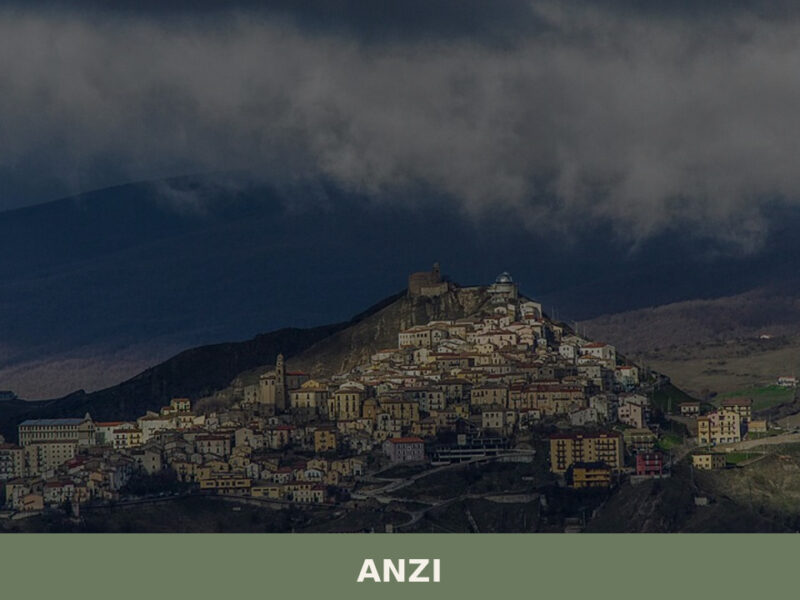
Anzi sits at 1,008 metres above sea level in the province of Potenza, making it one of the highest settlements in Basilicata. Home to 1,745 inhabitants, this small Lucanian village occupies a rocky spur along the upper valley of the Camastra river, surrounded by dense forests of oak and chestnut. For anyone researching what to […]

Forenza
Mountain
Discover Forenza, a hilltop village in Potenza province at 800m, with historic churches, Apennine panoramas, and authentic Lucanian cuisine.




🏡 Know Bella better than we do?
If you’re a local or have been there, your knowledge matters: add what’s missing or fix a detail on this page.