


Grottammare
 Sea
Sea
Home to a perfectly preserved medieval borgo and 15,924 residents, Grottammare offers a rare meeting of Adriatic beaches and Renaissance history on the Marche coast.
Grottammare Marche: Medieval Borgo, Sea & Papal Heritage
Salt and stone. Standing on the seafront promenade as the Adriatic light shifts from silver to amber, you sense that two entirely different towns share this stretch of coast — one looking out to sea, the other climbing the hill behind it, sealed inside its sixteenth-century walls as if the centuries never arrived.
Grottammare Marche rewards visitors with a double identity: a lively beach resort on the Riviera delle Palme and a medieval borgo so intact that it earned a place among I borghi più belli d’Italia, the celebrated circuit of Italy’s most beautiful villages. The birthplace of a Renaissance pope and the setting of a pivotal moment in Italian unification, it carries more history per square metre than its modest altitude of four metres above sea level might suggest.
History and Origins of Grottammare Marche
The roots of Grottammare reach far deeper than its medieval walls. Archaeological finds on the territory reveal traces of human settlement dating to the Neolithic period, and a Picene necropolis uncovered here dates to between the seventh and fifth centuries before the common era, testifying to the area’s importance long before Roman surveyors drew their characteristic grid across it. The modern street layout of the lower town still follows the logic of that Roman plan: two principal axes — the cardo running roughly north to south and the decumano running east to west — converge at the central Piazza Pericle Fazzini, exactly where the ancient forum would once have stood.
During the medieval period, Grottammare passed into the possession of the powerful Abbey of Farfa, one of the great Benedictine institutions of central Italy. In 1214 Aldobrandino I d’Este ceded it to Fermo, and for the following three centuries the town became a contested prize between Fermo and Ascoli Piceno — a rivalry that left its mark on the fortified walls still visible today. Those walls, with their distinctive sixteenth-century construction, were built in response to an era of chronic instability: border disputes with neighbouring communities and, more dramatically, seaborne raids by pirates operating along the Adriatic coast. The town’s position on the 43rd parallel of the northern hemisphere made it visible and vulnerable in equal measure.
Two episodes from later centuries shaped Grottammare’s identity in ways still tangible today. On 12 October 1860, Vittorio Emanuele II met a delegation of Neapolitan notables at Palazzo Laureati — a meeting at which the Kingdom of the Two Sicilies was formally offered to him, making Grottammare an unlikely but real stage of the Risorgimento. Three years later, in 1863, a railway connection linked the town to Ancona and the Abruzzo region, accelerating its economic and demographic growth. Even the twentieth century left scars: on 23 June 1916, two Austro-Hungarian destroyers shelled the town before being driven off by an armed train of the Regia Marina, and Allied bombing raids struck during the Second World War. The lower coastal district, meanwhile, owes its urban grid to an eighteenth-century intervention commissioned under Pope Pius VI in 1779, when the Lombard architect Pietro Augustoni designed the seaside expansion that transformed a fishing settlement into a functioning town.
In 1175, according to local tradition, Pope Alexander III — caught in a violent storm while sailing south from Venice — took refuge in the port of Grottammare. So moved was he by the devotion of the townspeople who gathered in his honour at the monastery of San Martino, he issued a papal bull granting a Plenary Indulgence to all who visited the church whenever the first of July falls on a Sunday — a privilege known as the Sacra Giubilare, reconfirmed by Pope Pius VII in 1803.
What to See in Grottammare: Top Attractions
Chiesa di Santa Lucia and the Museo Sistino
This compact but richly layered church occupies the exact spot where Pope Sixtus V — born Felice Peretti on 13 December 1521, the feast day of Saint Lucy — first drew breath. The construction began on 17 April 1590, commissioned by Sixtus himself and entrusted to his trusted papal architect Domenico Fontana. The original design was extraordinary in ambition: a two-level structure combining a lower church on a Greek-cross plan with an upper church on a Latin cross, effectively a private mausoleum for the Peretti family. Sixtus died on 27 August 1590, barely five months after the first stone was laid, and construction faltered. It was his sister Camilla Peretti who ensured the project continued. What survives today is a brick façade crowned by a bell gable, decorated with travertine details and a refined arched portal bearing the Peretti family arms and the papal coat of arms of Sixtus V — a rampant lion holding a flowering pear branch above a star and a trimonzio. Inside, the square plan inscribes a Greek cross, and the church houses one of the most precious pipe organs in the province of Ascoli Piceno, built in 1752 by Francesco Fedeli. Adjacent to the church, the Museo Sistino displays a bronze medal showing Fontana’s original unrealised design.
Chiesa di San Martino
Set outside the ancient borgo in the locality that shares its name, the Church of San Martino stands on the foundations of a much older sacred site — an Adriatic-Picene sanctuary dedicated to the goddess Cupra. The Benedictine monks of Farfa founded the church between the eighth and ninth centuries, and its presence is documented from the tenth century onwards, when it served as the centre of a wide jurisdictional and religious territory. The building retains its Romanesque structure and shelters a twelfth-to-thirteenth-century fresco of the Madonna del Latte, as well as a detached fresco from the fifteenth or sixteenth century depicting a Crucifixion with the Madonna, a pope, and a bishop-saint. A seventeenth-century painted crucifix on wooden panel completes the interior. The church remains temporarily closed to the public following the seismic event of 30 October 2016, pending structural consolidation works, so check current access before visiting.
Chiesa di Sant’Agostino
Climbing the steep road that connects the marina to the medieval borgo, you pass the sixteenth-century Church of Sant’Agostino, whose exterior already hints at an unusual history. The apse is crenellated like a fortification, and the bell tower was deliberately truncated — local tradition holds that this was done because the Augustinian convent attached to the church once hosted the monk Martin Luther during his journey to Rome, before the Reformation split Western Christianity. A brick inserted above the entrance portal carries the carved date 1517, the year of the monastery’s construction. Inside, a fresco by Vincenzo Pagani depicts the Madonna della Misericordia, and several panels from the Crivellan school of the fifteenth and sixteenth centuries add further artistic weight. The simple ochre-yellow brick façade incorporates salvaged stone fragments and inscribed lapidary pieces, giving the surface a texture that repays close attention. The adjoining rectangular cloister, reached from within the church or from Via Sant’Agostino, is built on full-arch masonry arcades resting on rectangular pilasters.
The Medieval Borgo and Piazza Peretti
Grottammare’s medieval upper town is the centrepiece of its inclusion in I borghi più belli d’Italia. Enclosed within its sixteenth-century walls, the borgo has preserved its entire original building fabric — a rarity on the Adriatic coast where modern development has erased almost everything. The heart of the old town is Piazza Peretti, where the parish Church of San Giovanni Battista presents its façade designed by architect Pietro Maggi. The piazza functions as a natural gathering point, with views stretching across the Adriatic that on clear days extend to the Croatian coast. Walking the narrow lanes at dusk, when day-trippers have descended to the beach and the evening light turns the stone walls gold, gives the most complete sense of the place. The Le Grottë dialect name — still used by older residents — reminds visitors that this hill settlement had its own linguistic identity long before it merged administratively with the coastal town below.
Chiesa di Santa Maria ai Monti and the Oasi di Grottammare
About 400 metres west of the ancient borgo, at the summit of the hill, the former convent complex known today as the Oasi di Grottammare surrounds the Church of Santa Maria ai Monti. The Franciscan friar Nicola da Monteprandone took possession of the site on 14 July 1614, building on a small Marian sanctuary that had stood there since the late fourteenth century — erected as a votive offering against plague. The new church was built so that a Madonna painted on the wall of the original chapel could be preserved within it. A later fire destroyed much of that fresco, but the central image of the Madonna with Child survived and still occupies the apse above the high altar, restored in 2014 to mark the fourth centenary of Franciscan presence at the site. The surrounding natural area provides a quiet green retreat above the coast, popular with walkers looking for shade and panoramic views. Visitors interested in the broader Franciscan heritage of the Marche should consider a detour to Acquaviva Picena, whose hilltop fortifications offer a complementary perspective on medieval life in this corner of the region.
Food and Local Products of Grottammare
The coastal position of Grottammare means that fish and seafood dominate the table in ways that feel entirely natural rather than performed for tourists. The Adriatic here yields brodetto, the local fishermen’s stew that each port town along this coast prepares differently, and Grottammare’s version uses whatever the morning’s catch provides — cuttlefish, monkfish, mullet, clams — cooked in a tomato and white wine base with a sharpness that comes from a splash of vinegar, a detail that distinguishes it from the brodetto of neighbouring San Benedetto del Tronto. Every Tuesday after Easter, the sea directly in front of the Church of San Francesco di Paola hosts the traditional palio dei pescherecci, a boat race that keeps the fishing community’s identity alive even as tourism has become the dominant industry.
Moving inland from the shore, the territory of Grottammare sits within the agricultural heartland of the Ascoli Piceno province, and the products of those hills and valleys arrive at local markets and restaurant tables with confidence. Olive ascolane — the large, tender olives grown in the Tronto valley, stuffed with a meat mixture and deep-fried — appear on almost every antipasto plate and represent one of the most distinctively regional flavours you will encounter anywhere in the Marche. Alongside them, cured meats from the interior, local sheep’s cheeses, and fresh pasta forms like vincisgrassi (the region’s layered baked pasta, richer and more complex than a standard lasagne) fill out a table that balances sea and land with ease. The wines of the province, particularly those made from the Pecorino grape — a white variety that thrives on the slopes above the coast — pair naturally with both fish dishes and lighter meat preparations. Those wishing to explore the agricultural traditions of the wider area further will find excellent context in Altidona and the villages of the Fermano coast to the north.
The food culture of Grottammare is also shaped by its festivals. The summer months bring outdoor dining to the seafront and the borgo alike, with sagre celebrating local ingredients and the kind of informal conviviality that makes eating here feel like participation rather than consumption. Gelaterias and bar terraces along the promenade stay busy into the late evening throughout the summer season, and the general quality of casual eating — good fried fish at a seafront kiosk, a glass of cold Pecorino at a table overlooking the Adriatic — reflects a community that takes its food seriously without making it intimidating. For visitors who want to combine beach days with serious eating, the combination of morning market, midday fish lunch, and evening passeggiata through the borgo is a near-perfect itinerary.
When to Visit Grottammare and How to Get There
Grottammare’s climate is genuinely mild by Italian coastal standards: annual average temperatures hover around 15 degrees Celsius, winters are temperate, and summers are warm without becoming oppressive. Annual rainfall sits between 600 and 700 millimetres, mostly concentrated in autumn and spring. July and August bring the highest visitor numbers — the beaches fill, the borgo hosts evening events, and the restaurants along the lungomare operate at full capacity. If you prefer the borgo without crowds, late May, June, and September offer warm weather, open restaurants, and a more relaxed pace. The spring flowering of the palm trees along the seafront promenade gives the Riviera delle Palme its name and its most photogenic weeks. Winter visits are quiet but rewarding — the medieval streets are almost empty, the views across the Adriatic unobstructed, and several religious sites allow a more contemplative experience.
Getting to Grottammare is straightforward from most parts of central Italy. The town sits on the Adriatic rail line, first connected to Ancona and the Abruzzo region in 1863, meaning direct trains from Bologna, Ancona, Pescara, and Rome (with change at San Benedetto del Tronto) all serve the station. By road, the A14 motorway runs parallel to the coast, with the Grottammare-San Benedetto exit providing direct access. The official municipal website at comune.grottammare.ap.it publishes current information on parking, local bus services, and seasonal events. Visitors arriving with time to explore the wider Ascoli Piceno province will find that Ascoli Piceno itself is only a short drive inland, while the hilltop villages of Appignano del Tronto and Acquasanta Terme reward a half-day excursion into the Tronto valley.
| Departure | Distance | Time |
|---|---|---|
| Ancona | approx. 85 km | 55 min by car / 1h by train |
| Ascoli Piceno | approx. 35 km | 40 min by car |
| Pescara | approx. 75 km | 50 min by car / 1h by train |
| Bologna | approx. 250 km | 2h 30 min by car / 2h by high-speed train to Ancona then regional |
| Rome | approx. 290 km | 3h by car / 3h 30 min by train with change |
Frequently asked questions about Grottammare
Come si raggiunge Grottammare in auto o in treno?
In auto, si percorre l'Autostrada A14 (Bologna–Taranto) uscendo al casello di Grottammare/San Benedetto del Tronto. In treno, la stazione di Grottammare si trova sulla linea Adriatica (Bologna–Lecce), servita da Trenitalia con collegamenti frequenti da Ancona (circa 1 ora) e Pescara (circa 1 ora). La stazione è situata nella parte bassa, a pochi minuti a piedi dal lungomare.
Quando si festeggia il patrono San Paterniano a Grottammare?
San Paterniano è venerato il 10 luglio. Il santo fu vescovo di Fano e la sua devozione è radicata nella tradizione religiosa locale. I festeggiamenti includono celebrazioni liturgiche e momenti di aggregazione popolare. Visitare Grottammare in questa data permette di vivere un aspetto autentico della cultura marchigiana, lontano dai grandi circuiti turistici di massa.
Esistono percorsi cicloturistici o sentieri nei dintorni di Grottammare?
Grottammare è attraversata dalla Ciclovia Adriatica, un itinerario a lunga percorrenza che segue la costa adriatica collegando numerose località balneari delle Marche. Il percorso pianeggiante lungo il mare è adatto a tutti. Verso l'entroterra collinare si aprono strade secondarie con panorami sul mare e sulle colline picene, frequentate da cicloturisti in cerca di un'alternativa più impegnativa rispetto al tracciato costiero.
Quanto tempo dedicare alla visita di Grottammare?
Per visitare sia il borgo medievale in altura che il lungomare della parte bassa, si consiglia di dedicare almeno una giornata intera. Il centro storico alto, con le sue mura cinquecentesche e i vicoli, richiede circa due ore a piedi. Aggiungendo una passeggiata sul lungomare della Riviera delle Palme e una sosta gastronomica, mezza giornata extra è sufficiente per un'esperienza completa e rilassata.
Quali sono i prodotti tipici e la cucina locale da assaggiare a Grottammare?
Grottammare e il litorale piceno offrono una cucina fortemente legata al mare: brodetto di pesce alla sambenedettese, frittura dell'Adriatico e vincisgrassi nelle versioni costiere. Tra i prodotti locali spiccano l'oliva Ascolana tenera DOP, utilizzata per le celebri olive all'ascolana fritte, e i vini del Piceno come il Rosso Piceno DOC e il Falerio DOC, prodotti nelle colline immediatamente nell'entroterra.
📷 Photo Gallery — Grottammare


In Marche More villages to discover
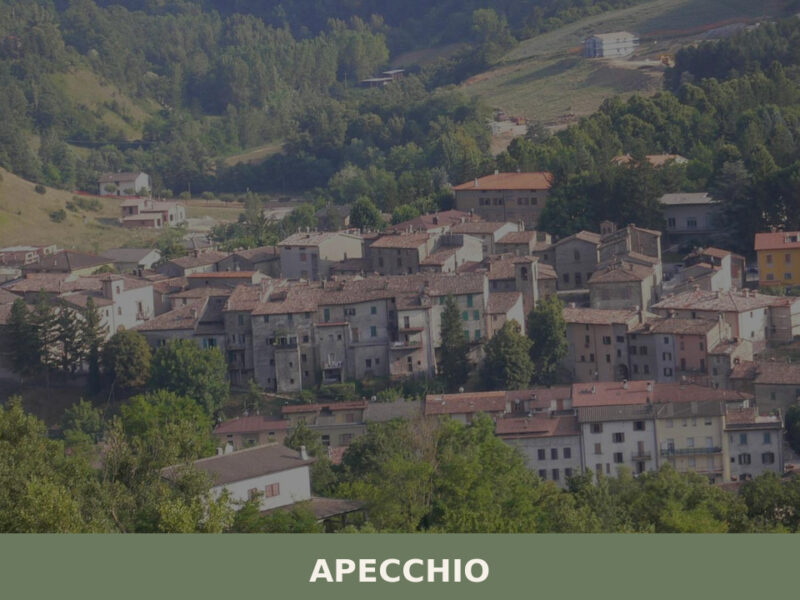
Apecchio
 Hills
Hills
Morning mist lifts off the Biscubio river and the medieval bridge emerges in grey stone, its arches still carrying the weight of six centuries. A bell tower marks the hour above terracotta rooftops, and the smell of woodsmoke mixes with damp earth from the surrounding Apennine slopes. At 493 metres above sea level, this small […]
Monteciccardo
Hills
Monteciccardo first appears in a document from 1233 under the name Mons Sicardi, referring to a Lombard lord of whom no other trace survives. Standing at 384 metres above sea level, with its 1,643 inhabitants spread between the historic centre and scattered hamlets, the village commands a stretch of the Pesaro hills sloping down towards […]
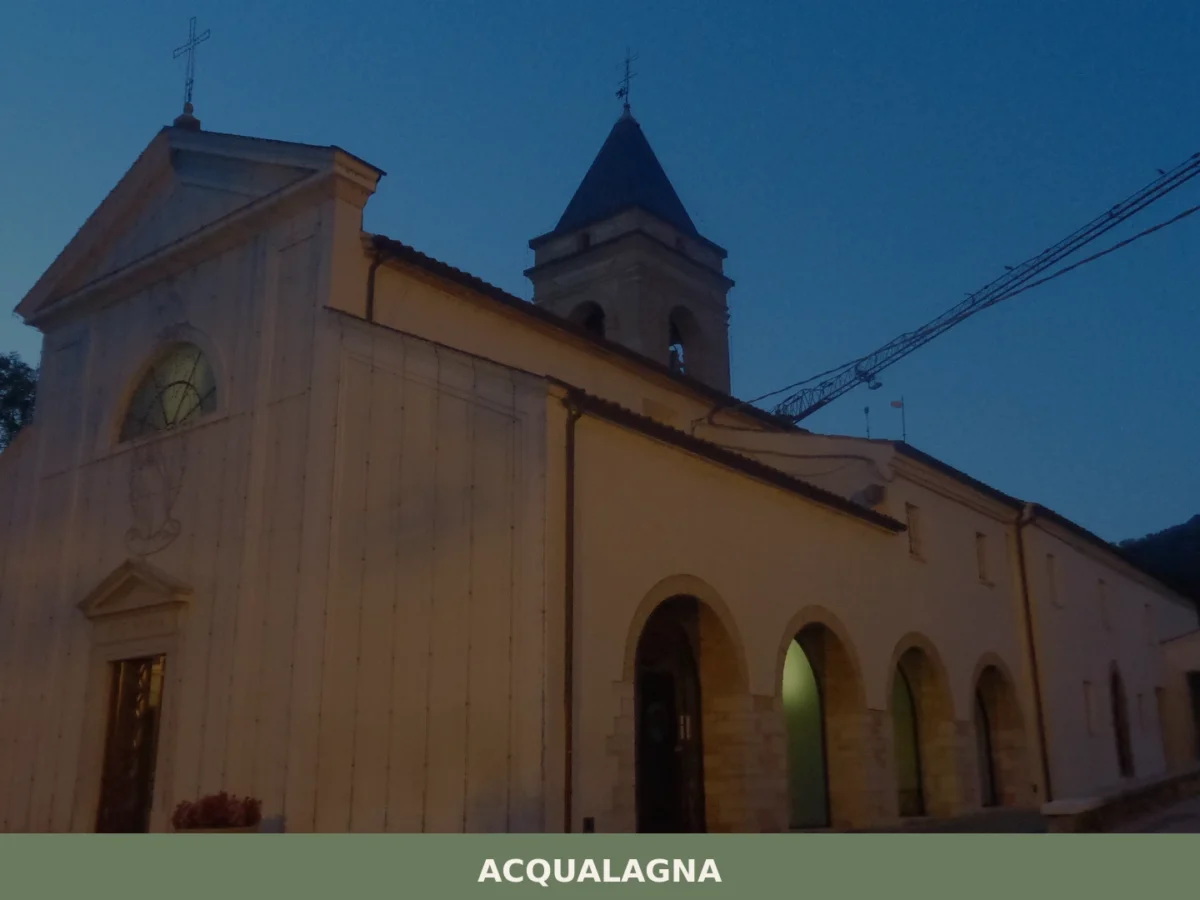
Acqualagna
 Plains
Discover what to see in Acqualagna, Marche: the Furlo Gorge, Via Flaminia, white truffle fairs and Apennine woodlands. Practical travel guide to Pesaro e Urbino.
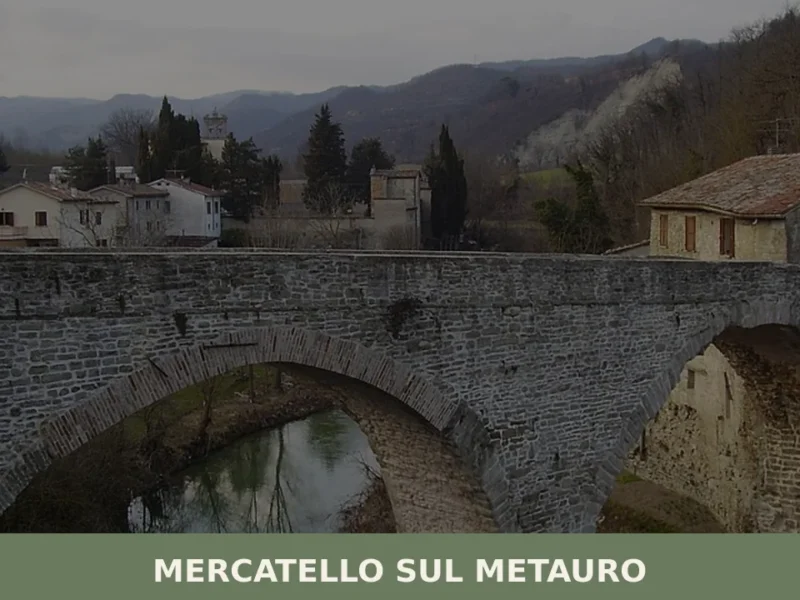
Mercatello sul Metauro
Hills
Mercatello sul Metauro has a current population of 1,326 and sits at an elevation of 429 metres in the middle Metauro valley, in the province of Pesaro and Urbino. The village owes its identity to one specific figure: Saint Veronica Giuliani, a Capuchin mystic born here in 1660, beatified in 1804 and canonised in 1839. […]
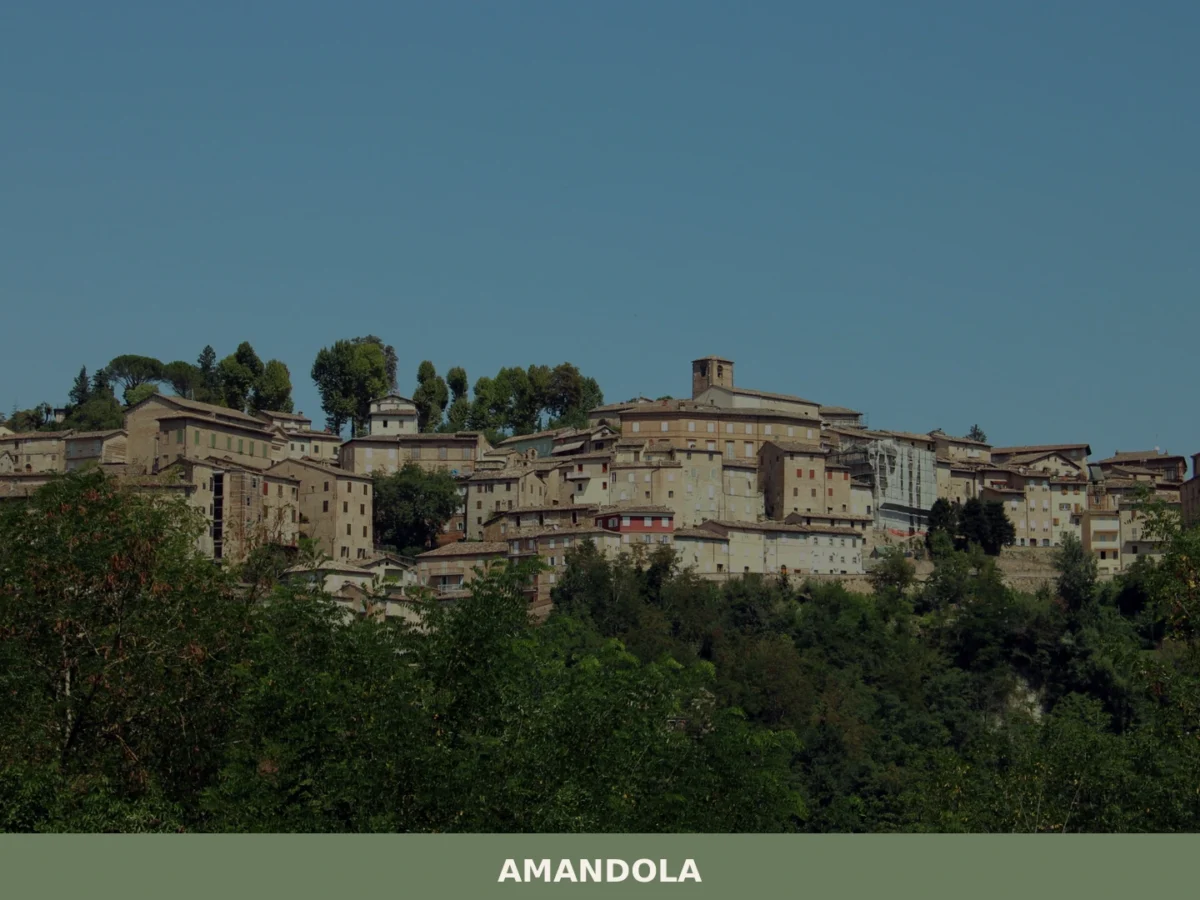
Amandola
Hills
What to see in Amandola: 5 attractions in this Marche village, from the historic centre to the Sibillini Mountains. Discover the complete guide and plan your visit.
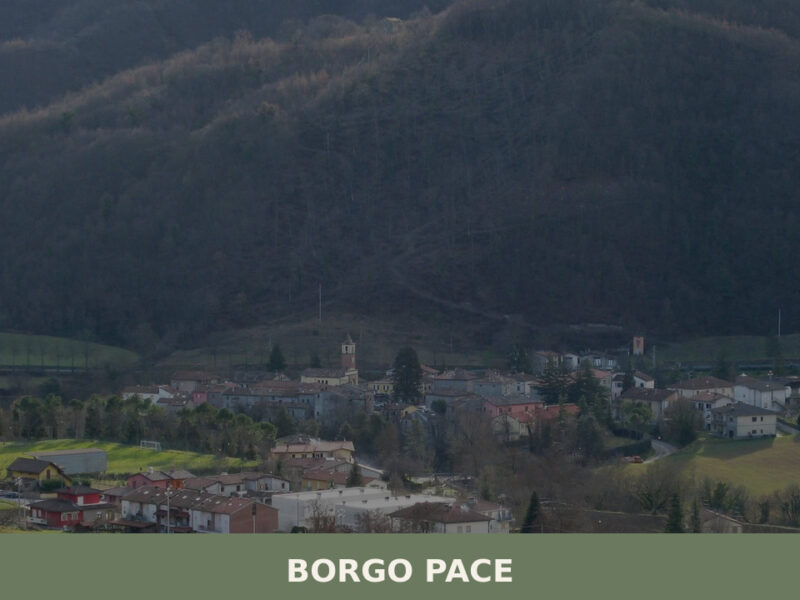
Borgo Pace
Hills
Two rivers converge here — the Meta and the Auro — and their meeting point gives this settlement its ancient rhythm. In the early morning, mist lifts off the water and clings to stone walls darkened by centuries of wood smoke. Borgo Pace sits at the edge of the Apennine watershed in the province of […]
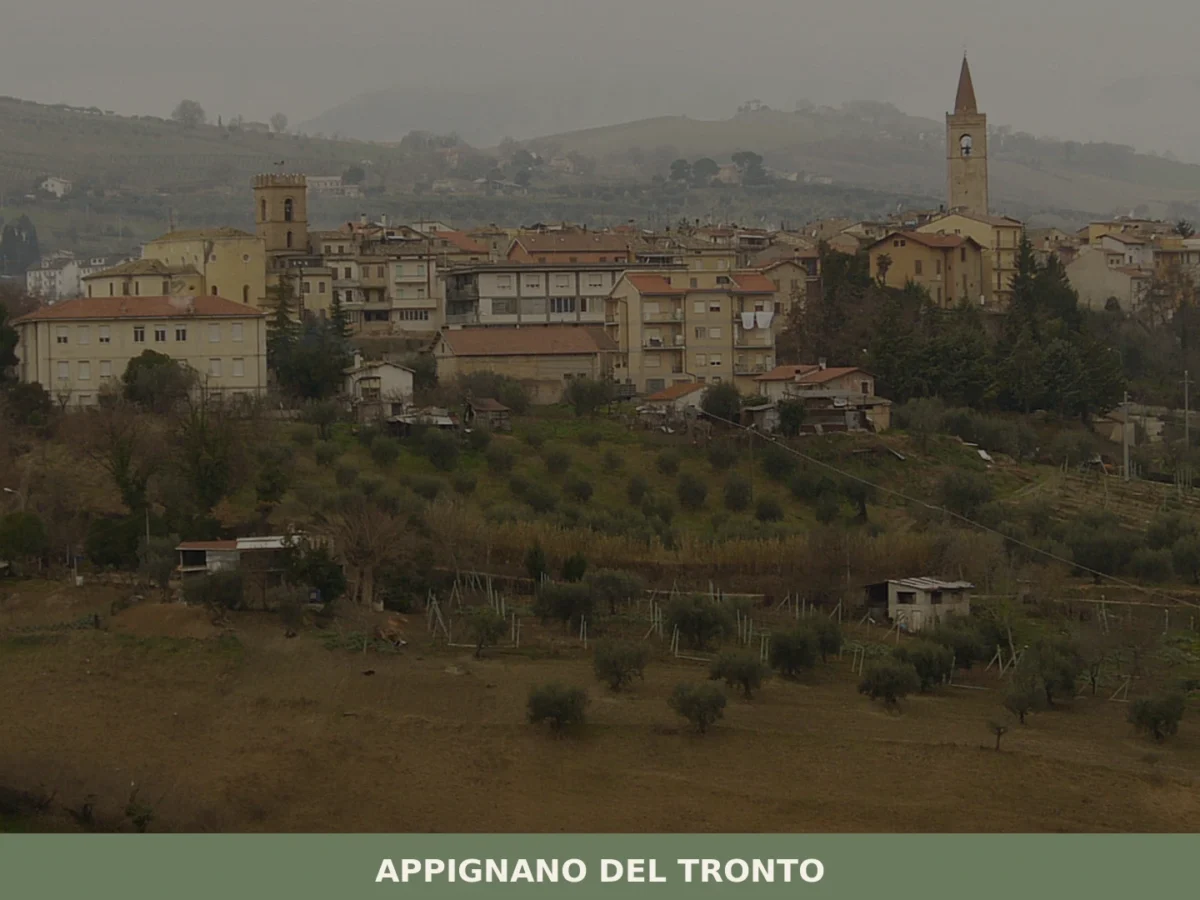
Appignano del Tronto
Plains
What to see in Appignano del Tronto, Italy: 9 km from Ascoli Piceno, discover top attractions, local food, and travel tips for this Marche village. Explore now.
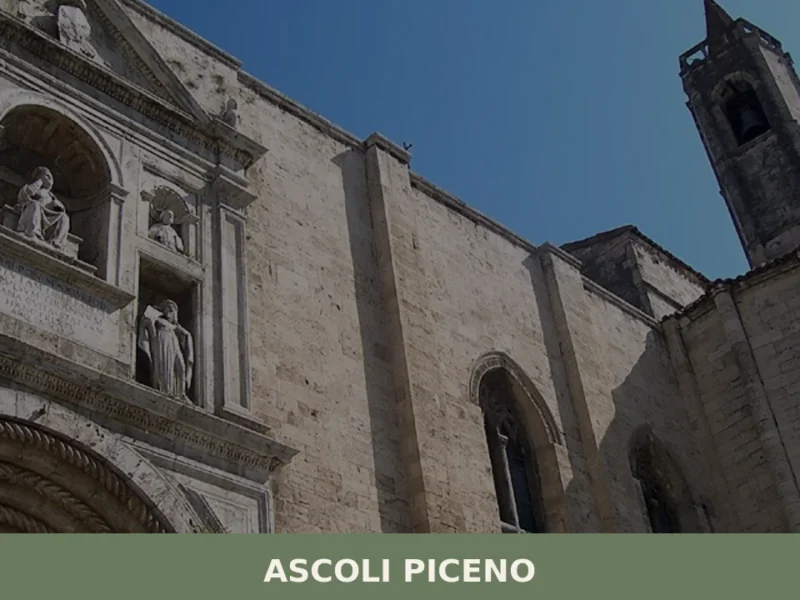
Ascoli Piceno
Plains
At 154 meters above sea level, in the heart of southern Marche, Ascoli Piceno rises between the waters of the Tronto river and its tributary, the Castellano, a natural crossroads that has shaped its identity over millennia. In this article History and origins of Ascoli Piceno What to see in Ascoli Piceno: main attractions Typical […]
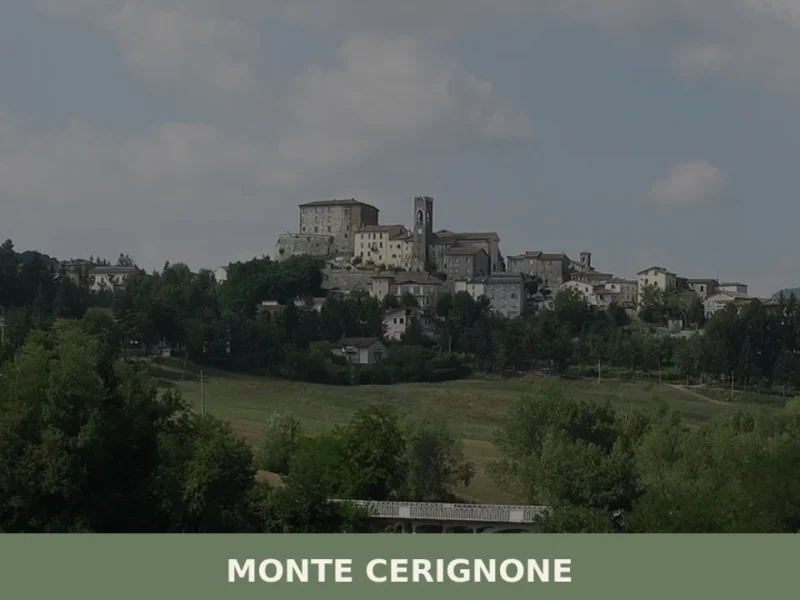
Monte Cerignone
Hills
What to see in Monte Cerignone: discover 5 must-see attractions, from Malatesta Fortress to St. Blaise Church. Plan your trip to this Marche village.
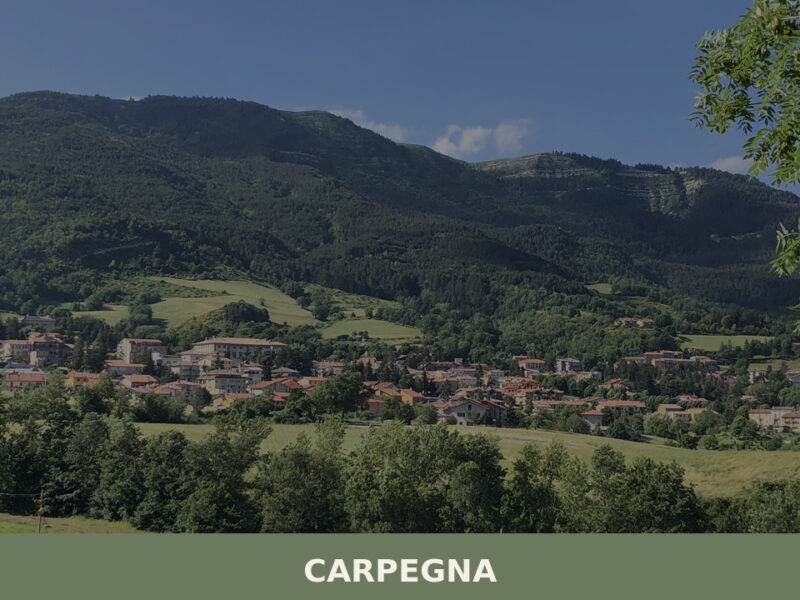
Carpegna
 Mountain
Morning mist lifts off Monte Carpegna in slow, deliberate layers, revealing stone walls the colour of raw honey and a bell tower that has marked the hours here for centuries. The village sits at the foot of its namesake peak in the province of Pesaro e Urbino, home to just 1,672 residents who move through […]
🏡 Know Grottammare better than we do?
If you’re a local or have been there, your knowledge matters: add what’s missing or fix a detail on this page.