


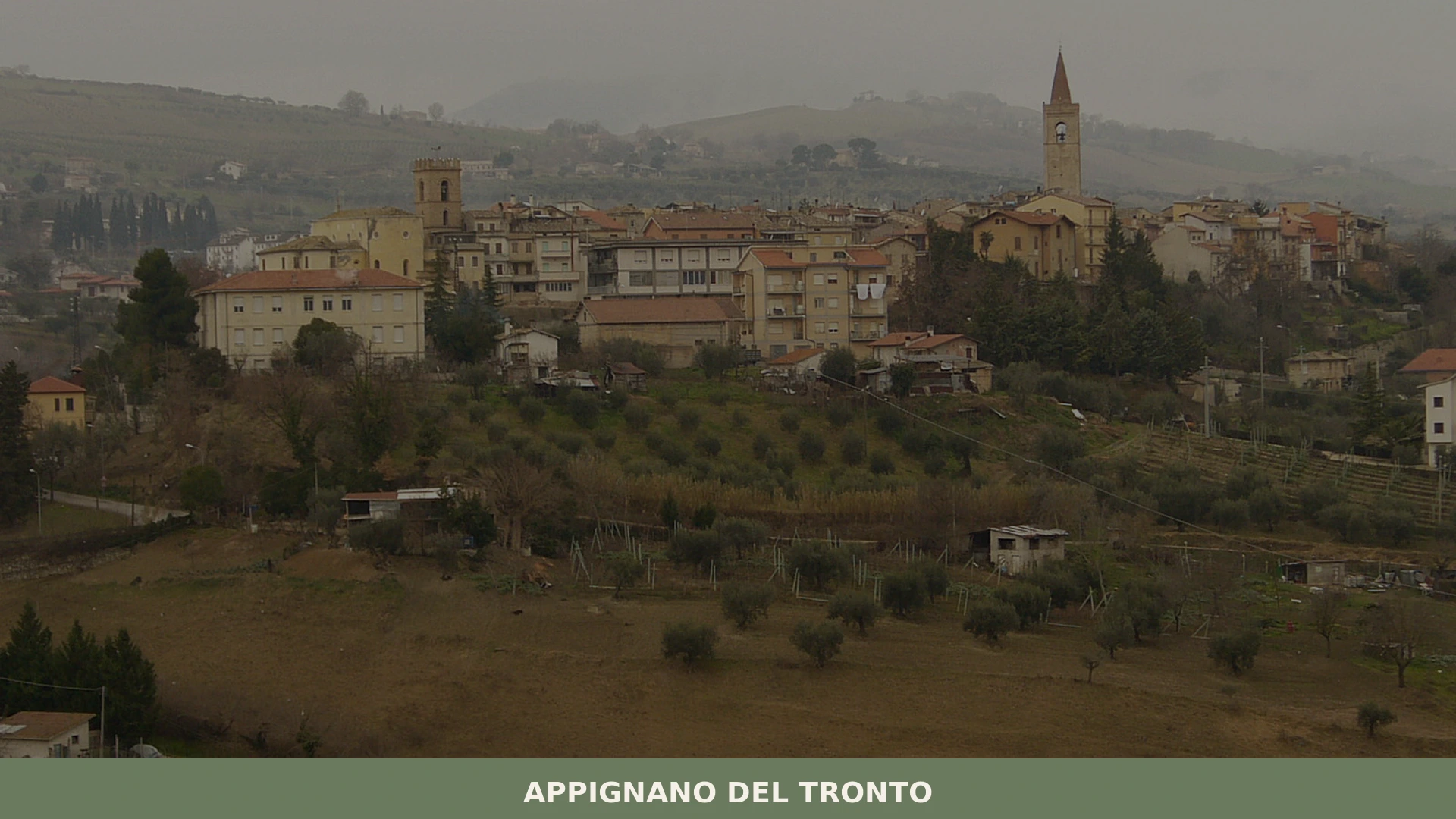
Appignano del Tronto
 Plains
What to see in Appignano del Tronto, Italy: 9 km from Ascoli Piceno, discover top attractions, local food, and travel tips for this Marche village. Explore now.
Discover Appignano del Tronto
The Tronto valley cuts eastward from the Apennine ridge toward the Adriatic coast, and at a point roughly 80 km (50 mi) south of Ancona, the low hills along its northern bank carry the compact outline of a small medieval settlement. Stone walls, a bell tower, and a cluster of rooftops announce the municipality before any road sign does.
The village borders four distinct municipalities — Ascoli Piceno, Castel di Lama, Castignano, and Offida — which means its territory sits at a crossroads of historical routes that connected the mountains to the coastal plain for centuries.
Knowing what to see in Appignano del Tronto begins with understanding its position: just 9 km (5.6 mi) northeast of Ascoli Piceno, in the Province of Ascoli Piceno, Marche, Italy.
Visitors to Appignano del Tronto find a compact historic centre with a medieval tower, a parish church, and farmland views stretching toward the Sibillini foothills. The Appignano del Tronto highlights include the old fortified nucleus, the rural landscape of the Tronto corridor, and proximity to several culturally significant neighbouring municipalities.
History of Appignano del Tronto
The name Appignano likely derives from the Latin Appinianum, a form indicating a Roman-era estate or agricultural holding tied to a personal name — a naming pattern widespread across the Picene territory during the late Republican and Imperial periods.
This type of toponym signals that the site was already inhabited and economically organised well before the medieval consolidation of the settlement. The suffix linking to the Tronto river was added in the modern administrative era to distinguish this comune from other localities with similar names elsewhere in central Italy.
During the medieval period, control over small hilltop settlements along the Tronto valley was contested between local lordships and the larger authority of Ascoli Piceno, which dominated the valley as a major episcopal and communal centre.
Appignano del Tronto, positioned just 9 km (5.6 mi) from that city, would have fallen within its political and economic orbit for much of the medieval and early modern period.
The village shares this pattern of dependency on a larger urban centre with other settlements in the Province of Ascoli Piceno, including Acquaviva Picena, which developed its own defensive structures in the same broader historical context of competing local powers across southern Marche.
In the modern era, Appignano del Tronto was formally constituted as an autonomous comune — the standard Italian municipal administrative unit — within the Province of Ascoli Piceno in the region of Marche. Its borders with Ascoli Piceno to the southwest, Castel di Lama to the east, Castignano to the south, and Offida to the southeast reflect territorial boundaries that were largely fixed during the post-unification administrative reorganisation of Italy in the nineteenth century.
Today the municipality functions as a small residential and agricultural community, connected to Ascoli Piceno by road and integrated into the broader economic and cultural life of the Tronto valley.
What to see in Appignano del Tronto, Marche: top attractions
The Historic Fortified Nucleus
The oldest part of Appignano del Tronto retains the compact, enclosed form typical of hilltop settlements built for defensive purposes in the medieval Apennine foothills.
Stone construction dominates, with load-bearing walls that follow the natural contour of the terrain rather than a formal grid plan. The layout reflects the practical priorities of a community that needed to control sightlines across the Tronto valley while remaining within reach of Ascoli Piceno’s resources and authority. Visitors exploring the historic centre should walk the perimeter of the original built area, where the transition between the medieval core and later agricultural expansion remains visible in the change of building materials and street widths.
The Parish Church
The parish church of Appignano del Tronto stands within the historic centre and represents the primary religious monument of the village.
Like many rural churches in the Province of Ascoli Piceno, it was built and modified across multiple centuries, with the current structure incorporating elements from different periods of local ecclesiastical patronage. The interior typically preserves votive paintings, carved stonework, and furnishings accumulated by the local community over several generations. The church functions as both an active place of worship and the main architectural focal point of the village centre, and it is worth arriving in the morning when the light enters the nave directly.
Views over the Tronto Valley
From the elevated position of the village, the Tronto valley is visible in both directions — toward Ascoli Piceno to the southwest and toward the Adriatic lowlands to the northeast.
The valley floor at this point lies several dozen metres below the village, and the fields between the river and the surrounding hills show the intensive olive and cereal cultivation that has characterised this part of Marche for at least two millennia. No special infrastructure is needed to access this viewpoint — the edge of the historic centre itself provides the vantage point.
The best visibility occurs in autumn and late spring, when atmospheric haze is minimal and the Sibillini range is visible to the northwest.
The Surrounding Agricultural Landscape
Appignano del Tronto borders Offida to the southeast, a municipality known across the Marche region for its Pecorino and Rosso Piceno wine production, and the agricultural land between these two settlements carries the same viticultural and olivicultural character. The fields immediately surrounding the village combine olive groves, vineyards, and cereal plots arranged on gentle slopes between 200 m and 400 m (656 ft and 1,312 ft) above sea level. Walking the rural roads that connect Appignano del Tronto to its neighbouring municipalities provides direct contact with this working landscape and takes roughly one to two hours depending on the route chosen.
Connections to Castignano and the Castignano Corridor
Castignano, which shares a municipal border with Appignano del Tronto to the south, lies along a secondary road that climbs from the Tronto valley toward the Tesino valley, a route used since Roman times to move goods and people between the coast and the interior.
The road between these two villages passes through terrain that shows the geological layering of the central Apennine foothills — alternating clay and sandstone bands exposed by road cuts and erosion.
This corridor gives the Appignano del Tronto area a geographic depth that extends beyond the village itself, and travellers interested in the rural Marche landscape can use this route as an itinerary linking several small municipalities within a single half-day drive.
Local food and typical products of Appignano del Tronto
The food culture of the Province of Ascoli Piceno is rooted in the convergence of two distinct agricultural zones: the Apennine interior, which produces lamb, legumes, truffles, and cured meats, and the coastal and valley lowlands, which supply olive oil, wine, and wheat. Appignano del Tronto sits squarely in the valley corridor that connects these two zones, and its local cuisine reflects both influences. The Tronto valley has historically been a transit route for agricultural goods moving between Ascoli Piceno and the Adriatic port of San Benedetto del Tronto, and the food traditions of the smaller municipalities along this corridor share the same core ingredients.
Among the dishes associated with this part of Marche, vincisgrassi — a baked pasta preparation made with layers of fresh egg pasta, meat ragù, and béchamel — is the most formally documented regional speciality, with historical references placing it in the Ascoli Piceno area at least since the eighteenth century.
Olive ascolane, large green olives stuffed with seasoned minced meat, breaded and fried, are produced and consumed throughout the province and are closely associated with the city of Ascoli Piceno 9 km (5.6 mi) away.
Locally produced olive oil, pressed from cultivars including Ascolana Tenera, accompanies virtually every meal and is used both as a cooking medium and as a condiment for grilled vegetables and legume soups. Brodetto, a fish stew with vinegar, is less common this far inland but appears on menus during festive periods when fresh fish is transported from the coast.
The broader Ascoli Piceno production zone includes several certified agricultural products. Oliva Ascolana del Piceno (PDO) is produced across a defined area of municipalities in the Province of Ascoli Piceno and the Province of Teramo in Abruzzo, covering settlements including Ascoli Piceno, Castel di Lama, Castignano, and Offida — all of which border Appignano del Tronto directly.
The Rosso Piceno (DOC) and Falerio (DOC) wine designations also apply to vineyards in this corridor, with Montepulciano and Sangiovese grapes forming the base of the red blends and Trebbiano and Passerina contributing to the white and rosé versions.
Local agricultural products can be found at the weekly market in Ascoli Piceno, which operates in the city centre and draws producers from the surrounding municipalities including those of the Tronto valley.
For certified olive oil and wine, the most reliable source is directly from farms along the secondary roads connecting Appignano del Tronto to Offida and Castignano, where several agricultural producers sell directly to visitors during the harvest period in October and November.
Festivals, events and traditions of Appignano del Tronto
As with most small municipalities in the Province of Ascoli Piceno, the annual calendar of Appignano del Tronto is organised around the patronal feast day, which brings the resident community together for a religious procession followed by communal meals and, in many cases, fireworks in the evening. The specific date of the patron saint’s feast depends on the dedication of the parish church, which follows the liturgical calendar of the Diocese of Ascoli Piceno.
Religious observance in this part of Marche typically combines a morning mass with a street procession carrying the statue of the patron saint through the historic centre.
The broader festive calendar of the Tronto valley includes several well-documented events in the surrounding municipalities that residents and visitors from Appignano del Tronto attend regularly.
Ascoli Piceno hosts the Quintana, a historical jousting tournament held in the Piazza del Popolo in July and August, drawing participants in medieval costume from the city’s six historical districts. The olive harvest in October and early November generates informal local activity across the valley, with pressing mills operating and direct sales available at farms.
These seasonal rhythms — religious feasts in summer and agricultural cycles in autumn — define the practical social calendar of the village more concretely than any individual fixed event.
When to visit Appignano del Tronto, Italy and how to get there
The best time to visit Appignano del Tronto and the surrounding Tronto valley is late spring, between mid-April and mid-June, when temperatures in the valley range between 16°C and 26°C (61°F and 79°F), road conditions are reliable, and the agricultural landscape is fully in season. Early autumn, from September through October, offers a second strong window: the olive and grape harvests are underway, and the heat of the interior summer has dissipated.
July and August bring higher temperatures and the concentration of tourists in Ascoli Piceno for the Quintana festival, which can affect accommodation availability and road traffic within 9 km (5.6 mi) of the city. International visitors should note that English is not widely spoken in smaller shops and local bars in villages of this size, and carrying euro cash is advisable for purchases at local farms and markets.
Appignano del Tronto is most easily reached by car.
From Ascoli Piceno, take the SS4 Via Salaria eastward and follow the secondary provincial roads toward Castel di Lama and then north toward Appignano del Tronto — the total distance from Ascoli Piceno is approximately 9 km (5.6 mi). From Rome, the journey covers roughly 200 km (124 mi) via the A24 motorway toward L’Aquila, then continuing northeast on the SS80 and SS4 through the Tronto valley; travel time by car is approximately 2.5 to 3 hours depending on traffic.
The nearest Trenitalia rail connection is Ascoli Piceno station, served by regional trains from San Benedetto del Tronto on the Adriatic coast; from the station, a local bus or taxi covers the remaining 9 km (5.6 mi) to the village. The nearest international airport is Pescara Abruzzo Airport, located approximately 90 km (56 mi) to the south, with connections to several European cities; from Pescara, the drive to Appignano del Tronto takes approximately 1 hour and 15 minutes via the A14 motorway and the SS4.
For those considering a day trip from a major hub, Appignano del Tronto is within feasible range of both Rome and Bologna, though Bologna is considerably farther at roughly 330 km (205 mi) to the north.
Travellers extending their visit westward into the Marche interior may find the route toward Borgo Pace in the upper Metauro valley worth considering, as it represents a different face of the region — further from the Adriatic influence and deeper into the Apennine watershed. Closer to hand, those spending more than one day in the area can reach Carpegna in northern Marche as part of a broader regional circuit, though the drive requires crossing several valleys and takes the better part of a morning.
Frequently asked questions about Appignano del Tronto
What is the best time to visit Appignano del Tronto?
The ideal times to visit Appignano del Tronto are late spring and autumn. Late spring, especially around April 23rd, allows visitors to experience the Festa Patronale in honor of San Giorgio. Both seasons offer excellent atmospheric clarity for enjoying the panoramic views of the Tronto Valley and the distant Sibillini Mountains. Autumn also aligns with the local harvest periods, providing opportunities to taste fresh olive oil and wines directly from nearby producers. The mild climate during these months is perfect for exploring the historic center and walking the surrounding agricultural roads.
What are the historical origins of Appignano del Tronto?
Appignano del Tronto's origins trace back to the Roman era, with its name likely deriving from u0022Appinianum,u0022 indicating a Roman estate or agricultural holding. This suggests the area was settled and economically active long before the medieval period. The village consolidated its defensive structure during the Middle Ages, often falling under the influence of Ascoli Piceno. The u0022del Trontou0022 suffix was added in modern administrative times to distinguish it from other Italian localities with similar names, reflecting its strategic position along the Tronto river valley.
What to see in Appignano del Tronto? Main monuments and landmarks
Visitors to Appignano del Tronto should explore its compact Historic Fortified Nucleus, which retains the defensive architecture typical of medieval hilltop settlements in the Marche region. Within this core stands the Parish Church, the village's main religious monument, featuring elements from various historical periods and preserving local ecclesiastical art. From the elevated position of the historic center, enjoy expansive Views over the Tronto Valley, stretching towards Ascoli Piceno and the Adriatic lowlands, offering glimpses of the intensive olive and cereal cultivation below.
What are the main natural or scenic attractions of Appignano del Tronto?
Appignano del Tronto offers captivating natural and scenic attractions, primarily centered around its elevated position and the surrounding landscape. The panoramic Views over the Tronto Valley are a highlight, providing vistas towards the Sibillini Mountains to the northwest and the Adriatic lowlands. The Surrounding Agricultural Landscape, characterized by gentle slopes adorned with olive groves, vineyards, and cereal plots, invites leisurely walks on rural roads. Additionally, the u0022Castignano Corridoru0022 offers a scenic driving route, revealing interesting geological layers of the central Apennine foothills.
Where to take the best photos in Appignano del Tronto?
For the most striking photographs in Appignano del Tronto, position yourself along the perimeter of the Historic Fortified Nucleus. This elevated vantage point offers sweeping panoramic views of the Tronto Valley, ideal for capturing the vast agricultural landscape and the distant Sibillini Mountains, particularly during the clear light of late spring or autumn. Additionally, explore the rural roads connecting Appignano del Tronto to neighboring municipalities like Offida and Castignano, where you can photograph picturesque olive groves, vineyards, and the unique geological formations of the Apennine foothills.
Are there museums, churches or historic buildings to visit in Appignano del Tronto?
Yes, Appignano del Tronto features significant historic buildings and a church worthy of a visit. The Parish Church, located within the historic center, serves as the primary religious monument, showcasing architectural elements and local artistic heritage accumulated over centuries. It is recommended to visit in the morning when the natural light beautifully illuminates the nave. The Historic Fortified Nucleus itself, with its ancient stone walls and compact layout, embodies the village's medieval past and includes what appears to be a notable medieval tower, inviting exploration of its preserved historical character.
What can you do in Appignano del Tronto? Activities and experiences
In Appignano del Tronto, you can immerse yourself in local culture and nature. Explore the Historic Fortified Nucleus by walking its perimeter, then visit the Parish Church. Enjoy leisurely strolls or longer walks (1-2 hours) along rural roads through the surrounding agricultural landscape of olive groves and vineyards. Consider a scenic half-day drive along the u0022Castignano Corridoru0022 to explore neighboring municipalities. For a taste of local life, visit the weekly market in Ascoli Piceno for regional products, or buy certified olive oil and wine directly from farms along the roads to Offida and Castignano, especially during harvest season. Don't miss the Festa Patronale on April 23rd.
Who is Appignano del Tronto suitable for? Families, couples, hikers, solo travelers?
Appignano del Tronto is ideal for travelers seeking an authentic, peaceful Italian experience away from mass tourism. It appeals to couples and solo travelers interested in history, rural landscapes, and local food and wine culture. Families looking for a quiet, culturally enriching destination will appreciate its compact historic center and opportunities for gentle walks. Hikers can enjoy the rural roads through vineyards and olive groves, while those interested in slow tourism will find its proximity to culturally significant neighboring municipalities perfect for half-day explorations.
What to eat in Appignano del Tronto? Local products and specialties
The cuisine of Appignano del Tronto reflects its position in the Tronto valley, blending influences from the Apennine interior and coastal lowlands. Must-try specialties include *vincisgrassi*, a rich baked pasta dish with ragù and béchamel, and the renowned *olive ascolane*, large green olives stuffed with seasoned minced meat, breaded, and fried. The area is also famous for its locally produced extra virgin olive oil, particularly from the *Ascolana Tenera* cultivar. Complement your meal with excellent local wines, such as Rosso Piceno (DOC) and Falerio (DOC), sourced from nearby vineyards.
📷 Photo Gallery — Appignano del Tronto
Nearby Villages near Appignano del Tronto
In Marche More villages to discover
Fratte Rosa
 Hills
Hills
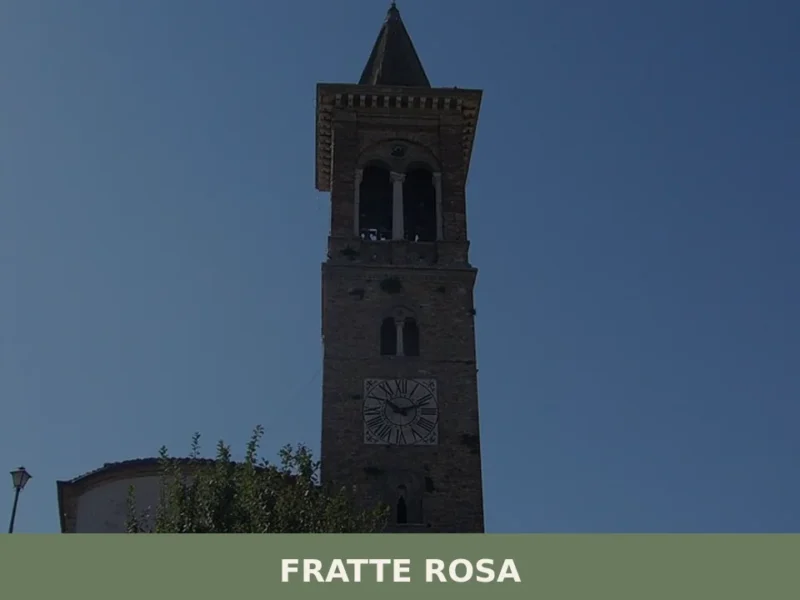
With its 847 inhabitants and an altitude of 419 meters above sea level, Fratte Rosa is located in the province of Pesaro and Urbino, a hilly area of the Marche region. The village’s name “Rosa” is historically linked to the color of a local clay, an essential component for the practice of pottery, documented in […]

Grottammare
 Sea
Sea
Home to a perfectly preserved medieval borgo and 15,924 residents, Grottammare offers a rare meeting of Adriatic beaches and Renaissance history on the Marche coast.
Borgo Pace
Hills
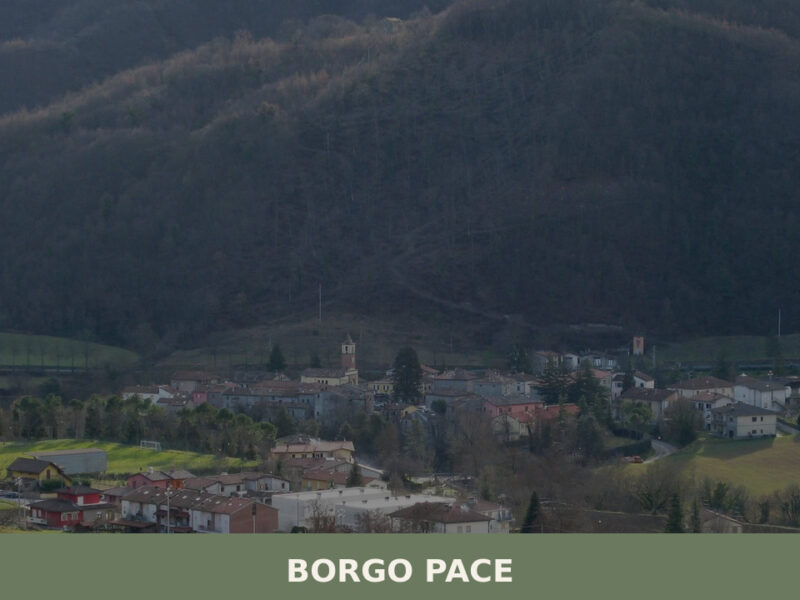
Two rivers converge here — the Meta and the Auro — and their meeting point gives this settlement its ancient rhythm. In the early morning, mist lifts off the water and clings to stone walls darkened by centuries of wood smoke. Borgo Pace sits at the edge of the Apennine watershed in the province of […]
Auditore
Hills
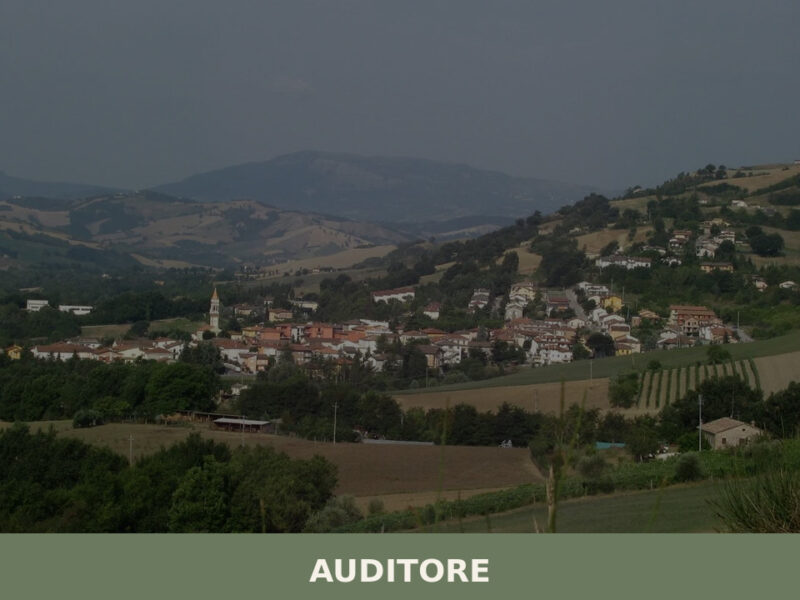
Morning light falls across a line of stone houses the colour of dry wheat, and somewhere below the rooftops a church bell marks the hour with a single, unhurried stroke. Auditore sits in the hill country of the province of Pesaro e Urbino, a settlement of 1,631 people where the Foglia river valley opens toward […]

Camerata Picena
 Mountain
Discover Camerata Picena, a charming hilltop village in Ancona province with medieval churches, scenic views, and authentic Marche countryside.
Petritoli
Hills
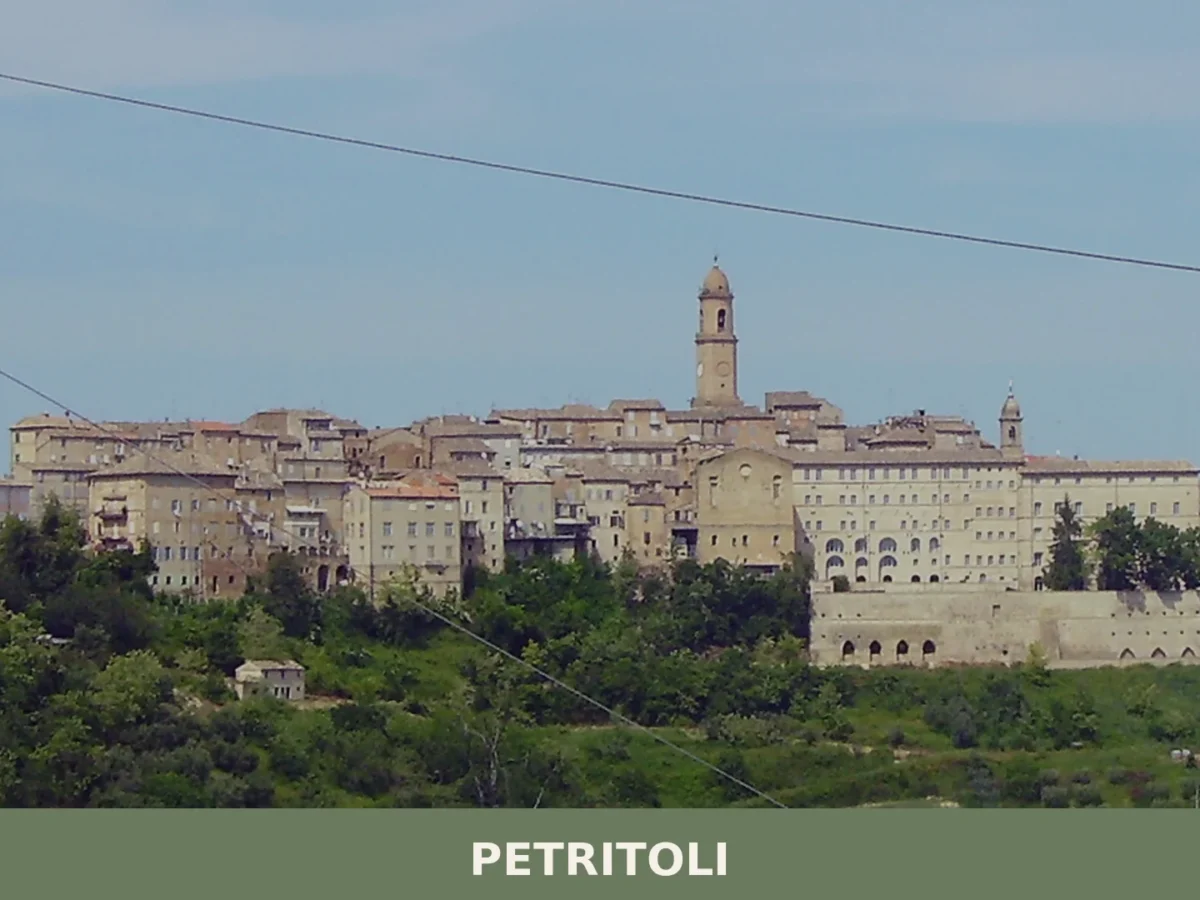
Petritoli is a hill town of around 2,100 inhabitants in the province of Fermo, Marche, set at 335 metres above sea level across seven hills on the left bank of the river Aso.
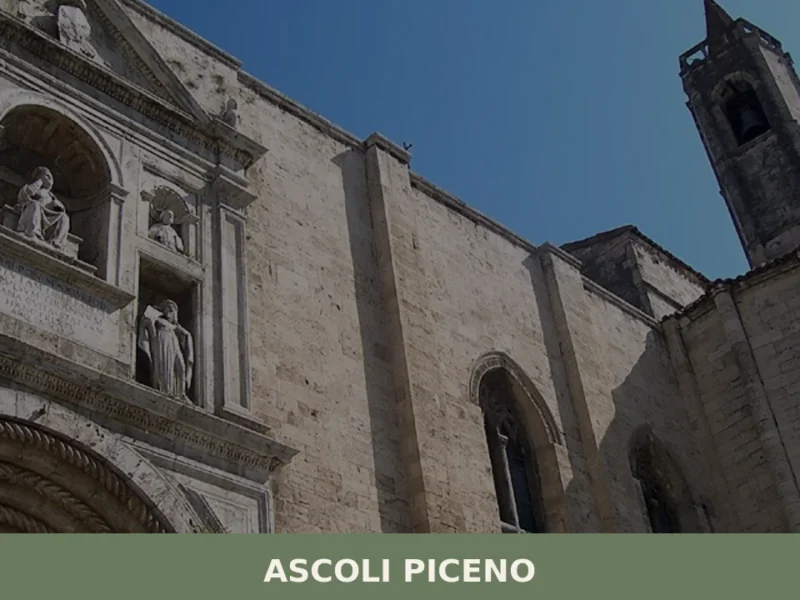
Ascoli Piceno
Plains
At 154 meters above sea level, in the heart of southern Marche, Ascoli Piceno rises between the waters of the Tronto river and its tributary, the Castellano, a natural crossroads that has shaped its identity over millennia. In this article History and origins of Ascoli Piceno What to see in Ascoli Piceno: main attractions Typical […]
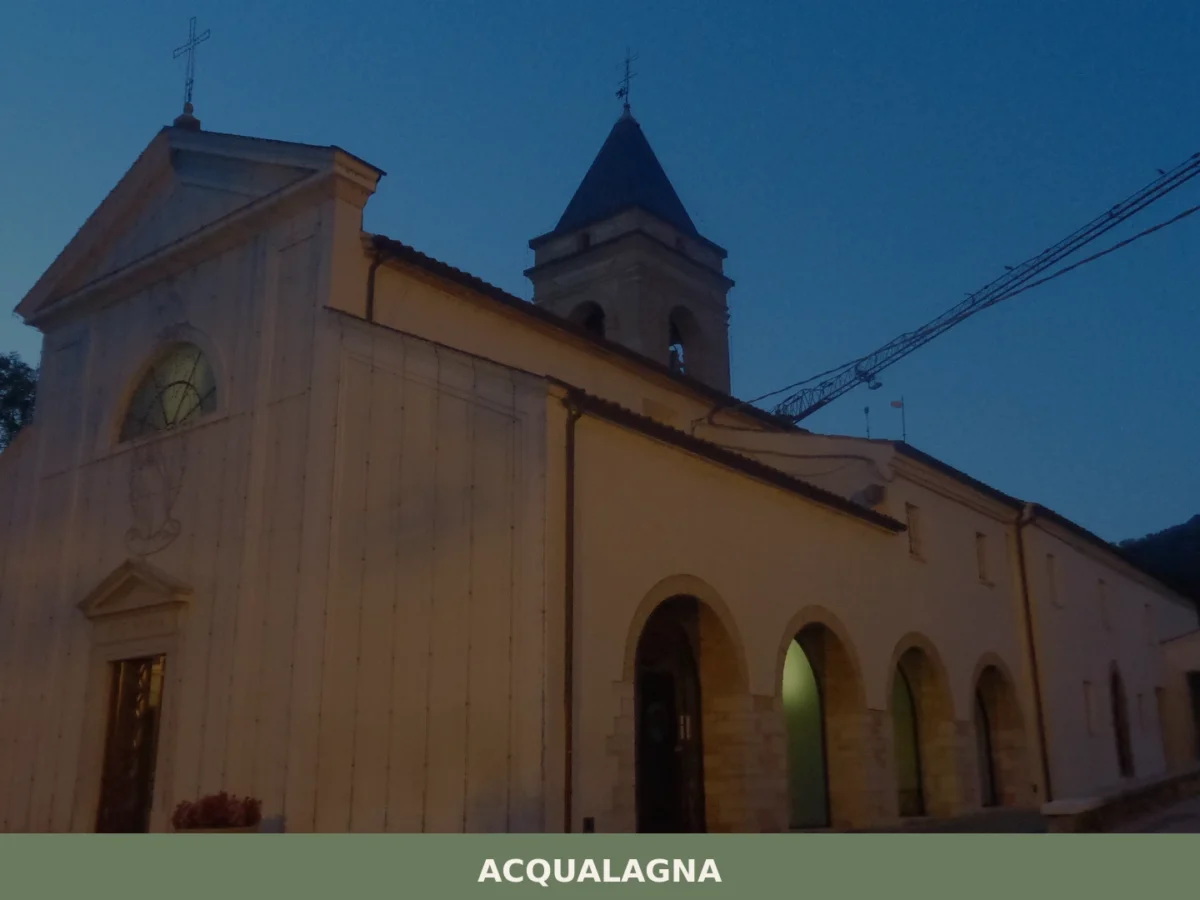
Acqualagna
Plains
Discover what to see in Acqualagna, Marche: the Furlo Gorge, Via Flaminia, white truffle fairs and Apennine woodlands. Practical travel guide to Pesaro e Urbino.
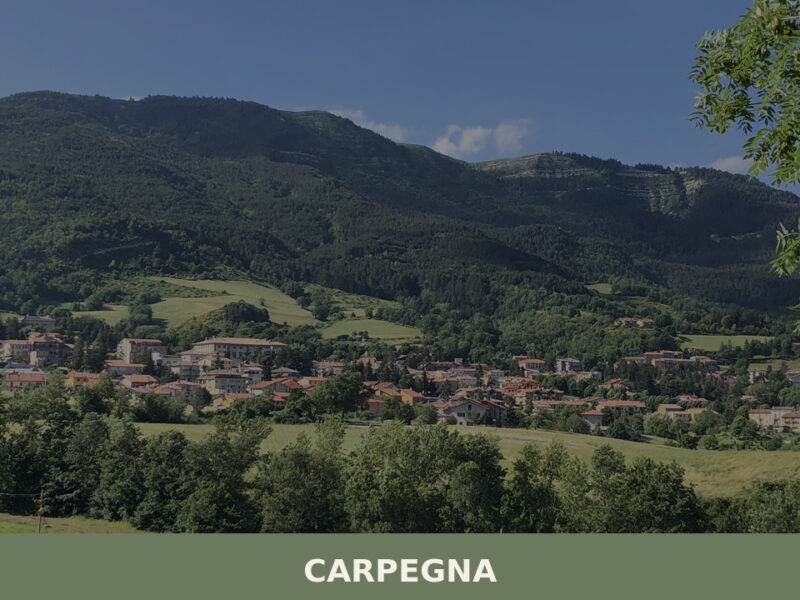
Carpegna
Mountain
Morning mist lifts off Monte Carpegna in slow, deliberate layers, revealing stone walls the colour of raw honey and a bell tower that has marked the hours here for centuries. The village sits at the foot of its namesake peak in the province of Pesaro e Urbino, home to just 1,672 residents who move through […]
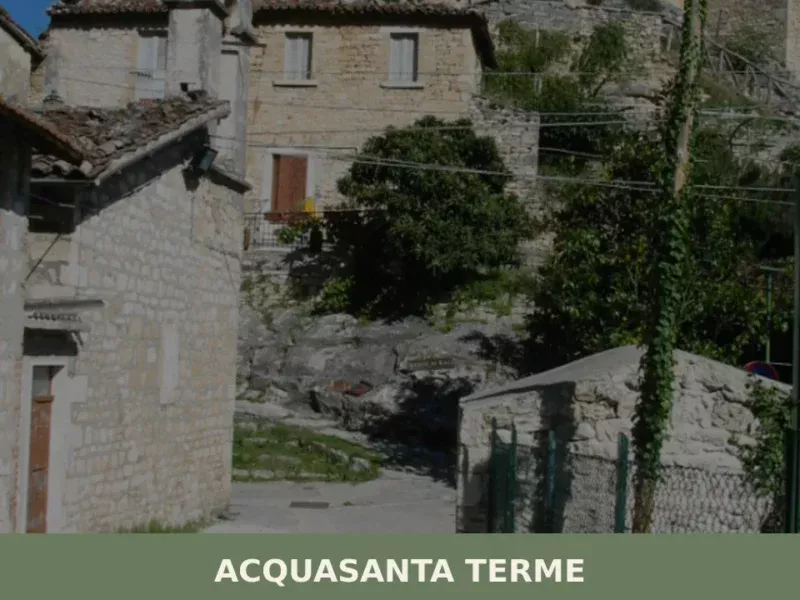
Acquasanta Terme
Mountain
Discover what to see in Acquasanta Terme: Roman thermal baths, Tronto gorge, medieval hamlets and Apennine landscapes in Marche's Ascoli Piceno province.
🧀 Italian traditional products





🏡 Know Appignano del Tronto better than we do?
If you’re a local or have been there, your knowledge matters: add what’s missing or fix a detail on this page.