


Losine
 Mountain
622 residents, three medieval churches and a dialect nickname that survives centuries. Losine rewards visitors who look beyond Lake Garda for Lombard mountain identity.
Losine: Where the Oglio Meets the Foot of Monte Concarena
Stand at the edge of the village on a clear morning and two things dominate: the broad shoulder of Monte Concarena rising to the north, and the sound of the Oglio threading through the valley floor below. The torrent Poia cuts through the settlement itself, a constant, low presence that has shaped how the village grew and where its oldest buildings stand. Limestone was quarried from the surrounding hillsides for centuries, and veins of a decorative marble known locally as marmo occhialino gave the stone here a particular character, different from the plain grey of neighbouring valleys.
Losine village in Lombardy sits in Val Camonica at 391 metres above sea level, in the province of Brescia, and it draws two kinds of visitor: those tracing the valley’s long religious geography through its remarkable cluster of medieval churches, and those who simply want to walk a landscape where mountain, river and centuries-old stone coexist without performance. The population of 622 is spread across a compact historic core and a few outlying hamlets, and the pace of daily life reflects a community that has administered itself continuously, with a brief interruption under Fascism, since the early twentieth century.
Castles, Bishops and the Long Memory of Val Camonica
The Camunian dialect name for this place is Lúden, a form that carries sounds older than any written record of the settlement. The village sits on land that was already significant in the medieval period, when a castle belonging to the Griffi family occupied the rise above what is now the church of Santa Maria in Castello. That castle has vanished almost entirely from the physical landscape, leaving only a painted memory in a seventeenth-century votive fresco inside the church, where the building appears in flames with a vision of the Madonna above it. In 1993 a tunnel was discovered leading from the area known as Castello toward a well in the direction of the Griffi family house in the village — a reminder that even the most thoroughly demolished structures leave traces underground.
The documentary record of Losine’s political and religious life opens with a specific act: on 15 May 1365, the Bishop of Brescia granted feudal rights over the tithes of several Val Camonica territories, including Losine, to Giovanni and Gerardo of the Federici family of Mù. This act places Losine within a web of episcopal power and local noble families that defined the valley throughout the late medieval period. The Griffi family, already associated with the castle, remained a visible presence, and their name appears in the votive inscription inside Santa Maria in Castello, where a certain Paolo Agostino Griffi commemorated his prayer and the apparition of the Virgin.
The twentieth century brought administrative disruption. During the Fascist period, Losine was merged into the neighbouring municipality of Breno, losing its independent status for twenty-one years. After the war, a prefectural commissioner administered the village provisionally from 1949, and in 1951 the first freely elected municipal council took office. That recovery of self-governance still shapes how residents speak about local identity. The coat of arms and gonfalon, granted by presidential decree only in 1991, formalised a civic identity that the community had in practice been rebuilding for four decades. The gonfalon is a cloth of blue, a colour that reads against the grey limestone and the green of the valley slopes.
Stone, Fresco and the Churches That Define the Village
Church of Santa Maria in Castello
Dating to around the year 1000, this is the oldest religious structure in Losine and a clear example of a chiesa castrense — a church built inside the perimeter of a fortified enclosure. The Romanesque apse is semicircular, lit by three narrow single-lancet windows, and a sixteenth-century stone portal in pietra simona stands beside it. Inside, the fresco of the Pantocrator surrounded by the symbols of the Evangelists is the most striking work, its expressive force drawing comparisons in style to the tradition of Michelino da Besozzo. A second fresco records the vow of Paolo Agostino Griffi, showing the castle in flames and the Virgin appearing above it, with the inscription: “Questa opera fatta per satisfare uno voto di Paolo Agostino Griffi.” This church connects Losine directly to its earliest documented history.
Old Parish Church of San Maurizio
The patron saint of Losine gives his name to this older parish church, which was expanded in the eighteenth century over the foundations of a twelfth-century chapel, itself built on the remains of an earlier pagan sacred site. The baroque facade and the campanile — still shared with and used by the new parish church — frame a single-nave interior that is relatively bare but contains frescoes by Quaglio. On the south side, fragments of an older bell tower and a single-lancet window from the earliest structure remain visible, making the building a layered document of the village’s religious continuity across nearly a millennium.
New Parish Church of the Sacro Cuore di Gesù
Construction of this church began in the 1880s and was completed in the early twentieth century, with the foundation stone laid on 25 July 1885 and the consecration ceremony held on 19 September 1904. Fortunato Canevali designed the building, which presents a baroque facade and a single-nave interior. The interior decoration carried out between 1922 and 1923 was conceived as a commemoration of the Italian victory in the First World War. Among the works preserved inside are sixteenth-century frescoes, a seventeenth-century oil canvas of the Assumption of Mary, and a Madonna with Child recovered from the facade of a private house on Via Castello.
Chiesetta di Santa Maria Nascente alle Tezze
A seventeenth-century rural chapel set within a borgo of the same period, this small building is thought to have served as part of a country residence used by noble families who came to Losine during periods of rest. It sits apart from the main village, its modest scale and agricultural context making it a different register of sacred architecture from the three parish structures. Visitors who walk the paths between Losine’s scattered hamlets will encounter it as a moment of quiet surprise rather than a formal destination.
A local legend holds that a farmer working the land near the Castello hill lost his tool and heard it fall straight down, striking stone below. Centuries after the castle had disappeared from the surface, the earth was still hollow with its memory.
Autumn Wine and the Rhythms of the Camunian Calendar
Val Camonica has produced wine along its sheltered slopes for generations, and Losine participates in this tradition through the Sciör del Tórcol, a festival dedicated to the valley’s wine that takes place between late September and early October. The name refers to the torcolo, the traditional press used in harvest, and the event gathers both producers and residents in a celebration of the agricultural cycle that is distinctly Camunian in character rather than generic. This is not a large-scale tourist wine fair but a local seasonal rhythm, one that connects the village to the broader Val Camonica wine culture.
The inhabitants of Losine carry a particular scütüm — the Camunian dialect term for a community nickname — which is Màrtor or Martorèi, meaning marten in Italian. These nicknames are a living feature of Camunian social identity, distinguishing communities from one another across the valley in ways that centuries of administrative change have not erased.
Planning a Visit to Losine and the Surrounding Valley
Late spring and early autumn offer the most rewarding conditions for visiting Losine. July temperatures average around 20 degrees Celsius, and the valley light in September has a quality that suits both walking and photography. January temperatures drop to around minus one degree, and while the winter landscape along the Oglio has its own stark clarity, several of the smaller churches may have restricted access in the coldest months. The Lent and mid-Lent period sees a traditional Via Crucis procession along the old country road that connects Losine to the Sanctuary of Cerveno — a route that is now part of the provincial cycle and pedestrian network and can be walked or cycled independently at any time of year.
Losine has a railway station — Niardo-Losine — on the Val Camonica line, which links the valley to Brescia and makes the village accessible without a car. The journey from Brescia by train takes roughly one hour depending on the service. Visitors arriving from Brescia by road follow the SS42 through the valley. Those combining the visit with a broader Lombard itinerary might consider the contrast between the mountain setting here and the lakeside character of Limone sul Garda, or the wine culture of Adro on the Franciacorta hills. For those approaching from the southern end of Lake Garda, Desenzano del Garda and Sirmione mark the beginning of a very different Lombard landscape, making Losine a natural counterpoint at the end of a transect through the province.
| Departure | Distance | Time |
|---|---|---|
| Brescia | approx. 60 km | approx. 55 min by car; approx. 60 min by train |
| Milan | approx. 130 km | approx. 1 h 45 min by car |
| Bergamo | approx. 80 km | approx. 1 h 10 min by car |
| Desenzano del Garda | approx. 90 km | approx. 1 h 20 min by car |
The official municipal website at comune.losine.bs.it carries up-to-date information on church opening hours, local events and administrative contacts. Given the small scale of the village, it is worth checking access to Santa Maria in Castello in advance, as the oldest and most historically significant building in the village requires a degree of planning that the larger churches do not.
Frequently asked questions about Losine
How do you reach Losine by car and public transport?
By car, take the A4 motorway (Milan-Venice) until the Ospitaletto exit, then continue along the SS510 heading north into Val Camonica. Losine is approximately 60 km from Brescia. The nearest railway station is Cedegolo, on the Brescia-Edolo line operated by Trenord, a few kilometers from the town. From Cedegolo you can continue with local SAB bus services that connect the valley communities.
When is Saint Maurice, the patron saint, celebrated in Losine?
Saint Maurice the Martyr is celebrated on September 22. The patron saint festival represents one of the main events in Losine's civic and religious calendar, involving the community of 622 inhabitants. September 22 coincides with the autumn season in Val Camonica, a particularly suggestive period due to the first colorations of foliage on the slopes of Monte Concarena and along the banks of the Poia stream.
Are there documented CAI hiking trails in the area around Losine?
The Losine area falls within the territory managed by the Breno CAI section, which maintains and marks numerous routes in Val Camonica. Monte Concarena, clearly visible from the town, can be reached via medium-difficulty marked trails. The Poia Stream Valley offers more accessible valley-floor routes. For updated maps and trail details, it is advisable to consult the official CAI website or contact the Breno section directly.
How much time is recommended for visiting Losine?
To visit the historic center of Losine, with its medieval churches and characteristic buildings in occhialino marble, half a day is sufficient. For those wishing to combine the visit with excursions to Monte Concarena or along the Poia stream, a full day should be planned. Losine also serves well as a base for exploring the entire Val Camonica, rich in UNESCO sites with rock engravings, making at least a two-day stay in the area worthwhile.
What accommodation facilities are there in Losine or in the immediate vicinity?
Losine, with its 622 inhabitants, does not have extensive hotel accommodation in the town center. The most concrete options are found in nearby Val Camonica municipalities, such as Cedegolo, Breno, and Capo di Ponte, where B&Bs, farmstays, and small hotels are available. For stays directly in the area, it is advisable to check offers on portals such as VisitBrescia or contact the Valle Camonica IAT in Breno for updated information on local facilities.
📷 Photo Gallery — Losine


In Lombardy More villages to discover
Agra
Mountain
A 391-inhabitant mountain village at 650 metres in Varese province, Agra sits at the Swiss border with trails to Monte Lema and centuries-old chestnut woods.

Dalmine
 Plains
7 historic hamlets merged into one municipality. Dalmine offers Roman foundations, a fascist-era urban plan and remarkable World War II air-raid shelters.
Brusimpiano
 Hills
Hills
 Lake
Lake
What to see in Brusimpiano: 1,229 inhabitants, 289m above Lake Lugano. Discover the Church of the Nativity, lakeside promenade and nature trails. Plan your visit now.
Brinzio
Hills
What to see in Brinzio: a village at 510m in the Campo dei Fiori Park, Varese province. Explore 5 attractions, local cuisine, hiking trails and the 29 June Saint Peter feast.
Lodi
Plains
What to see in Lodi, Italy: Discover its 1454 Treaty legacy and 1796 Battle site. Explore this Lombard city, 87 m (285 ft) above sea level, for a unique historical day trip.
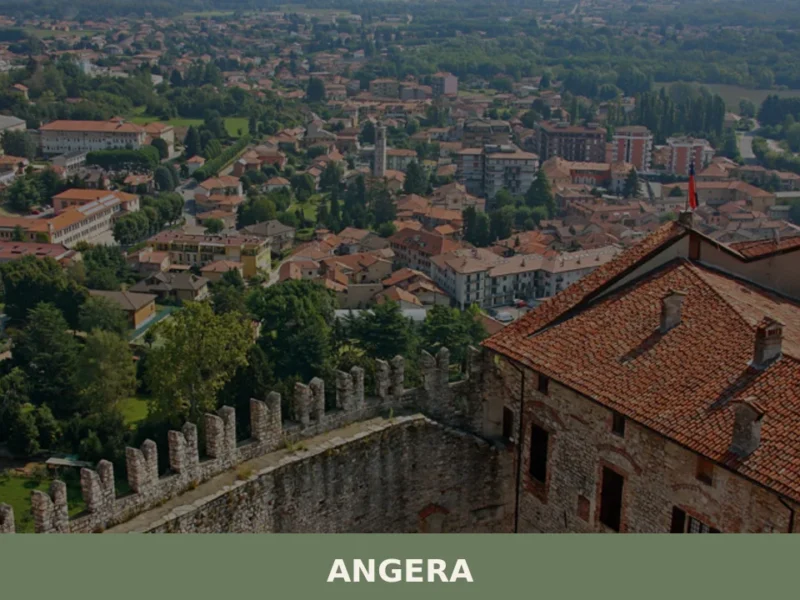
Angera
Hills
Lake
What to see in Angera: 5 must-see attractions. Discover the Borromea Fortress and the Doll Museum. Book your trip today!
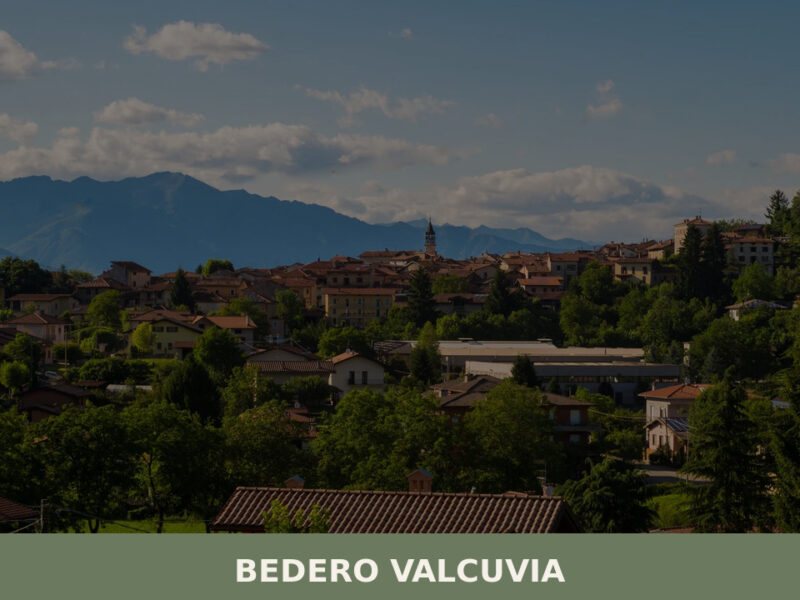
Bedero Valcuvia
Plains
Morning light reaches Bedero Valcuvia in stages — first the bell tower of the parish church, then the stone walls along Via Roma, and finally the gardens where fig trees press against iron railings. The village holds 680 residents in the broad green trough of the Valcuvia, a valley running between Lake Maggiore and Lake […]
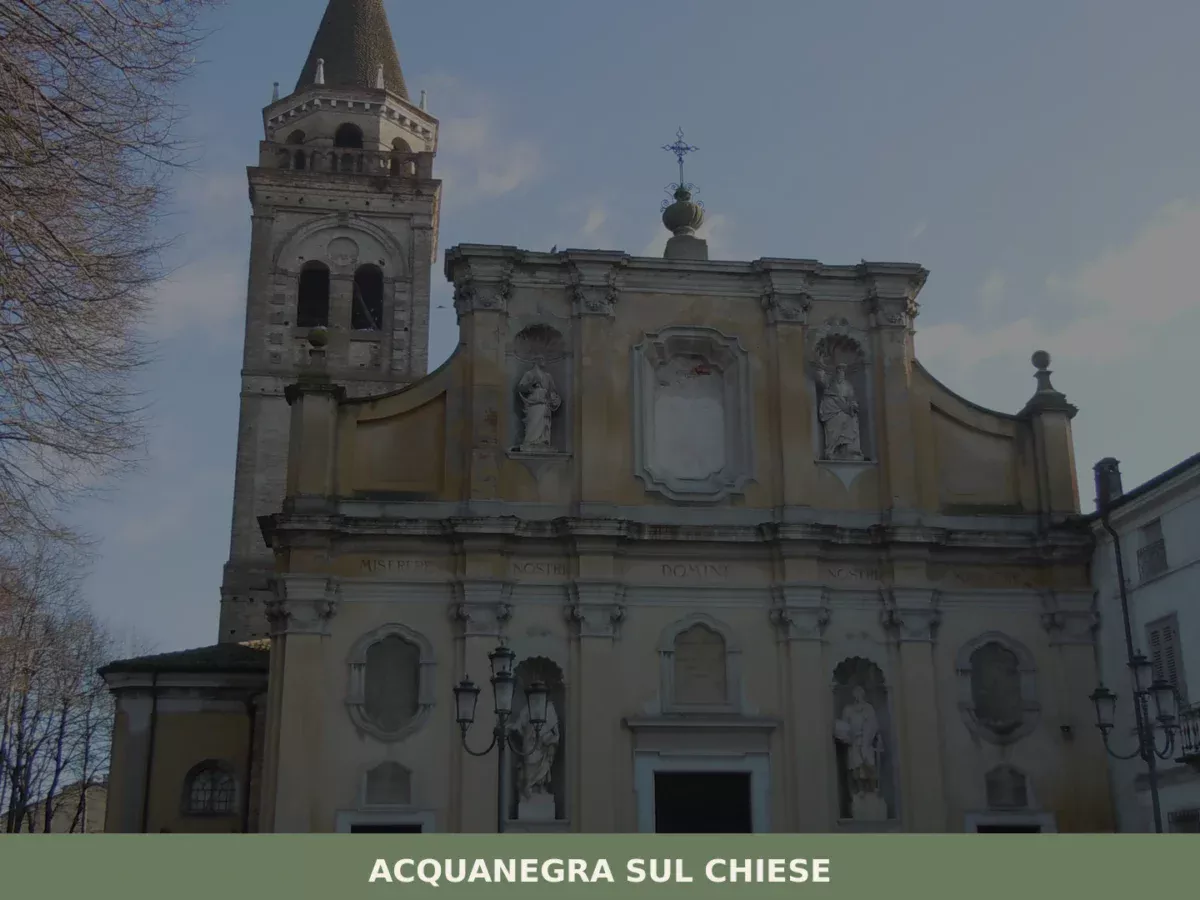
Acquanegra sul Chiese
Plains
What to see in Acquanegra sul Chiese, Lombardia, Italy — 100 km from Milan. Discover 5 top attractions, local food traditions, and how to get there. Explore now.

Cassano Magnago
Hills
Over 21,000 residents and a documented history stretching back to 1152. Cassano Magnago rewards visitors with a medieval castle, four ancient churches and a rich civic past.
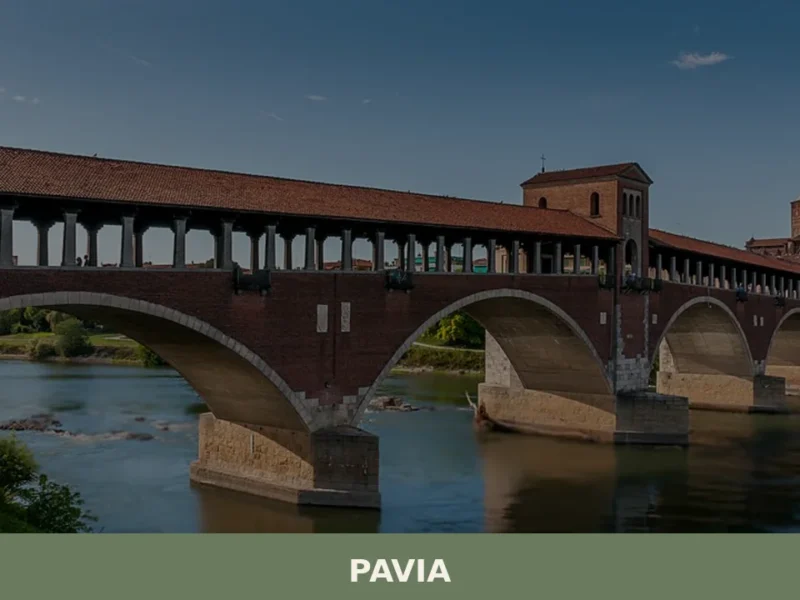
Pavia
Plains
what to see in pavia, home to 70,636 residents. Discover its iconic Duomo, the historic Certosa, and the ancient University. Explore Pavia's rich heritage now.


🏡 Know Losine better than we do?
If you’re a local or have been there, your knowledge matters: add what’s missing or fix a detail on this page.