


Genzano di Lucania
 Mountain
Discover Genzano di Lucania, a stone-built hilltop village in Alta Basilicata, where ancient alleys, Apennine views, and local traditions shape everyday life.
Genzano di Lucania: a Hilltop Village Between Two Worlds
A hilltop in the Alto Bradano. Stone streets that split into two distinct worlds — one older, layered, worn smooth by centuries of footsteps; the other more recent, practical, alive with daily commerce. From the promontory, the valley opens wide, and on clear mornings the light moves across it slowly, as if reluctant to leave.
Genzano di Lucania, set at 587 metres above sea level in the province of Potenza, draws visitors with two concrete reasons to linger: the visible contrast between its old and new town quarters, and its commanding position above the Bradano river valley that frames every view from the upper streets. Known in the local dialect as Ienzàne, the village carries its dual identity openly, without apology.
Between the Old Town and the New: the Dual Soul of a Lucanian Village
Few villages in Basilicata make their internal geography quite so legible. Genzano di Lucania is organised into two distinct nuclei — the paese vecchio, the old town, and the paese nuovo, the newer quarter — and the difference between them is not merely architectural. The old town holds the compressed memory of the settlement: narrow lanes, older stone buildings, the logic of a community that organised itself around defence and proximity. The new town reflects a different set of needs, more open, more connected to movement and trade.
The dialect name Ienzàne speaks to a deep local identity that official Italian toponymy has never entirely replaced. Residents still use it instinctively, and hearing it in conversation is a small reminder that Genzano di Lucania has its own linguistic register, shaped by the Lucanian interior and the particular isolation of a hilltop settlement. The village belongs to the Alto Bradano, a sub-region defined by the course of the Bradano river and by a landscape of clay hills, cereal fields and scattered woodlands.
The history of the settlement follows the broad arc common to many villages in this part of the Apennines: a medieval nucleus consolidating on high ground, a gradual expansion in more recent centuries, and a population that today stands at around five thousand inhabitants. That number reflects both the resilience of the community and the pressures that inland Basilicata has faced across the twentieth century. Genzano di Lucania has held on, expanding its urban fabric downhill while preserving the older core above.
Stone, Promontory and the Spaces That Define the Village
The Old Town Nucleus
The paese vecchio occupies the highest part of the promontory and retains the compressed urban texture that characterised medieval Lucanian settlements. Streets narrow as they climb, buildings share walls, and small open spaces serve as informal gathering points. Walking through it requires patience and a willingness to get slightly lost — which is, in practice, the most direct way to understand how the settlement grew organically over time. The views from the upper edges of the old town reach across the valley floor and toward the ridgelines of the surrounding hills.
The Parish Church of Santa Maria delle Grazie
The patron saint of Genzano di Lucania is Santa Maria delle Grazie, and the parish church dedicated to her anchors the devotional life of the village. Religious observance here is not merely ceremonial; it organises the calendar of the community, marks the seasons and brings together residents from both the old and new quarters. The feast day in her honour is among the most attended events in the local year, drawing people back to the village from across the region.
The Promontory and the Valley View
The physical fact that defines Genzano di Lucania most immediately is its position. The promontory on which the village stands offers unobstructed views across the Alto Bradano, a landscape that changes register with the seasons: pale gold in late summer, green and dark after autumn rains, streaked with mist in winter mornings. This is not incidental scenery; it is the geographical logic that explains why the settlement was placed here in the first place, and why it persists.
The New Town Quarter
The paese nuovo developed to meet the practical demands of a growing community. Its streets are wider, its buildings more recent, and it houses the services and commercial activity that sustain daily life. The contrast with the old town is immediate and instructive: together, the two quarters make the village’s history visible as a spatial sequence rather than something that requires historical imagination to reconstruct.
The Alto Bradano is one of Basilicata’s most geologically expressive landscapes: the clay hills shift and crack with the seasons, and entire slopes have moved historically, making every hilltop settlement here a negotiation between human ambition and unstable ground.
The Land and Its Produce
The agricultural territory surrounding Genzano di Lucania is typical of the Lucanian interior: cereal cultivation, olive groves on the more sheltered slopes, and the kind of mixed smallholding economy that has sustained hill communities for generations. The village sits within a zone where the transition between the clay badlands and the more fertile valley floors creates a varied but demanding agricultural environment. Local food culture reflects this: it is rural, direct and shaped by what the land actually produces rather than by outside influence.
The kitchen of this part of Basilicata tends toward slow-cooked preparations, preserved vegetables and the use of locally raised animals. Visitors who eat in the village are likely to encounter food that has not travelled far and has not been adapted for tourism. That directness is one of the more distinctive qualities of the table in this part of the Alto Bradano.
When to Visit and How to Reach the Village
Spring and early autumn offer the most rewarding conditions for a visit. In April and May the hills around the village are fully green, the light is clear and the temperatures at 587 metres are comfortable for walking. September and October bring a different quality of light — lower, warmer in tone — and the agricultural landscape is at its most active. Summer in the village is warm but not extreme at this altitude, and the feast of Santa Maria delle Grazie draws the community together in a way that rewards visitors who time their arrival accordingly.
Genzano di Lucania is accessible by car from the main road network of the province of Potenza. The village is not served by a direct rail connection, so private transport or organised excursions remain the practical options. If you arrive by car, the upper part of the old town requires some navigation on narrow lanes; parking at the edge of the new town and continuing on foot is the more practical approach.
| Departure | Distance | Time |
|---|---|---|
| Potenza | approx. 45 km | approx. 50 min by car |
| Matera | approx. 65 km | approx. 1 h 10 min by car |
| Bari | approx. 115 km | approx. 1 h 30 min by car |
Visitors who want to extend their time in the Alto Bradano and the wider Potentino can combine a stop here with other villages in the area. The ancient settlement of Banzi lies not far away, and the cathedral city of Acerenza offers a strong counterpoint in terms of monumental architecture. Those interested in the broader landscape of the Potentino hills will find further connections at Forenza, Cancellara and Filiano, each with its own distinct character within the same geological and cultural territory.
📷 Photo Gallery — Genzano di Lucania


In Basilicata More villages to discover
Acerenza
 Hills
Hills
Discover what to see in Acerenza, Basilicata: a Norman cathedral, medieval streets, calanchi views and local food. Practical tips for visiting this hilltop episcopal town.
Pietrapertosa
 Sea
Sea
What to see in Pietrapertosa, Basilicata, Italy: from the Volo dell'Angelo zip line to Dolomiti Lucane rock formations. Discover top things to do. Read the guide.
Tursi
 Plains
The ochre-yellow clay slopes that surround Tursi do not stay still. Every significant rainfall shifts the marly sediment, exposing new gullies in the Cenozoic rock and deepening the three chasms — the Palmara ditch to the north, the St. Francis ditch to the east, and the Cathedral ditch to the west — that have protected […]

Francavilla in Sinni
Mountain
What to see in Francavilla in Sinni, Basilicata, Italy: explore a town founded in 1426, the Sinni river valley, and local food traditions. Discover it all here.

Forenza
Mountain
Discover Forenza, a hilltop village in Potenza province at 800m, with historic churches, Apennine panoramas, and authentic Lucanian cuisine.
Castelsaraceno
Mountain
What to see in Castelsaraceno, Italy? Explore this mountain village at 916 m (3,005 ft) altitude. Discover the 586 m (1,923 ft) Tibetan Bridge and its historic core. Read our guide.
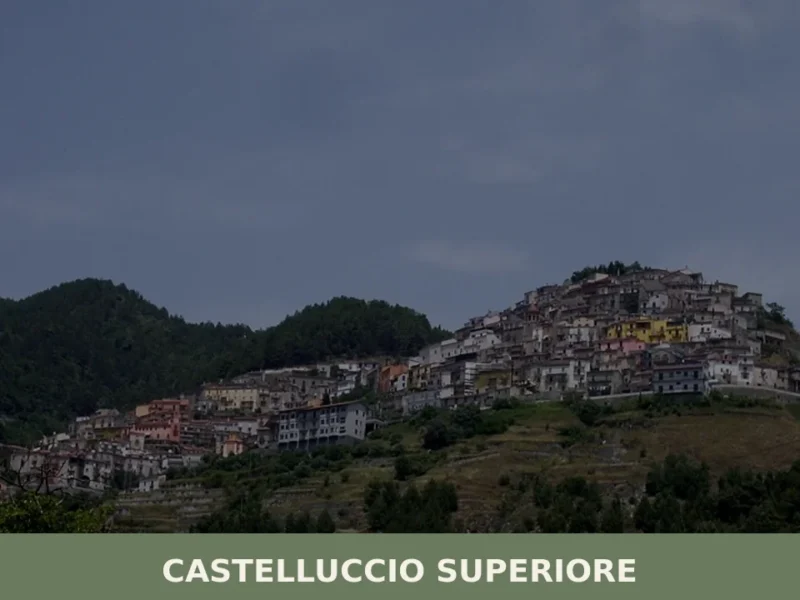
Castelluccio Superiore
Mountain
what to see in castelluccio superiore, Italy. Discover this mountain village at 680 m, explore its historic core, and experience the feast of Santa Margherita di Antiochia.
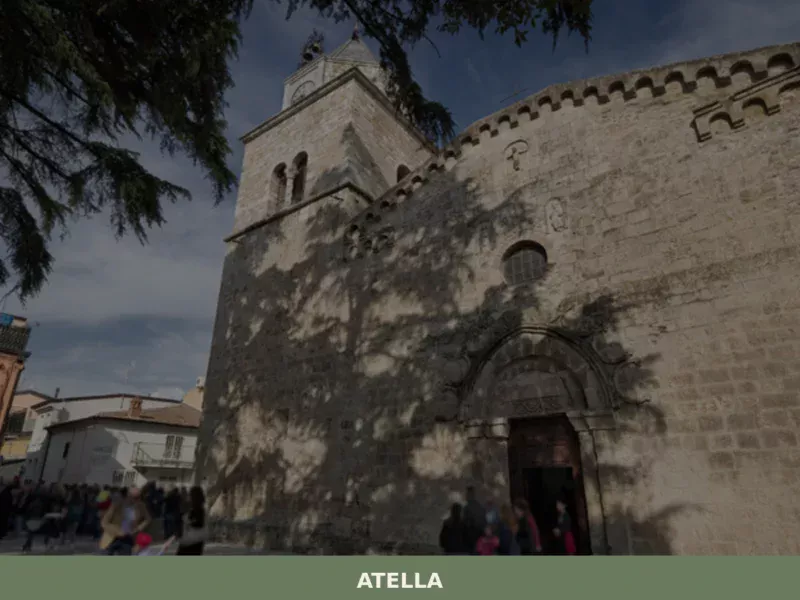
Atella
Hills
Discover what to see in Atella, a 3,574-inhabitant comune in Potenza province. History, food, travel tips and the best of the Vulture-Melfese area.
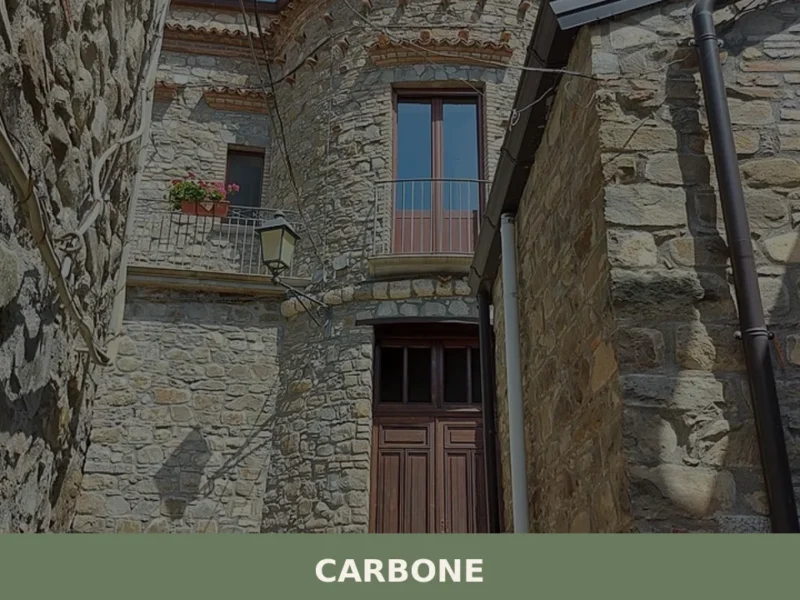
Carbone
Mountain
In the heart of Basilicata, 692 meters above sea level, lies Carbone, a settlement whose history is deeply connected to the 10th-century foundation of the Abbey of San Luca by Basilian monks. This monastic settlement, which became one of the most influential in Southern Italy, influenced the village’s identity, affecting its architecture and culture for […]
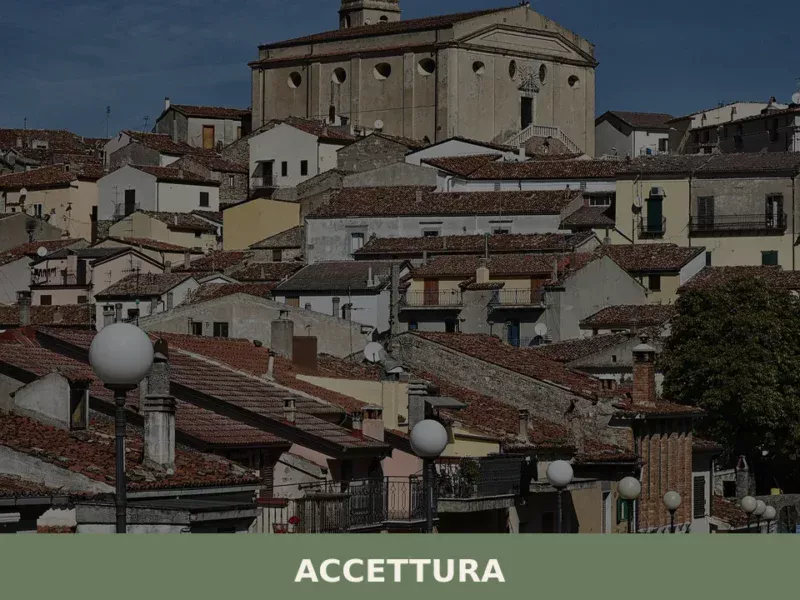
Accettura
Mountain
Discover what to see in Accettura, Basilicata: the Maggio festival, Gallipoli Cognato forest, local food and practical travel tips for this Matera province village.





🏡 Know Genzano di Lucania better than we do?
If you’re a local or have been there, your knowledge matters: add what’s missing or fix a detail on this page.