


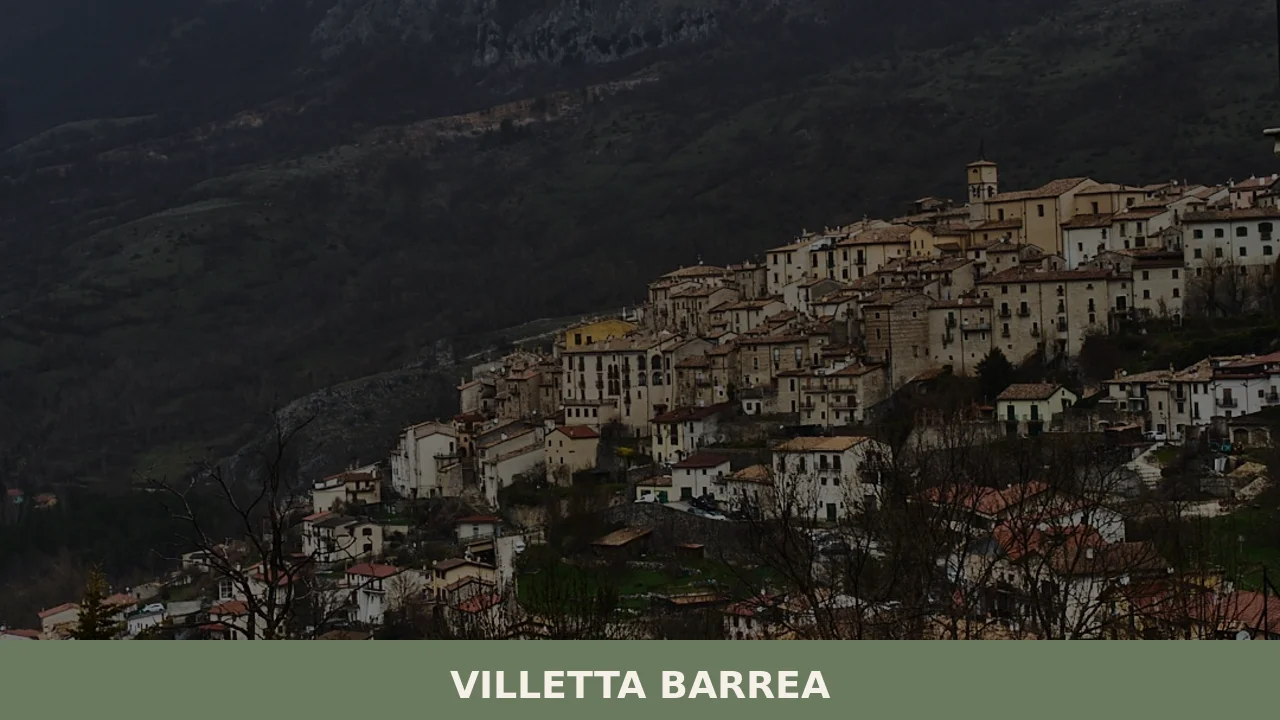
Villetta Barrea
 Lake
Lake
 Mountain
What to see in Villetta Barrea, Italy: Explore its 990 m altitude, the National Park of Abruzzo, Lazio and Molise, and the historic Church of San Vincenzo Ferreri. Discover this mountain village.
Discover Villetta Barrea
At 990 m (3,248 ft) above sea level, the village of Villetta Barrea stands within the dramatic landscape of the Monti Marsicani in central Italy. The Sangro river, a vital artery for the region, flows through its territory, receiving the clear waters of its first affluents, the Scerto and Profluo, near the village center. This elevation and geographical position have historically shaped Villetta Barrea, influencing its development and preserving its natural environment.
For those considering what to see in Villetta Barrea, the village offers a compelling blend of natural beauty and cultural heritage.
With an altitude nearing 1,000 m (3,281 ft), visitors can explore the extensive National Park of Abruzzo, Lazio and Molise, home to unique wildlife like the Marsican bear. Highlights include the historic Church of San Vincenzo Ferreri and opportunities for outdoor activities around Lake Barrea.
History of Villetta Barrea
The origins of human settlement in the area around Villetta Barrea extend back to pre-Roman times, when the Monti Marsicani were inhabited by ancient Italic tribes such as the Marsi, Vestini, and Peligni. These communities developed in close connection with the mountainous terrain and the rivers, utilizing the valleys for pastoralism and maintaining strategic positions for defense. While Villetta Barrea itself likely emerged as a distinct settlement later, the broader region, including the nearby Barrea, was influenced by Roman presence, serving as an important route through the Apennines.
During the medieval period, the territory of Villetta Barrea became part of the feudal domain known as the Baronia di Barrea, a strategic stronghold that controlled access to the upper Sangro valley.
This era saw the construction of fortifications and the establishment of a hierarchical social structure, with various noble families, including the D’Aquino family in the 15th century, holding sway over the lands and their inhabitants. The village’s development was closely tied to these feudal relationships, enduring through centuries as part of larger political entities like the Kingdom of Naples.
The 20th century brought significant challenges and transformations to Villetta Barrea, which experienced severe damage from the devastating 1915 Marsica earthquake, necessitating extensive reconstruction efforts. Later, during World War II, its location along the Gustav Line made it a focal point of conflict, leading to further destruction.
Despite these hardships, the community rebuilt, embracing its environmental heritage with the establishment of the National Park of Abruzzo, Lazio and Molise in 1922, a pivotal moment that redefined the village’s identity and future. The village of Bastia Umbra in Umbria also shares a rich history marked by both ancient Roman influence and significant post-war reconstruction, reflecting similar patterns of resilience in central Italy.
What to see in Villetta Barrea, Abruzzo: top attractions
National Park of Abruzzo, Lazio and Molise
The vast expanse of the , established in 1922, forms the natural backdrop and primary attraction of Villetta Barrea. Covering approximately 500 km² (193 sq mi), this protected area is crucial for the conservation of significant European wildlife, including the rare Marsican brown bear, Apennine wolf, and Abruzzo chamois. Visitors can engage in extensive hiking across well-marked trails, ranging from easy walks along the riverbanks to more challenging mountain ascents that offer expansive views of the surrounding peaks.
Church of San Vincenzo Ferreri
The Church of San Vincenzo Ferreri, Villetta Barrea’s main religious edifice, stands as a testament to the village’s enduring faith and architectural resilience.
Originally constructed between the 17th and 18th centuries, the church features a modest yet dignified facade characteristic of mountain village churches. It suffered considerable damage during the 1915 Marsica earthquake but was subsequently rebuilt, maintaining its historical essence while adapting to new structural requirements. Inside, visitors can observe traditional religious artworks and a serene atmosphere that reflects centuries of community worship.
Lake Barrea
Just a short distance from the village center lies Lake Barrea, an artificial lake created by damming the Sangro river. This tranquil body of water, approximately 5 km (3.1 mi) long, serves as a focal point for both local recreation and scenic contemplation. Surrounded by dense forests and the towering peaks of the Monti Marsicani, the lake offers opportunities for canoeing, kayaking, and fishing, particularly during the warmer months.
The calm waters and verdant shores provide a peaceful setting for picnics or leisurely strolls along the perimeter, with designated areas for public access.
Museum of the Marsican Bear
Dedicated to the iconic symbol of the Abruzzo region, the Museum of the Marsican Bear in Villetta Barrea offers an insightful look into the life and conservation efforts surrounding this subspecies of brown bear. The museum provides educational exhibits detailing the bear’s habitat, behavior, and the critical challenges it faces, emphasizing the importance of biodiversity protection within the National Park. It serves as a vital resource for understanding the delicate ecological balance of the area and encourages responsible tourism, often hosting interactive displays suitable for all ages.
The Historic Center of Villetta Barrea
Wandering through the historic center of Villetta Barrea allows visitors to experience the traditional architecture and urban layout of a mountain village. The narrow, winding alleys are lined with stone houses, many of which retain their original features and offer glimpses into the past. Observing the intricate stonework and the traditional wooden balconies provides a sense of the craftsmanship that has shaped the village over generations.
From various vantage points within the center, one can enjoy sweeping views of the Sangro valley and the surrounding peaks, reinforcing the village’s deep connection to its natural environment.
Local food and typical products of Villetta Barrea
The gastronomy of Villetta Barrea, deeply rooted in the broader Abruzzese culinary tradition, reflects the region’s pastoral history and its mountainous landscape. The local diet relies heavily on ingredients sourced from the land, including sheep and goat products, wild game, foraged mushrooms, and seasonal vegetables. This connection to the environment has fostered a cuisine that is hearty, flavorsome, and designed to provide sustenance in a demanding mountain climate, emphasizing simplicity and the quality of raw materials.
Typical dishes found in the Villetta Barrea area often feature pasta, with maccheroni alla chitarra being a prominent example. This egg pasta is traditionally prepared by pressing dough through a “chitarra” (guitar), a wooden frame strung with thin wires, which gives the pasta its distinctive square cross-section and porous texture, ideal for rich meat sauces. Other specialties include robust stews made with wild game such as wild boar or deer, often slow-cooked with local herbs and red wine, offering deep, earthy flavors that are characteristic of mountain cooking.
The area is also renowned for its dairy products and other agricultural goods.
Local cheeses like Pecorino, a firm sheep’s milk cheese, and fresh, soft Ricotta are staples, often produced by local shepherds using traditional methods. Additionally, the region is known for its high-quality honey (Miele), harvested from diverse mountain flora, and the highly prized Zafferano dell’Aquila DOP (saffron), cultivated in the nearby L’Aquila province, which adds a delicate fragrance and color to many local recipes. Visiting Villetta Barrea offers a chance to explore a food culture that shares its authentic flavors with other Italian regions, much like the culinary heritage found in Conversano, Puglia, where traditional agricultural products define the local identity.
Festivals, events and traditions of Villetta Barrea
The cultural calendar of Villetta Barrea is marked by events that celebrate both its religious heritage and its deep connection to nature. The most significant annual celebration is the Feast of San Vincenzo Ferreri, the patron saint of the village, observed on the first Sunday of August. This traditional festival includes religious processions through the streets, where a statue of the saint is carried, accompanied by local bands and community members.
The day often concludes with live music, traditional dances, and communal gatherings, fostering a strong sense of local identity and shared festivity.
Beyond the patron saint’s day, Villetta Barrea hosts various events throughout the warmer months, often centered around its natural environment and the National Park. These can include guided nature walks, wildlife observation excursions, and open-air concerts, all designed to engage both residents and visitors with the unique landscape. These gatherings provide insight into local traditions and offer opportunities to experience the community spirit, making them an integral part of what to see in Villetta Barrea during a visit.
When to visit Villetta Barrea, Italy and how to get there
The best time to visit Villetta Barrea, Italy, largely depends on the type of experience you seek. Summer, from June to September, is ideal for outdoor activities, with pleasant temperatures perfect for hiking, cycling, and exploring Lake Barrea. This period also coincides with the Feast of San Vincenzo Ferreri and other local events, offering a vibrant atmosphere. For those interested in wildlife observation, late spring (May) and early autumn (October) are particularly rewarding, as animals are more active and the foliage displays spectacular colors, with fewer crowds than peak summer.
Villetta Barrea’s mountainous terrain means some paths and trails can be steep and uneven, requiring appropriate footwear, though the village center itself is relatively easy to navigate.
If you arrive by car, Villetta Barrea is accessible via the A24/A25 motorways, with recommended exits at Pescina or Sulmona, from which state roads lead directly to the village. From Rome, the journey covers approximately 150 km (93 mi) and typically takes around 2 hours, making it a viable day trip from nearest major city hubs. For those preferring public transport, the nearest train stations are Sulmona or Avezzano, which are connected to major Italian cities via the Trenitalia network. From these stations, local bus services operate to Villetta Barrea, though schedules should be checked in advance.
The closest major international airports are Rome Fiumicino (FCO) and Ciampino (CIA), both approximately 180-200 km (112-124 mi) away, with travel times of about 2.5 to 3 hours by car. Alternatively, Abruzzo Airport (PSR) in Pescara is closer, at about 100 km (62 mi) with a driving time of roughly 1.5 hours. For international visitors, it is worth noting that English may be limited in smaller shops and eateries, so carrying some basic Italian phrases and a small amount of Euros cash can be useful for transactions.
Visitors exploring the diverse landscapes of Italy might find interest in other distinct villages.
While Villetta Barrea offers a deep dive into mountain life and national park conservation, villages like Besnate and Albizzate in Lombardia present different regional characteristics and histories, providing a broader perspective on Italy’s varied cultural fabric.
Frequently asked questions about Villetta Barrea
What is the best time to visit Villetta Barrea?
Summer (June–September) is ideal for hiking, water activities on Lake Barrea, and attending local festivals. The Feast of San Vincenzo Martire is celebrated on the third Sunday of July, while the Feast of Santa Barbara Vergine e Martire takes place on the first Sunday after Ferragosto (August 15), both offering traditional processions and communal celebrations. Late spring (May) and early autumn (October) are excellent for wildlife spotting and foliage, with fewer crowds. Winter brings snow and a quieter atmosphere, appealing to those seeking mountain solitude.
What are the historical origins of Villetta Barrea?
The area around Villetta Barrea was inhabited in pre-Roman times by Italic peoples including the Marsi, Vestini, and Peligni. During the medieval period, the village fell within the Baronia di Barrea, a feudal stronghold controlling the upper Sangro valley. The D'Aquino family held dominion in the 15th century. The 1915 Marsica earthquake caused severe damage, requiring extensive reconstruction. The establishment of the National Park of Abruzzo, Lazio and Molise in 1922 marked a turning point, redefining the village's identity around conservation and sustainable tourism.
What to see in Villetta Barrea? Main monuments and landmarks
Key attractions include the Church of San Vincenzo Ferreri, built between the 17th and 18th centuries and rebuilt after the 1915 earthquake, featuring traditional religious artworks. The historic center offers stone-paved alleys, original stone houses, and wooden balconies with views over the Sangro valley. The Museum of the Marsican Bear provides interactive exhibits on the iconic Marsican brown bear and its conservation. Lake Barrea, just outside the village, and the surrounding National Park of Abruzzo, Lazio and Molise complete the essential visit.
What are the main natural and scenic attractions of Villetta Barrea?
Villetta Barrea sits within the National Park of Abruzzo, Lazio and Molise, a protected area of approximately 500 km² home to the Marsican brown bear, Apennine wolf, and Abruzzo chamois. The park offers well-marked hiking trails ranging from easy riverside walks to demanding mountain routes. Lake Barrea, an artificial lake about 5 km long formed by damming the Sangro river, is surrounded by dense forests and mountain peaks, providing a scenic setting for canoeing, kayaking, fishing, and lakeside walks.
Where to take the best photos in Villetta Barrea?
The shores of Lake Barrea offer stunning reflections of the forested Monti Marsicani peaks, especially at dawn and dusk. Elevated viewpoints within the historic center provide sweeping panoramas of the Sangro valley. The narrow stone alleys of the old village, with their wooden balconies and traditional architecture, are ideal for atmospheric close-up shots. During autumn, the combination of colorful foliage framing the lake creates particularly striking photographic opportunities.
Are there museums, churches or historic buildings to visit in Villetta Barrea?
The Church of San Vincenzo Ferreri is the village's main religious building, originally dating to the 17th–18th centuries and restored after the 1915 earthquake. The Museum of the Marsican Bear is dedicated to the conservation of the Marsican brown bear, featuring educational and interactive displays suitable for all ages. Both sites are located within or near the village center. Specific opening hours and admission fees are best confirmed locally or through the National Park visitor services before your visit.
What can you do in Villetta Barrea? Activities and experiences
Villetta Barrea offers hiking and trekking within the National Park of Abruzzo, Lazio and Molise, wildlife watching (including chances to spot the Marsican bear, wolf, and chamois), and water sports such as canoeing, kayaking, and fishing on Lake Barrea. Guided nature walks and wildlife observation excursions are organized, particularly in warmer months. Visitors can also explore the historic center on foot, visit the Museum of the Marsican Bear, and attend the patronal feasts in July and August featuring processions, music, and traditional dances.
Who is Villetta Barrea suitable for? Families, couples, hikers, solo travelers?
Villetta Barrea is especially well-suited to nature lovers and hikers, given its position inside the National Park and the diversity of trails. Families will appreciate the Museum of the Marsican Bear and the safe, accessible lakeside areas. Couples seeking a quiet, scenic mountain retreat will enjoy the romantic setting of Lake Barrea and the charming historic center. Wildlife enthusiasts and photographers are drawn by the rare fauna of the National Park. The village is less suited to those seeking beach holidays or urban entertainment.
What to eat in Villetta Barrea? Local products and specialties
The local cuisine reflects Abruzzo's mountain pastoral tradition. Maccheroni alla chitarra, egg pasta cut with a wooden frame strung with wires, is a signature dish, typically served with rich meat sauces. Wild game stews using boar or deer, slow-cooked with local herbs and red wine, are common. Local Pecorino (sheep's milk cheese) and fresh Ricotta are produced by area shepherds using traditional methods. Regional honey from mountain flora and Zafferano dell'Aquila DOP, a protected-designation saffron from the L'Aquila province, feature in many local recipes.
📷 Photo Gallery — Villetta Barrea
Getting there
Via Benedetto Virgilio, 67030 Villetta Barrea (AQ)
Nearby Villages near Villetta Barrea
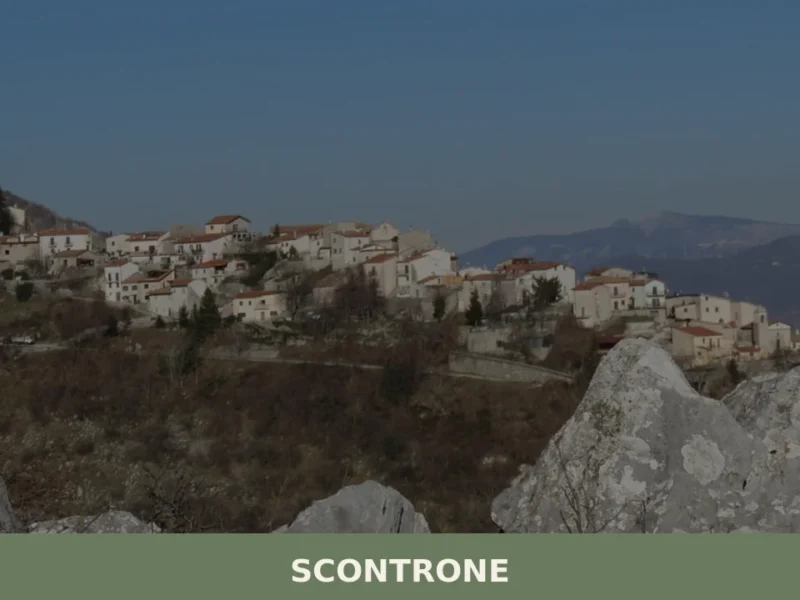
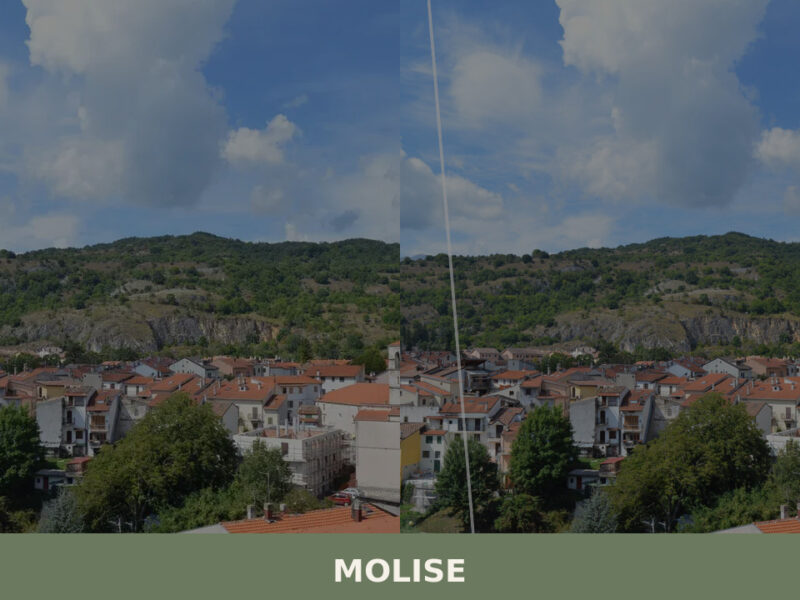
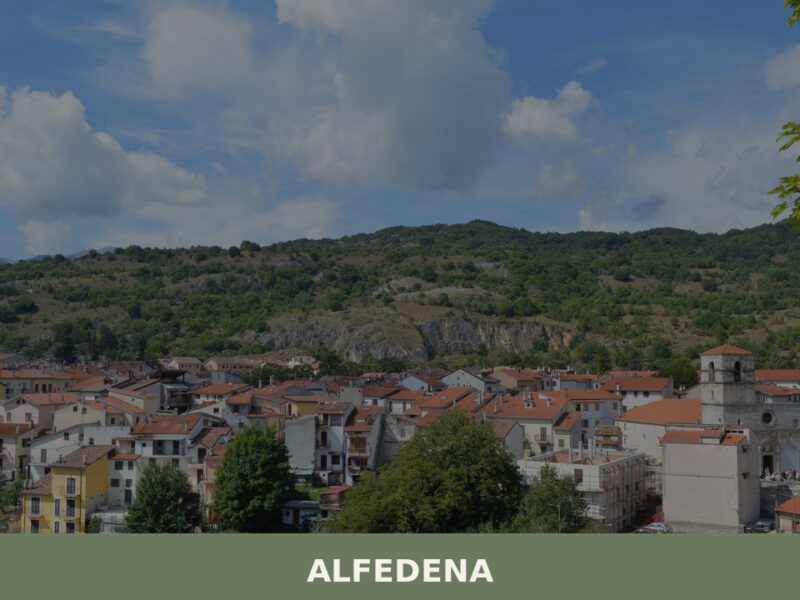
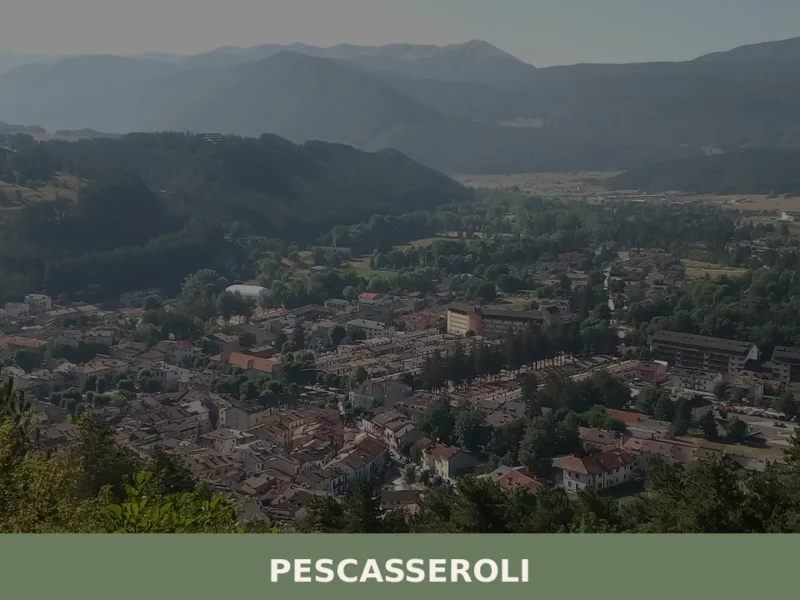
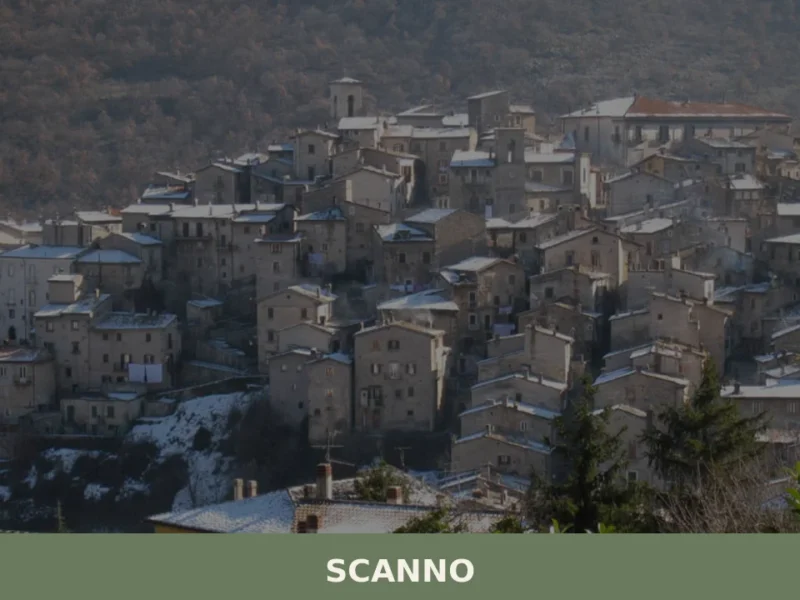
In Abruzzo More villages to discover
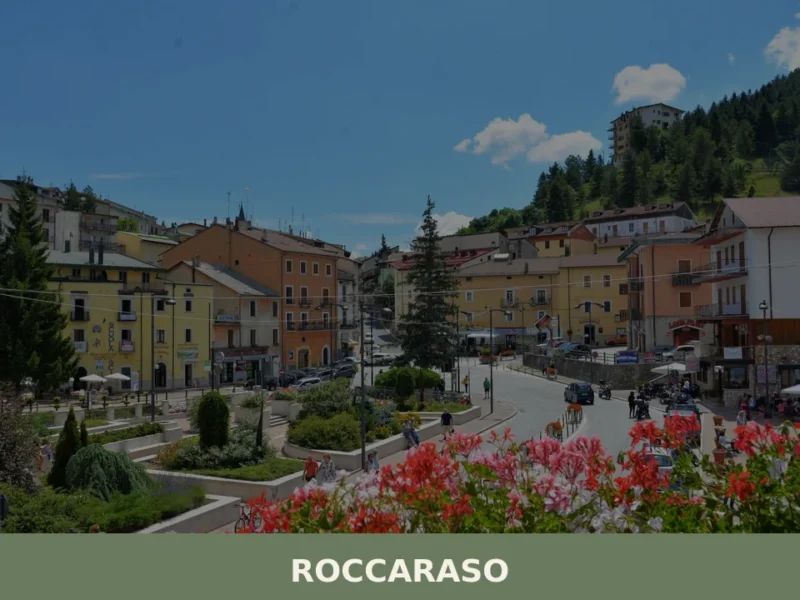
Roccaraso
Mountain
What to see in Roccaraso, Abruzzo, Italy: ski slopes at 1,236 m, the Church of Santa Maria Assunta, and the Alto Sangro ski area. Discover top attractions now.
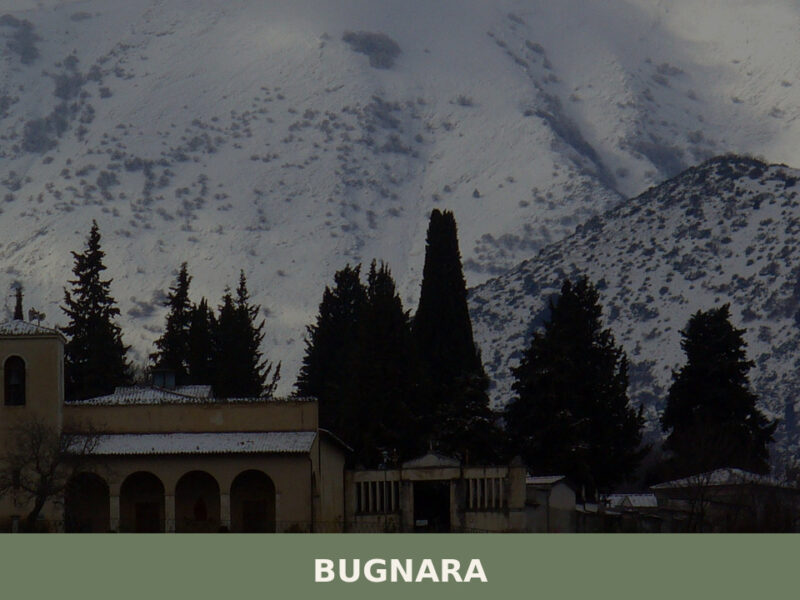
Bugnara
 Hills
Hills
Morning light falls across the Sagittario valley in long, amber strokes, catching the limestone walls of a settlement that has watched over this corridor of central Abruzzo for the better part of a millennium. Bells from a church tower mark the hour, their sound flattening against the surrounding slopes before fading. The streets are narrow, […]
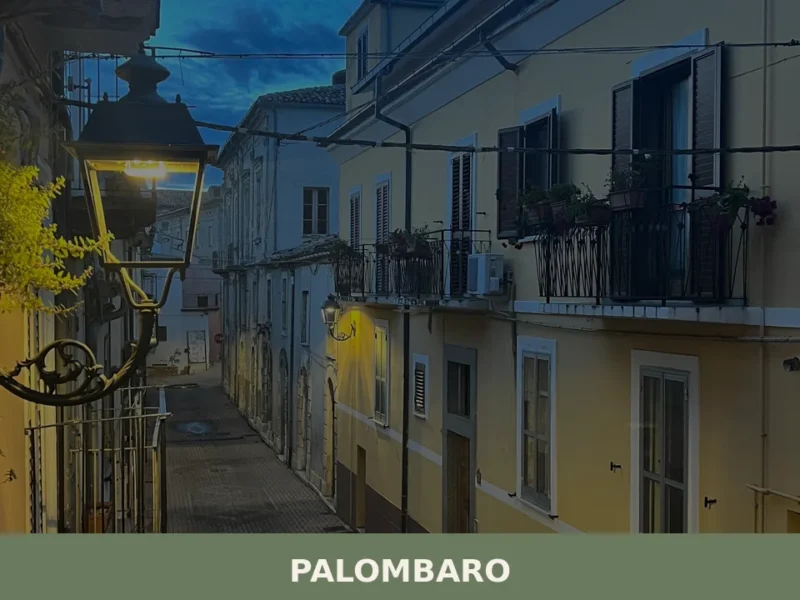
Palombaro
Hills
What to see in Palombaro: 5 attractions in this village at 536 m above sea level in the province of Chieti. Discover the historic centre, the medieval tower and the Madonna della Libera festival.
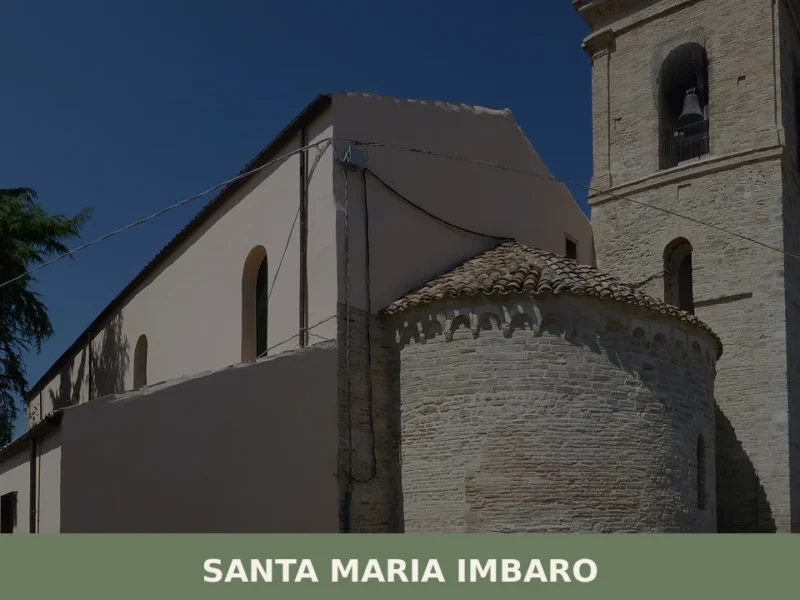
Santa Maria Imbaro
 Sea
Sea
The hill that supports Santa Maria Imbaro stands out sharply against the outline of the Chieti countryside: the low rooftops, the local stone façades and the bell tower of the parish church form a compact silhouette that can be read from the provincial road, even before turning into the village. The local dialect calls it […]
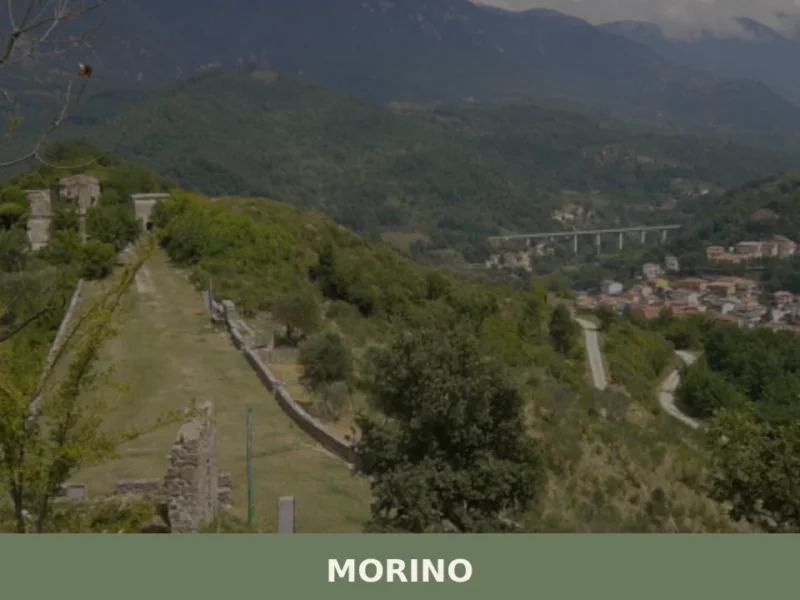
Morino
Mountain
What to see in Morino, Abruzzo, Italy: explore the Hermitage of Santa Maria del Cauto, the Roveto Valley, and 1,477 inhabitants' traditions. Discover it now.
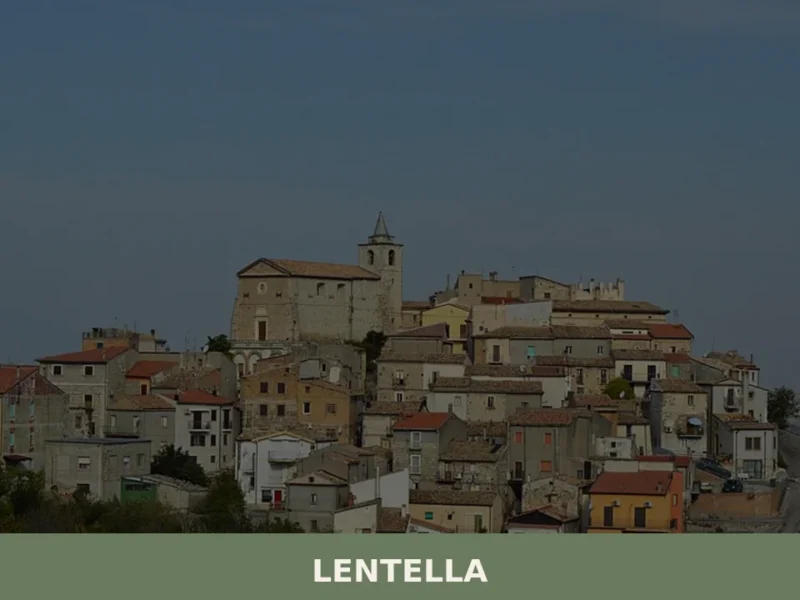
Lentella
Hills
What to see in Lentella: a hilltop village at 398m with 649 residents in Chieti. Discover the Santi Cosma e Damiano church, medieval old town, and local PAT products. Explore now!
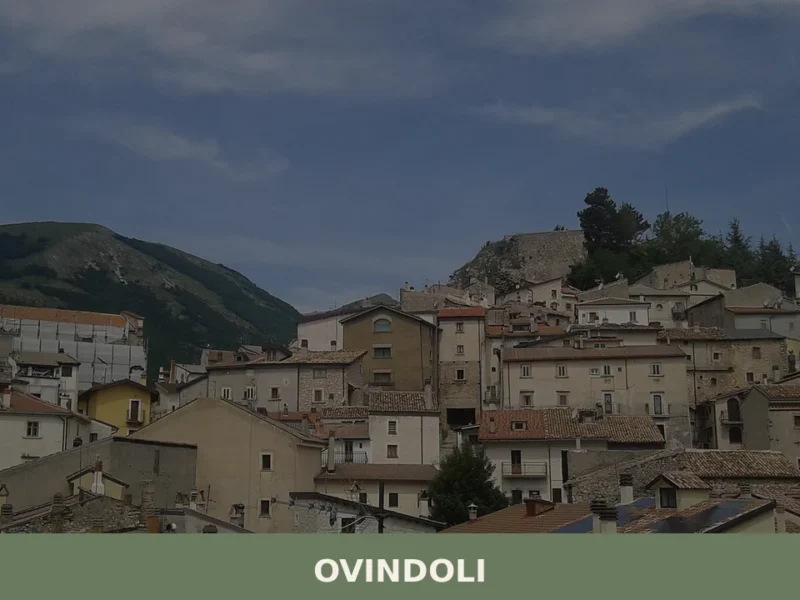
Ovindoli
Mountain
What to see in Ovindoli, Italy: ski slopes on Monte Magnola, hiking in Sirente-Velino park, 1,203 inhabitants. Discover top attractions and how to get there.
Goriano Sicoli
Mountain
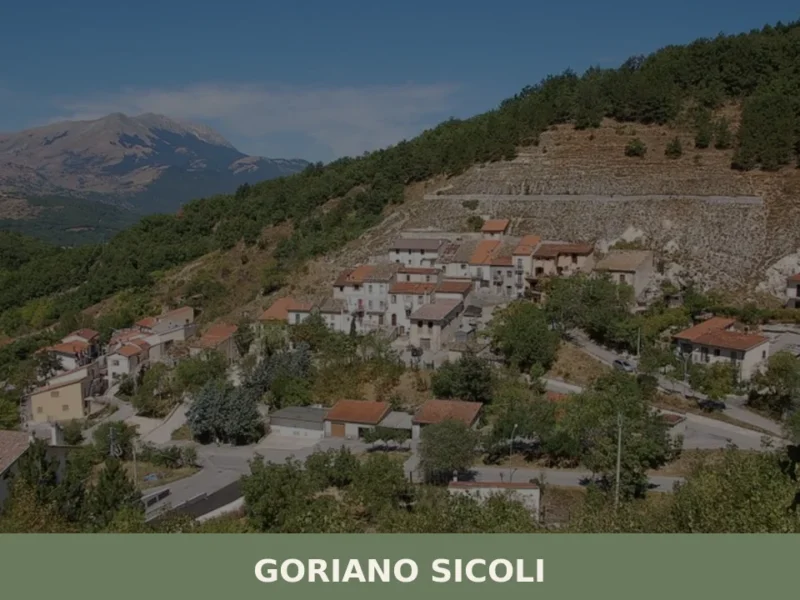
At 720 metres above sea level, in the Valle Subequana along the course of the Aterno river, Goriano Sicoli has just 511 inhabitants today — less than a fifth of the population recorded in the 1901 census. The village, in the province of L’Aquila, owes the second part of its name to the Roman colony […]
Castelvecchio Subequo
Hills
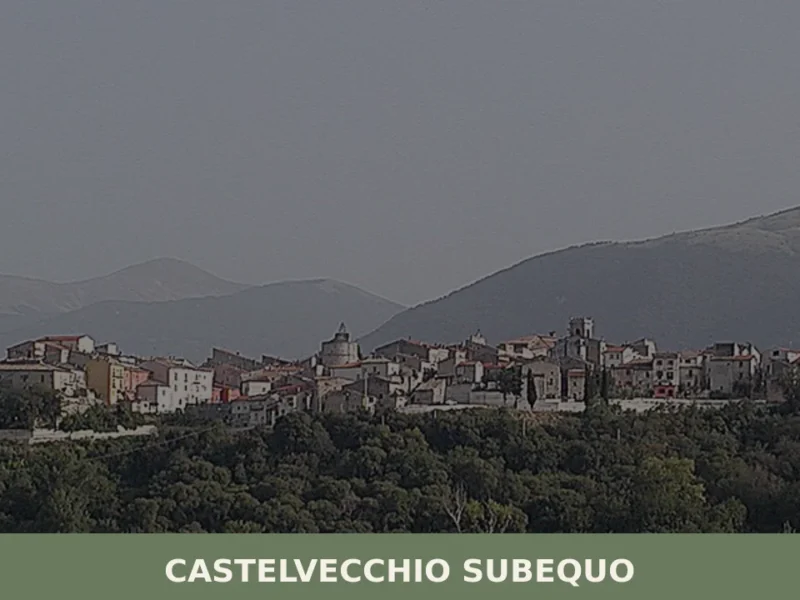
The convent of San Francesco in Castelvecchio Subequo preserves a cycle of fourteenth-century frescoes attributed to painters of the Giottesque school, among the few surviving examples in the central Apennine area. This fact alone is enough to justify a detour from the nearby A25 motorway towards a town of 832 inhabitants, at 490 metres above […]
Pescocostanzo
Mountain
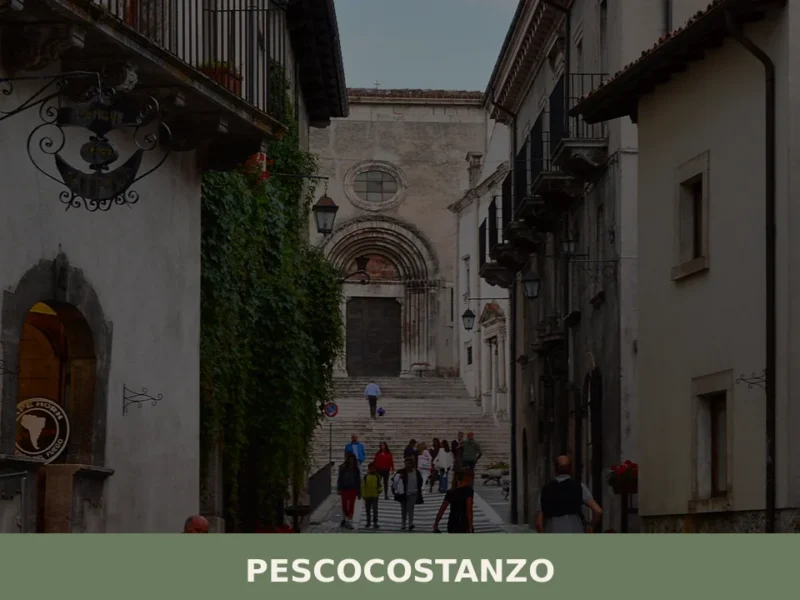
what to see in pescocostanzo offers a blend of mountain beauty and historical charm in Italy. Discover its 1,138 inhabitants, the Maiella National Park, and the Basilica di Santa Maria del Colle. Explore Abruzzo's heart.

🏡 Know Villetta Barrea better than we do?
If you’re a local or have been there, your knowledge matters: add what’s missing or fix a detail on this page.